Fuzhou has over 2,200 years of recorded history. Established as a county during the Han Dynasty, it grew into an important cultural center along the Fu River trade route.
The Tang and Song dynasties were Fuzhou's golden age of literary achievement. The city produced numerous scholars, poets, and officials. The Wang Anshi reform movement of the Song Dynasty had strong support from Fuzhou's scholar class.
The Ming Dynasty brought Fuzhou's greatest cultural figure — Tang Xianzu. Born in 1550, Tang wrote four major plays: "The Peony Pavilion," "The Story of Nanke," "The Story of Handan," and "The Purple Flute." The Peony Pavilion, a 55-act romantic drama about love transcending death, is considered one of the greatest works of Chinese literature. It is still performed today in kunqu and other Chinese opera styles.
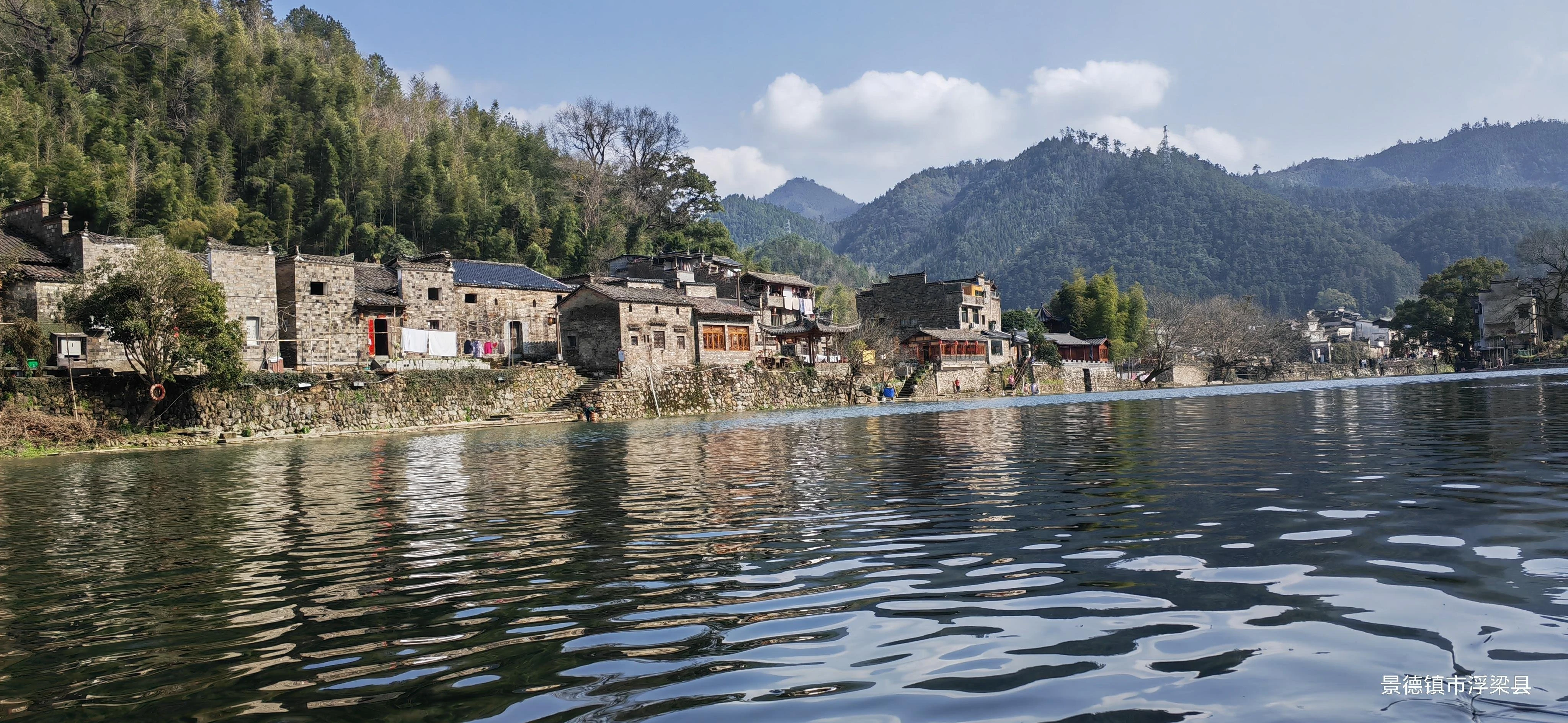
During the Ming and Qing periods, Liukeng Village flourished as a center of Confucian learning. The village produced numerous successful imperial examination candidates, and its architectural heritage reflects this prosperity.
Modern Fuzhou has developed as a center for education and light industry, while working to preserve its rich cultural and architectural heritage.