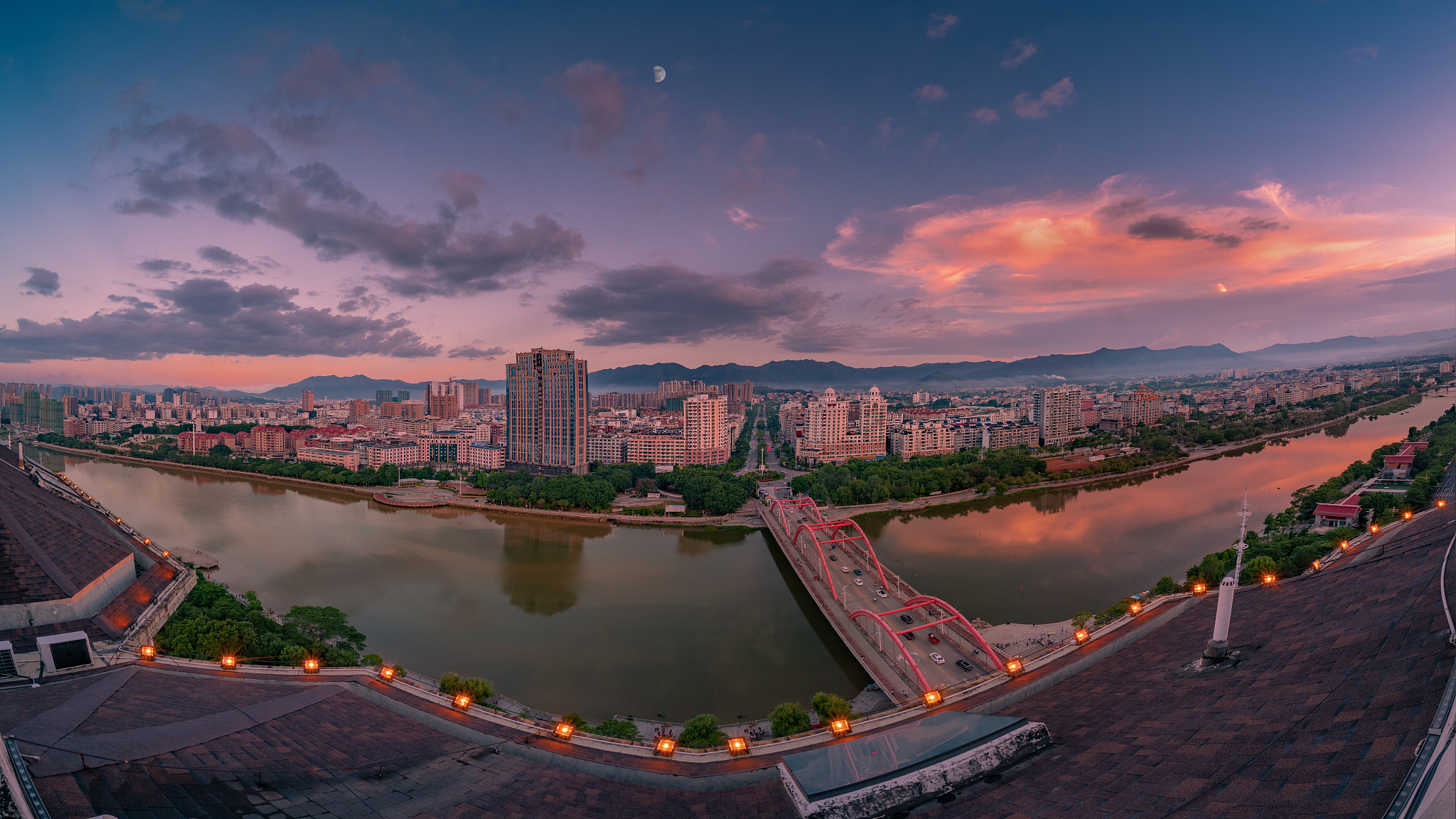
Ji'an city skyline and landmarks (吉安) - Travel China Guide

Ji'an Travel Guide

A city of profound cultural heritage, home to the scenic Jinggangshan mountain range, Jizhou Kiln's white porcelain, and the historic Luling scholarly tradition.

About

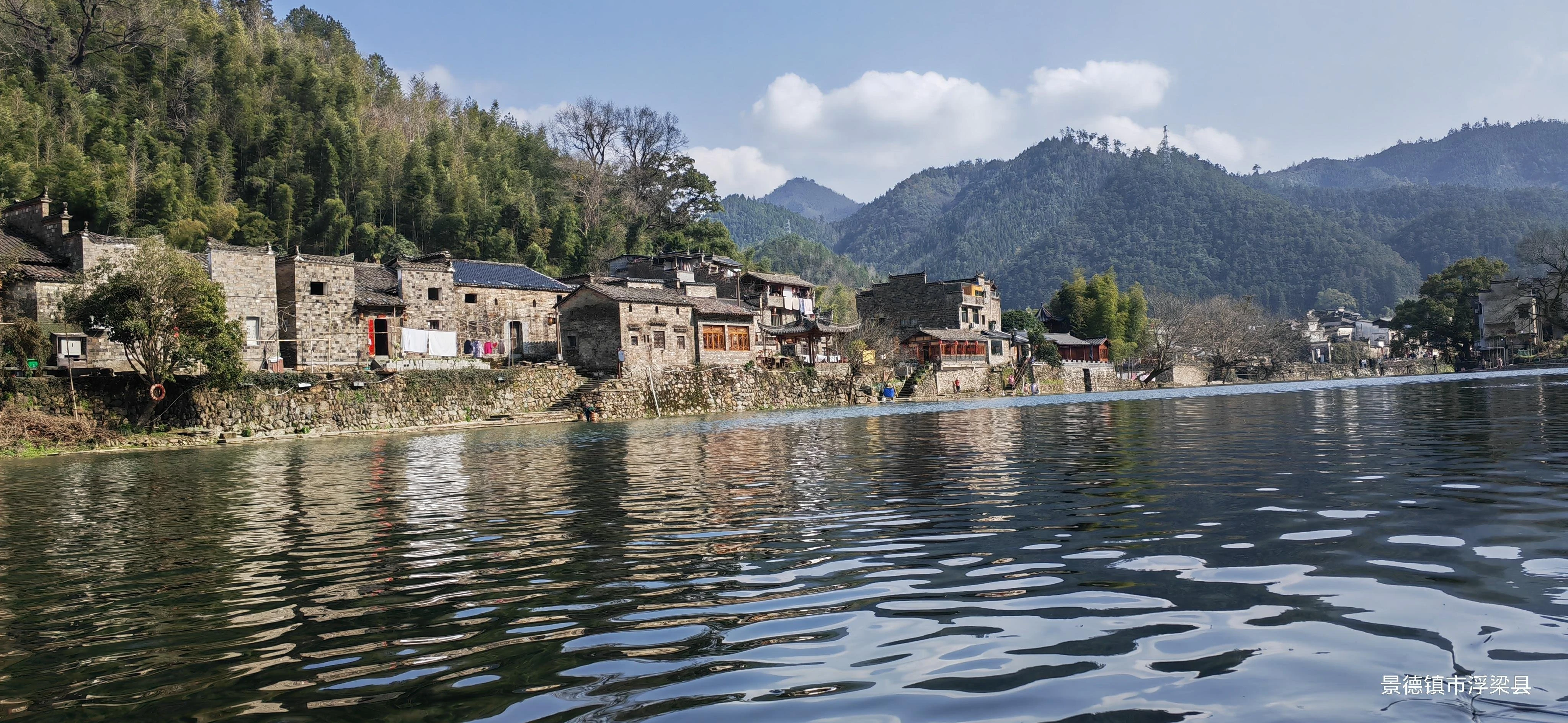
Ji'an, a prefecture-level city in central Jiangxi Province, occupies a unique place in both Chinese history and natural beauty. Historically known as Luling Commandery, it was one of imperial China's great centers of learning — producing an astonishing number of scholars, poets, and officials over two millennia. The Gan River, Jiangxi's largest waterway, flows through Ji'an, dividing the old town from the modern city center. At the heart of the city lies Bailuzhou Academy, a Song Dynasty Confucian academy perched on a river island, where generations of scholars prepared for the imperial examinations. Nearby, Qingyuan Mountain offers a peaceful Buddhist sanctuary with ancient temples and meditation halls.

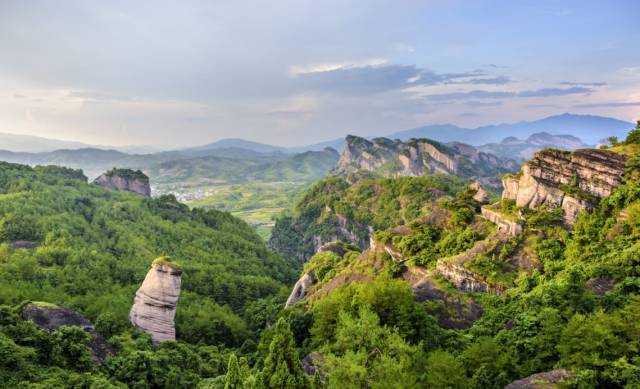
To the west, Jinggangshan is one of China's most important historical landmarks, a scenic mountain range with deep cultural significance. To the east, Mount Wugong draws hikers with its rare alpine meadows and stunning sunrise views. The Jizhou Kiln, one of China's great folk kilns, offers a fascinating glimpse into centuries of ceramic craftsmanship.

Ji'an's cuisine reflects the bounty of its rivers and mountains — from stir-fried rice noodles and tender bamboo shoots to the famous Taihe black-boned chicken soup and the rich, spicy fish head clay pot of Wan'an.

History & Development

Ji'an's history as a cultural center dates back over 2,000 years. During the Qin and Han dynasties, the area developed as an administrative center along the Gan River trade route connecting central China with the southern coast.

The Song Dynasty (960-1279) was Ji'an's golden age. The region produced 1,232 jinshi (successful imperial examination candidates) during the Song, more than most provinces. Ouyang Xiu, one of China's greatest writers and historians, was born here. Wen Tianxiang, a national hero who resisted the Mongol invasion, was also a Ji'an native.

During the Ming Dynasty, Ji'an continued to produce scholars and officials. The philosopher Wang Yangming taught in the region, influencing generations of Confucian thinkers.

In modern history, the Jinggangshan area became an important site during the early 20th century. Its mountain terrain provided a strategic location, and the area's role in modern Chinese history has made it a site of national significance.
Economy & Industries

Ji'an's economy has traditionally been based on agriculture and forestry. The region is a major producer of rice, tea, citrus fruits, and bamboo products. The forests of Jinggangshan and surrounding mountains supply timber and bamboo for construction and handicrafts.

Tourism is the fastest-growing economic sector. Jinggangshan attracts millions of domestic tourists annually for its historical significance and natural scenery. Mount Wugong has become a popular destination for hikers and campers. The Jizhou Kiln site and Bailuzhou Academy draw cultural tourists.

Manufacturing has developed in recent decades, with industrial parks focusing on electronics, machinery, and food processing. The city's location along the Beijing-Kowloon Railway provides good logistics connections.

Taihe County's black-boned chicken industry has grown into a significant agricultural brand, with products ranging from fresh poultry to packaged soups and health supplements.

Top Attractions

🏔️ Nature

Jinggangshan

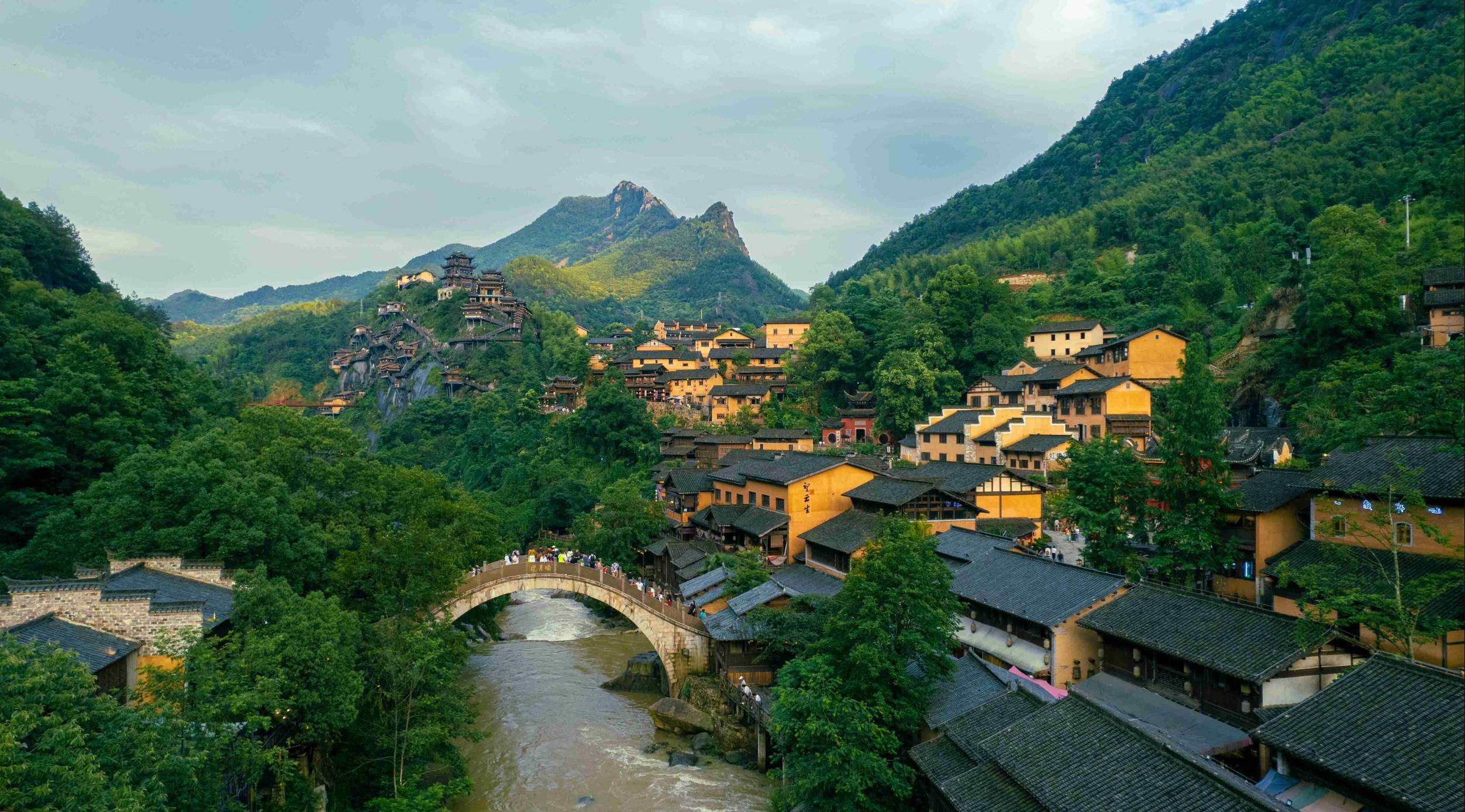
Jinggangshan is one of China's most historically significant mountains. Beyond its historical importance, the mountain range is stunningly beautiful, with dense bamboo forests, dramatic waterfalls, and peaks rising to 2,120 meters. The Ciping area serves as the main visitor hub with museums and memorial halls.

★★★★ 4.8
🕐 08:00-17:00
🎫 165 yuan (combined ticket)
🌳 Park

Luling Cultural Park

Luling Cultural Park is a 30-hectare urban park in Ji'an dedicated to the region's scholarly heritage. Ji'an was historically known as Luling Commandery and produced an extraordinary number of scholars — during the Song and Ming dynasties, over 2,800 jinshi (imperial exam graduates) came from this region. The park features traditional gardens, pavilions, statues of famous scholars, and exhibition halls showcasing the region's cultural achievements.

★★★★ 4.5
🕐 08:00-18:00
🎫 Free
🏛️ Landmark

Bailuzhou Academy

Bailuzhou Academy is a historic Confucian academy founded in 1241 during the Song Dynasty, located on a scenic island in the Gan River. Named "Egret Island" for the white birds that once nested here, the academy was one of the most prestigious in Jiangxi, producing numerous scholars and officials. The complex features lecture halls, libraries, dormitories, and a Confucian temple, all set among ancient trees and garden courtyards.

★★★★ 4.6
🕐 08:30-17:30
🎫 Free
⛩️ Temple

Qingyuan Mountain

Qingyuan Mountain is a major Buddhist sacred site in Jiangxi, home to the Jingju Temple (also known as Qingyuan Temple), founded in the 7th century during the Tang Dynasty. The mountain features lush forests, clear streams, and ancient Buddhist pagodas. The temple complex is one of the most important Chan (Zen) Buddhist centers in China, with well-preserved halls, inscriptions by famous calligraphers, and serene meditation gardens.

★★★★ 4.5
🕐 08:00-17:00
🎫 60 yuan
🎭 Museum

Jizhou Kiln

Jizhou Kiln, active from the Tang through Yuan dynasties (7th-14th centuries), was one of the most famous kilns in ancient China, renowned for its innovative paper-cut stencil decorations and tortoiseshell glazes. The site covers 2.5 square kilometers and contains kiln remains, workshops, and a museum displaying excavated ceramics. Unlike the imperial kilns of Jingdezhen, Jizhou produced everyday wares for common people, prized for their artistic creativity and natural beauty.

★★★★ 4.6
🕐 08:00-17:00
🎫 40 yuan
🏔️ Nature

Mount Wugong

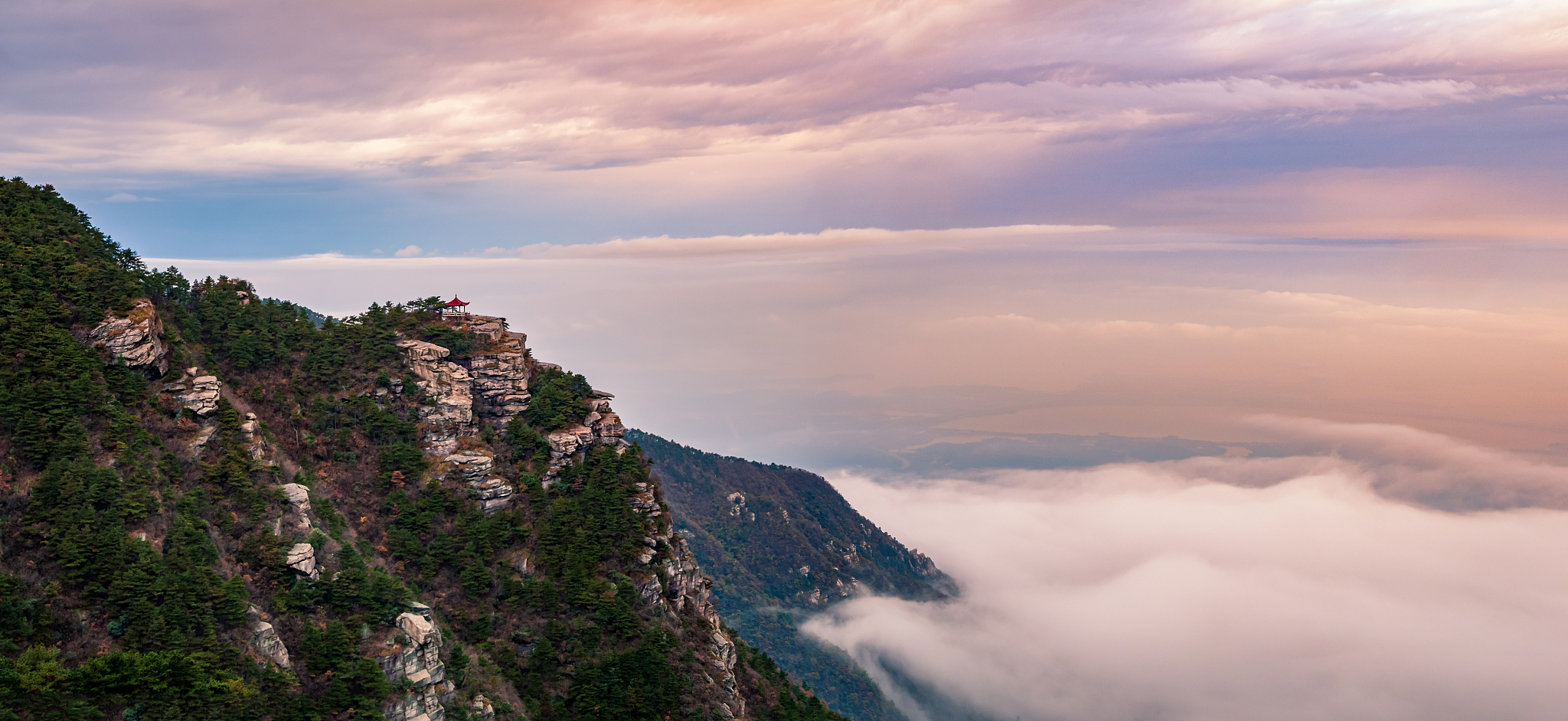
Mount Wugong is a majestic mountain range straddling the border between Jiangxi and Hunan, with its highest peak reaching 1,918 meters. It is famous for its vast alpine meadows that blanket the mountain ridges at elevations above 1,600 meters — a rare landscape in southern China. The mountain offers excellent hiking opportunities with well-maintained boardwalks, cable cars, and camping facilities. Sunrise and sea of clouds views from the summit are spectacular.

★★★★ 4.7
🕐 08:00-17:00
🎫 70 yuan

Food & Culture

Discover the culinary treasures of Ji'an, from traditional street food to imperial cuisine.

Things to Do

🏛️

Historical Heritage Tour

Visit Jinggangshan museums, historical residences, and memorial sites.

Hike Mount Wugong

Trek through alpine meadows and enjoy sea of clouds at sunrise.

Explore Jizhou Kiln

See ancient kiln sites and admire paper-cut stencil porcelain.

Visit Bailuzhou Academy

Walk through the historic Song Dynasty academy on Egret Island.

Photography at Jinggangshan

Capture the stunning bamboo forests, waterfalls, and mountain vistas.

🍜

Taste Local Cuisine

Try Taihe black-boned chicken soup and Ji'an stir-fried rice noodles.

Suggested Itineraries

Ji'an Heritage Tour (2 Days)

Explore Ji'an's cultural and scholarly heritage in the city center and suburbs.

  • Day 1: Luling Cultural Park + Bailuzhou Academy + Qingyuan Mountain
  • Day 2: Jizhou Kiln + Gan River waterfront
  • Evening: Local food — stir-fried noodles, Taihe chicken, fish head

Jinggangshan & Wugong Adventure (3 Days)

Experience the twin natural and historical highlights of the Ji'an region.

  • Day 1: Jinggangshan historical sites + Ciping town
  • Day 2: Hiking Jinggangshan waterfalls and bamboo forests
  • Day 3: Mount Wugong alpine meadows and cable car

Getting Around

✈️

Airport

Jinggangshan Airport (about 50km from Ji'an city center) with flights to Beijing, Shanghai, Xi'an, and other major cities.

🚄

High-Speed Rail

Ji'an West Station serves the Beijing-Kowloon and Shanghai-Kunming high-speed railways, reaching Nanchang in 1 hour and Changsha in 1.5 hours.

🚌

Bus Network

Public buses and long-distance buses connect all major attractions including Jinggangshan, Mount Wugong, and county towns.

🚕

Taxi & Rideshare

Available throughout the city

Best Time to Visit

🌸

Spring

Mar - May

★★★★☆

Warming weather with blooming azaleas on Jinggangshan. Frequent spring rains create lush green landscapes.

  • Azalea season on Jinggangshan
  • Lush bamboo forests
  • Comfortable hiking
☀️

Summer

Jun - Aug

★★★☆☆

Hot and humid in the city. Jinggangshan and Mount Wugong offer cool mountain retreats. Peak tourist season at Jinggangshan.

  • Mountain retreats
  • Waterfall season
  • Historical site visits
🍂

Autumn

Sep - Nov

★★★★★

The best season — clear skies, crisp air, and golden autumn colors on the mountains. Ideal for hiking and outdoor photography.

  • Golden autumn colors
  • Clear mountain views
  • Best hiking weather
❄️

Winter

Dec - Feb

★★★☆☆

Cold but not severe. Occasional snow on Jinggangshan and Mount Wugong creates beautiful wintry scenes. Very few tourists.

  • Snow-covered mountains
  • No crowds
  • Winter bamboo shoots season

Continue Exploring China

Discover more cities, food guides, and travel inspiration.