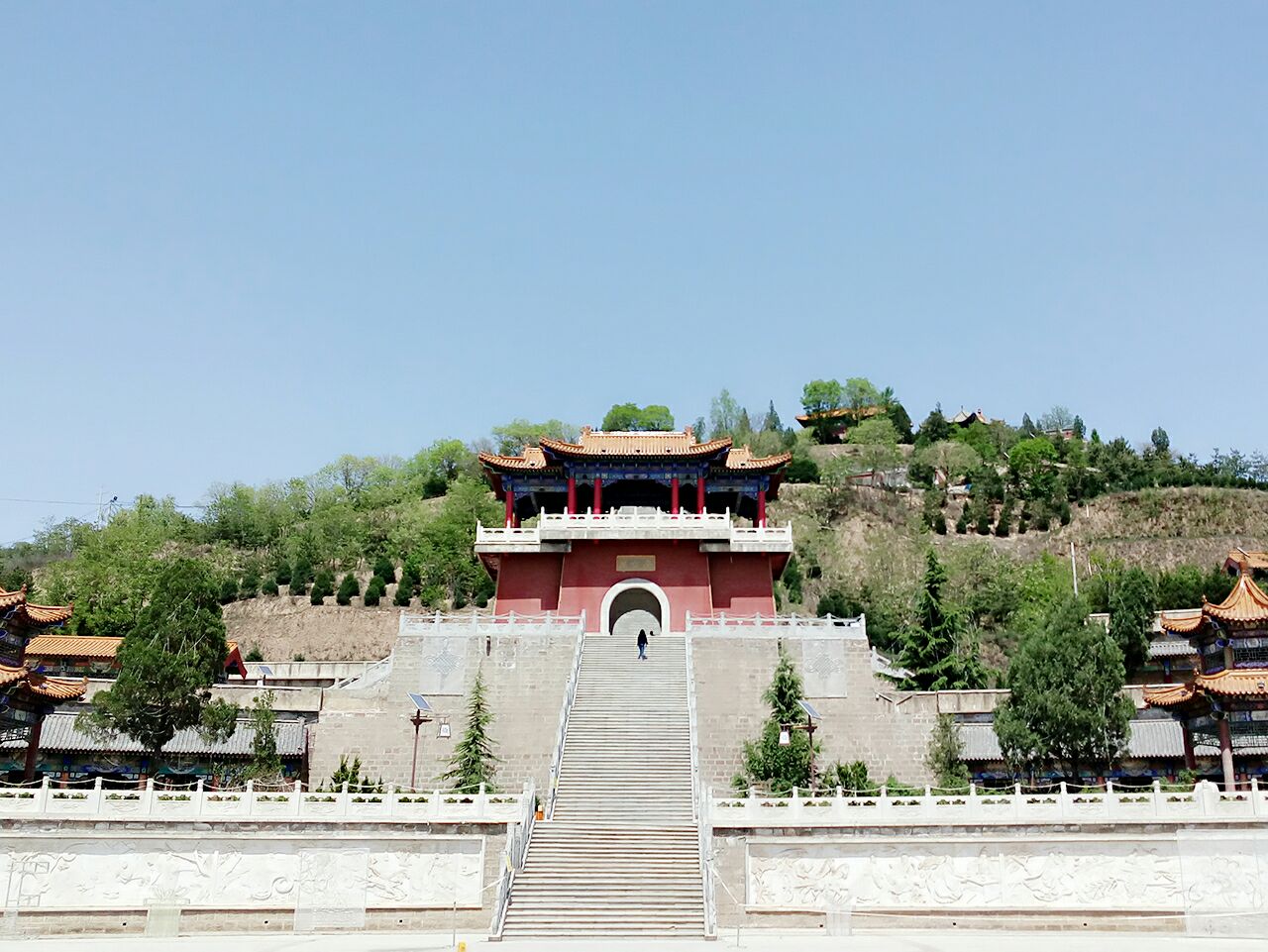
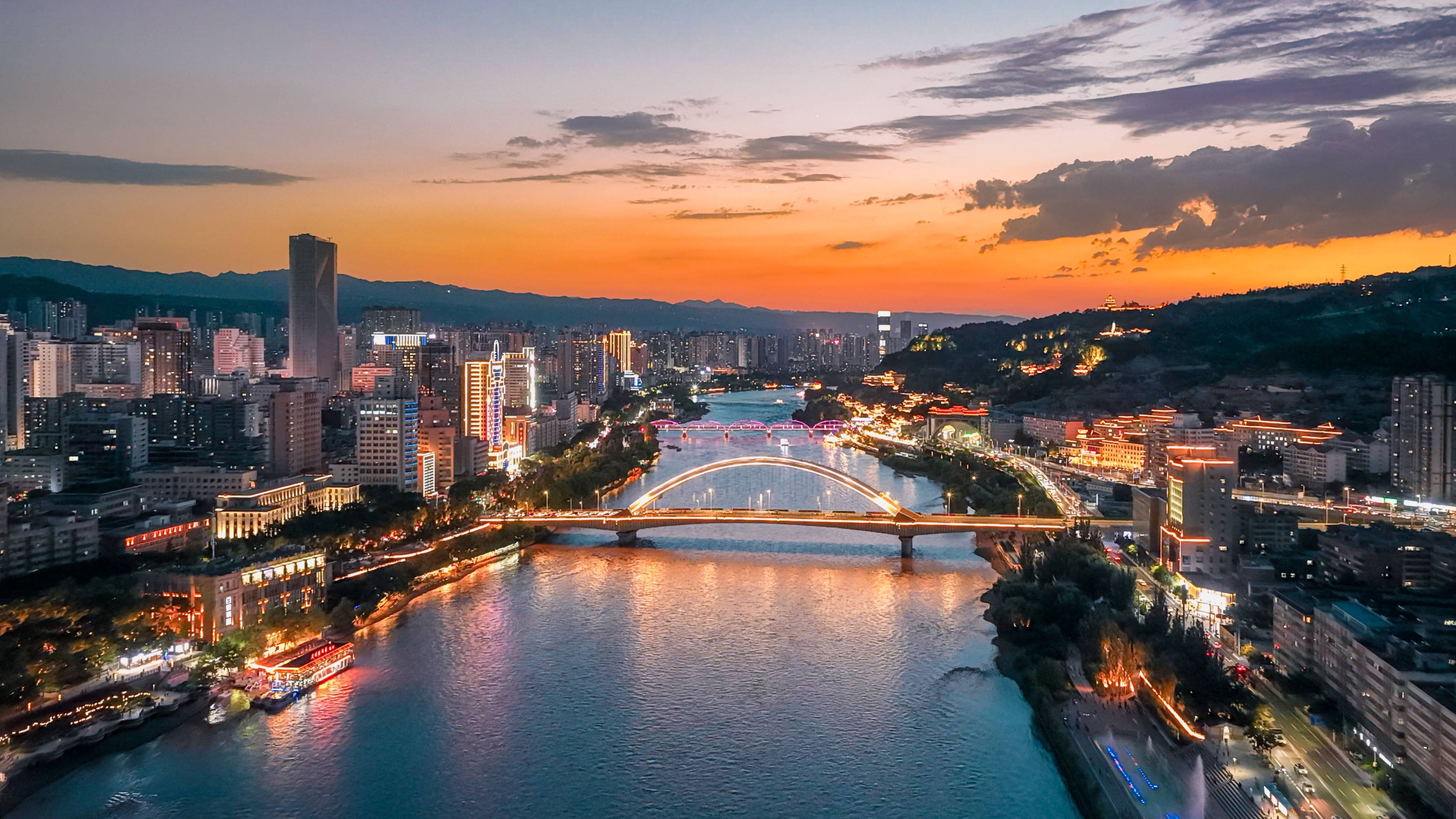
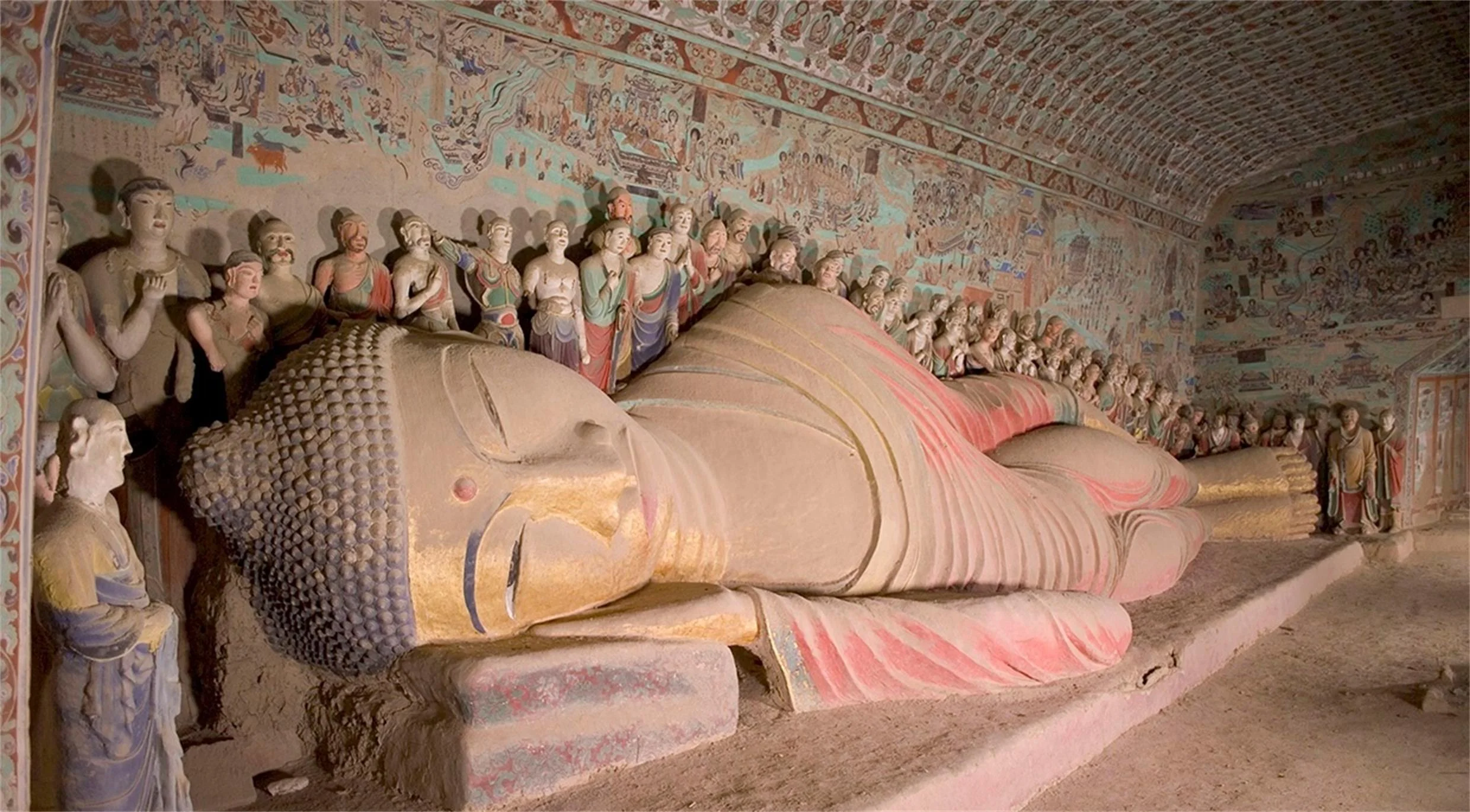
Tianshui city skyline and landmarks (天水) - Travel China Guide

Tianshui Travel Guide

An ancient cradle of Chinese civilization and home to the UNESCO-listed Maijishan Grottoes — a masterpiece of Buddhist cliffside sculpture.

About

Tianshui, meaning "Heavenly Water," is a historic city in southeastern Gansu Province, situated along the upper reaches of the Wei River. The city's name is said to originate from a legend about a crack in the sky that poured heavenly water onto this fertile land. Tianshui is widely regarded as one of the birthplaces of Chinese civilization.

The city's crown jewel is the Maijishan Grottoes, a UNESCO World Heritage site carved into a 142-meter-high cliff. With over 10,000 clay and stone sculptures spanning 12 dynasties, Maijishan is known as the "Museum of Oriental Sculpture" and represents one of China's finest examples of Buddhist cave art.

Tianshui is also famous as the home of Fuxi, the legendary ancestor who is credited with creating the foundations of Chinese civilization. The magnificent Fuxi Temple, built during the Ming Dynasty, is the largest and most important temple dedicated to this cultural hero.

The Dadiwan Neolithic site, dating back 8,000 years, further cements Tianshui's status as a cradle of Chinese civilization. The site has yielded some of China's earliest known painted pottery, primitive writing, and architectural remains.

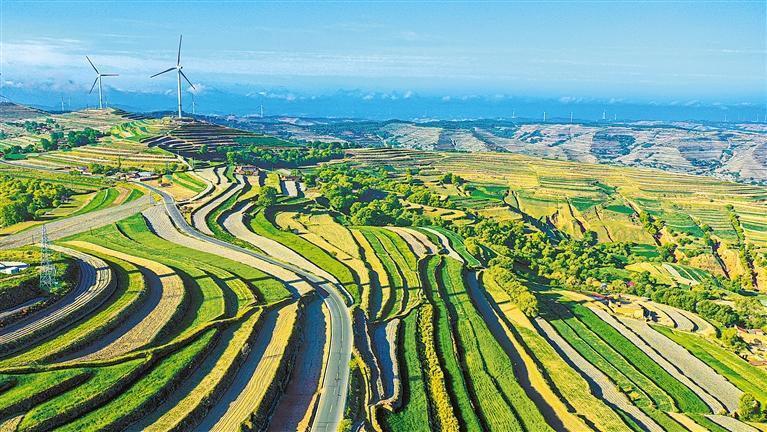
With its mild climate, abundant waters, and lush vegetation, Tianshui stands out in the generally arid Northwest China, earning the nickname "Little Jiangnan" — a reference to the lush, water-rich Jiangnan region south of the Yangtze River.

History & Development

Tianshui's history stretches back to the dawn of Chinese civilization. The Dadiwan Site, discovered in 1978, reveals continuous human habitation from 8,000 to 5,000 years ago, with evidence of primitive agriculture, animal husbandry, and the earliest known Chinese pottery with symbolic markings.

According to Chinese mythology, Fuxi, the first of the Three Sovereigns, was born in Tianshui. He is credited with inventing the Eight Trigrams (Bagua), teaching people to fish and hunt, and establishing the foundations of Chinese society. Shennong (Yandi), the Divine Farmer, also has strong connections to the region.

During the Qin Dynasty, Tianshui was the seat of Longxi Commandery. The area was the ancestral homeland of the Li family, from which the Tang Dynasty's imperial family descended. Li Bai, one of China's greatest poets, claimed Tianshui as his ancestral home.

In the 4th century AD, the Maijishan Grottoes were begun, marking the arrival of Buddhism in the region. The grottoes were continuously expanded through the Sui, Tang, Song, Yuan, Ming, and Qing dynasties, resulting in a remarkable collection of Buddhist art spanning 1,600 years.

During the Ming and Qing dynasties, Tianshui became a thriving commercial center, with the Silk Road's southern routes passing through the city. The Fuxi Temple was rebuilt in 1490 and remains a major pilgrimage site.
Economy & Industries

Tianshui's economy is diversified across manufacturing, agriculture, and tourism. The city is an important industrial base in Gansu, with strengths in machinery manufacturing, electronics, and building materials. Tianshui Huating Coal and other energy enterprises contribute significantly to the local economy.

Agriculture thrives in the Wei River valley, producing high-quality fruits — particularly apples, cherries, and peaches. Tianshui is known for its flower cultivation, especially peonies, and is one of China's key production areas for high-quality daylily (huanghuacai).

Tourism is a rapidly growing sector, driven by Maijishan's UNESCO status and Tianshui's rich cultural heritage. The Fuxi Cultural Festival brings substantial tourism revenue each summer.

The city is also developing its pharmaceutical and health industries, leveraging its mountainous environment for traditional Chinese medicine herb cultivation and processing.

Tianshui serves as the economic and cultural center of southeastern Gansu, with growing trade connections to Xi'an and the broader Guanzhong region.

Top Attractions

🏛️ Landmark

Maijishan Grottoes

The Maijishan Grottoes are a UNESCO World Heritage site (as part of the Silk Roads: the Routes Network of Chang'an-Tianshan Corridor), featuring 221 caves, over 10,000 clay and stone sculptures, and nearly 1,000 square meters of murals. The grottoes are carved into a 142-meter-high cliff shaped like a stack of wheat (maiji means wheat stack). Construction began in the Later Qin period (384-417 AD) and continued through 12 dynasties. The clay sculptures are particularly renowned for their lifelike expressions and graceful forms, earning Maijishan the title "Museum of Oriental Sculpture."

★★★★ 4.9
🕐 08:30-17:30
🎫 120 yuan (peak), 80 yuan (off-peak)
⛩️ Temple

Fuxi Temple

Fuxi Temple is the largest and best-preserved temple dedicated to Fuxi, the legendary first emperor and cultural hero of Chinese civilization. Built during the Ming Dynasty (1490), the temple complex covers 3,500 square meters and features magnificent halls, ancient cypress trees, and intricate wood carvings. Fuxi is credited with inventing the Eight Trigrams (Bagua), teaching fishing and hunting, and establishing the foundations of Chinese civilization. The annual Fuxi Cultural Festival (held in June) attracts thousands of worshippers.

★★★★ 4.7
🕐 08:00-18:00
🎫 40 yuan
🎭 Museum

Dadiwan Site

The Dadiwan archaeological site is one of the most important Neolithic discoveries in China, dating back 8,000 to 5,000 years. Excavated since 1978, the site has revealed over 240 dwellings, 340 storage pits, and thousands of artifacts including painted pottery, stone tools, and the earliest known Chinese characters. A remarkable finding is a large ceremonial building (F901) — one of the earliest examples of Chinese palace architecture. The on-site museum provides excellent context.

★★★★ 4.6
🕐 08:30-17:30
🎫 60 yuan
⛩️ Temple

Nan Guo Temple

Nan Guo Temple is an ancient Buddhist temple built on a hillside south of Tianshui, first established during the Northern Wei Dynasty (386-534 AD). The temple is famous for its ancient cypress trees — one over 2,500 years old — and for being the subject of poems by the great Tang poet Du Fu, who lived in Tianshui for a period. The temple offers panoramic views of Tianshui city and the surrounding mountains.

★★★★ 4.4
🕐 08:00-18:00
🎫 20 yuan
⛩️ Temple

Yuquan Temple

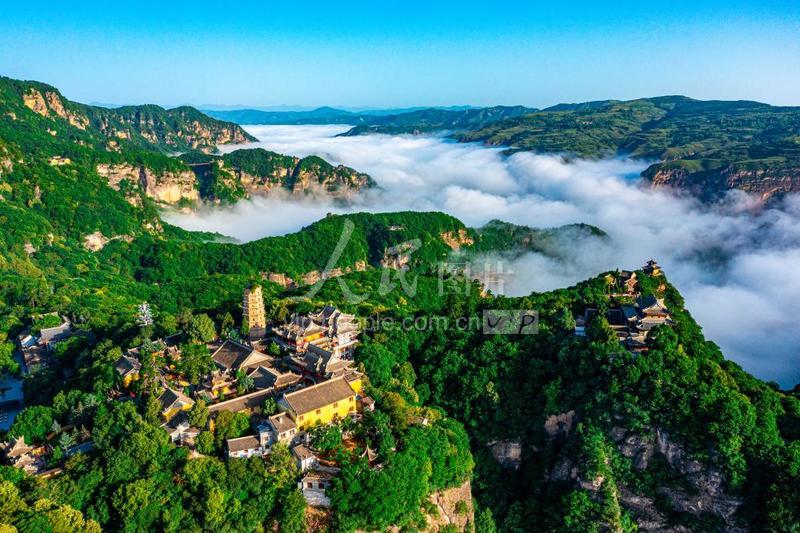
Yuquan Temple (Jade Spring Temple) is a Taoist temple complex built against a hillside in northern Tianshui. Founded during the Tang Dynasty and expanded in the Yuan Dynasty, the temple features a series of halls, pavilions, and a natural spring that gives the temple its name. The architecture blends naturally with the rocky hillside, creating a harmonious landscape. It is one of the best-preserved Taoist sites in Gansu.

★★★★ 4.3
🕐 08:00-18:00
🎫 20 yuan
🏔️ Nature

Shimen Mountain

Shimen Mountain (Stone Gate Mountain) is a scenic area about 50 kilometers from Tianshui, known for its stunning granite peaks, pine forests, and ancient Taoist temples. The mountain's name comes from a natural stone arch formation that resembles a gate. Hiking trails lead to the summit where panoramic views of the surrounding Qinling Mountains await. It is especially beautiful in autumn when the leaves change color.

★★★★ 4.2
🕐 08:00-17:30
🎫 30 yuan

Food & Culture

Discover the culinary treasures of Tianshui, from traditional street food to imperial cuisine.

Things to Do

🏛️

Tour the Maijishan Grottoes

Climb the cliffside walkways and marvel at 1,600-year-old Buddhist sculptures in this UNESCO World Heritage site.

Visit Fuxi Temple

Explore China's largest temple dedicated to the legendary ancestor Fuxi, with Ming Dynasty architecture and ancient cypress trees.

Discover Dadiwan Ruins

Step back 8,000 years at this Neolithic site that reveals the origins of Chinese civilization.

Hike Shimen Mountain

Explore the granite peaks and Taoist temples of Shimen Mountain, especially beautiful in autumn.

🍴

Sample Local Snacks

Try Tianshui's unique street foods — guagua (buckwheat jelly), liangpi, and the famous sour soup noodles.

Explore Old Tianshui

Walk through the historic streets near Fuxi Temple, past traditional courtyard houses and local shops.

Suggested Itineraries

Tianshui One-Day Highlights

A focused one-day tour of Tianshui's UNESCO heritage grottoes and cultural landmarks.

  • Morning: Maijishan Grottoes (allow 3-4 hours)
  • Lunch: Local Tianshui snacks (guagua, liangpi)
  • Afternoon: Fuxi Temple and Nan Guo Temple
  • Evening: Tianshui sour soup noodles dinner

Ancient Origins Explorer (2 Days)

An in-depth exploration of Tianshui's ancient heritage from Neolithic times to Buddhist grottoes.

  • Day 1: Maijishan Grottoes (full morning) + Fuxi Temple + Old Tianshui walk
  • Day 2: Dadiwan Archaeological Site (half day) + Yuquan Temple + Shimen Mountain
  • Optional: Du Fu's Tianshui poetry trail at Nan Guo Temple

Getting Around

✈️

Airport

Tianshui Maijishan Airport (about 15km from city center) has direct flights to Beijing, Shanghai, Xi'an, and Lanzhou.

🚄

High-Speed Rail

Tianshui South Station on the Xi'an-Lanzhou HSR line reaches Xi'an in 1.5 hours and Lanzhou in 1 hour.

🚌

Bus Network

Buses and tourist shuttles connect the main attractions. Taxis are widely available.

🚕

Taxi & Rideshare

Available throughout the city

Best Time to Visit

🌸

Spring

Apr - May

★★★★★

Mild and pleasant (12-22°C) with blooming flowers and trees. The Fuxi Cultural Festival in June draws many visitors.

  • Mild weather
  • Blooming scenery
  • Cultural festivals
☀️

Summer

Jun - Aug

★★★★☆

Warm (20-30°C) with some rain. Green mountains and full rivers. Good for visiting the grottoes and mountain sites.

  • Green landscapes
  • Full rivers
  • Good for hiking
🍂

Autumn

Sep - Oct

★★★★★

Crisp, clear weather (10-25°C) with beautiful autumn foliage in the mountains. Ideal for outdoor activities.

  • Clear skies
  • Autumn colors
  • Best overall season
❄️

Winter

Nov - Mar

★★☆☆☆

Cold (0-10°C) and dry. Few tourists means a more peaceful experience at the sites. Some mountain roads may be challenging.

  • Fewer tourists
  • Lower prices
  • Peaceful atmosphere

Continue Exploring China

Discover more cities, food guides, and travel inspiration.