Museum
Suihua Museum
A museum covering the agricultural development of the region, local history, and the transformation of the "Northern Wilderness" into productive farmland.
9:00-16:30 (Closed Mondays)
Free
An agricultural city in central Heilongjiang, Suihua is known as the "Granary of the North" and is a major grain production center.
Suihua is a prefecture-level city in central Heilongjiang, serving as an important agricultural center. The city and its surrounding counties form one of China's major grain-producing regions.
The name "Suihua" means "pacification" or "bringing peace," reflecting the city's historical role as an administrative center in a frontier region. Today, the name seems ironic given that the area is better known for its productive farmland than any frontier conflicts.
Suihua sits in the heart of what was once called the "Northern Wilderness" (Beidahuang). Through decades of land reclamation and development, this once-empty plain has become one of China's most productive agricultural regions. The city's surrounding counties produce millions of tons of soybeans, corn, and rice annually.
The city itself is relatively small and lacks the major tourist attractions of Harbin or Qiqihar. However, it offers an authentic glimpse into agricultural Heilongjiang and the transformation of China's northern frontier. For travelers interested in where their food comes from, Suihua provides a window into modern Chinese agriculture.
The Suihua area was historically part of the frontier zone beyond the Great Wall, inhabited by various nomadic peoples. The region remained sparsely populated into the late 19th and early 20th centuries.
Modern development began with the arrival of settlers from Shandong and other provinces, fleeing famine and seeking new land. The city was formally established in 1999, though the area had been administered as a prefecture since the 1950s.
The most significant transformation came with the development of the "Northern Wilderness" (Beidahuang) in the 1950s-1970s. The government sent soldiers, educated youth, and settlers to reclaim the land. This massive effort turned the cold, empty plains into productive farmland.
Today, Suihua continues to be shaped by agriculture. The city has developed food processing industries and is working to diversify its economy while maintaining its agricultural foundation.
Agriculture is Suihua's economic foundation. The prefecture is one of China's top grain-producing regions, with major production of soybeans, corn, rice, and other crops. The fertile black soil and long summer daylight hours create ideal growing conditions.
Food processing is the main industrial sector. Mills, oil presses, and food manufacturers add value to local agricultural products. The city is known for its soybean oil, rice products, and processed foods.
Manufacturing beyond food processing is limited but growing. The city is trying to attract industries that can diversify the economy.
Services are developing, particularly retail, education, and healthcare serving the surrounding agricultural region.
Tourism is minimal but has potential around agricultural tourism and the authentic rural experience.
Discover the culinary treasures of Suihua, from traditional street food to imperial cuisine.
A day exploring Suihua's agricultural identity.
A relaxing day enjoying Suihua's natural spaces.
Suihua does not have its own airport. Use Harbin Taiping Airport, about 1.5 hours away.
Suihua is connected to the rail network with services to Harbin (about 1 hour).
Local buses serve the city center and connect to surrounding counties.
Available throughout the city
Apr - May
Spring planting season. Fields being prepared for crops.
Jun - Aug
Green fields stretching to the horizon. Warm and pleasant.
Sep - Oct
Harvest season with golden fields. Cool and crisp.
Nov - Mar
Cold and snowy. Fields lie fallow under snow.
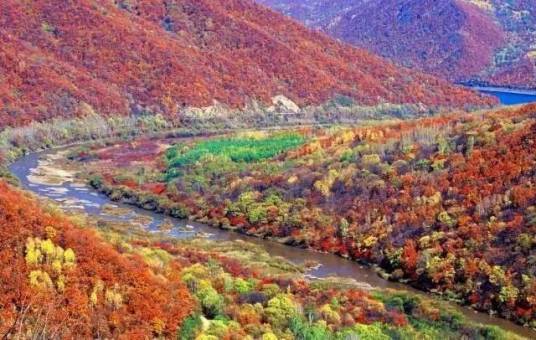
A coal mining city in northern Heilongjiang, Hegang is known...
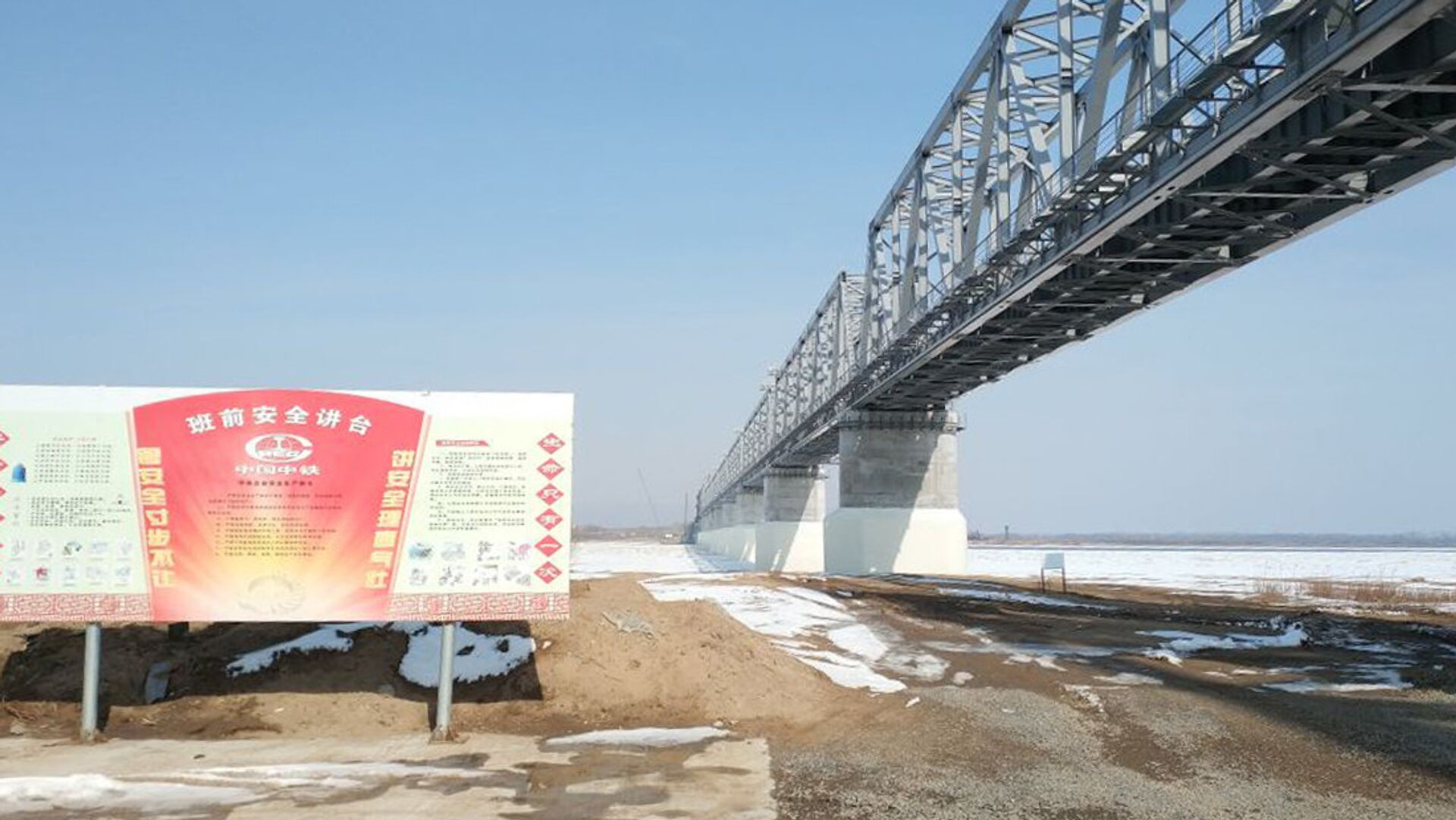
A border city on the Amur River facing Russia, Heihe is a ga...
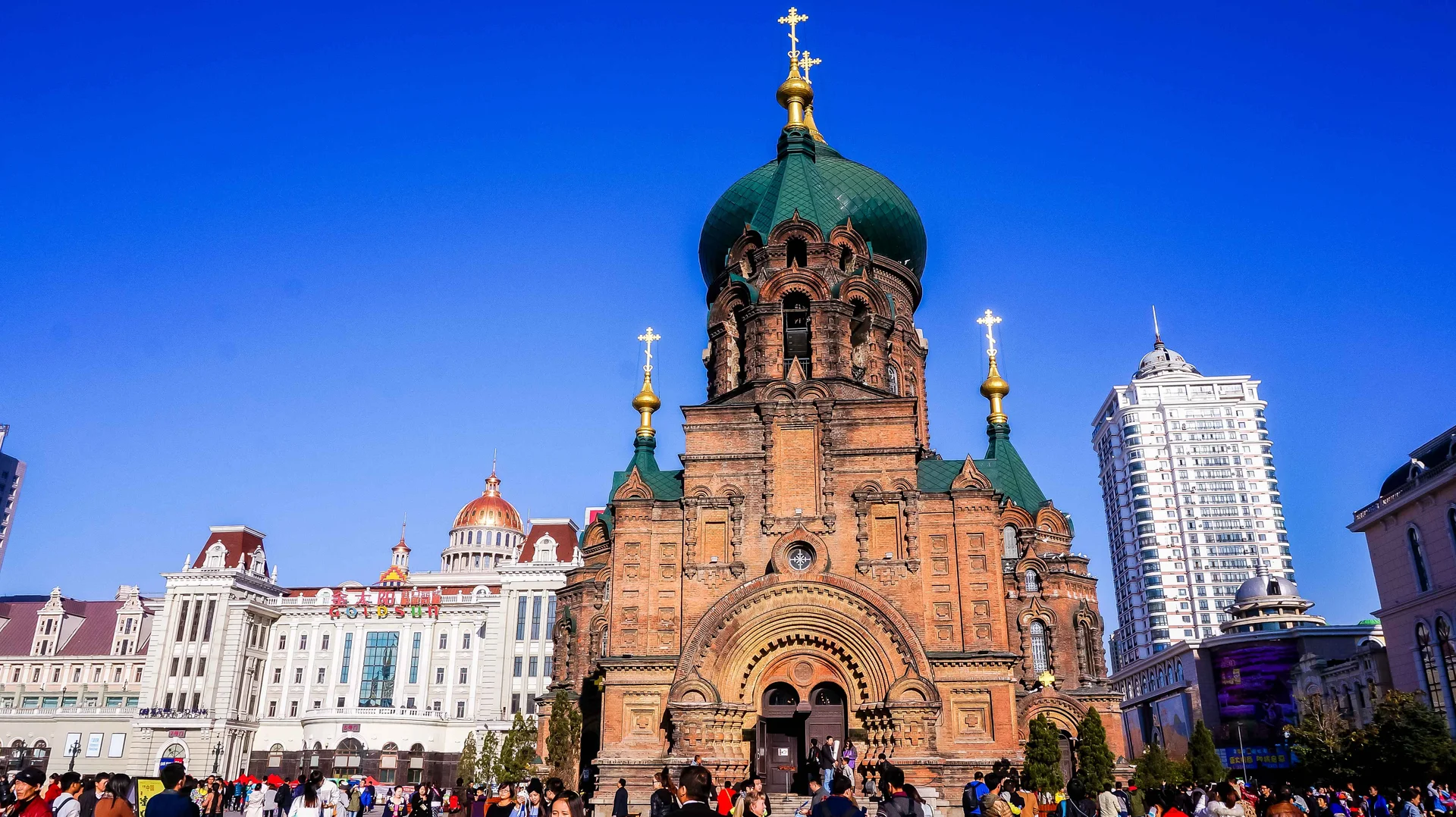
China's Ice City—a wonderland of Russian architecture, winte...
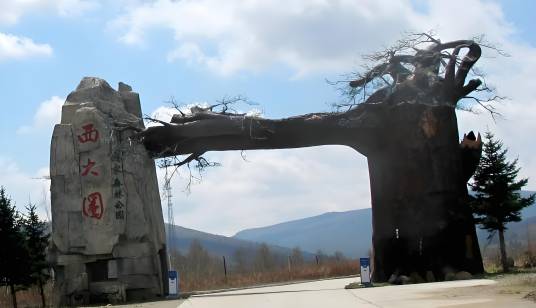
A small coal mining city in eastern Heilongjiang, Qitaihe is...

An agricultural hub on the banks of the Songhua River, Jiamu...
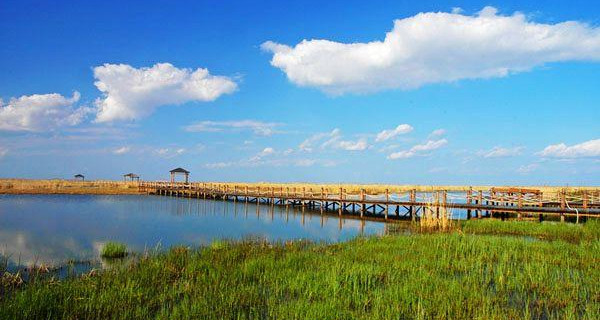
A coal mining city on China's northeastern border, Jixi sits...
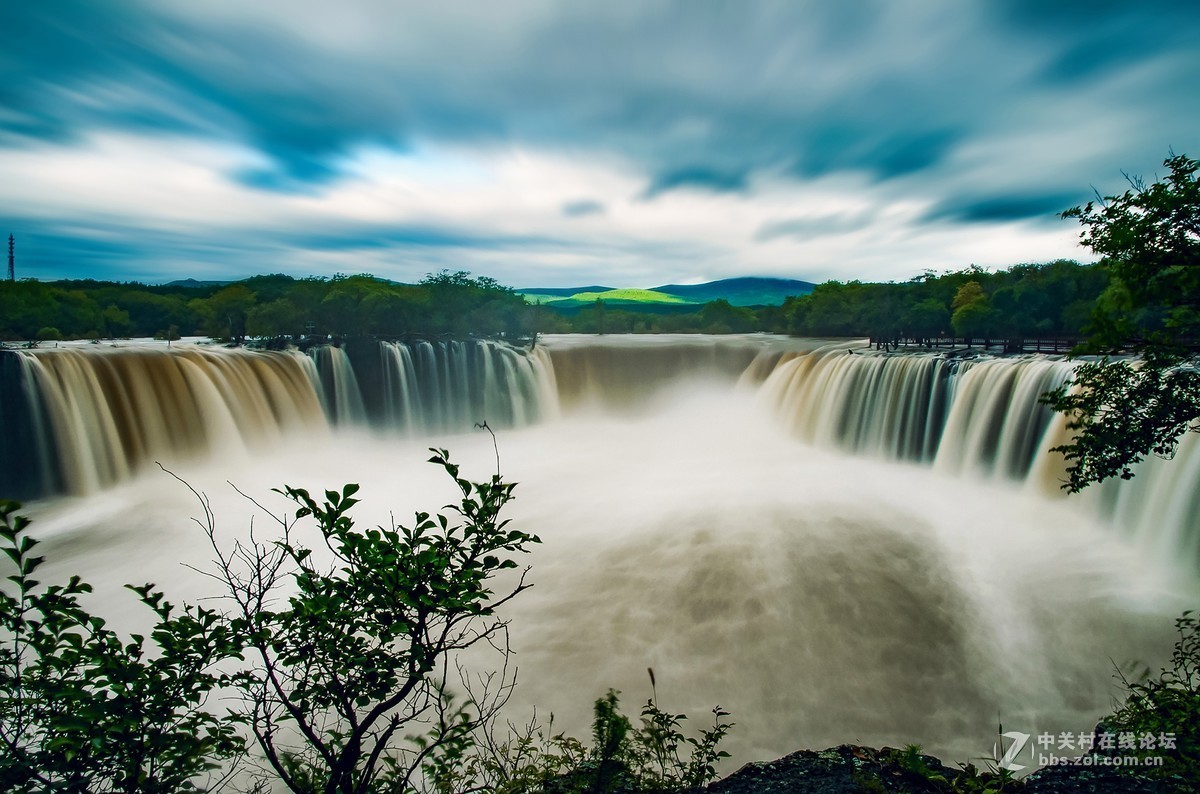
A scenic city in eastern Heilongjiang known for Jingpo Lake ...
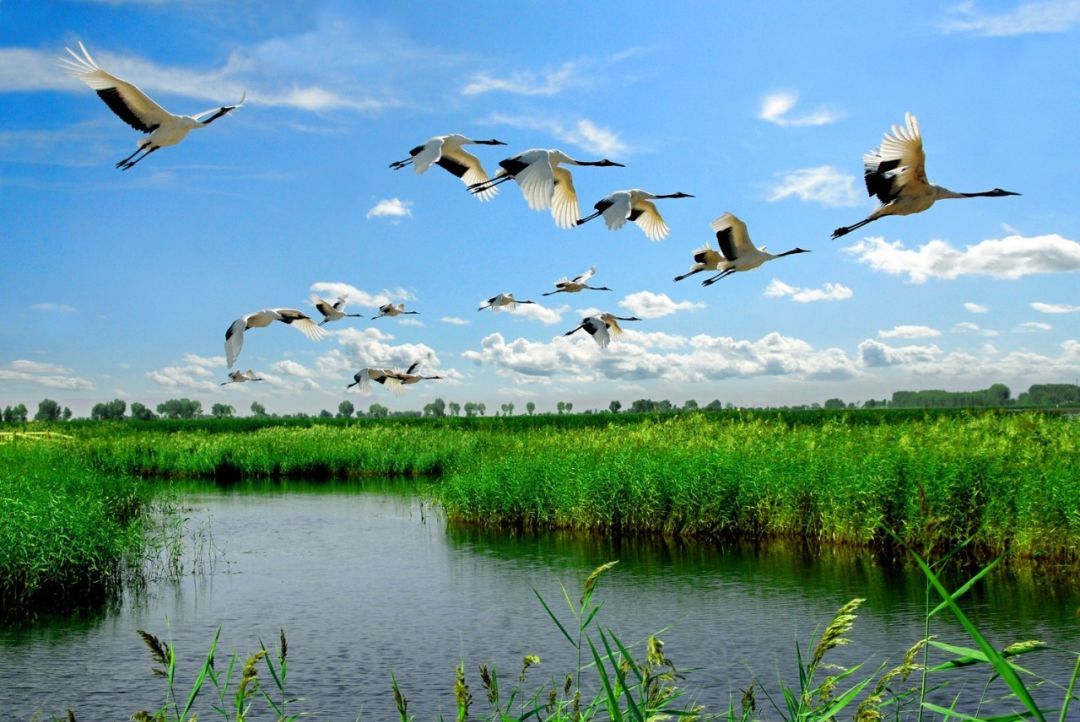
The capital of Heilongjiang's western region, famous for the...
Discover more cities, food guides, and travel inspiration.