Landmark
Heihe-Blagoveshchensk Border View
Stand on the Chinese bank of the Amur River and look across at the Russian city of Blagoveshchensk. The two cities are so close you can see buildings and people on the other side.
All day
Free
A border city on the Amur River facing Russia, Heihe is a gateway for Sino-Russian trade and offers unique cross-border experiences.
Heihe is a border city in northern Heilongjiang, sitting on the south bank of the Amur River (Heilongjiang in Chinese, meaning "Black Dragon River"). Directly across the river lies the Russian city of Blagoveshchensk — the two cities are so close that residents can see each other's buildings and activities.
This proximity makes Heihe one of China's most accessible windows into Russia. The border here is a bustling crossing point for trade and tourism. Russian goods fill local markets, and the city has a unique bilingual, bicultural atmosphere.
Heihe is one of China's northernmost prefecture-level cities, experiencing long, severe winters. The cold climate and remote location have shaped a distinct regional character.
The nearby Wudalianchi UNESCO Global Geopark is one of Heilongjiang's premier natural attractions, featuring volcanic landscapes, mineral springs, and unique geological formations. The area's mineral water is bottled and sold across China.
The region is also home to ethnic minorities, particularly the Oroqen people, who have traditionally hunted and lived in the forests of the Greater Khingan Mountains.
The Heihe area has been a frontier zone for centuries, inhabited by various indigenous peoples including the Daur, Oroqen, and Hezhen. The strategic location on the Amur River made it a point of contact between Chinese and Russian spheres of influence.
The modern city developed in the late 19th and early 20th centuries as trade across the Amur River grew. The city was formally established in its current form in the 1980s.
Throughout the 20th century, Heihe's importance as a border city fluctuated with the state of Sino-Soviet and later Sino-Russian relations. The border was tightly controlled during periods of tension but opened up as relations improved.
Since the 1990s, Heihe has developed as a major trade port. The city has also become a base for exploring the natural attractions of northern Heilongjiang, particularly Wudalianchi.
Heihe's economy is built on its border location. Cross-border trade with Russia is the primary economic driver. The city handles imports of Russian timber, oil, and other resources, and exports Chinese manufactured goods.
Tourism is growing, attracted by the unique border experience and Wudalianchi's natural attractions. The city promotes itself as a gateway to both Russian culture and northern wilderness.
Agriculture is important in the surrounding region, with soybeans, wheat, and other cold-resistant crops. The city also has some manufacturing and food processing.
Wudalianchi's mineral water industry is significant, with several bottling plants producing water sold across China.
Discover the culinary treasures of Heihe, from traditional street food to imperial cuisine.
A day experiencing Heihe's unique border atmosphere.
Explore the UNESCO volcanic geopark near Heihe.
Heihe Airport has flights to Harbin and other major cities.
Heihe is connected to the regional rail network.
Local buses serve the city and connect to the border area.
Available throughout the city
Apr - May
Brief spring with thawing rivers. Cool and windy.
Jun - Aug
Pleasantly warm. Best time for Wudalianchi and outdoor activities.
Sep - Oct
Cool and crisp with fall colors. Good for sightseeing.
Nov - Mar
Very cold with frozen river. Ice festival and winter scenery.
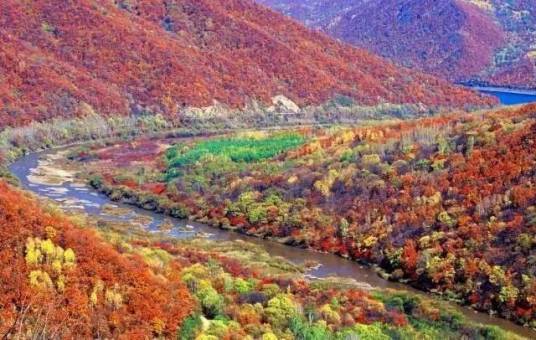
A coal mining city in northern Heilongjiang, Hegang is known...
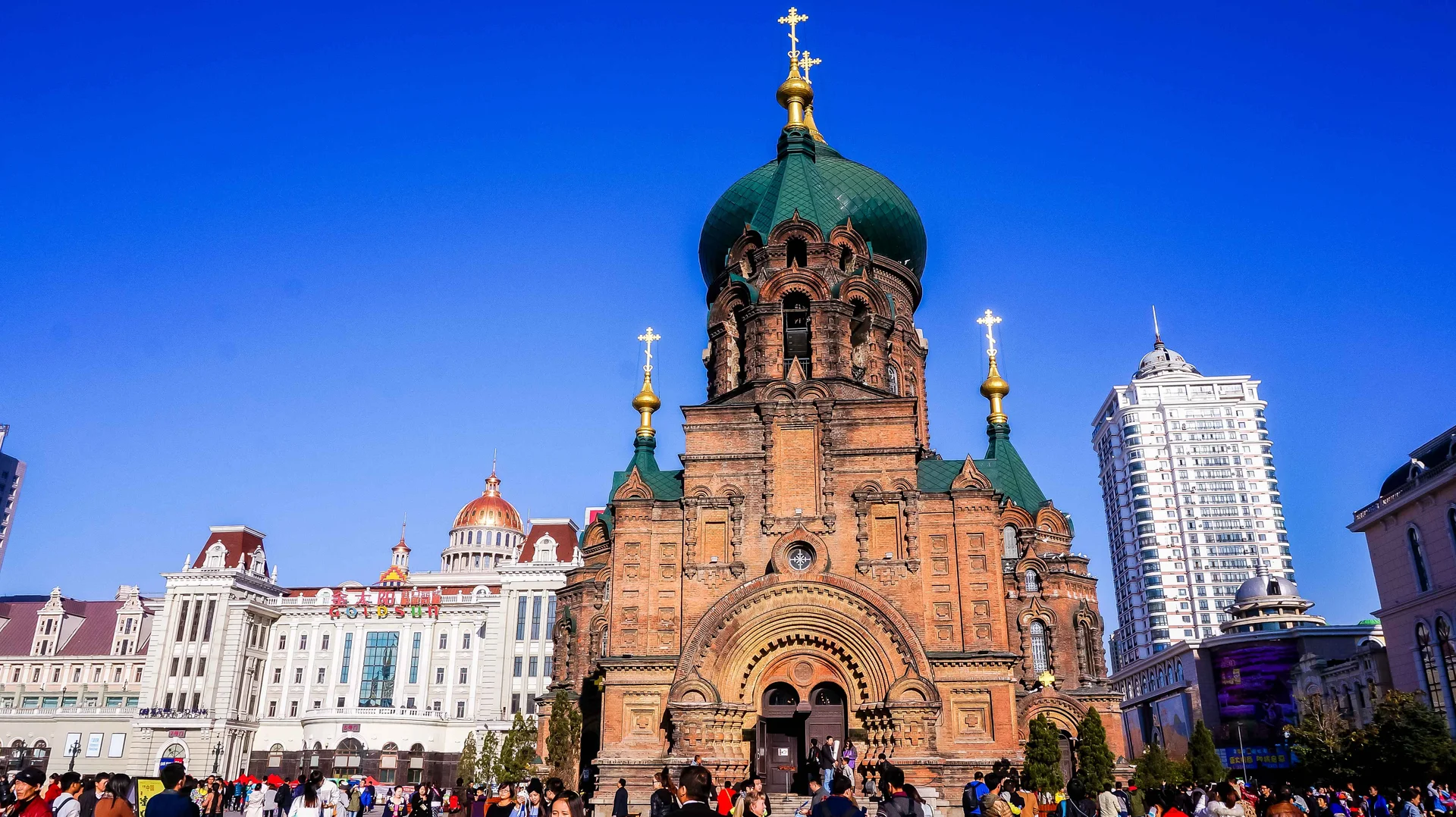
China's Ice City—a wonderland of Russian architecture, winte...
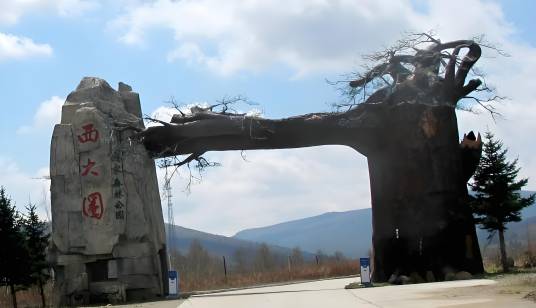
A small coal mining city in eastern Heilongjiang, Qitaihe is...
An agricultural hub on the banks of the Songhua River, Jiamu...
A coal mining city on China's northeastern border, Jixi sits...
A scenic city in eastern Heilongjiang known for Jingpo Lake ...
The capital of Heilongjiang's western region, famous for the...
China's "Oil Capital," home to the legendary Daqing Oilfield...
Discover more cities, food guides, and travel inspiration.