
Park
Hegang National Forest Park
A vast forest park covering tens of thousands of hectares of pristine boreal forest. Features hiking trails, wildlife viewing, and spectacular autumn colors.
All day
Free
A coal mining city in northern Heilongjiang, Hegang is known for its forest resources, winter scenery, and affordable living costs.
Hegang is a small city in northeastern Heilongjiang, known primarily for its coal mining history and vast surrounding forests. Located in the foothills of the Greater Khingan Mountains, the city has a remote, frontier character.
Coal mining has been Hegang's economic backbone since the 1930s. The city's mines have produced millions of tons of coal over the decades. However, like many resource-dependent cities, Hegang has faced challenges as reserves deplete and China shifts away from coal.
Uniquely, Hegang has gained national attention for its extremely low housing prices — among the cheapest in China. This has attracted attention from people seeking affordable living, though the city's remote location and limited job opportunities remain challenges.
The city's greatest assets are natural: vast forests, wetlands, and wildlife. The surrounding Greater Khingan Mountains offer pristine wilderness rarely found in more developed parts of China. For nature lovers and those seeking an authentic northern Chinese experience, Hegang offers a glimpse into a simpler, wilder world.
The Hegang area was historically inhabited by indigenous peoples and remained sparsely populated into the early 20th century. Coal was discovered in the 1910s, and mining began in earnest during the 1930s under Japanese occupation.
After 1949, Hegang became a state-owned coal mining base. The city grew rapidly as workers arrived from across China. The planned economy era saw massive investment in mines and related infrastructure.
The city was formally established in 1949. Throughout the decades, Hegang's mines were an important source of coal for northeastern China's industrial belt.
In the 21st century, Hegang has become emblematic of the challenges facing China's resource-dependent cities. Depleted mines, economic restructuring, and population outflow have all taken their toll. However, the city's low cost of living has recently attracted new attention.
Hegang's economy has been dominated by coal mining for most of its history. The city's mines have produced significant quantities of coal, though output has declined as accessible reserves are exhausted.
Forestry is another important sector, with the surrounding Greater Khingan Mountains providing timber and non-timber forest products like wild mushrooms and medicinal herbs.
Agriculture is limited by the cold climate but includes cold-resistant crops and livestock. Tourism is underdeveloped but has potential, particularly for eco-tourism and winter tourism.
The city's extremely low housing prices have attracted some new residents, particularly remote workers and retirees. However, creating sustainable employment remains a challenge as the city transitions away from coal dependence.
Discover the culinary treasures of Hegang, from traditional street food to imperial cuisine.
A day exploring Hegang's natural surroundings.
Hegang Nanshan Airport has limited flights to Harbin.
Rail connections to Harbin and other Heilongjiang cities are available.
Local buses serve the city center and connect to mining districts.
Available throughout the city
Apr - May
Brief and cool. Snow melts, forests begin to green.
Jun - Aug
Mild and pleasant. Best time for forest hiking and outdoor activities.
Sep - Oct
Spectacular autumn colors in the forests. Cool and crisp.
Nov - Mar
Very cold with deep snow. Temperatures can drop below -30°C.
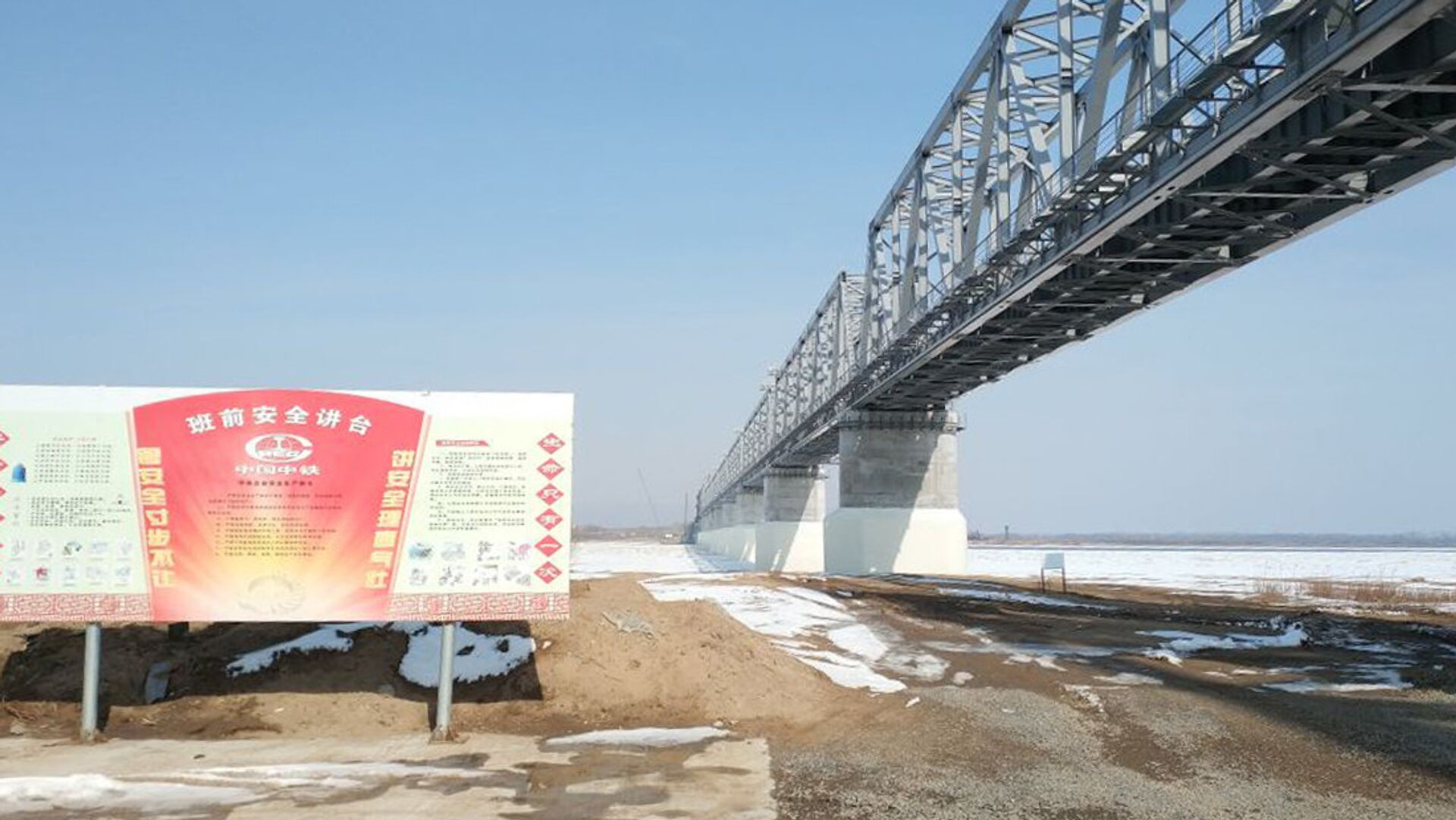
A border city on the Amur River facing Russia, Heihe is a ga...
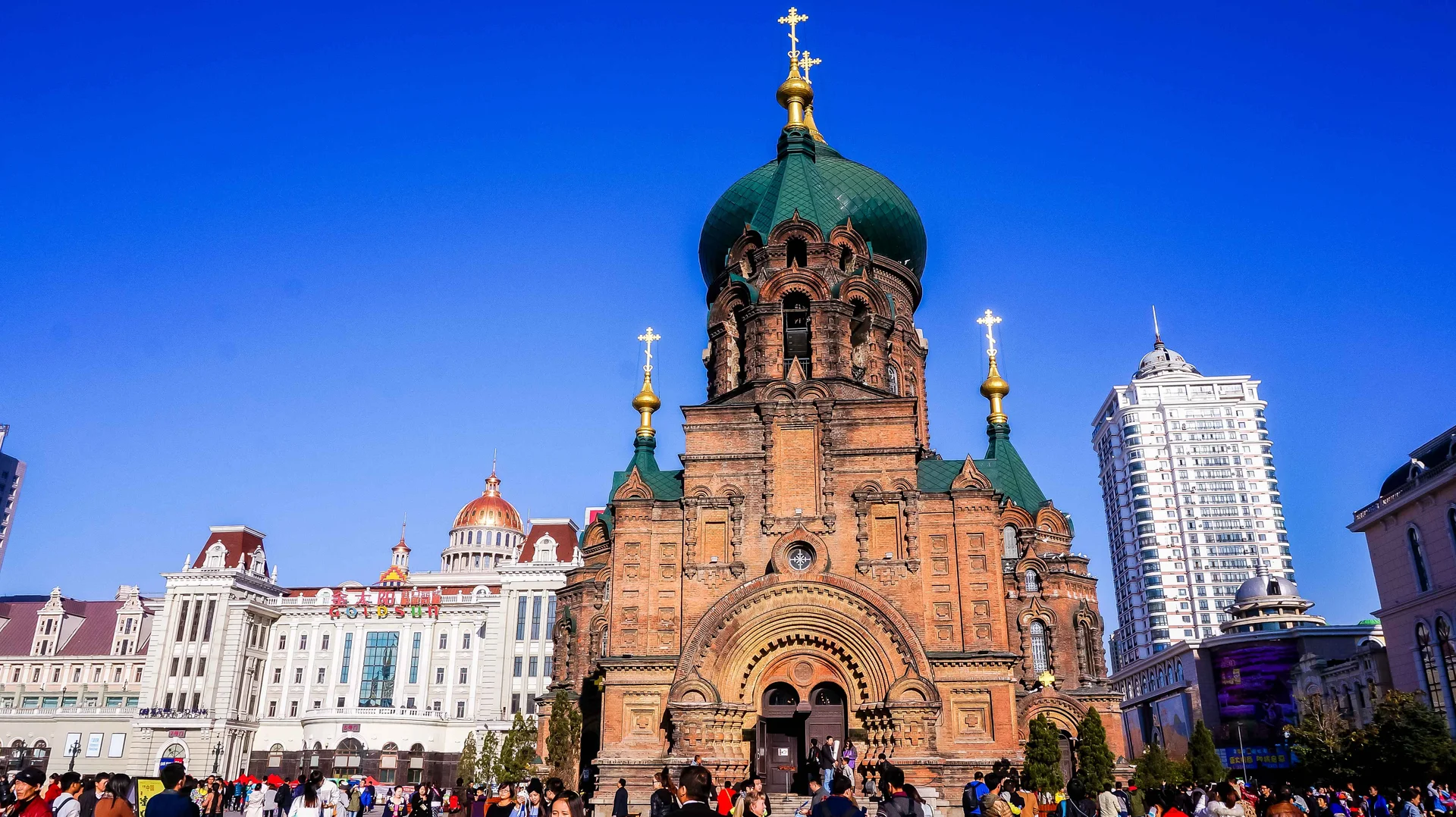
China's Ice City—a wonderland of Russian architecture, winte...
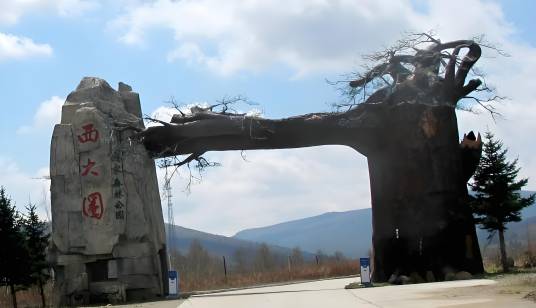
A small coal mining city in eastern Heilongjiang, Qitaihe is...

An agricultural hub on the banks of the Songhua River, Jiamu...
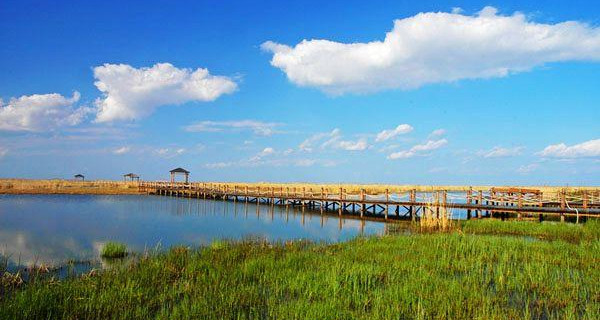
A coal mining city on China's northeastern border, Jixi sits...
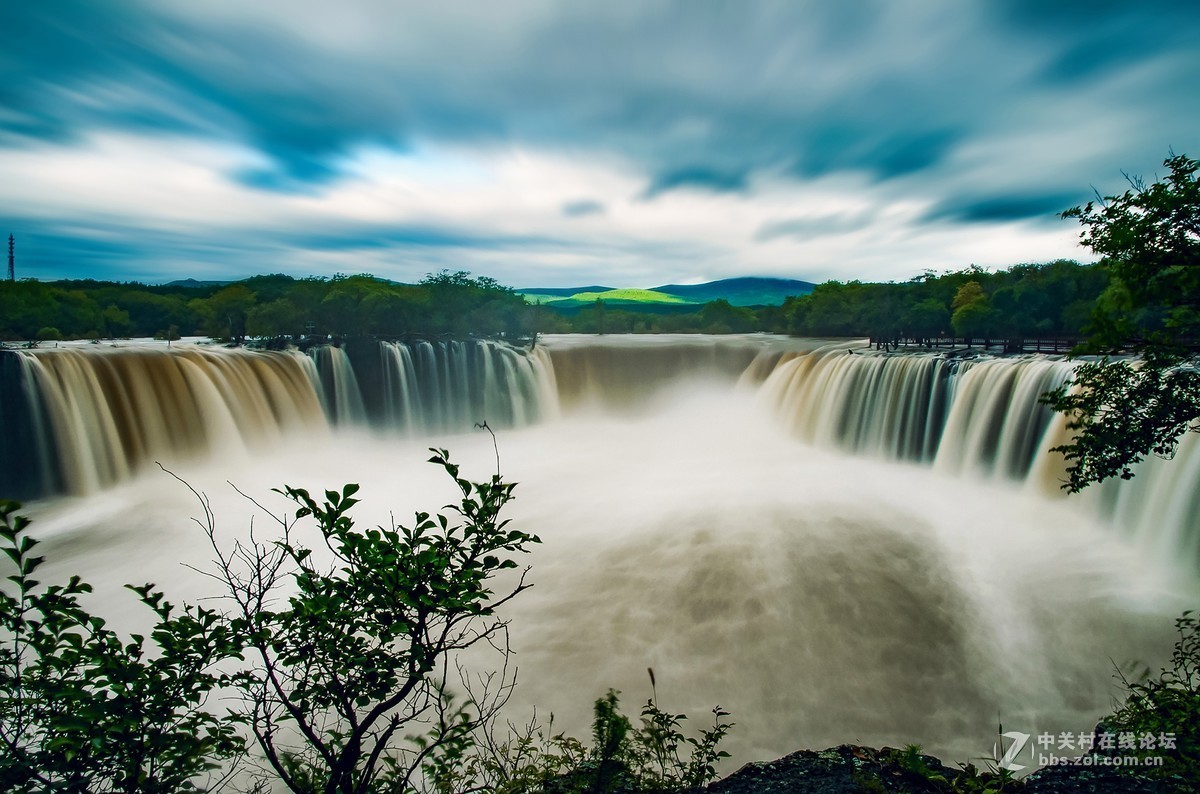
A scenic city in eastern Heilongjiang known for Jingpo Lake ...
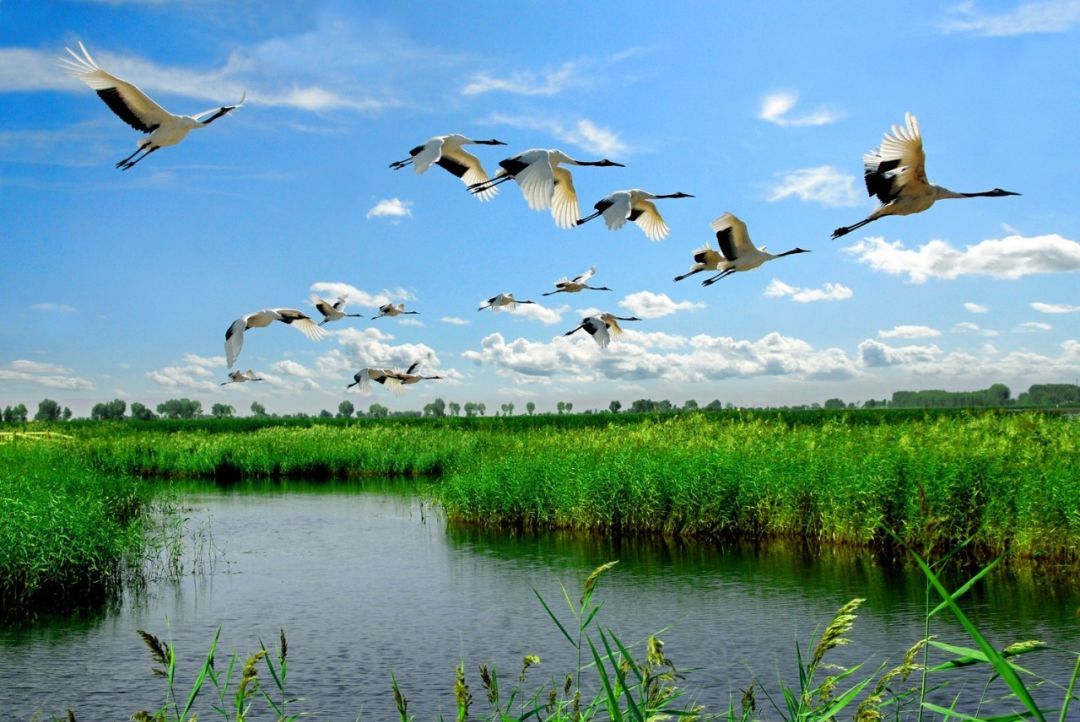
The capital of Heilongjiang's western region, famous for the...
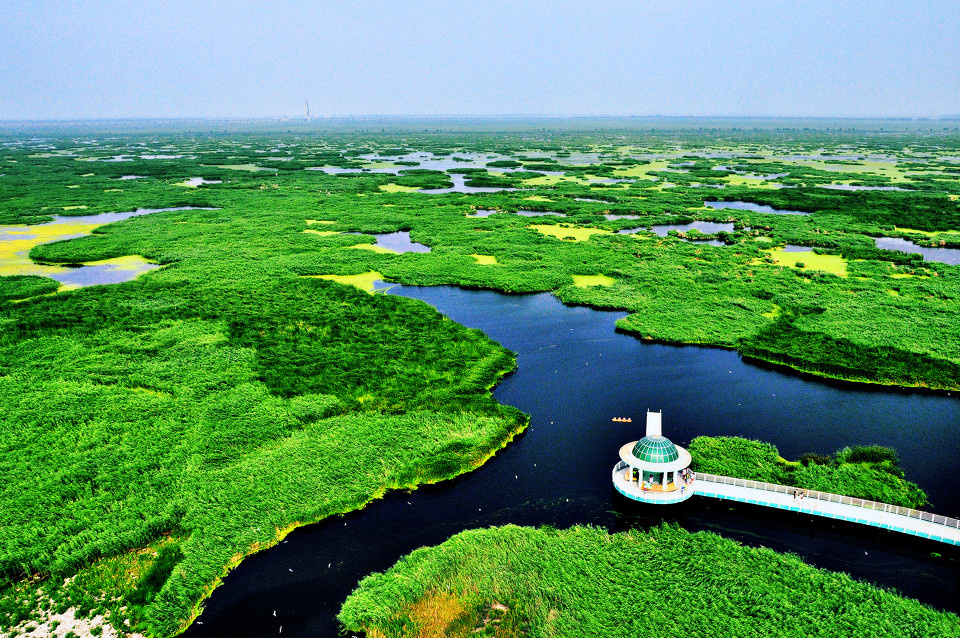
China's "Oil Capital," home to the legendary Daqing Oilfield...
Discover more cities, food guides, and travel inspiration.