Qiqihar city skyline and landmarks (齐齐哈尔) - Travel China Guide

Qiqihar Travel Guide

The capital of Heilongjiang's western region, famous for the Zhalong Wetlands — home to the rare red-crowned crane — and its legendary barbecue culture.

About

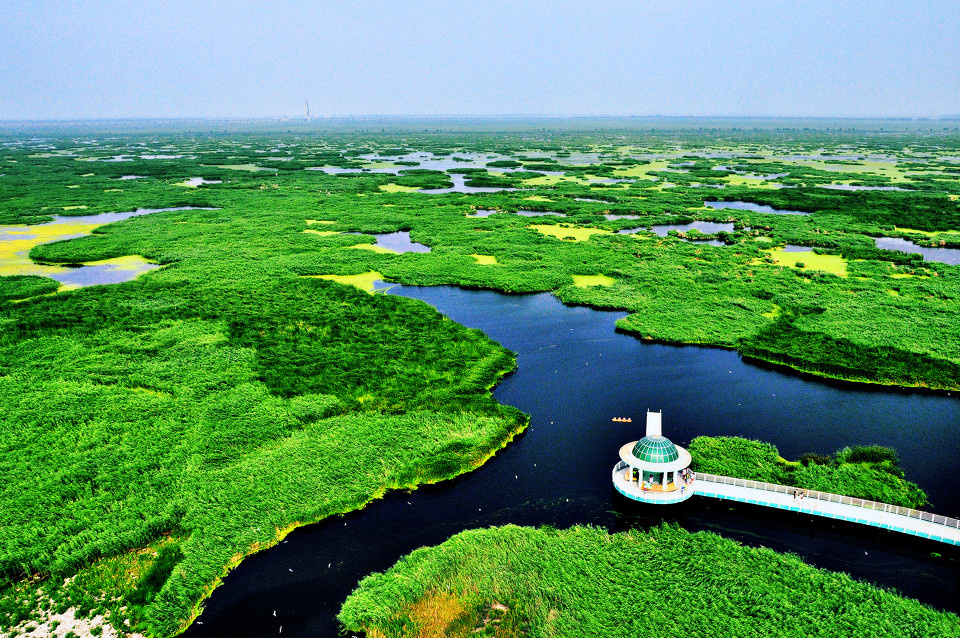
Qiqihar, whose name derives from the Daur language meaning "natural pasture," is the second-largest city in Heilongjiang Province and a major industrial and transportation hub in western Heilongjiang. The city lies along the Nenjiang River and is surrounded by vast, fertile plains. The city's greatest natural treasure is the Zhalong Wetlands Nature Reserve, a 2,100-square-kilometer expanse of reed marshes recognized as one of the world's most important wetland ecosystems. Zhalong is the primary habitat of the endangered red-crowned crane, a symbol of luck and longevity in East Asian culture. The sight of these elegant birds taking flight over endless reeds is unforgettable. Qiqihar is also famous across China for its barbecue culture. The city's lamb and beef grilling tradition, with diners cooking marinated meats on convex iron griddles at their tables, attracts food enthusiasts from all over the country. The BBQ streets of Qiqihar come alive at night with sizzling grills and lively conversation. The city has a rich multicultural heritage as home to Han Chinese, Manchu, Daur, Mongolian, and Korean communities, each contributing to Qiqihar's diverse culture and cuisine. The legacy of the Chinese Eastern Railway also left a number of Russian-built structures throughout the city.

History & Development

Qiqihar has a long history as a frontier city in Northeast China. During the Qing Dynasty, it served as the military capital of Heilongjiang Province from 1699 to 1907, making it one of the earliest administrative centers in the region. The city was an important garrison town guarding China's northern border against Russian expansion. The construction of the Chinese Eastern Railway in the early 20th century brought rapid development. Qiqihar became a key railway junction connecting Harbin to Inner Mongolia and Russia, attracting Russian merchants and engineers who left their mark on the city's architecture. After 1949, the new Chinese government designated Qiqihar as a major industrial base. The city developed heavy industries including railway equipment manufacturing, steel, and machinery. FAW Group, one of China's oldest automotive manufacturers, established key operations here. In recent decades, Qiqihar has worked to diversify its economy beyond heavy industry, placing greater emphasis on environmental protection of the Zhalong Wetlands and the development of eco-tourism and food tourism centered on its famous barbecue culture.

Economy & Industries

Qiqihar's economy has traditionally been dominated by heavy industry and manufacturing. The city is home to major industrial enterprises including FAW Group's heavy truck manufacturing plant, rail equipment factories, and steel production facilities. These industries have historically employed a large portion of the city's workforce. Agriculture and animal husbandry are also significant economic sectors. The surrounding plains are highly fertile, producing soybeans, corn, wheat, and sunflowers. The region is also known for dairy farming and livestock, supplying meat and milk to markets across Northeast China. In recent years, the city has invested in environmental protection and eco-tourism centered on the Zhalong Wetlands. Tourism, particularly birdwatching and nature photography, has grown steadily and attracts visitors from across China and abroad. Qiqihar's position as a transportation hub on the railway line between Harbin, Inner Mongolia, and Russia continues to support logistics and trade activities, while the city's famous barbecue industry has grown into a significant part of the local service economy.

Top Attractions

🏔️ Nature

Zhalong Wetlands Nature Reserve

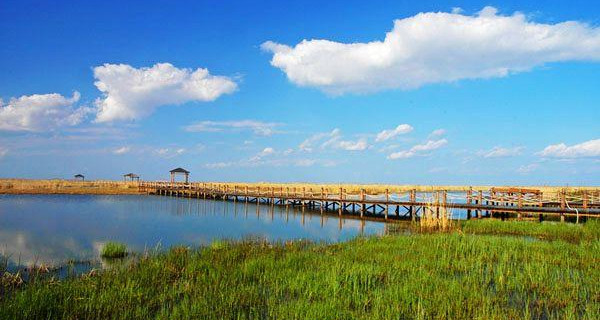
Zhalong Wetlands is one of the world's most important wetland ecosystems and a UNESCO-designated site. Spanning over 2,100 square kilometers of reed marshes, lakes, and rivers, it is the primary habitat of the endangered red-crowned crane (Grus japonensis), known in Chinese as the "immortal crane." Visitors can observe crane flocks in their natural habitat, watch daily crane release demonstrations, and explore boardwalk trails through the vast sea of reeds. The reserve is also home to over 260 bird species, making it a paradise for birdwatchers and nature photographers.

★★★★ 4.8
🕐 08:00-17:00
🎫 75 yuan
🌳 Park

Longsha Park

Established in 1907, Longsha Park is one of the oldest and largest urban parks in Northeast China, covering 64 hectares. The park features a beautiful lake, traditional Chinese pavilions, and a small zoo. The most notable structure is Wangjiang Tower, a multi-story pavilion offering panoramic views of the park and the city skyline. The park is particularly popular in summer for boating and in winter for ice skating and snow sculptures.

★★★★ 4.5
🕐 06:00-21:00
🎫 Free
🎭 Museum

Qiqihar Museum

The Qiqihar Museum is a comprehensive regional museum housed in a striking building that combines traditional Chinese and Soviet architectural styles. The museum's exhibits cover the natural history, archaeology, and cultural heritage of western Heilongjiang. Highlights include a fossil collection from the region, artifacts from the Neolithic Ang'angxi culture, and displays on the Manchu, Daur, and Mongolian ethnic groups that have historically inhabited the area.

★★★★ 4.4
🕐 09:00-16:30 (Closed Mondays)
🎫 Free
🎭 Museum

Ang'angxi Ancient Cultural Site

The Ang'angxi site is a Neolithic archaeological site dating back approximately 6,000-7,000 years. Discovered in 1928, it contains remains of an ancient fishing and hunting civilization that lived along the Nenjiang River. Excavations have uncovered stone tools, bone implements, pottery fragments, and burial grounds. The site provides invaluable insights into the prehistoric human activity in the Heilongjiang region and is protected as a major national cultural heritage site.

★★★★ 4.2
🕐 08:30-16:30
🎫 30 yuan
⛩️ Temple

Dacheng Temple

Dacheng Temple is the largest Buddhist temple in Qiqihar, originally built in 1939. The temple complex covers over 40,000 square meters and features a distinctive blend of traditional Chinese and modern architectural elements. The main hall houses a large statue of Sakyamuni Buddha, and the temple grounds include beautiful gardens and a pagoda. It remains an active place of worship and a peaceful retreat from the bustling city.

★★★★ 4.3
🕐 08:00-17:00
🎫 20 yuan
🏔️ Nature

Zhalong Crane Release Ground

The daily crane release at Zhalong Wetlands is the park's signature experience. Twice daily (typically at 9:30 AM and 2:30 PM), keepers release a flock of red-crowned and white-naped cranes into the sky above the wetlands. The sight of these magnificent birds taking flight against the backdrop of endless reeds and blue sky is breathtaking. The release program is part of Zhalong's crane conservation and rewilding efforts.

★★★★ 4.7
🕐 09:30 and 14:30 daily
🎫 Included with Zhalong admission

Food & Culture

Discover the culinary treasures of Qiqihar, from traditional street food to imperial cuisine.

Things to Do

Watch Cranes at Zhalong

Observe red-crowned cranes in their natural wetland habitat and witness the spectacular daily crane release.

Experience Qiqihar BBQ

Visit a local BBQ restaurant to grill your own lamb and beef at the table, Qiqihar's most celebrated culinary tradition.

Stroll Through Longsha Park

Explore the century-old park with its lake, pavilions, and relaxing atmosphere in the heart of the city.

Visit the Museum

Discover the natural and cultural heritage of western Heilongjiang at the comprehensive Qiqihar Museum.

Explore Ang'angxi Ruins

Step back in time at this 7,000-year-old Neolithic archaeological site along the Nenjiang River.

Winter Ice Sports

Join locals for ice skating on frozen lakes and enjoy ice sculptures during Qiqihar's long winter season.

Suggested Itineraries

Qiqihar One-Day Highlights

A perfect day in Qiqihar combining wetland nature, park culture, and the city's legendary barbecue.

  • Morning: Zhalong Wetlands Nature Reserve — crane watching and boardwalk (4 hours)
  • Midday: Korean-style cold noodles and BBQ lunch in the city
  • Afternoon: Longsha Park and Wangjiang Tower
  • Evening: Qiqihar BBQ dinner — grill your own lamb and beef

Wetlands to Barbecue (2 Days)

An in-depth exploration of Qiqihar combining its world-class wetland ecosystem, archaeological treasures, and culinary culture.

  • Day 1: Zhalong Wetlands (full day) — crane release, boardwalk, boating; evening BBQ feast
  • Day 2: Qiqihar Museum + Ang'angxi ancient site + Longsha Park
  • Optional: Daur ethnic village cultural experience

Getting Around

✈️

Airport

Qiqihar Sanjiazi Airport (about 13km from city center) has direct flights to Beijing, Shanghai, Guangzhou, Shenzhen, Qingdao, and several other major Chinese cities.

🚄

High-Speed Rail

Qiqihar South Station serves the Harbin-Qiqihar High-Speed Railway, reaching Harbin in about 90 minutes. Conventional services connect to Beijing (overnight sleeper), Dalian, and other cities.

🚌

Bus Network

An extensive bus network covers the city. Buses and minibuses connect to Zhalong Wetlands and other suburban attractions.

🚕

Taxi & Rideshare

Available throughout the city

Best Time to Visit

🌸

Spring

Apr - May

★★★☆☆

Cool and windy with temperatures from 5-15°C. The wetlands begin to green and migratory birds arrive. A good season for birdwatching before peak tourist crowds.

  • Migratory birds arriving
  • Fewer tourists
  • Greening landscapes
☀️

Summer

Jun - Aug

★★★★★

Warm and pleasant with temperatures averaging 20-28°C. The best season for Zhalong Wetlands with lush reeds and active wildlife. Peak tourist season.

  • Lush wetlands
  • Active wildlife
  • Best crane viewing
🍂

Autumn

Sep - Oct

★★★★☆

Crisp and clear with temperatures from 10-20°C. The golden reeds of Zhalong create stunning landscapes. Comfortable for city walks and outdoor dining.

  • Golden reeds
  • Pleasant temperatures
  • Harvest season produce
❄️

Winter

Nov - Mar

★★☆☆☆

Very cold with temperatures dropping to -20 to -30°C. The landscape is stark but beautiful in snow. Some outdoor attractions have limited access. Good for experiencing authentic northeast winter life.

  • Snow-covered wetlands
  • Ice skating
  • No crowds

Continue Exploring China

Discover more cities, food guides, and travel inspiration.