Khanka Lake
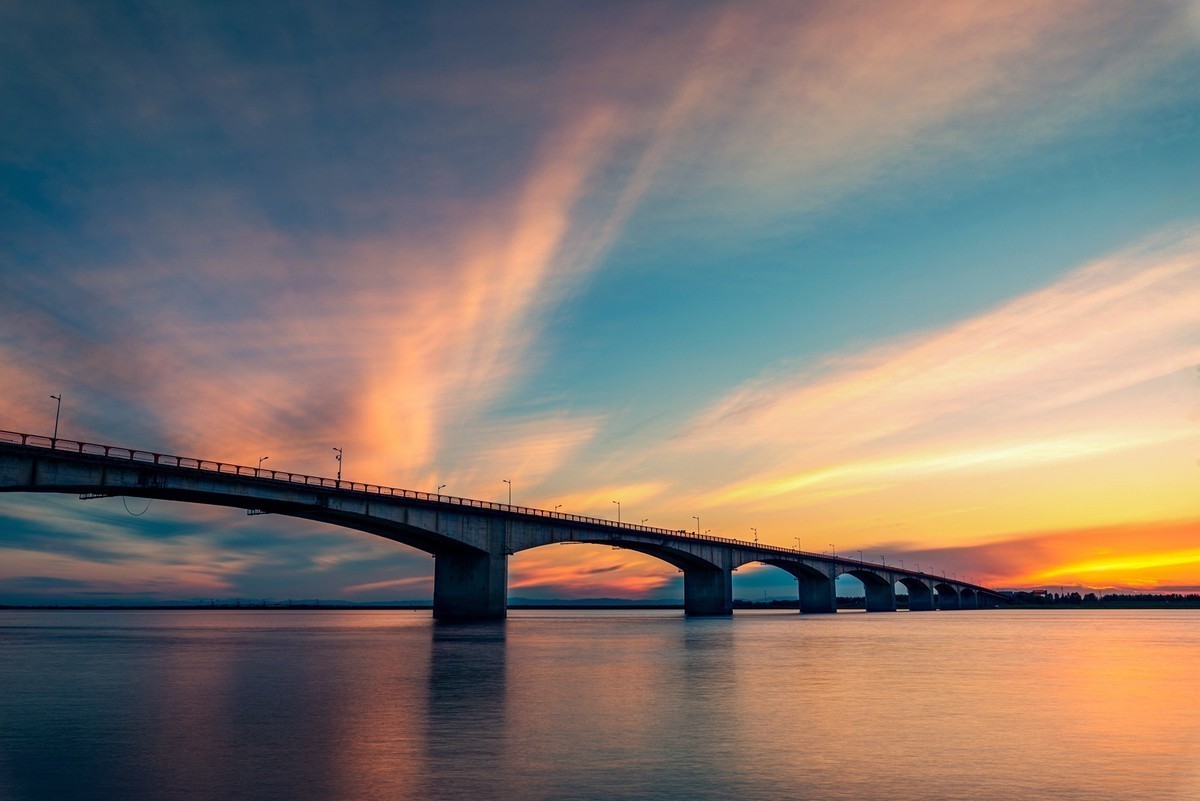
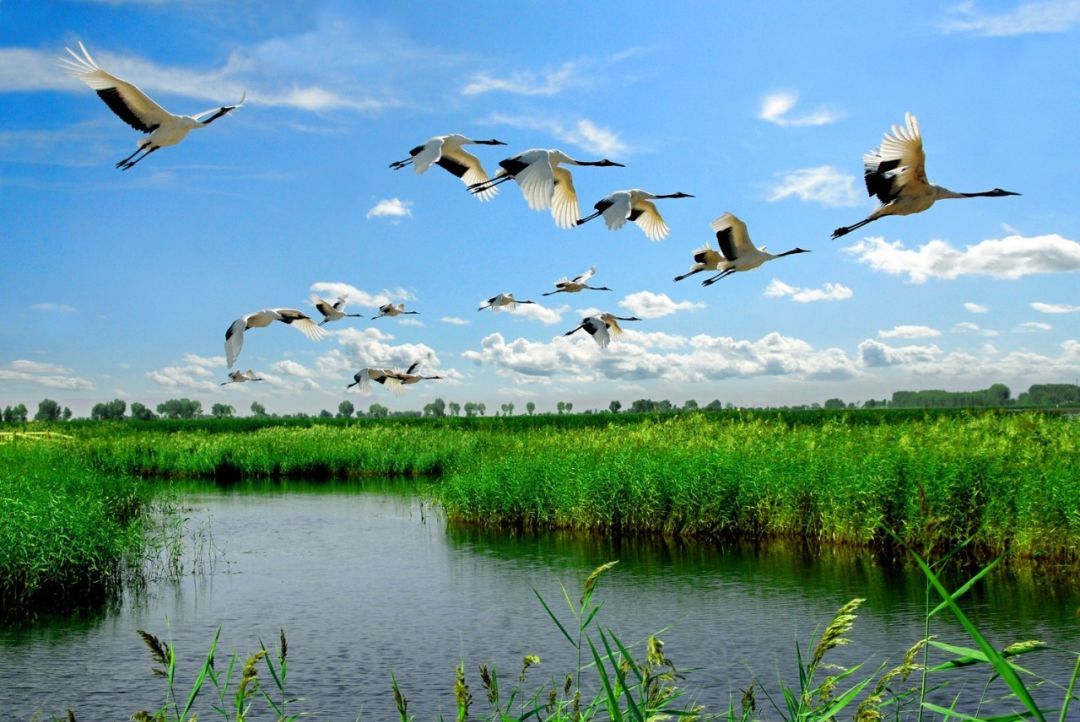
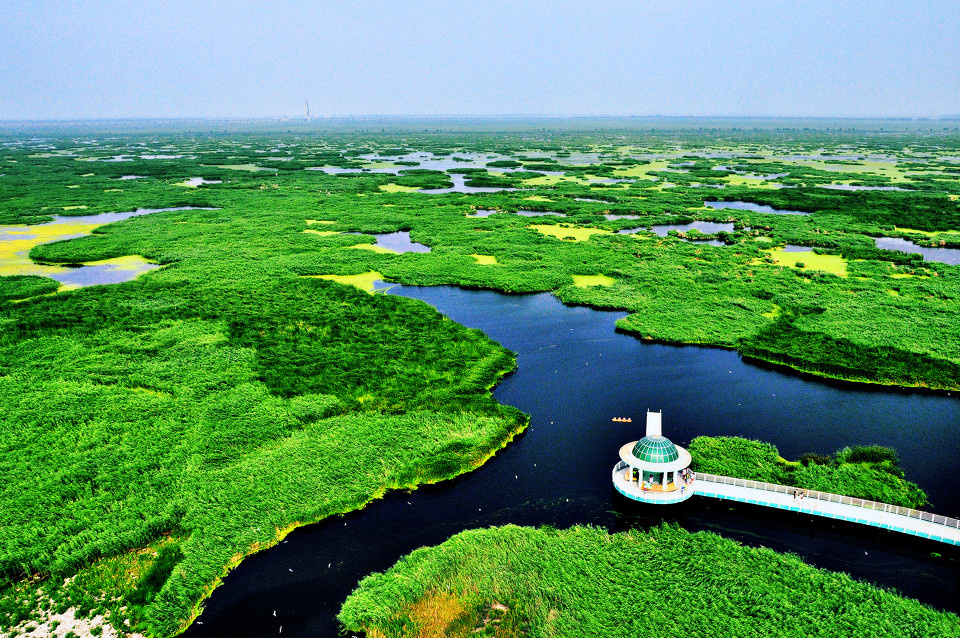
A massive transboundary lake straddling the China-Russia border. The Chinese side features wetlands, beaches, and birdwatching opportunities. The lake is one of the largest freshwater lakes in Northeast Asia.
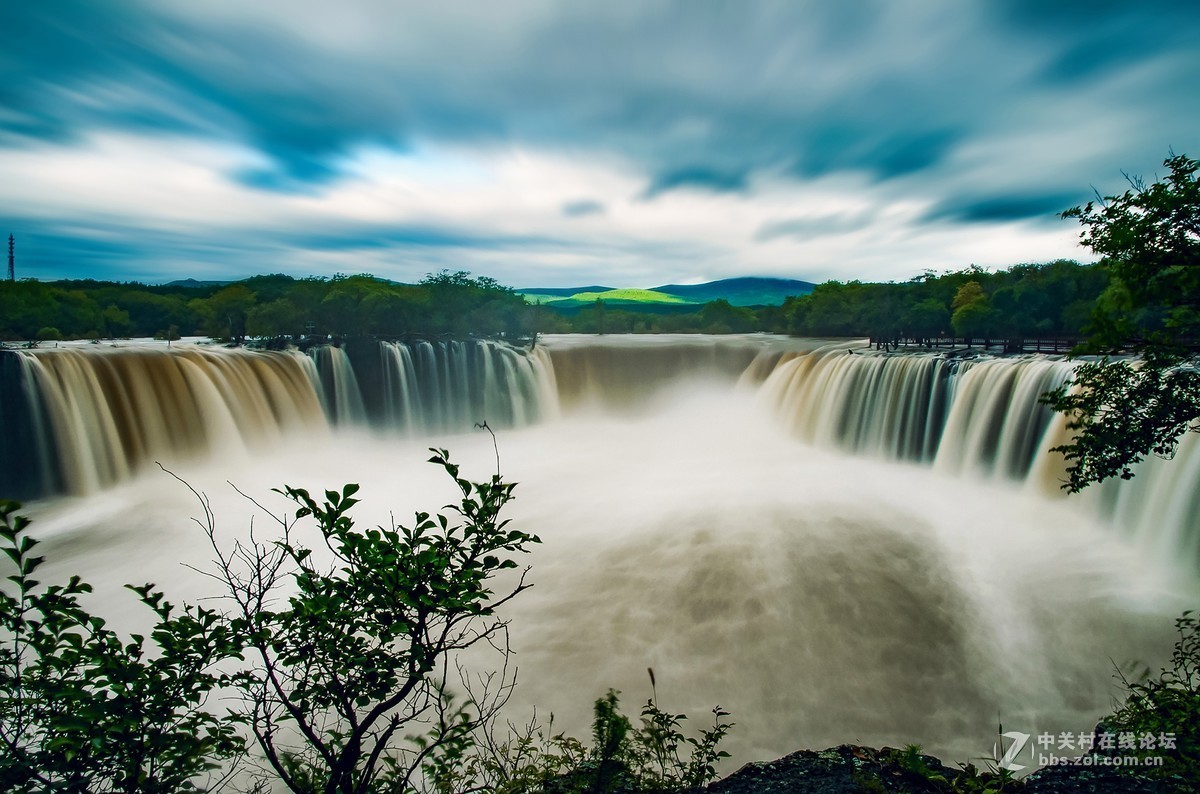
A coal mining city on China's northeastern border, Jixi sits at the gateway to Russia with rich mineral resources and unique cross-border culture.
Jixi is a coal mining city in southeastern Heilongjiang, situated on the border with Russia. The city's name means "chicken's west" in Chinese, derived from its location west of Chicken Mountain (Ji Hill).
The city was founded in the early 20th century with the discovery of coal deposits. Mining became the backbone of Jixi's economy, and the city grew into one of Heilongjiang's important coal production centers. Today, as coal resources gradually deplete, Jixi is transitioning toward agriculture, tourism, and cross-border trade.
Jixi's greatest natural asset is Khanka Lake (Xingkai Lake), a massive freshwater lake shared with Russia. The lake and surrounding wetlands are a paradise for birdwatchers, hosting numerous migratory species. The border location gives Jixi a unique cultural character, with influences from both Chinese and Russian traditions.
The city also holds significant WWII history. The Hulin Fortress, a Japanese military installation, was the site of intense fighting in the final days of the war. Today it serves as a museum and reminder of this turbulent period.
Before the 20th century, the Jixi area was sparsely populated grassland and wetland. The discovery of coal in the 1900s began to change this. During the Japanese occupation of Manchuria (1931-1945), coal mining was expanded to support Japanese industry.
After 1949, Jixi became a major coal mining base for the new People's Republic. The city was formally established in 1956. Throughout the planned economy era, Jixi's mines produced millions of tons of coal, fueling China's industrialization.
The end of the war in this region was dramatic. The Hulin Fortress was one of the last Japanese strongholds to fall, with fighting continuing even after Japan's formal surrender.
In recent decades, as China's economy has restructured and coal resources have depleted, Jixi has faced economic challenges. The city is now working to diversify, developing tourism around Khanka Lake and leveraging its border location for trade with Russia.
Jixi's economy has traditionally been dominated by coal mining. The city has substantial coal reserves and has been a significant producer for decades. However, as with many coal cities, depletion of easily accessible reserves and national policies to reduce coal dependence have led to economic restructuring.
Beyond coal, Jixi has significant graphite deposits — the mineral used in lithium-ion batteries and other modern technologies. This positions the city well for the new energy economy.
Agriculture is growing in importance, with the fertile lands around Khanka Lake producing rice, corn, and soybeans. Cross-border trade with Russia through the Mishan port provides another economic avenue.
Tourism is still developing but shows potential, particularly around Khanka Lake and the historical sites. The city's government is actively promoting economic diversification to reduce dependence on coal.
Discover the culinary treasures of Jixi, from traditional street food to imperial cuisine.
A day exploring Jixi's natural beauty and industrial heritage.
Jixi Xingkaihu Airport has flights to Harbin and other major cities.
Jixi is connected to the regional rail network with services to Harbin (about 4 hours).
Local buses serve the city and connect to surrounding areas.
Available throughout the city
Apr - May
Cool and transitional. Ice melts on the lake. Few tourists.
Jun - Aug
Warm and pleasant. Best time for lake activities and wetland exploration.
Sep - Oct
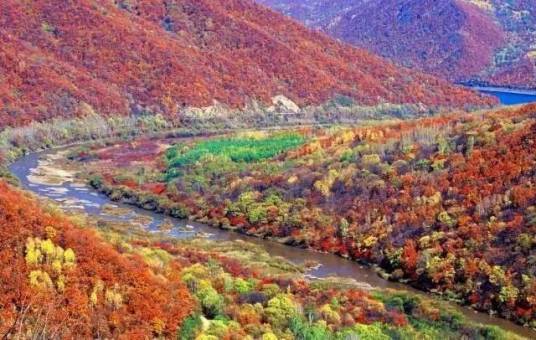
Cool and crisp with beautiful autumn colors. Good for sightseeing.
Nov - Mar
Very cold with temperatures below -20°C. Lake freezes. Ice fishing possible.
Discover more cities, food guides, and travel inspiration.