Landmark
Ice and Snow World
The world's largest ice and snow theme park. Massive illuminated ice castles, sculptures, and slides create a magical winter wonderland.
11:00 AM-9:30 PM (Dec-Feb)
330 yuan
China's Ice City—a wonderland of Russian architecture, winter festivals, and hearty Northeastern cuisine on the Songhua River.
Harbin is a city unlike any other in China. Perched on the banks of the Songhua River in China's far northeast, it's closer to Moscow than to Beijing in both geography and spirit. Known as the "Ice City," Harbin transforms into a winter wonderland each year, drawing millions to its famous Ice and Snow Festival.
**Ice and Snow Festival Facts**: - **10+ million visitors** annually (Dec-Feb peak) - **600,000+ cubic meters** of ice blocks harvested from Songhua River - **2,000+ ice sculptures** created by 3,000+ workers in 15 days - **World's largest ice theme park** at 600,000 sqm - **-20°C to -30°C** typical January temperatures - **1985** — First festival, now 40+ years running
The city's unique character comes from its Russian heritage. Built by Russian engineers during the construction of the Chinese Eastern Railway in 1898, Harbin still retains its European soul. St. Sophia Cathedral's onion domes, Central Street's cobblestones and Baroque architecture, and the aroma of freshly baked Russian bread all transport you to a different world.
Winter is Harbin's defining season. The Ice and Snow World features illuminated castles and sculptures made from blocks of ice harvested from the Songhua River. The adjacent Snow Sculpture Expo showcases incredible artwork from international artists. But winter here is also a test of endurance—temperatures regularly drop to -30°C.
Harbin's cuisine is a delicious fusion. Russian influences meet hearty Northeastern Chinese cooking. The iconic Harbin red sausage, crispy Guobaorou, steaming iron pot stews, and the legendary Modern ice cream (eaten even in -30°C!) make Harbin a fascinating food destination.
Harbin is a young city by Chinese standards. Its history began in 1898 when the Russian Empire started building the Chinese Eastern Railway and chose this Songhua River village as a major hub.
The city grew rapidly as Russian engineers, merchants, and exiles arrived. By 1905, Harbin had become the largest Russian enclave outside Russia, earning the nickname "Oriental Moscow." The 1917 Bolshevik Revolution brought a wave of White Russian refugees.
The Japanese occupied Harbin from 1932 to 1945 as part of Manchukuo. After 1949, the city became a major industrial base, known for its aircraft, machinery, and power equipment manufacturing.
Since the 1990s, Harbin has reinvented itself as a tourism and cultural destination, capitalizing on its unique Russian heritage and ice festival. The annual Ice and Snow Festival began in 1985 and has grown into one of the world's largest winter events.
Harbin's economy is the largest in Heilongjiang province with a GDP of 567 billion yuan. The city's economic base is diversifying from traditional heavy industry.
Key industries include aerospace (Harbin Aircraft Industry Group), power equipment (Harbin Electric Corporation), food processing, pharmaceuticals, and tourism. The Harbin High-Tech Zone promotes innovation and R&D.
Tourism is a major economic driver, especially during winter. The Ice and Snow Festival alone attracts over 10 million visitors annually. Summer tourism is growing as Harbin markets itself as a cool summer retreat.
Harbin is also an important agricultural and food processing center for Heilongjiang, China's largest grain-producing province. The city's location on the Songhua River makes it a key transport and logistics hub for Northeast China.
Discover the culinary treasures of Harbin, from traditional street food to imperial cuisine.
**Day 1: Russian Heritage & Central Street** - Morning: Arrive via Harbin West Station (5hr from Beijing, 10hr from Shanghai) - Afternoon: St. Sophia Cathedral (¥20) → Central Street stroll → Modern ice cream - Evening: Iron pot stew dinner on Central Street - Budget: ¥200-300 (transport + food) **Day 2: Ice Festival Magic** - Morning: Sun Island Snow Sculpture Expo (¥30) - Afternoon: Siberian Tiger Park (¥100) or rest at hotel - 4 PM: Ice and Snow World (¥330) — stay for illuminated sculptures - Evening: Guobaorou dinner - Budget: ¥500-600 (tickets + food) **Day 3: Departure** - Morning: Russian bread & red sausage shopping - Afternoon: Depart **Total Budget**: ¥700-900 (mid-range)
**Day 1: City Highlights** - Morning: St. Sophia Cathedral + Central Street - Afternoon: Modern ice cream, red sausage tasting - 4 PM: Ice and Snow World (stay until 9 PM for lights) - Budget: ¥400-500 **Day 2: Quick Departure** - Morning: Sun Island (optional) or shopping - Afternoon: Depart **Total Budget**: ¥500-700
Harbin Taiping International Airport (HRB) - 33 km from city center, 40min by airport bus (¥20) or taxi (¥100-120)
Connected to major cities
Public transportation available
Extensive network throughout the city, ¥1-2 per ride
Available throughout the city
Apr - May
Short and transitional. Ice melts on the river. Cool and occasionally rainy.
Jun - Aug
Pleasantly warm with long daylight hours. Harbin's summer retreat season.
Sep - Oct
Short and crisp with beautiful fall colors. Comfortable for sightseeing.
Nov - Mar
The main season! Extremely cold but magical with ice festival, snow sculptures, and winter activities.
The world's largest ice and snow festival featuring illuminated ice sculptures, snow art, and winter activities.
Annual summer beer festival celebrating Harbin's brewing heritage with music and entertainment.
Winter is the peak season but requires extreme cold preparation. Summer offers a pleasant escape from heat.
Winter temps hit -30°C. Wear thermal underwear, fleece, down coat, hat, scarf, gloves, and insulated boots. Chemical hand warmers help. Phone batteries die fast—keep power bank close to body.
Visit Ice and Snow World after 4 PM when the ice sculptures are illuminated. Daytime entry is cheaper (¥198 vs ¥330) but less magical. Stay until 9 PM for full experience.
From Beijing: 5hr high-speed train (¥550-930), 2hr flight (¥400-800). From Shanghai: 10hr train or 3hr flight. Book 2-3 weeks ahead for Ice Festival season (Dec-Feb).
Try Modern ice cream on Central Street even in winter. Locals queue for it in -30°C weather! Also try: red sausage, Guobaorou, iron pot stew, Russian bread (Dalieba).
Buy Ice & Snow World tickets online (official WeChat account) to skip queues. Sun Island + Ice World combo available. Student discounts (50%) with valid ID.
Peak: mid-January (most complete sculptures, coldest temps). Early Jan: sculptures still being built. Late Feb: some sculptures melting. Aim for Jan 10-25.
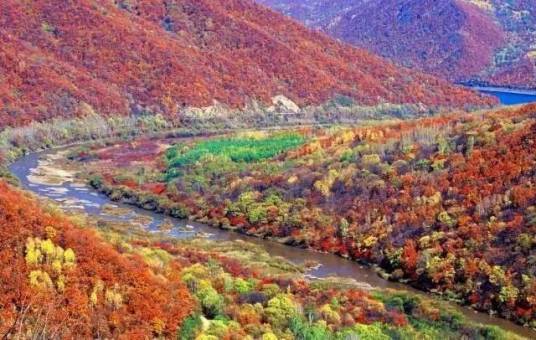
A coal mining city in northern Heilongjiang, Hegang is known...
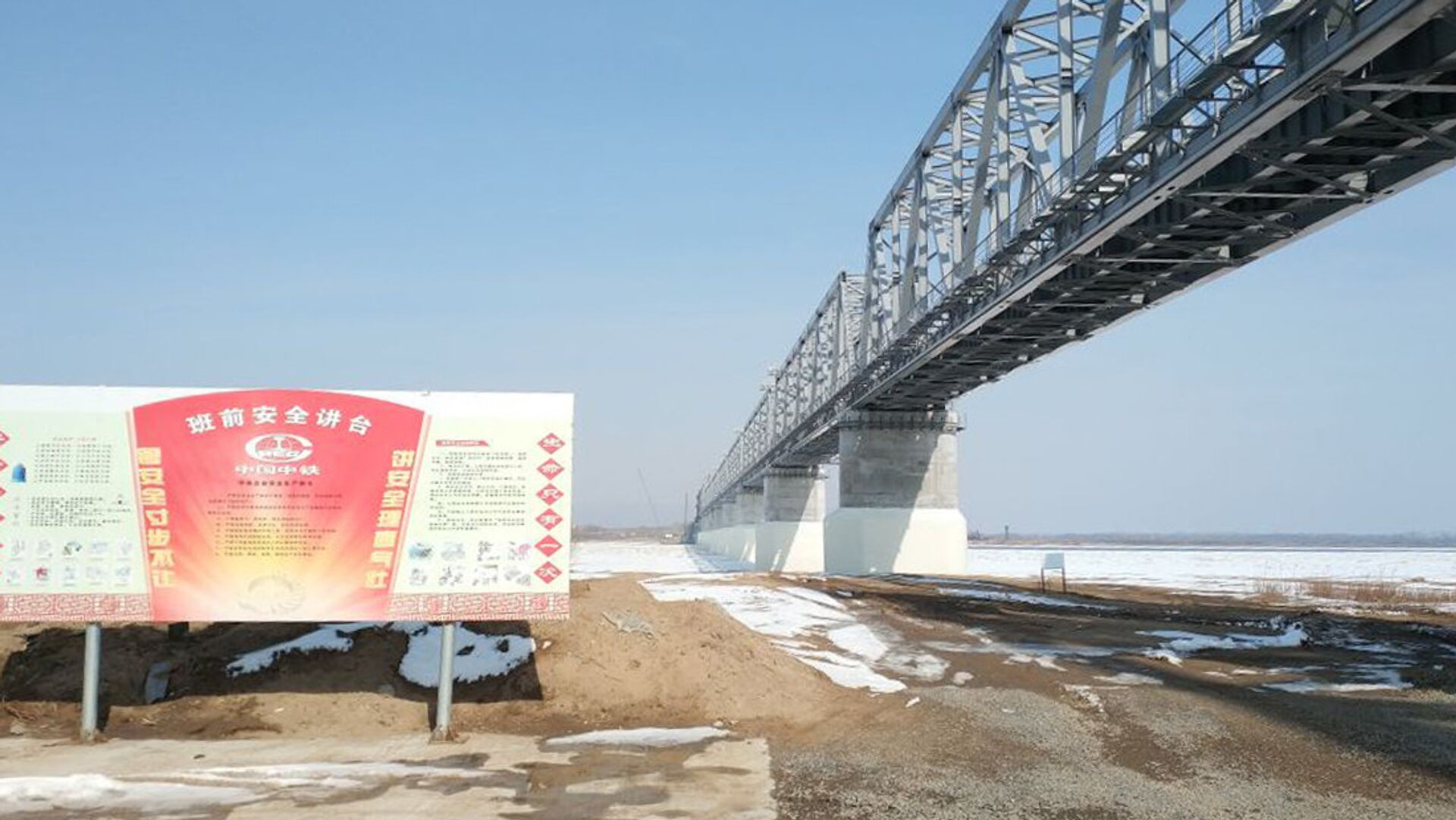
A border city on the Amur River facing Russia, Heihe is a ga...
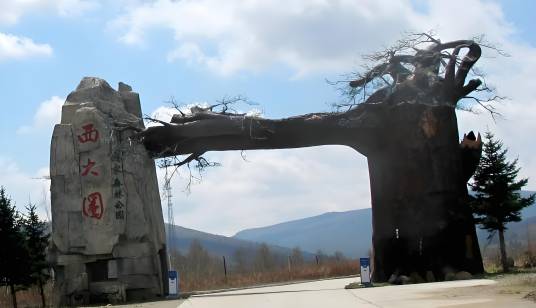
A small coal mining city in eastern Heilongjiang, Qitaihe is...
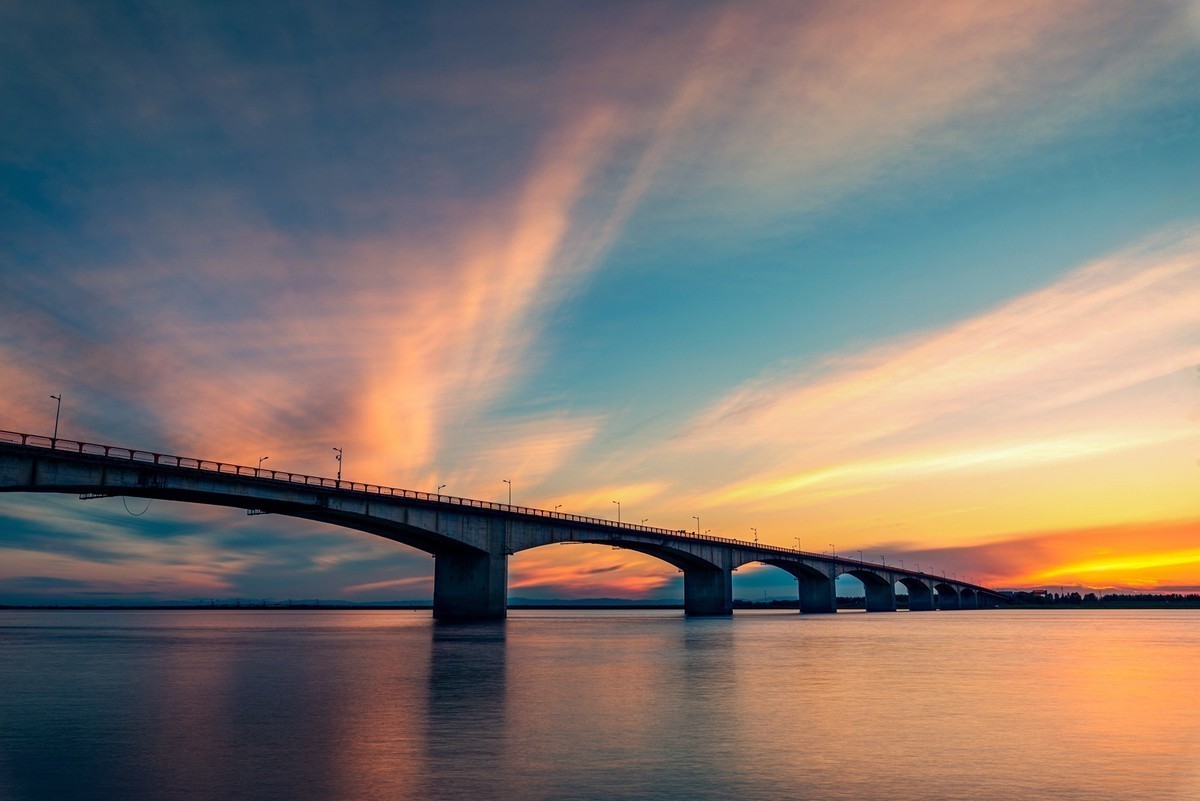
An agricultural hub on the banks of the Songhua River, Jiamu...
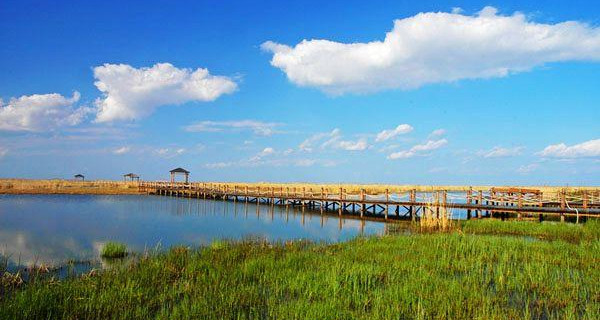
A coal mining city on China's northeastern border, Jixi sits...
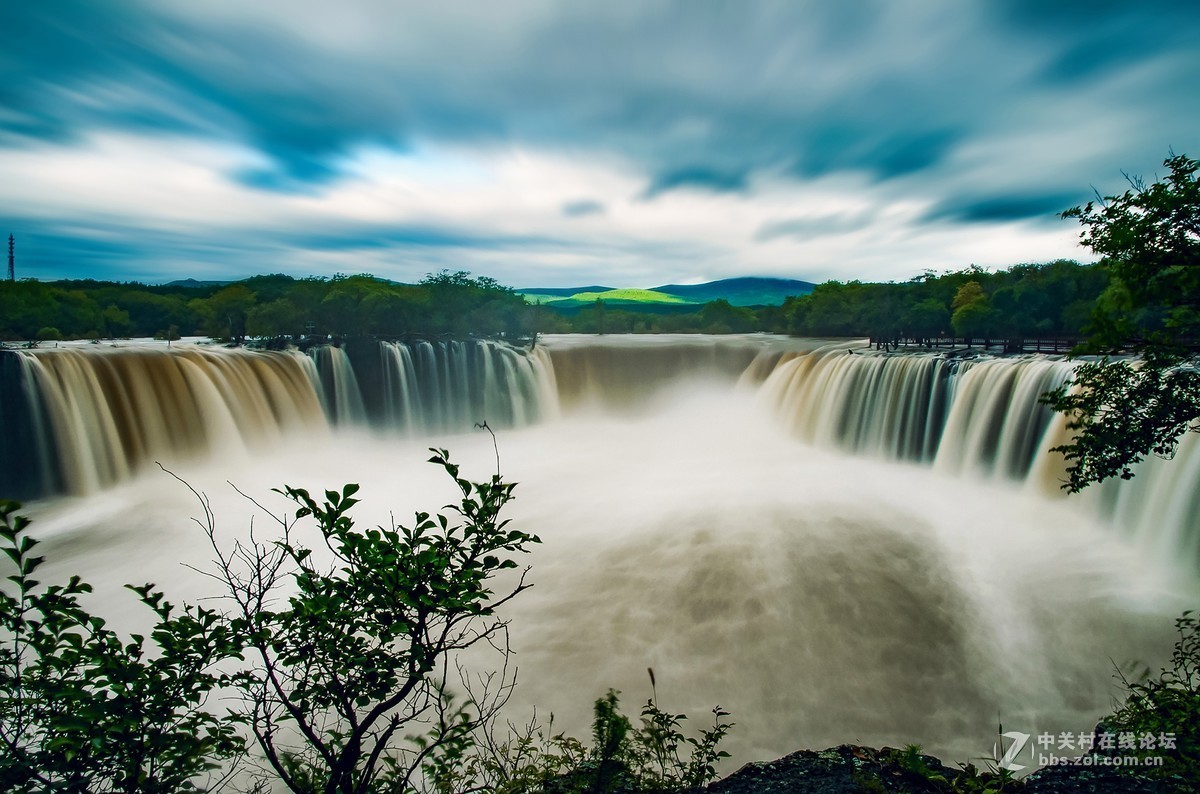
A scenic city in eastern Heilongjiang known for Jingpo Lake ...
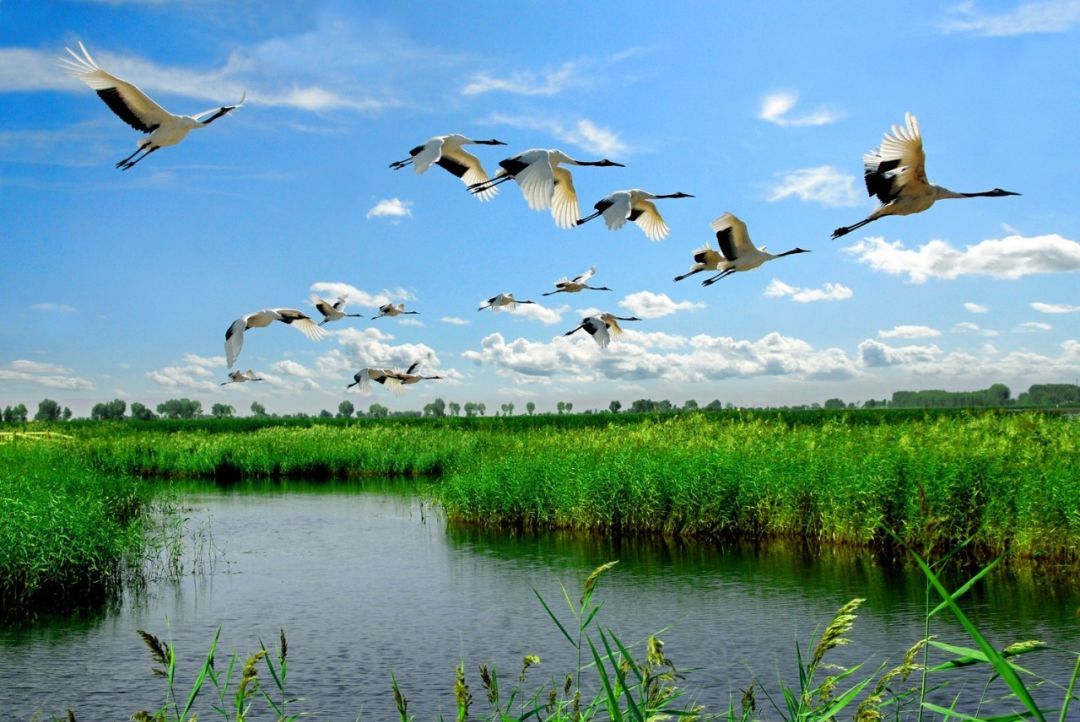
The capital of Heilongjiang's western region, famous for the...
China's "Oil Capital," home to the legendary Daqing Oilfield...
Discover more cities, food guides, and travel inspiration.