Park
Songhua River Park
A riverside park stretching along the Songhua River. Popular for walking, cycling, and viewing river traffic. Beautiful at sunset.
All day
Free
An agricultural hub on the banks of the Songhua River, Jiamusi is the eastern gateway to Heilongjiang and a center for grain production.
Jiamusi is a major city in eastern Heilongjiang, situated on the Songhua River. As the easternmost prefecture-level city in Heilongjiang, it serves as a gateway to the vast Sanjiang Plain and the Russian border.
The city is perhaps best known as an agricultural center. The surrounding Sanjiang Plain is one of China's most important grain-producing regions, earning it the nickname "Granary of the North." Rice, soybeans, and corn are the main crops, benefiting from the fertile soil and long summer daylight hours.
Jiamusi's location on the Songhua River has shaped its development. The river provides transportation, irrigation, and recreation. The city's port handles cargo moving to and from eastern Heilongjiang.
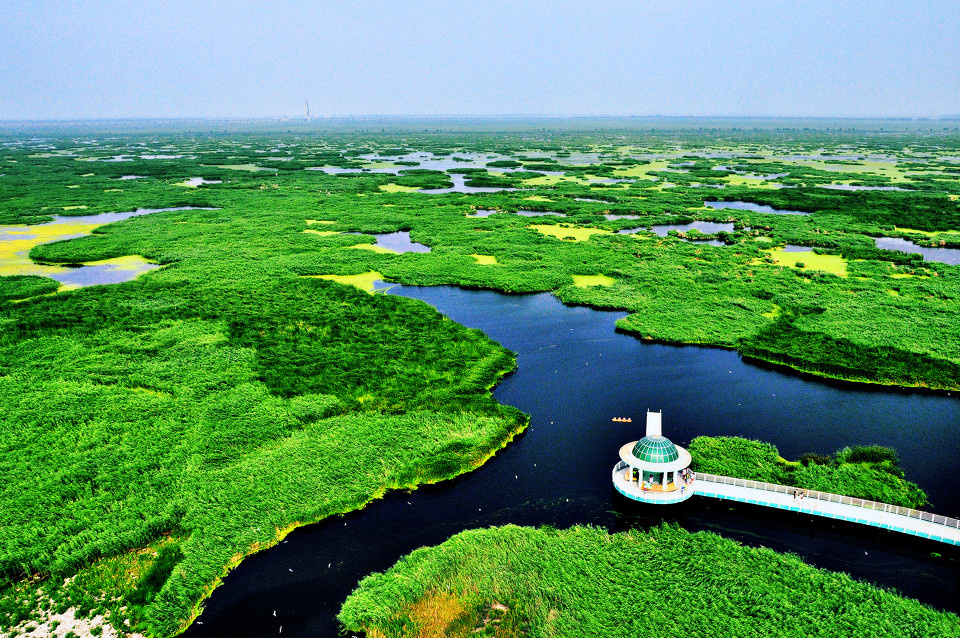
The nearby Sanjiang Wetland, where the Songhua, Amur, and Ussuri rivers converge, is one of China's largest wetland ecosystems. It's a critical habitat for migratory birds and a growing destination for eco-tourism.
As a regional center, Jiamusi hosts important educational and medical institutions serving eastern Heilongjiang. Jiamusi University is the largest in the region.
The Jiamusi area was historically inhabited by indigenous peoples including the Hezhen. The name "Jiamusi" is believed to derive from a Jurchen or Manchu word.
The modern city began to develop in the early 20th century with the arrival of settlers and the development of river transportation on the Songhua. The fertile lands attracted farmers, and the city grew as an agricultural trade center.
During the Japanese occupation, the area's agricultural potential was further developed. After 1949, Jiamusi became a key base for the development of the Sanjiang Plain. Large-scale land reclamation transformed wetlands into farmland, making the region one of China's grain baskets.
In recent decades, Jiamusi has developed as a regional educational and medical center. The city also serves as a base for exploring the Sanjiang Wetland and the nearby Russian border.
Agriculture and agricultural processing are Jiamusi's economic foundation. The Sanjiang Plain produces millions of tons of grain annually. Rice milling, soybean processing, and food manufacturing are major industries.
The city's river port facilitates trade, moving agricultural products out and bringing in supplies. Transportation and logistics are growing sectors.
Manufacturing includes machinery, chemicals, and paper products. Jiamusi is also developing new energy industries, including wind power.
As a regional center, the service sector is significant. Education, healthcare, and retail serve not just Jiamusi but the surrounding prefecture.
Tourism is developing, particularly around the Sanjiang Wetland and the unique border location.
Discover the culinary treasures of Jiamusi, from traditional street food to imperial cuisine.
A day exploring Jiamusi's urban attractions and riverside scenery.
Explore the vast Sanjiang wetland ecosystem.
Jiamusi Dongjiao Airport has flights to Harbin, Beijing, Shanghai, and other major cities.
Jiamusi is connected to the regional rail network with services to Harbin (about 3 hours).
Comprehensive bus network covering the city and connecting to surrounding areas.
Available throughout the city
Apr - May
Brief spring with thawing rivers and greening fields.
Jun - Aug
Warm and pleasant. Best time for wetland exploration and outdoor activities.
Sep - Oct
Harvest season with golden fields. Cool and crisp weather.
Nov - Mar
Cold and snowy. Rivers freeze. Ice fishing possible.
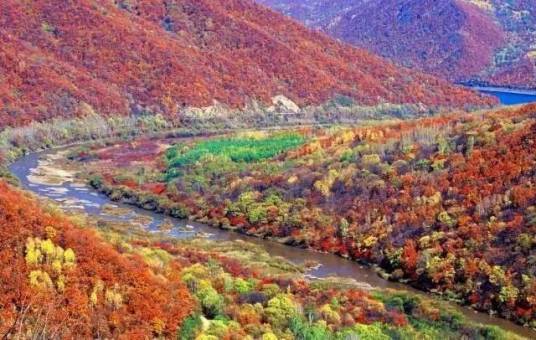
A coal mining city in northern Heilongjiang, Hegang is known...
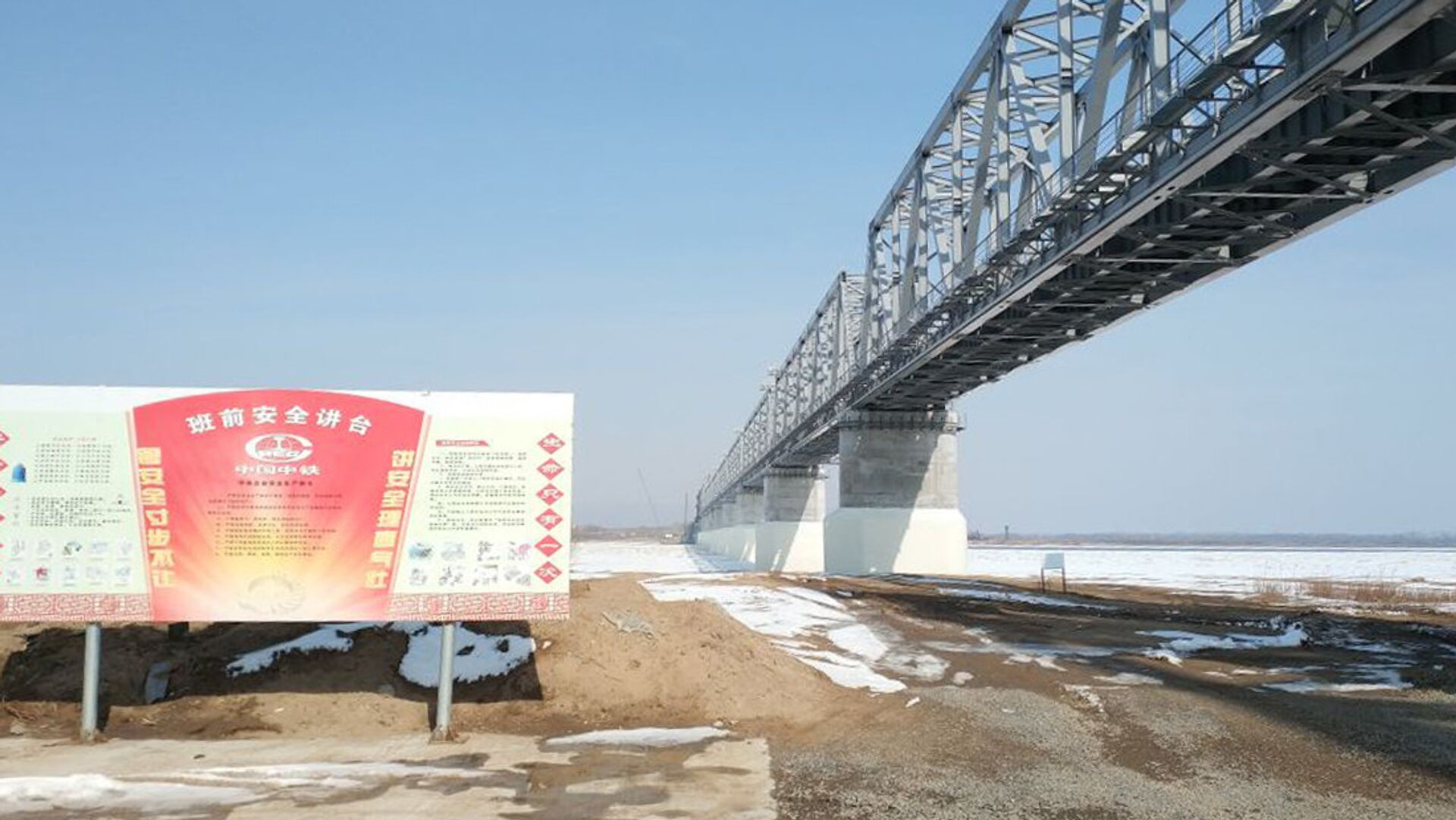
A border city on the Amur River facing Russia, Heihe is a ga...
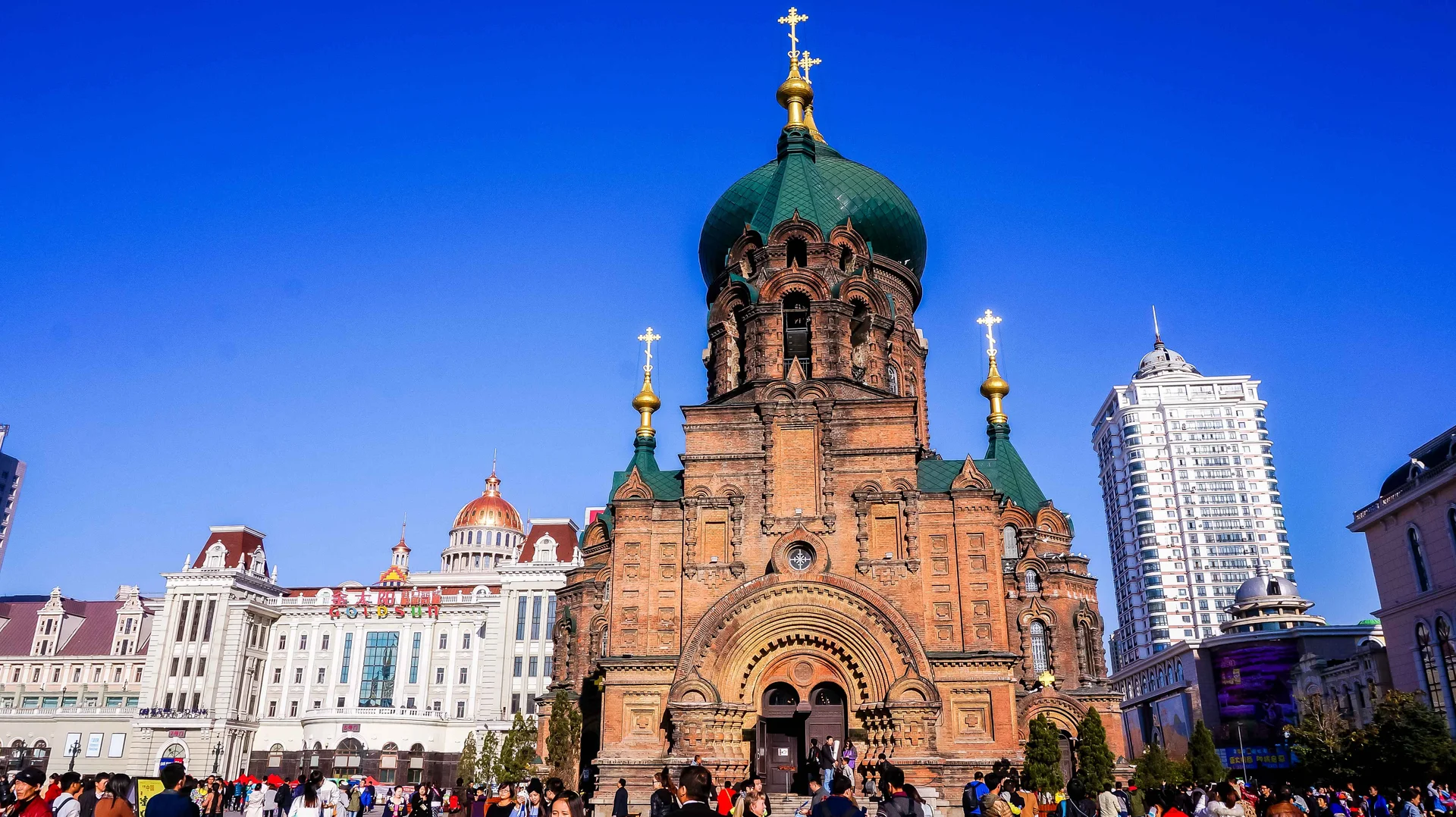
China's Ice City—a wonderland of Russian architecture, winte...
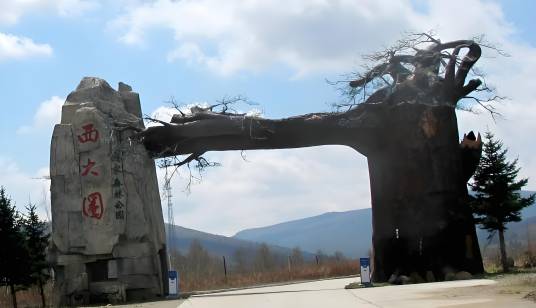
A small coal mining city in eastern Heilongjiang, Qitaihe is...
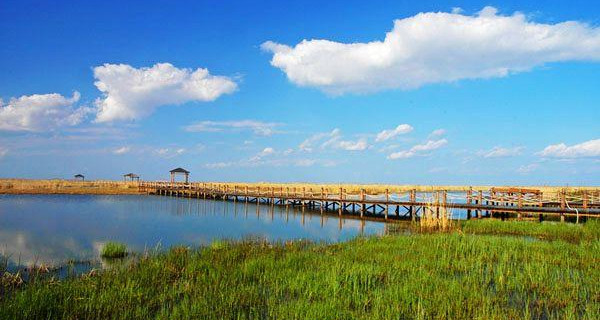
A coal mining city on China's northeastern border, Jixi sits...
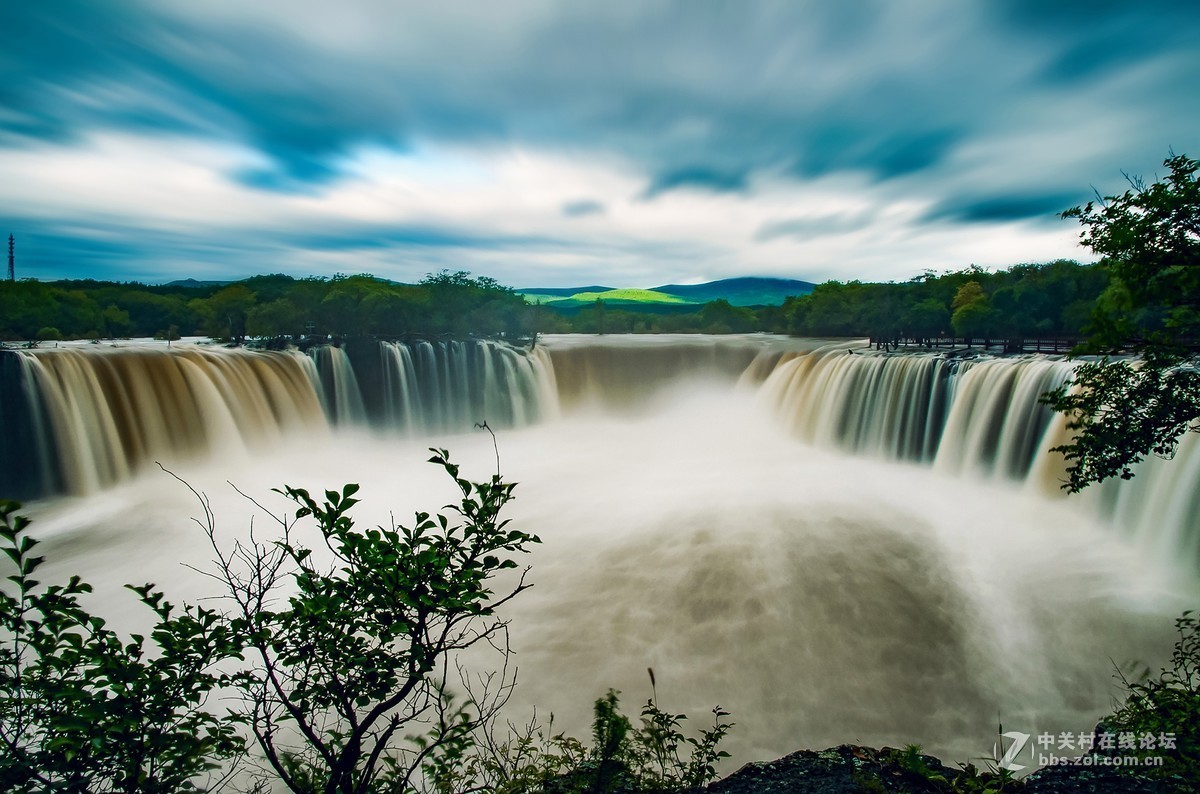
A scenic city in eastern Heilongjiang known for Jingpo Lake ...
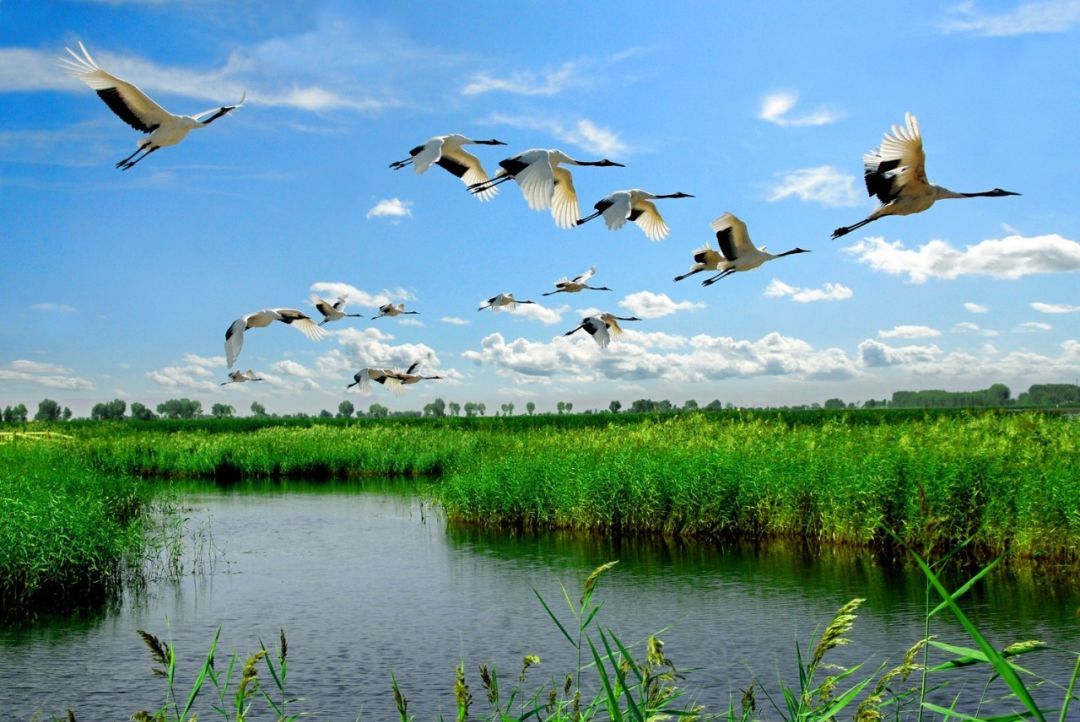
The capital of Heilongjiang's western region, famous for the...
China's "Oil Capital," home to the legendary Daqing Oilfield...
Discover more cities, food guides, and travel inspiration.