
Nature
Qixing Mountain
A scenic mountain area with seven distinctive peaks. Offers hiking trails, forest scenery, and panoramic views of the surrounding countryside.
All day
Free
A coal mining city in eastern Heilongjiang, Shuangyashan is named after twin peaks and surrounded by forests and wetlands.
Shuangyashan, meaning "Twin Duck Mountain," is a coal mining city in eastern Heilongjiang. The name actually refers to two mountain peaks that overlook the city, not ducks — a common misconception.
The city was established around coal mining in the mid-20th century. Like many resource cities in Northeast China, Shuangyashan grew rapidly during the planned economy era as mines were developed and workers arrived from across the country.
Beyond coal, Shuangyashan sits in a rich agricultural region. The surrounding plains produce soybeans, corn, and other crops. The city is also surrounded by forests and wetlands, offering natural areas for recreation.
Today, Shuangyashan faces the common challenges of resource-dependent cities: declining coal reserves, economic restructuring, and population outflow. However, the city's agricultural base and natural surroundings provide alternative economic opportunities.
The Shuangyashan area was sparsely populated until coal was discovered in the early 20th century. The region's coal deposits attracted attention during the Japanese occupation of Manchuria.
After 1949, Shuangyashan became a state-run coal mining base. The city was formally established in 1956. Throughout the planned economy period, the mines expanded and the city grew.
The city's name comes from two mountain peaks that resemble duck shapes when viewed from certain angles — though the resemblance is more apparent in the Chinese imagination than to foreign visitors.
In recent decades, Shuangyashan has been working to diversify its economy beyond coal, developing agriculture, food processing, and tourism.
Coal mining has been Shuangyashan's economic foundation. The city has substantial coal reserves, though production has declined as accessible seams are exhausted.
Agriculture is increasingly important. The surrounding region is a major producer of soybeans, corn, and rice. Food processing industries have developed to add value to local agricultural products.
Forestry and forest products contribute to the local economy. The surrounding forests provide timber and non-timber products like wild mushrooms and medicinal herbs.
The city is working to develop tourism around its natural attractions, though this sector is still in early stages.
Discover the culinary treasures of Shuangyashan, from traditional street food to imperial cuisine.
A day exploring Shuangyashan's natural attractions.
Shuangyashan has a small airport with limited connections.
Rail connections to Harbin and other cities are available.
Local buses connect the city center with mining districts and surrounding areas.
Available throughout the city
Apr - May
Brief spring with melting snow and greening forests.
Jun - Aug
Warm and pleasant. Best for hiking and outdoor activities.
Sep - Oct
Beautiful fall colors in the forests. Cool and crisp.
Nov - Mar
Cold and snowy. Temperatures well below freezing.
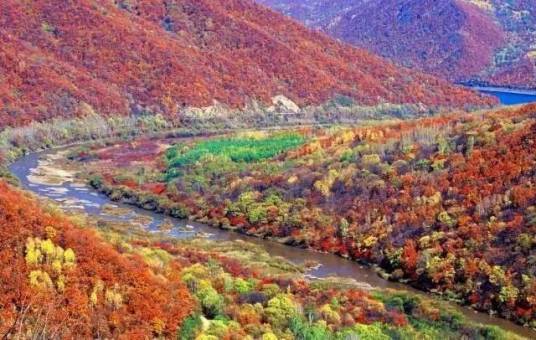
A coal mining city in northern Heilongjiang, Hegang is known...
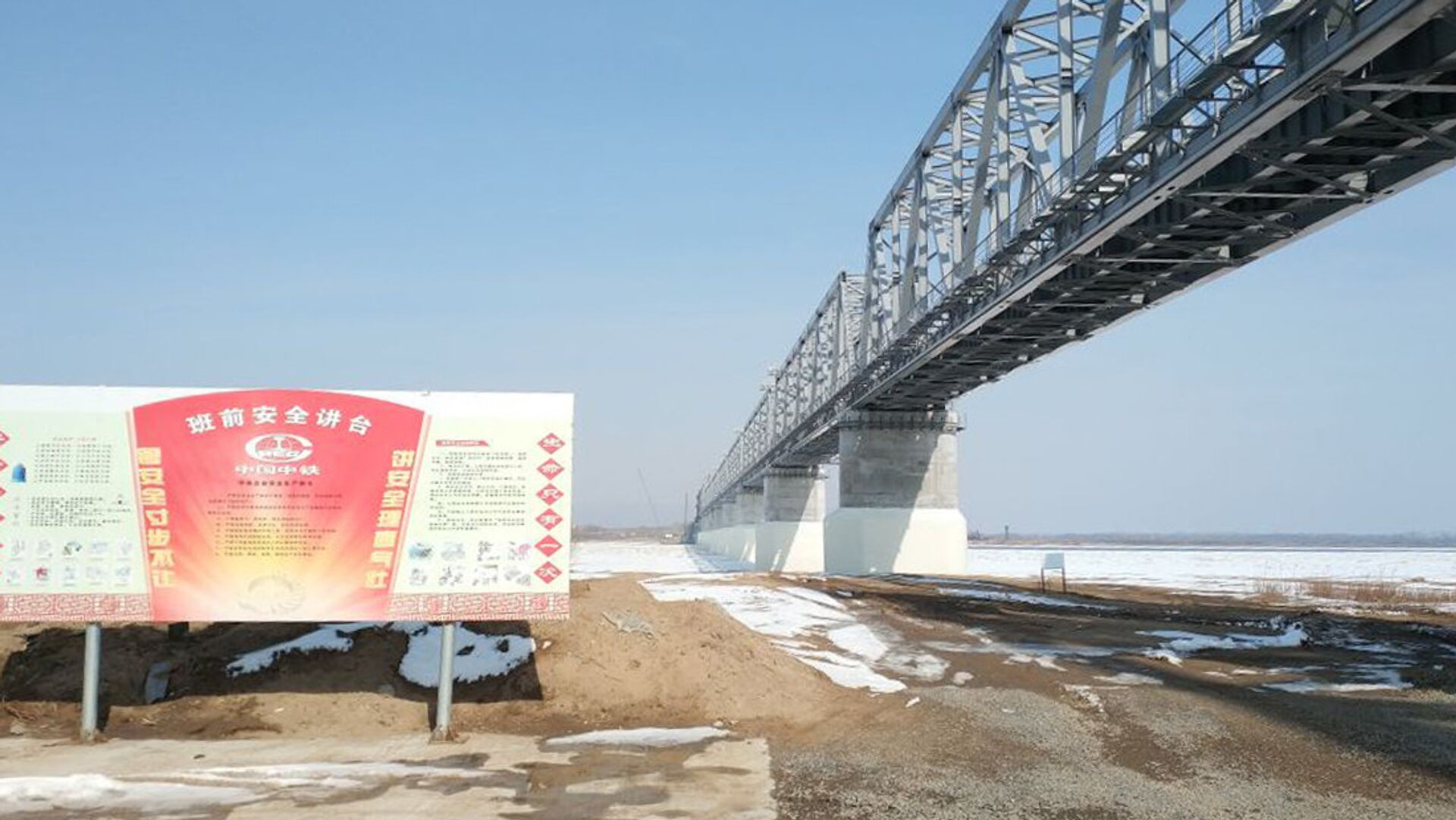
A border city on the Amur River facing Russia, Heihe is a ga...
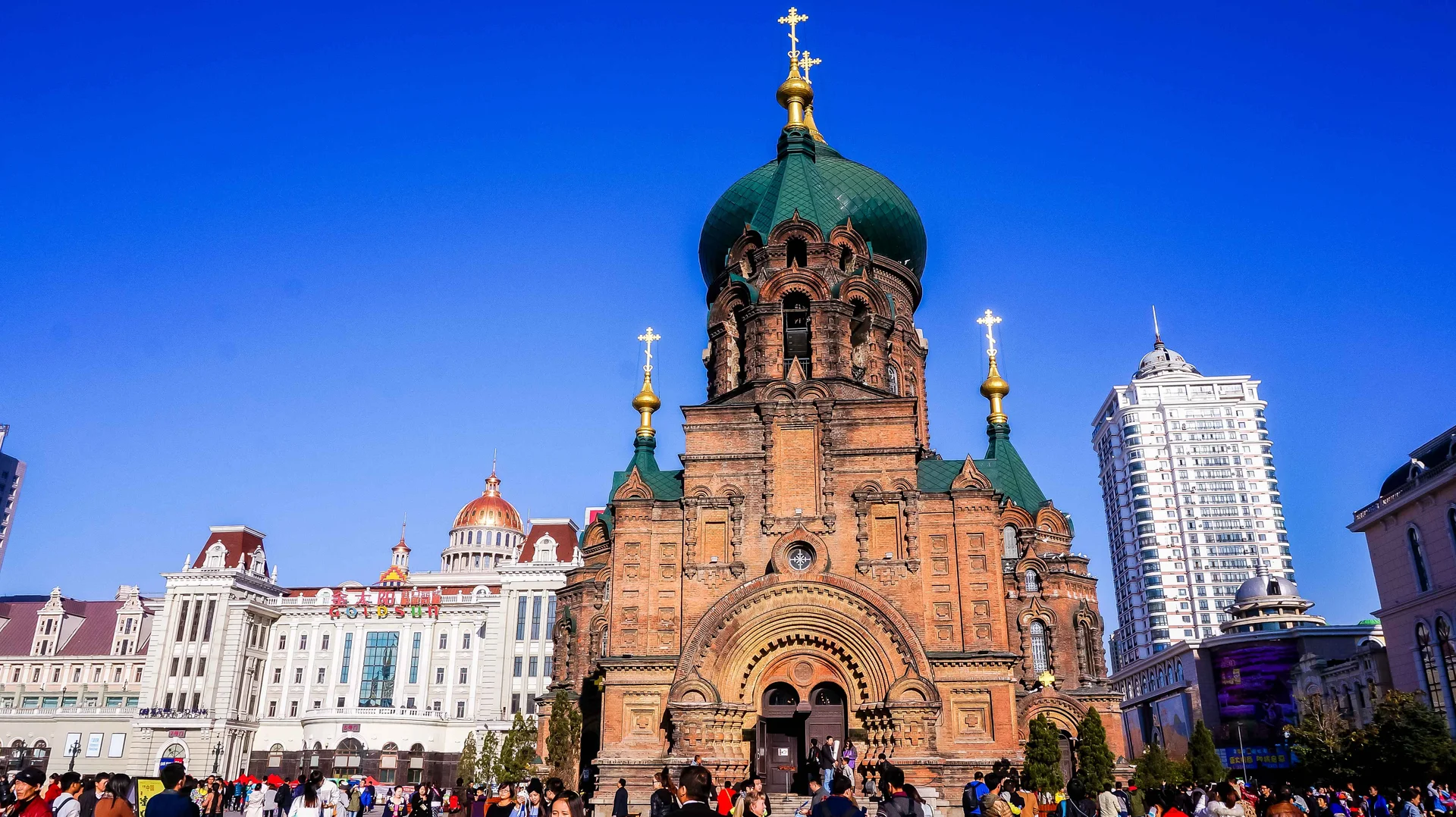
China's Ice City—a wonderland of Russian architecture, winte...
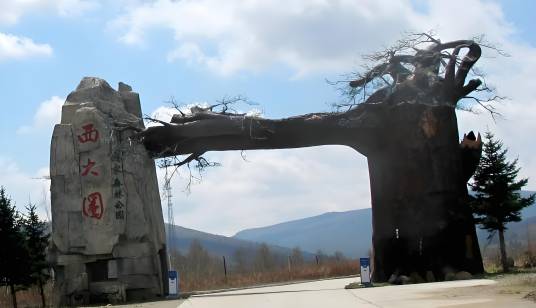
A small coal mining city in eastern Heilongjiang, Qitaihe is...

An agricultural hub on the banks of the Songhua River, Jiamu...
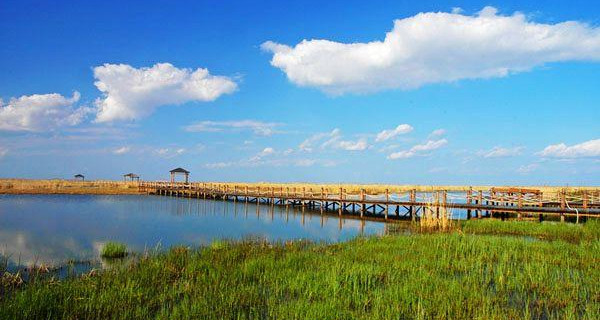
A coal mining city on China's northeastern border, Jixi sits...
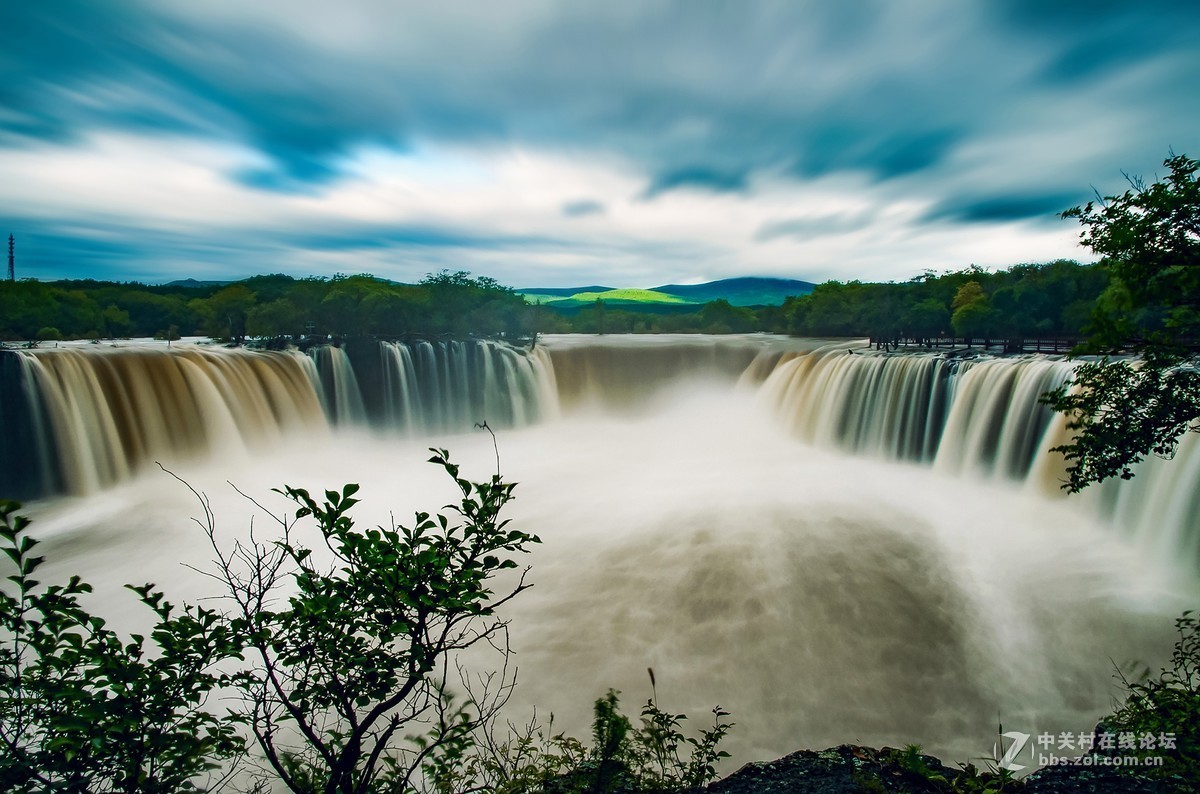
A scenic city in eastern Heilongjiang known for Jingpo Lake ...
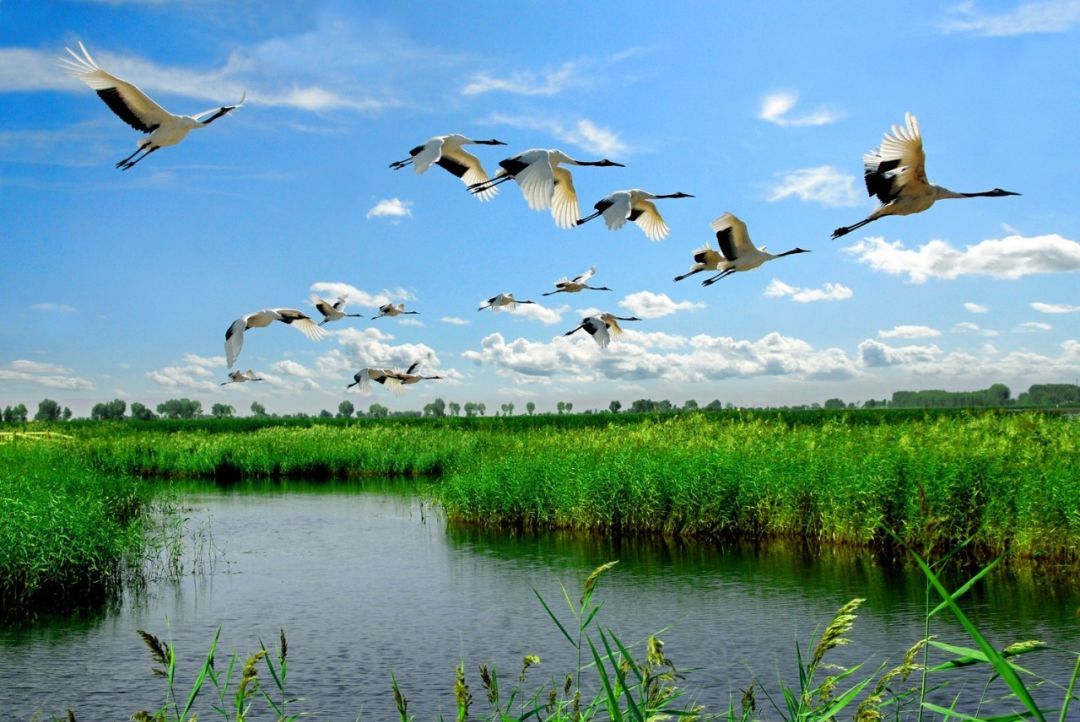
The capital of Heilongjiang's western region, famous for the...
Discover more cities, food guides, and travel inspiration.