Daqing city skyline and landmarks (大庆) - Travel China Guide

Daqing Travel Guide

China's "Oil Capital," home to the legendary Daqing Oilfield — the country's largest oil field — and a city that symbolizes New China's industrial spirit.

About

Daqing, one of China's most famous industrial cities, is synonymous with the country's oil industry. The city was essentially born from the discovery of the Daqing Oilfield in 1959, a find that ended China's dependence on foreign oil and fueled the nation's rapid industrialization. The story of Daqing is inseparable from the story of its legendary "Iron Man," Wang Jinxi. In the early 1960s, Wang and thousands of workers endured extreme conditions — freezing temperatures, scarce supplies, and primitive equipment — to develop the oilfield. Their "Daqing spirit" of hard work and self-reliance became a national model. Today, the city's memorials and museums vividly tell this inspiring story. Beyond its industrial identity, Daqing offers surprising natural beauty. The Longfeng Wetland, an urban nature reserve, provides habitat for countless birds and a peaceful escape from the city. The Daqing Museum houses one of China's most impressive collections of Ice Age fossils, including complete mammoth skeletons. Modern Daqing is a prosperous, clean, and well-planned city with wide boulevards, parks, and lakes. The oil wealth has created a high standard of living, and the city's per capita GDP is among the highest in Heilongjiang. While the petroleum industry remains dominant, Daqing is actively diversifying into petrochemicals, manufacturing, and tourism.

History & Development

Before the 1950s, the area now known as Daqing was a sparsely populated grassland and wetland region on the Songnen Plain. The turning point came in 1959 when, after years of geological surveying, the first commercially viable oil well — Songji Well No. 3 — was successfully drilled. The discovery came at a critical time for China, which faced severe oil shortages due to the Soviet Union's withdrawal of technical assistance. The development of the Daqing Oilfield was a massive national project. Thousands of workers, soldiers, and technicians were mobilized from across China. Living in rudimentary conditions, they built the oil field from scratch. The heroic efforts of Wang Jinxi, who became known as "Iron Man" for his extraordinary determination, were widely publicized by the government to inspire the nation. Throughout the 1960s and 1970s, Daqing's oil production grew steadily, and a proper city gradually emerged around the oil field. By the 1980s, Daqing had become a modern planned city with residential districts, schools, hospitals, and cultural facilities. In the 21st century, Daqing faces the challenge of gradually declining oil reserves. The city has embarked on economic diversification, developing petrochemical refining, advanced manufacturing, and tourism while preserving its unique oil heritage.

Economy & Industries

Daqing's economy has been built on petroleum extraction and related industries. The Daqing Oilfield, operated by Daqing Oilfield Company (a subsidiary of China National Petroleum Corporation, CNPC), has produced over 2.5 billion tons of crude oil since 1959, accounting for a significant portion of China's total domestic oil production. The petrochemical industry is the second pillar of Daqing's economy. Several large refineries and chemical plants process crude oil into gasoline, diesel, kerosene, synthetic rubber, plastics, and chemical fertilizers. These downstream industries add significant value to the local economy. Daqing has one of the highest GDP per capita figures in Heilongjiang Province, a direct result of the oil industry's high productivity. The city's wealth is evident in its well-maintained infrastructure and high-quality public services. In recent years, the city has been actively pursuing economic diversification. Investment has flowed into equipment manufacturing, new energy, and tourism. The Longfeng Wetland and the Daqing Museum have become major tourist attractions, and the city promotes heritage tourism — visits to sites associated with the oilfield's founding history, particularly the Iron Man Memorial and the oilfield.

Top Attractions

🏛️ Landmark

Daqing Oilfield Scenic Area

The Daqing Oilfield is China's largest oil field and one of the most significant industrial sites in the country. Discovered in 1959, the field covers an area of over 6,000 square kilometers. Visitors can tour the operation areas to see working oil pumps (locally called "nodding donkeys"), pipelines, and processing facilities. The site includes an observation deck overlooking the vast field of pumps stretching to the horizon. It offers a unique perspective on the scale of China's petroleum industry and its heroic "Iron Man" legacy.

★★★★ 4.5
🕐 By appointment
🎫 Free (organized tours)
🎭 Museum

Iron Man Wang Jinxi Memorial Hall

This memorial hall is dedicated to Wang Jinxi, the legendary "Iron Man" of China's oil industry. Wang became a national hero for his extraordinary efforts during the early days of the Daqing Oilfield development in the 1960s, famously jumping into a freezing drilling pool to stop a blowout with his own body. The museum exhibits his personal belongings, photographs, and stories of the early oilfield workers who endured extreme hardship to make China self-sufficient in oil. The hall is a place of pilgrimage for those interested in modern Chinese industrial history.

★★★★ 4.6
🕐 08:30-16:30 (Closed Mondays)
🎫 Free
🎭 Museum

Daqing Museum

The Daqing Museum is a comprehensive museum housing an impressive collection of natural history exhibits. The museum's most celebrated feature is its fossil hall, which contains one of the largest collections of Pleistocene mammal fossils in China, including complete skeletons of mammoths, woolly rhinoceroses, and bison that roamed the region during the Ice Age. The museum also covers the geological formation of the Daqing oil field and the cultural history of the Songnen Plain. The modern building itself is an architectural landmark.

★★★★ 4.7
🕐 09:00-16:30 (Closed Mondays)
🎫 Free
🏔️ Nature

Longfeng Wetland

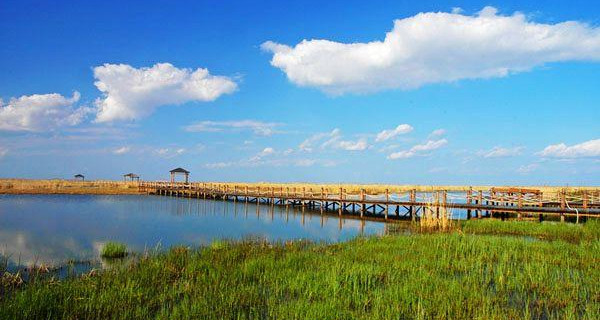
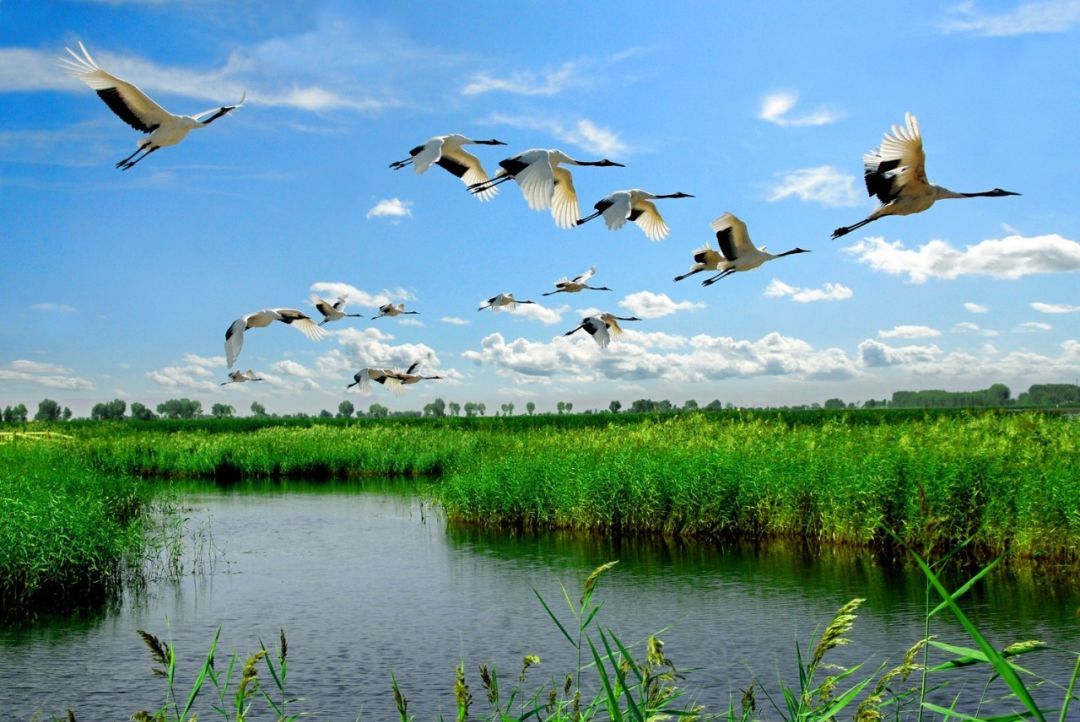
Longfeng Wetland is a large urban wetland nature reserve within Daqing's city limits, covering over 5,000 hectares. The wetland is a vital habitat for migratory birds, including swans, geese, ducks, and rare species such as the red-crowned crane and white stork. Wooden boardwalks and viewing platforms allow visitors to explore the wetland without disturbing the wildlife. The wetland plays an important role in the city's ecology, acting as a natural water purification system and climate regulator.

★★★★ 4.4
🕐 All day
🎫 Free
🌳 Park

Oil Culture Theme Park

This unique theme park combines entertainment with oil industry education, located on the site of a former drilling area. The park features exhibits of historical drilling equipment, including original rigs from the 1960s. Interactive displays explain the science of oil exploration and extraction. There are also recreational facilities, gardens, and a large artificial lake. The park offers a family-friendly way to understand Daqing's oil heritage while enjoying outdoor activities.

★★★★ 4.3
🕐 08:00-17:00
🎫 30 yuan
🌳 Park

Liming Lake Scenic Area

Liming Lake (Dawn Lake) is a scenic man-made lake in the heart of Daqing, surrounded by walking paths, gardens, and modern apartment buildings. The lake area is a popular recreational spot for locals, offering paddle boat rentals, fishing, and lakeside cafes. In winter, the frozen lake becomes a venue for ice skating and ice fishing. The area is particularly beautiful at sunset when the sky reflects off the calm water surface.

★★★★ 4.2
🕐 All day
🎫 Free

Food & Culture

Discover the culinary treasures of Daqing, from traditional street food to imperial cuisine.

Things to Do

Tour the Oil Field

See the iconic "nodding donkey" oil pumps stretching across the landscape and learn about China's largest oil field.

🏛️

Visit the Iron Man Memorial

Pay tribute to Wang Jinxi, the "Iron Man" hero of China's oil industry, and learn about the Daqing spirit.

Explore the Daqing Museum

Marvel at the Ice Age fossil collection, including complete mammoth and woolly rhinoceros skeletons.

Birdwatch at Longfeng Wetland

Walk the boardwalks through the urban wetland and observe swans, cranes, and migratory birds.

Boat on Liming Lake

Enjoy a relaxing paddle boat ride on the scenic lake in the center of Daqing.

Experience Winter Ice Fishing

Join locals drilling holes through the frozen lake ice for a traditional ice fishing experience.

Suggested Itineraries

Daqing One-Day Highlights

A one-day tour of Daqing covering its top cultural, historical, and natural attractions.

  • Morning: Daqing Museum — Ice Age fossils and oil industry exhibits (2-3 hours)
  • Midday: Longfeng Wetland boardwalk walk and birdwatching
  • Afternoon: Iron Man Wang Jinxi Memorial Hall
  • Evening: Liming Lake sunset stroll and Northeast farm-style dinner

Oil City Discovery (2 Days)

An in-depth exploration of Daqing's oil industry heritage, natural wetlands, and Ice Age fossils.

  • Day 1: Daqing Museum + Longfeng Wetland + Oil Culture Theme Park
  • Day 2: Daqing Oilfield scenic tour + Iron Man Memorial + Liming Lake
  • Optional: Ice fishing or skating in winter

Getting Around

✈️

Airport

Daqing Sartu Airport (about 25km from city center) has direct flights to Beijing, Shanghai, Guangzhou, Xi'an, Qingdao, and other major Chinese cities.

🚄

High-Speed Rail

Daqing East Station serves the Harbin-Daqing section of the Harbin-Qiqihar High-Speed Railway, reaching Harbin in about 50 minutes and Qiqihar in about 40 minutes.

🚌

Bus Network

Public buses connect all districts and major attractions. The city is spread out, so taxis and ride-hailing apps are recommended for efficiency.

🚕

Taxi & Rideshare

Available throughout the city

Best Time to Visit

🌸

Spring

Apr - May

★★★☆☆

Cool and windy with temperatures from 5-15°C. The landscape turns green as the frozen ground thaws. Good for city exploration but wetlands are still waking up.

  • Greening landscapes
  • Fewer tourists
  • Mild temperatures
☀️

Summer

Jun - Aug

★★★★★

Warm and pleasant with temperatures averaging 20-28°C. The best season for wetland exploration and outdoor activities. Peak tourist season with lively atmosphere.

  • Lush wetlands
  • Perfect outdoor weather
  • Birdwatching season
🍂

Autumn

Sep - Oct

★★★★☆

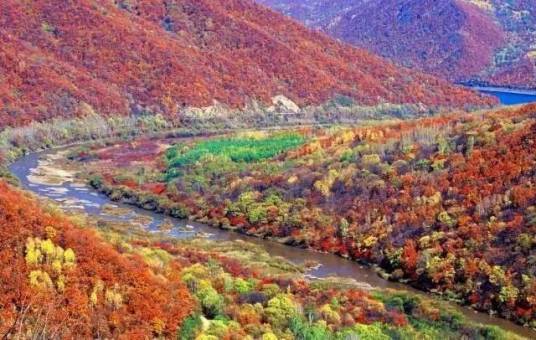
Cool and crisp (8-18°C) with golden landscapes. The wetlands take on beautiful autumn colors. Comfortable for sightseeing.

  • Autumn colors
  • Comfortable sightseeing
  • Harvest season
❄️

Winter

Nov - Mar

★★☆☆☆

Very cold with temperatures dropping to -20 to -30°C. The city is covered in snow. Ice fishing and skating are popular. Few tourists.

  • Ice fishing
  • Snow-covered oil pumps
  • No tourist crowds

Continue Exploring China

Discover more cities, food guides, and travel inspiration.