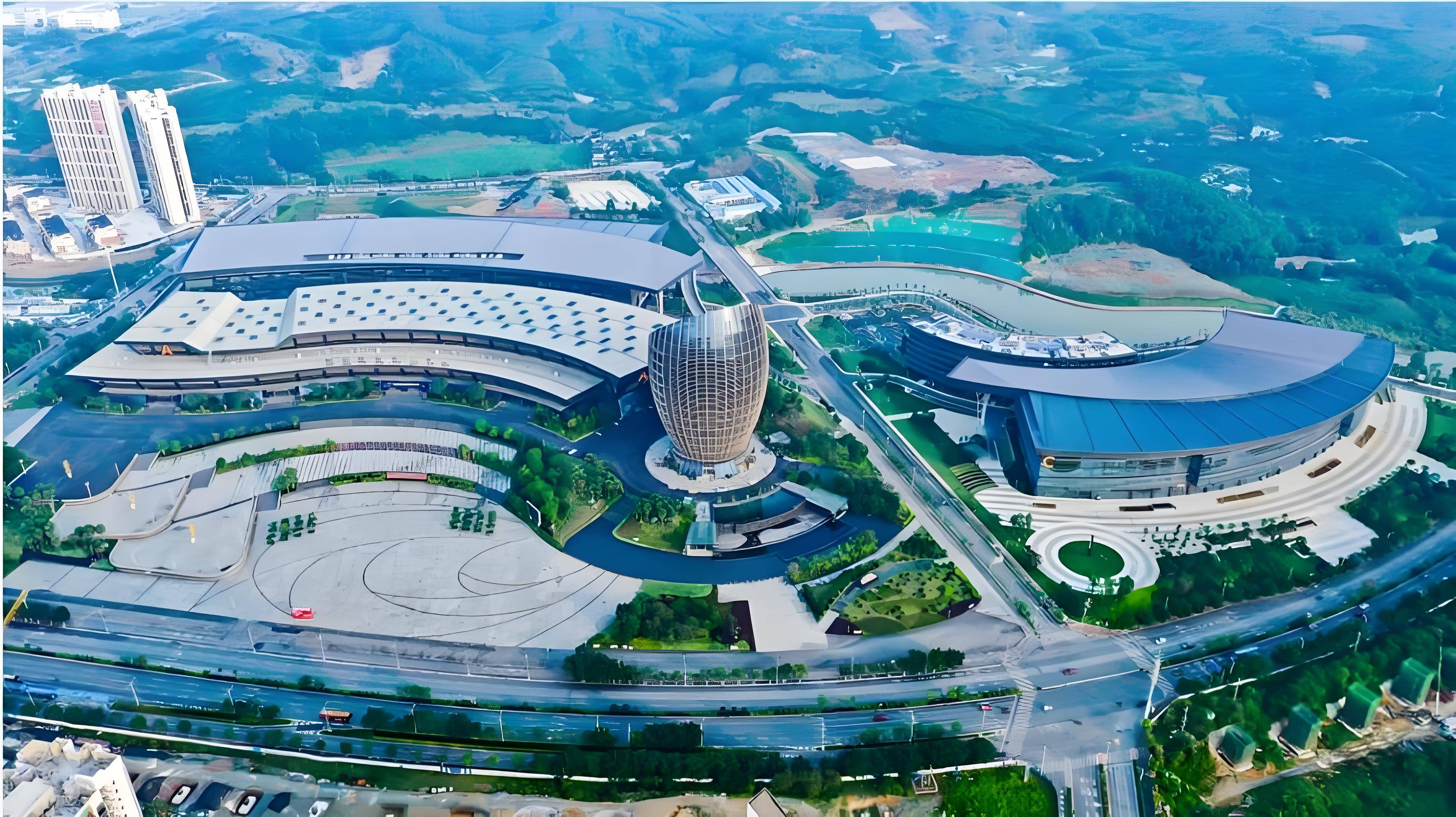
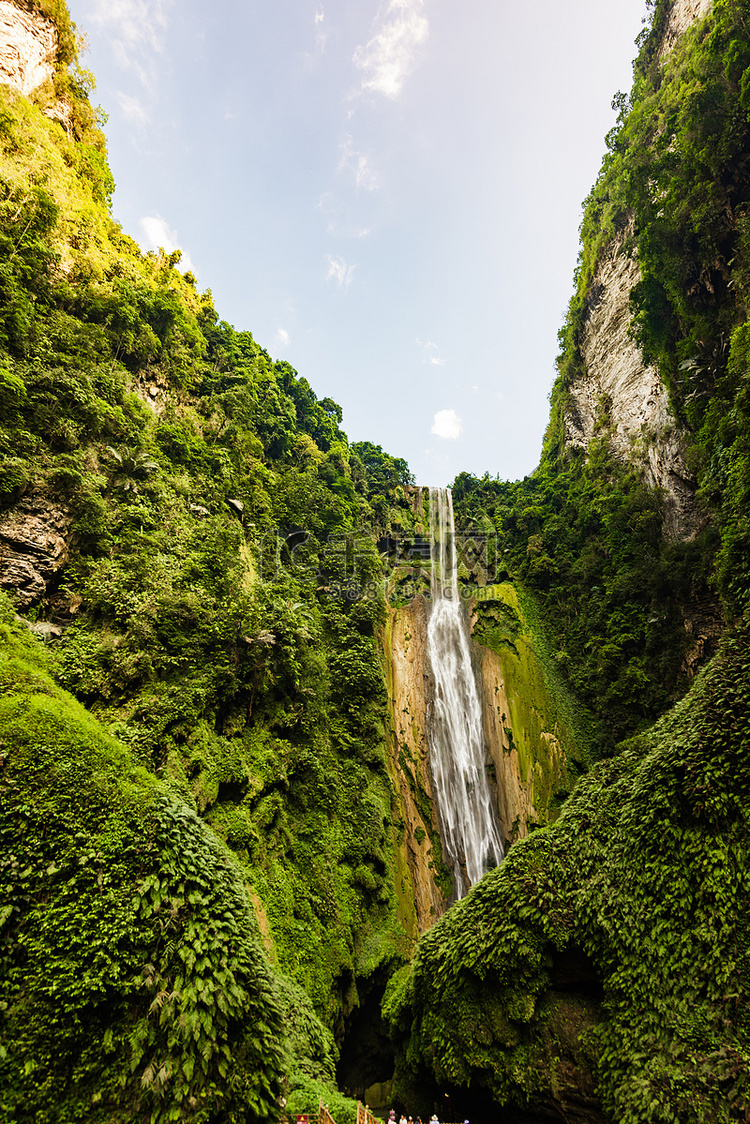
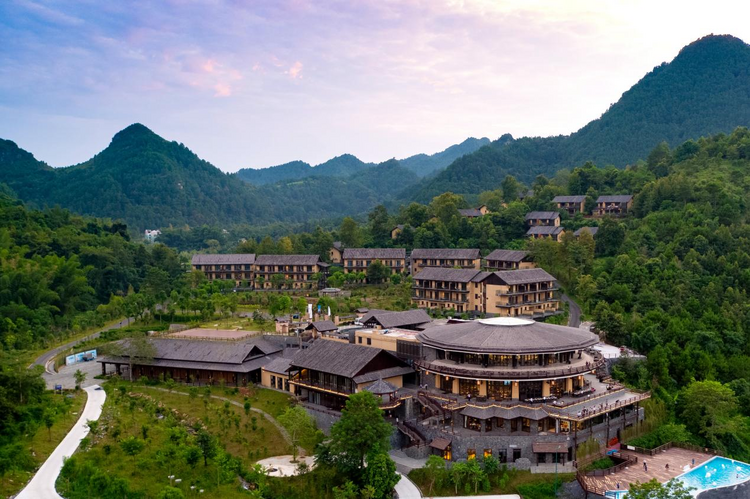
Laibin city skyline and landmarks (来宾) - Travel China Guide

Laibin Travel Guide

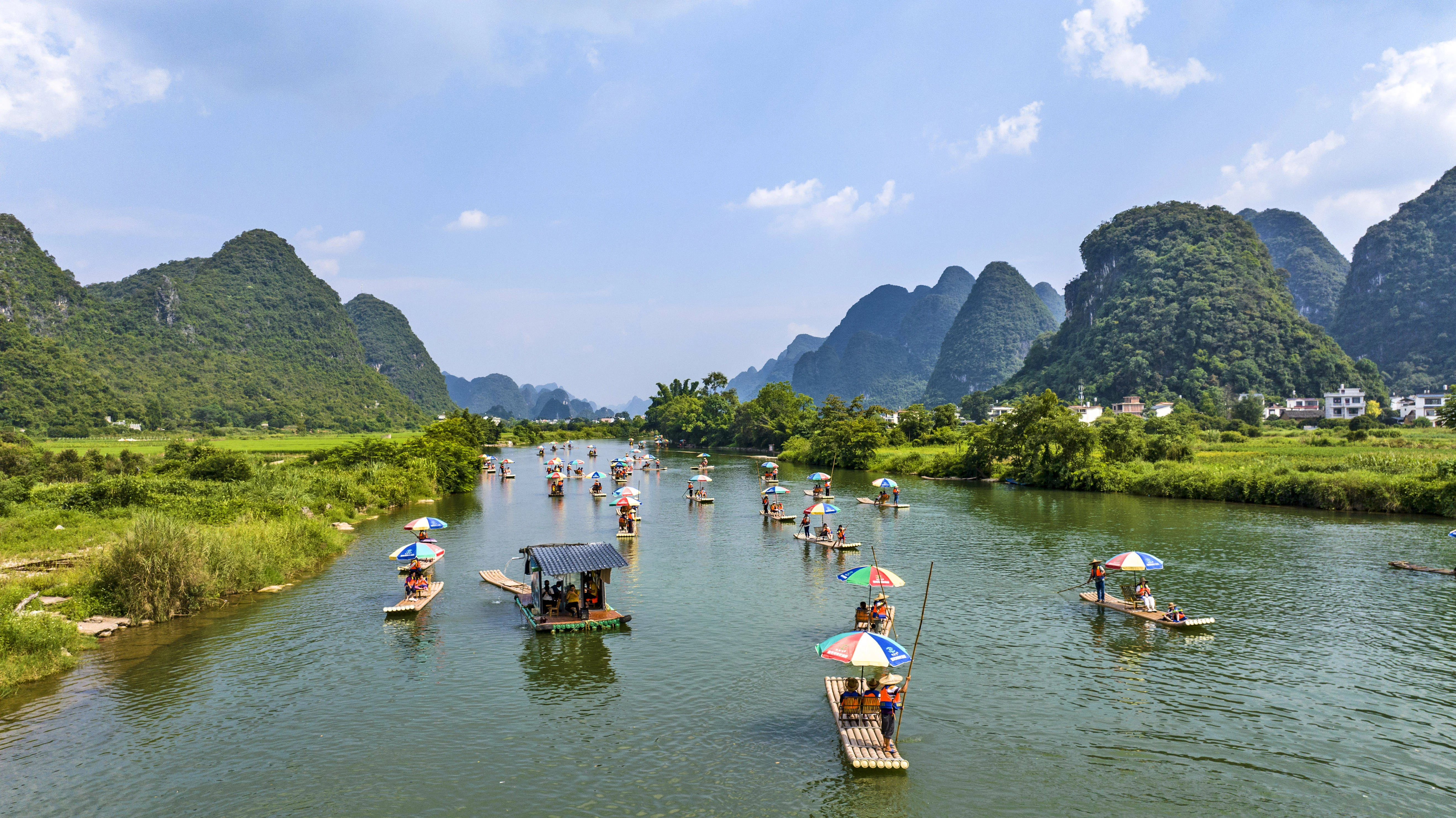
The heart of Zhuang culture and Pangu mythology in central Guangxi, surrounded by karst hills and sugarcane fields.

🌡️ Climate Subtropical monsoon
📅 Best Time Autumn (Sep-Nov)

About

Laibin sits on the upper reaches of the Hongshui River in central Guangxi, surrounded by lush karst hills and sugarcane fields. The city is one of the most important centers of Zhuang ethnic culture in China, with over 70% of its population belonging to the Zhuang minority.

Laibin is also famous for its connection to the Pangu creation myth — the area is home to numerous Pangu temples and is considered one of the most significant locations for Pangu culture worldwide. The nearby Dayao Mountain Nature Reserve protects pristine forests and rare wildlife, while the Xiangzhou Hot Springs offer natural relaxation.

Laibin's culture is deeply rooted in Zhuang and Yao traditions, which are expressed in colorful festivals, distinctive cuisine, and the well-preserved Tusi Yamen chieftain office in Xincheng County.

👥
Population ~2.7 million
📐
Area ~13,411 km²
💬
Language Zhuang, Mandarin

History & Development

Laibin has been inhabited for thousands of years, with the Zhuang people as the original inhabitants. During the Tang and Song dynasties, the region was administered through the Tusi (local chieftain) system, which allowed ethnic minority leaders to govern under imperial authority. The Xincheng Tusi Yamen, built during the Ming dynasty, is one of the best-preserved examples of this system.

In the Qing dynasty, Laibin became an important sugar-producing region. After the founding of the People's Republic in 1949, the area was developed as a center of sugar refining and agriculture. The city was formally established as Laibin in 2002, separating from Liuzhou's administration. Since then, Laibin has been developing its economy while preserving the Zhuang and Yao cultural heritage that makes it unique.

Economy & Industries

Laibin's economy is dominated by agriculture and resource processing. Sugarcane and sugar production are the economic backbone — Guangxi produces over 60% of China's sugar, and Laibin is one of the province's significant sugar cane producers. Other major crops include rice, corn, cassava, and fruits.

The city also has substantial deposits of limestone, coal, and manganese, supporting a construction materials industry. The Xiangzhou Hot Springs and Dayao Mountain tourism are growing sectors. The cultural tourism around Zhuang and Pangu heritage represents an underdeveloped opportunity that the local government has been promoting. GDP reached approximately ¥90 billion in 2024.

Top Attractions

🏔️ Nature

Dayao Mountain Nature Reserve

A stunning national nature reserve featuring pristine mountain forests, rare wildlife species, and breathtaking karst landscapes. The reserve is home to diverse flora and fauna including clouded leopards, silver pheasants, and ancient tree species. Ideal for hiking and nature photography.

★★★★ 4.6
🕐 8:00 AM - 6:00 PM
🎫 Free
⛩️ Temple

Pangu Temple

A historic temple dedicated to Pangu, the creator god in Chinese mythology who separated heaven and earth. Laibin is considered one of the most significant locations for Pangu culture worldwide, and this temple is a key pilgrimage site for those interested in Chinese creation myths.

★★★★ 4.3
🕐 8:00 AM - 5:30 PM
🎫 Free
🏔️ Nature

Xiangzhou Hot Springs

A natural hot spring resort set in picturesque countryside. The mineral-rich thermal waters are known for their therapeutic properties, with temperatures reaching 73°C. Features outdoor pools, spa facilities, and accommodation surrounded by lush subtropical vegetation.

★★★★ 4.2
🕐 8:00 AM - 10:00 PM
🎫 60 yuan
🏛️ Landmark

Xincheng Tusi Yamen

A remarkably well-preserved Ming dynasty chieftain's official residence, the Xincheng Tusi Yamen is one of the finest surviving examples of the Tusi (local chieftain) system in China. The complex features traditional Chinese architecture with courtyards, halls, and gardens spanning over 3,000 square meters.

★★★★ 4.4
🕐 8:30 AM - 5:00 PM
🎫 30 yuan
🌳 Park

Laibin Waterfront Park

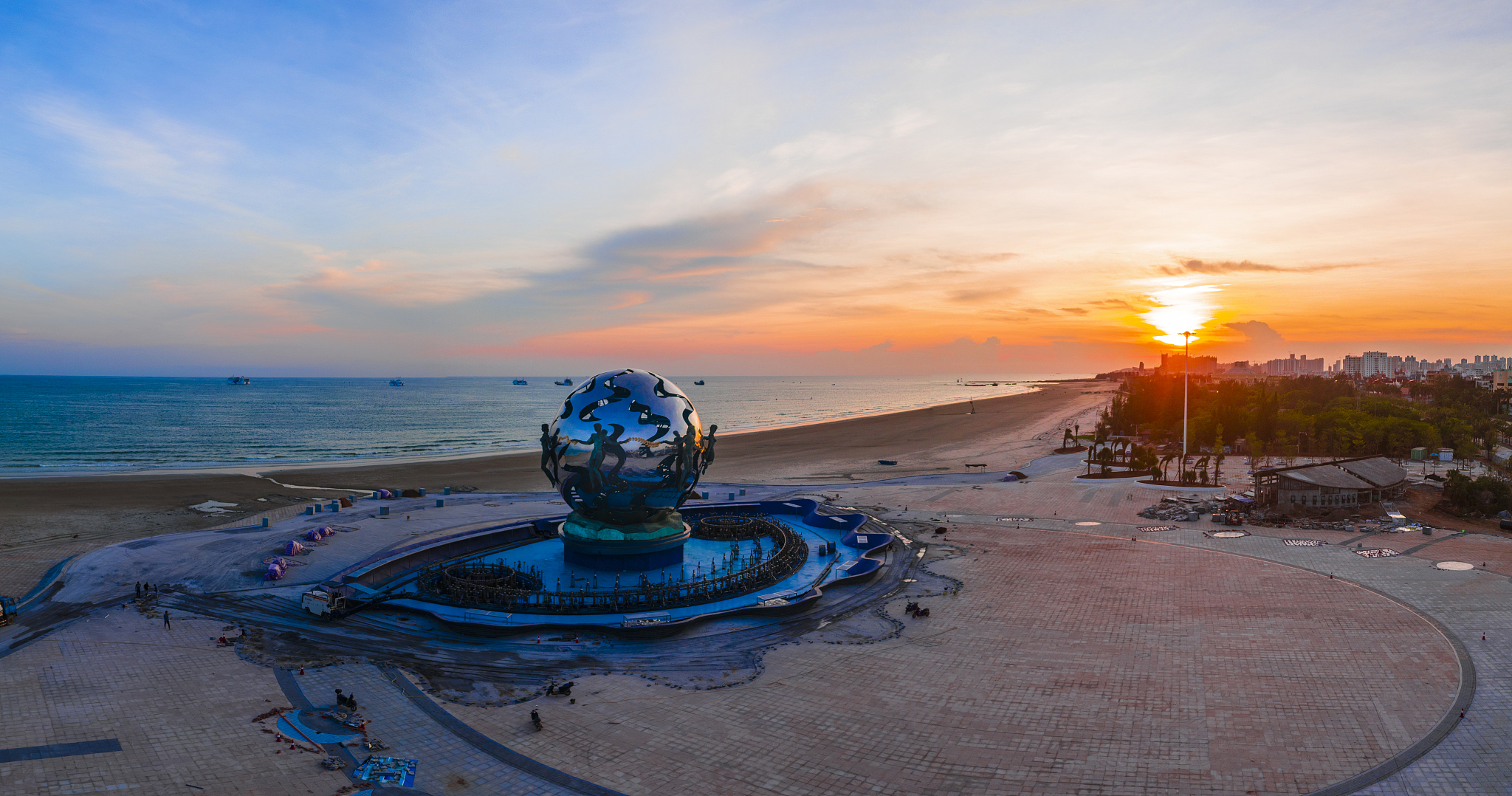
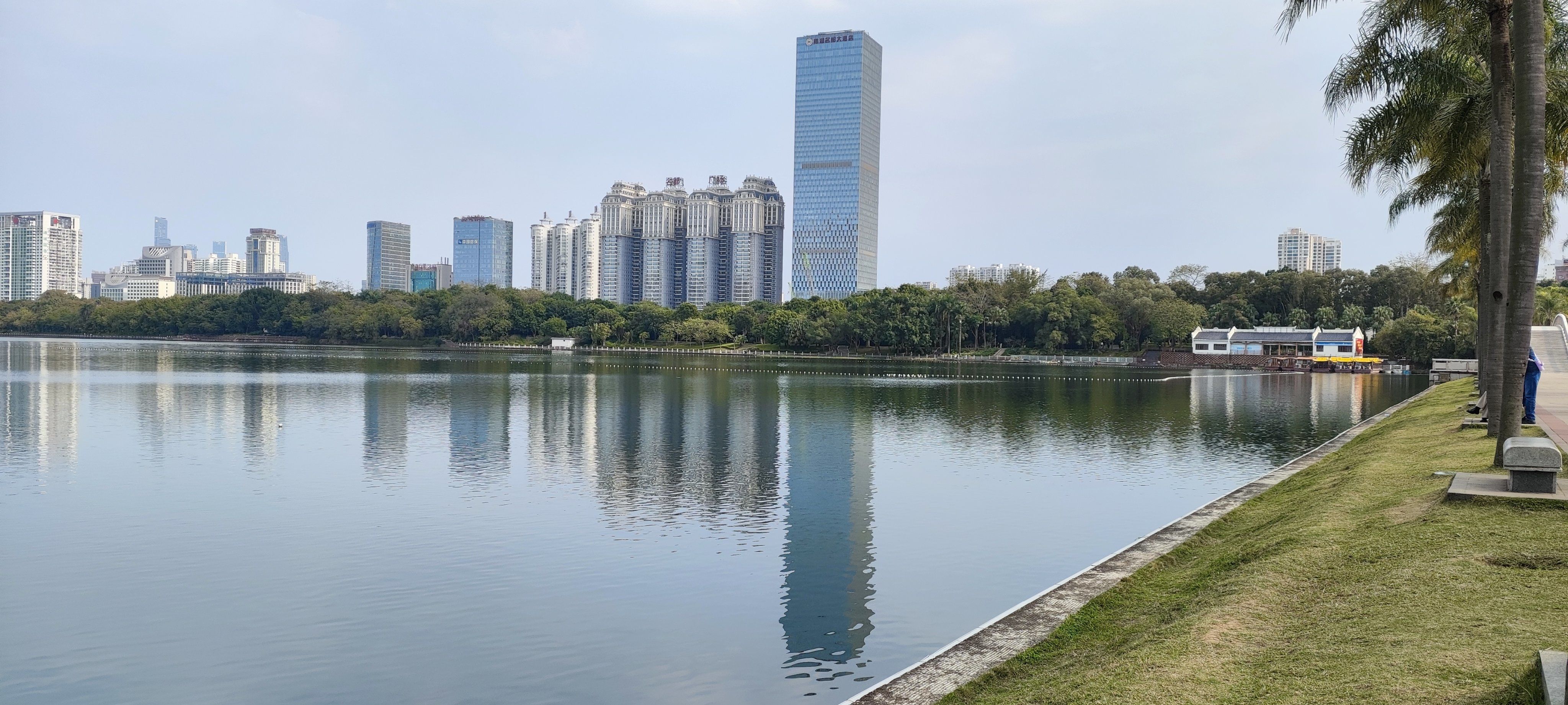
A scenic riverside park stretching along the Hongshui River, featuring walking paths, gardens, and viewing platforms. Popular among locals for morning exercise, evening strolls, and enjoying the river breeze. The park offers a peaceful escape from the urban bustle.

★★★★ 4
🕐 Open all day
🎫 Free
🏛️ Landmark

Qilou Street

A historic street lined with traditional arcade buildings (qilou), featuring the distinctive Lingnan architectural style with covered walkways on the ground floor. The street preserves the atmosphere of old Laibin and offers a glimpse into the city's commercial and architectural heritage.

★★★★ 4
🕐 Open all day
🎫 Free
🏔️ Nature

Yaoling Scenic Area

A picturesque mountain village area showcasing the traditional culture and lifestyle of the Yao ethnic minority. Visitors can explore terraced fields, traditional Yao stilt houses, and enjoy panoramic mountain views. The area offers authentic homestay experiences and local Yao cuisine.

★★★★ 4.2
🕐 Open all day
🎫 Free

Food & Culture

Discover the culinary treasures of Laibin, from traditional street food to imperial cuisine.

Suggested Itineraries

Zhuang Heritage

Day one: visit Pangu Temple and explore Laibin's cultural streets. Day two: drive to Xincheng County to tour the Tusi Yamen and experience Zhuang village life.

  • Pangu Temple exploration
  • Xincheng Tusi Yamen visit
  • Laibin city culture walk
  • Zhuang folk song performances

Nature and Relaxation

Day one: explore Dayao Mountain Nature Reserve. Day two: visit Yaoling Scenic Area and local villages. Day three: relax at Xiangzhou Hot Springs and enjoy local specialties.

  • Dayao Mountain hiking
  • Xiangzhou Hot Springs
  • Yaoling Yao village visit
  • Local food tasting

Getting Around

✈️

Airport

None. Nearest: Liuzhou Bailian Airport (LZH) ~1h drive or Nanning Wuxu Airport (NNG) ~2h drive.

🚄

High-Speed Rail

Laibin Railway Station serves high-speed trains to Nanning (~1h), Liuzhou (~30min), Guangzhou (~3h), and other cities.

🚇

Metro

No metro

🚌

Bus Network

Public buses and taxis are the main modes of urban transport. Ride-hailing apps are widely available.

Best Time to Visit

Autumn (Sep-Nov)

Travel Reminders

💡

Visit during the Pangu Cultural Festival (spring) for unique celebrations, traditional rituals, and cultural performances.

💡

Dayao Mountain requires a local guide for deeper exploration. Arrange through tour agencies in Laibin city.

💡

Xiangzhou Hot Springs are best enjoyed during cooler months (October to March) when the thermal waters are most refreshing.

Continue Exploring China

Discover more cities, food guides, and travel inspiration.