Jiuquan city skyline and landmarks (酒泉) - Travel China Guide

Jiuquan Travel Guide

China's gateway to the stars — home to the Jiuquan Satellite Launch Center, with a rich Han Dynasty Silk Road heritage and vibrant Gobi culture.

About

Jiuquan, meaning "Wine Spring," is a prefecture-level city in the western Hexi Corridor of Gansu Province. With an administrative area of 168,000 square kilometers — among the largest in China by area — Jiuquan encompasses a vast territory stretching from the Qilian Mountains to the Gobi Desert.

The city derives its poetic name from a legend about the Han Dynasty general Huo Qubing (140-117 BC), who supposedly poured a jar of imperial wine into a local spring so that all his soldiers could share it. The spring bubbled with the fragrance of wine, and the name stuck.

Jiuquan today is world-famous for the Jiuquan Satellite Launch Center (Dongfeng Aerospace City), China's first and most important space launch facility. Located in the Gobi Desert about 200 kilometers northeast of the city center, this is where China's space dreams took flight, from the first satellite in 1970 to the Shenzhou manned missions.

The city's strategic position on the Silk Road made it a vital Han Dynasty garrison and trading post. The West Han Dynasty Museum and the ancient Drum Tower stand as proud reminders of this rich heritage.

Jiuquan also serves as an important agricultural center, producing some of China's finest melons, grapes, and other fruits in its irrigated oasis farms fed by Qilian Mountain snowmelt.

History & Development

Jiuquan's recorded history spans over 2,000 years. During the Han Dynasty (206 BC-220 AD), Emperor Wu established the Hexi Four Commanderies, and Jiuquan was founded as a commandery seat in 121 BC after General Huo Qubing's campaigns against the Xiongnu nomads.

The city became a crucial Silk Road hub where merchants from Chang'an (Xi'an) would rest before crossing the Gobi Desert toward Dunhuang and Central Asia. The surrounding area was heavily fortified with watchtowers, beacon towers, and garrison towns.

During the Tang Dynasty, Jiuquan was part of the Anxi Protectorate and continued to thrive as a trade center. The poet Li Bai wrote about the region's frontier scenery in his poems.

In the Ming Dynasty, the Drum Tower was built (1372), and the city was refortified. The construction of the Jiayuguan Pass nearby shifted some strategic focus, but Jiuquan remained an important oasis settlement.

The most transformative event in modern Jiuquan was the establishment of the Jiuquan Satellite Launch Center in 1958, part of China's ambitious space program. The launch center brought scientists, engineers, and infrastructure to this remote desert region.

Today, Jiuquan is a city of contrasts — ancient Silk Road heritage coexisting with cutting-edge space technology, traditional oasis agriculture alongside modern industry.

Economy & Industries

Jiuquan's economy is uniquely shaped by the aerospace industry, agriculture, and renewable energy. The Jiuquan Satellite Launch Center, while primarily a national space facility, drives significant economic activity including tourism, logistics, and related technical services.

Agriculture is a major sector, with the oasis farms producing high-value crops. Jiuquan is famous for its melons (particularly Hami melons), grapes (for both table fruit and winemaking), cotton, and high-quality wolfberries (goji berries). The Qilian Mountain snowmelt provides reliable irrigation water.

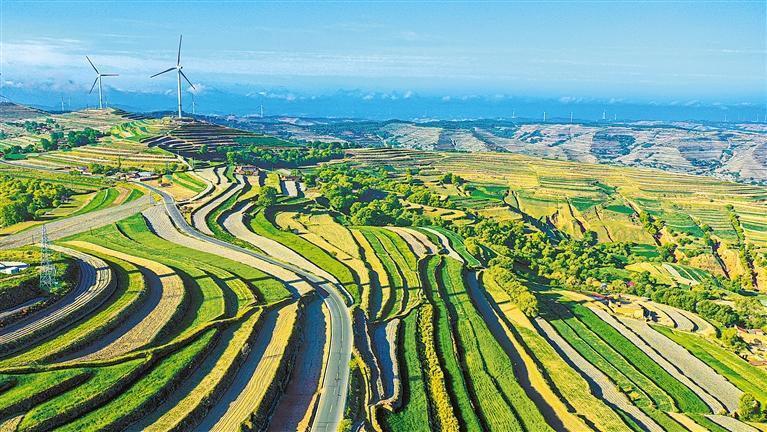
The region has become a major center for renewable energy, particularly wind and solar power. Jiuquan's wind energy base is one of China's largest, taking advantage of the Hexi Corridor's abundant wind resources. The city is sometimes called "China's Wind Gorge."

Tourism is growing, centered on the satellite launch center, historical sites, and increasingly, space-themed tourism. The local government is developing a "Space City" brand to attract visitors interested in China's space program.

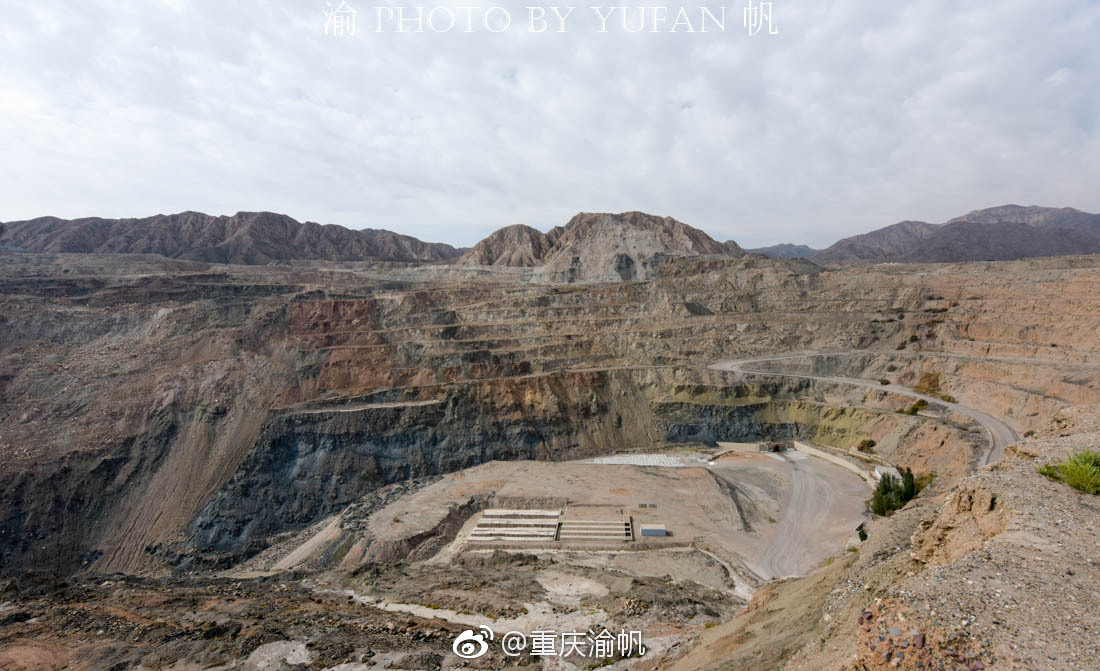
The city also has significant mineral resources, including iron ore, coal, and non-ferrous metals, supporting local mining and processing industries.

Top Attractions

🎭 Museum

Jiuquan Satellite Launch Center

The Jiuquan Satellite Launch Center (JSLC), also known as Dongfeng Aerospace City, is China's first and most prominent spaceport. Established in 1958, it has been the launch site for China's first satellite (Dongfanghong-1 in 1970), first manned spaceflights (Shenzhou missions), and numerous scientific satellites. While the active launch facility is restricted, the Jiuquan Satellite Launch Center Tourist Area includes a museum, exhibition halls showcasing spacecraft and rocket models, and memorials to China's space heroes. A visit here offers a fascinating glimpse into China's remarkable space program.

★★★★ 4.8
🕐 09:00-17:00 (reservation only)
🎫 150 yuan (tourist area, reservation required)
🎭 Museum

West Han Dynasty Museum

The West Han Dynasty Museum (Xihan Jiuquan Shengji) is China's first museum dedicated to Han Dynasty frontier culture. Located in a historic park, the museum houses an impressive collection of artifacts unearthed from the Hexi Corridor, including bronze wares, pottery, jade, weapons, and Han Dynasty bamboo slips (inscribed wooden strips). The adjacent park features ancient springs, pavilions, and a lake, creating a serene cultural landscape that has been a gathering place for over 2,000 years.

★★★★ 4.6
🕐 08:00-18:00
🎫 30 yuan
🏛️ Landmark

Jiuquan Drum Tower

The Jiuquan Drum Tower is a majestic three-story wooden structure standing in the center of old Jiuquan. Originally built during the Ming Dynasty (1372) and rebuilt in the Qing Dynasty, the tower rises 27 meters and features intricate carved beams, painted ceilings, and a large drum used for timekeeping. It is the best-preserved drum tower in the Hexi Corridor and marks the historic crossroads of the Silk Road. The four archways at its base once led to the four cardinal directions of the city.

★★★★ 4.5
🕐 All day (exterior)
🎫 Free (exterior viewing)
🌳 Park

Jiuquan Park

Jiuquan Park is a historic public park built around the legendary "Wine Spring" (Jiuquan) that gave the city its name. According to legend, the Han Dynasty general Huo Qubing poured a jar of imperial wine into this spring so his soldiers could all share it, and the spring has since been known as the "Wine Spring." The park features beautiful classical Chinese gardens, willow-lined paths, weeping willow trees, and the spring itself surrounded by pavilions and stone inscriptions.

★★★★ 4.4
🕐 07:00-19:00
🎫 Free
🏛️ Landmark

Shengjiayu Ancient City

Shengjiayu is a well-preserved Han Dynasty (206 BC-220 AD) military fortress located about 20 kilometers northwest of Jiuquan. The rectangular earthwork fortification, with walls still standing several meters high, was a key defensive outpost on the Silk Road. Visitors can walk through the ancient gates and imagine the soldiers who once guarded this remote frontier station. The surrounding Gobi landscape adds to the sense of historical isolation.

★★★★ 4.2
🕐 All day
🎫 Free
🌳 Park

Hexi Corridor Eco-Farm

A unique agritourism attraction showcasing the agricultural heritage of the Hexi Corridor. Visitors can tour vineyards, orchards, and vegetable gardens irrigated by the Qilian Mountain snowmelt. The farm offers wine tasting from local vineyards, fruit picking in season, and farm-to-table dining featuring local specialties. It provides a relaxing contrast to the city's historical and space-themed attractions.

★★★★ 4.1
🕐 08:00-19:00
🎫 Free (activities priced separately)

Food & Culture

Discover the culinary treasures of Jiuquan, from traditional street food to imperial cuisine.

Things to Do

Visit Jiuquan Satellite Launch Center

Explore China's first spaceport — see rockets, spacecraft, and learn about the Shenzhou manned space program. Advance reservation required.

Explore West Han Dynasty Museum

Discover Han Dynasty artifacts and walk through the historic park with the legendary Wine Spring.

Photograph the Drum Tower

Capture the iconic Ming Dynasty drum tower at the crossroads of the ancient Silk Road.

🍴

Taste Local Lamb Dishes

Sample Jiuquan's famous lamb hotpot and hand-grabbed mutton — the Hexi Corridor's finest culinary offerings.

Stroll Jiuquan Park

Enjoy classical Chinese gardens around the legendary spring, with pavilions, willows, and historic inscriptions.

🏛️

Day Trip to Shengjiayu Fortress

Visit the Han Dynasty fortress ruins in the Gobi Desert for a taste of ancient frontier life.

Suggested Itineraries

Jiuquan One-Day Highlights

A one-day tour covering Jiuquan's historical and cultural highlights.

  • Morning: West Han Dynasty Museum and Jiuquan Park
  • Midday: Drum Tower and local lamb lunch
  • Afternoon: Shengjiayu Ancient City ruins
  • Evening: Jiuquan lamb hotpot dinner

Space and Silk Road (2 Days)

A two-day itinerary combining China's space program heritage with Silk Road history.

  • Day 1: Jiuquan Satellite Launch Center full day excursion (reservation required)
  • Day 2: West Han Museum + Drum Tower + Jiuquan Park + local food tour
  • Optional: Gobi Desert sunset photography

Getting Around

✈️

Airport

Jiuquan (in close proximity to Jiayuguan Jiuquan Airport, shared facility, about 15km from city center) has direct flights to Beijing, Shanghai, Xi'an, and Lanzhou.

🚄

High-Speed Rail

Jiuquan South Station on the Lanzhou-Xinjiang HSR line connects to Lanzhou (4 hours) and Jiayuguan (20 minutes).

🚌

Bus Network

Public buses and long-distance coaches serve the city and surrounding areas. Taxis are affordable and readily available.

🚕

Taxi & Rideshare

Available throughout the city

Best Time to Visit

🌸

Spring

May - Jun

★★★★☆

Warming temperatures (15-25°C) with blooming desert plants. Light winds and comfortable conditions for sightseeing.

  • Warming weather
  • Desert blossoms
  • Comfortable touring
☀️

Summer

Jul - Aug

★★★★☆

Hot (25-35°C) with strong sunshine. Melon season — the sweetest local melons are harvested. Long daylight hours for sightseeing.

  • Melon harvest
  • Long daylight
  • All sites accessible
🍂

Autumn

Sep - Oct

★★★★★

Ideal weather — mild temperatures (10-25°C), clear skies, and golden landscapes. Best season for outdoor activities.

  • Best weather
  • Clear skies
  • Golden landscapes
❄️

Winter

Nov - Apr

★★☆☆☆

Cold (-10 to 8°C) and windy. Most tourist sites are open but less comfortable. Very few visitors and lowest prices of the year.

  • No crowds
  • Lowest prices
  • Winter desert scenery

Continue Exploring China

Discover more cities, food guides, and travel inspiration.