Jiayuguan city skyline and landmarks (嘉峪关) - Travel China Guide

Jiayuguan Travel Guide

The western terminus of the Great Wall of China, a formidable Ming Dynasty fortress guarding the strategic Hexi Corridor on the ancient Silk Road.

About

Jiayuguan, named after the magnificent mountain pass it guards, is a prefecture-level city in the western Gansu Province's Hexi Corridor. The city's identity is inseparable from the Jiayuguan Pass — the western terminus of the Ming Great Wall and one of China's most impressive ancient fortifications.

Built in 1372 under the Ming Dynasty's Hongwu Emperor, Jiayuguan Pass was the final stronghold of the Great Wall system, controlling the strategic choke point between the Qilian Mountains and the Black Mountain. For centuries, every traveler on the Silk Road — diplomat, merchant, or pilgrim — had to pass through this gate when entering or leaving China proper.

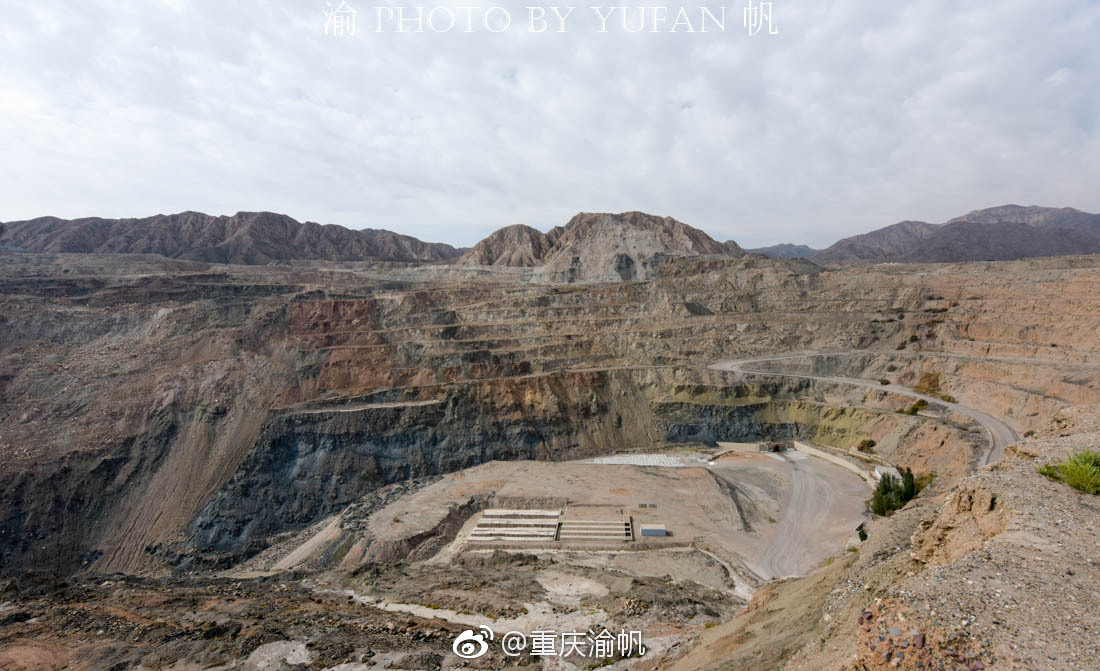
The modern city of Jiayuguan emerged primarily as an industrial center in the 1950s, with the establishment of Jiuquan Iron and Steel Company (JISCO), one of China's largest steel producers. Today, the city uniquely blends heavy industry with tourism, as visitors from around the world come to witness the grandeur of the Great Wall's western terminus.

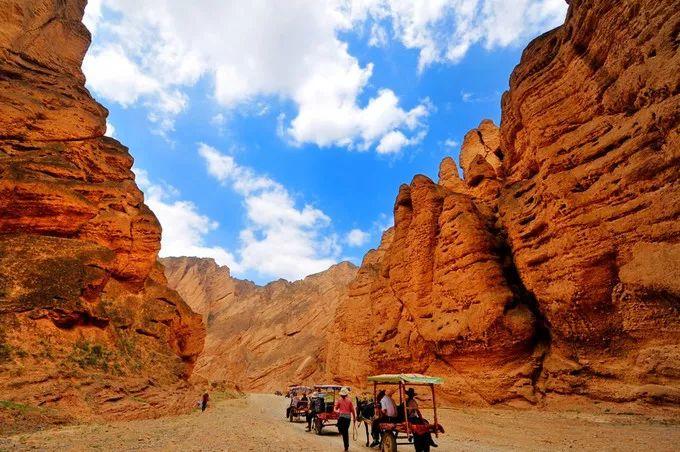
The surrounding landscape is striking — endless Gobi Desert stretching to the horizon, punctuated by snow-capped mountains and ancient watchtowers. The dry climate and clear skies make it an excellent destination for photography and outdoor exploration.

History & Development

Jiayuguan's history is deeply tied to the Great Wall and the Silk Road. The strategic pass was selected in 1372 by General Feng Sheng of the Ming Dynasty to build a fortress guarding the western frontier. Construction took 168 years to complete, resulting in the most formidable pass on the Great Wall.

During the Ming and Qing dynasties, Jiayuguan served as the primary gateway for Silk Road trade. All caravans entering or leaving China had to stop here for inspection and customs clearance. The pass was also a place of emotional farewell — beyond this point lay the treacherous expanse of the Gobi Desert and the unknown lands of Central Asia.

The Jiayuguan area has even older roots. The nearby Wei-Jin Tombs (220-420 AD) prove that this region was inhabited and connected to Silk Road trade long before the Ming fortress was built. The tombs' murals vividly depict the multicultural life of the Hexi Corridor.

In the 20th century, the discovery of iron ore deposits transformed Jiayuguan into an industrial powerhouse. JISCO, founded in 1958, drove massive population growth and urban development. Today, the city balances its industrial identity with growing tourism centered on its unparalleled Great War heritage.

Economy & Industries

Jiayuguan's economy has traditionally been dominated by heavy industry, primarily through Jiuquan Iron and Steel Company (JISCO), one of China's top 500 enterprises. JISCO produces steel, iron, and related products, employing a significant portion of the city's workforce.

In recent years, the city has made efforts to diversify its economy. Tourism has grown substantially, with the Jiayuguan Pass and related Great Wall sites attracting millions of domestic and international visitors annually. The local government has invested in tourism infrastructure, including hotels, museums, and cultural performances.

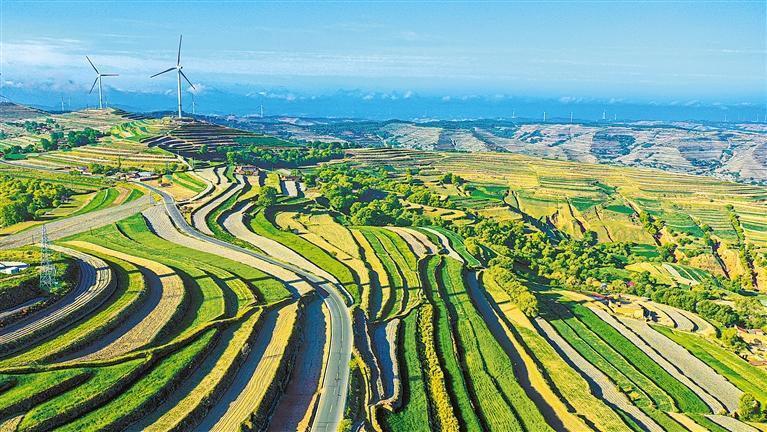
The surrounding Gobi Desert offers potential for renewable energy development, particularly solar power, given the region's abundant sunshine. Agriculture in outlying areas focuses on drought-resistant crops including melons, grapes, and goji berries.

Jiayuguan also serves as a logistics and transportation hub for the Hexi Corridor, with railways and highways connecting it to Lanzhou, Urumqi, and Central Asia.

Top Attractions

🏛️ Landmark

Jiayuguan Pass

Jiayuguan Pass is the western terminus of the Ming Great Wall and the best-preserved pass in all of China. Built in 1372 during the Ming Dynasty, this formidable fortress complex spans 33,500 square meters with inner and outer walls, watchtowers, and a massive gate tower. Known as the "First and Greatest Pass Under Heaven," it guarded the western frontier of the Ming Empire against nomadic invasions. The pass stands at the narrowest point of the Hexi Corridor, surrounded by the vast Gobi Desert.

★★★★ 4.9
🕐 08:00-18:00
🎫 110 yuan
🏛️ Landmark

Overhanging Great Wall

The Overhanging Great Wall is a 15-kilometer section of the Ming Great Wall that climbs along the steep cliffs of the Black Mountain (Heishan) northwest of Jiayuguan. This remarkable defensive wall appears to "hang" from the cliff face, with some sections at a 45-degree angle. Rebuilt in the 1980s, visitors can climb the wall for spectacular views over the Gobi Desert and the snow-capped Qilian Mountains in the distance.

★★★★ 4.7
🕐 08:00-18:00
🎫 30 yuan
🎭 Museum

Wei-Jin Tombs

The Wei-Jin Tombs refer to a vast cemetery complex containing over 1,400 tombs from the Wei (220-265 AD) and Jin (265-420 AD) dynasties, discovered near Jiayuguan in 1972. More than a dozen excavated tombs contain exquisite brick murals depicting everyday life along the Silk Road — farming, hunting, banquets, and camel caravans. These remarkably preserved artworks provide invaluable insights into life in the Hexi Corridor 1,700 years ago.

★★★★ 4.6
🕐 08:00-18:00
🎫 60 yuan
🎭 Museum

Great Wall Museum

The Great Wall Museum in Jiayuguan is China's largest and most comprehensive museum dedicated to the Great Wall. Housed in a modern building designed in the shape of a Great Wall watchtower, the museum features exhibits on the construction history, military defense systems, and cultural significance of the Great Wall across different dynasties. Artifacts include ancient weapons, building tools, and inscriptions.

★★★★ 4.5
🕐 08:00-18:00
🎫 Free (included with pass ticket)
🏛️ Landmark

First Beacon Tower of the Great Wall

The First Beacon Tower (Taulai Dun) marks the actual westernmost starting point of the Ming Great Wall. Built in 1539, this lone watchtower stands on a dramatic 82-meter-high cliff overlooking the Taulai River. The beacon tower was part of a sophisticated signaling system that could relay messages across the entire length of the Great Wall. Today, the site includes a glass-bottomed viewing platform extending over the cliff edge.

★★★★ 4.4
🕐 08:00-18:00
🎫 30 yuan
🏛️ Landmark

Xuanbi Great Wall Ancient Road

An ancient road and pass adjacent to the Overhanging Great Wall, this site preserves the original Silk Road pathway that passed through the Jiayuguan area. Visitors can walk along the ancient stone-paved route, imagine the camel caravans and merchants who traveled this path for centuries, and see remnants of old fortifications and rest stations.

★★★★ 4.3
🕐 08:00-17:30
🎫 20 yuan

Food & Culture

Discover the culinary treasures of Jiayuguan, from traditional street food to imperial cuisine.

Things to Do

🏛️

Walk the Great Wall Pass

Explore the massive fortress complex of Jiayuguan Pass and imagine life as a Ming Dynasty soldier guarding the western frontier.

Hike the Overhanging Wall

Climb the dramatic cliffside Great Wall section for panoramic views over the Gobi Desert and distant Qilian Mountains.

Discover Ancient Murals

Step underground to see 1,700-year-old brick murals depicting Silk Road life — camel caravans, hunting scenes, and banquets.

Gobi Desert Sunset Photography

The clear desert skies and dramatic fortress silhouettes at sunset create spectacular photo opportunities.

Visit the Great Wall Museum

China's premier Great Wall museum with artifacts spanning 2,000 years of wall-building history.

Explore the Hexi Corridor

Use Jiayuguan as a base to explore the ancient Silk Road corridor connecting China to Central Asia.

Suggested Itineraries

Jiayuguan One-Day Highlights

A comprehensive one-day tour covering the essential Great Wall sites around Jiayuguan.

  • Morning: Jiayuguan Pass fortress (3 hours)
  • Midday: Great Wall Museum and lunch in the city
  • Afternoon: Overhanging Great Wall and First Beacon Tower
  • Evening: Jiayuguan barbecue lamb dinner

Silk Road Fortress Explorer (2 Days)

An in-depth exploration of Jiayuguan's Great Wall heritage and ancient Silk Road history.

  • Day 1: Jiayuguan Pass + Great Wall Museum + Overhanging Wall
  • Day 2: Wei-Jin Tombs + First Beacon Tower + Xuanbi Ancient Road
  • Optional: Sunset photography at the pass

Getting Around

✈️

Airport

Jiayuguan Jiuquan Airport (about 15km from city center) has direct flights to Beijing, Shanghai, Xi'an, and Lanzhou.

🚄

High-Speed Rail

Jiayuguan South Station serves the Lanzhou-Xinjiang High-Speed Railway, reaching Lanzhou in 4 hours and Xining in 3 hours.

🚌

Bus Network

Public buses connect the main attractions. Taxis and ride-hailing apps are widely available and affordable.

🚕

Taxi & Rideshare

Available throughout the city

Best Time to Visit

🌸

Spring

Apr - May

★★★★☆

Mild temperatures (10-20°C) with occasional sandstorms. The Gobi begins to show signs of life with sparse vegetation greening.

  • Mild weather
  • Fewer tourists
  • Lower prices
☀️

Summer

Jun - Aug

★★★★☆

Hot daytime temperatures (25-35°C) with strong UV. Evenings are cool and pleasant. Peak tourist season with the most activities.

  • Long daylight hours
  • Best for photography
  • All sites open
🍂

Autumn

Sep - Oct

★★★★★

Perfect weather with clear skies, comfortable temperatures (10-25°C), and minimal wind. The best season for outdoor exploration.

  • Best weather
  • Clear skies
  • Comfortable hiking
❄️

Winter

Nov - Mar

★★☆☆☆

Very cold (-10 to 5°C), dry, and windy. Some sites may have reduced hours. Very few tourists and significantly lower prices.

  • No crowds
  • Lowest prices
  • Snow-dusted fortress views

Continue Exploring China

Discover more cities, food guides, and travel inspiration.