Guigang city skyline and landmarks (贵港) - Travel China Guide

Guigang Travel Guide

A historic city where the Taiping Rebellion began, known as the "Lotus City" for its beautiful lotus ponds and waterside landscapes.

🌡️ Climate Subtropical monsoon
📅 Best Time Summer (Jun-Aug) for lotus

About

Guigang sits at the confluence of the Yu and Xun Rivers in southeastern Guangxi, serving as the region's largest inland port and a gateway to the Pearl River Delta. The city is named for the local lotus ponds that cover the landscape — earning it the nickname "Lotus City" (He Cheng). Guigang is historically significant as the birthplace of the Taiping Heavenly Kingdom, the massive mid-19th century rebellion that began in nearby Jintian Village. Today, the city balances a growing port economy with its cultural heritage. The nearby Guiping West Mountain draws pilgrims and tourists with its ancient Buddhist temples, natural springs, and panoramic views over the surrounding plains. Guigang's food culture features lotus-based dishes, fresh river fish, and the famous Qintang Maojian green tea.

👥
Population ~5.66 million
📐
Area ~10,606 km²
💬
Language Mandarin, Cantonese

History & Development

Guigang's recorded history spans over 2,000 years, but the city's most famous historical event occurred in 1851 when Hong Xiuquan launched the Taiping Rebellion from Jintian Village, now part of Guigang's administrative area. This rebellion became one of the deadliest conflicts in human history. During the Ming and Qing dynasties, Guigang was a significant market town on the water transport network connecting Guangxi's interior with Guangdong's Pearl River Delta. After the founding of the People's Republic of China, the city developed into an industrial and transportation hub, with its port becoming Guangxi's largest inland waterway port. The lotus cultivation and tea industries also have deep roots, with Qintang Maojian tea recognized as a national geographical indication product.

Economy & Industries

Guigang's economy is centered on transportation, logistics, agriculture, and manufacturing. The Guigang Port handles over 100 million tons of cargo annually, connecting Guangxi's interior to Guangzhou, Hong Kong, and Macau via the Xi River waterway. Agriculture remains important, with Guigang being a major producer of lotus root, rice, sugarcane, and fruits. The Qintang Maojian tea industry has been growing, with the tea receiving national recognition. Industrial sectors include machinery manufacturing, building materials, textiles, and food processing. Tourism centered on Taiping history, West Mountain pilgrimages, and lotus season events is a growing sector.

Top Attractions

🏔️ Nature

Guiping West Mountain

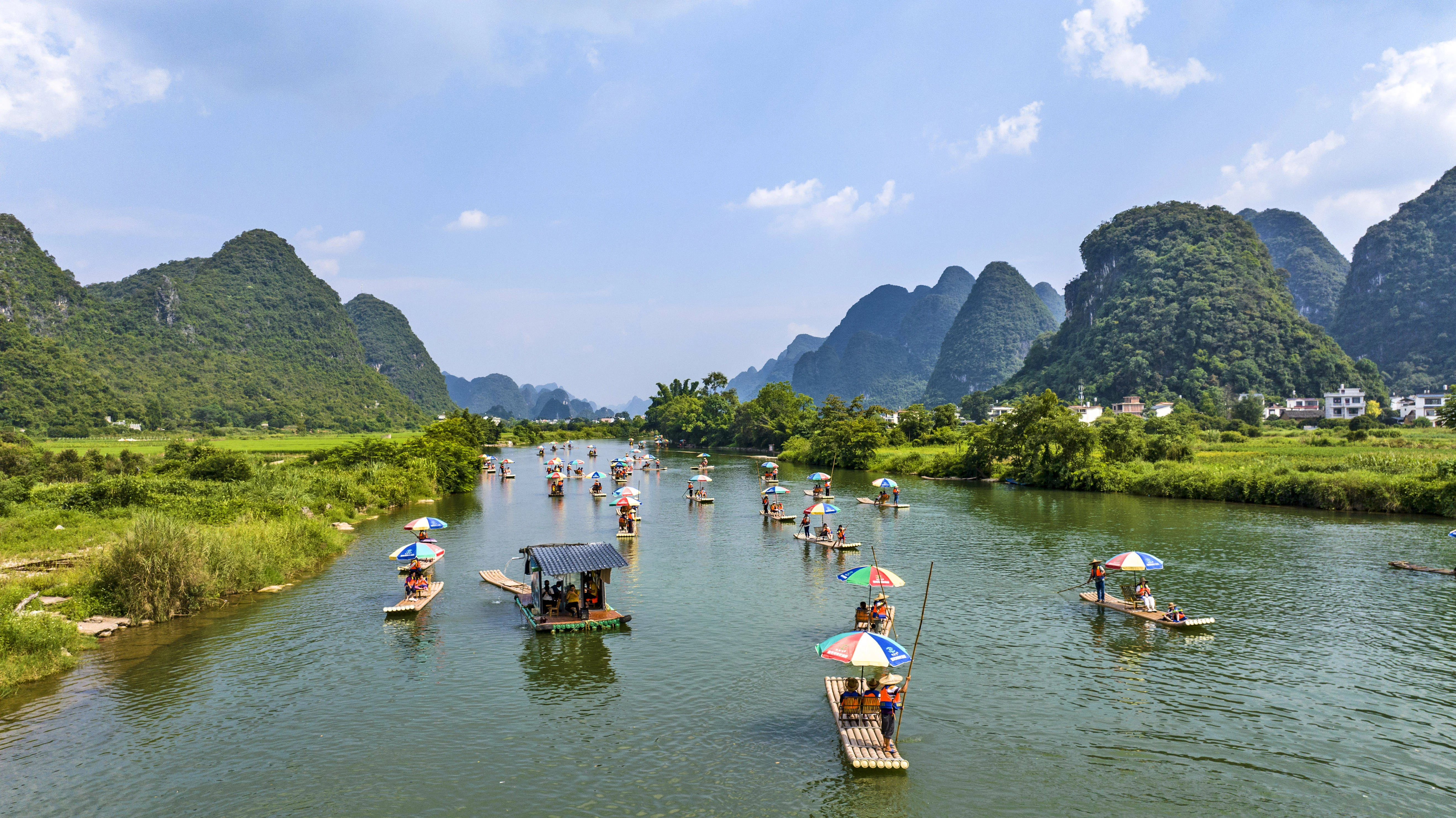
Guiping West Mountain is a renowned Buddhist mountain and national scenic area located about an hour from central Guigang. The mountain has been a sacred Buddhist site for over a thousand years, dotted with ancient temples, pagodas, and monasteries nestled among lush subtropical forests. Key highlights include the Dragon Temple (Longhua Temple), the Milk Spring (Ruzhou Spring), and the mountain's famous tea plantations. The climb to the summit offers panoramic views over the Xun River valley and the surrounding plains. The mountain is particularly atmospheric in the early morning when the temples emerge from the mist.

★★★★ 4.6
🎫 80 yuan
🌳 Park

Donghu Park

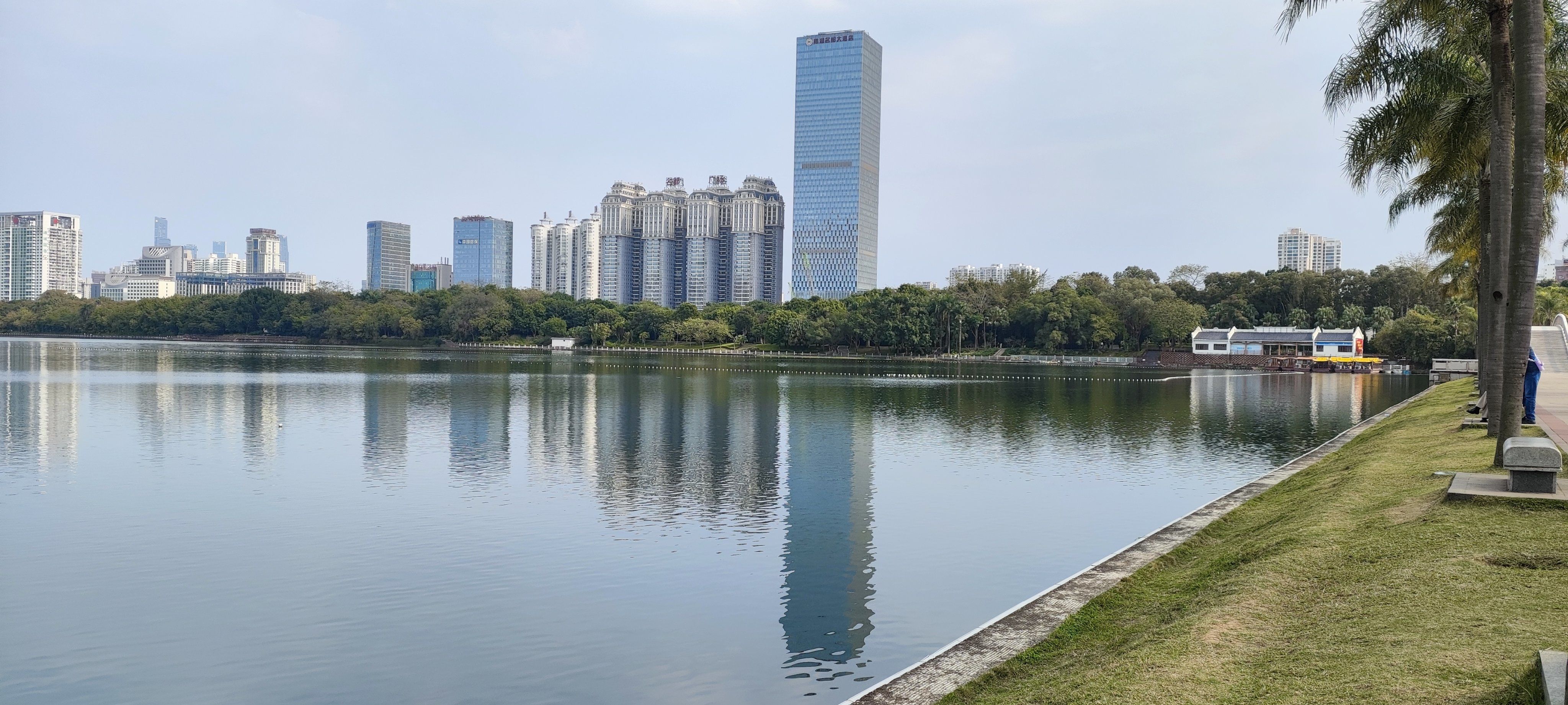
Donghu Park (East Lake Park) is the heart of Guigang's "Lotus City" identity. The park centers on a large lake covered with lotus flowers in summer, surrounded by willow trees, pavilions, and walking paths. Visitors can rent small boats to paddle through the lotus blooms, visit the park's small museum on lotus cultivation, and enjoy local snacks at the lakeside teahouses. The park is at its most beautiful from June to August when the lotus flowers are in full bloom.

★★★★ 4.2
🎫 Free
🏛️ Landmark

Jintian Uprising Site

Jintian Uprising Site is one of China's most significant historical landmarks. It was here, on January 11, 1851, that Hong Xiuquan launched the Taiping Rebellion, which would go on to become one of the deadliest conflicts in human history, claiming over 20 million lives over 14 years. The site preserves the original village layout, a museum with artifacts and exhibits on the rebellion's history, and a monument marking the uprising's starting point. The museum provides detailed context on the socio-economic conditions that led to the rebellion.

★★★★ 4.4
🎫 25 yuan
⛩️ Temple

Nanshan Temple

Nanshan Temple is a thousand-year-old Buddhist temple located at the foot of Nanshan Mountain in Guigang. Originally built during the Song Dynasty, the temple has been renovated and expanded over the centuries. The temple complex features ornate halls, ancient stone carvings, and a towering pagoda. The surrounding Nanshan Scenic Area includes karst hills, caves, and forested trails, making it a pleasant half-day excursion combining cultural and natural sightseeing.

★★★★ 4.3
🎫 20 yuan
🌳 Park

Lotus World Park

Lotus World Park is Guigang's premier lotus-themed attraction, featuring hundreds of lotus varieties spread across extensive ponds and waterways. The park includes boardwalks winding through the lotus beds, observation platforms, and a cultural exhibition on the significance of the lotus in Chinese culture. Seasonal lotus festivals are held here during the summer months, drawing visitors from across Guangxi. The park also features a wetland area that attracts birds and other wildlife.

★★★★ 4.1
🎫 30 yuan
🏔️ Nature

Guiping Grand Canyon

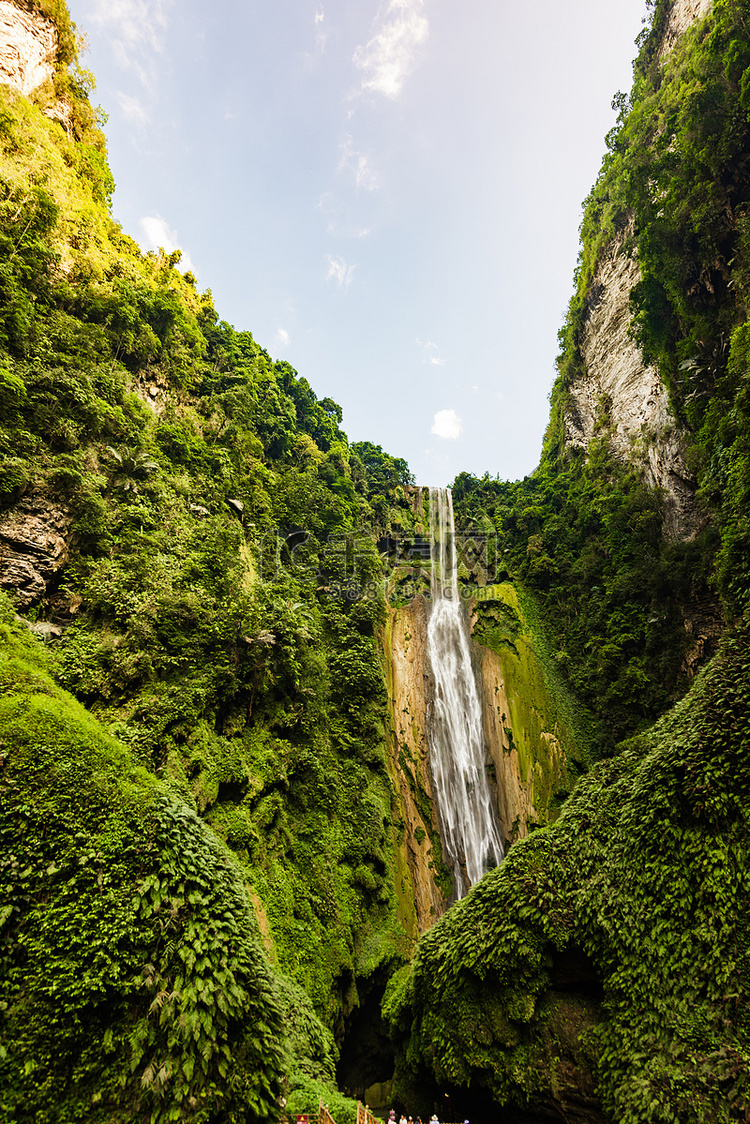
Guiping Grand Canyon is a scenic canyon located in the Guiping area with dramatic cliffs, cascading waterfalls, and lush subtropical vegetation. Several hiking trails of varying difficulty lead through the canyon, passing scenic viewpoints, natural swimming pools, and small waterfalls. The canyon is less developed than some of China's famous gorges, offering a more rustic and peaceful nature experience. It is an excellent destination for hiking enthusiasts and photographers.

★★★★ 4.3
🎫 Free
🌳 Park

Qintang Maojian Tea Garden

The Qintang Maojian Tea Garden is located in Qintang District, the origin of Guigang's most famous agricultural product — Qintang Maojian green tea. The plantation spreads across rolling hills, with neat rows of tea bushes creating a picturesque landscape. Visitors can tour the tea fields, watch the tea processing, and participate in tea-tasting sessions. The tea garden offers a peaceful escape from the city and a chance to learn about China's tea culture. Qintang Maojian tea has been recognized as a national geographical indication product.

★★★★ 4
🎫 30 yuan

Food & Culture

Discover the culinary treasures of Guigang, from traditional street food to imperial cuisine.

Suggested Itineraries

Lotus and History 2-Day Tour

A balanced itinerary exploring Guigang's lotus culture and its pivotal role in Chinese history as the birthplace of the Taiping Rebellion.

  • Day 1: Lotus World Park + Donghu Park — explore Guigang's famous lotus landscapes
  • Day 2: Jintian Uprising Site + Nanshan Temple — dive into Taiping history
  • Optional: Qintang Maojian Tea Garden for tea tasting

Mountain Pilgrimage 3-Day Tour

A nature-focused itinerary centered on Guiping West Mountain's Buddhist heritage and the scenic beauty of Guigang's canyons and tea gardens.

  • Day 1: Guiping West Mountain — Buddhist temples, springs, and summit views
  • Day 2: Guiping Grand Canyon — hiking and waterfall exploration
  • Day 3: Nanshan Temple + Qintang Maojian Tea Garden — culture and tea
  • Focus: Nature, hiking, and spiritual exploration

Getting Around

✈️

Airport

No airport in Guigang. Nearest: Nanning Wuxu (NNG) ~2h drive, Liuzhou Bailian (LZH) ~1.5h drive.

🚄

High-Speed Rail

Guigang Railway Station serves high-speed trains to Nanning (~1h), Guangzhou (~2.5h), and Guilin (~1.5h).

🚌

Bus Network

Local buses serve the urban area. Long-distance buses connect to surrounding cities and counties.

🚕

Taxi & Rideshare

Available throughout the city

Best Time to Visit

🌸

Spring

Mar - May

★★★★☆

Mild and pleasant (15-25°C) with increasing rainfall. The landscape turns green and flowers begin to bloom.

  • Pleasant temperatures
  • Lush greenery
  • Flower season
☀️

Summer

Jun - Aug

★★★★☆

Hot and humid (25-34°C) with frequent thunderstorms. This is the peak season for lotus viewing — the city's ponds and parks are covered in magnificent lotus blooms.

  • Lotus in full bloom
  • Lively atmosphere
  • Lotus festivals
🍂

Autumn

Sep - Nov

★★★★★

The best season — comfortable temperatures (15-28°C), lower humidity, and clear skies. Ideal for hiking at West Mountain and exploring outdoor attractions.

  • Best weather
  • Clear skies
  • Ideal for outdoor activities
❄️

Winter

Dec - Feb

★★★☆☆

Mild and dry (8-18°C) — the coolest time but still comfortable for sightseeing. Less rainfall means good conditions for city exploration.

  • Mild weather
  • Fewer tourists
  • Good value travel

Continue Exploring China

Discover more cities, food guides, and travel inspiration.