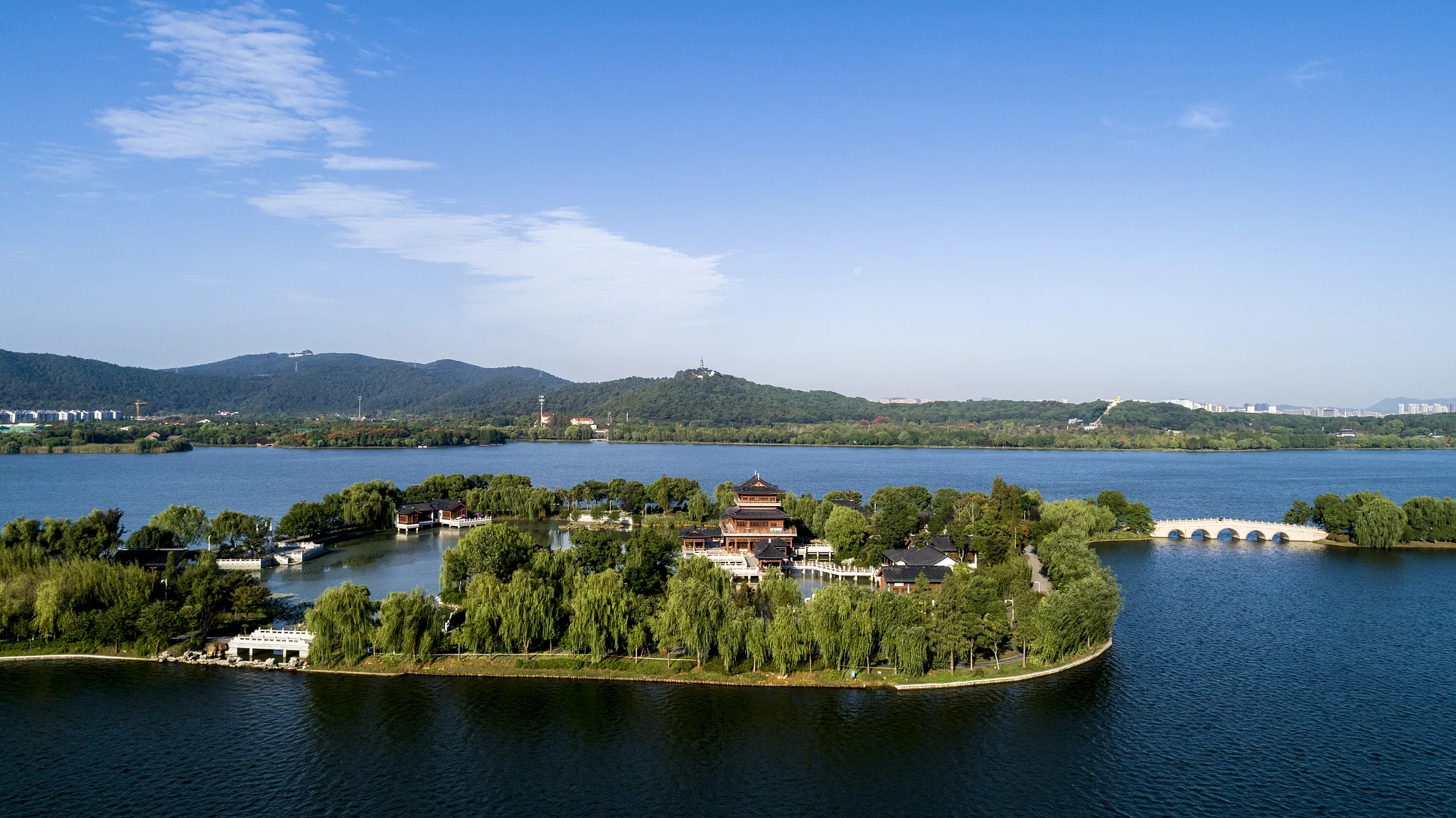
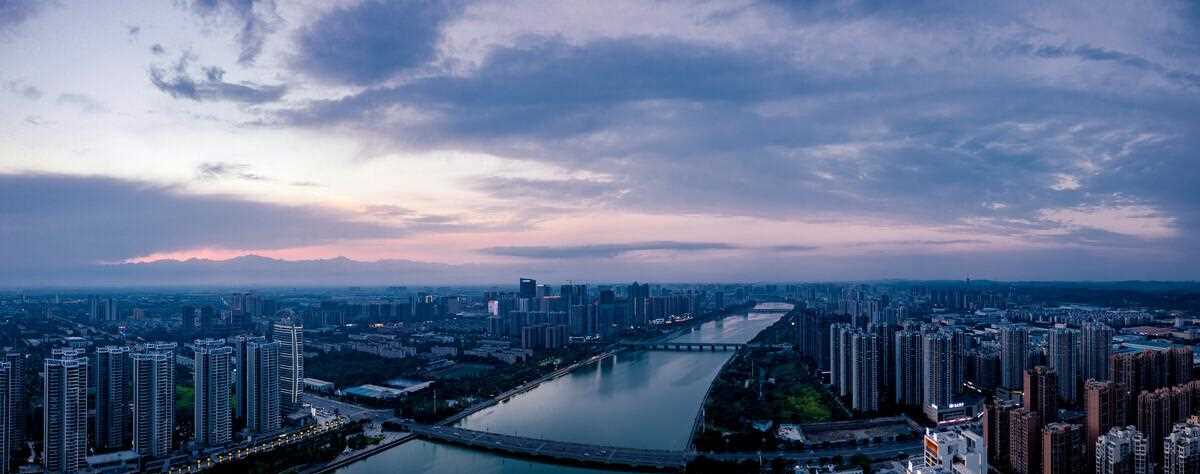
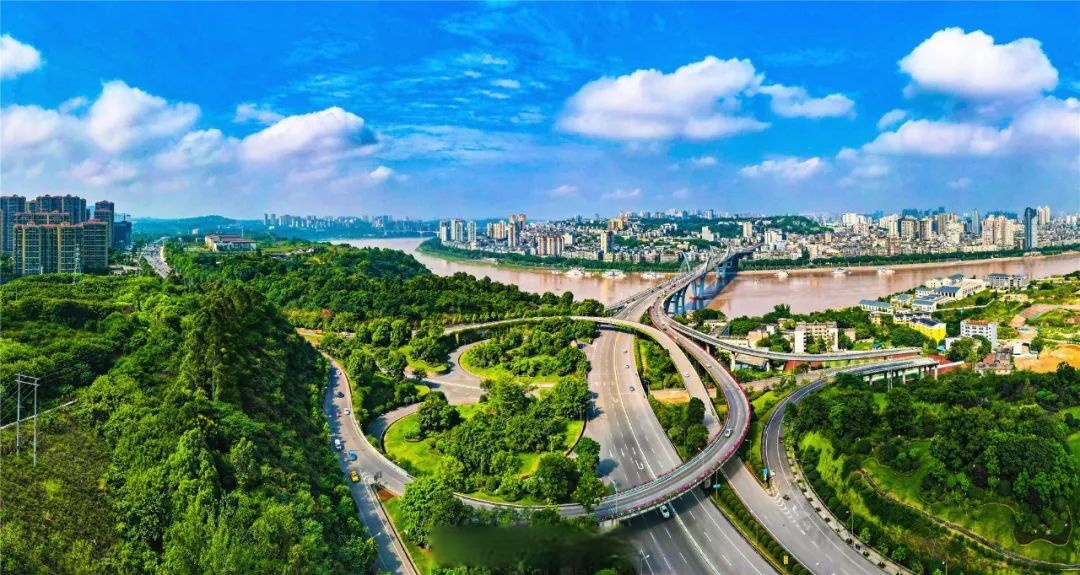
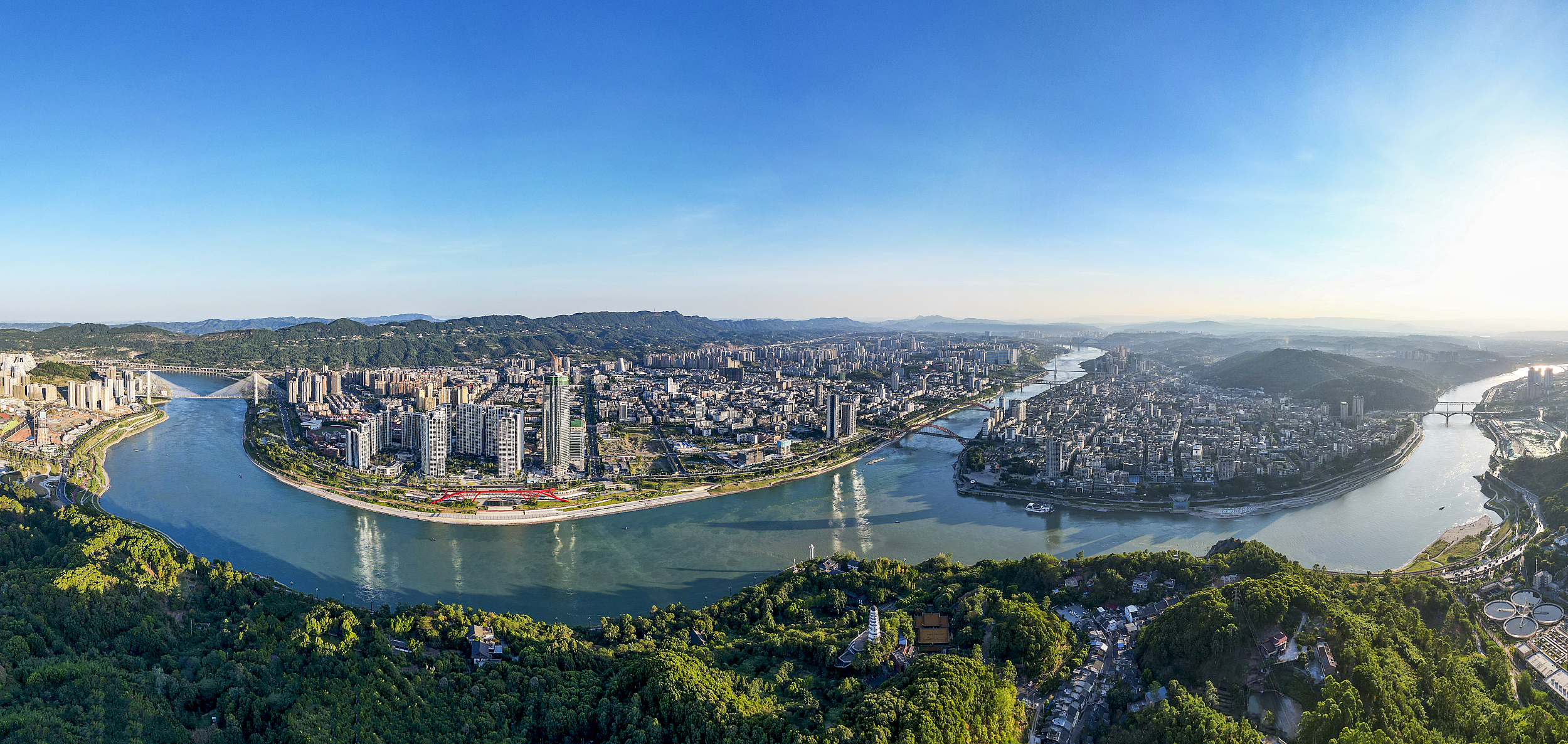
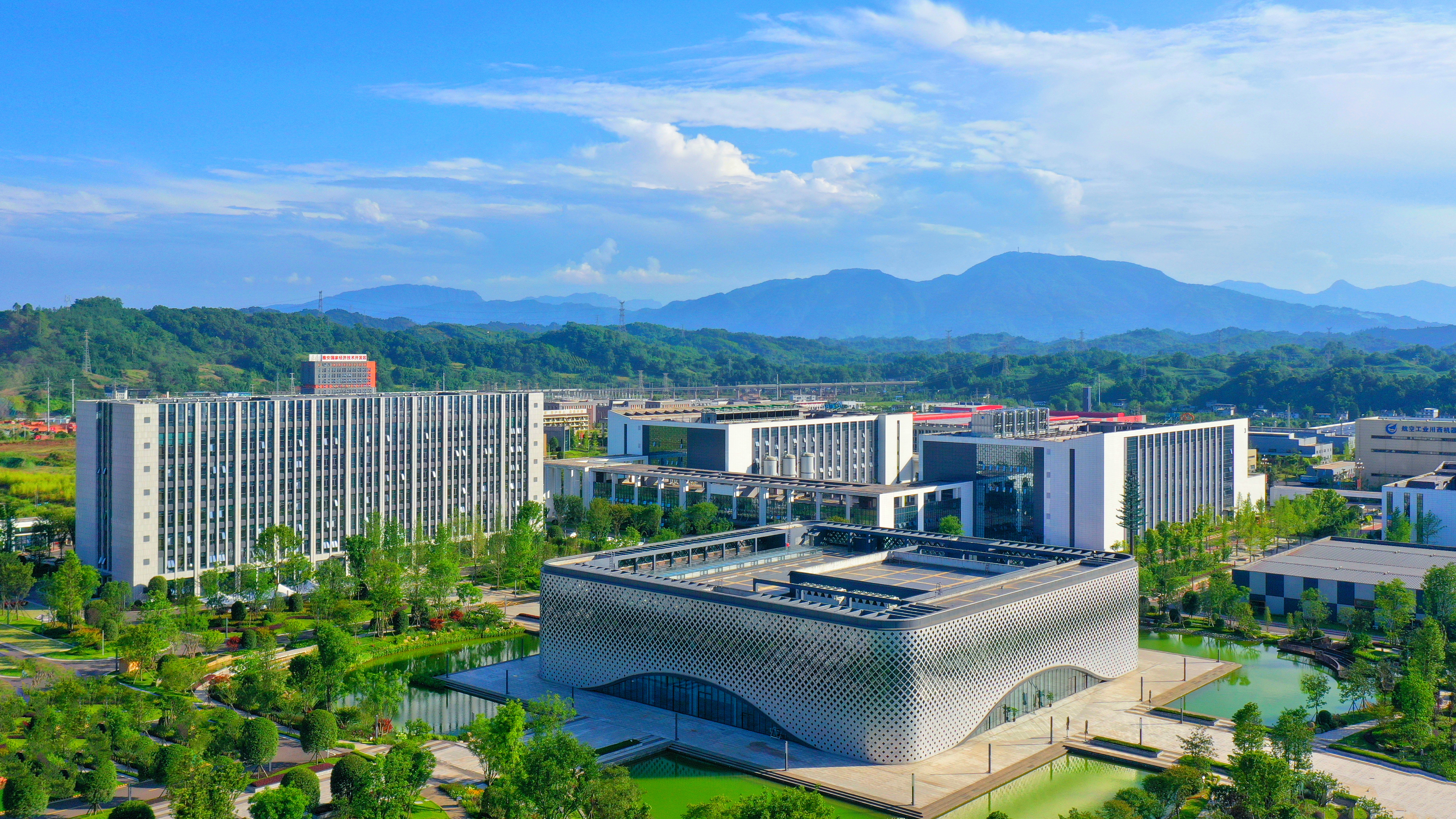
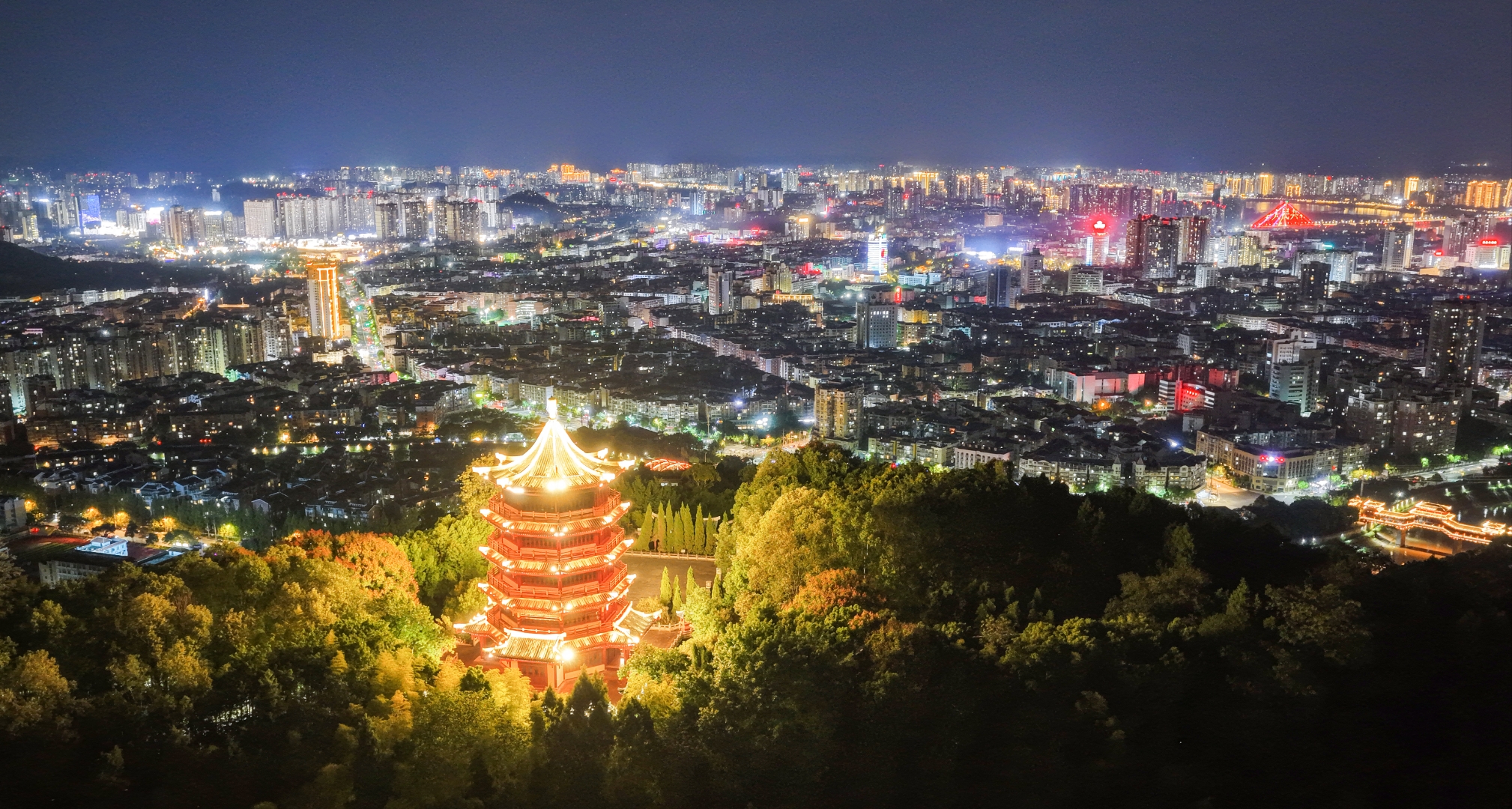
Zigong city skyline and landmarks (自贡) - Travel China Guide

Zigong Travel Guide

The Dinosaur Capital of China, home to one of the world's largest dinosaur fossil sites and a spectacular annual Lantern Festival.

🌡️ Climate Subtropical monsoon
📅 Best Time Autumn (Sep-Nov) for weather, Winter (Dec-Feb) for Lantern Festival

About

Zigong, in south-central Sichuan, is a city built on salt and dinosaurs — two resources that could not be more different but together define its character. For over 2,000 years, Zigong was China's salt-mining capital, producing brine from wells that reached over a kilometer deep using bamboo-cable technology centuries ahead of its time. The wealth from salt created one of Sichuan's most prosperous cities and fostered a food culture — Salt Gang cuisine — that is the boldest, most pungent expression of Sichuan cooking.

Then, in 1972, construction workers unearthed fossils at Dashanpu, revealing one of the richest Middle Jurassic dinosaur fossil beds in the world. The Zigong Dinosaur Museum now sits atop this site, displaying dozens of complete skeletons that draw paleontologists and tourists from across the globe.

👥
Population ~2.5 million
📐
Area ~4,381 km²
💬
Language Mandarin, Sichuan dialect

History & Development

Zigong history is inseparable from salt. The area began salt production during the Han dynasty (206 BC-220 AD), and by the Tang and Song dynasties, Zigong had become a major salt-producing center. The invention of bamboo-cable percussion drilling in the Song dynasty allowed wells to reach depths of over 300 meters.

During the Qing dynasty, Zigong salt reached its peak. The Shenhai Well, drilled in 1835, reached 1,001 meters — the deepest well in the world at that time. Salt merchants built grand guildhalls and residences, many of which still stand.

The discovery of dinosaur fossils at Dashanpu in 1972 transformed Zigong from a salt town into a global paleontological destination. The site yielded over 200 individual dinosaur skeletons and thousands of other fossils.

Economy & Industries

Zigong economy has evolved from its historical reliance on salt mining to a diversified industrial base. The chemical industry remains important, building on the salt processing heritage.

Tourism is a growing sector, driven by the Dinosaur Museum, which attracts over 2 million visitors annually, and the internationally acclaimed Zigong Lantern Festival. The lantern festival has been exported to over 50 countries.

Modern manufacturing includes aviation parts, energy equipment, and new materials. The city is positioning itself as a hub for drone manufacturing and low-altitude economy industries. GDP reached approximately ¥160 billion in 2024.

Food processing is also significant, with Zigong cuisine gaining popularity across China and the Leng Chi Tu snack industry becoming a notable export.
Top Attractions

🎭 Museum

Zigong Dinosaur Museum

One of the world's largest and most important dinosaur fossil museums, built directly atop the Dashanpu fossil site. The museum displays over 200 dinosaur skeletons and thousands of fossil specimens from the Middle Jurassic period, including the famous Omeisaurus and Gigantspinosaurus.

★★★★ 4.8
🕐 8:30 AM - 5:30 PM (Closed Mondays)
🎫 40 yuan
🏛️ Landmark

Zigong Lantern Festival

A world-renowned lantern festival held annually from late January to early March. Massive, intricate lantern sculptures — some as tall as buildings — illuminate the night with scenes from Chinese mythology, history, and modern life.

★★★★ 4.9
🕐 6:00 PM - 10:30 PM (during festival period)
🎫 60 yuan-120 yuan (varies by year)
🎭 Museum

Salt History Museum

A well-preserved ancient salt well that has been in continuous operation for over 1,000 years. The 1,001-meter-deep well showcases traditional Chinese salt mining technology, including bamboo-cable drilling rigs and natural gas-powered brine evaporation.

★★★★ 4.5
🕐 8:30 AM - 5:30 PM
🎫 20 yuan
🏛️ Landmark

Xianshi Ancient Town

A beautifully preserved Ming and Qing dynasty town along the Fuxi River, featuring traditional courtyards, stone-paved streets, ancestral halls, and old teahouses where locals play mahjong and chat.

★★★★ 4.3
🕐 Open all day
🎫 Free
🏛️ Landmark

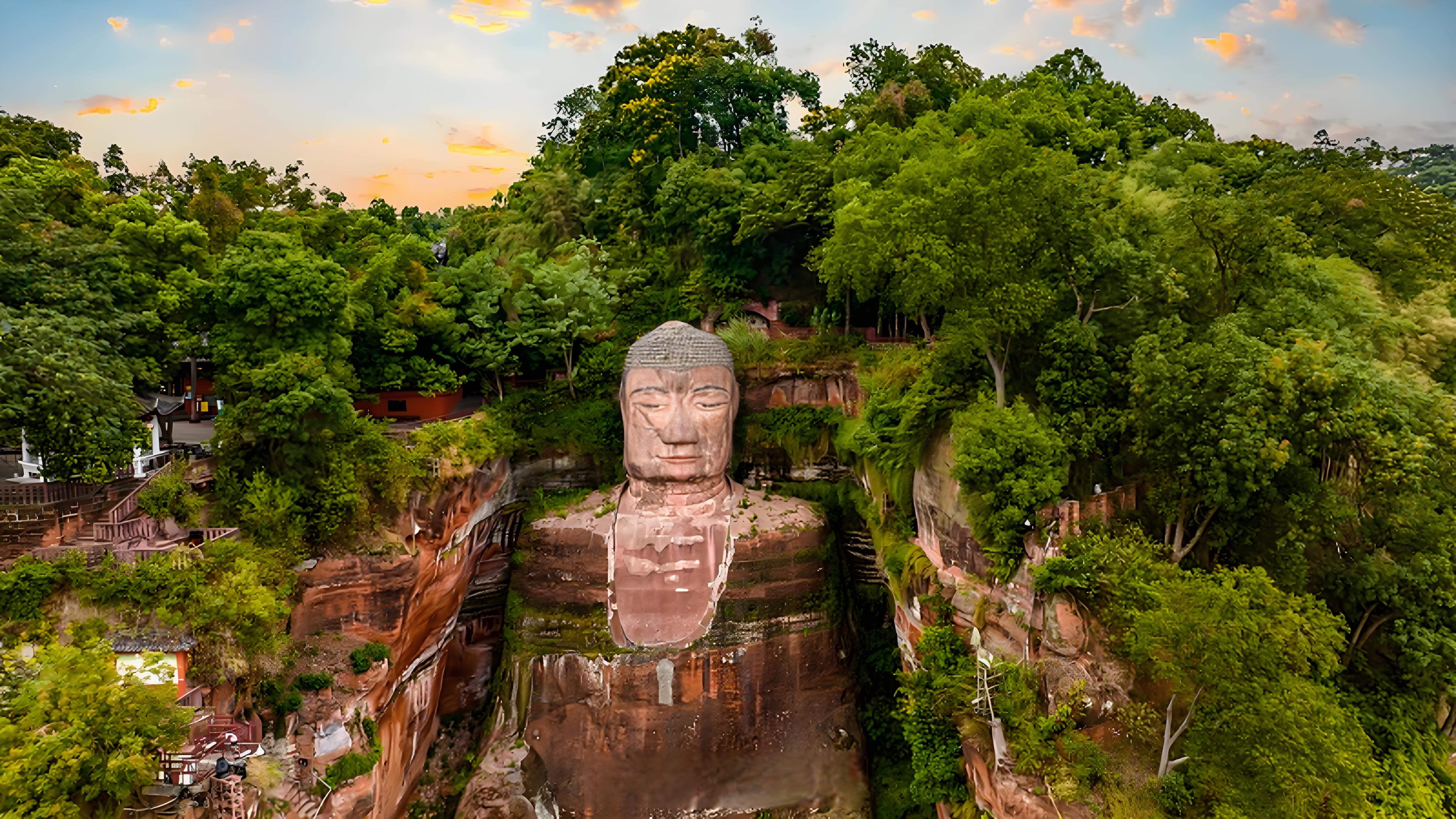
Rongxian Giant Buddha

A 36-meter-tall Tang dynasty stone Buddha statue carved into a hillside in Rong county. Smaller than its Leshan counterpart but less crowded and equally impressive, surrounded by a serene temple complex.

★★★★ 4.3
🕐 8:00 AM - 5:30 PM
🎫 30 yuan
🌳 Park

Huahai Park

A scenic riverside park along the Fuxi River, famous for its seasonal flower displays — rapeseed flowers in spring, lotus in summer, and colorful blooms year-round. Popular for walking, photography, and picnics.

★★★★ 4.2
🕐 Open all day
🎫 Free

Food & Culture

Discover the culinary treasures of Zigong, from traditional street food to imperial cuisine.

Things to Do

Dinosaur Museum Visit

Spend a half-day at one of the world's greatest dinosaur fossil museums, seeing complete Jurassic skeletons in situ.

Lantern Festival

Visit between January and March for the spectacular lantern displays that have made Zigong famous worldwide.

Salt Well Tour

Explore the Shenhai Well and learn about 2,000 years of salt mining technology.

🍴

Food Crawl

Sample Zigong's famous Leng Chi Tu and other Salt Gang dishes at the local night markets.

🏛️

Ancient Town Walk

Walk through Xianshi Ancient Town's Ming-Qing streets and traditional teahouses.

Suggested Itineraries

Dinosaurs and Salt

Morning at the Dinosaur Museum, lunch with authentic Salt Gang cuisine, afternoon exploration of Shenhai Well and Xianshi Ancient Town.

  • Zigong Dinosaur Museum
  • Shenhai Well
  • Lunch: Salt Gang cuisine
  • Xianshi Ancient Town

Lantern Festival Special

Day one: Dinosaur Museum and Salt History Museum. Evening: the spectacular Lantern Festival. Day two: Rongxian Giant Buddha and food tour.

  • Zigong Lantern Festival
  • Dinosaur Museum
  • Rongxian Giant Buddha
  • Night market food tour

Getting Around

✈️

Airport

Zigong does not have a commercial airport. The nearest airports are Chengdu Tianfu (TFU, ~1.5h drive) and Yibin Wuliangye Airport (YBP, ~1h drive).

🚄

High-Speed Rail

Zigong East Railway Station connects to Chengdu (~1 hour), Guiyang, Guangzhou, and other cities via the Chengdu-Zigong high-speed rail line.

🚇

Metro

No metro. Public buses cover the main city routes. Taxis and ride-hailing are affordable and convenient.

Best Time to Visit

🌸

Spring

Mar - May

★★★★☆

Mild and pleasant. The flower displays at Huahai Park are at their best. Good weather for outdoor sightseeing.

  • Pleasant weather
  • Flower season
  • Good for sightseeing
☀️

Summer

Jun - Aug

★★★☆☆

Hot and humid with occasional thunderstorms. Indoor attractions like the Dinosaur Museum are comfortable year-round.

  • Indoor museum visits
  • Lush landscapes
  • Evening night markets
🍂

Autumn

Sep - Nov

★★★★★

Cool and dry with clear skies. The most comfortable season for exploring the city and surrounding attractions.

  • Best weather
  • Comfortable exploration
  • Clear skies
❄️

Winter

Dec - Feb

★★★★☆

Cold but dry. This is the Lantern Festival season, making it the most magical time to visit despite the cold.

  • Lantern Festival
  • Fewer tourists
  • Salt Gang hotpot

Travel Reminders

💡

Allow at least 3 hours. The museum has two main halls and an outdoor excavation site. Audio guides are available in English.

💡

Book accommodation months in advance if visiting during the Lantern Festival (Jan-Mar). The festival is extremely popular.

💡

Zigong cuisine is the spiciest in Sichuan. Start with milder dishes like Fushun Tofu Pudding before attempting Leng Chi Tu.

Continue Exploring China

Discover more cities, food guides, and travel inspiration.