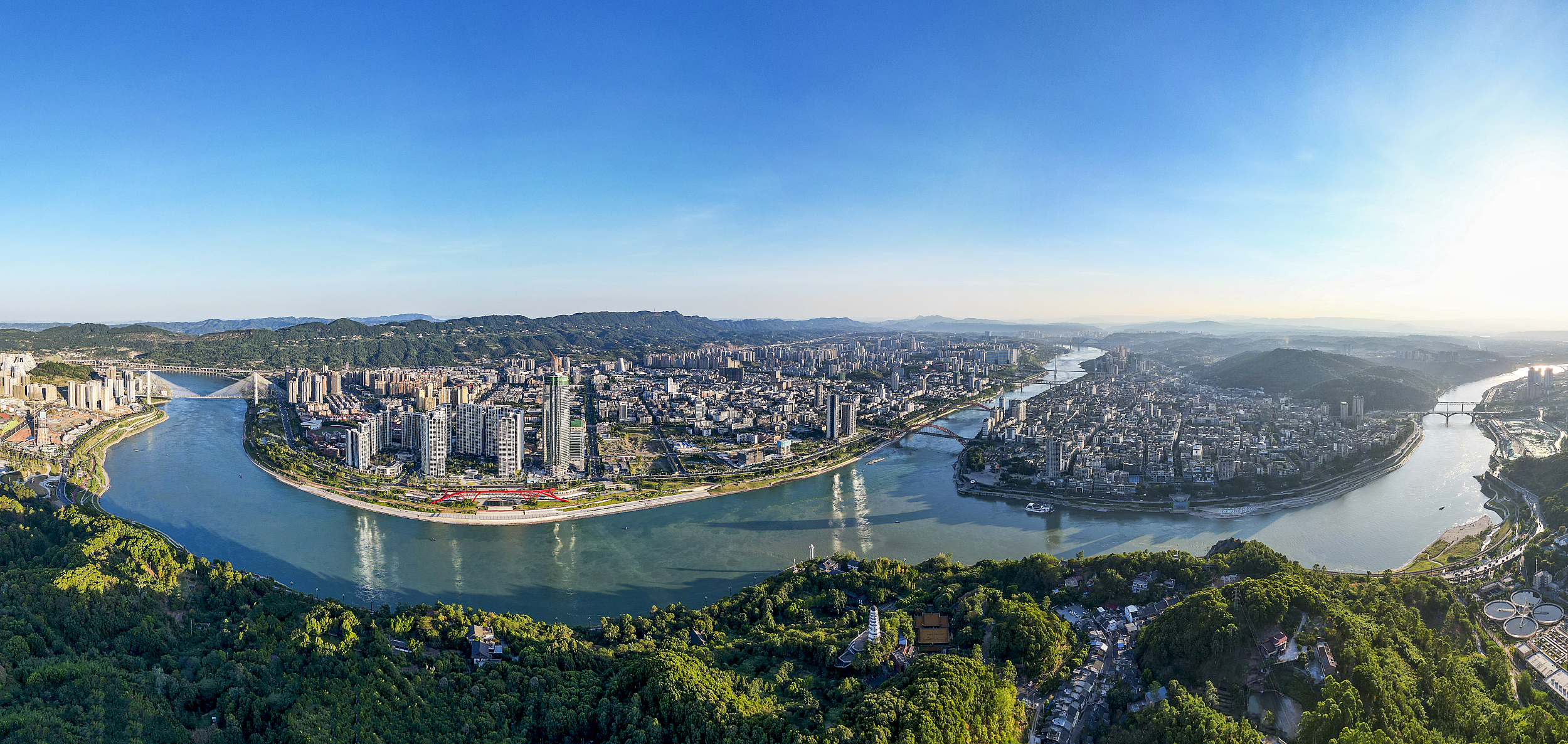
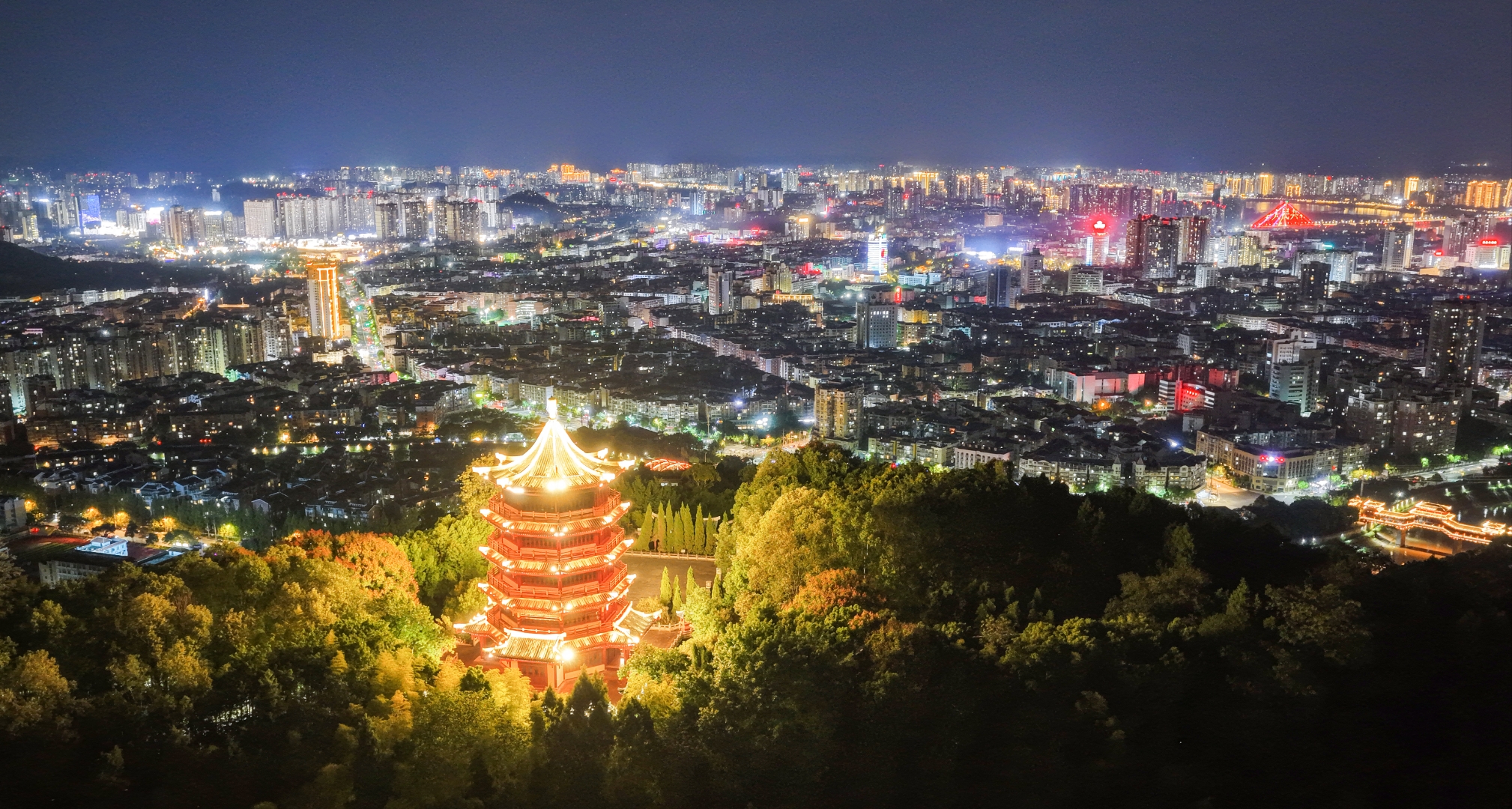
Ya'an's history is intimately tied to rain, tea, and pandas. The region has been inhabited for thousands of years, but its recorded history begins with the cultivation of tea on Mengding Mountain during the Western Han dynasty (206 BC-9 AD). Buddhist monk Wu Lizhen is credited with planting the first tea trees on the mountain, establishing a tradition that would make Ya'an famous throughout China.
During the Tang Dynasty (618-907 AD), Mengding tea became a tribute item for the imperial court. The demand for Ya'an tea grew so much that the city became a critical hub on the Tea Horse Road (Cha Ma Gu Dao), the ancient trade route that exchanged Sichuan tea for Tibetan horses. This trade route flourished for over a thousand years, shaping Ya'an's economy and culture.
The name "Rain City" dates back centuries—local records describe Ya'an's remarkably consistent rainfall pattern, with over 200 rainy days per year creating a unique microclimate. This rainfall made the region ideal for tea cultivation and created the lush forests that would later become crucial panda habitat.
In the 20th century, Ya'an gained international recognition for its role in panda conservation. The first giant panda was discovered and documented by Western science in nearby Baoxing County in 1869 by French missionary Armand David. In the 1980s, the Chinese government established the Bifengxia Panda Base as part of its national panda conservation program. Today, Ya'an is home to the largest captive panda population in the world.
Modern Ya'an has developed as an ecological city, emphasizing sustainable development, ecotourism, and green industries while preserving its natural heritage and traditional tea culture.