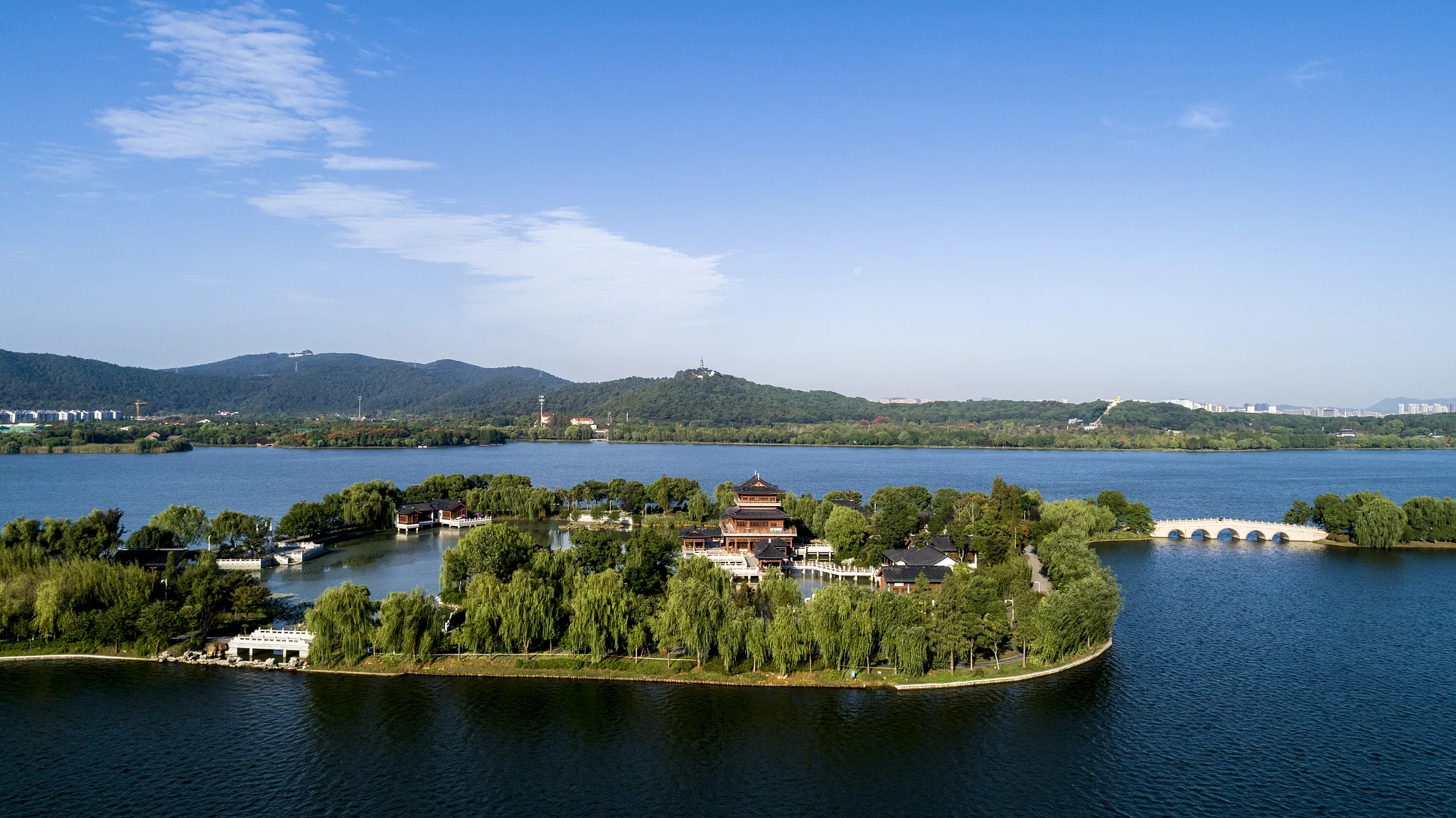
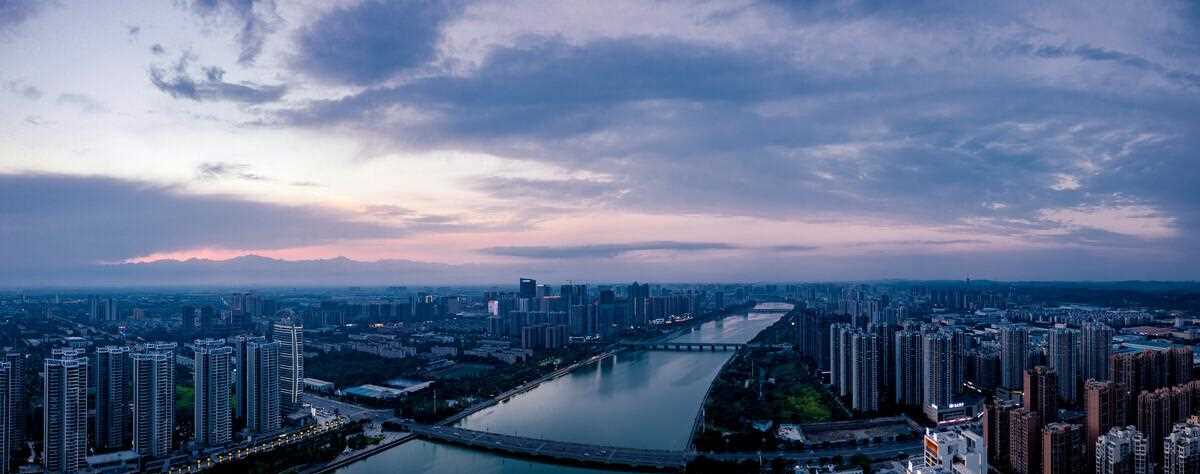
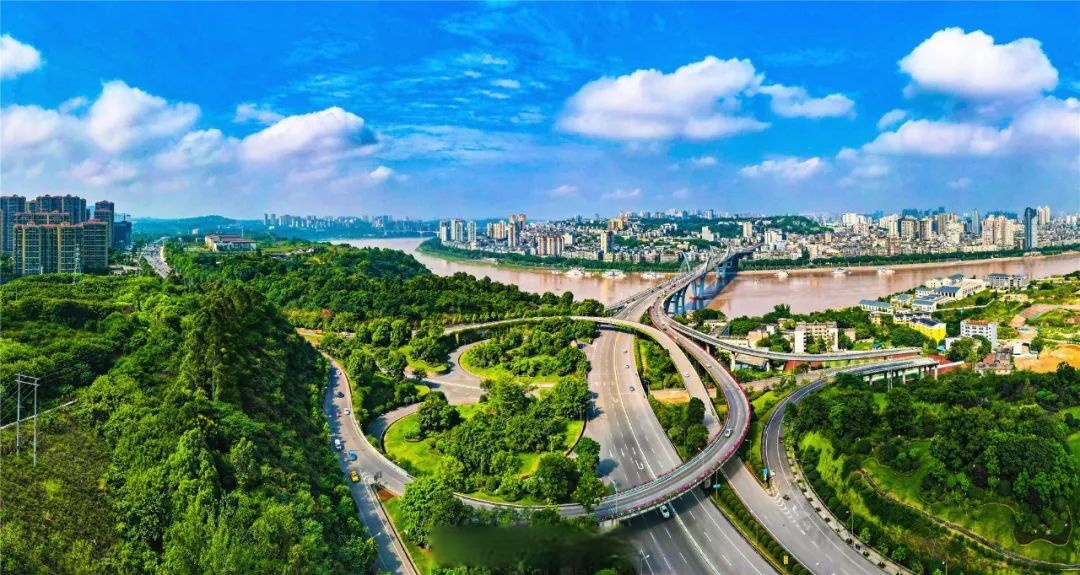
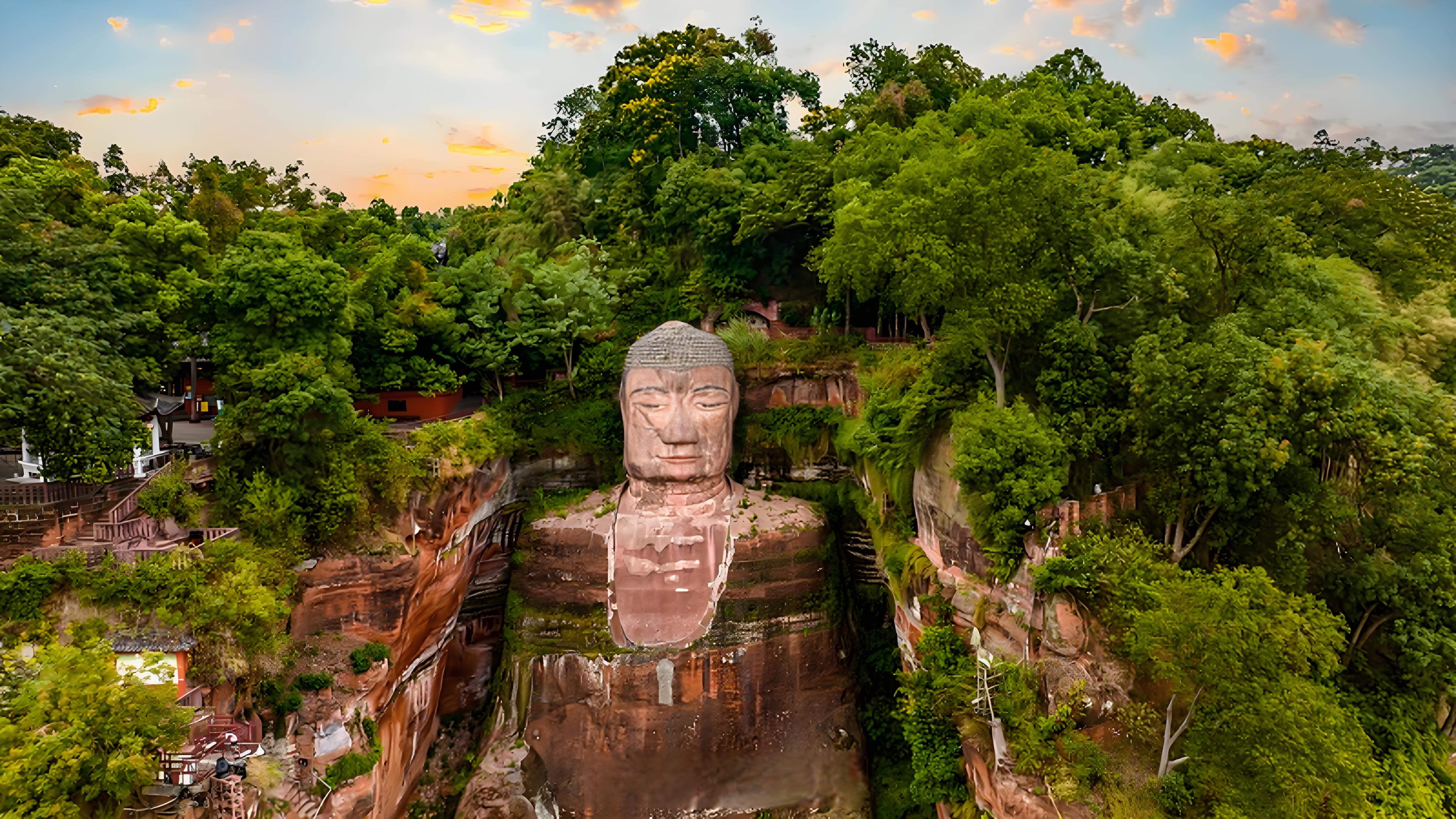
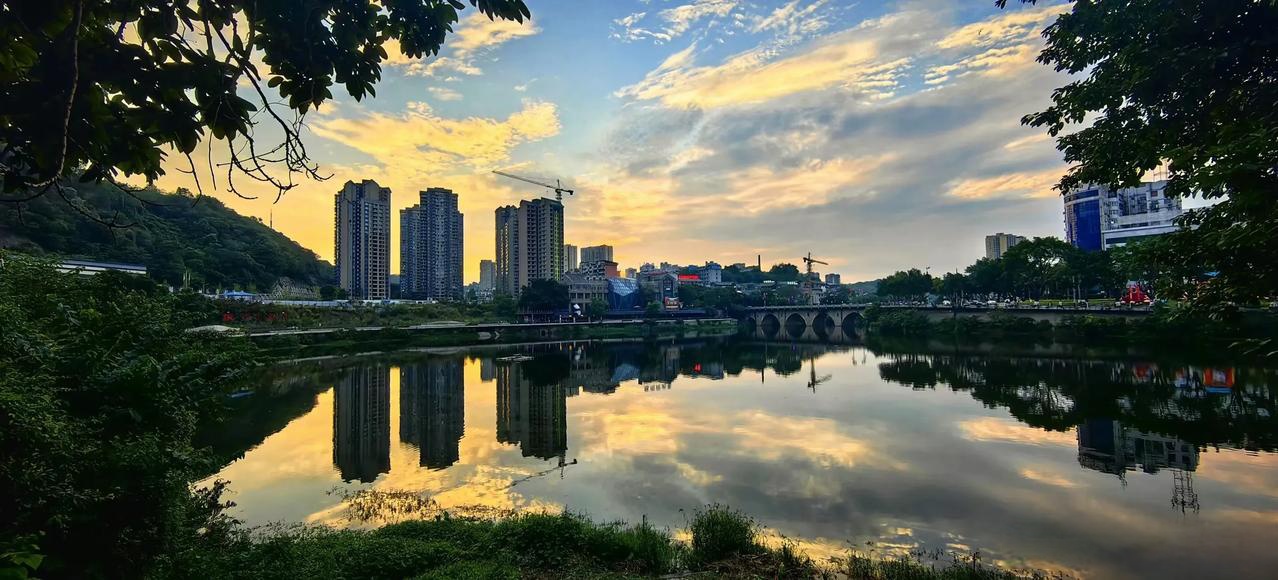
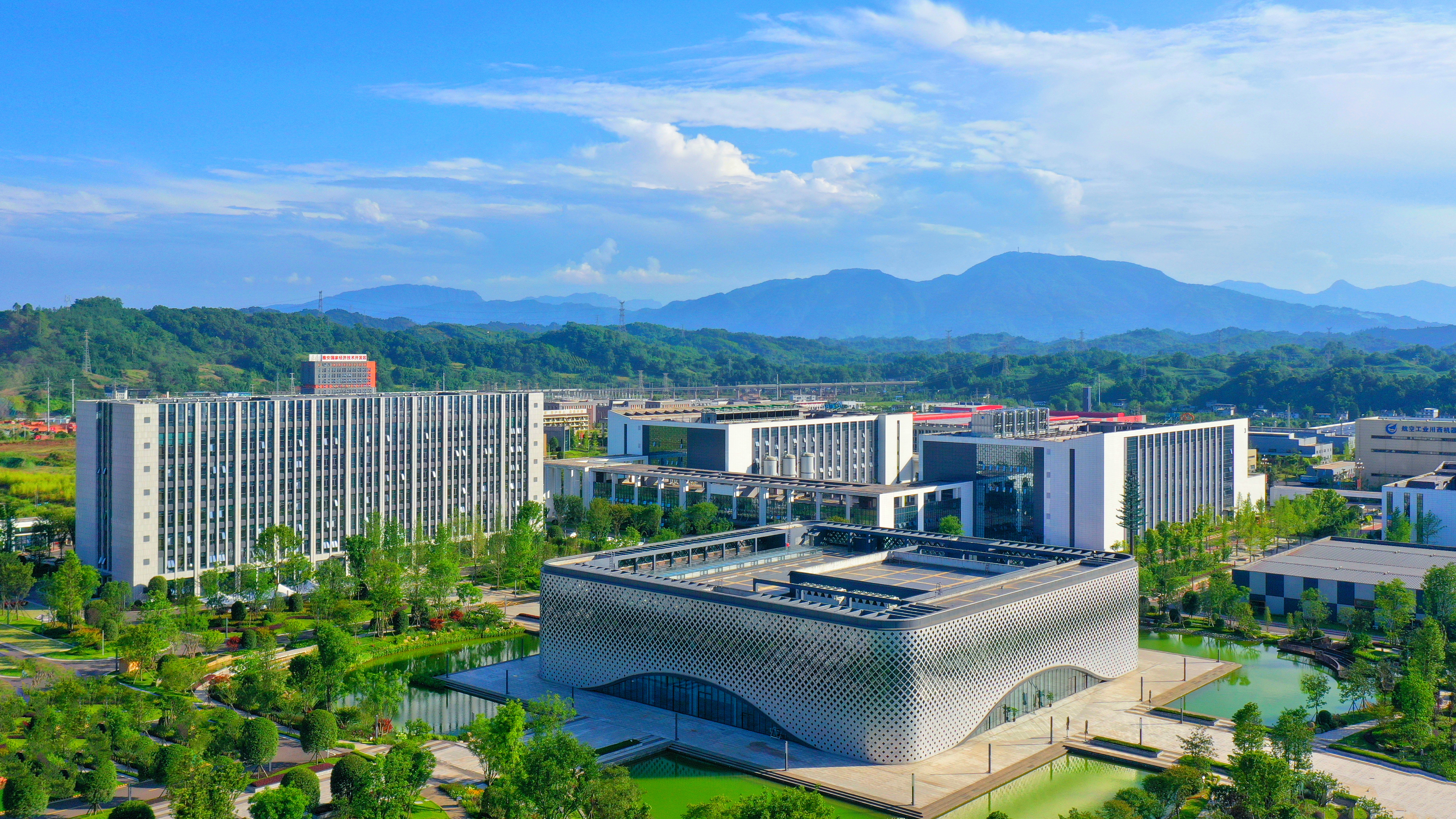
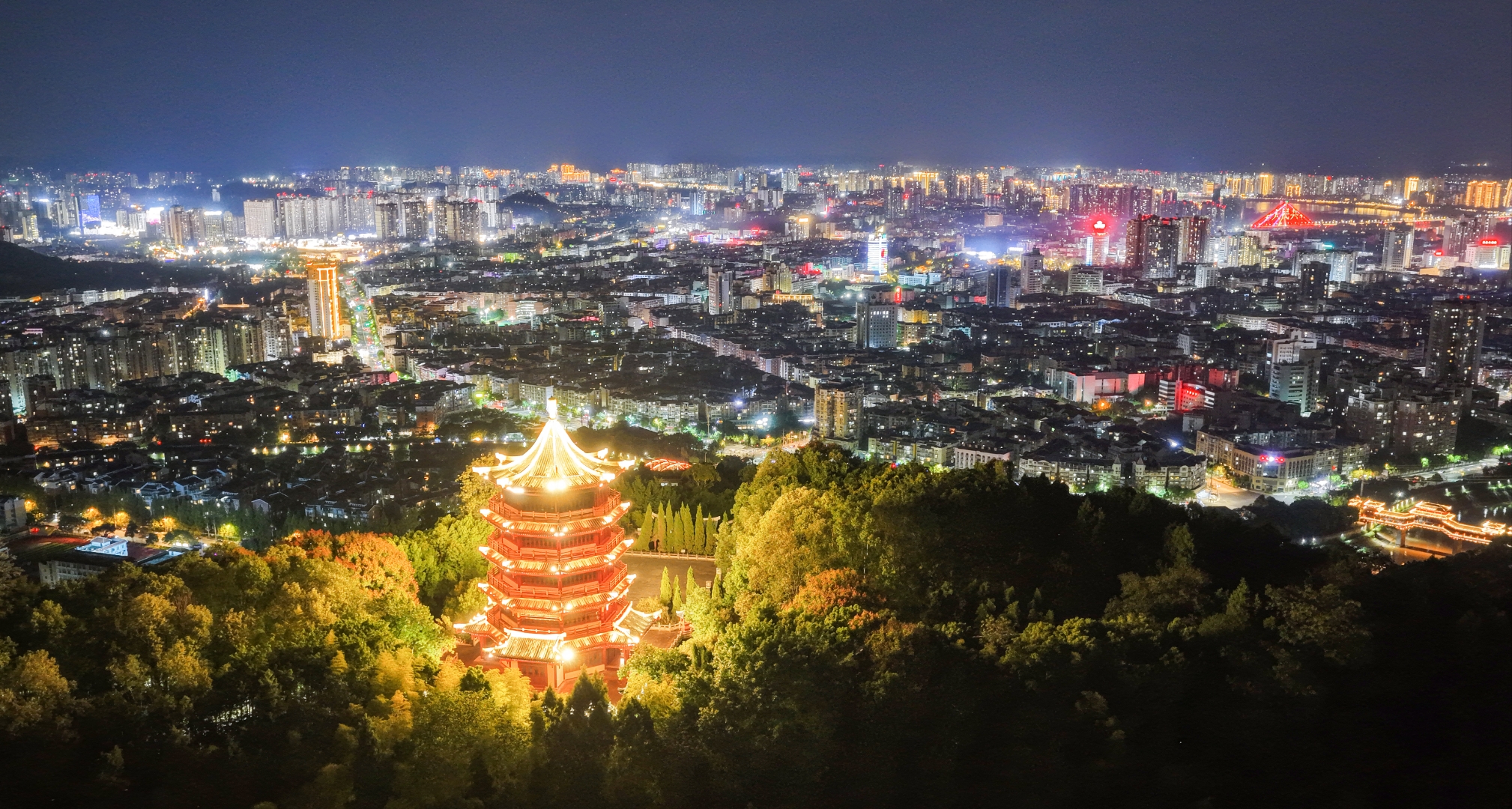
Yibin city skyline and landmarks (宜宾) - Travel China Guide

Yibin Travel Guide

The City of Fine Wine, home of Wuliangye — China's most famous baijiu liquor, surrounded by the stunning Shunan Bamboo Forest.

🌡️ Climate Subtropical monsoon
📅 Best Time Spring (Mar-May) and Autumn (Sep-Nov)

About

Yibin sits at one of China most significant geographical points — the confluence of the Min and Jinsha rivers, where the Yangtze River officially begins. This convergence has shaped Yibin destiny as a transportation hub, a brewing center, and a gateway to southern Sichuan.

The city is internationally famous as the home of Wuliangye, China most prestigious baijiu brand. The name Wuliangye means "five-grain liquor," made from sorghum, rice, glutinous rice, wheat, and corn using a fermentation technique that has been passed down since the Ming dynasty. Walking through Yibin, the aroma of fermenting grain wafts from the distillery, a scent that defines the city as surely as the river mists.

Beyond the liquor, Yibin is surrounded by some of Sichuan's finest natural scenery: the Shunan Bamboo Sea, Xingwen Stone Sea, and the tranquil Lizhuang Ancient Town along the Yangtze.

👥
Population ~4.6 million
📐
Area ~13,283 km²
💬
Language Mandarin, Sichuan dialect

History & Development

Yibin history stretches back over 4,000 years. It was established as a county during the Qin dynasty (221-206 BC) and became an important administrative center during the Tang and Song dynasties. The city strategic location at the head of the Yangtze made it a critical port for shipping goods from Sichuan to central and eastern China.

The Wuliangye distillery traces its origins to 1368, when the Chen family began brewing liquor using a recipe that combined five grains. The "Yaozi" fermentation cellars built during the Ming dynasty are still in use today, making them among the oldest continuously operating fermentation pits in China.

During the Second Sino-Japanese War (1937-1945), Lizhuang became a refuge for Chinese scholars and cultural institutions fleeing the Japanese advance. Prominent intellectuals including Liang Sicheng and Lin Huiyin lived and worked there, making it an unlikely wartime cultural capital.

Economy & Industries

Yibin economy is dominated by Wuliangye, which alone contributes a substantial portion of the city's GDP. The baijiu industry drives related sectors including logistics, packaging, tourism, and hospitality.

The Shunan Bamboo Sea and other natural attractions make tourism an important and growing sector. The bamboo industry itself — including bamboo processing, furniture, and crafts — employs tens of thousands.

Yibin also has a significant industrial base including port logistics at the Yangtze head, chemical manufacturing, and new energy industries. The city's GDP reached approximately ¥310 billion in 2024, making it one of Sichuan's stronger economies.

Agriculture specializes in tea, bamboo shoots, and early-season vegetables that supply markets across Sichuan and beyond.

Top Attractions

🎭 Museum

Wuliangye Distillery

The historic distillery of China's most famous baijiu brand, Wuliangye. Visitors can tour the centuries-old fermentation cellars, see the bottling process, and sample the famous five-grain liquor. The distillery's culture museum explains the 600-year history of Wuliangye.

★★★★ 4.5
🕐 8:30 AM - 5:30 PM
🎫 50 yuan (includes tasting)
🏔️ Nature

Shunan Bamboo Sea

A vast 120-square-kilometer bamboo forest, one of China's most beautiful natural landscapes. Dense bamboo groves, clear streams, ancient temples, and traditional villages are connected by scenic walking paths. The bamboo sea creates a surreal green world.

★★★★ 4.7
🕐 8:00 AM - 6:00 PM
🎫 100 yuan
🏛️ Landmark

Lizhuang Ancient Town

A historic riverside town on the Yangtze, known for well-preserved Ming and Qing dynasty architecture, traditional courtyards, and the Lizhuang White Meat — paper-thin boiled pork slices served with garlic sauce.

★★★★ 4.4
🕐 Open all day
🎫 Free
🏔️ Nature

Xingwen Stone Sea

A spectacular karst landscape featuring stone forests, underground caves, massive sinkholes, and natural bridges. The park covers an area of 156 square kilometers and includes one of the world's largest karst collapse depressions.

★★★★ 4.5
🕐 8:00 AM - 5:30 PM
🎫 90 yuan
🌳 Park

Cuiping Mountain

A forested urban mountain park in the center of Yibin, featuring bamboo groves, pavilions, temples, and panoramic views over the city and the confluence of the three rivers. A popular spot for morning exercise and weekend outings.

★★★★ 4.3
🕐 Open all day
🎫 Free
⛩️ Temple

Zhenwu Mountain

A Taoist mountain with ancient temples, pavilions, and cliff-side carvings. The mountain offers peaceful walking trails and a commanding view of the Min River valley. Less crowded than Cuiping Mountain.

★★★★ 4.2
🕐 8:00 AM - 5:30 PM
🎫 Free

Food & Culture

Discover the culinary treasures of Yibin, from traditional street food to imperial cuisine.

Things to Do

Wuliangye Tour

Tour the distillery, see the ancient fermentation cellars, and sample China most famous baijiu.

Bamboo Sea Hike

Walk through the surreal green tunnels of the Shunan Bamboo Sea — one of China most beautiful natural landscapes.

Yangtze Origin Photo

Visit the confluence point where the Min and Jinsha rivers merge to form the Yangtze, a photo-worthy geographical landmark.

🏛️

Lizhuang Walk

Explore the Ming-Qing architecture of Lizhuang and try the famous paper-thin white meat.

🍴

Ran Mian Breakfast

Start your day with a bowl of authentic Yibin Ran Mian at a local noodle shop.

Suggested Itineraries

Wine and Bamboo

Day one: distillery tour in the morning, then drive to Shunan Bamboo Sea. Day two: explore the bamboo forest, visit Lizhuang Ancient Town in the afternoon.

  • Wuliangye Distillery
  • Shunan Bamboo Sea
  • Lizhuang Ancient Town
  • Yibin Ran Mian

Nature Explorer

Explore Yibin natural wonders: two days in Shunan Bamboo Sea and Xingwen Stone Sea, plus a final day in the city for food and the river confluence.

  • Shunan Bamboo Sea
  • Xingwen Stone Sea
  • Cuiping Mountain
  • Local food tour

Getting Around

✈️

Airport

Yibin Wuliangye Airport (YBP) with direct flights to Beijing, Shanghai, Guangzhou, Shenzhen, and other major Chinese cities.

🚄

High-Speed Rail

Yibin West Railway Station connects to Chengdu (~1.5h), Guiyang, Kunming, and other cities via the Chengdu-Guiyang high-speed rail corridor.

🚇

Metro

No metro. Buses, taxis, and ride-hailing are available. Buses run between the city, the distillery, and the Bamboo Sea scenic area.

Best Time to Visit

🌸

Spring

Mar - May

★★★★★

Pleasant temperatures and blooming bamboo shoots. The bamboo forest is lush and green. Good time for hiking and outdoor exploration.

  • Lush bamboo
  • Pleasant hiking
  • Spring bamboo shoots
☀️

Summer

Jun - Aug

★★★★☆

Hot and humid in the city, but the Bamboo Sea and Stone Sea are significantly cooler. Popular season for mountain escapes.

  • Bamboo forest escape
  • Cool mountain air
  • Summer greenery
🍂

Autumn

Sep - Nov

★★★★★

Cool, clear, and comfortable. The bamboo forest takes on golden hues. Ideal for photography and outdoor activities.

  • Best weather
  • Golden bamboo
  • Clear views
❄️

Winter

Dec - Feb

★★★☆☆

Cold and damp, with occasional light snow. Fewer tourists and lower prices. The bamboo forest has a quiet, misty beauty.

  • Misty bamboo
  • Fewer tourists
  • Hotpot season

Travel Reminders

💡

The distillery tour includes a tasting session. Designate a driver if you plan to sample generously.

💡

The Bamboo Sea is quite spread out. Rent a car or hire a driver for the day to see the best spots without exhaustion.

💡

Yibin Ran Mian is best eaten in the morning when the noodles are freshly prepared. Most shops close by early afternoon.

Continue Exploring China

Discover more cities, food guides, and travel inspiration.