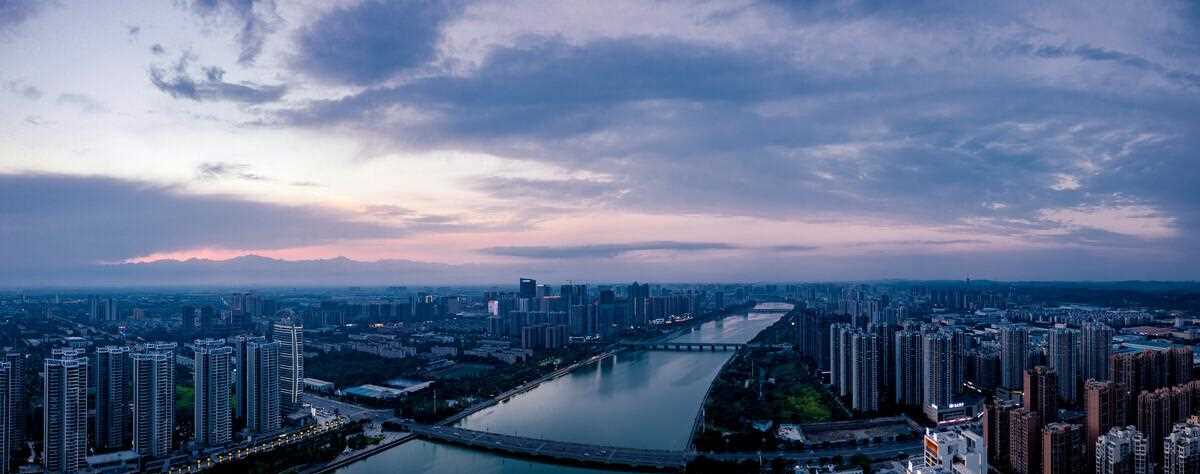
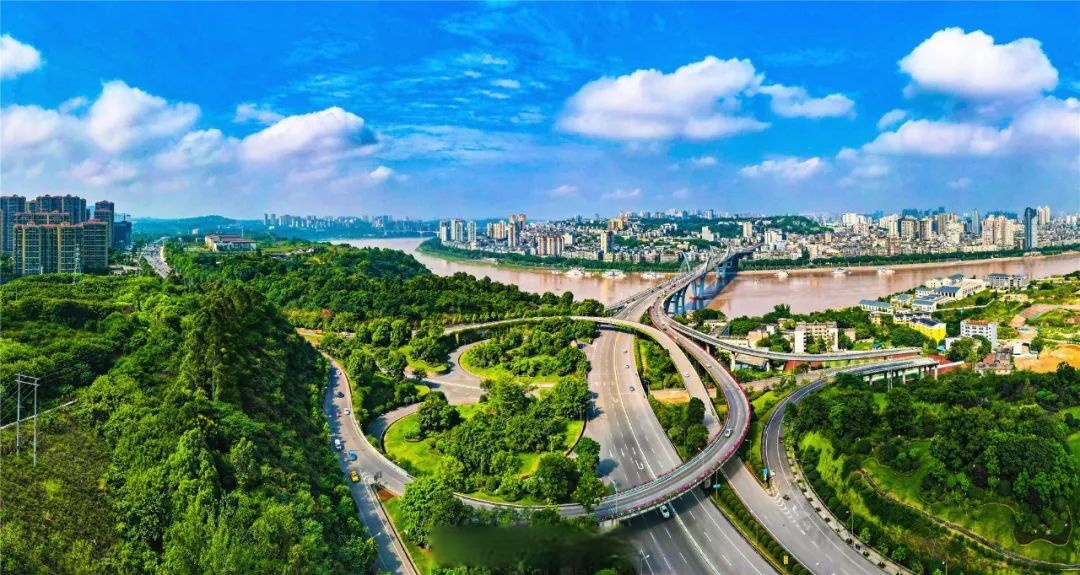
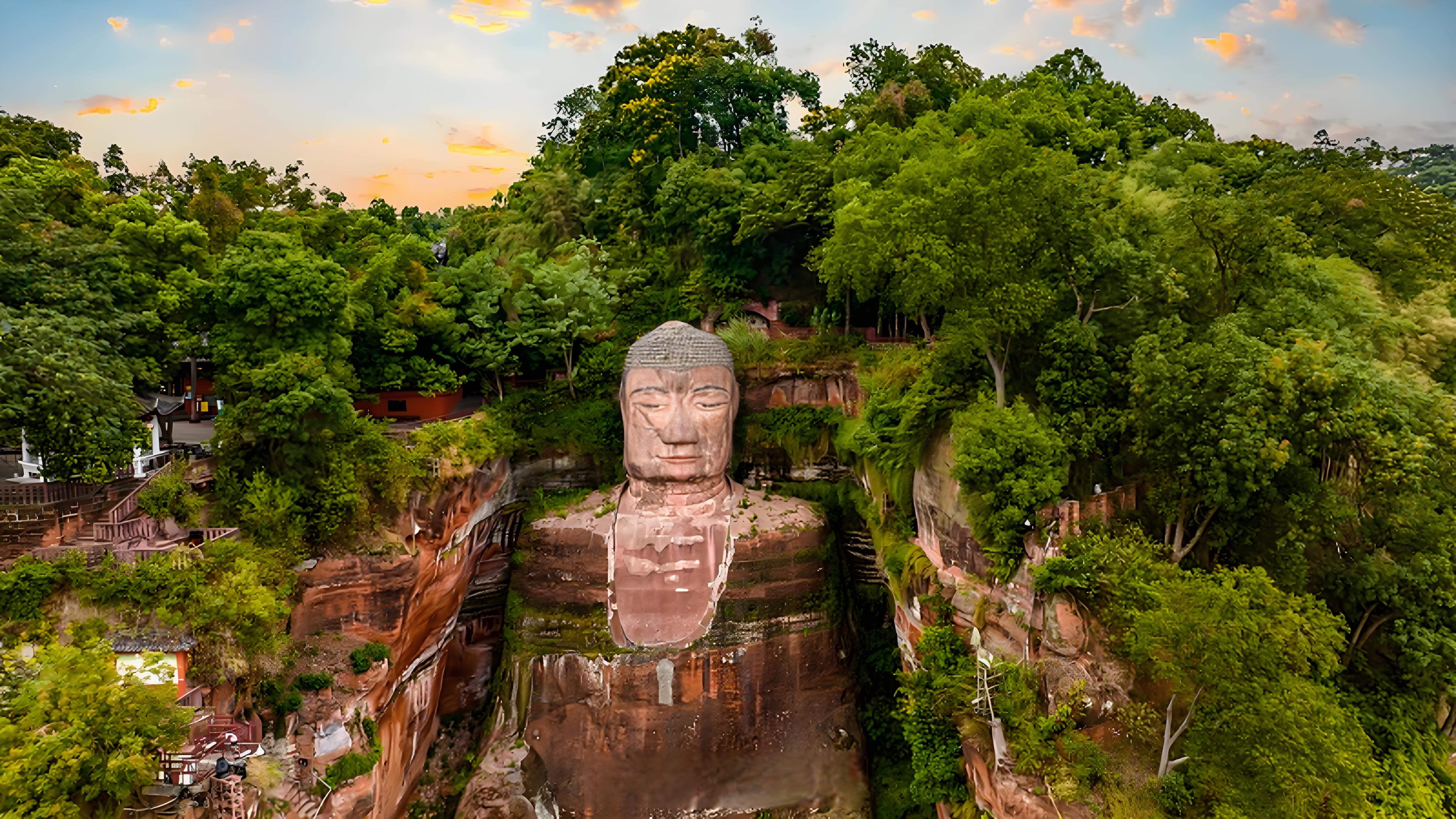
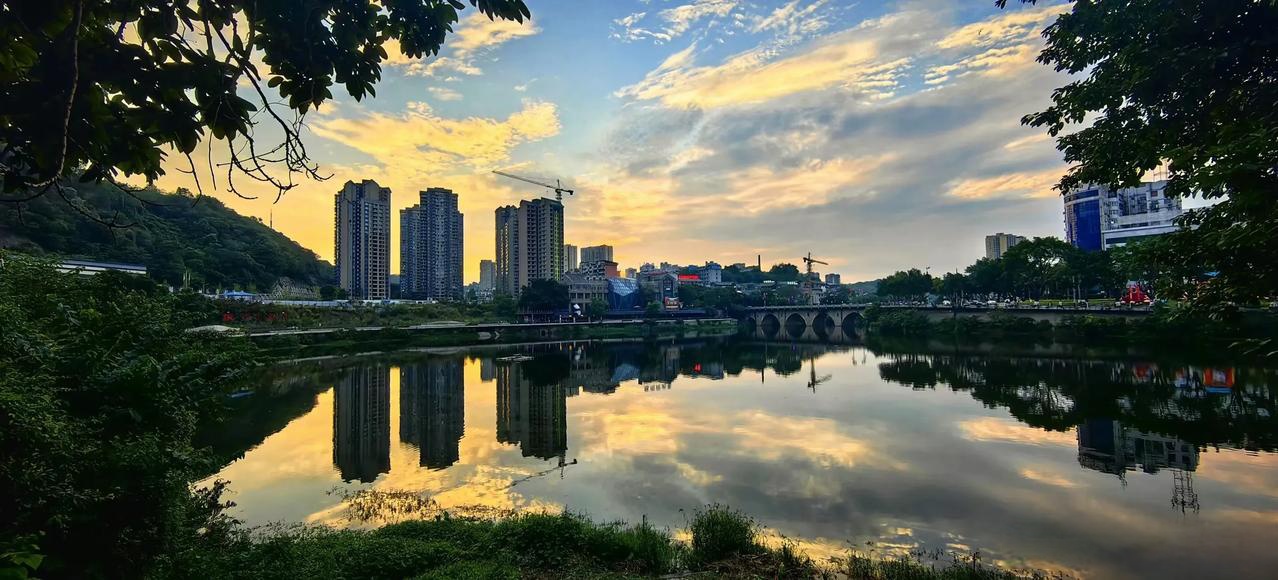
City hero image

Mianyang

Gateway to Jiuzhaigou and birthplace of poet Li Bai—China's science and technology city.

About

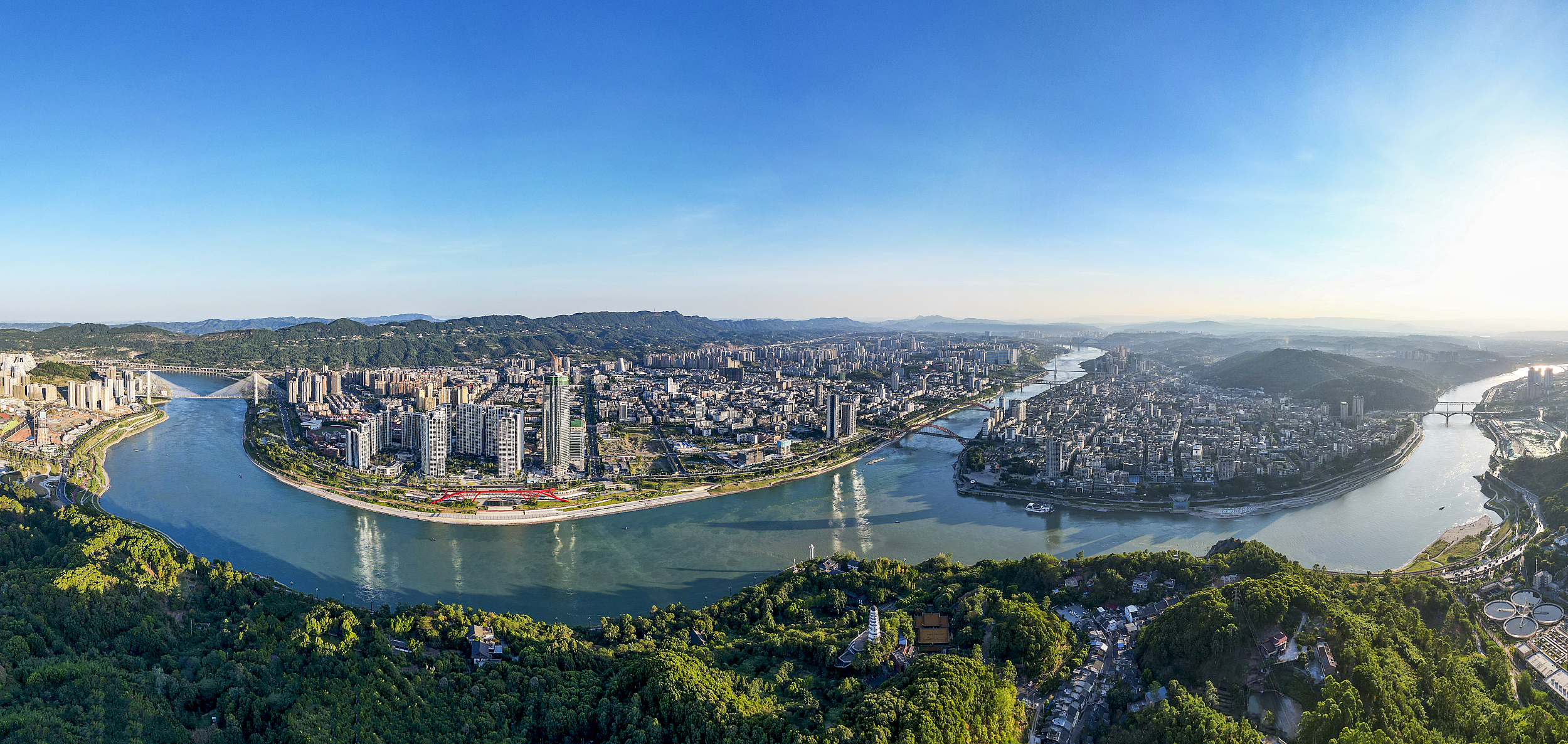
Mianyang, in Sichuan Province, is known as the gateway to Jiuzhaigou and the birthplace of poet Li Bai. As China's science and technology city, it combines rich cultural heritage with modern innovation.

The city has been a cultural center since ancient times, producing the immortal Tang Dynasty poet Li Bai, whose verses about moonlight and wine are still recited by every Chinese schoolchild. His birthplace near Mianyang draws literary pilgrims from across the nation.

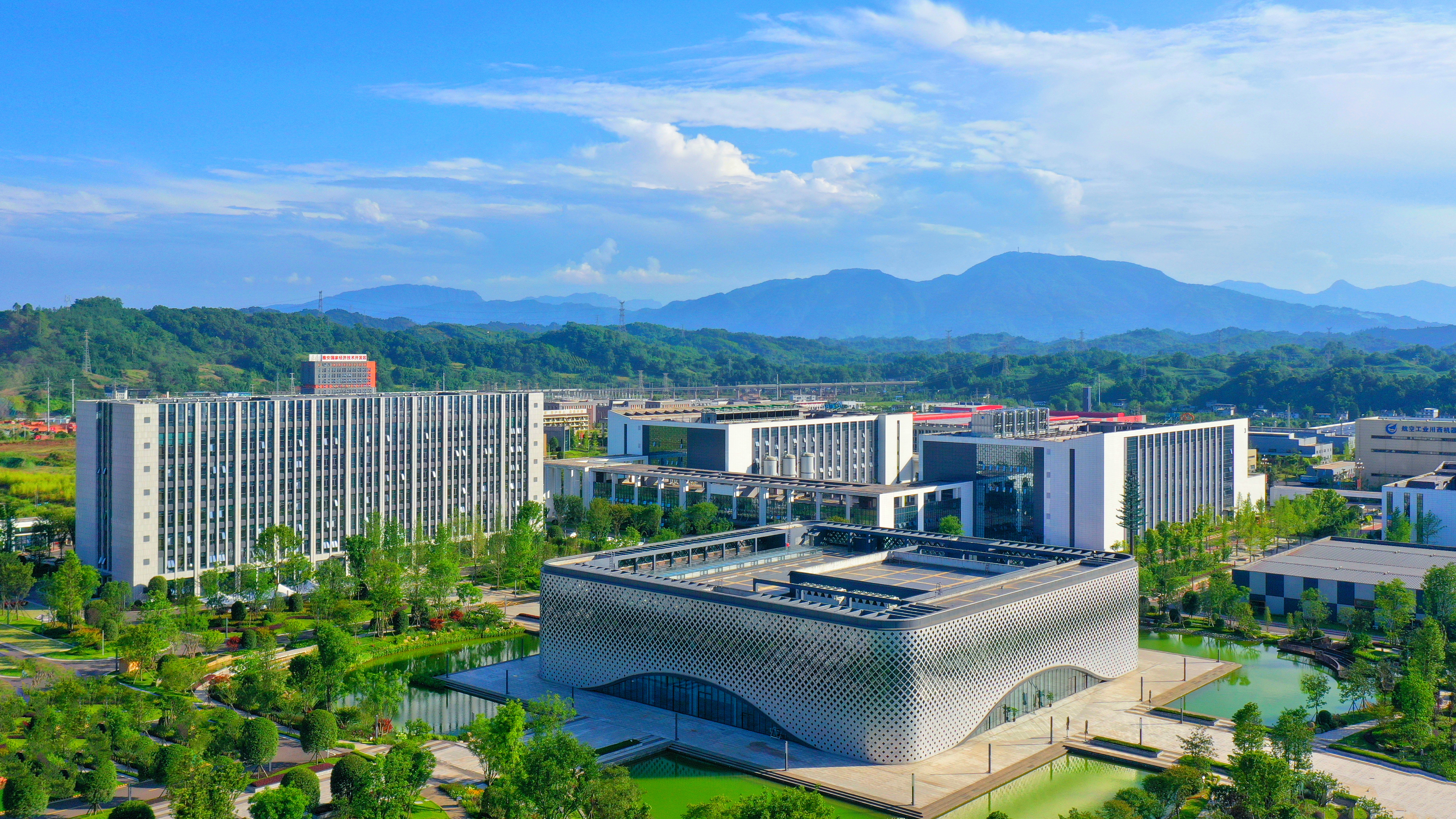
Modern Mianyang is a hub of scientific research and high-tech industry, hosting major aerospace and nuclear research facilities. This unique combination of ancient poetry and cutting-edge technology creates a city unlike any other in China.

History & Development

Mianyang's history spans over 2,200 years, with records dating to the Han Dynasty. The city's location in the fertile Chengdu Plain made it an agricultural center and cultural waypoint.

The most famous historical figure associated with Mianyang is Li Bai (701-762), the "Poet Immortal" of the Tang Dynasty. Born in what is now Jiangyou, near Mianyang, his romantic verses about nature, wine, and wanderlust shaped Chinese literary tradition. His poem "Quiet Night Thought" remains the most memorized verse in Chinese history.

The region developed as a military and agricultural center throughout imperial times. Its strategic position connecting the Sichuan Basin with the Tibetan plateau made it important for trade and defense.

In the modern era, Mianyang became central to China's scientific development. The establishment of research institutions in the 1960s began its transformation into China's premier science city, a role it continues today.

Economy & Industries

Mianyang's economy is driven by high-tech industry, research institutions, and manufacturing. As China's only designated "Science City," it hosts major aerospace, nuclear, and electronics research facilities.

The city's GDP exceeds 300 billion yuan, with technology sectors contributing significantly. Major industries include electronic components, aerospace manufacturing, and new materials research. Several national-level research institutes are headquartered here.

Agriculture remains important in surrounding areas, with rice, wheat, and specialty crops supporting local food processing industries. Mianyang's culinary traditions, including preserved meats and noodles, have commercial value.

Tourism connected to Li Bai's heritage and gateway access to Jiuzhaigou and other natural attractions contributes to the service economy.
Top Attractions

🎭 Museum

Li Bai Memorial Hall

A museum and memorial complex dedicated to Li Bai, the great Tang poet associated with Jiangyou near Mianyang. Exhibitions introduce his life, poems, travels, calligraphy culture, and the local landscapes that shaped his romantic imagination.

★★★★ 4.5
🕐 9:00 AM-5:00 PM
🎫 Free
🏔️ Nature

Fule Mountain

A green mountain park close to the urban area, known for quiet trails, historical pavilions, temple courtyards, and broad views over Mianyang. It works well as an easy half-day escape for visitors who want nature without leaving the city.

★★★★ 4.4
🕐 8:00 AM-6:00 PM
🎫 Free
🏛️ Landmark

Yuewang Tower

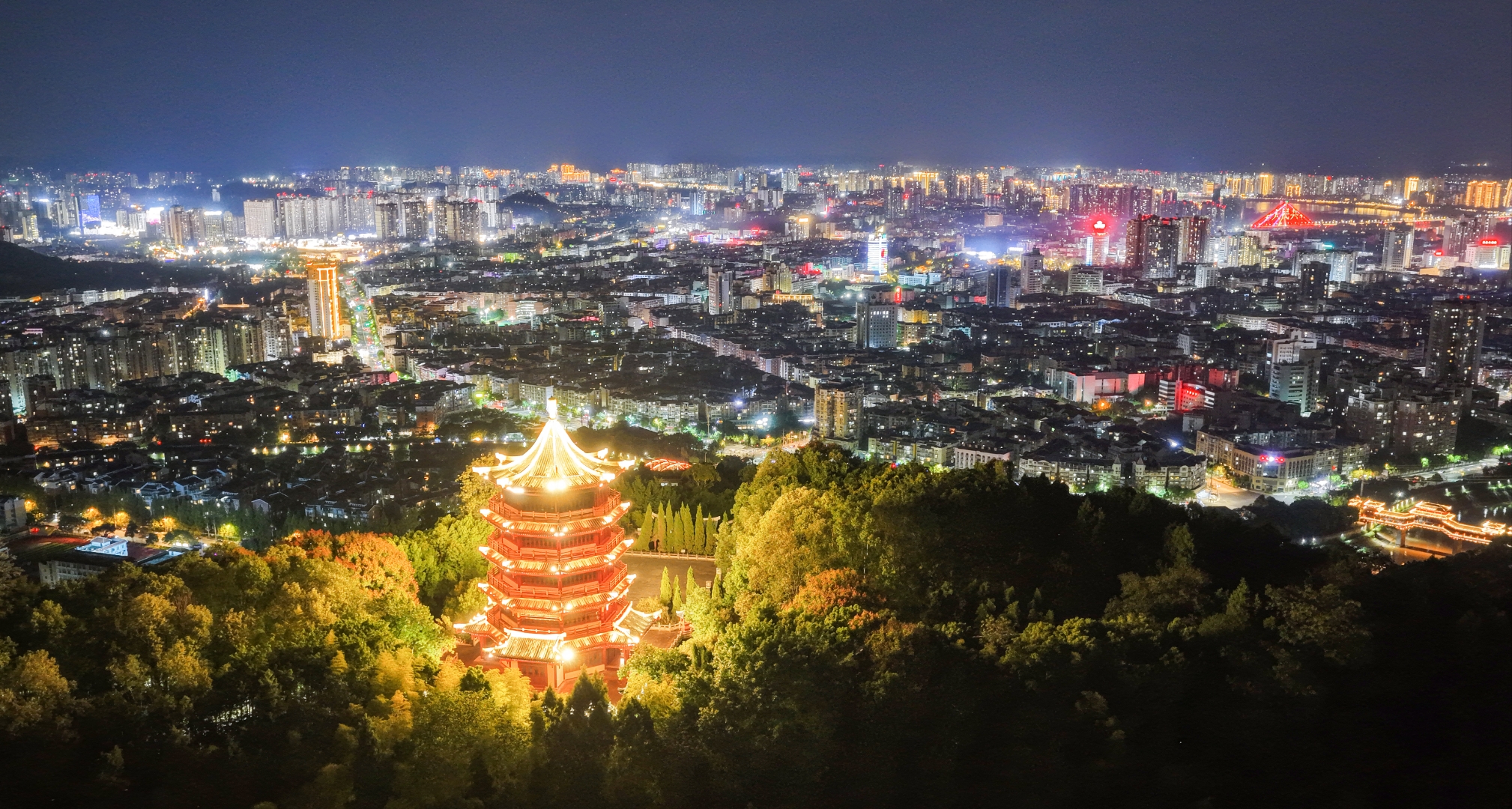
A landmark tower on the Fujiang River, rebuilt to celebrate Mianyang's literary and regional heritage. The tower is especially attractive at dusk, when lights come on along the river and the city skyline opens below.

★★★★ 4.3
🕐 9:00 AM-9:00 PM
🎫 ¥30
🎭 Museum

Mianyang Museum

The main museum for understanding Mianyang's regional history, from ancient settlement and Han-era remains to local folk culture and modern city development. It is a useful first stop before visiting Jiangyou, Beichuan, or the surrounding mountain areas.

★★★★ 4.3
🕐 9:00 AM-5:00 PM (Closed Mondays)
🎫 Free
⛩️ Temple

Shengshui Temple

An old Buddhist temple known for spring water, carved statues, incense halls, and a calm hillside setting. It is not as famous as Mianyang's larger landmarks, but offers a quieter look at local religious life and traditional architecture.

★★★★ 4.4
🕐 8:00 AM-5:00 PM
🎫 Free
🏛️ Landmark

Beichuan Qiang City

A cultural area introducing Qiang architecture, watchtowers, embroidery, music, food, and mountain village traditions. It is one of the best places near Mianyang to understand the cultures of western Sichuan beyond the Chengdu Plain.

★★★★ 4.2
🕐 8:00 AM-6:00 PM
🎫 ¥90
🏔️ Nature

DouChuan Mountain

A dramatic mountain landscape in Jiangyou, known for steep rock formations, cliffside paths, ancient temples, and Taoist-Buddhist heritage. The scenery is more rugged than Mianyang's urban parks and suits travelers who want a full mountain excursion.

★★★★ 4.3
🕐 8:00 AM-5:00 PM
🎫 ¥50

Food & Culture

Discover the culinary treasures of Mianyang, from traditional street food to imperial cuisine.

Things to Do

Li Bai Memorial Hall

Visit the museum dedicated to China's greatest poet at his birthplace.

Science City Tour

Learn about China's aerospace and nuclear research programs.

Fule Mountain

Hike this scenic mountain with temples and panoramic city views.

Mianyang Museum

Explore regional history from ancient times to modern science achievements.

🏛️

Jiangyou Ancient Town

Visit Li Bai's hometown with preserved Tang Dynasty atmosphere.

🍴

Local Food Tour

Sample Mianyang specialties like rice noodles and cured meats.

Getting Around

✈️

Airport

Mianyang Nanjiao Airport

🚄

High-Speed Rail

1.5 hours from Chengdu by high-speed rail

🚇

Metro

No metro

Best Time to Visit

🌸

Spring

Mar - May

★★★★★

Pleasant weather, flowers blooming. Ideal for outdoor activities.

  • Comfortable weather
  • Flower season
  • Hiking
☀️

Summer

Jun - Aug

★★★★☆

Warm and humid. Gateway to Jiuzhaigou's peak season.

  • Jiuzhaigou access
  • Mountain escapes
  • Summer fruits
🍂

Autumn

Sep - Nov

★★★★★

Cool, clear weather. Beautiful autumn colors in mountains.

  • Perfect weather
  • Autumn foliage
  • Harvest season
❄️

Winter

Dec - Feb

★★★☆☆

Cold but mild compared to northern China. Fewer tourists.

  • Fewer crowds
  • Hot pot season
  • Winter scenery

Continue Exploring China

Discover more cities, food guides, and travel inspiration.