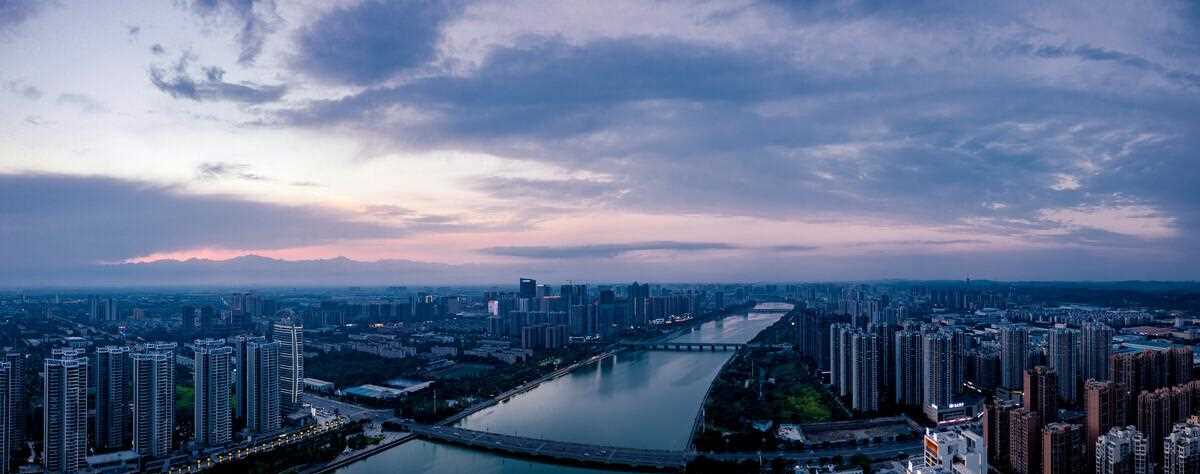
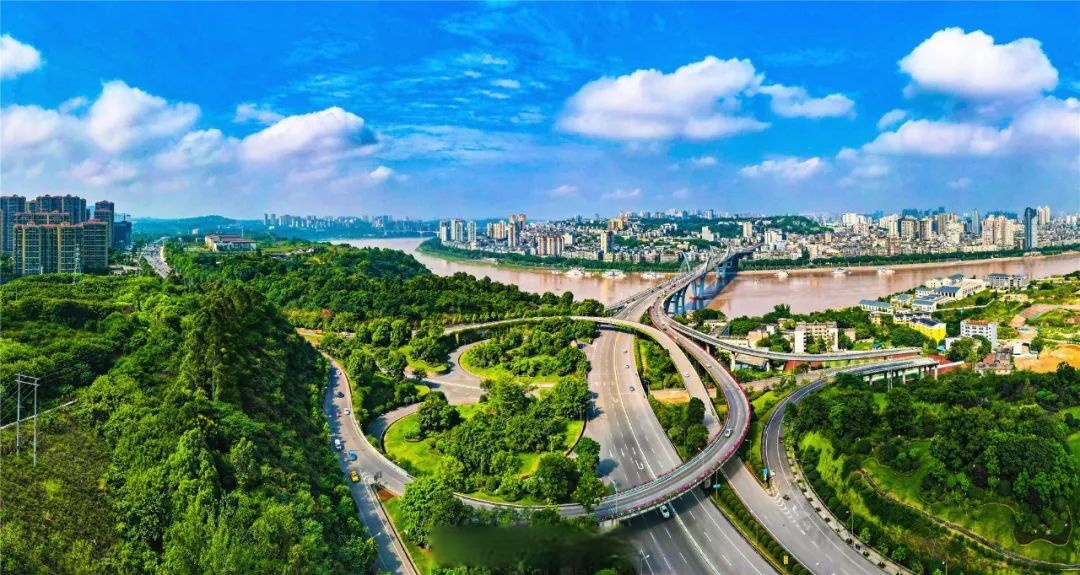
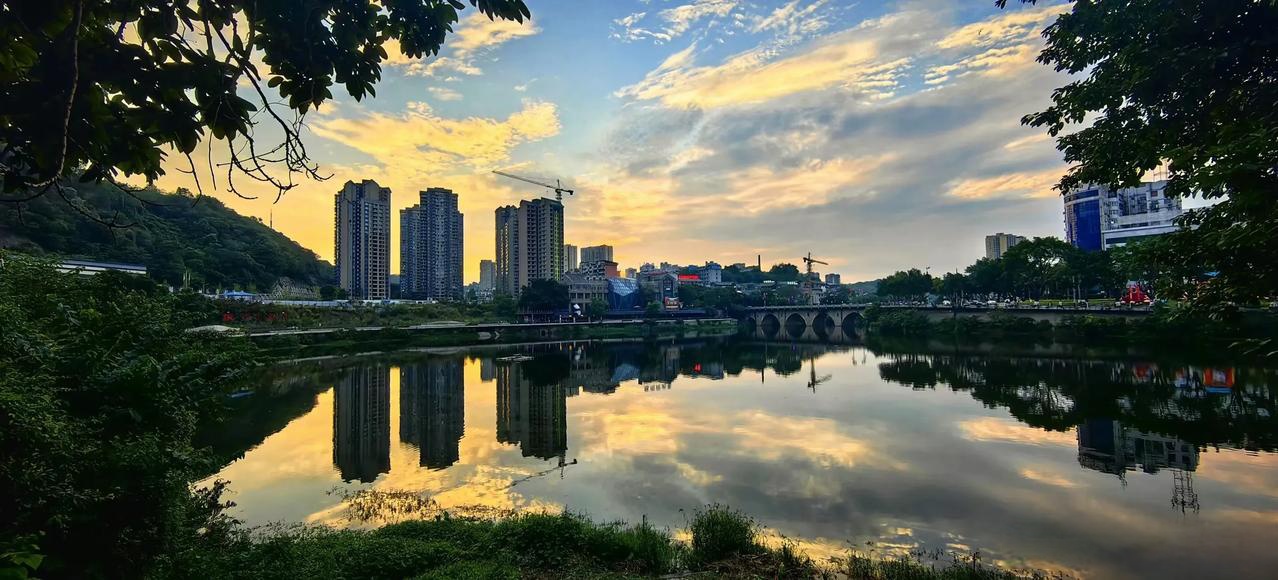
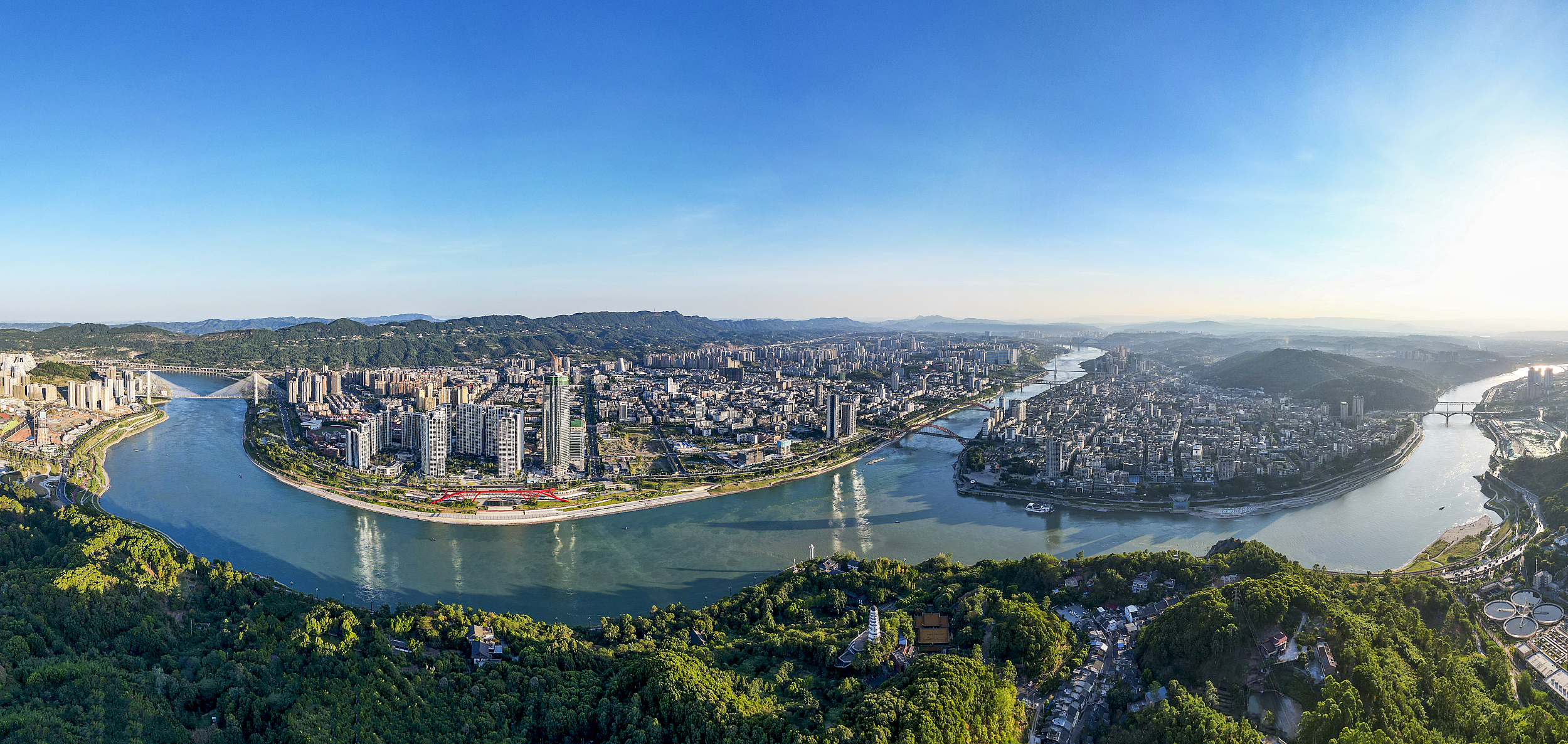
Nanchong's history is closely intertwined with the Jialing River and the ancient Ba-Shu civilization. Archaeological evidence suggests human habitation in the area dating back to the Neolithic period.
Langzhong, the ancient town within Nanchong, was established as a county in 314 BC during the Qin Dynasty. Due to its strategic location on the Jialing River, it became an important military garrison and trading post.
During the Three Kingdoms period (220-280 AD), the famous general Zhang Fei was stationed in Langzhong for seven years to guard the entrance to Sichuan. His presence left an indelible mark on the city's cultural identity, and the Zhang Fei Temple remains a major pilgrimage site.
In the Tang Dynasty, Langzhong flourished as a regional capital and cultural center. The town's unique Fengshui layout was refined during this period, with streets aligned according to geomantic principles.
The silk industry developed during the Song Dynasty, and by the Ming and Qing dynasties, Nanchong had become one of China's most important silk production centers. The region's mulberry trees and silkworm breeding supported a thriving textile industry.
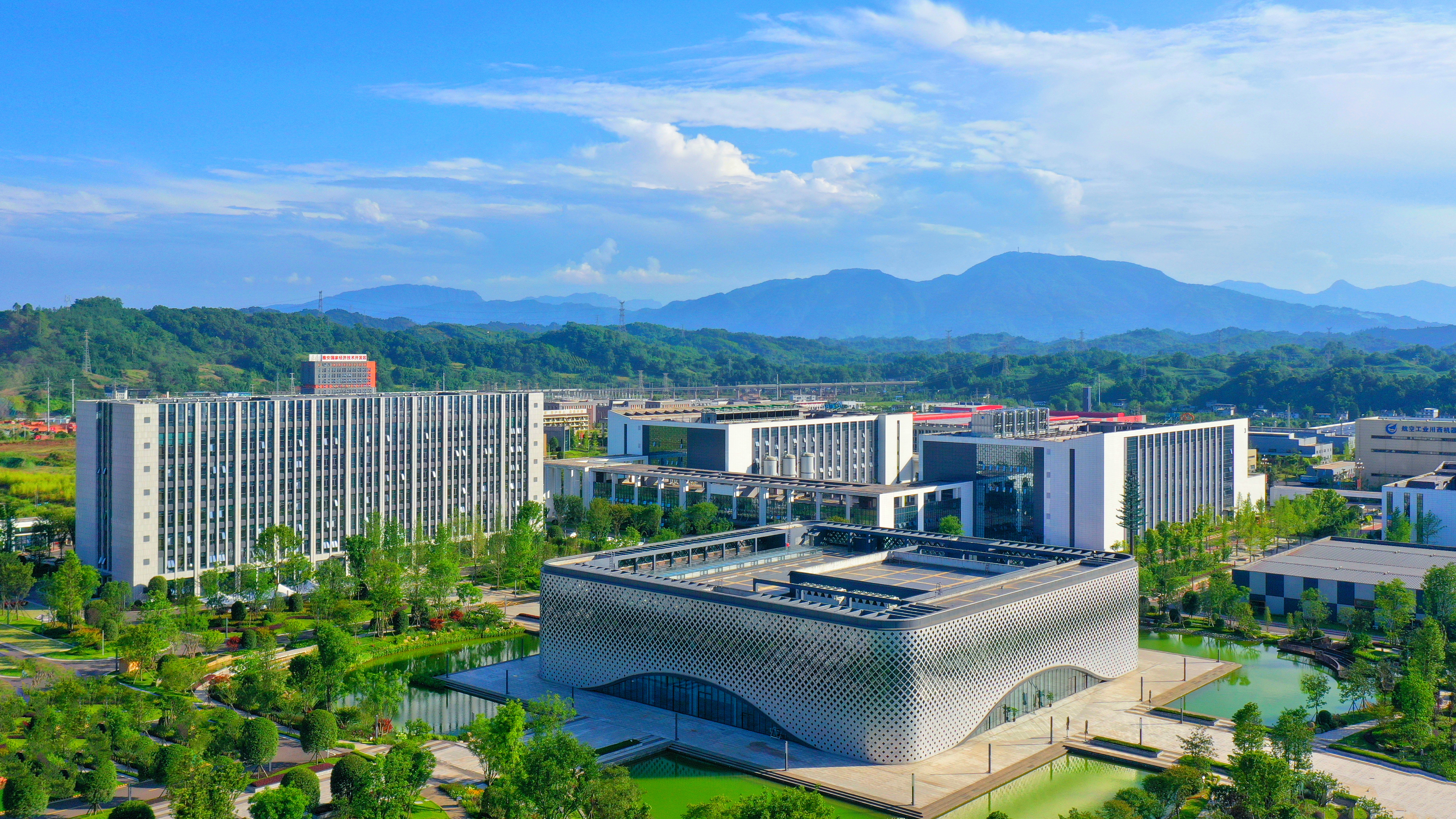
During the 20th century, Nanchong continued to develop its silk industry while also expanding into other sectors. Today, it remains an important economic center in northeastern Sichuan.