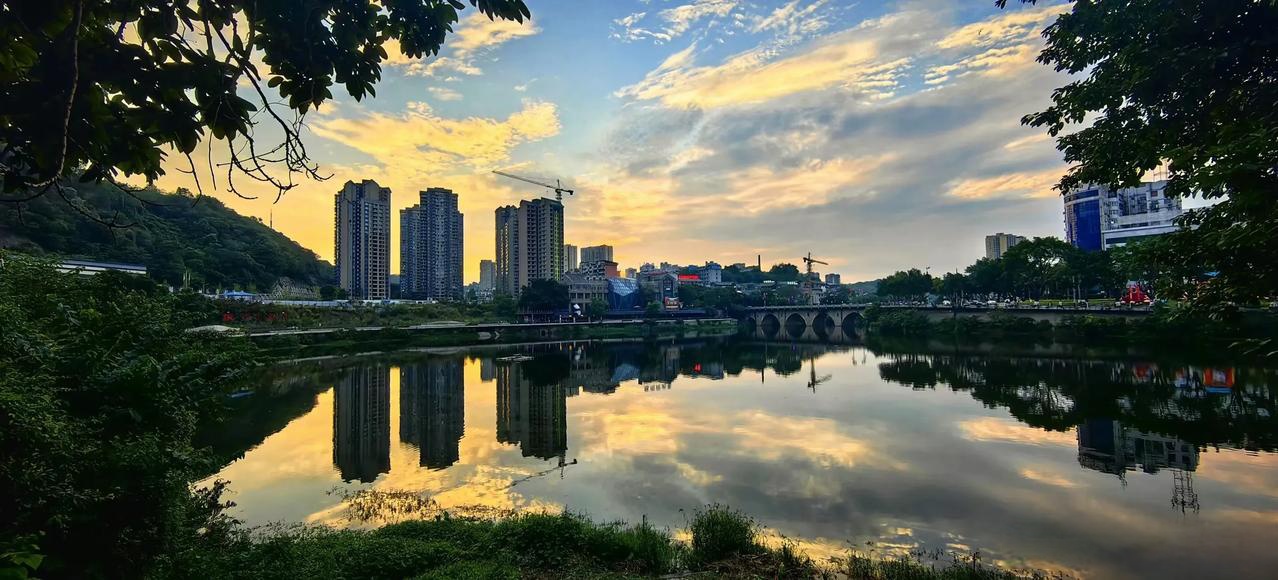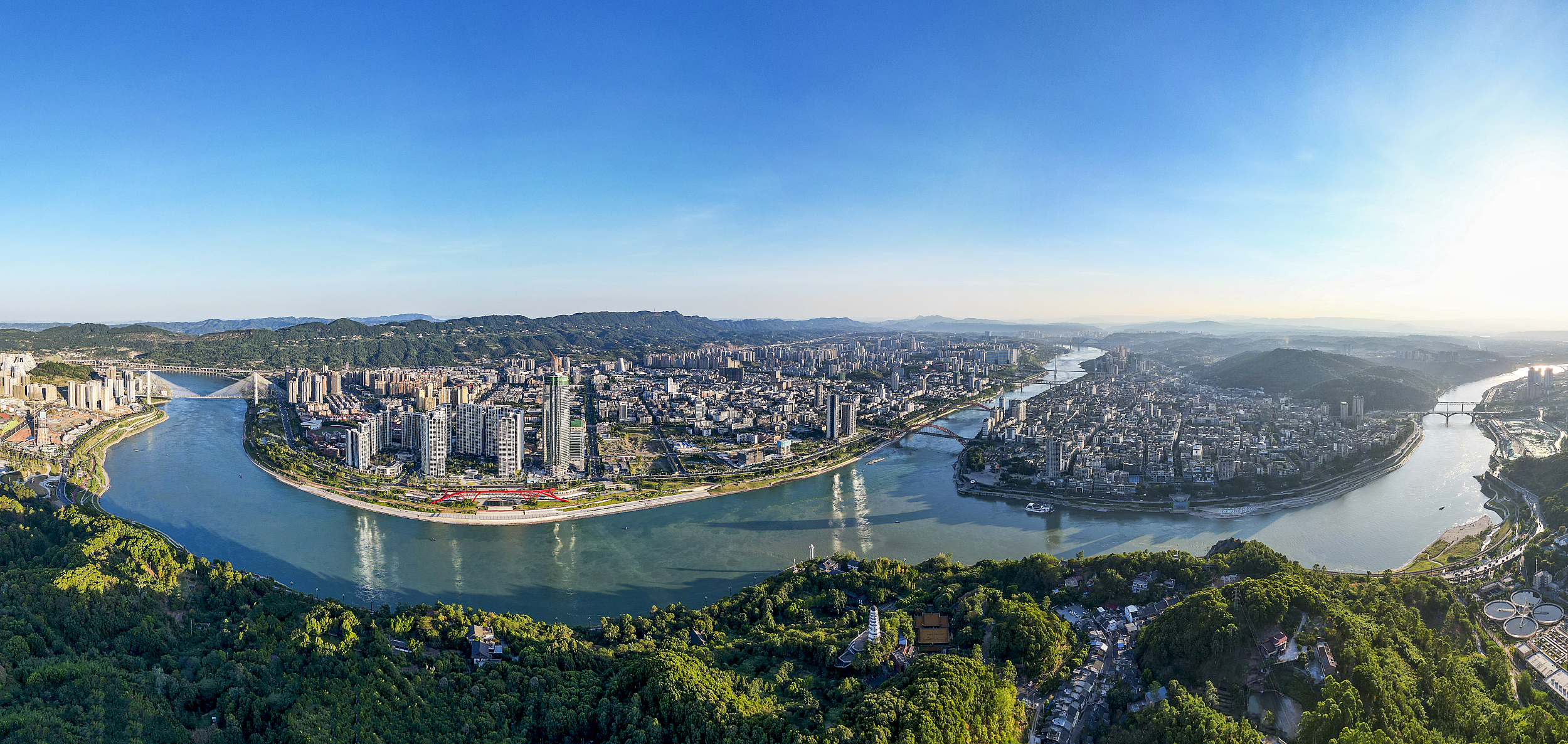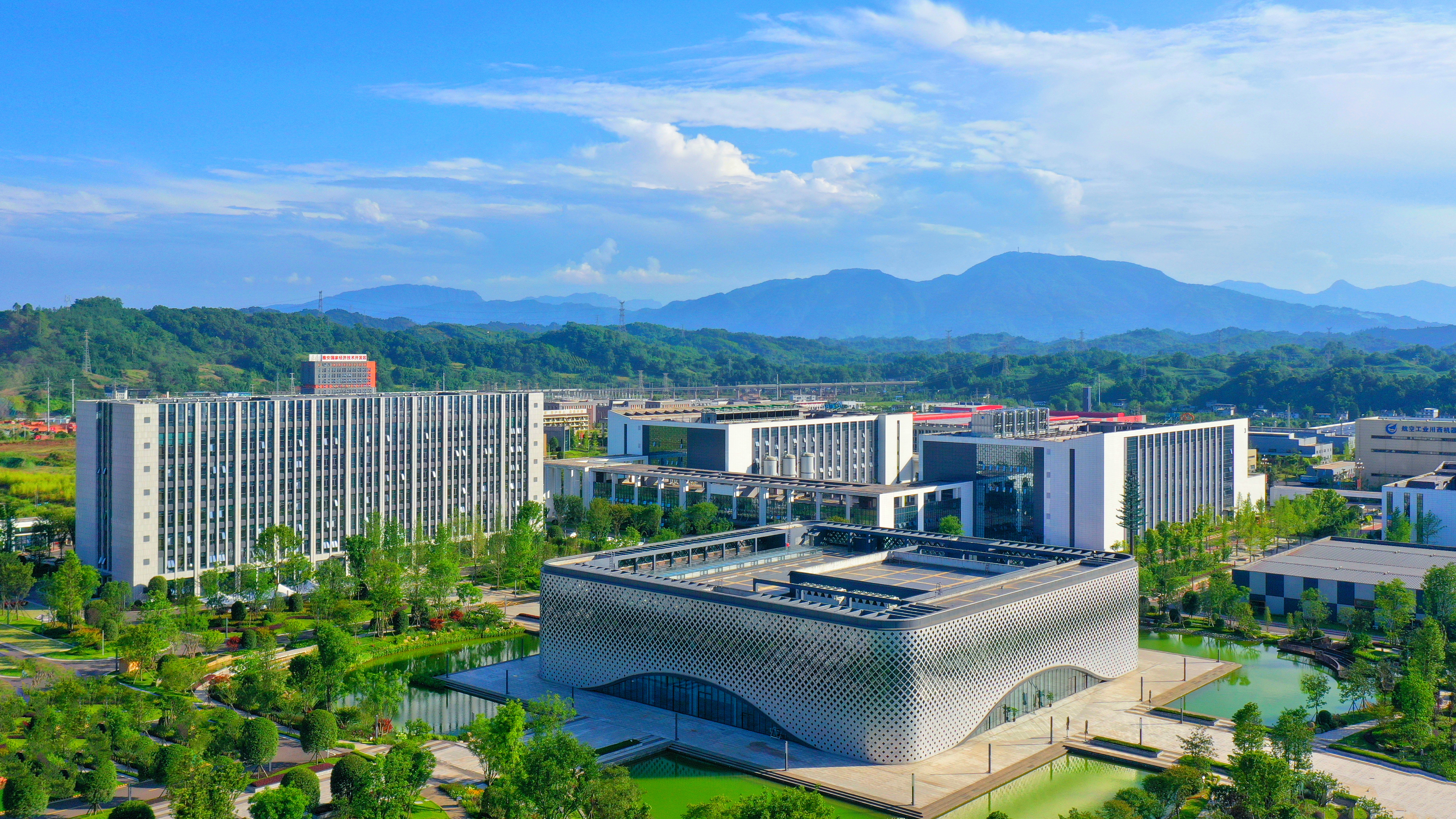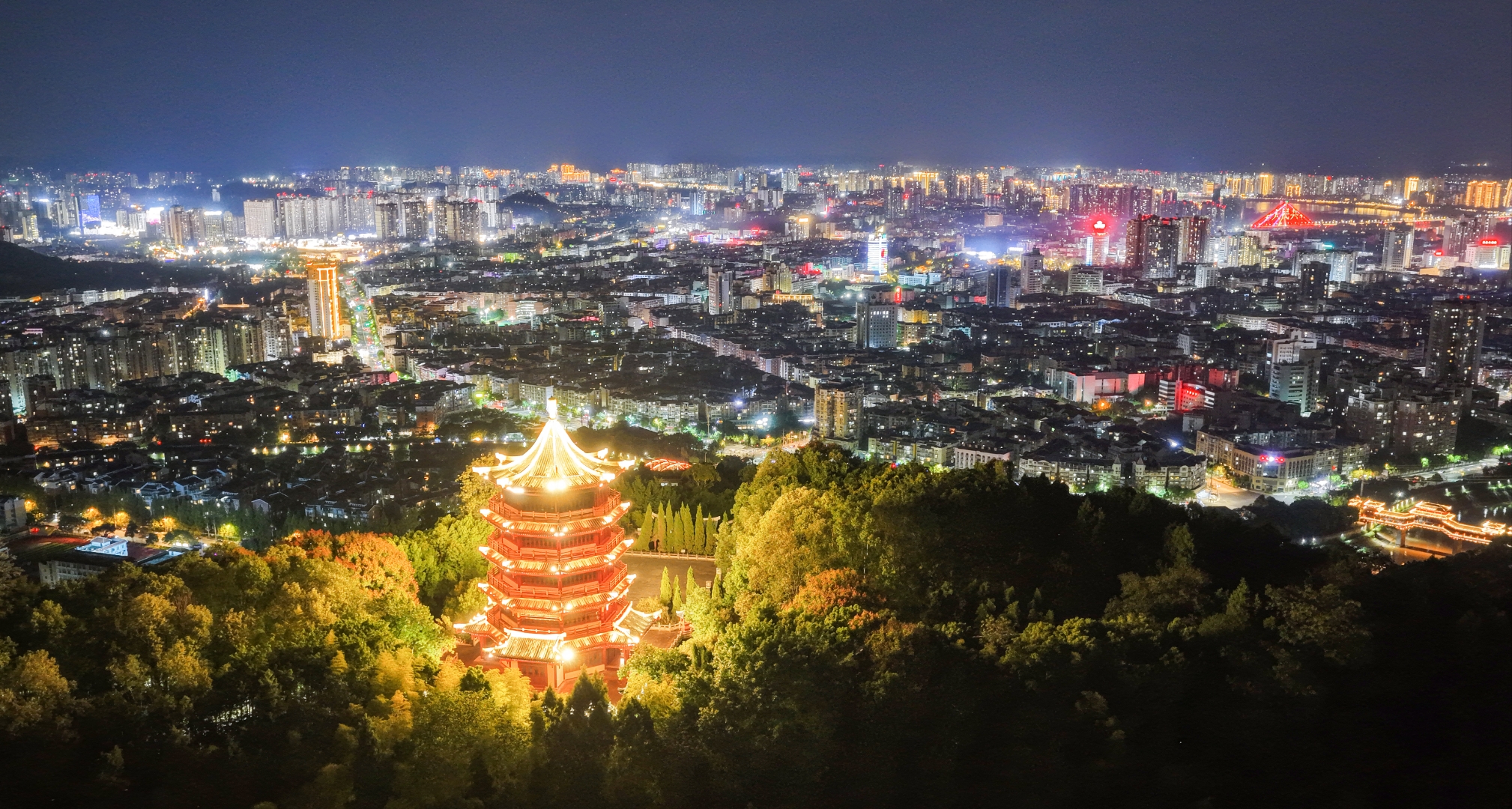
Leshan city skyline and landmarks (乐山) - Travel China Guide

Leshan Travel Guide

Home to the world-famous Leshan Giant Buddha, a 71-meter-tall Tang dynasty statue carved into a cliff face at the confluence of three rivers.

🌡️ Climate Subtropical monsoon, mild winters and warm summers
📅 Best Time Spring (Mar-May) and Autumn (Sep-Nov)

About

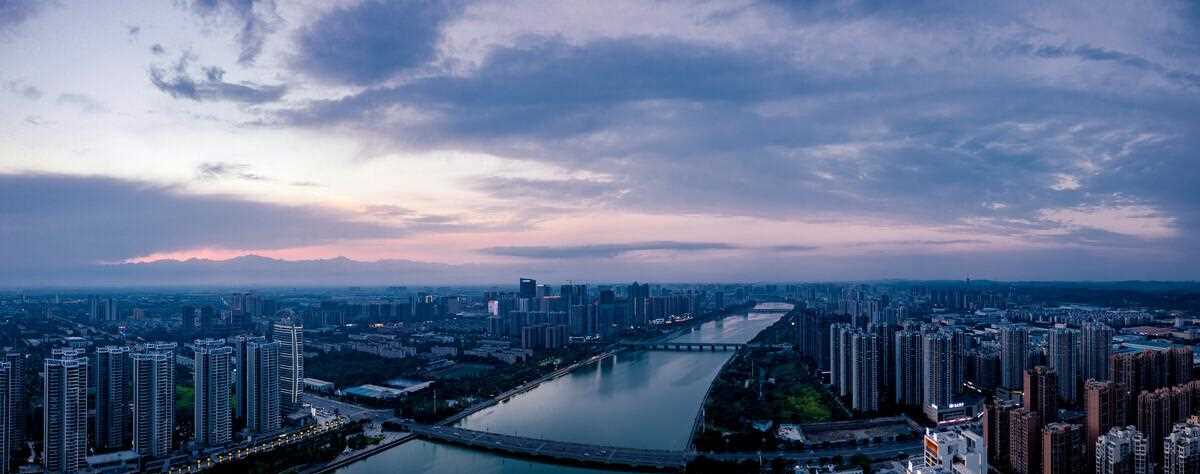
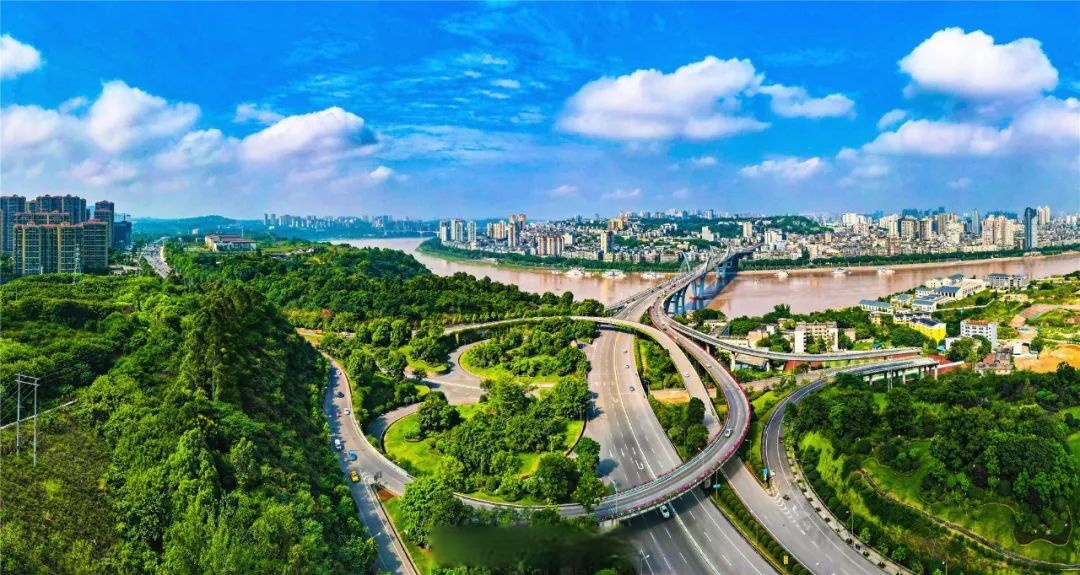
Leshan sits at the confluence of the Min, Dadu, and Qingyi rivers in south-central Sichuan, where the rivers emerge from the mountains onto the Chengdu Plain. The city is defined by water, stone, and faith: its landscape was carved by the same rivers that shaped its history as a transport hub and pilgrimage center.

The Leshan Giant Buddha — a 71-meter sandstone colossus carved between 713 and 803 AD — anchors the city identity. Built to calm the treacherous waters where three rivers meet, the Buddha fulfilled both a spiritual and practical purpose: the stone debris from carving was deposited into the river, altering the current and making the waters safer for passing ships. Today, the statue is a UNESCO World Heritage site and a defining symbol of Chinese Buddhist art.

👥
Population ~3.16 million
📐
Area ~12,827 km²
💬
Language Mandarin, Sichuan dialect

History & Development

Leshan history spans over 3,000 years. During the Warring States period, it was part of the Shu kingdom. The region became the Qianwei Commandery under the Qin dynasty and later Nan'an county under the Han.

The most significant event in Leshan history began in 713 AD when the Tang dynasty monk Haitong initiated the carving of the Giant Buddha. Haitong spent 20 years raising funds for the project, and when local officials tried to extort money from him, he reportedly gouged out his own eyes to demonstrate his resolve. The project was completed by his disciples 90 years later.

Mount Emei, located 40 kilometers west of Leshan, became one of China most important Buddhist centers during the Tang and Song dynasties. The mountain was designated a UNESCO World Heritage site in 1996. In modern times, Leshan has grown into a major tourism destination and light manufacturing center.

Economy & Industries

Leshan economy is anchored by tourism, which attracts over 50 million visitors annually to the Giant Buddha and Mount Emei. The tourism sector drives hospitality, dining, retail, and transportation services throughout the region.

Hydropower generation along the Min River is a significant industry, with several dams and hydroelectric stations operating in the prefecture. Agriculture plays an important role, with Leshan being a major producer of tea (particularly Zhuyeqing tea), bamboo shoots, and fruits.

Food processing is growing, driven by the popularity of Leshan cuisine across China. The city also has a developing pharmaceutical and new materials manufacturing sector. GDP reached approximately ¥220 billion in 2024.

Top Attractions

🏛️ Landmark

Leshan Giant Buddha

A 71-meter-tall stone statue of Maitreya Buddha carved into a cliff at the confluence of the Min, Dadu, and Qingyi rivers. Construction began in 713 AD during the Tang dynasty and took 90 years to complete. It is the largest stone Buddha in the world.

★★★★ 4.9
🕐 8:00 AM - 6:00 PM (Apr-Oct), 8:00 AM - 5:30 PM (Nov-Mar)
🎫 80 yuan
🏔️ Nature

Mount Emei

One of the four sacred Buddhist mountains of China, standing at 3,099 meters. The mountain features spectacular natural scenery, ancient temples, and the famous Golden Summit with its massive Buddha statue and sea of clouds.

★★★★ 4.8
🕐 6:00 AM - 6:00 PM
🎫 160 yuan (peak season)
🏛️ Landmark

Jiajiang Thousand Buddha

An ancient cliff-side complex featuring thousands of Buddhist statues carved during the Tang and Song dynasties along the bank of the Qingyi River. The carvings vary in size from a few centimeters to several meters tall.

★★★★ 4.4
🕐 8:00 AM - 5:30 PM
🎫 50 yuan
🏔️ Nature

Heizhugou Valley

A pristine nature reserve known as China's Bermuda Triangle for its mysterious fog and unexplored forests. Features waterfalls, hot springs, rare wildlife including giant pandas, and spectacular alpine scenery.

★★★★ 4.3
🕐 8:00 AM - 5:00 PM
🎫 60 yuan
🏛️ Landmark

Jiayang Steam Train

A narrow-gauge steam railway that still operates daily through the Sichuan countryside. Originally built in 1958 to transport coal, it now carries tourists through rapeseed flower fields and mountain villages.

★★★★ 4.5
🕐 Departures at 10:30 AM and 2:30 PM
🎫 80 yuan
🎭 Museum

Guo Moruo Former Residence

The former home of Guo Moruo, one of modern China's most influential writers, poets, and historians. The well-preserved courtyard house displays his manuscripts, letters, and personal belongings.

★★★★ 4.2
🕐 9:00 AM - 5:00 PM (Closed Mondays)
🎫 Free

Food & Culture

Discover the culinary treasures of Leshan, from traditional street food to imperial cuisine.

Things to Do

🏛️

Giant Buddha Viewing

Take the staircase carved beside the Buddha from head to toe, then cross the river for the classic full-body photo angle.

Mount Emei Sunrise

Rise early and take the cable car to the Golden Summit for the spectacular sea of clouds and sunrise over the sacred mountain.

River Cruise

Take a nighttime cruise on the three rivers to see the illuminated Giant Buddha and the city skyline reflected on the water.

🍴

Street Food Tour

Explore the night markets near Zhanggong Bridge sampling Bobo Chicken, Sweet Skin Duck, and Qiaojiao Beef.

Steam Train Ride

Ride the vintage Jiayang steam train through rapeseed flower fields in spring or green rice paddies in summer.

Getting Around

✈️

Airport

Chengdu Shuangliu International Airport (CTU) or Chengdu Tianfu International Airport (TFU) — both about 1.5 hours by car. Leshan also has a regional airport under expansion.

🚄

High-Speed Rail

Leshan Railway Station has frequent high-speed trains to Chengdu (~1 hour), Xi'an, Guiyang, and other major cities. The Chengdu-Leshan high-speed rail line is one of the busiest in Sichuan.

🚇

Metro

No metro. Public buses, taxis, and ride-hailing apps are the main urban transport options. Buses connect the city to the Giant Buddha scenic area and Mount Emei.

Best Time to Visit

🌸

Spring

Mar - May

★★★★★

Mild temperatures and blooming flowers. Perfect for hiking Mount Emei and visiting outdoor attractions. The rapeseed flowers around Jiayang are at their peak.

  • Comfortable weather
  • Blooming flowers
  • Steam train flower season
☀️

Summer

Jun - Aug

★★★★☆

Warm and humid with occasional rain. Good time to escape the heat at Mount Emei and Heizhugou. Peak tourist season at the Giant Buddha.

  • Mount Emei escape
  • Lush greenery
  • Summer fruits
🍂

Autumn

Sep - Nov

★★★★★

Cool, clear weather with stunning autumn foliage on Mount Emei. The clearest views of the Giant Buddha. Best season for photography.

  • Clear skies
  • Autumn foliage
  • Best Buddha views
❄️

Winter

Dec - Feb

★★★☆☆

Cold but mild compared to northern China. Snow on Mount Emei summit creates a magical landscape. Fewer tourists and lower prices.

  • Snow scenery on Emei
  • Fewer crowds
  • Hot pot season

Travel Reminders

💡

Getting to the Buddha

Arrive early before 8 AM to beat the crowds. The queue for the plank road beside the Buddha can take 2+ hours during peak season.

💡

Food

Zhanggong Bridge Night Market is the best place to sample all Leshan specialties in one evening.

💡

Mount Emei

Wear warm clothing even in summer — the summit is 3,099 meters and can be very cold. Book accommodation on the mountain in advance.

Continue Exploring China

Discover more cities, food guides, and travel inspiration.