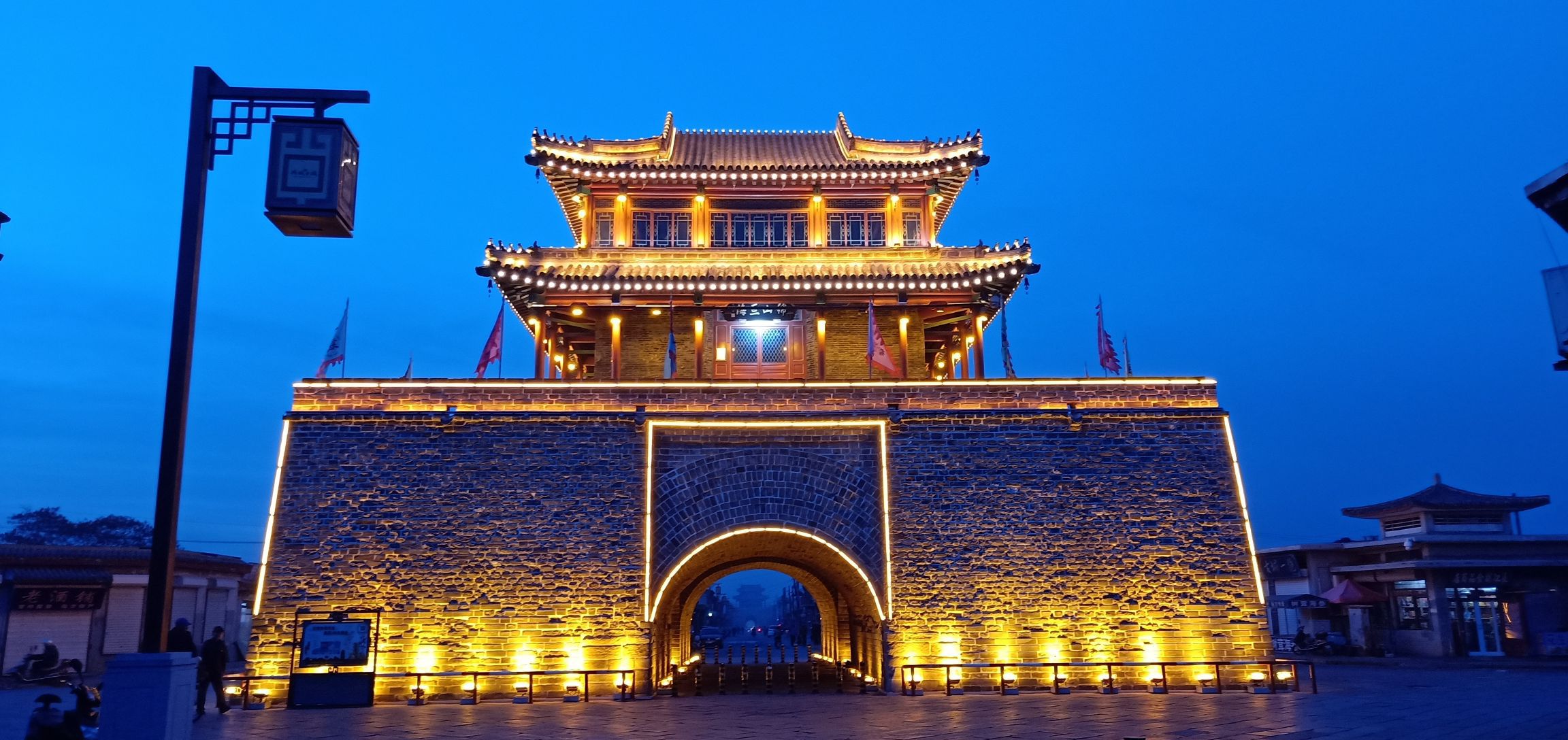
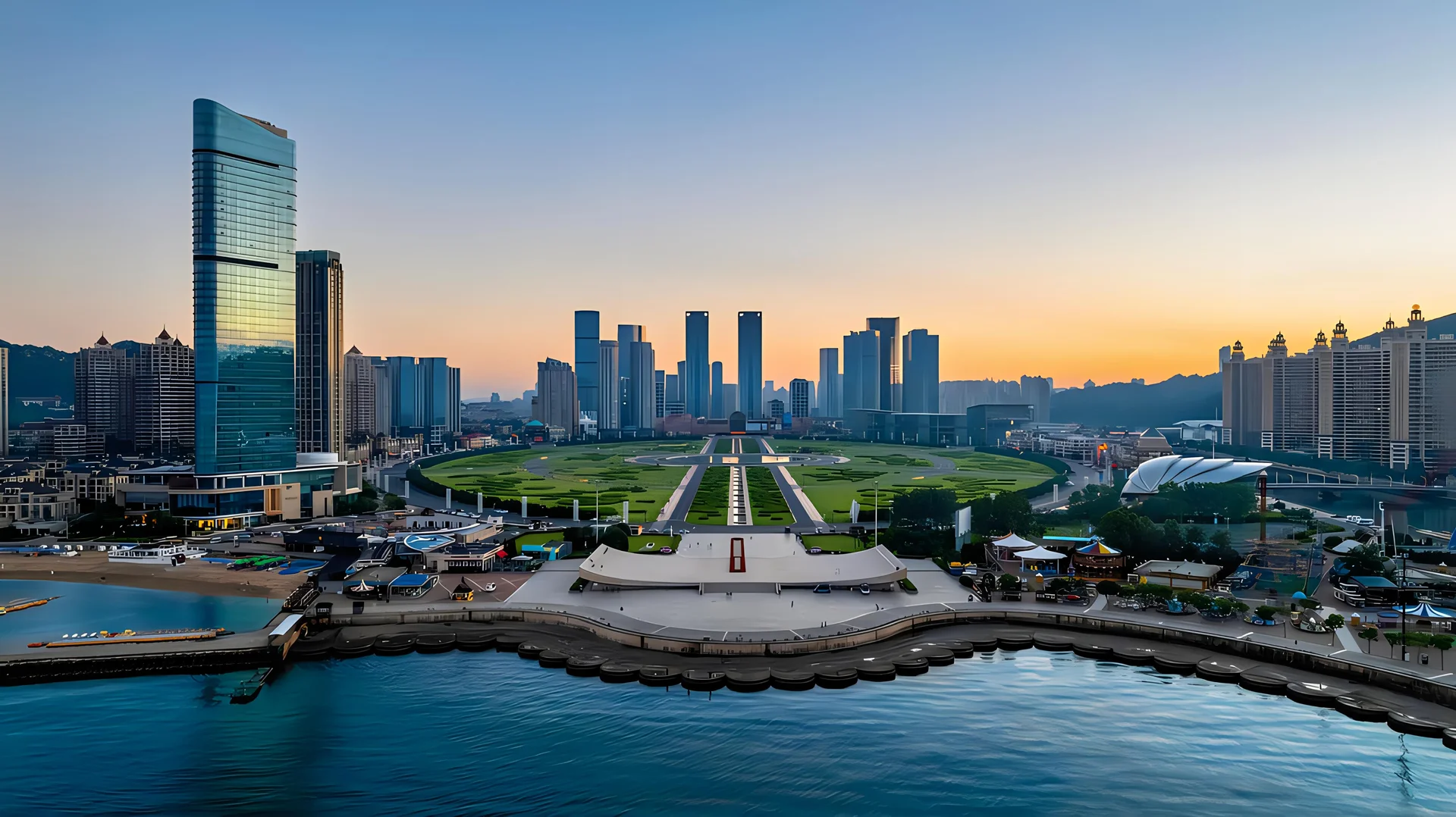
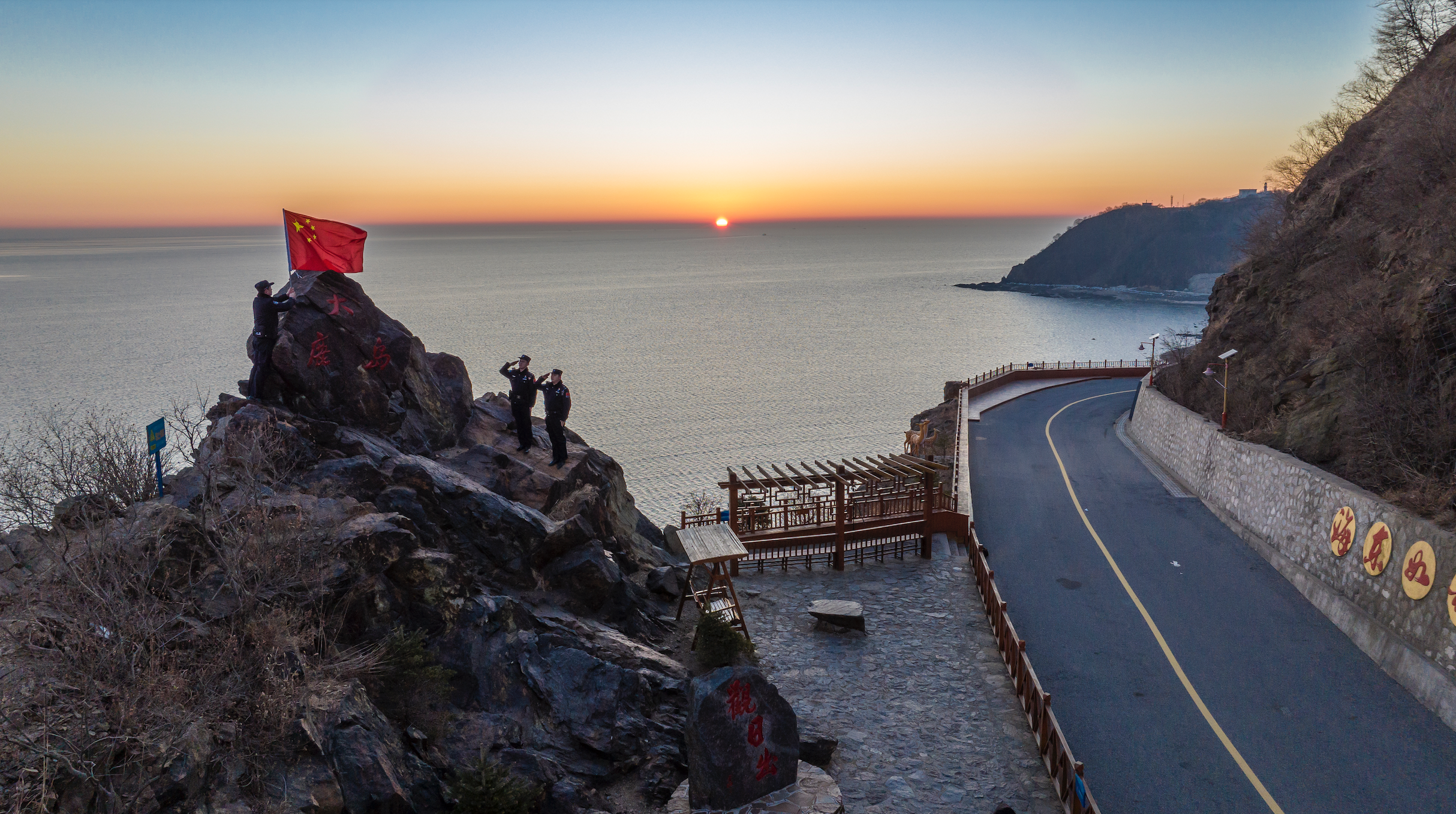
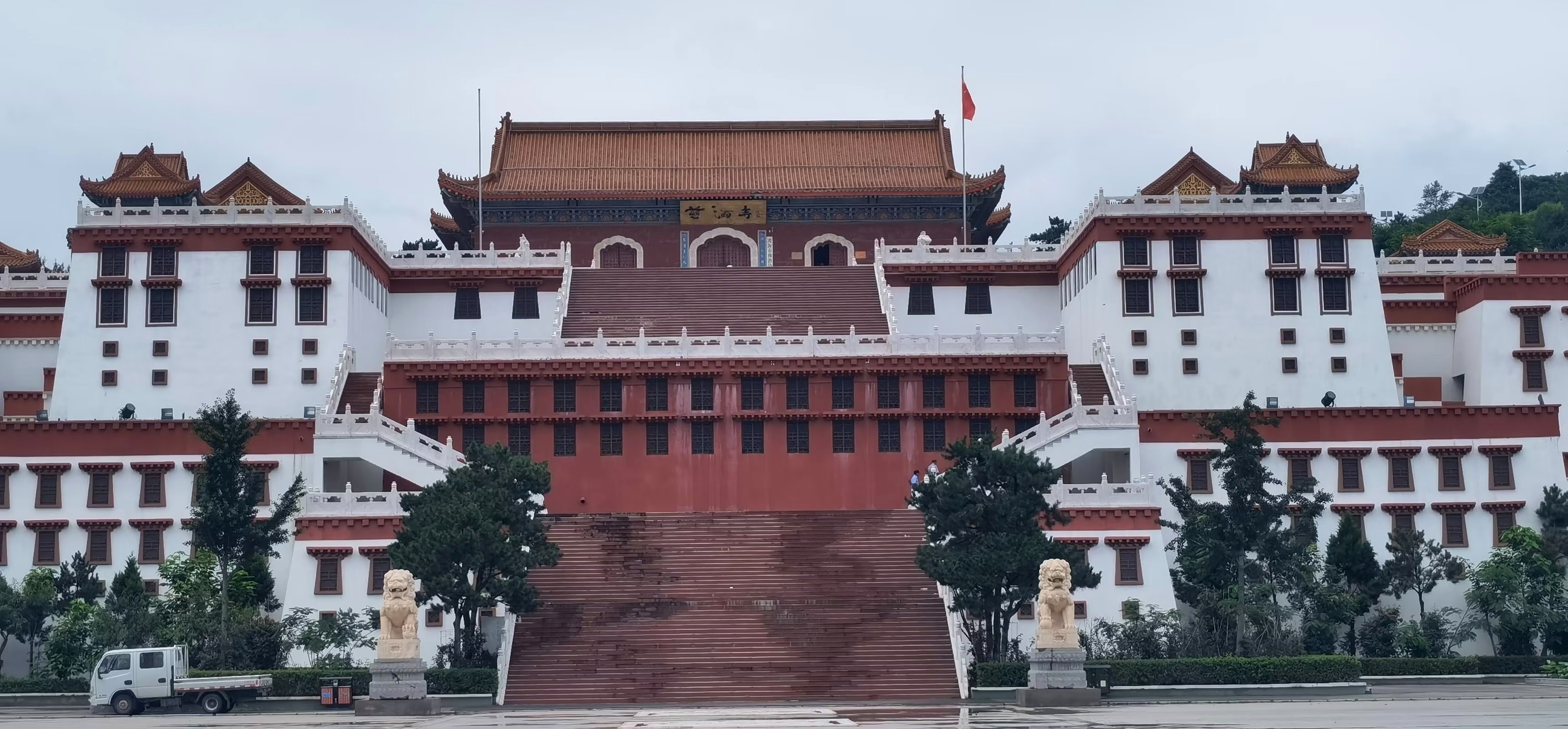
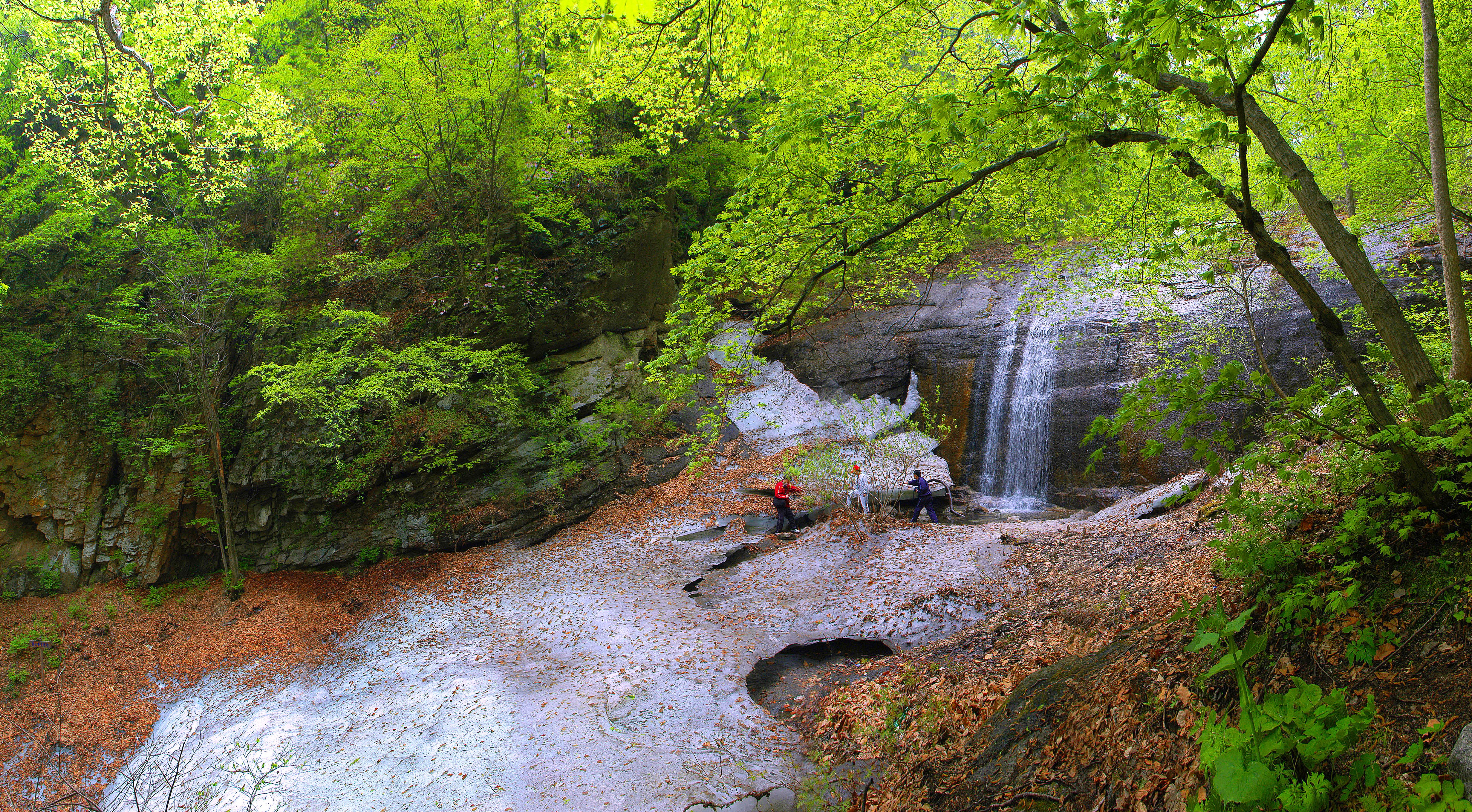
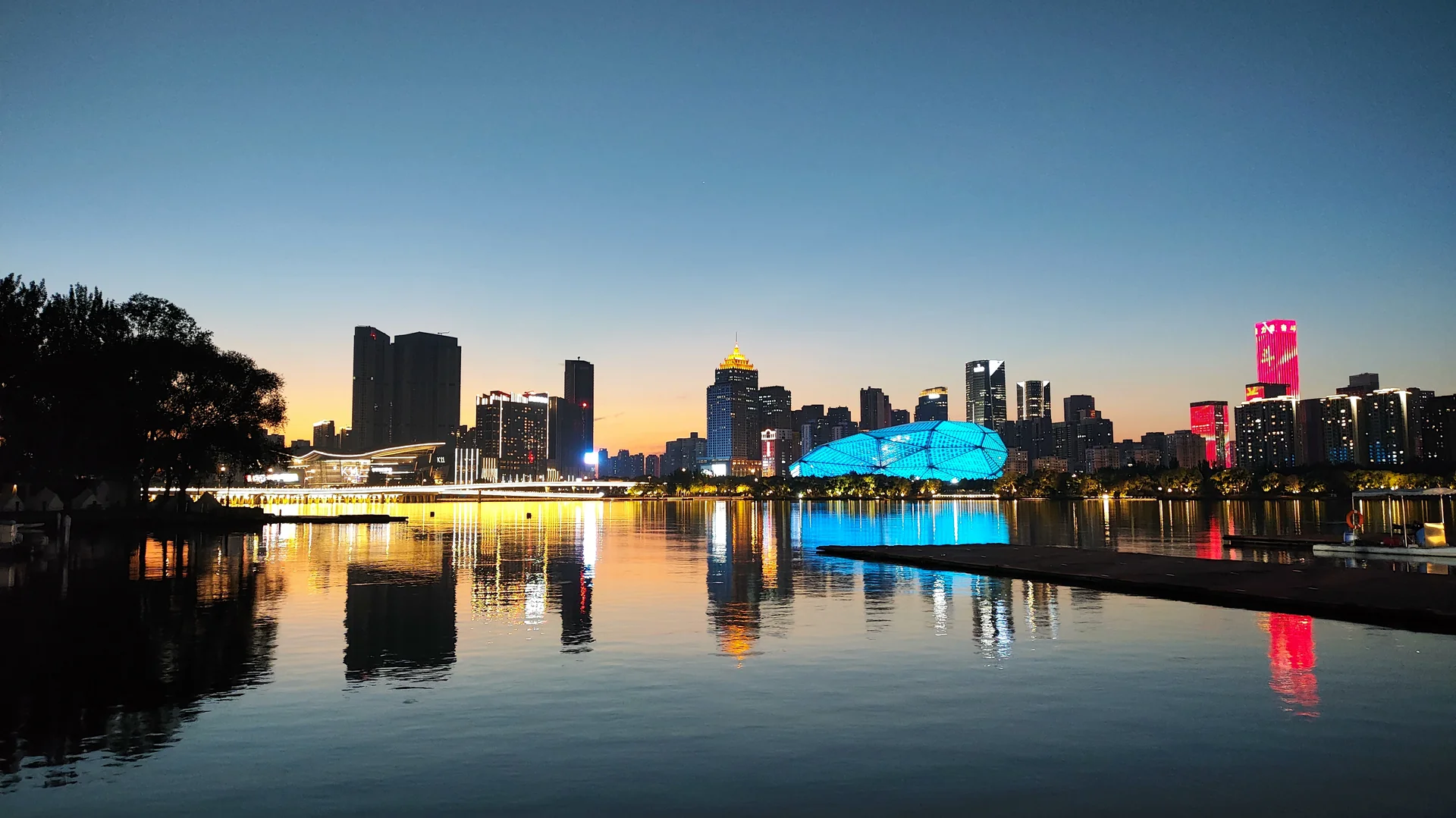
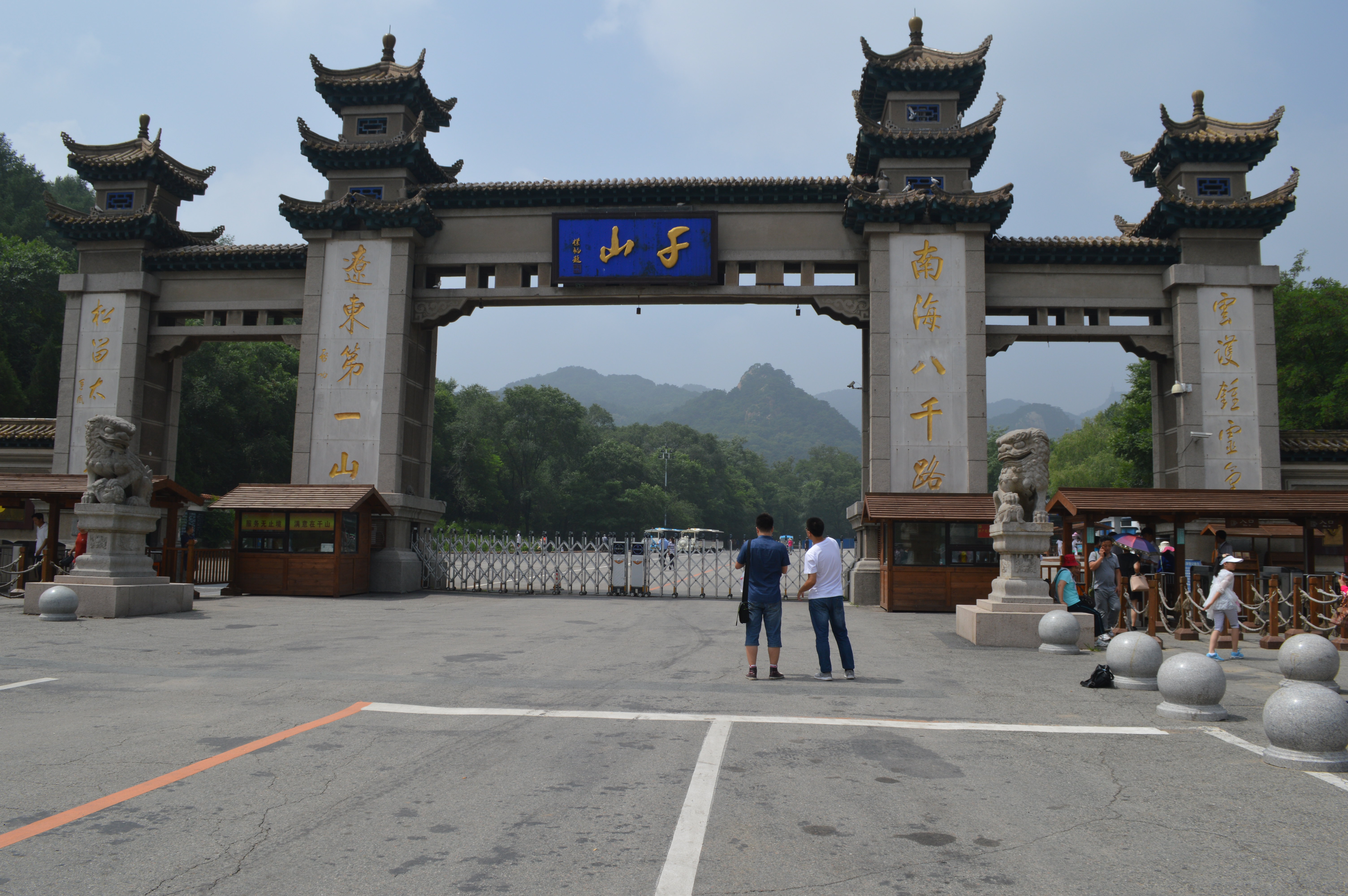
Yingkou city skyline and landmarks (营口) - Travel China Guide

Yingkou Travel Guide

A historic port city in Liaoning known for its deep-water harbor, European colonial architecture, and the Xianrendao Island resort.

About

Yingkou is a historic port city on the coast of Liaoning Province, strategically located at the mouth of the Liaohe River where it meets the Bohai Sea. With a history as one of China's earliest treaty ports, Yingkou combines colonial-era architecture, a world-class deep-water port, and growing coastal tourism.

The city's identity is deeply tied to its port. Yingkou Port is one of the top 10 ports in China by cargo tonnage, serving as the primary maritime gateway for Liaoning's heavy industries. The port complex spans the Bayuquan district, with massive container terminals, bulk cargo wharves, and logistics parks stretching along the coast.

Yingkou's Old Street preserves the architectural legacy of its treaty port era. Opened to foreign trade in 1861, the city hosted British, French, and Japanese concessions, leaving behind a collection of European-style buildings with distinctive arcaded walkways. These buildings house cafes, galleries, and shops, making the street a pleasant place for a stroll.

For leisure, Xianrendao Island offers sandy beaches and seaside resorts popular with summer visitors from across northeast China. Xiongyue Hot Springs provides a year-round spa destination with natural geothermal waters. The city's coastal location means seafood features prominently in the local cuisine, with fresh catches from the Bohai Sea available year-round.

History & Development

Yingkou's modern history began in 1861 when it was opened as one of China's first treaty ports under the Treaty of Tianjin (1858) following the Second Opium War. Foreign merchants established warehouses, banks, and trading houses along the Liaohe River waterfront. The British, French, and Japanese all established concessions in the city.

In the late 19th century, Yingkou became an early center of modern Chinese industry. The first textile mill in China to use modern machinery was established here in the 1890s. Soybean processing and export became a major industry, with Yingkou serving as the main shipping point for Manchurian soybeans to world markets.

Under Japanese occupation from 1931 to 1945, Yingkou's port was expanded to support Japan's industrial needs. After 1949, the city continued to develop as an industrial and port center under socialist planning.

The most dramatic transformation came after the 1980s economic reforms. Yingkou Port underwent massive expansion, particularly in the Bayuquan district, growing from a regional port to one of China's major maritime hubs. The city was designated a National Economic and Technological Development Zone in 1992, accelerating industrial growth.

Economy & Industries

Yingkou's economy, with a GDP of approximately 140 billion yuan, is dominated by port logistics, heavy industry, and a growing coastal tourism sector.

The Port of Yingkou is the economic engine, handling over 200 million tons of cargo annually. It is China's tenth-largest port and the second-largest in northeast China after Dalian. Major cargoes include iron ore, coal, steel products, containers, grain, and crude oil. The port's deep-water berths can accommodate 200,000-ton vessels, making it a key hub for bulk commodity shipping.

Heavy industry is concentrated in the Bayuquan district around the port. Steel production is significant, with Angang Steel's Bayuquan facility being one of China's most modern integrated steel mills. Shipbuilding, petrochemical processing, and equipment manufacturing are also important industrial sectors.

The Xiongyue Development Zone, south of the city, focuses on high-tech industries, pharmaceuticals, and food processing. The fertile coastal plain supports agriculture including corn, rice, and fruit production. Gaizhou watermelons are famous throughout Liaoning.

Tourism is an emerging economic sector. Xianrendao Island attracts beachgoers, Xiongyue Hot Springs draws wellness travelers year-round, and Yingkou Old Street appeals to cultural tourists. The city is developing its coastal tourism infrastructure to compete with more established destinations in the region.

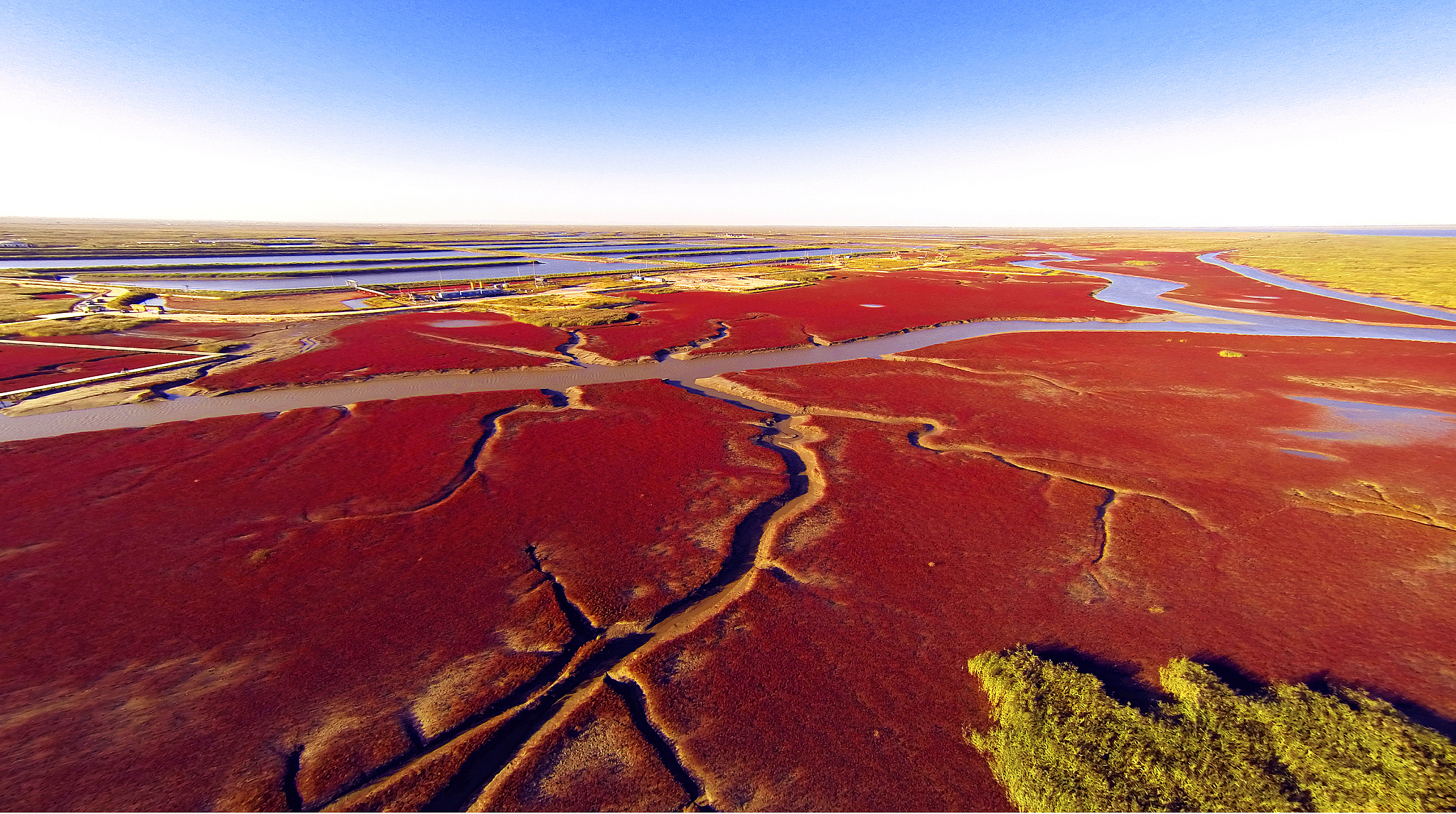
Top Attractions

🏔️ Nature

Xianrendao Island

A scenic coastal area on the Liaodong Peninsula, known for its sandy beaches, pine forests, and seaside resorts. The name means "Immortal Island," inspired by a local legend about Taoist immortals. The area offers swimming, beach volleyball, seafood dining, and sunset walks along the shoreline. It is the most popular beach getaway for residents of Liaoning's inland cities.

★★★★ 4.4
🕐 Open daily
🎫 Free
🏛️ Landmark

Yingkou Old Street

A restored historic street preserving Yingkou's treaty port heritage. The street is lined with early 20th-century European-style buildings, including former banks, trading houses, and consulates from the British, French, and Japanese concessions. The arcaded walkways, decorative facades, and cobblestone pavement create an atmosphere reminiscent of Shanghai's Bund in miniature.

★★★★ 4.3
🕐 Open daily, shops 9:00 AM-8:00 PM
🎫 Free
🏔️ Nature

Wang'er Mountain

A hill with a touching legend about a mother waiting for her son's return from sea, immortalized in a stone pagoda at the summit. The mountain is a cultural symbol of maternal love in China, featuring the Mother-Watching Tower, a memorial hall, and walking paths through flowering trees. The site is especially popular on Mother's Day.

★★★★ 4.2
🕐 8:00 AM-5:00 PM
🎫 30 yuan
🌳 Park

Beihai Ocean Park

A coastal park in the Bayuquan district featuring a long sandy beach, seaside boardwalk, and recreational facilities. The park includes an aquarium, water sports center, and beachfront dining. It is a popular summer destination for local families, with calm waters suitable for swimming and children's play areas.

★★★★ 4.1
🕐 8:00 AM-8:00 PM
🎫 Free
🏛️ Landmark

Liaohe Bridge

A stunning cable-stayed bridge spanning the Liaohe River, connecting Yingkou with Panjin city. The bridge is one of the longest of its kind in northeast China, illuminated at night with color-changing LED lights. The bridge offers panoramic views of the river estuary and is a popular spot for photography, especially at sunset.

★★★★ 4
🕐 Open 24 hours
🎫 Free
🏔️ Nature

Xiongyue Hot Springs

A natural hot spring resort town south of Yingkou, with numerous bathhouses, spa hotels, and outdoor pools fed by geothermal springs. The mineral-rich waters are reputed to have therapeutic benefits for skin and joints. The area is a popular weekend retreat year-round, surrounded by vineyards and fruit orchards.

★★★★ 4.3
🕐 Varies by facility, typically 9:00 AM-10:00 PM
🎫 80-200 yuan

Food & Culture

Discover the culinary treasures of Yingkou, from traditional street food to imperial cuisine.

Things to Do

🏛️

Yingkou Old Street Walk

Stroll the restored treaty-port street with colonial arcade buildings.

Xianrendao Beach Day

Relax on sandy beaches and swim in the Bohai Sea.

🏛️

Xiongyue Hot Springs Soak

Enjoy therapeutic geothermal hot springs year-round.

🍴

Seafood Dinner at Bayuquan

Dine on fresh Bohai seafood at harbor-view restaurants.

🏛️

Liaohe Bridge Sunset

Photograph the stunning cable-stayed bridge at golden hour.

Wang'er Mountain Visit

Climb the hill dedicated to maternal love with panoramic views.

Suggested Itineraries

Heritage & Coast

Explore colonial architecture and coastal leisure in one day.

  • Yingkou Old Street
  • Xianrendao Island
  • Bayuquan Seafood

Relaxation & Nature

Unwind at hot springs and enjoy Yingkou's coastal scenery.

  • Xiongyue Hot Springs
  • Beihai Ocean Park
  • Wang'er Mountain
  • Liaohe Bridge

Getting Around

✈️

Airport

Yingkou Lanqi Airport (20km from city center)

🚄

High-Speed Rail

Yingkou East Railway Station (4h to Beijing, 1.5h to Dalian, 1h to Shenyang)

🚇

Metro

No metro. Bus network connects urban districts and Bayuquan.

Best Time to Visit

🌸

Spring

Mar - May

★★★★☆

Mild weather, flowers bloom at Wang'er Mountain.

  • Comfortable weather
  • Spring blossoms
  • Fewer tourists
☀️

Summer

Jun - Aug

★★★★★

Peak beach season at Xianrendao. Hot and humid but ideal for swimming.

  • Beach season
  • Swimming
  • Seafood feast
🍂

Autumn

Sep - Nov

★★★★☆

Pleasant temperatures, clear skies. Best for sightseeing and hot springs.

  • Comfortable sightseeing
  • Hot spring season
  • Clear views
❄️

Winter

Dec - Feb

★★★☆☆

Cold and dry. Best season for hot springs. Coastal scenery is stark but beautiful.

  • Hot springs
  • Winter scenery
  • Fewer crowds

Continue Exploring China

Discover more cities, food guides, and travel inspiration.