Red Beach
A surreal natural wonder where the crimson Suaeda salsa plant covers the tidal flats each autumn, creating a scarlet landscape stretching to the horizon. Boardwalks allow visitors to walk out over the red wetland.
A wetland city in Liaoning famous for the stunning Red Beach (Honghaian) where crimson Suaeda salsa plants cover the coastline each autumn.
Panjin is a prefecture-level city in southwestern Liaoning Province, situated on the northern coast of the Bohai Sea at the confluence of the Liaohe and Daliao rivers. It is one of China most distinctive wetland cities, blessed with one of the largest reed marshes in the world and the famous Red Beach.
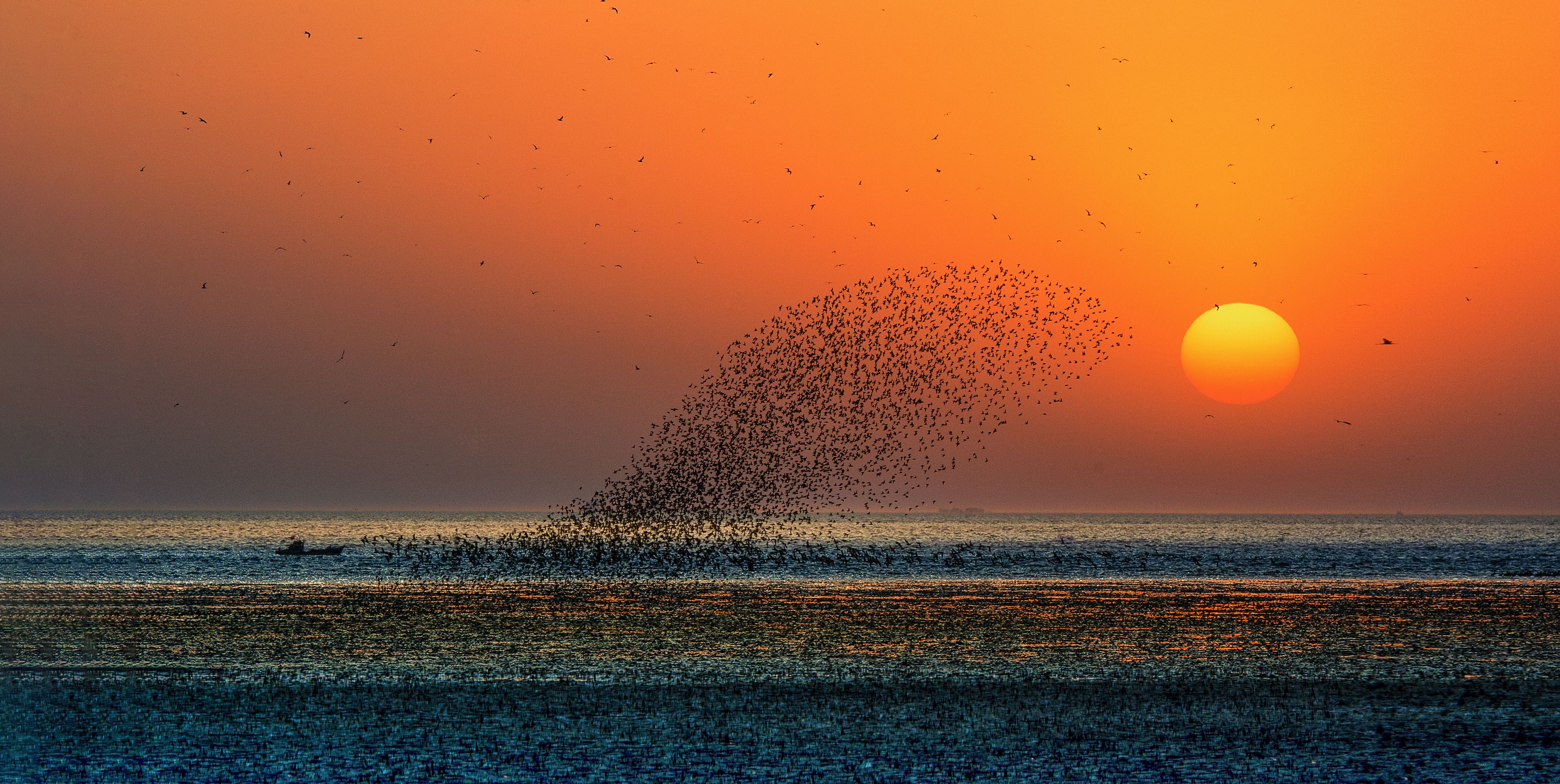
The city is defined by water and wetlands. The Liaohe River delta creates a vast landscape of reed beds, tidal flats, and shallow lakes that support an extraordinary diversity of plant and animal life. The most famous sight is Red Beach (Honghaian), where the Suaeda salsa plant turns a brilliant crimson every September and October, creating a spectacle that draws photographers and nature lovers from across China and around the world.
Panjin is also nationally known for its agricultural products. Panjin rice is a premium brand, and Panjin river crabs are considered a delicacy comparable to the famous hairy crabs of Yangcheng Lake. The Liaohe Oilfield, headquartered in Panjin, adds an industrial dimension to the local economy.
Panjin is a relatively young city. The area was historically sparsely populated tidal flats and marshland. The discovery of the Liaohe Oilfield in the 1960s triggered rapid development. Panjin was upgraded from a county-level area under Yingkou to a prefecture-level city in 1984, driven by the strategic importance of the oil industry.
The Liaohe Oilfield, one of China major petroleum bases, brought infrastructure, population growth, and economic prosperity. The city grew around the oil industry, with workers' compounds, refineries, and support facilities spreading across the wetlands.
In the 1990s and 2000s, Panjin began to recognize the value of its unique wetland ecosystem. The Red Beach was developed into a national scenic area, and eco-tourism became an increasingly important part of the local economy. In 2013, the Liaohe River Delta was designated as a national nature reserve.
Panjin economy has long been dominated by the Liaohe Oilfield, one of China major petroleum production bases. The oil and petrochemical industry remains the largest contributor to the city GDP and tax revenue. Related industries include refining, chemical processing, and equipment manufacturing.
In recent decades, Panjin has worked to diversify. Agriculture is a standout sector — Panjin rice is a nationally recognized premium brand, and the Liaohe River wetlands produce river crabs that are shipped across China. The combination of rice paddies and crab aquaculture is a unique and profitable farming system.
Eco-tourism has grown significantly, centered on the Red Beach scenic area and the Liaohe River wetland. The annual Red Beach tourism season brings millions of visitors, supporting hotels, restaurants, and travel services. The city is also developing the tourism sector to become a year-round destination with bird watching, wetland eco-tours, and cultural attractions.

Discover the culinary treasures of Panjin, from traditional street food to imperial cuisine.
The nearest major airport is Shenyang Taoxian International Airport (SHE), about 180 km north. Panjin does not have its own commercial airport. High-speed rail from Shenyang takes about 1 hour.
Panjin Railway Station on the high-speed rail line between Beijing and Dalian. Direct trains to Beijing (about 3 hours), Shenyang (about 1 hour), and Dalian (about 1.5 hours).
No metro system. Public buses and taxis serve the urban area. Hiring a car or taxi is recommended for visiting Red Beach, which is about 30 km from the city center.
Mar - May
Mild and gradually warming. The wetlands come alive as migratory birds pass through. Reeds begin to turn green. A good time for bird watching.
Jun - Aug
Warm and humid with moderate rainfall. The wetlands are lush and green. Mosquitoes can be abundant. The red Suaeda salsa plants begin to appear in late August.
Sep - Nov
THE peak season. September and October are when Red Beach reaches its full crimson glory. Comfortable temperatures, clear skies. River crabs are at their best. A photographer paradise.
Dec - Feb
Cold and dry. The wetlands are frozen and starkly beautiful. Few tourists visit, offering a peaceful experience. The red plants have died back, but wintering birds can still be seen.
Discover more cities, food guides, and travel inspiration.