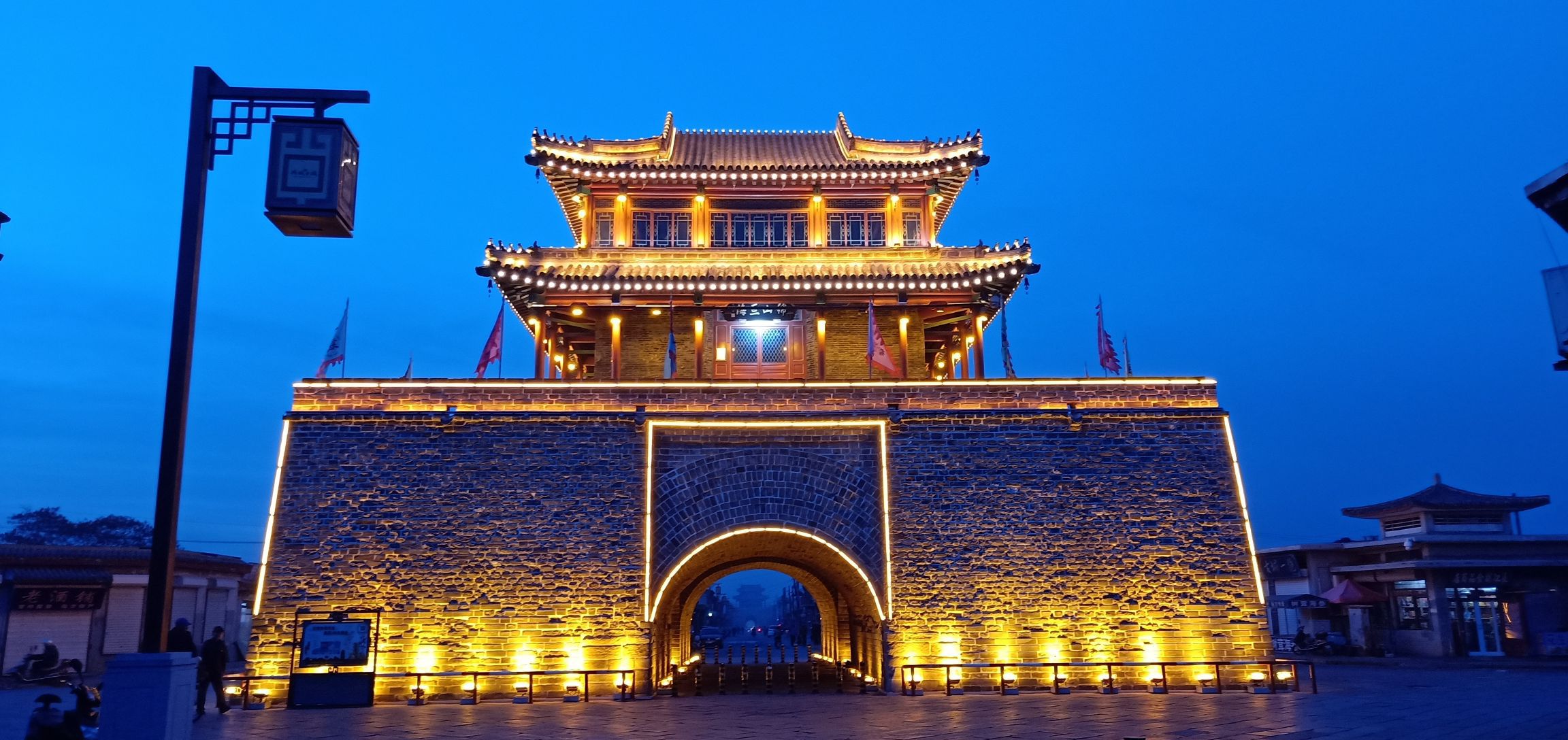
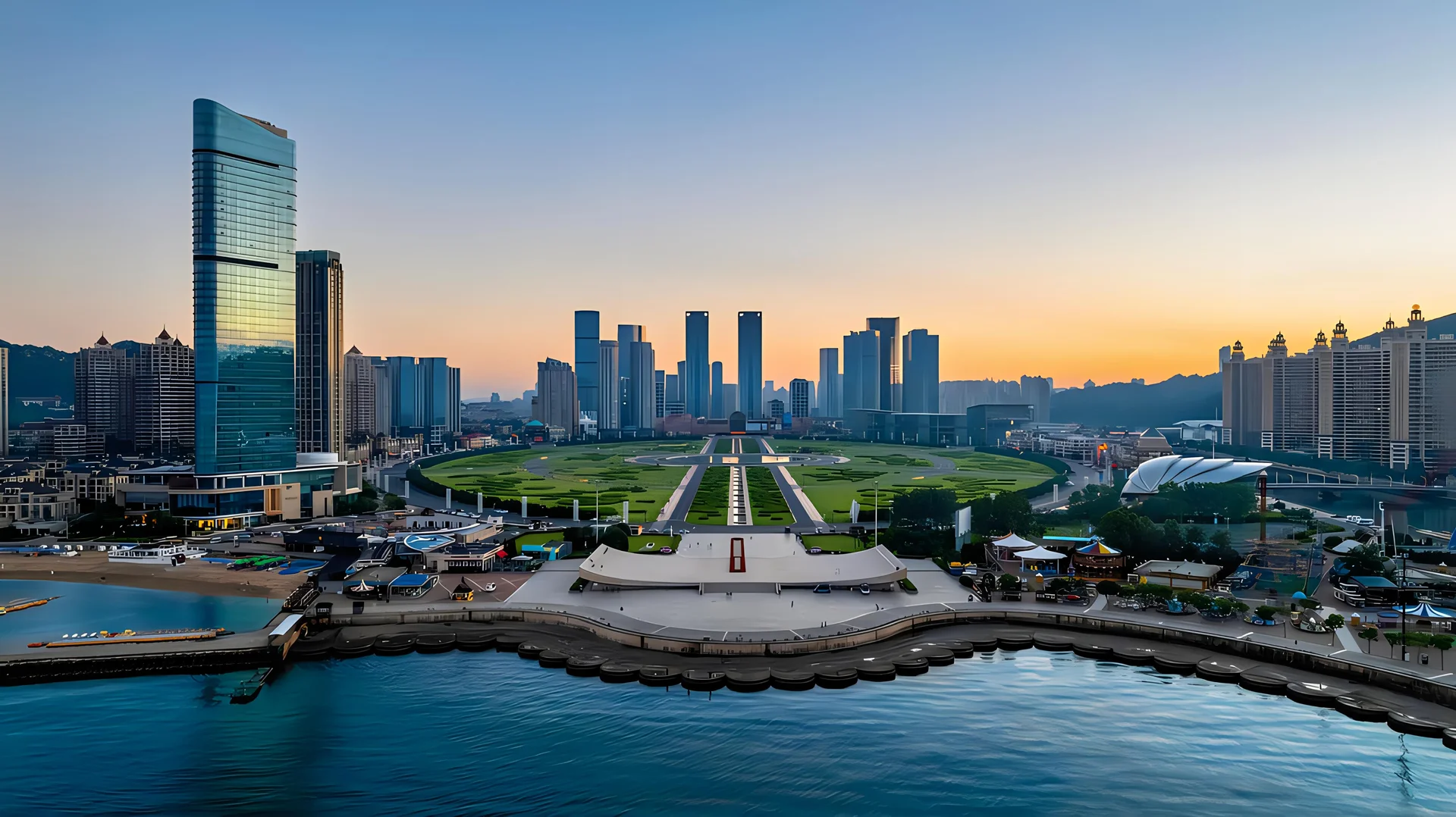
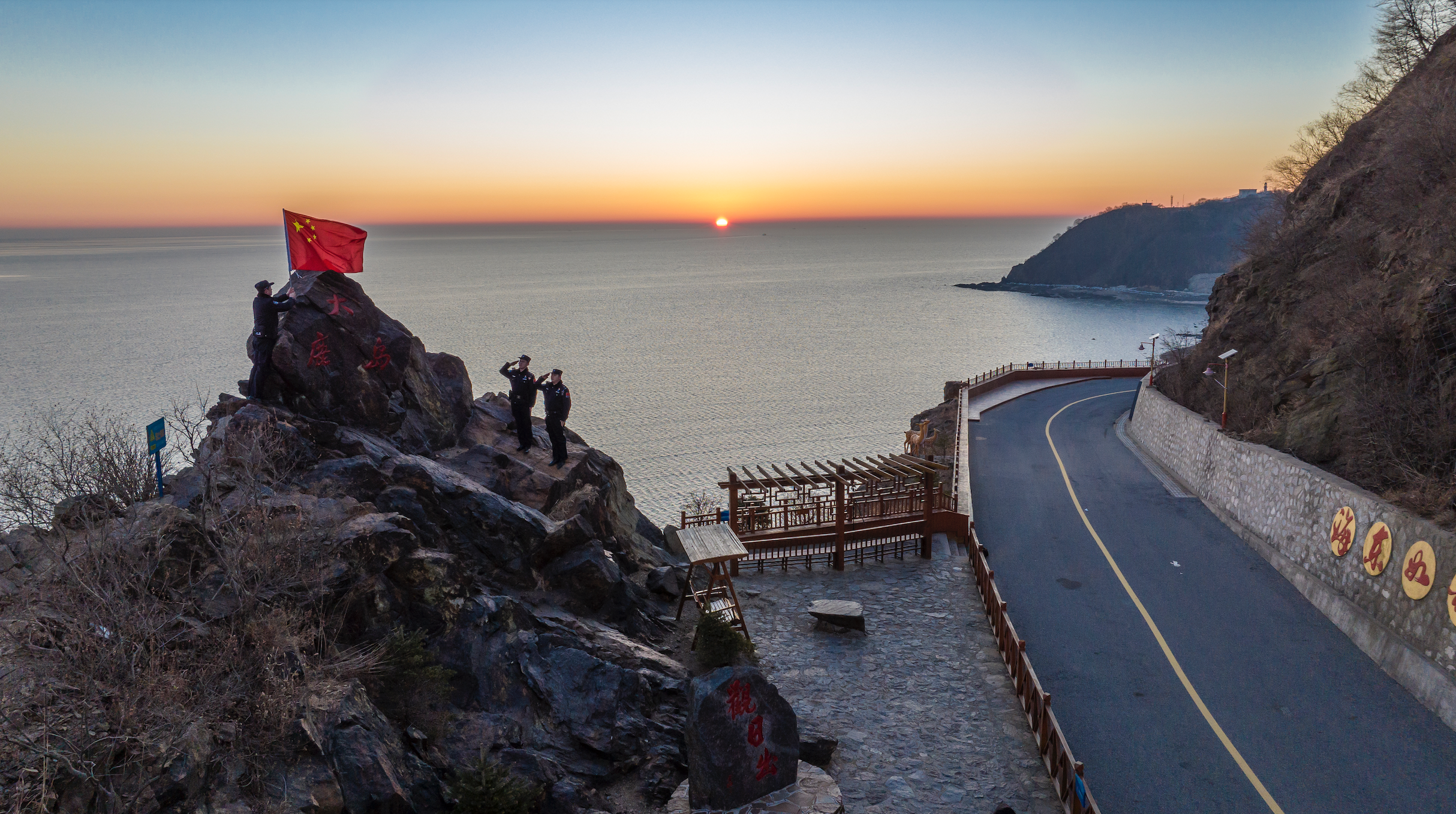
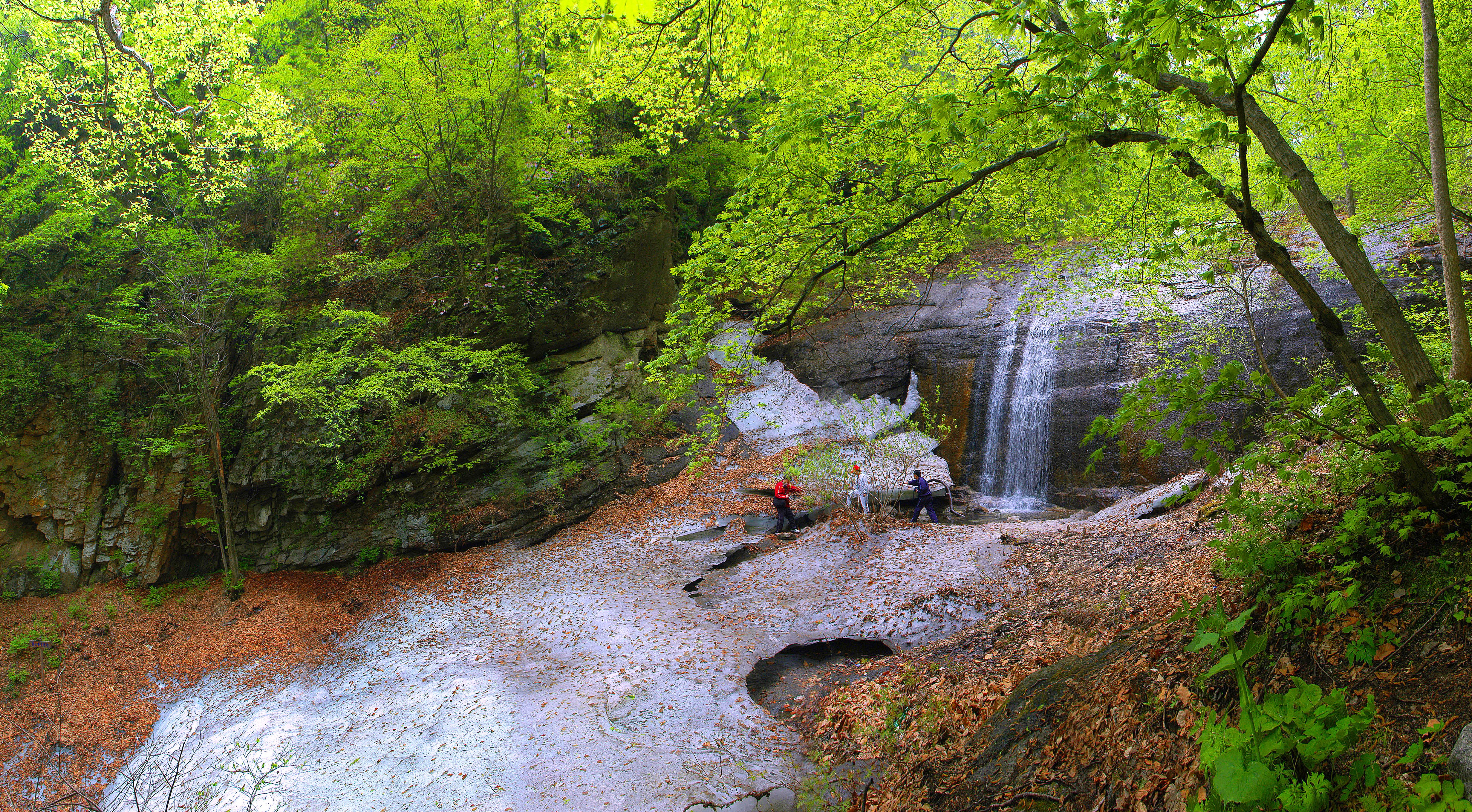
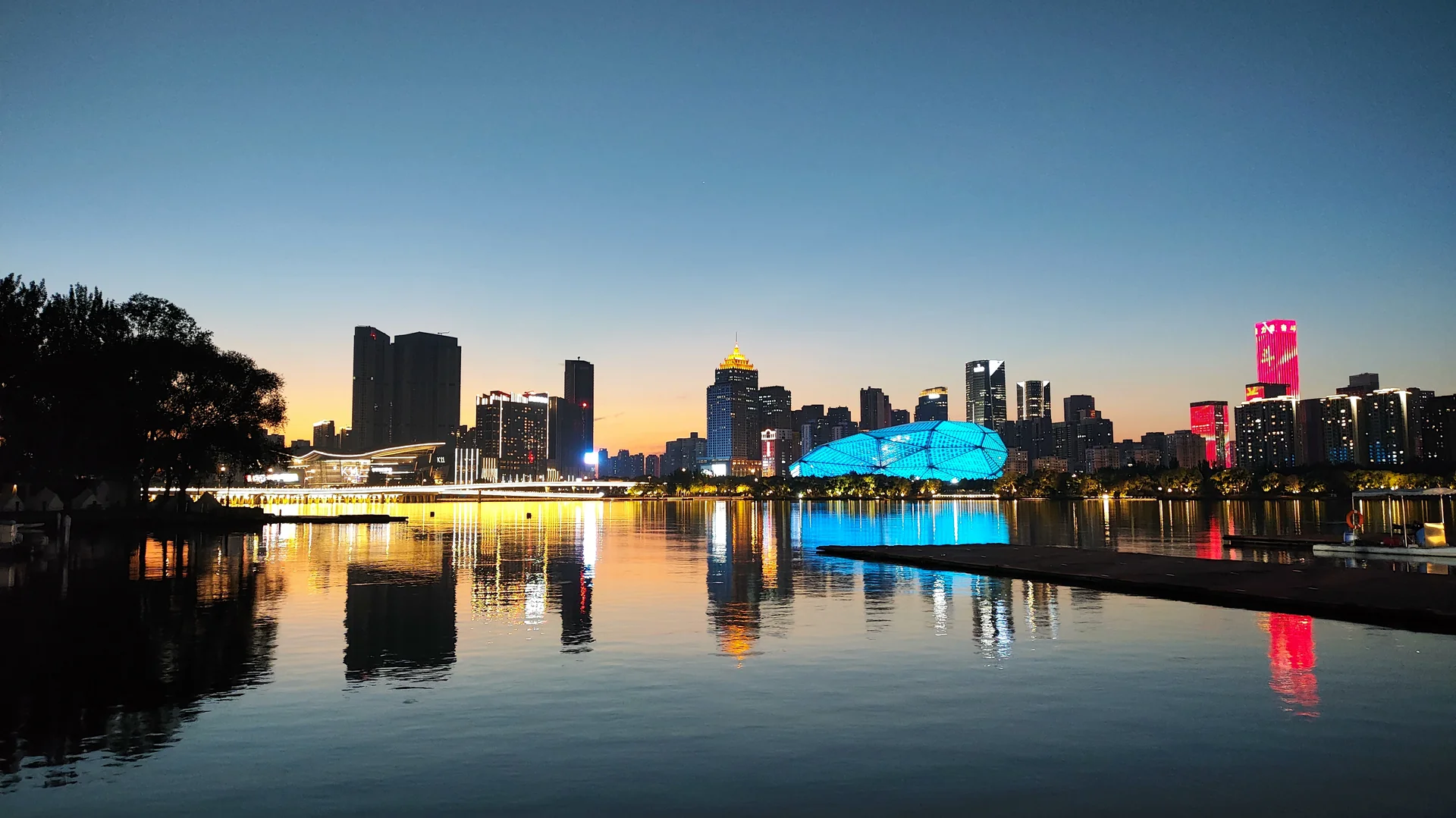
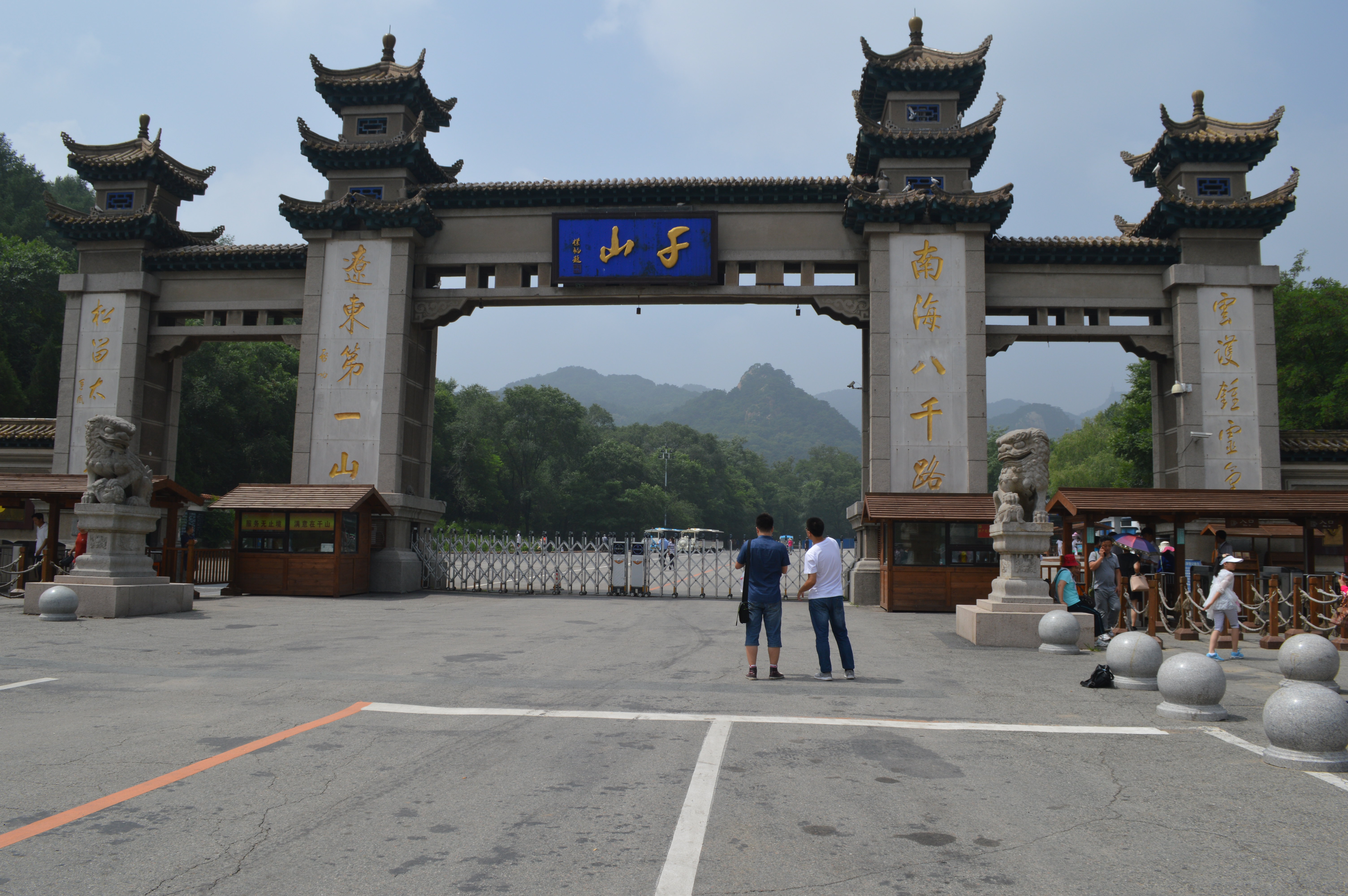
Jinzhou city skyline and landmarks (锦州) - Travel China Guide

Jinzhou Travel Guide

A historic city in western Liaoning known for the unique Bijiashan (Brush Holder Mountain) island and its rich modern history.

About

Jinzhou is a historic city in western Liaoning Province, strategically located on the Liaoxi Corridor—the narrow coastal passage connecting northern China with the northeast. This location has made Jinzhou a critical military and transportation hub for over two millennia.

The city's most striking natural feature is Bijiashan (Brush Holder Mountain), a coastal island in the Bohai Sea that becomes accessible by foot at low tide via a natural stone causeway. Visitors can walk across the seabed to reach the island, which is topped with Taoist temples and offers panoramic sea views. The tidal causeway is a rare geological phenomenon and Jinzhou's most photographed attraction.

Jinzhou holds a significant place in modern Chinese history as the site of a key military engagement during the mid-20th century. The Liaoshen Campaign Museum preserves this history with extensive exhibits and a famous panoramic painting.

Beyond its historical importance, Jinzhou is famous throughout China for its barbecue culture. The city's streets are lined with BBQ restaurants grilling skewers of meat, seafood, and vegetables over charcoal, seasoned with a distinctive local spice blend that has made Jinzhou a culinary destination.

History & Development

Jinzhou's strategic importance was recognized as early as the Warring States period (475-221 BC), when the Liaoxi Commandery was established in the region. The city's position guarding the narrow coastal corridor between the Bohai Sea and the Yiwulu Mountains made it a crucial passage for armies and trade between central China and the northeast.

During the Liao Dynasty (907-1125), the region flourished under Khitan rule. The Yiwulu Mountain became a sacred site where Liao emperors performed rituals. The Ming Dynasty (1368-1644) reinforced Jinzhou's defenses as a frontier garrison against Mongol and later Manchu incursions.

The most transformative event in Jinzhou's modern history occurred in October 1948, when the city became the focus of a major military engagement during the Liaoshen Campaign. After 31 hours of intense fighting, the capture of Jinzhou severed supply lines to the northeast. This victory was a turning point that decided the fate of northeast China within 52 days.

After 1949, Jinzhou was developed as an industrial city with petrochemical plants, textile mills, and machinery factories. The discovery of oil fields in the Bohai Sea in the 1970s further boosted the petrochemical industry. Since the 1990s, Jinzhou has worked to diversify its economy while preserving its historical and cultural heritage.

Economy & Industries

Jinzhou's economy, with a GDP exceeding 120 billion yuan, is anchored by petrochemicals, agriculture, and a growing tourism sector.

The petrochemical industry is the dominant economic pillar. Jinzhou Petrochemical Company, one of China's major refining complexes, processes millions of tons of crude oil annually. The Bohai Sea oil fields supply feedstock, and the port exports refined products. The industry supports a cluster of related enterprises in chemical manufacturing, plastics, and fertilizers.

Agriculture benefits from the fertile Liaoxi coastal plain. Jinzhou is a major producer of corn, soybeans, and vegetables. Beizhen city is known for its high-quality pig trotters, and Goubangzi town is famous for smoked chicken. The coastal waters support fishing and aquaculture.

The Port of Jinzhou handles bulk cargo including coal, grain, and petrochemical products, serving as an important logistics hub for western Liaoning.

Tourism is a growing sector centered on Bijiashan's unique tidal island, the Liaoshen Campaign Museum, and Yiwulu Mountain's cultural heritage. The Jinzhou BBQ food culture has become a significant tourism draw, attracting food travelers from across China. The 2013 World Horticultural Exposition left the city with a large expo park that continues to attract visitors.

Top Attractions

🏔️ Nature

Bijiashan

A unique mountain-island in the Bohai Sea, shaped like a brush holder from which it takes its name. At low tide, a natural stone causeway emerges, allowing visitors to walk to the island across the sea floor. The island features Taoist temples built into cliffs, sea-view pavilions, and coastal hiking trails. The tidal bridge is visible only about two hours before and after low tide.

★★★★ 4.7
🕐 8:00 AM-5:00 PM
🎫 65 yuan
🎭 Museum

Liaoshen Campaign Museum

A comprehensive museum documenting the Liaoshen Campaign (September-November 1948), one of the three major military engagements of the mid-20th century in China. The museum features a massive cylindrical hall with a panoramic painting of the battle for Jinzhou, one of the largest war paintings in China. Exhibits include weapons, documents, and personal artifacts of commanders.

★★★★ 4.6
🕐 9:00 AM-4:30 PM (Closed Mondays)
🎫 Free
⛩️ Temple

North Putuo Mountain

A Buddhist mountain sanctuary named after the famous Mount Putuo in Zhejiang, known as the "Northern Putuo." The area features a grand temple complex with halls, pagodas, and giant Buddha statues nestled in forested hills. The main hall houses a massive jade Buddha. The mountain offers scenic hiking trails with views of Jinzhou city and the sea.

★★★★ 4.3
🕐 8:00 AM-5:00 PM
🎫 50 yuan
🏔️ Nature

Yiwulu Mountain

An ancient sacred mountain in Chinese history, once a site of imperial rituals by several dynasties. The mountain is covered in dense pine forests with ancient temples, carved stone inscriptions, and a famous 500-year-old pine tree. One of the most historically significant mountains in northeast China, with cultural importance dating back over 2,000 years.

★★★★ 4.4
🕐 8:00 AM-5:00 PM
🎫 60 yuan
⛩️ Temple

Qingyan Temple

A historic Buddhist temple complex built into a dramatic cliff face on a mountainside. The temple is famous for its "Old Mother" statue, a popular folk deity believed to grant wishes. Pilgrims climb hundreds of steep stone steps to reach the temple, passing through carved stone gates and pavilions. The site is especially crowded during the Lunar New Year festival.

★★★★ 4.3
🕐 7:00 AM-5:00 PM
🎫 40 yuan
🌳 Park

Jinzhou Expo Garden

The site of the 2013 World Horticultural Exposition, a large park on the coast featuring themed gardens from around the world, a seaside boardwalk, flower fields, and cultural pavilions. The garden showcases floral displays, landscape architecture, and ecological themes. A large Ferris wheel and children's play areas make it family-friendly.

★★★★ 4.2
🕐 8:00 AM-6:00 PM
🎫 50 yuan

Food & Culture

Discover the culinary treasures of Jinzhou, from traditional street food to imperial cuisine.

Things to Do

Bijiashan Tidal Walk

Walk the natural stone causeway to the island at low tide.

🏛️

Liaoshen Campaign Museum

Explore this pivotal chapter of modern Chinese history.

🍴

Jinzhou BBQ Feast

Sample the famous barbecue at a local restaurant.

Yiwulu Mountain Hike

Hike the sacred mountain with ancient temples and pine forests.

Expo Garden Visit

Stroll themed gardens from the 2013 World Horticultural Expo.

Bijiashan Sunset View

Watch the sunset over the Bohai Sea from the island temples.

Suggested Itineraries

Coastal & History

Combine Jinzhou's unique tidal island with its military history.

  • Bijiashan
  • Liaoshen Campaign Museum
  • Jinzhou BBQ

Mountain & Culture

Explore Jinzhou's sacred mountains and cultural sites.

  • Yiwulu Mountain
  • North Putuo Mountain
  • Qingyan Temple
  • Expo Garden

Getting Around

✈️

Airport

Jinzhou Bay Airport (25km from city center)

🚄

High-Speed Rail

Jinzhou Railway Station (2.5h to Beijing, 1.5h to Shenyang)

🚇

Metro

No metro. Bus and taxi are the main urban transport options.

Best Time to Visit

🌸

Spring

Mar - May

★★★★☆

Mild and warming. Bijiashan tidal causeway accessible at moderate tides.

  • Comfortable weather
  • Blooming flowers
  • Fewer tourists
☀️

Summer

Jun - Aug

★★★★☆

Warm with sea breezes. Beach season at the expo garden coast.

  • Beach season
  • Sea breezes
  • BBQ season
🍂

Autumn

Sep - Nov

★★★★★

Clear skies and comfortable temperatures. Best for Bijiashan and hiking.

  • Best weather
  • Mountain hiking
  • Clear sea views
❄️

Winter

Dec - Feb

★★☆☆☆

Cold and dry. Bijiashan causeway may be icy. Hot pot and BBQ season.

  • Cold weather BBQ
  • Fewer visitors
  • Winter sea scenery

Continue Exploring China

Discover more cities, food guides, and travel inspiration.