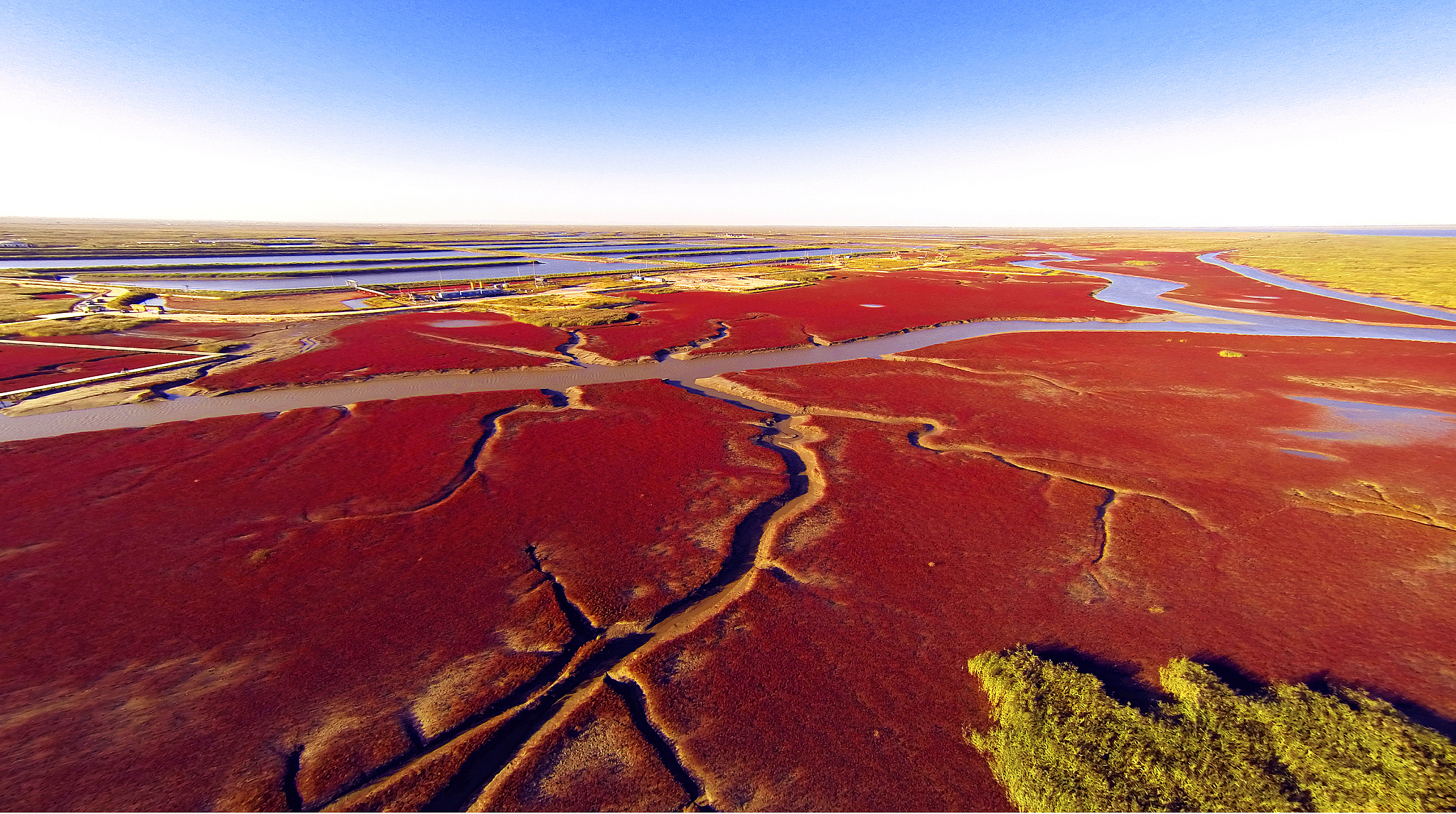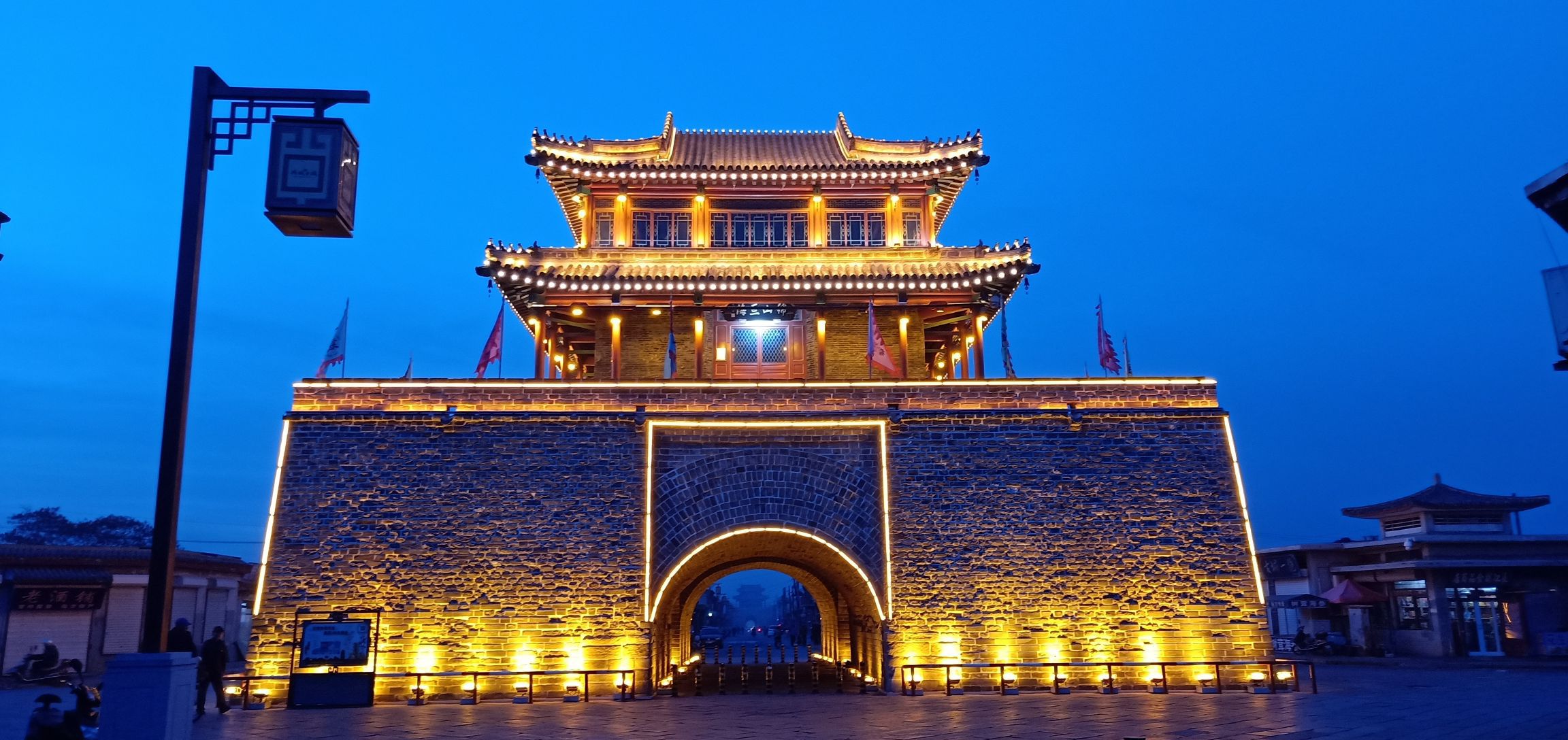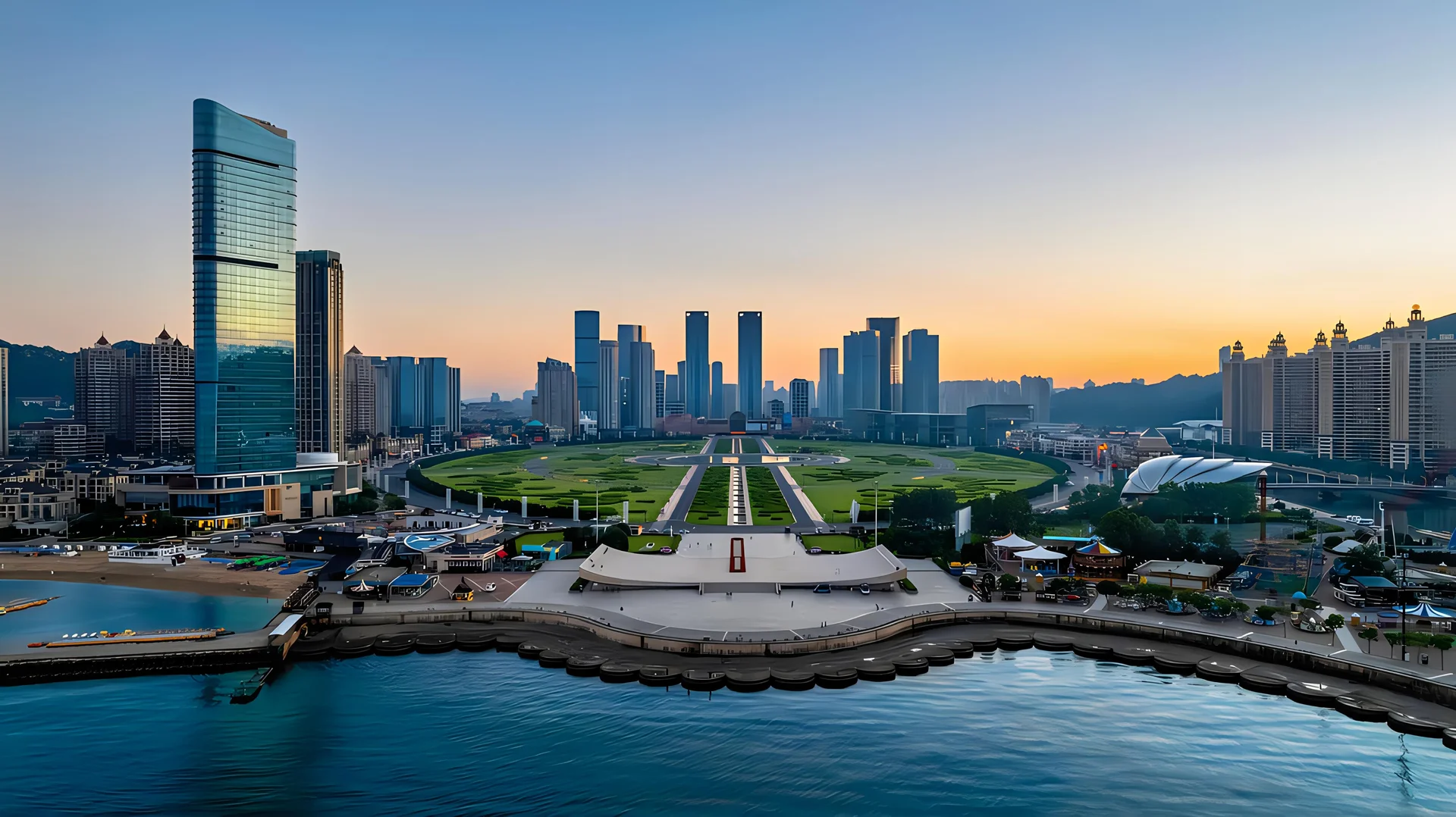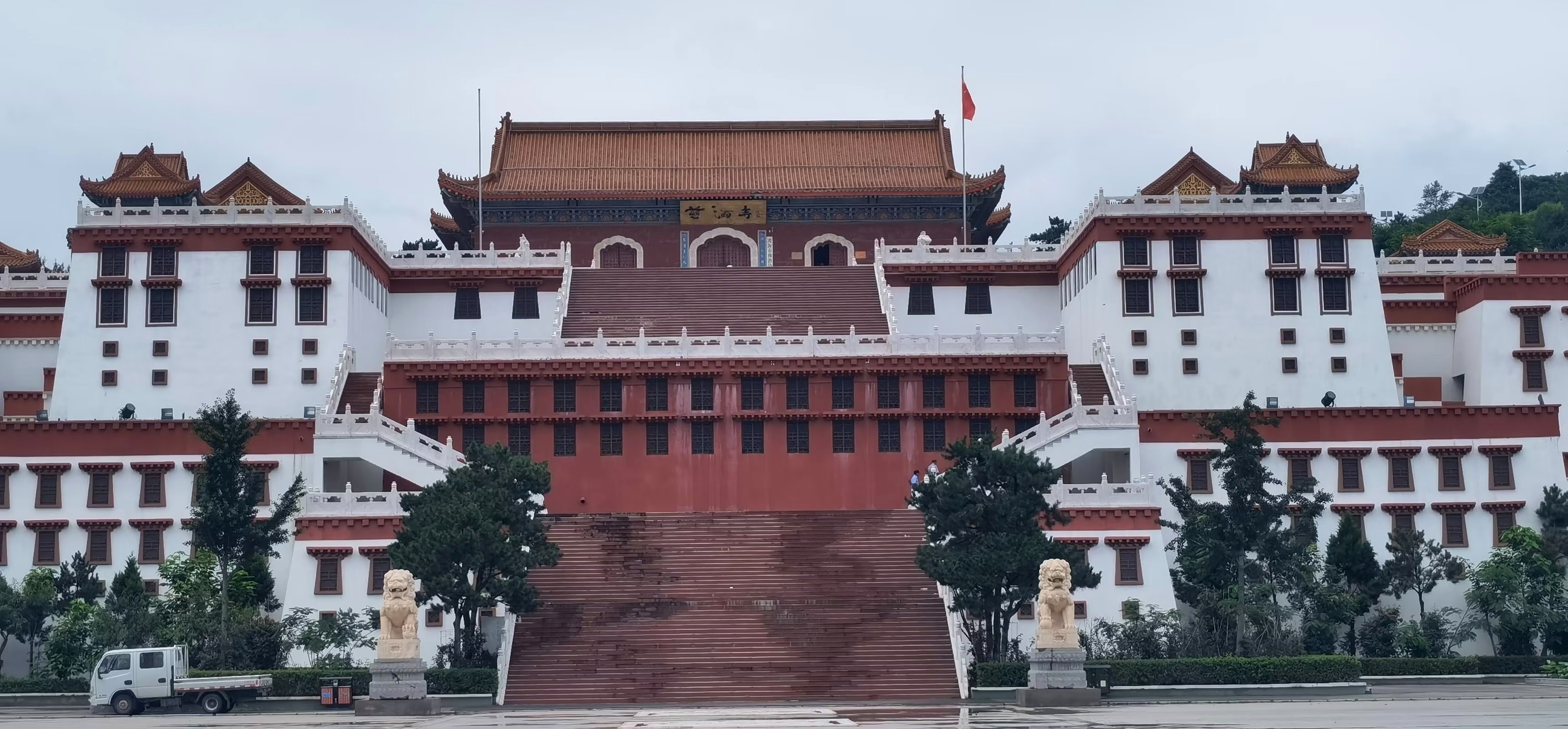
Anshan city skyline and landmarks (鞍山) - Travel China Guide

Anshan Travel Guide

China's "Steel Capital" and home to the world's largest jade Buddha, set against the stunning Thousand Lotus Peaks of Qianshan Mountain.

About

Anshan, known as China's "Steel Capital," is a prefecture-level city in central Liaoning Province. The city's identity has been shaped by two defining elements — the massive Ansteel Group steelworks that have powered China's industrialization, and the stunning natural beauty of Qianshan Mountain. Qianshan Mountain, meaning "Thousand Lotus Peaks," is a national park of extraordinary beauty. Nearly a thousand granite peaks rise through the forest canopy, and ancient Buddhist and Taoist temples nestle among them. Some temples date back to the Tang Dynasty (618-907 AD), making Qianshan both a natural wonder and a living museum of Chinese religious architecture. Anshan's industrial story began in 1916 when the first blast furnace was lit, and Ansteel Group grew to become one of China's most important steel producers. The city's steel built the railways, bridges, and skyscrapers of modern China. The Ansteel Museum offers visitors a fascinating window into this industrial heritage. The city is also the center of China's jade culture. Xiuyan County produces Xiuyan jade, one of China's four famous jade types. The Jade Buddha Garden houses a 260-ton jade Buddha statue, the largest of its kind in the world. Anshan's hot springs at Tanggangzi add another dimension to its tourism appeal, offering relaxation after a day of exploration.

History & Development

Anshan's history as a settlement dates back thousands of years, but the city's modern identity began in 1916 when the Japanese established Anshan Iron Works during their occupation of Manchuria. The iron works were the precursor to today's Ansteel Group, and the city grew rapidly around the steel mills. After the establishment of the People's Republic in 1949, Anshan was designated as a key industrial base. Soviet engineers helped expand the steelworks in the 1950s, and Anshan became a symbol of China's industrial ambition. During the Cultural Revolution, the steelworks continued operating and even increased production, a testament to its strategic importance. Qianshan Mountain has a much longer recorded history. Buddhist monks first built temples on the mountain during the Tang Dynasty, and by the Ming and Qing dynasties, Qianshan had become a major religious center with dozens of active temples and monasteries. The mountain was also a retreat for scholars and poets. In recent decades, Anshan has transformed from a single-industry steel town into a more diversified economy, investing in tourism, jade processing, and hot spring resorts while maintaining its position as a steel industry powerhouse.

Economy & Industries

Anshan's economy has been dominated by the iron and steel industry for over a century. Ansteel Group (Anshan Iron and Steel Group Corporation) is one of China's largest steel producers, with an annual production capacity of over 40 million tons of steel. The company produces a wide range of steel products including flat steel, long steel, and specialty steels used in automotive, shipbuilding, and infrastructure projects across China. Jade processing and trading is a significant and unique economic sector. Xiuyan County, administratively part of Anshan, is one of China's most important jade-producing regions. The jade industry supports thousands of jobs in mining, carving, design, and retail. Tourism has grown substantially in recent years. Qianshan Mountain receives over 3 million visitors annually, and the Jade Buddha Garden, Ansteel Museum, and Tanggangzi Hot Springs are major attractions. The local government has invested in improving tourism infrastructure. Other industries include machinery manufacturing, chemicals, and textiles. The city is also a transportation hub for southern Liaoning, with convenient rail and highway connections to Shenyang, Dalian, and other Northeast Chinese cities.

Top Attractions

🏔️ Nature

Qianshan Mountain

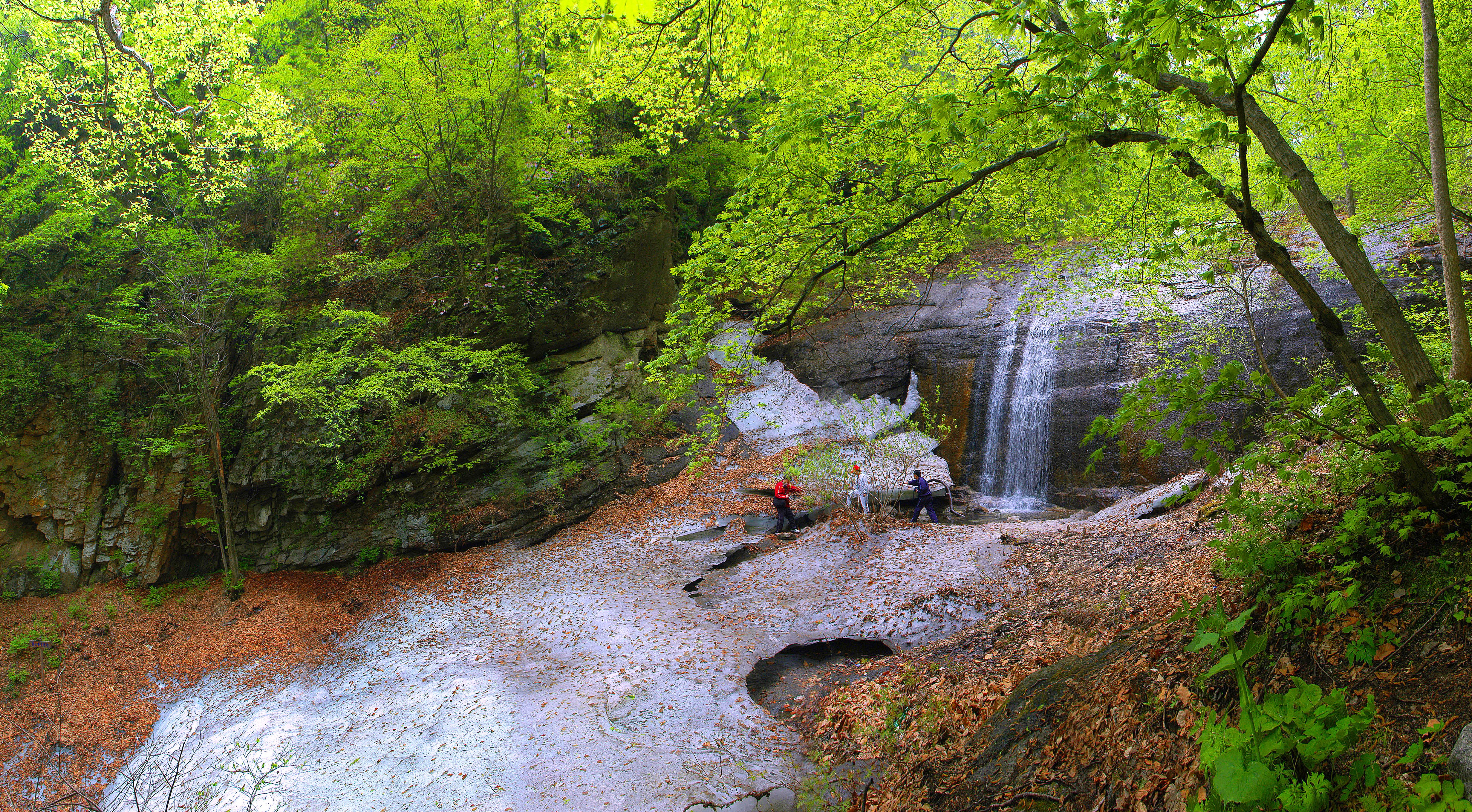
Qianshan Mountain, meaning "Thousand Lotus Peaks," is one of China's most famous mountainous national parks. The park features nearly a thousand granite peaks rising dramatically from the forested landscape, many resembling lotus buds. Scattered among the peaks are ancient Buddhist and Taoist temples, some dating back over 1,000 years. The highest peak, Xianren Terrace, offers panoramic views of the surrounding mountains. In spring, the mountain is covered in blooming azaleas, while autumn brings spectacular foliage colors. Cable cars make the upper sections accessible to all visitors.

★★★★ 4.8
🕐 07:00-18:00
🎫 80 yuan
⛩️ Temple

Jade Buddha Garden

The Jade Buddha Garden is one of Anshan's most treasured cultural sites, housing the world's largest jade Buddha statue. Carved from a single massive piece of jade weighing 260 tons, the seated Sakyamuni Buddha stands 7.95 meters tall and 6.88 meters wide. The jade, discovered in Xiuyan County near Anshan, is of exceptional quality with rich green coloration. The statue took 18 months to complete and was consecrated in 1997. The surrounding temple complex includes traditional Chinese architecture, gardens, and a bell tower.

★★★★ 4.6
🕐 08:00-17:00
🎫 70 yuan
🎭 Museum

Ansteel Museum

The Ansteel Museum tells the story of Anshan Iron and Steel Group, one of the largest steel companies in China and the city's industrial backbone. Housed in a renovated industrial building on the Ansteel factory grounds, the museum showcases the history of China's steel industry from its beginnings in 1916 to the present day. Exhibits include vintage steel-making equipment, historical photographs, product samples, and interactive displays. The museum offers a fascinating glimpse into the industrial heritage that shaped modern China.

★★★★ 4.5
🕐 09:00-16:00 (Closed Mondays)
🎫 Free (advance reservation required)
🏔️ Nature

Tanggangzi Hot Springs Resort

Tanggangzi is one of China's most famous hot spring resorts, with a history dating back over 100 years. The natural geothermal springs emerge at 72°C and are rich in minerals including radon, potassium, and sodium. During the early 20th century, Japanese colonizers developed the area into a luxury resort, and some of the original buildings remain. Today, visitors can soak in both indoor and outdoor pools and experience therapeutic mud baths. The resort is surrounded by beautiful gardens and offers a range of spa services.

★★★★ 4.4
🕐 08:00-22:00
🎫 100-200 yuan depending on facilities
🌳 Park

219 Park

219 Park is Anshan's largest urban park, named to commemorate the liberation of Anshan on February 19, 1948. The park covers an area of 1.1 square kilometers and features a large lake surrounded by willow trees, walking paths, and traditional Chinese pavilions. Visitors can rent paddle boats, visit the small zoo, or simply relax in the gardens. The park is a popular spot for morning tai chi, evening dancing, and weekend family outings. In winter, the frozen lake becomes a natural ice skating rink.

★★★★ 4.3
🕐 06:00-21:00
🎫 Free
🛍️ Market

Xiuyan Jade Market

Xiuyan County, under Anshan's administration, is famous for producing Xiuyan jade (xiuyan yu), one of the four most famous types of jade in China. The Xiuyan Jade Market is a sprawling complex of shops and stalls selling jade jewelry, carvings, ornaments, and raw stones. Visitors can watch artisans carving jade, learn about jade quality, and purchase souvenirs. The market is an excellent place to understand the deep connection between jade culture and Anshan's identity.

★★★★ 4.2
🕐 09:00-17:00
🎫 Free

Food & Culture

Discover the culinary treasures of Anshan, from traditional street food to imperial cuisine.

Things to Do

Hike Qianshan Mountain

Explore the spectacular granite peaks, ancient temples, and scenic trails of one of China's most beautiful mountain parks.

🏛️

See the World's Largest Jade Buddha

Visit Jade Buddha Garden to marvel at the 260-ton jade Buddha, a masterpiece of Chinese sculpture.

Tour Ansteel Museum

Discover the history of China's steel industry at this fascinating industrial museum on the Ansteel factory grounds.

Soak in Hot Springs

Relax in natural geothermal hot springs at the century-old Tanggangzi Hot Springs Resort.

Shop for Jade

Browse the vast Xiuyan Jade Market for quality jade jewelry, carvings, and collectibles.

Enjoy Korean BBQ

Experience Anshan's Korean BBQ culture, a legacy of the city's Korean minority community.

Suggested Itineraries

Anshan One-Day Highlights

A full day in Anshan combining its best natural scenery, cultural treasures, and culinary experiences.

  • Morning: Qianshan Mountain scenic area — cable car to the peaks and temple visits (4 hours)
  • Midday: Korean BBQ lunch in the city
  • Afternoon: Jade Buddha Garden + 219 Park stroll
  • Evening: Tanggangzi Hot Springs soak

Steel & Peaks Explorer (2 Days)

An in-depth exploration of Anshan's natural wonders, industrial heritage, and jade culture.

  • Day 1: Full day at Qianshan Mountain — hike to Xianren Terrace, visit ancient temples
  • Day 2: Morning at Ansteel Museum + afternoon at Jade Buddha Garden + Xiuyan Jade Market
  • Evening: Tanggangzi Hot Springs spa experience

Getting Around

✈️

Airport

Anshan Teng'ao Airport (about 15km from city center) has direct flights to Beijing and a few other major cities. Alternatively, Shenyang Taoxian International Airport (about 90km north) offers many more flight options and is reachable by high-speed rail.

🚄

High-Speed Rail

Anshan West Station serves the Harbin-Dalian High-Speed Railway, reaching Shenyang in 30 minutes, Dalian in 1.5 hours, and Harbin in 3 hours.

🚌

Bus Network

Public buses cover the city extensively. Direct buses connect to Qianshan Mountain, Tanggangzi, and other attractions.

🚕

Taxi & Rideshare

Available throughout the city

Best Time to Visit

🌸

Spring

Apr - May

★★★★☆

Mild temperatures (10-20°C) with blooming azaleas on Qianshan. Pleasant weather for hiking and outdoor activities.

  • Azalea blooms
  • Mild weather
  • Fewer tourists
☀️

Summer

Jun - Aug

★★★★☆

Warm to hot (25-30°C) with occasional rain. Green and lush landscapes. Peak tourist season on Qianshan. Good for hot springs in the evening.

  • Lush greenery
  • All attractions open
  • Evening hot springs
🍂

Autumn

Sep - Oct

★★★★★

Cool and crisp (10-22°C) with spectacular autumn colors on Qianshan. The best season for mountain hiking and photography.

  • Fall foliage
  • Perfect hiking weather
  • Clear skies
❄️

Winter

Nov - Mar

★★☆☆☆

Cold and dry (-10 to 5°C). Snow occasionally dusts Qianshan peaks. Hot springs are especially enjoyable. Fewer tourists.

  • Hot spring season
  • Snow scenery
  • No crowds

Continue Exploring China

Discover more cities, food guides, and travel inspiration.