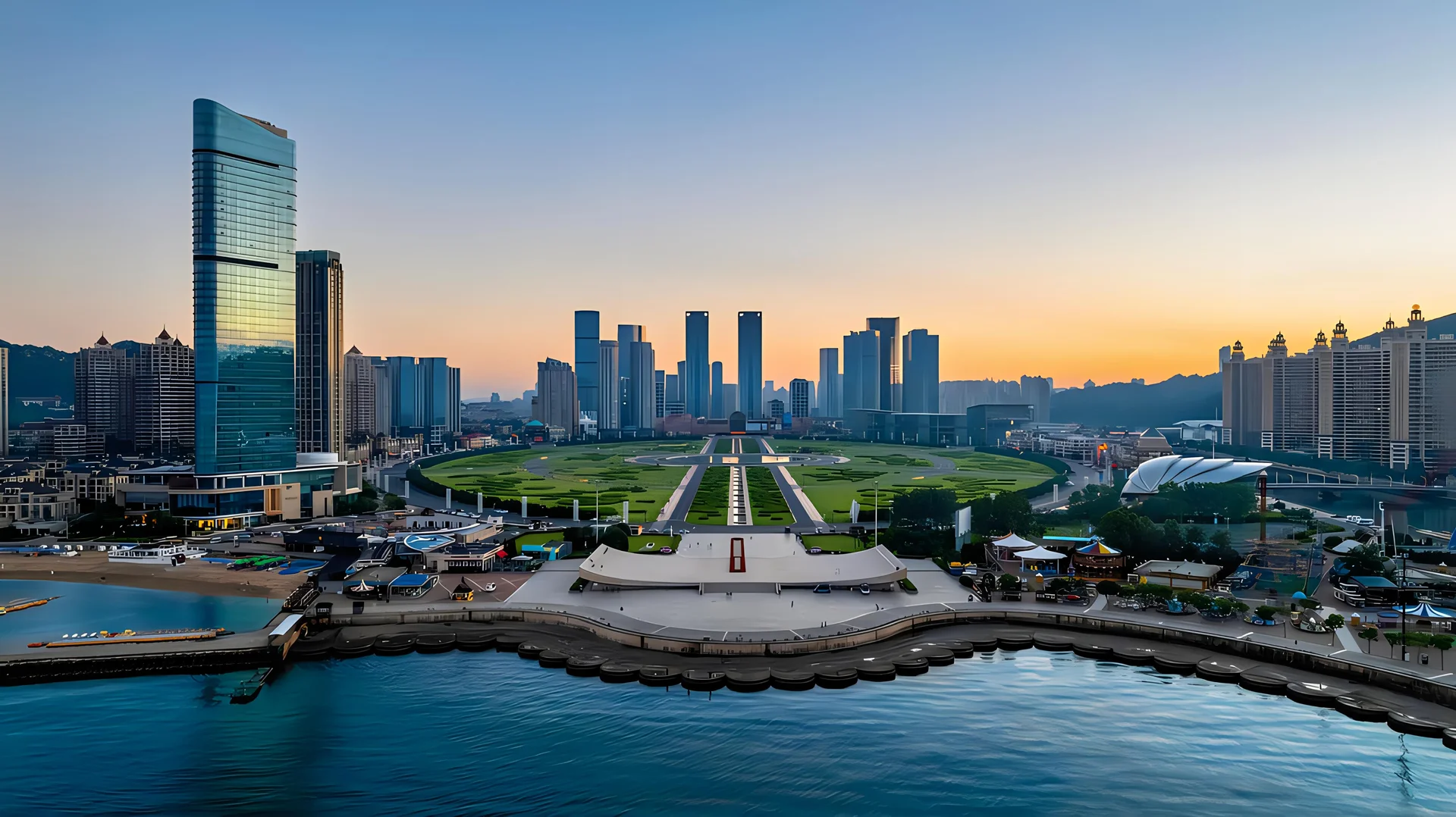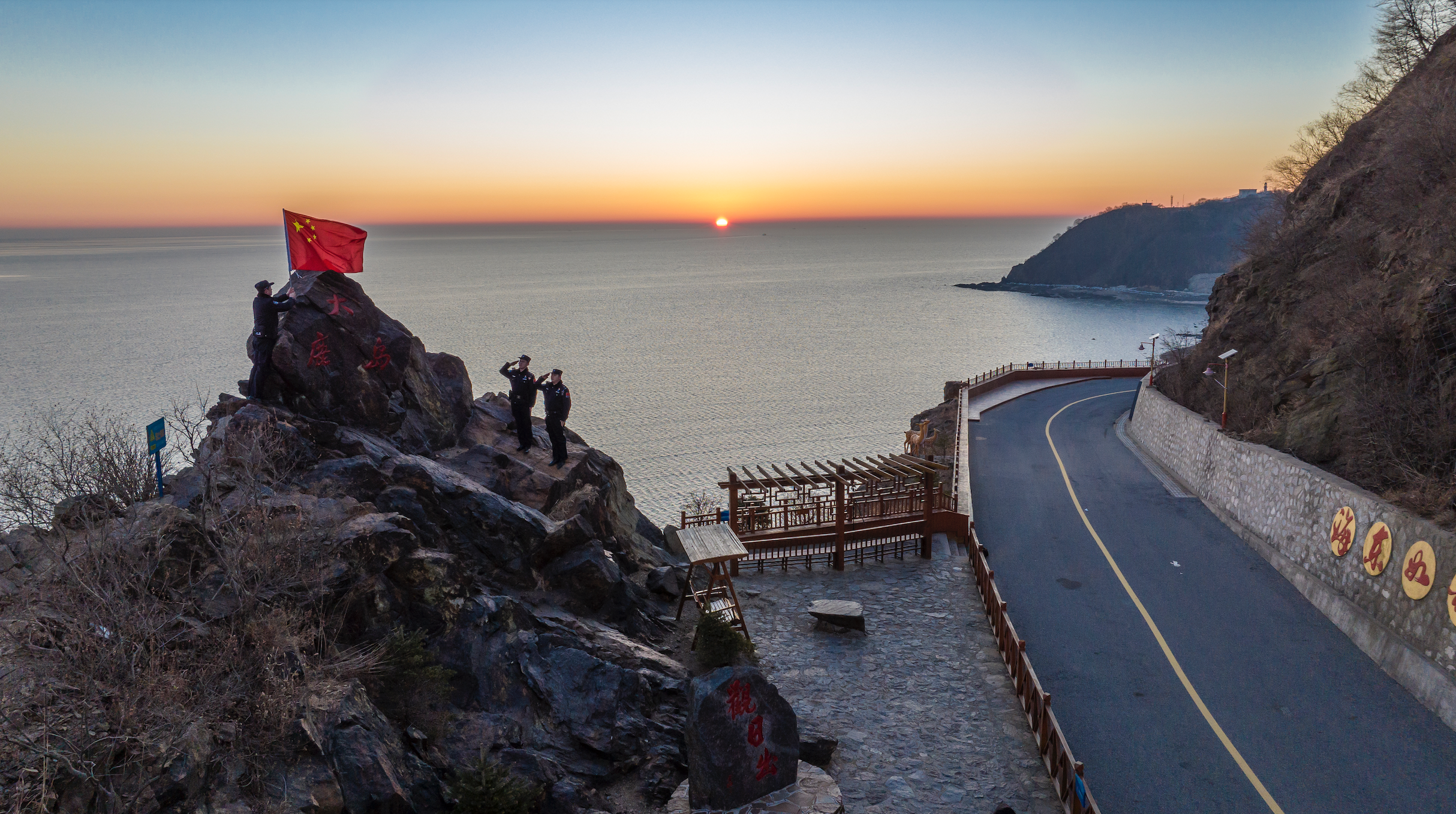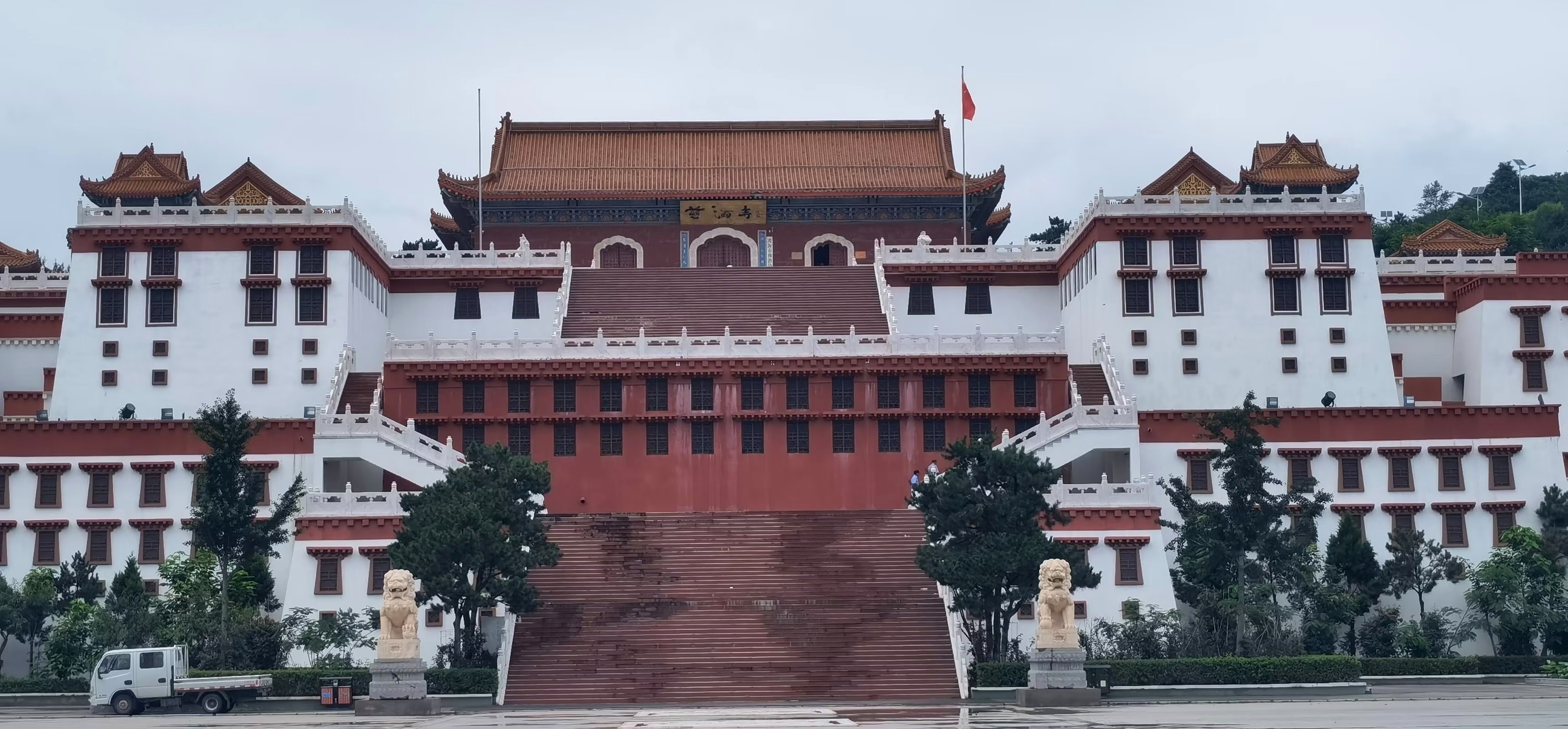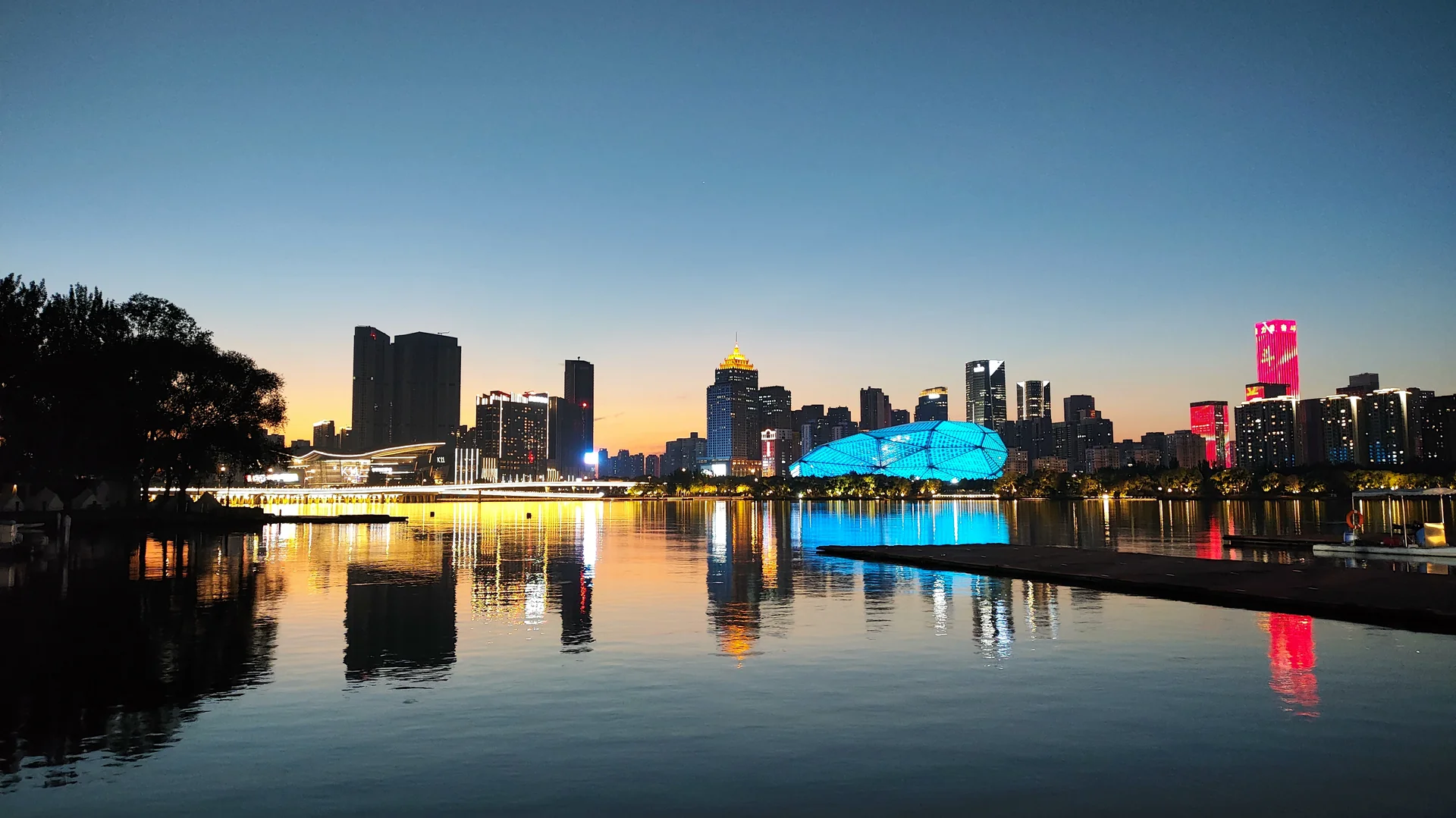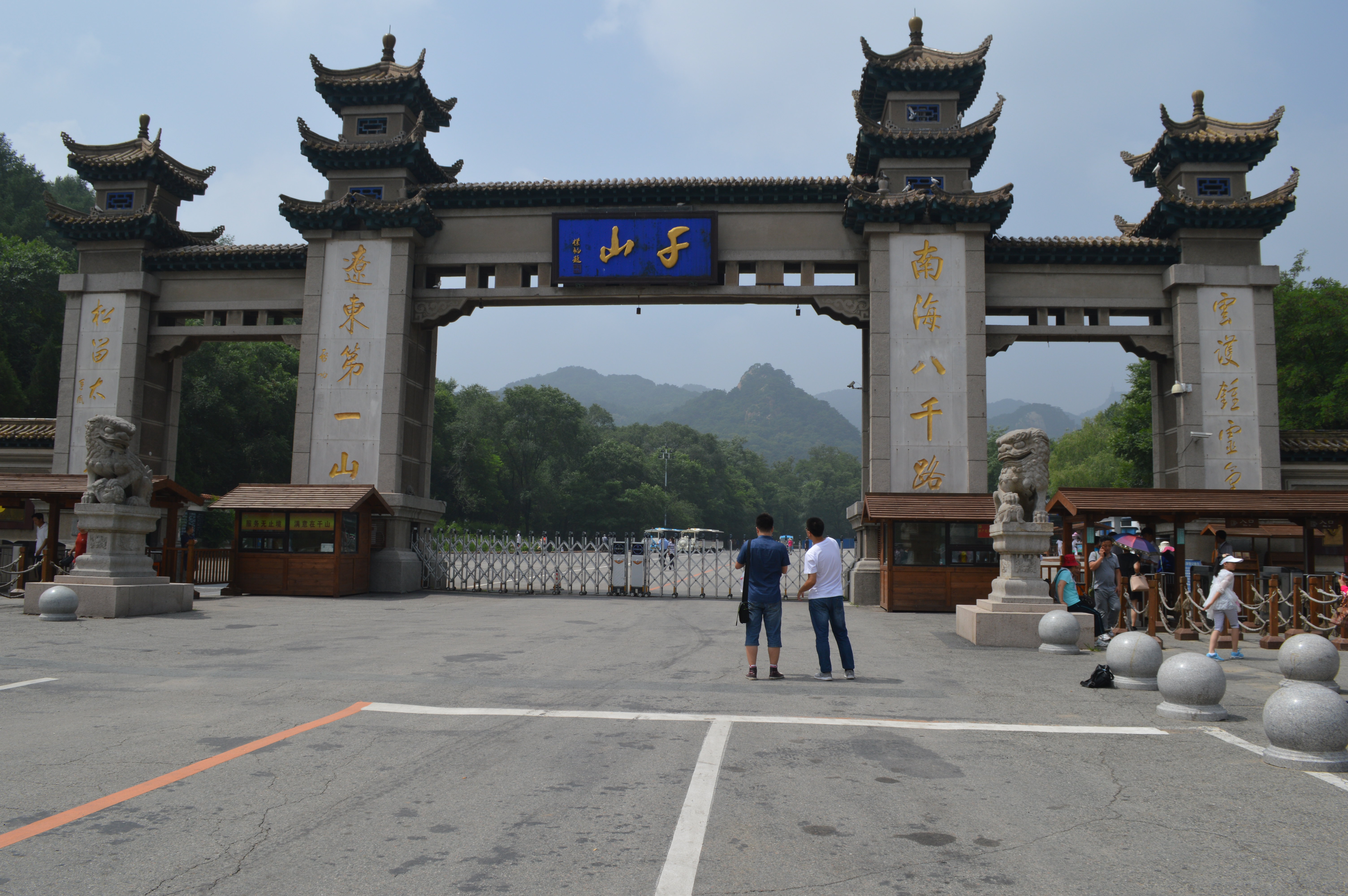
Benxi city skyline and landmarks (本溪) - Travel China Guide

Benxi Travel Guide

Home to Asia's longest underground river cave, UNESCO World Heritage Wunu Mountain, and the most spectacular autumn maple foliage in Northeast China.

🌡️ Climate Temperate continental monsoon
📅 Best Time September-October for autumn foliage; May-June for spring flowers

About

Benxi is a prefecture-level city in eastern Liaoning Province, nestled in the Changbai Mountain foothills along the Taizi River. Though modest in size with a population of approximately 1.3 million, Benxi punches far above its weight in natural attractions — it is home to Asia's longest navigable underground river cave, a UNESCO World Heritage site, and what many consider the most spectacular autumn maple foliage in all of Northeast China.

The city's crown jewel is the Benxi Water Cave, a massive karst cave system discovered in 1983 that contains a 5.8-kilometer underground river. Visitors board small boats and glide through illuminated caverns where stalactites and stalagmites have been forming for millions of years. The cave maintains a constant temperature of 12°C, making it a cool retreat in summer and a warm haven in winter.

Beyond the caves, Benxi's mountainous landscape is a haven for nature lovers. Guanmenshan National Forest Park draws hundreds of thousands of visitors each October when the maple trees transform the mountainsides into a blazing canvas of red and gold. The scenic Maple Leaf Avenue connecting the water cave to Guanmenshan is one of China's most beautiful autumn drives.

Benxi also holds deep historical significance. Wunu Mountain in Huanren County was the site of Gungnae, the first capital of the ancient Goguryeo Kingdom, and is now a UNESCO World Heritage Site. The mountain's well-preserved stone walls and ruins offer a window into one of ancient East Asia's most powerful civilizations. Tiesha Mountain, a sacred Taoist peak, has been a center of religious practice for over a thousand years.

The city's culinary scene is dominated by hearty Northeast Chinese flavors. Xiaoshi Mutton Soup — a rich, milky broth simmered for hours — is Benxi's most famous dish and a must-try for any visitor. The local cuisine also features grilled cold noodles, wild mountain vegetables, and iron pot stews that reflect the resourceful, warm-hearted character of the region's people.

👥
Population ~1.3 million
📐
Area 8,414 km²
🏛️
Founded 1939 (established as a city)
💬
Language Mandarin Chinese (Northeast dialect)

History & Development

Benxi's history stretches back to the early civilizations of Northeast Asia. The broader region was part of the ancient Goguryeo Kingdom (37 BC - 668 AD), one of the Three Kingdoms of Korea, whose first capital was established at Wunu Mountain in what is now Huanren County under Benxi's administration. The stone walls and ruins on Wunu Mountain remain among the best-preserved ancient fortifications in Northeast Asia.

During the Qing Dynasty (1644-1912), the area that is now Benxi was part of the imperial hunting grounds, and the region's forests were protected as part of the "Willow Palisade" — a system of ditches and embankments that marked the boundary of the Manchu homeland. This protection helped preserve the dense forests that make Benxi's landscape so spectacular today.

The modern city of Benxi emerged in the early 20th century with the discovery of rich iron ore deposits in the area. Benxi Iron and Steel Company (Bensteel) was established in 1905 and grew to become one of China's major steel producers. The city's industrial development accelerated after 1949, and Benxi became an important center for steel, coal, and cement production.

In recent decades, Benxi has worked to balance its industrial heritage with environmental protection and tourism development. The city has invested heavily in promoting its natural attractions — the Water Cave, Guanmenshan, and the autumn maple foliage — while also working to reduce industrial pollution. Benxi was once known as a "satellite city invisible from space" due to air pollution, but significant environmental improvements have transformed it into one of China's National Forest Cities.

Economy & Industries

Benxi's economy has historically been dominated by heavy industry, particularly steel production. Benxi Iron and Steel Group (Bensteel) is one of China's major steel enterprises and remains the city's largest employer. The company produces a wide range of steel products including automotive steel plates, pipeline steel, and specialty steels used in infrastructure projects across China.

In addition to steel, Benxi has significant coal and limestone resources. The city's cement industry has been an important contributor to the regional economy, and Benxi's limestone deposits are among the highest quality in Northeast China.

Tourism has emerged as a rapidly growing sector in recent years. The Benxi Water Cave alone attracts over 1 million visitors annually, and Guanmenshan National Forest Park draws hundreds of thousands more during the autumn foliage season. The local government has invested in tourism infrastructure, including improved roads, visitor centers, and hospitality services.

Agriculture and forestry also play important roles. Benxi's mountainous terrain is suitable for growing specialty crops including wild mushrooms, medicinal herbs, and hazelnuts. The city is one of Liaoning's major producers of wild-edible forest products. The forestry sector manages extensive planted forests that both support the timber industry and provide the scenic landscapes that attract tourists.

Benxi is also developing its pharmaceutical industry, leveraging the region's rich biodiversity of medicinal plants. Several pharmaceutical companies have established operations in the city, producing traditional Chinese medicine preparations and modern pharmaceutical products.

Top Attractions

🏔️ Nature

Benxi Water Cave

The Benxi Water Cave is the crown jewel of Benxi's natural attractions and one of China's most extraordinary geological wonders. Discovered in 1983, this massive karst cave system features a 5.8-kilometer underground river — the longest navigable underground waterway in Asia. Visitors board small boats and glide through the illuminated cavern, where the ceiling rises up to 40 meters above the water. The cave is adorned with thousands of stalactites, stalagmites, and flowstone formations that have been developing for millions of years. The temperature inside remains a constant 12°C year-round, making it a cool retreat in summer. The cave system extends far beyond the tourist section, with explorers having mapped over 30 kilometers of passages. Along the boat route, you'll see formations named by their resemblance to natural objects — dragons, elephants, and celestial palaces — all enhanced by carefully placed lighting that reveals the cave's hidden beauty.
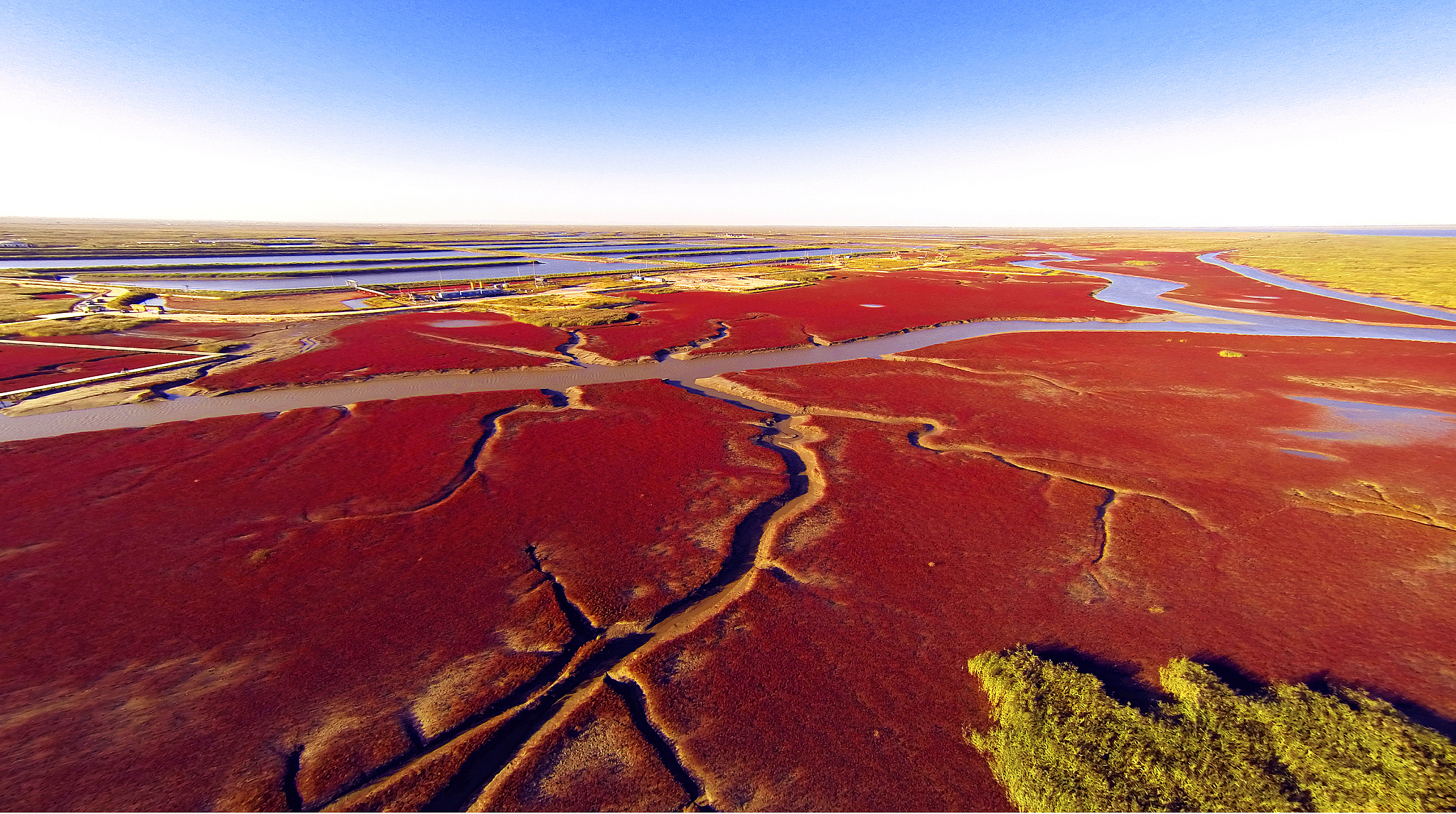
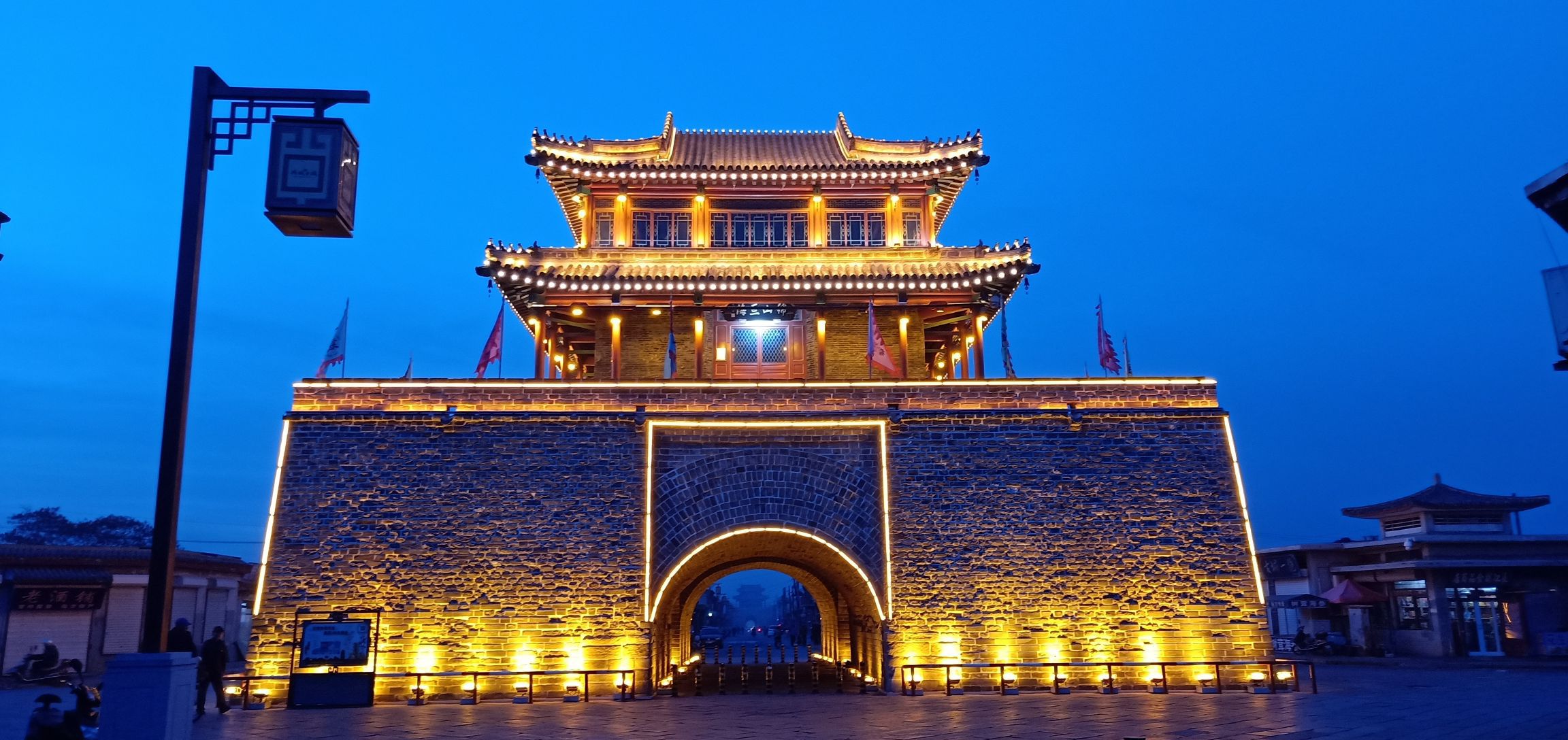
★★★★ 4.9
🕐 08:00-17:00
🎫 160 yuan (includes boat ride)
🏔️ Nature

Guanmenshan National Forest Park

Guanmenshan National Forest Park is one of Northeast China's premier destinations for autumn foliage viewing. The park covers over 20 square kilometers of densely forested mountain terrain, with maple trees, oaks, and birches creating a spectacular tapestry of red, orange, and gold each October. The name "Guanmen" (Closed Gate) comes from two towering peaks that face each other like a natural gateway at the park entrance. The park features well-maintained hiking trails of varying difficulty, from easy riverside walks to more challenging summit climbs. In spring, the valley fills with wild azaleas and mountain flowers. Summer brings cool, refreshing shade with temperatures 5-8°C lower than the city. But autumn is the undisputed star season — when the entire mountainside transforms into a blazing canvas of red maples that has made Guanmenshan famous across China.

★★★★ 4.7
🕐 06:00-18:00
🎫 80 yuan
🏔️ Nature

Wunu Mountain

Wunu Mountain is a UNESCO World Heritage Site and one of the most significant archaeological sites in Northeast Asia. Rising 821 meters above the Hun River valley, the mountain was the site of Gungnae, the first capital of the ancient Goguryeo Kingdom (37 BC - 668 AD), one of the most powerful empires in ancient East Asia. The mountain features remarkably well-preserved stone walls, gate structures, and foundation ruins dating back over 2,000 years. The climb to the summit involves 1,000+ stone steps, but the views from the top — overlooking the Hun River and the vast plains of Huanren County — are extraordinary. The site was inscribed as a World Heritage property in 2004 as part of the "Capital Cities and Tombs of the Ancient Koguryo Kingdom." A museum at the base of the mountain displays artifacts excavated from the site, including pottery, weapons, and tools that illuminate daily life in the ancient kingdom.

★★★★ 4.6
🕐 07:30-17:00
🎫 80 yuan
⛩️ Temple

Tiesha Mountain

Tiesha Mountain is one of the most sacred Taoist mountains in Northeast China, with a religious history spanning over 1,000 years. The mountain's name, meaning "Iron Fork," comes from its distinctive peak formation that resembles a three-pronged fork reaching toward the sky. Tiesha Mountain is considered the birthplace of Taoism in the Northeast and has been a center of Taoist practice since the Tang Dynasty. The mountain features several ancient temples and meditation caves carved into the cliff faces, including the famous Yun Guang Cave where Taoist hermits practiced for centuries. The main temple complex sits at mid-mountain and includes halls dedicated to the Three Pure Ones, the highest deities in Taoist cosmology. The annual Taoist temple fair in the fourth lunar month attracts thousands of pilgrims from across the region. The mountain's forests are also home to rare medicinal herbs that Taoist monks have harvested for centuries.

★★★★ 4.4
🕐 07:00-17:30
🎫 60 yuan
🏔️ Nature

Maple Leaf Avenue

The Maple Leaf Avenue (Fengye Dadao) is a scenic driving route that connects Benxi Water Cave to Guanmenshan National Forest Park, passing through one of China's most concentrated maple forest corridors. Stretching approximately 30 kilometers, the road winds through valleys where maple trees form a natural canopy overhead. During peak autumn season — typically the first two weeks of October — the entire corridor explodes in shades of crimson, scarlet, and gold, creating what many consider the most spectacular autumn drive in Northeast China. The route passes through small villages where local farmers sell roasted chestnuts, wild hazelnuts, and homemade maple syrup. Several pull-off points along the way offer photo opportunities and short walking trails into the forest. The avenue has become increasingly popular with photographers and road trip enthusiasts, and the Benxi municipal government has invested in improving road conditions and visitor facilities along the route.

★★★★ 4.8
🕐 Open 24 hours (best visited 07:00-17:00)
🎫 Free
🏔️ Nature

Wangtian Cave

Wangtian Cave, meaning "Looking at the Sky Cave," is another spectacular karst cave system in the Benxi area, though less visited than the famous Water Cave. The cave gets its name from a natural skylight opening near the summit that allows beams of sunlight to pierce the darkness below. The cave features some of the largest individual chambers in Northeast China, with ceiling heights exceeding 50 meters in places. The stalactite formations here are particularly impressive — including massive "curtain" formations that drape from ceiling to floor, and delicate "soda straw" stalactites that are still actively growing. The cave also contains rare "cave pearls" — spherical calcite formations that form in shallow pools. Guided tours take visitors through approximately 2 kilometers of the cave system, with well-lit pathways and informative signage about the geological processes that created these formations over hundreds of millions of years.

★★★★ 4.3
🕐 08:00-16:30
🎫 70 yuan

Food & Culture

Discover the culinary treasures of Benxi, from traditional street food to imperial cuisine.

Things to Do

Boat Through the Water Cave

Take a boat ride through Asia's longest underground river — a 5.8km journey through illuminated caverns filled with ancient rock formations.

🏛️

Autumn Maple Viewing at Guanmenshan

Visit Guanmenshan in October to witness the most spectacular autumn foliage in Northeast China.

Hike Wunu Mountain UNESCO Site

Climb to the ancient Goguryeo capital ruins and enjoy panoramic views of the Hun River valley.

Drive the Maple Leaf Avenue

Take a scenic 30km drive through one of China's most concentrated maple forest corridors.

Taste Xiaoshi Mutton Soup

Experience Benxi's most iconic dish — a rich, milky mutton soup simmered for hours in traditional iron pots.

Explore Taoist Tiesha Mountain

Discover one of Northeast China's most sacred Taoist mountains with ancient temples and meditation caves.

Suggested Itineraries

Benxi One-Day Cave & Maple Tour

A perfect day combining Benxi's two most famous attractions — the Water Cave and the Maple Leaf corridor — with the city's signature cuisine.

  • Morning: Benxi Water Cave — boat ride through the underground river (2.5 hours)
  • Midday: Xiaoshi Mutton Soup lunch in Xiaoshi town
  • Afternoon: Drive the Maple Leaf Avenue (October) or visit Guanmenshan Forest Park
  • Evening: Return to Benxi city for Iron Pot Stew dinner

Benxi Nature & Heritage Explorer (2 Days)

An in-depth exploration of Benxi's natural wonders and ancient heritage, from underground caves to 2,000-year-old kingdom ruins.

  • Day 1: Morning at Benxi Water Cave + afternoon at Guanmenshan National Forest Park. Overnight in Benxi city.
  • Day 2: Morning drive to Huanren County for Wunu Mountain UNESCO site (2 hours from Benxi). Afternoon visit to Tiesha Mountain on the return.
  • Evening: Xiaoshi Mutton Soup dinner and hot springs relaxation.

Benxi Complete Experience (3 Days)

The ultimate Benxi experience — covering every major attraction, scenic drive, and culinary specialty the city has to offer.

  • Day 1: Benxi Water Cave + Maple Leaf Avenue + evening in Benxi city
  • Day 2: Full day at Guanmenshan Forest Park — hiking trails, photography, and nature immersion
  • Day 3: Morning trip to Wunu Mountain UNESCO site + afternoon at Wangtian Cave + Tiesha Mountain Taoist temples
  • Throughout: Sample all six signature Benxi dishes — mutton soup, grilled cold noodles, sour cabbage, mountain vegetables, iron pot stew, and hazel mushroom chicken.

Getting Around

✈️

Airport

Benxi does not have its own commercial airport. The nearest airport is Shenyang Taoxian International Airport (about 80km northwest), which offers domestic flights to all major Chinese cities and some international routes. A shuttle bus connects Shenyang Airport to Benxi in approximately 1.5 hours.

🚄

High-Speed Rail

Benxi does not have a high-speed rail station, but regular trains connect Benxi Railway Station to Shenyang (approximately 1 hour), Dandong (approximately 2 hours), and other cities in Liaoning. The Benxi-New Station on the Shenyang-Dandong intercity railway provides faster service.

🚌

Bus Network

City buses cover the urban area and connect to major attractions. Long-distance buses run to Shenyang, Dandong, and other Liaoning cities. Tourist buses operate to Benxi Water Cave and Guanmenshan during peak season.

🚕

Taxi & Rideshare

Available throughout the city

Best Time to Visit

🌸

Spring

Apr - Jun

★★★★☆

Mild temperatures (10-22°C) with wildflowers blooming across the mountains. Excellent season for hiking and cave exploration. Mountain vegetables are in season.

  • Wildflower blooms
  • Mountain vegetable season
  • Comfortable hiking
☀️

Summer

Jul - Aug

★★★★☆

Warm and humid (22-30°C) with lush green forests. The Water Cave's constant 12°C provides a refreshing escape. Peak season for family travel.

  • Lush greenery
  • Cave cooling
  • Family travel season
🍂

Autumn

Sep - Oct

★★★★★

Cool and crisp (8-20°C) with the most spectacular maple foliage in Northeast China. Peak season at Guanmenshan and the Maple Leaf Avenue. Best photography conditions.

  • Spectacular maple foliage
  • Perfect weather
  • Photography paradise
❄️

Winter

Nov - Mar

★★☆☆☆

Cold and snowy (-15 to 0°C). Snow-covered landscapes create a different kind of beauty. Hot springs and mutton soup are especially enjoyable. Few tourists.

  • Snow scenery
  • Hot springs
  • Mutton soup season

Travel Reminders

💡

Visit in early to mid-October for the most spectacular autumn maple foliage at Guanmenshan and along the Maple Leaf Avenue. Book accommodations well in advance during this peak period.

💡

The Water Cave maintains a constant 12°C year-round. Bring a light jacket even in summer. The boat ride takes about 40 minutes, and the entire visit requires 2-3 hours.

💡

Don't leave Benxi without trying Xiaoshi Mutton Soup — head to Xiaoshi town for the most authentic experience. Also try the grilled cold noodles at local night markets.

💡

Renting a car is the best way to explore Benxi's scattered attractions, especially the Maple Leaf Avenue. The drive from Shenyang to Benxi takes about 1 hour via highway.

💡

The climb to Wunu Mountain summit involves over 1,000 stone steps and takes 2-3 hours round trip. Start early in the morning to avoid midday heat. The Hun River views from the top are worth the effort.

💡

The best light for autumn foliage photography is early morning (7-9 AM) and late afternoon (3-5 PM). The Maple Leaf Avenue offers numerous pull-off points for photos.

Continue Exploring China

Discover more cities, food guides, and travel inspiration.