
Landmark
Xingcheng Ancient City
A remarkably well-preserved Ming dynasty walled city, built in 1428. The square city wall stretches over 3 km, enclosing historic streets, temples, and traditional courtyard homes.
8:00 AM - 5:00 PM
50 yuan
A coastal city in western Liaoning known for the ancient Xingcheng city wall, Juhua Island, and its strategic military port.
Huludao is a prefecture-level city in western Liaoning Province, situated on the northwest coast of the Bohai Sea. The city covers a long stretch of coastline from Xingcheng in the south to Suizhong in the west, encompassing a diverse landscape of ancient city walls, island getaways, and strategic military harbors.
The city is named after the gourd-shaped peninsula (hulu meaning gourd, dao meaning island) that forms its natural harbor. Huludao Port has served as a military and civilian port since the 1930s, and the city maintains an important naval presence.
The crown jewel of Huludao is Xingcheng, a county-level city under its administration that boasts one of the best-preserved Ming dynasty city walls in China. Built in 1428 during the Ming dynasty, the walled city has survived centuries of warfare and modernization largely intact. Nearby Juhua Island, the largest island in the Bohai Sea, offers a tranquil escape with beaches, temples, and traditional fishing culture. Jiumenkou Great Wall, a unique water-pass section of the Great Wall, is another significant historical attraction.
The Huludao area has a long history. Xingcheng Ancient City was built in 1428 during the Ming dynasty as a military fortress guarding the Bohai coast. It later became a commercial center and one of the key walled cities in the region.
In the modern era, Huludao port was developed during the Japanese occupation of Manchuria in the 1930s. The Japanese built the port facilities to ship out resources from Northeast China. After 1949, the port was converted to a naval base and remains an important People Liberation Army Navy facility.
Huludao was established as a prefecture-level city in 1989, incorporating Xingcheng, Suizhong, Jianchang, and Lianshan District. The city has since developed its shipbuilding, petrochemical, and tourism industries, though the naval presence continues to define its character.
Huludao economy is shaped by its strategic coastal location. Shipbuilding and petrochemical industries are the main industrial pillars. The Bohai Shipyard is one of China major naval shipbuilding facilities, contributing significantly to the local economy.
The petrochemical sector includes oil refining and chemical processing, supported by the port facilities. The Port of Huludao handles bulk cargo including coal, oil, and construction materials.
Tourism is a growing sector, centered on Xingcheng Ancient City, Juhua Island, and the seaside resorts along the coast. Xingcheng in particular has developed into a popular summer destination for tourists from Northeast China and Beijing. Agriculture, including fruit cultivation in Suizhong and Jianchang, also contributes to the economy.
Discover the culinary treasures of Huludao, from traditional street food to imperial cuisine.
Huludao does not have its own commercial airport. The nearest major airports are Qinhuangdao Beidaihe Airport (BPE, about 150 km southwest) and Shenyang Taoxian International Airport (SHE, about 280 km northeast).
Huludao North Railway Station on the high-speed Beijing-Harbin railway. Direct trains to Beijing (about 2.5 hours), Shenyang (about 1.5 hours), and Dalian (about 2 hours).
No metro system. Public buses connect urban areas. Xingcheng Ancient City and Juhua Island are best reached by taxi or local bus from Huludao city center.
Mar - May
Mild and pleasant. Flowers bloom in Xingcheng Ancient City. Good for historical sightseeing without the summer crowds.
Jun - Aug
Warm to hot and humid. Peak beach season at Longwan Beach and Juhua Island. The sea breeze provides some relief from the heat.
Sep - Nov
Comfortable temperatures, clear skies, and low humidity. The best season for hiking at Jiumenkou Great Wall and exploring Xingcheng.
Dec - Feb
Cold and dry. Few tourists. The ancient city takes on a quiet, atmospheric charm in winter. Not suitable for beach activities.
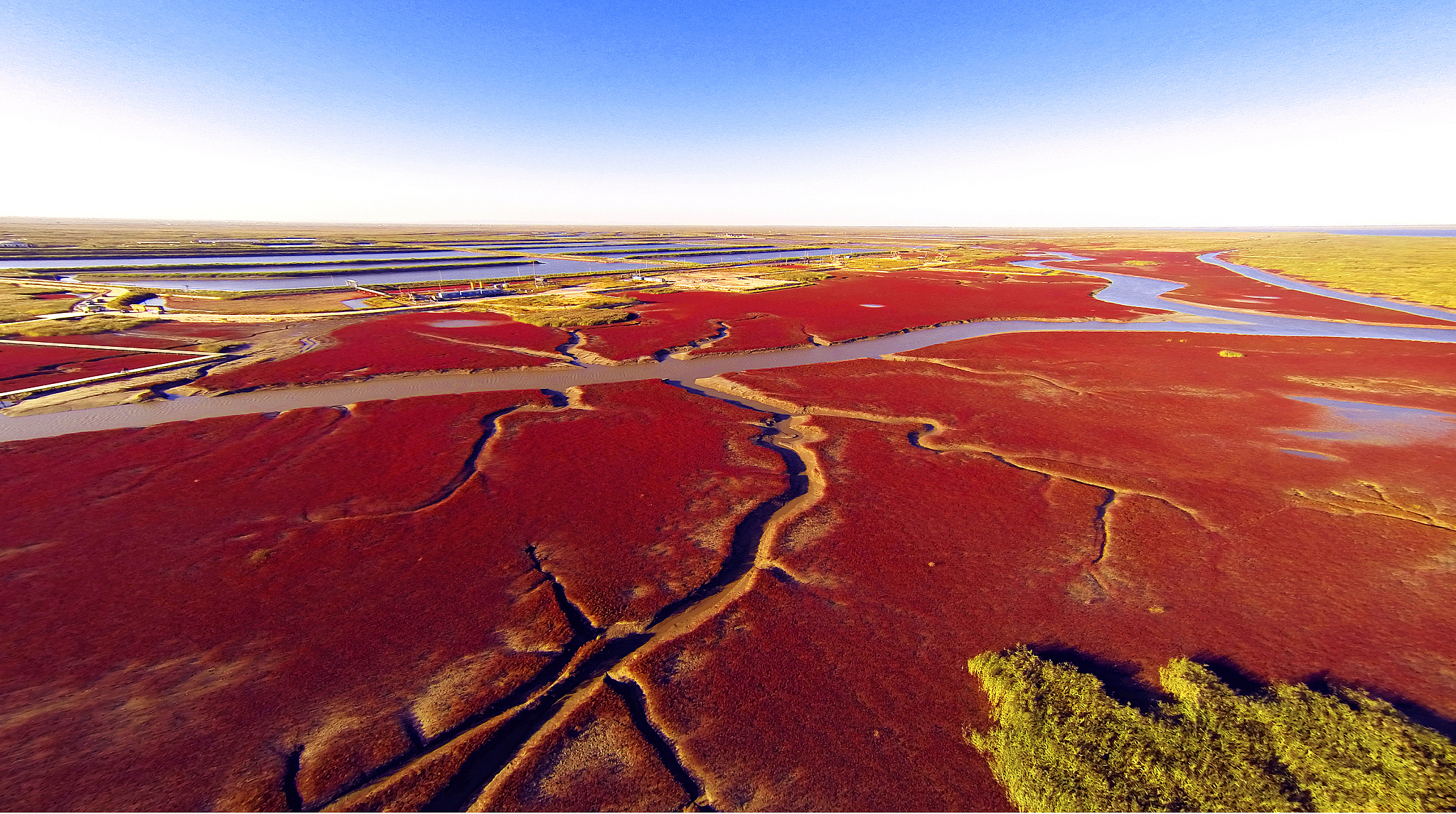
A wetland city in Liaoning famous for the stunning Red Beach...
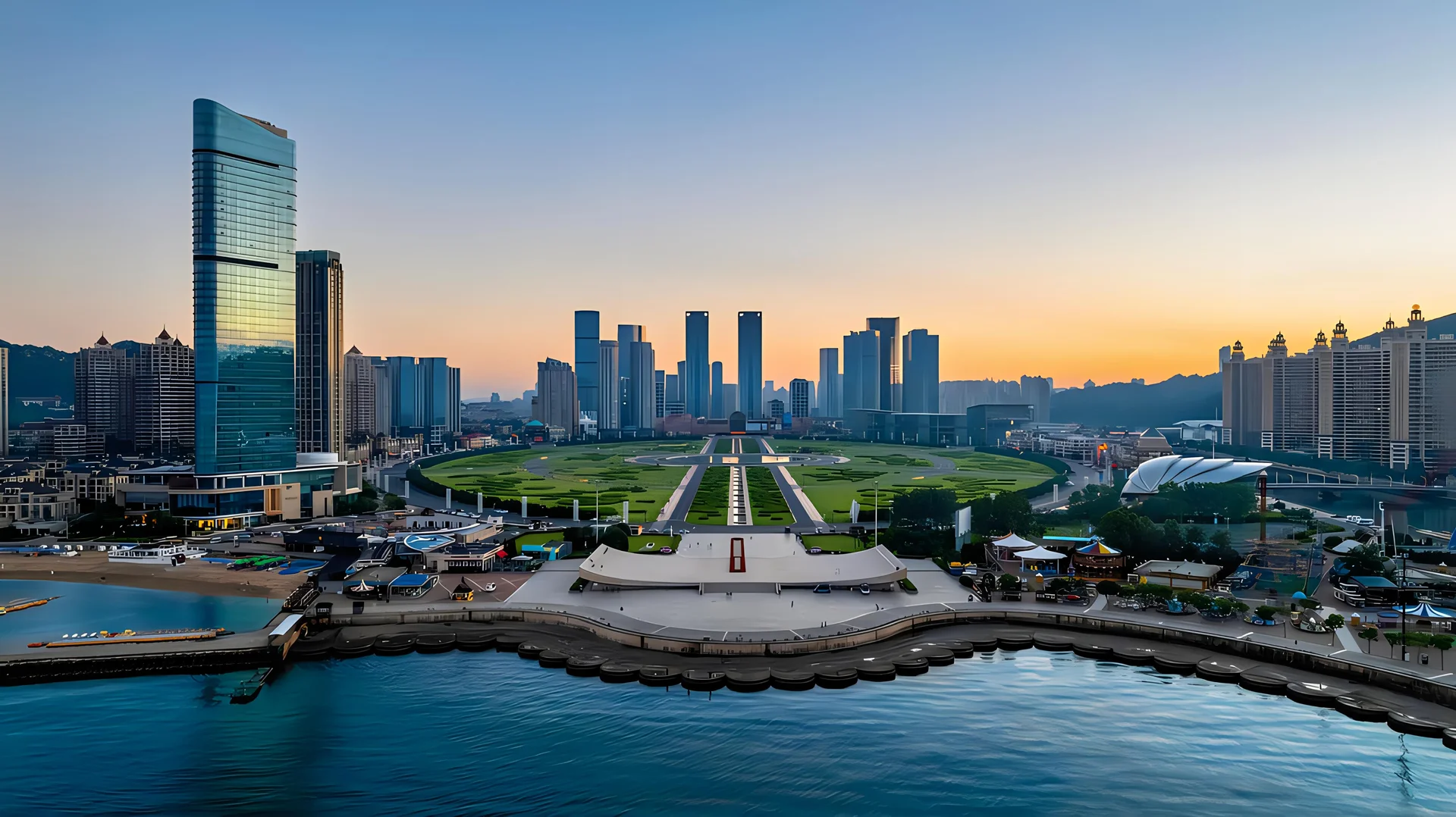
A romantic coastal city known as the "Pearl of the North," f...
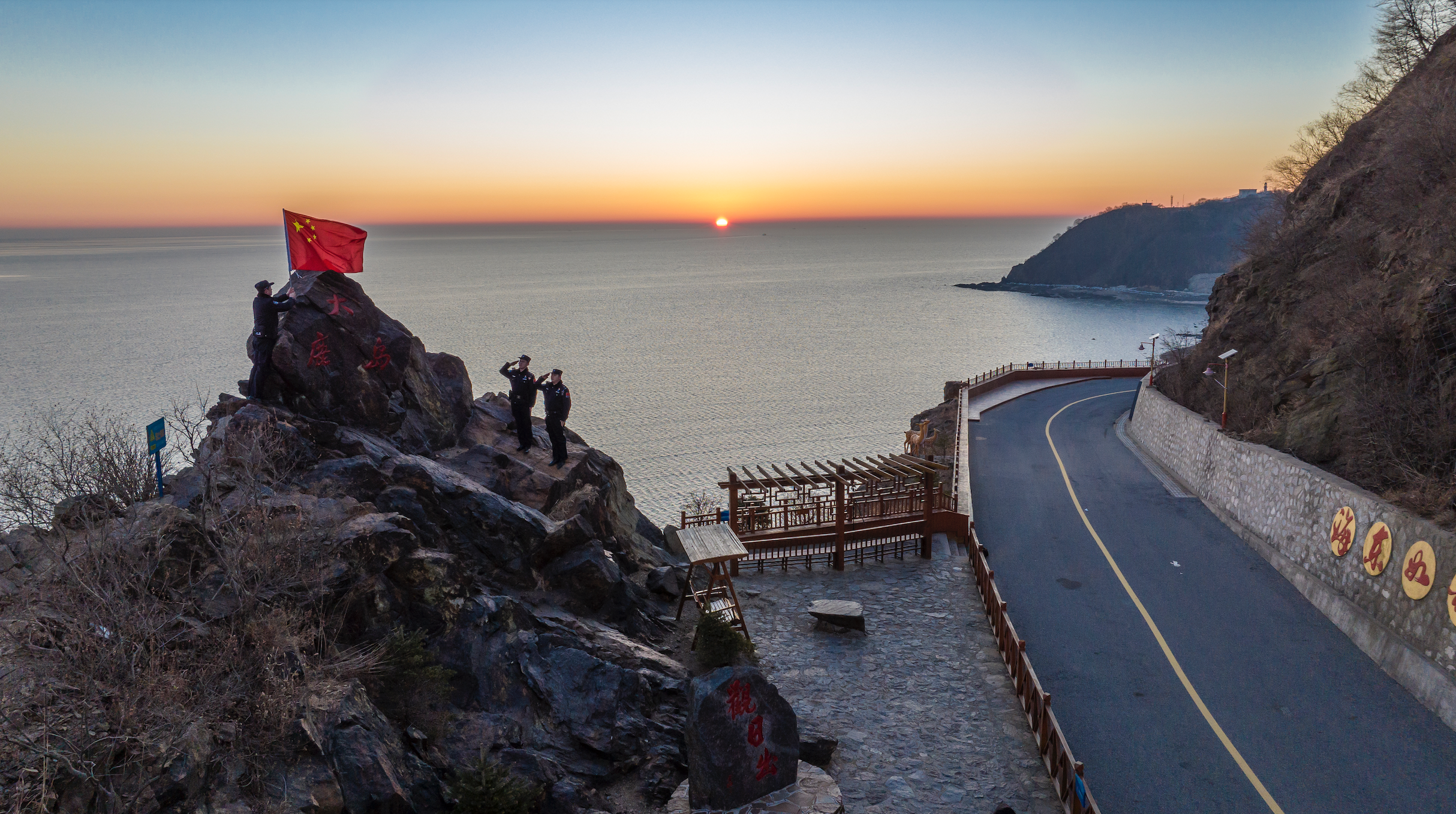
A border city on the Yalu River facing North Korea, famous f...
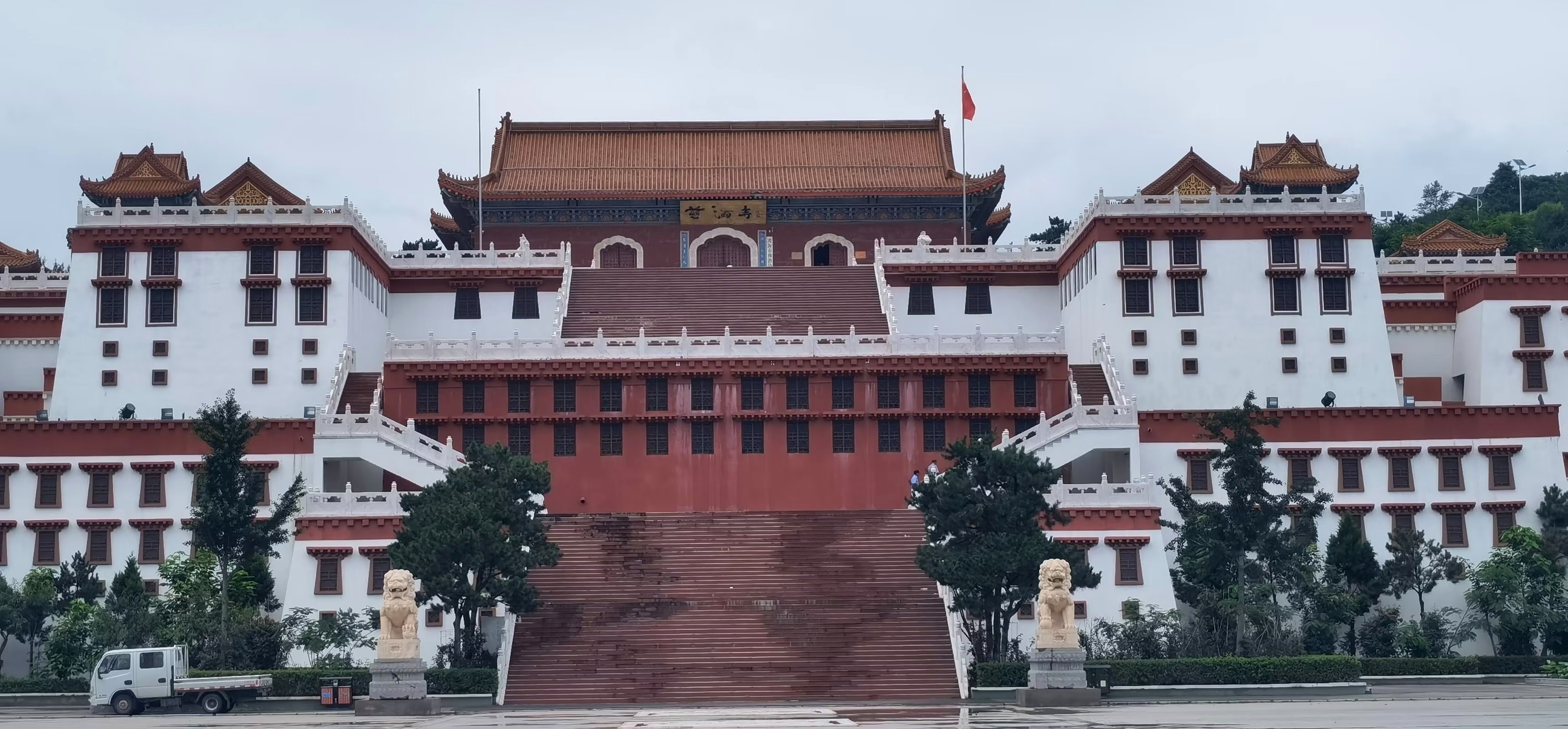
A historic city in western Liaoning known for the unique Bij...

A historic port city in Liaoning known for its deep-water ha...
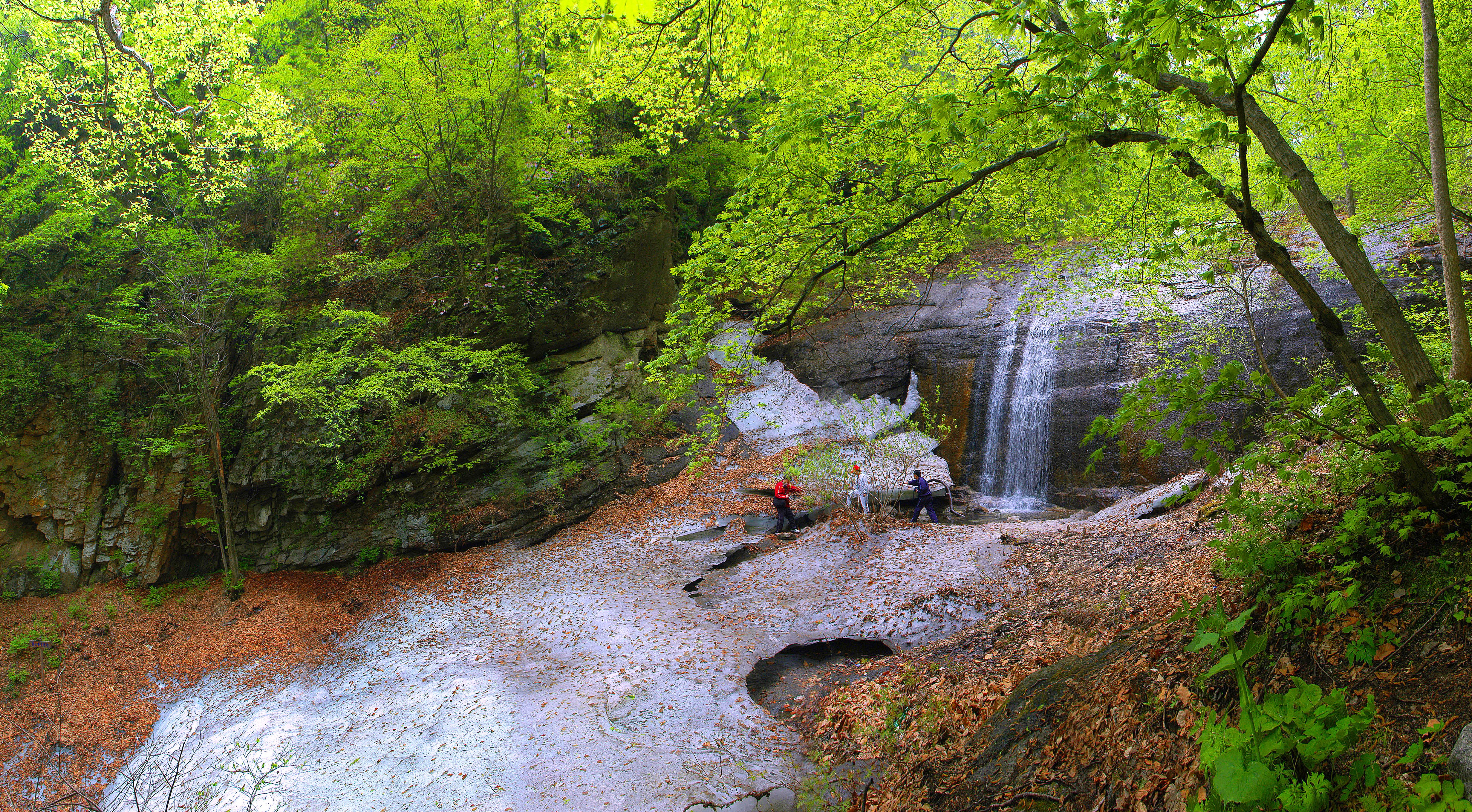
Home to Asia's longest underground river cave, UNESCO World ...
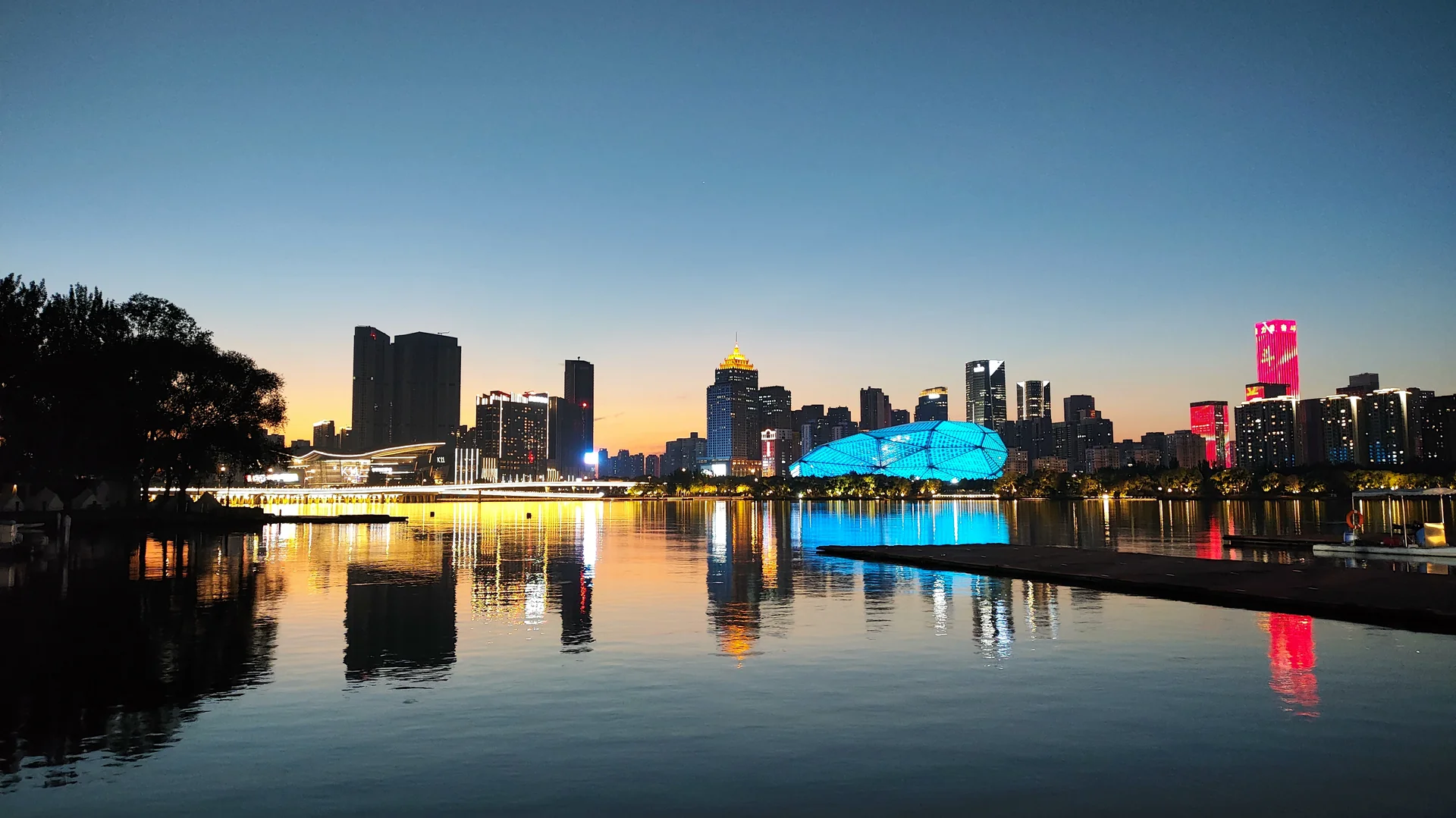
Capital of Liaoning province and the historic heart of Manch...
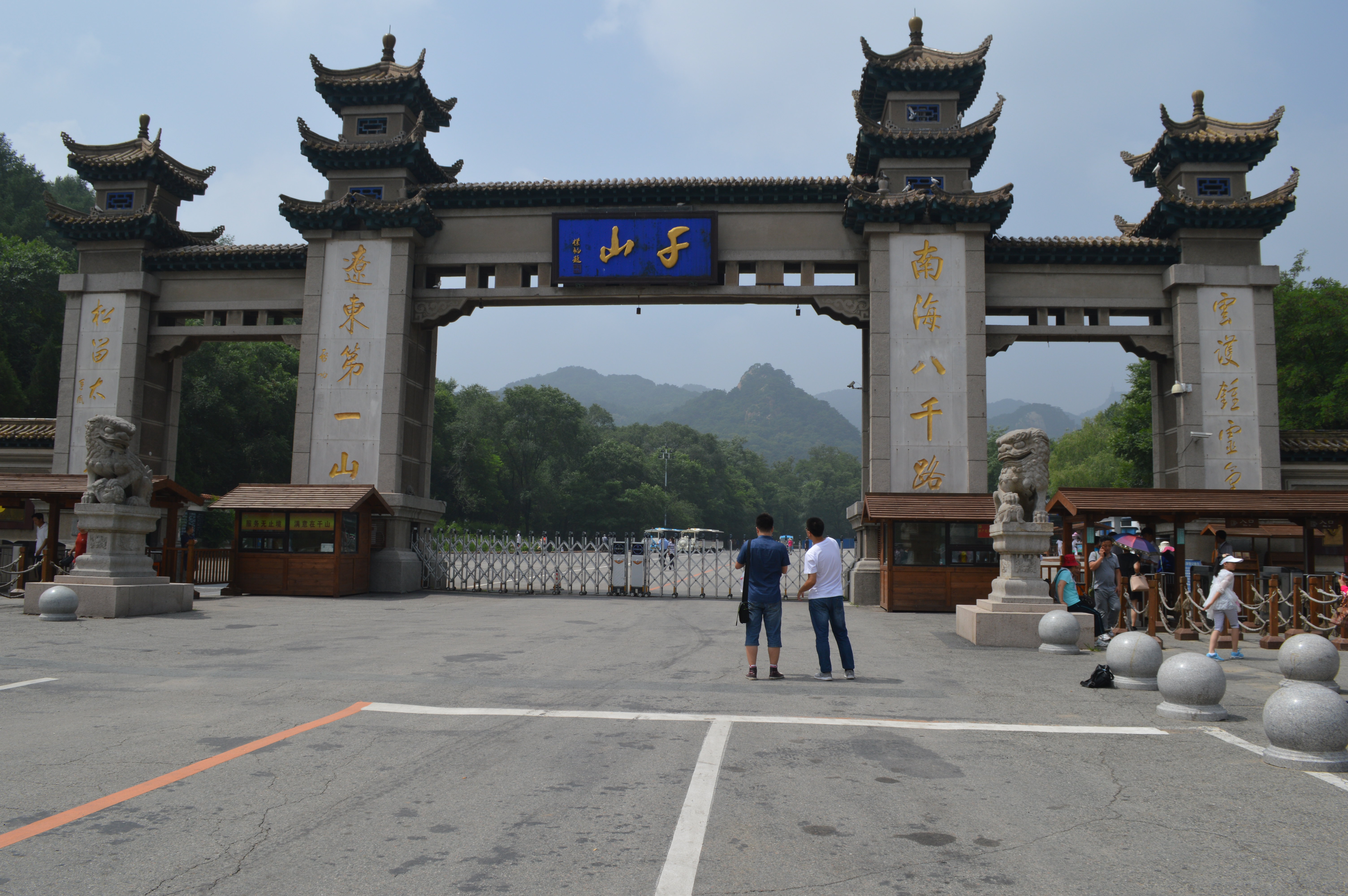
China's "Steel Capital" and home to the world's largest jade...
Discover more cities, food guides, and travel inspiration.