Landmark
Shenyang Imperial Palace
The imperial palace of the early Qing dynasty before the conquest of Beijing. Built in 1625, it features 300+ rooms blending Manchu, Han, and Tibetan architectural styles.
8:30 AM-5:00 PM
60 yuan
Capital of Liaoning province and the historic heart of Manchuria—a city where Qing dynasty grandeur meets heavy industry heritage.
Shenyang is a city of dramatic contrasts. As the capital of Liaoning province and the largest city in Northeast China, it seamlessly blends imperial grandeur with industrial grit and modern urban energy.
The city's crown jewel is the Shenyang Imperial Palace, a UNESCO World Heritage site built in 1625. While smaller than Beijing's Forbidden City, it offers a more intimate glimpse into early Qing dynasty court life, with unique Manchu architectural features you won't find anywhere else.
Shenyang's 20th-century history is equally compelling. The September 18th Museum powerfully tells the story of the Mukden Incident that began Japan's invasion of China. The nearby Zhang's Mansion (Mukden Palace Museum) preserves the lives of the legendary "Young Marshal" Zhang Xueliang and his father.
Modern Shenyang is a city reborn. While its heavy industry past earned it the nickname "Cradle of the Republic," today's Shenyang boasts gleaming shopping districts, expanding metro lines, and a food scene that draws from Manchu, Han Chinese, Korean, and Russian influences.
The city's culinary claim to fame is Guobaorou—crispy pork in sweet-sour sauce. But don't miss Laobian Dumplings (since 1829), street-side grilled chicken racks with cold beer, or the hearty Manchu classic white pork with blood sausage. Shenyang is a paradise for adventurous eaters.
Shenyang's history stretches back over 2,300 years. During the Warring States period, it was part of the Yan Kingdom's frontier territories. The city's true rise began in 1625 when the Manchu leader Nurhaci moved his capital here, building the Shenyang Imperial Palace.
In 1636, Huang Taiji officially renamed the city Shenjing (盛京) and established the Qing dynasty from this very city. After the Qing conquered Beijing in 1644, Shenyang remained the dynasty's spiritual capital.
The 20th century transformed Shenyang into an industrial powerhouse. Known as the "Cradle of the Republic," the city was China's heavy industry center during the 1950s-70s. The Shenyang Aircraft Corporation produced China's first jet fighter.
The Mukden Incident of September 18, 1931 occurred near Shenyang, triggering Japan's occupation of Manchuria. The city's liberation came in 1948 during the Chinese Civil War.
Today, Shenyang is reinventing itself. Heavy industry has given way to advanced manufacturing, information technology, and services. The city's skyline is transforming, and its historic districts are being revitalized.
Shenyang has the largest economy in Northeast China, with a GDP of 812 billion yuan. Traditionally centered on heavy industry and manufacturing, the economy is now diversifying.
Key industries include automotive manufacturing (BMW's largest global plant is here), aerospace, machinery, pharmaceuticals, and information technology. The Shenyang Economic and Technological Development Zone attracts foreign investment.
The service sector is growing rapidly, driven by retail, tourism, and finance. Shenyang's 7+ universities produce skilled graduates, and the city's position as a transport hub connects it to all major Chinese cities.
Tourism is an increasingly important sector. The Shenyang Imperial Palace, Mukden Museum, and the city's unique Manchu heritage draw domestic and international visitors.
Discover the culinary treasures of Shenyang, from traditional street food to imperial cuisine.
Explore historic palaces, tombs and vibrant city life.
Trace the dramatic events of 20th century Manchuria.
Shenyang Taoxian International Airport (SHE) - 25 km from city center
Connected to major cities
Public transportation available
Extensive network throughout the city
Available throughout the city
Apr - May
Mild and pleasant with blooming flowers. Occasional wind and dust.
Jun - Aug
Warm to hot with moderate rainfall. Peak tourist season.
Sep - Oct
Crisp air, golden foliage, and comfortable temperatures. Best season.
Nov - Mar
Very cold with snow. Ideal for experiencing northern Chinese winter culture.
Winter festival with ice sculptures, snow activities, and cultural performances.
Autumn is ideal. Winter requires heavy warm clothing. Summer can be hot.
Shenyang winters (Dec-Feb) are very cold. Temperatures can drop to -25°C. Pack thermal layers, heavy coat, hat, gloves.
Try grilled chicken rack at night markets around Zhongjie. Local favorite pairing: chicken rack + cold beer.
Visit the Imperial Palace early morning to avoid crowds. Allow 2-3 hours to explore fully.
Explore Manchu culture at the Imperial Palace and try traditional Manchu dishes like white pork blood sausage.
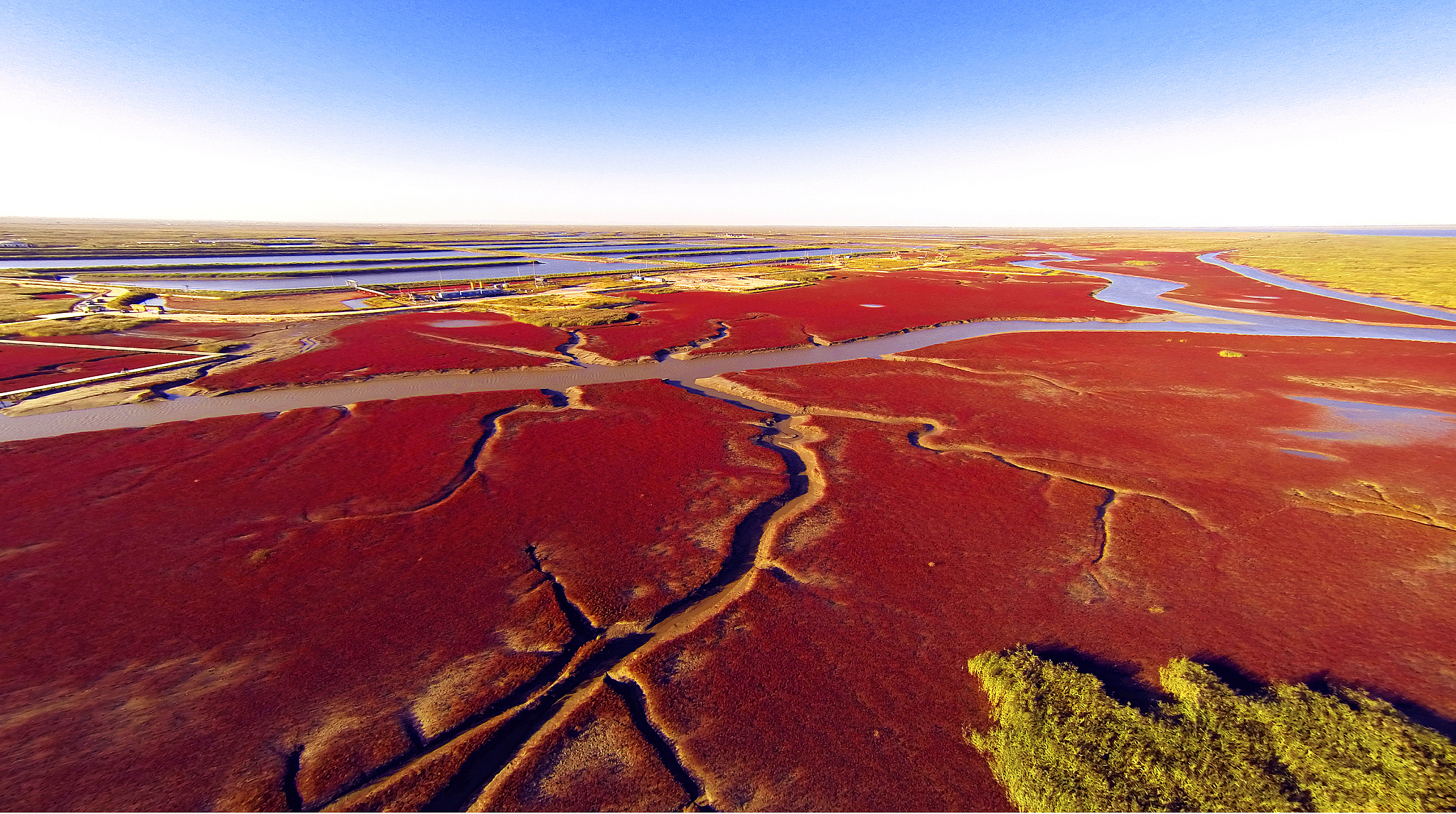
A wetland city in Liaoning famous for the stunning Red Beach...
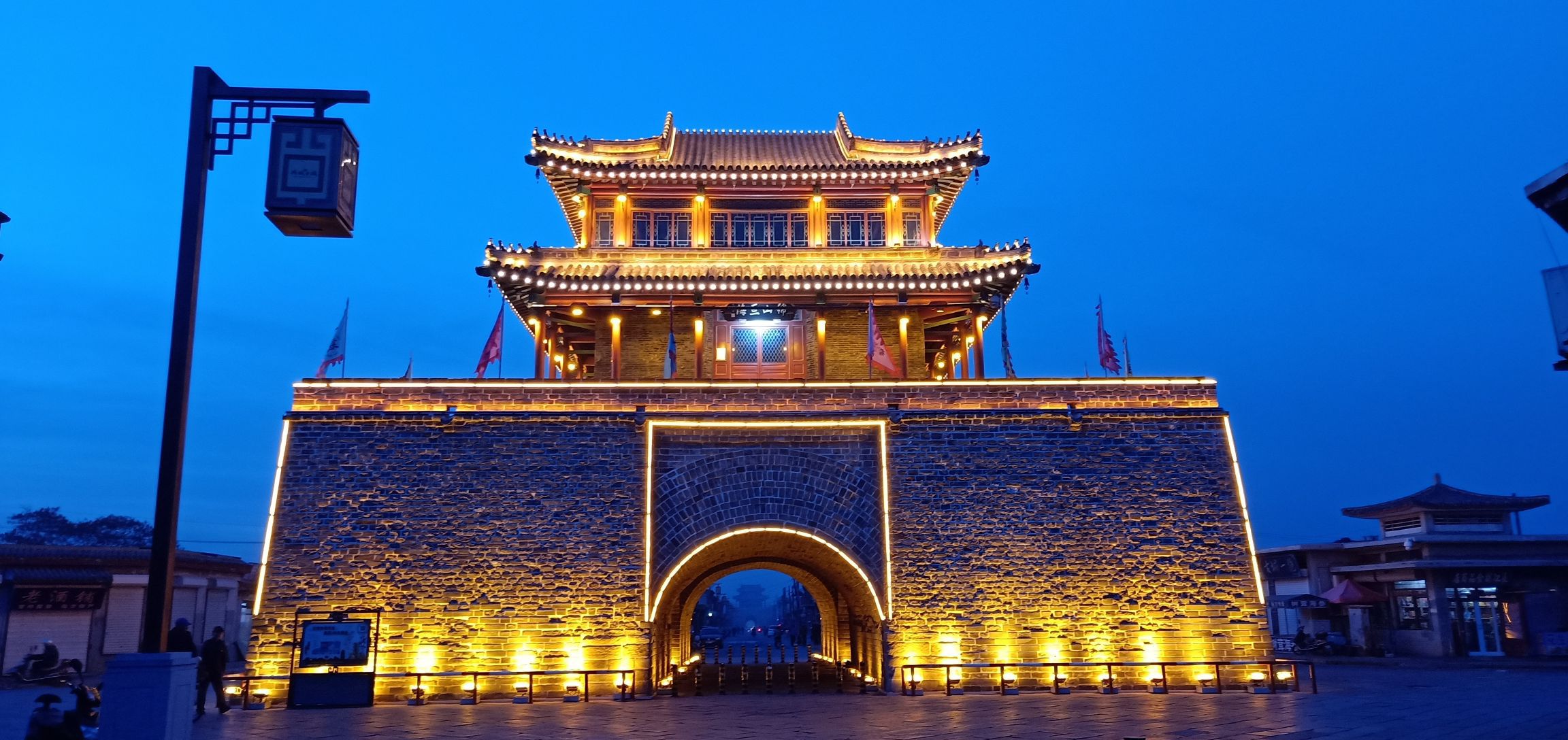
A coastal city in western Liaoning known for the ancient Xin...
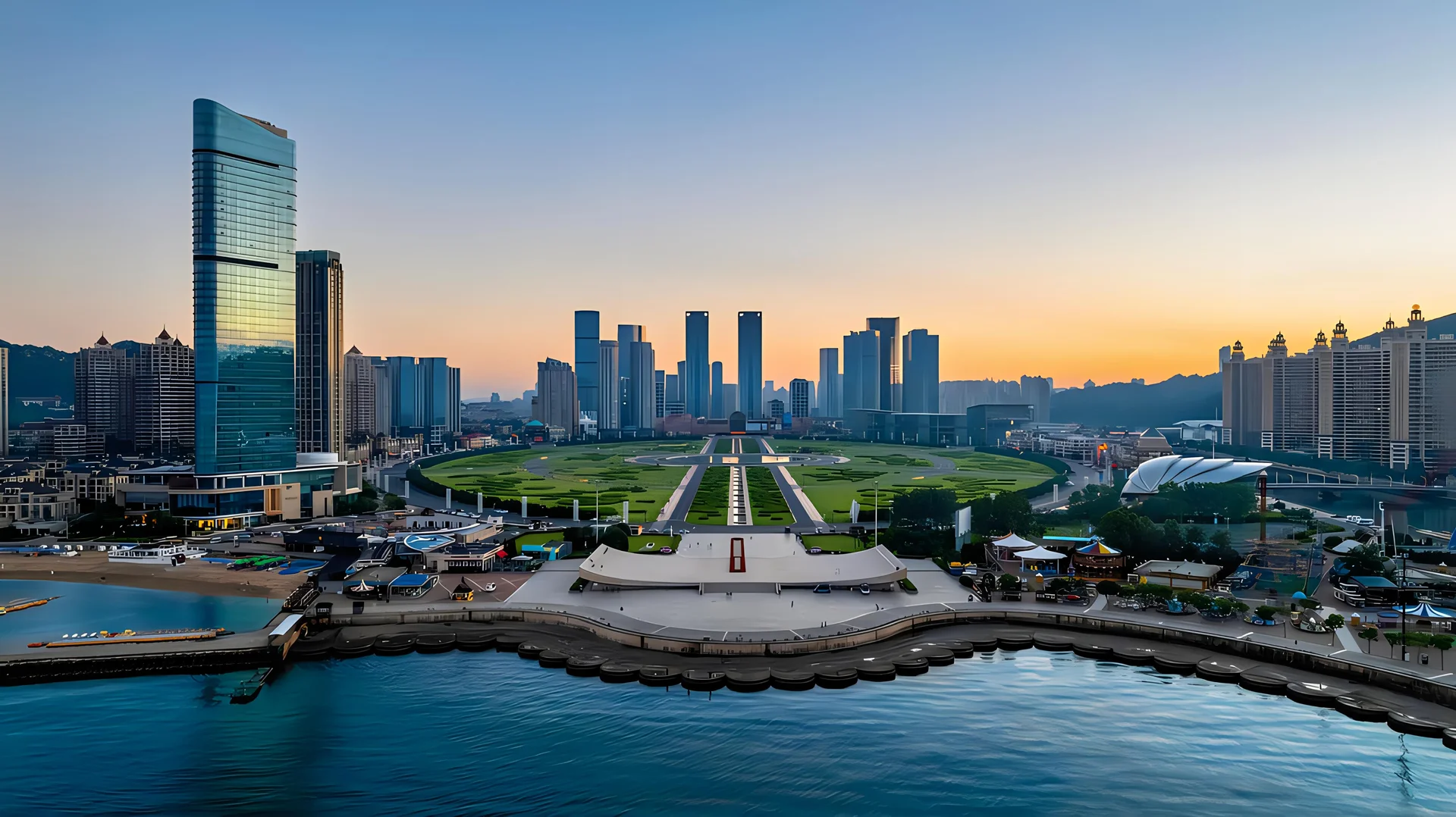
A romantic coastal city known as the "Pearl of the North," f...
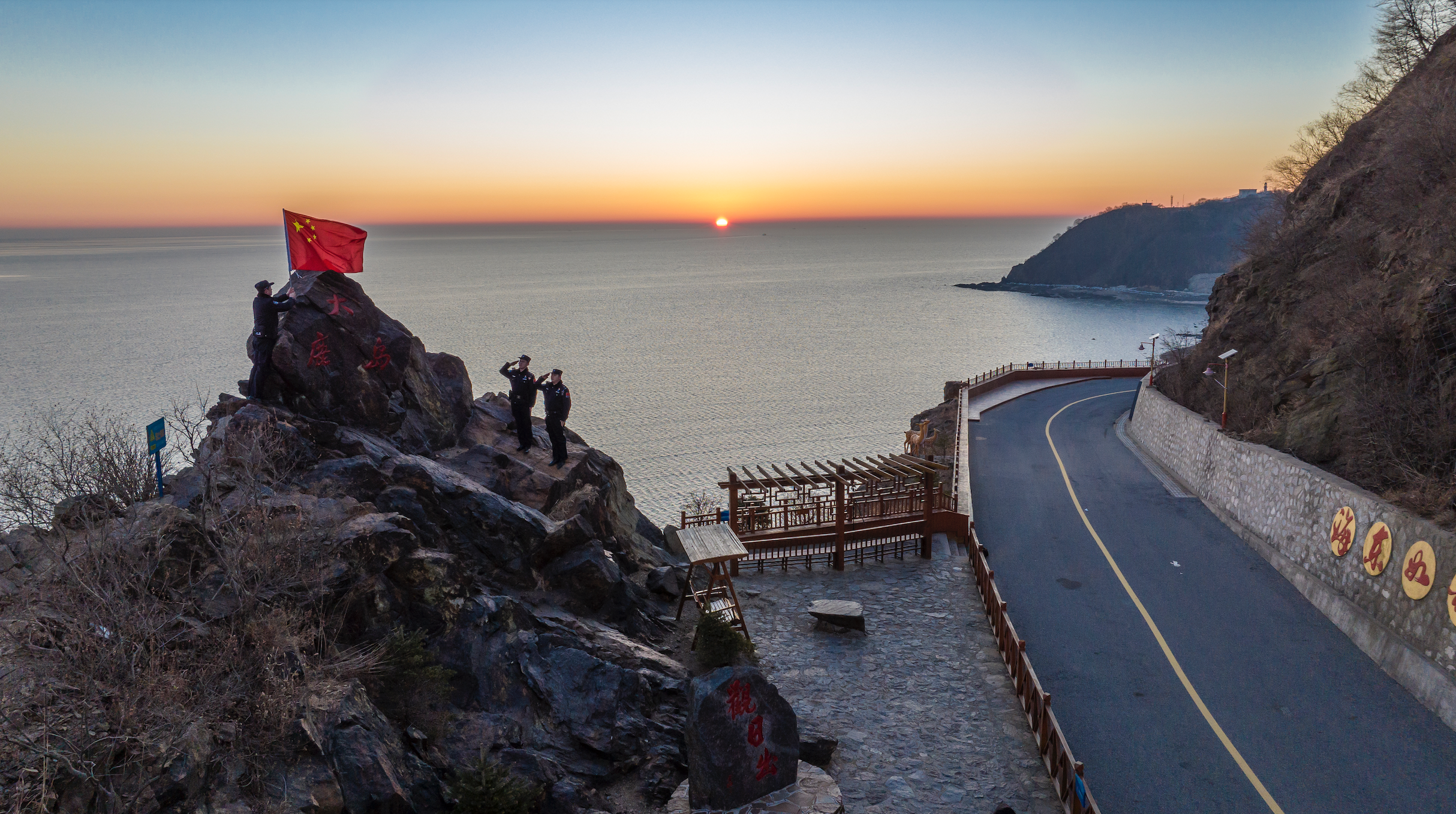
A border city on the Yalu River facing North Korea, famous f...
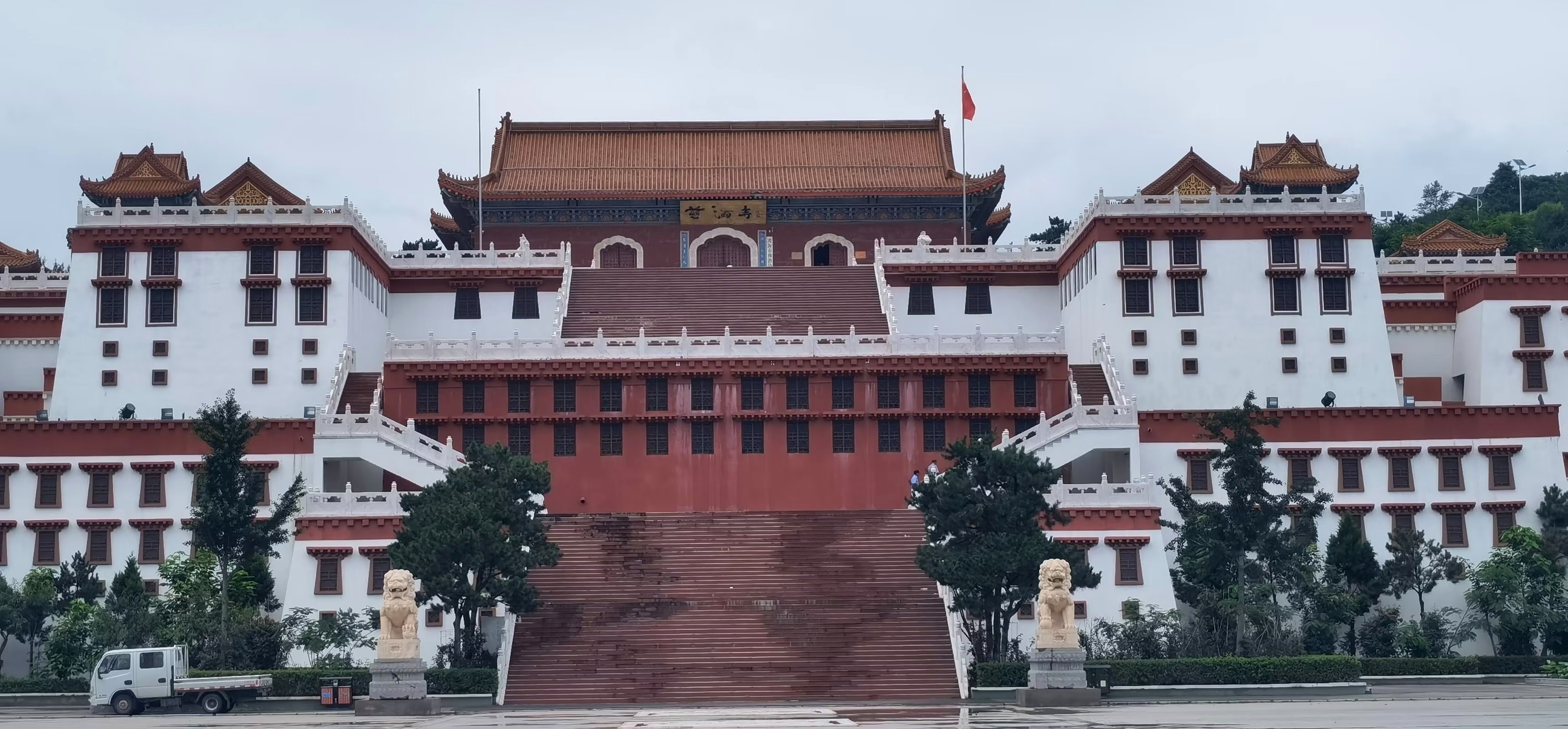
A historic city in western Liaoning known for the unique Bij...
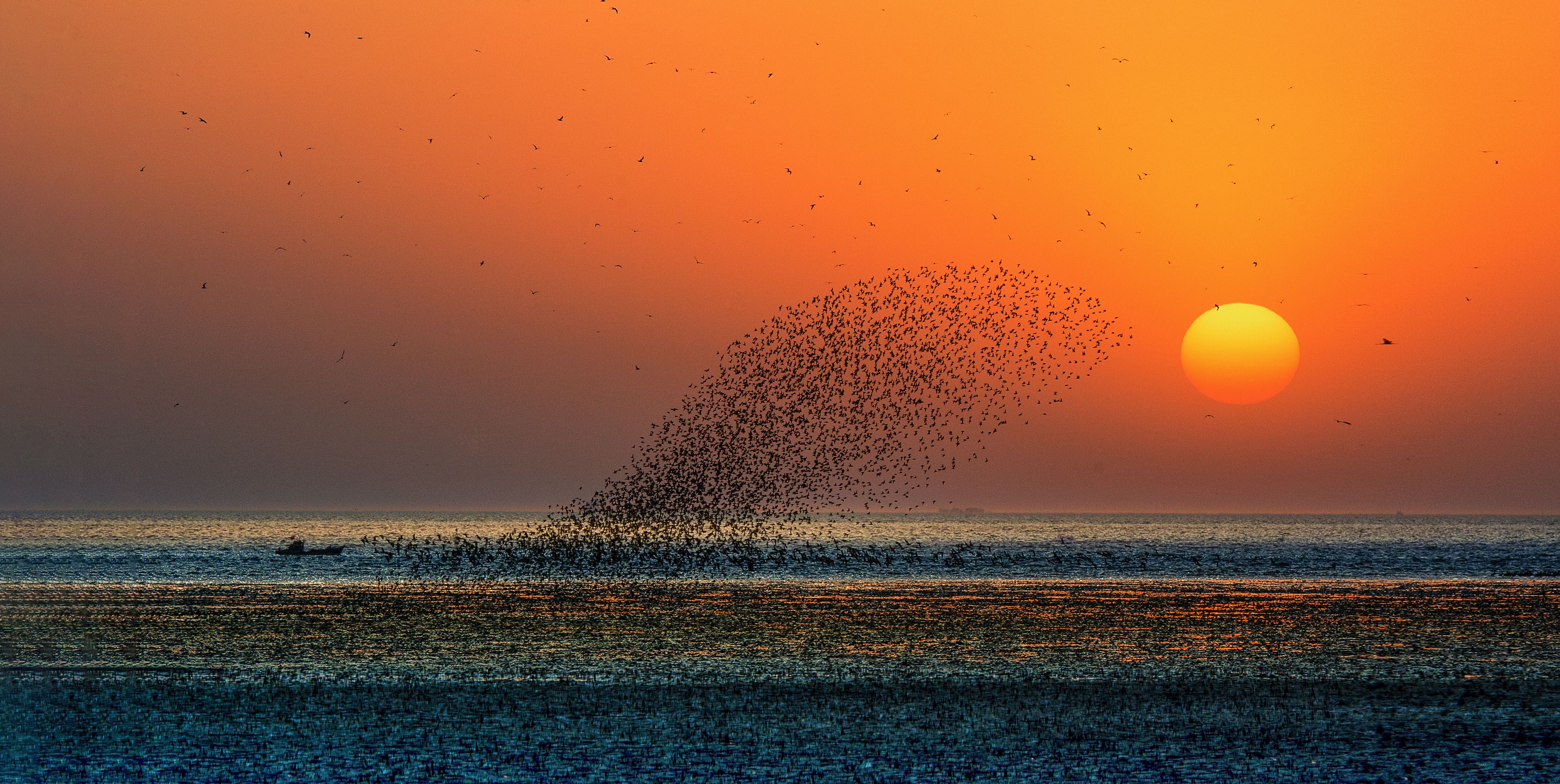
A historic port city in Liaoning known for its deep-water ha...
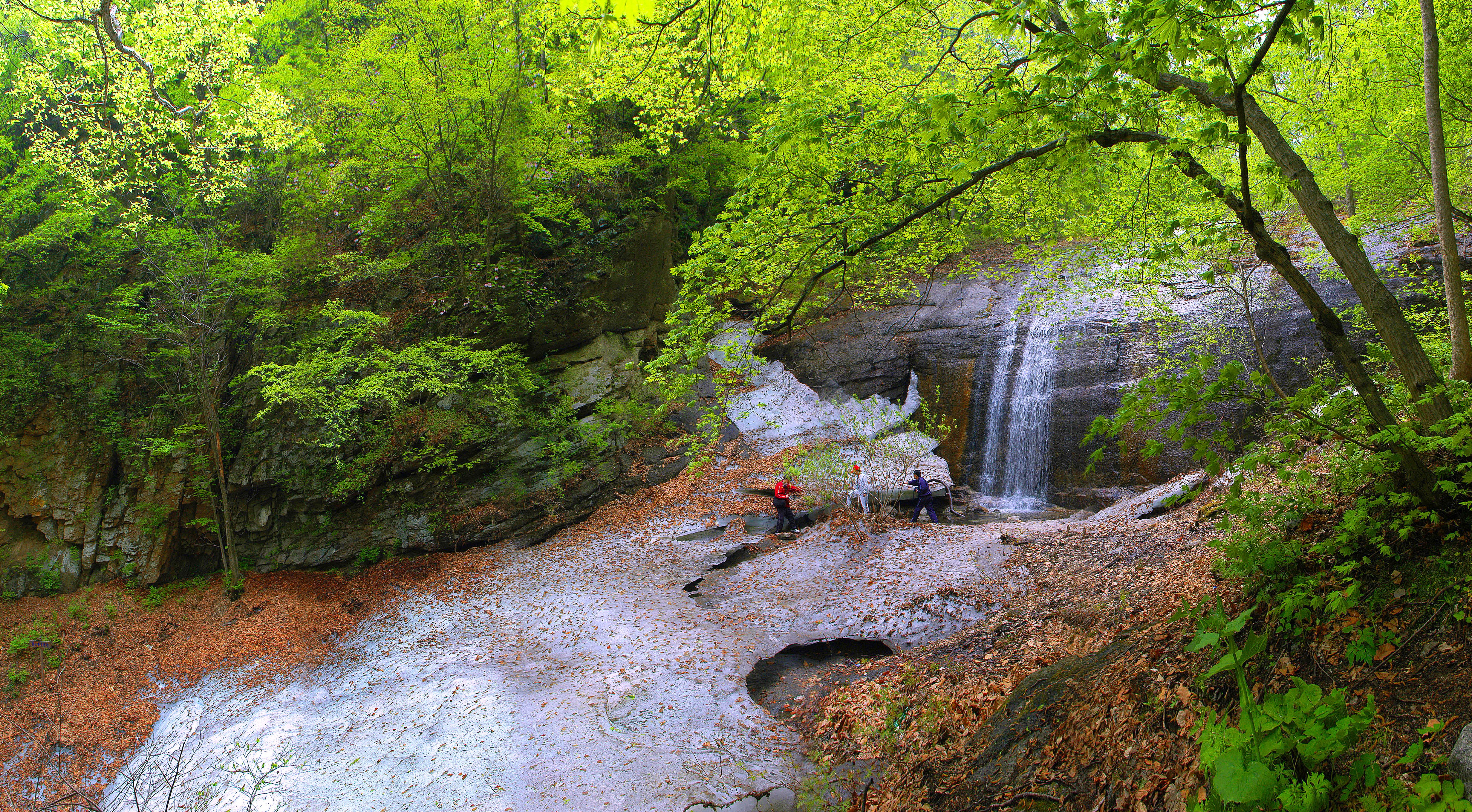
Home to Asia's longest underground river cave, UNESCO World ...
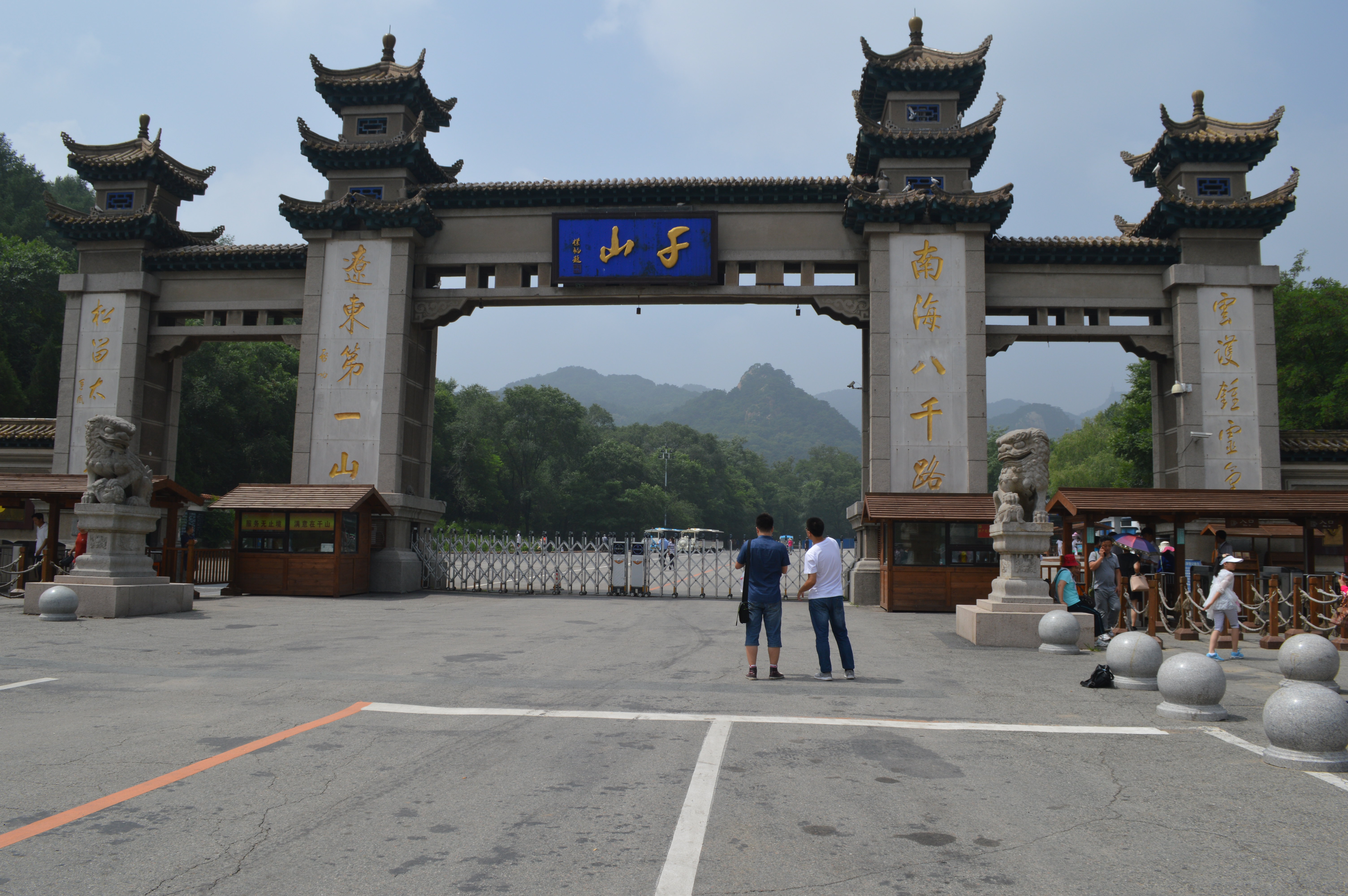
China's "Steel Capital" and home to the world's largest jade...
Discover more cities, food guides, and travel inspiration.