Museum
Weifang Kite Museum
The world's largest kite museum, showcasing over 2,000 kites from China and abroad, including rare antique kites and giant exhibition pieces.
8:30 AM - 5:30 PM
30 yuan
World Kite Capital and home of Weichai Power, the world's largest diesel engine manufacturer. Weifang combines industrial might with Shandong's time-honored folk culture.
Weifang is a major industrial and cultural city in central Shandong Province, with a population of 9.37 million and an area of 16,167 square kilometers. It is known globally as the "World Kite Capital" and domestically as a manufacturing powerhouse.
The city hosts the annual Weifang International Kite Festival, attracting enthusiasts from over 60 countries. The Weifang Kite Museum is the world's largest of its kind, preserving and showcasing thousands of kites spanning centuries of tradition.
Weifang's industrial strength is anchored by Weichai Power, the world's largest diesel engine manufacturer by revenue, and a global leader in heavy-duty engines, construction machinery, and agricultural equipment. The city is a key hub for power equipment, agricultural machinery, textile manufacturing, and food processing in Shandong.
Beyond industry, Weifang boasts rich cultural heritage. Yangjiabu New Year pictures are among China's most celebrated folk arts, recognized as a national intangible cultural heritage. Qingzhou Ancient City, with its 2,000-year history, offers well-preserved Ming and Qing dynasty architecture.
Shouguang, administratively part of Weifang, is known as China's "Vegetable Capital," supplying fresh produce to markets nationwide through its advanced greenhouse agriculture.
Weifang has a history spanning over 2,000 years. During the Western Han Dynasty (206 BC - 9 AD), the area was established as part of the Qingzhou prefecture, one of China's nine ancient administrative regions.
During the Ming and Qing dynasties, Weifang developed into a commercial center along the Jiaozhou-Jinan trade route. The city became particularly known for its folk arts, including kite-making and Yangjiabu New Year woodblock prints.
In the late 19th century, German colonial influence extended into Shandong, and the railway connecting Qingdao to Jinan passed through Weifang, spurring early industrial development. Coal mining in Fangzi became a major industry during this period.
After 1949, Weifang was designated as an industrial base. Weichai Power was established in 1946 and grew into China's premier diesel engine manufacturer. The factory played an important role in China's agricultural mechanization and infrastructure development.
In 1984, Weifang was named one of China's first "Economically Strong Cities" and has since maintained rapid industrial growth. The 1990s saw the rise of Shouguang's vegetable industry and the expansion of Weifang's textile and food processing sectors.
Today, Weifang is a modern industrial city that balances economic development with cultural preservation. The kite festival has become an internationally recognized event, and the city continues to invest in high-end manufacturing, renewable energy, and agricultural technology.
Weifang's economy is anchored by heavy manufacturing, power equipment, agriculture, and textiles. In 2024, the city's GDP reached approximately 770 billion yuan, making it a significant economic force in Shandong Province.
Weichai Power is the crown jewel of Weifang's economy. As the world's largest diesel engine manufacturer, Weichai produces engines for trucks, construction machinery, ships, and power generators, exporting to over 150 countries. The company has driven the development of a comprehensive supply chain for power equipment and automotive parts across the city.
Agricultural machinery manufacturing is another pillar. Weifang is one of China's largest producers of tractors, harvesters, and farm implements, supporting the modernization of agriculture nationwide. The industry cluster includes hundreds of manufacturers and parts suppliers.
Textile and apparel manufacturing is a traditional strength. Weifang produces fabrics, garments, and home textiles for both domestic and international markets. The city is known for high-quality cotton processing and synthetic fiber production.
Food processing is a rapidly growing sector, driven by Shouguang's position as China's "Vegetable Capital." The city processes and distributes fresh produce, packaged foods, and agricultural products to markets across China and beyond.
Kite manufacturing, while smaller in scale, is culturally and economically significant. Weifang produces over 80% of the world's kites, supporting a network of workshops and export businesses. The annual kite festival generates substantial tourism revenue.
Discover the culinary treasures of Weifang, from traditional street food to imperial cuisine.
Discover Weifang's kite culture and ancient heritage in a compact 2-day itinerary.
Combine industrial sightseeing with natural beauty for a diverse experience of Weifang.
Weifang Airport (WEF)
Connected to Qingdao (1 hour) and Jinan (1 hour) via high-speed rail
No metro system; buses and taxis available
March to May
Best season for the International Kite Festival in April. Mild temperatures around 12-22°C. Blooming flowers and vibrant folk festivals.
June to August
Warm and humid with temperatures 25-35°C. Good for mountain hiking at Linqu and exploring Shouguang's greenhouse agriculture.
September to November
Cool and pleasant, temperatures 10-25°C. Harvest season with fresh produce. Persimmon cakes and other autumn specialties available.
December to February
Cold and dry with temperatures -5 to 5°C. Indoor attractions like the Kite Museum and Qingzhou Ancient City are still enjoyable.
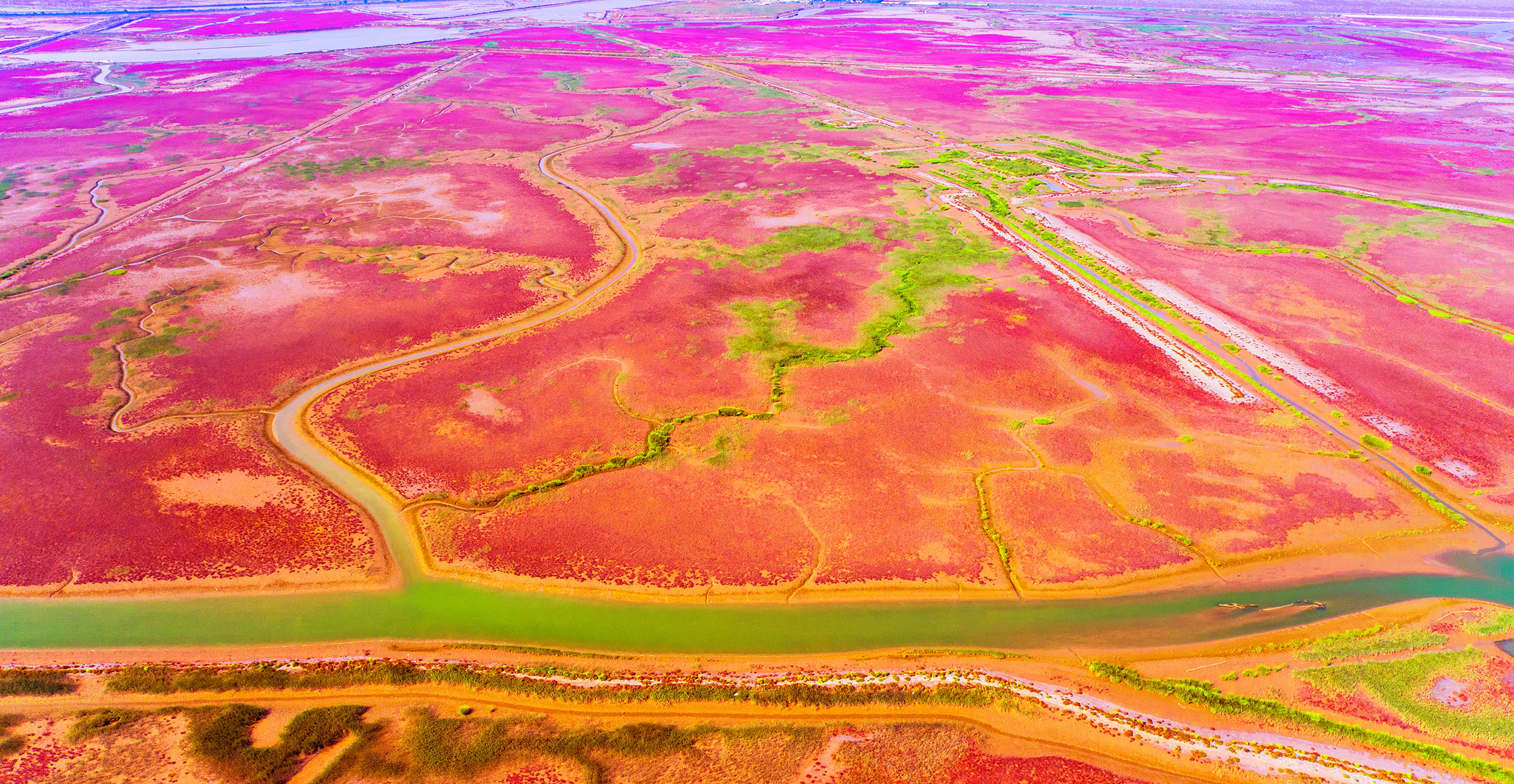
The city where the Yellow River meets the sea, home to the Y...
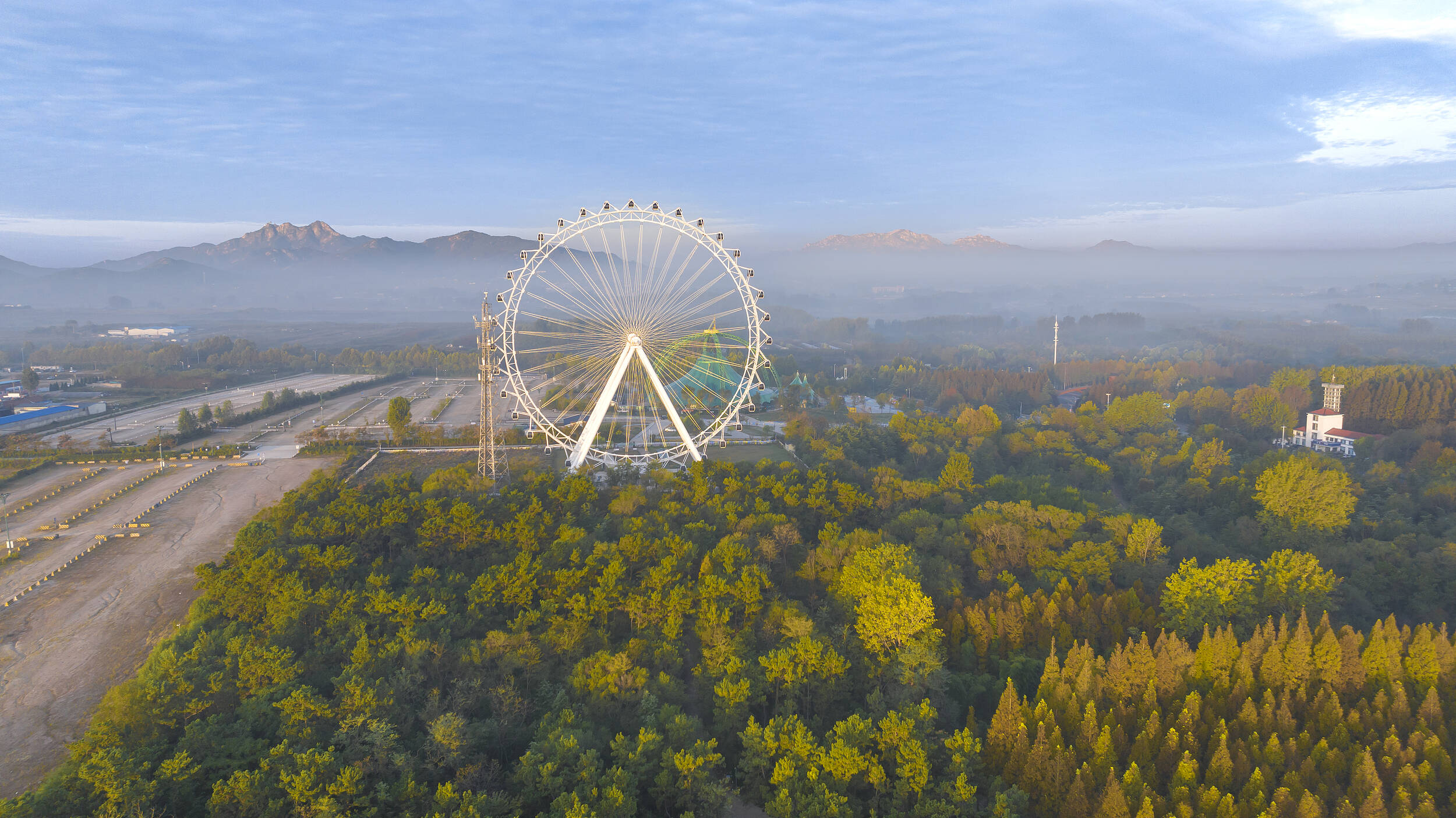
A coastal city in southern Shandong renowned for its golden ...
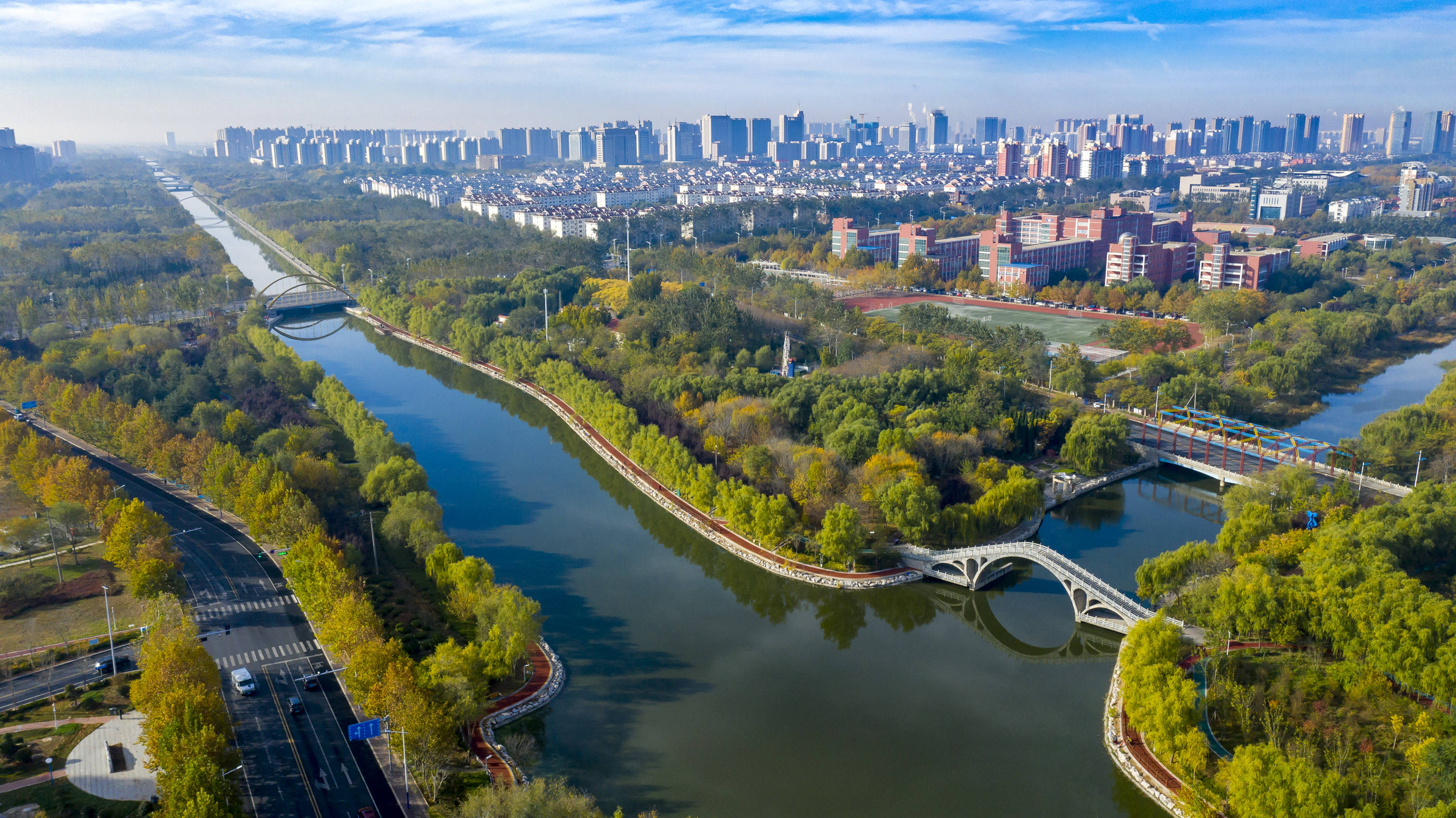
A coastal city in northern Shandong at the mouth of the Yell...
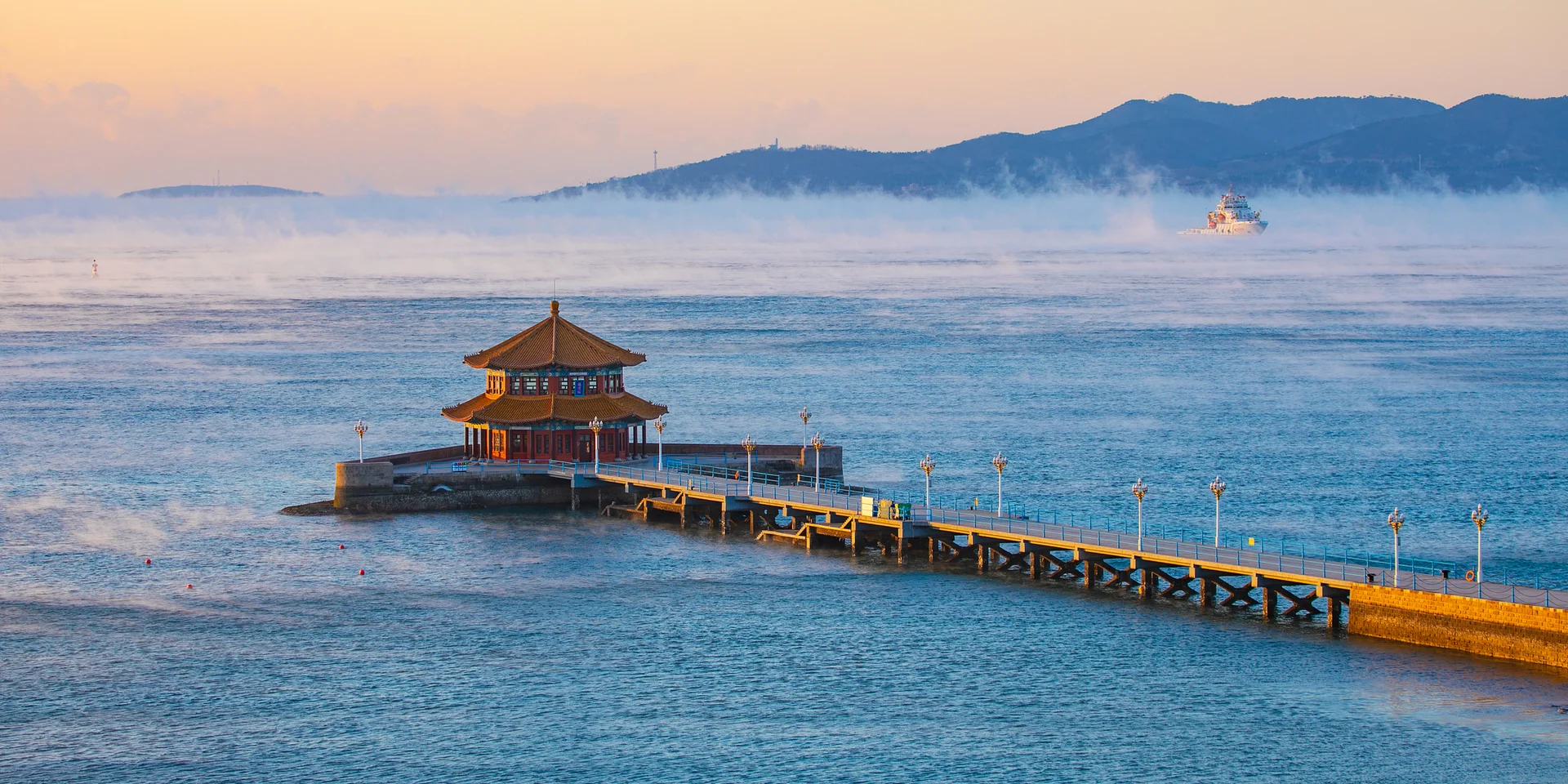
A coastal city where mountains meet the sea, famous for its ...
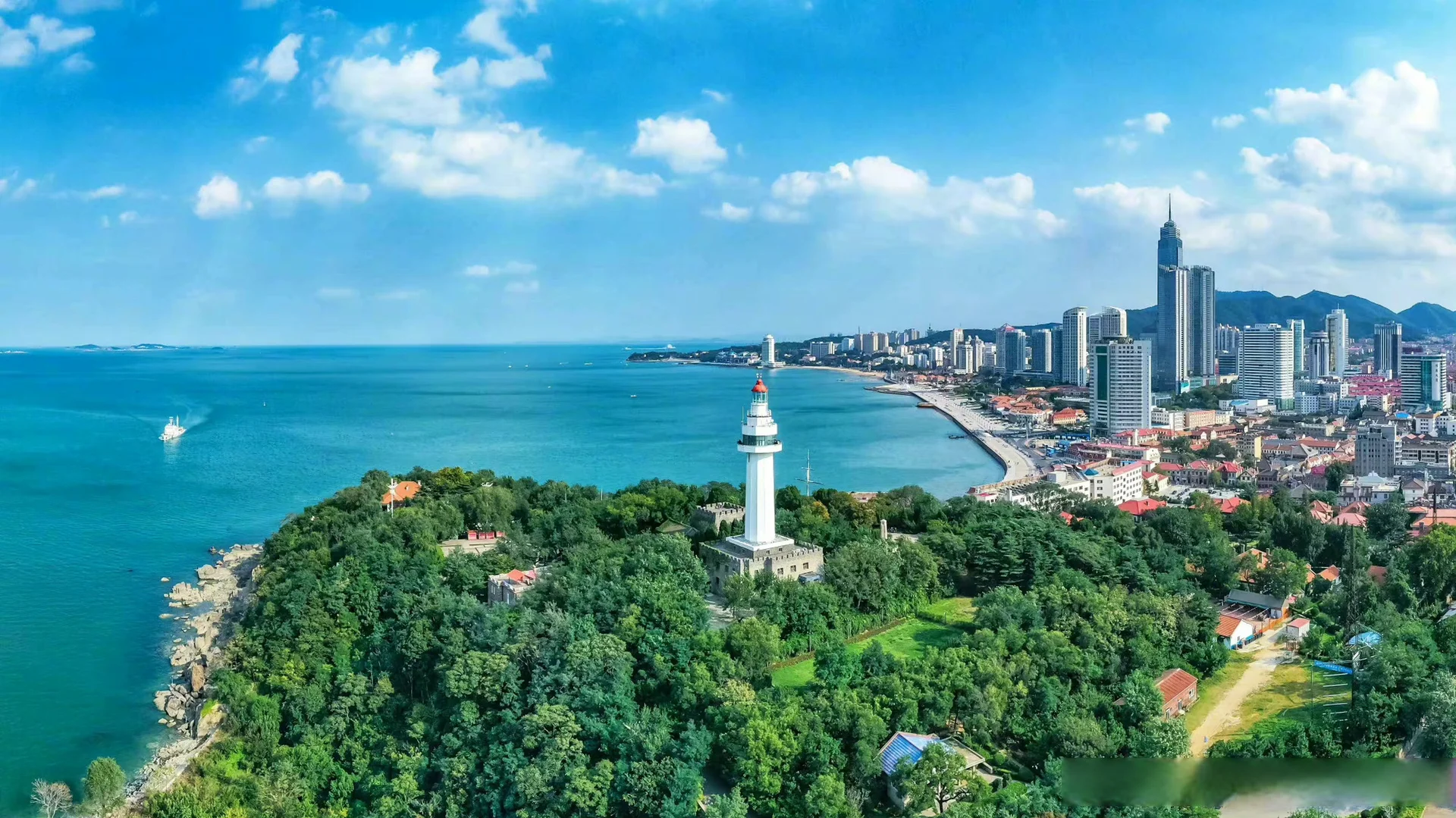
A romantic coastal city known as "Fairyland on Earth," famou...
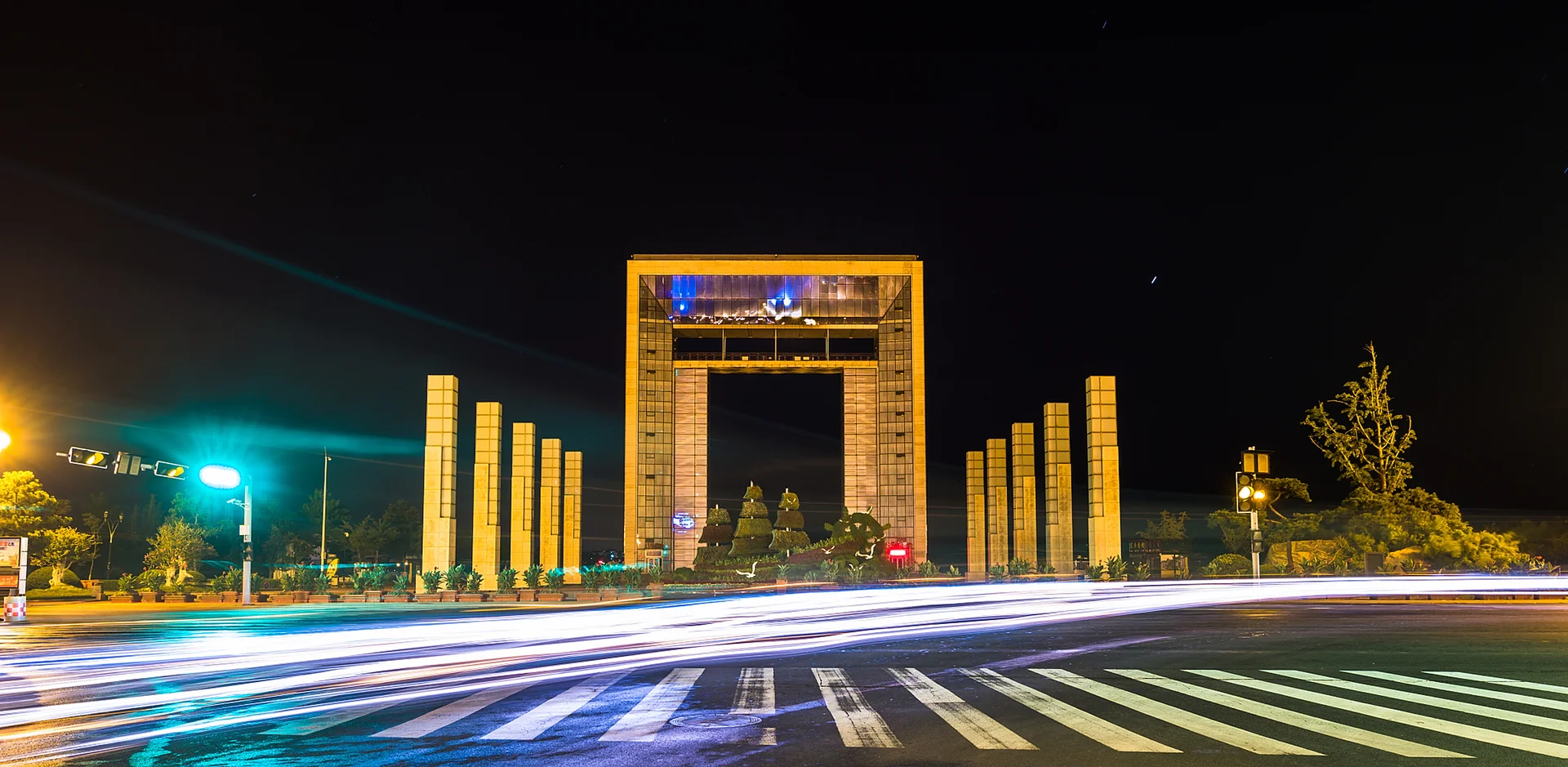
China's cleanest coastal city and nearest port to South Kore...
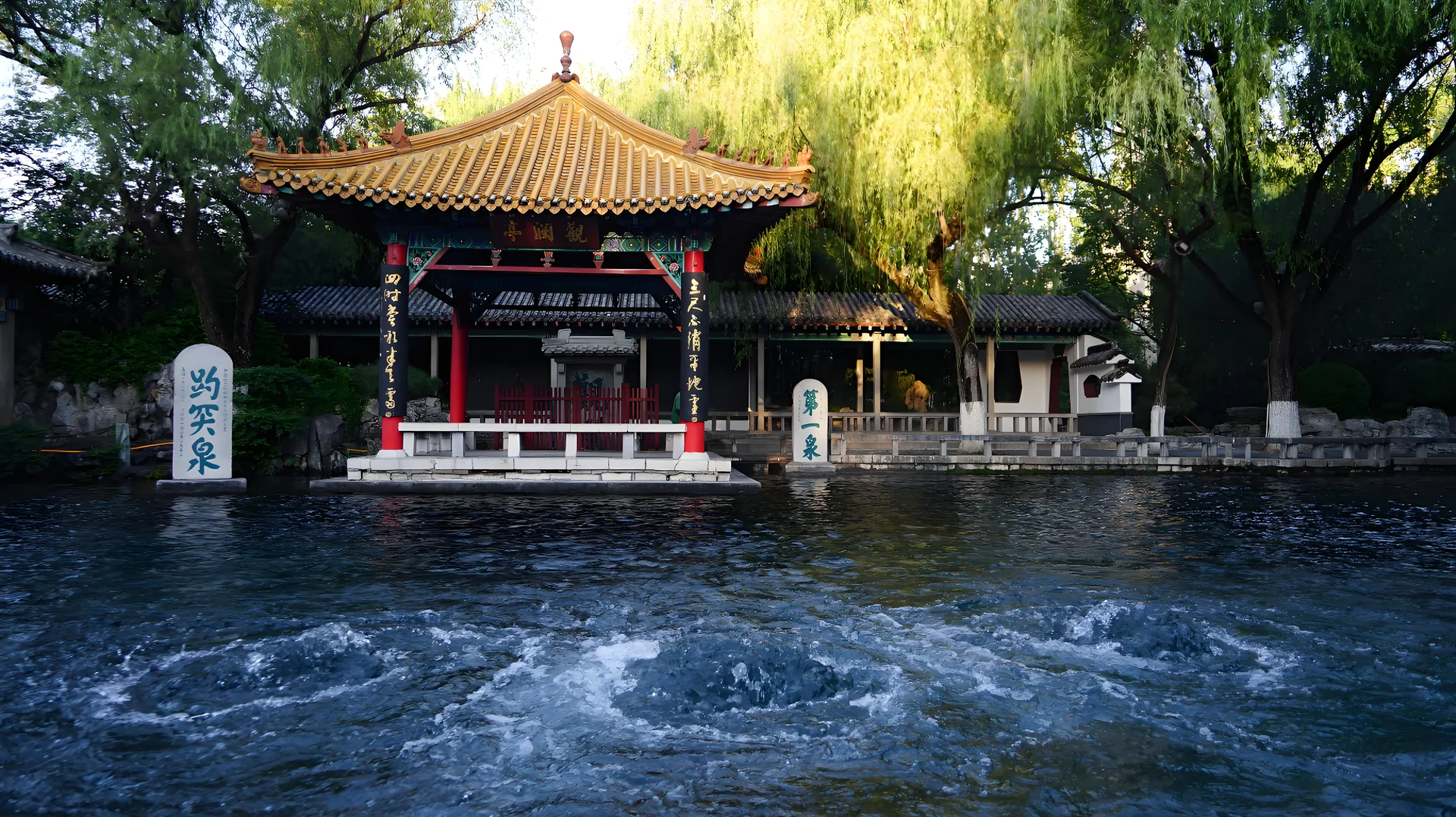
The City of Springs—capital of Shandong province where 72 fa...
An ancient capital of the Qi Kingdom and modern industrial c...
Discover more cities, food guides, and travel inspiration.