
Nature
Baotu Spring
The most famous of Jinan's 72 springs, known as the "Number One Spring under Heaven." Three jets of water surge from underground limestone caves.
7:00 AM-7:00 PM
40 yuan
The City of Springs—capital of Shandong province where 72 famous springs, ancient lakes, and Confucian heritage create a uniquely refreshing urban landscape.
Jinan, the capital of Shandong province, is a city defined by water. Known as the "City of Springs," it is home to 72 famous artesian springs that have drawn poets, emperors, and travelers for millennia.
The most famous is Baotu Spring, whose three surging jets of crystal-clear water have earned it the title "Number One Spring under Heaven." Emperor Qianlong of the Qing dynasty declared it the finest spring in all of China after tasting its water during his southern tours.
Daming Lake, fed by the city's spring system, is a serene oasis in the city center. The lake's lotus flowers and weeping willows inspired the famous couplet: "Lotus on four sides, willows on three, a city of mountains and half a lake."
Jinan is also the heartland of Shandong cuisine (Lu Cai), one of China's Eight Great Culinary Traditions. The cuisine is known for its fresh flavors, emphasis on aromatic ingredients, and masterful use of braising and stewing techniques.
Beyond the water, Jinan is a modern city with a relaxed pace. Its tree-lined streets, parks, and squares invite leisurely exploration, making it one of China's most livable major cities.
Jinan has a history spanning over 2,600 years. It was an important center during the Spring and Autumn period (770-476 BC) as part of the State of Lu, the home state of Confucius.
During the Han dynasty (206 BC-220 AD), Jinan became a prosperous administrative center. The city's famous springs were celebrated in poetry as early as the Tang dynasty (618-907 AD).
In 1904, Jinan opened as a commercial port, spurring modernization. The city was occupied by Japan from 1937 to 1945, a period marked by the tragic Jinan Incident.
After 1949, Jinan developed as Shandong's political, economic, and cultural center. Today, it balances preservation of its spring heritage with modern urban development as a thriving provincial capital.
Jinan has a GDP of 1.2 trillion yuan, making it one of the stronger economies among provincial capitals. Key industries include information technology, automotive, machinery, pharmaceuticals, and finance.
The Shandong High-Tech Zone in Jinan hosts numerous tech companies and research institutions. Jinan is also a major financial center for Shandong province.
The city's spring heritage drives a significant tourism industry. Medical tourism is growing, centered on Jinan's traditional Chinese medicine institutions and spring water therapy.
Jinan's central location in Shandong makes it a transport hub, with high-speed rail connections to Beijing (1.5 hours), Shanghai (3 hours), and Qingdao (1 hour).
Discover the culinary treasures of Jinan, from traditional street food to imperial cuisine.
Explore Jinan's famous springs, lake, and mountain scenery.
Discover Shandong culture and sample local cuisine.
Jinan Yaoqiang International Airport (TNA) - 30 km from city center
Connected to major cities
Public transportation available
Extensive network throughout the city
Available throughout the city
Mar - May
Mild and pleasant with blooming flowers and trees. Ideal for exploring springs and lakes.
Jun - Aug
Hot and humid with occasional rain. The lotus flowers in Daming Lake are in full bloom.
Sep - Nov
Crisp and clear with comfortable temperatures. Best season for sightseeing and photography.
Dec - Feb
Cold and dry. Some springs produce steam in cold weather, creating a unique atmosphere.
Annual lantern festival at Baotu Spring Park during Chinese New Year.
Spring and autumn are ideal. Summer can be hot. Winter offers unique steam-over-springs views.
Locals collect spring water daily. Watch and learn—you can try it too at Heihu Spring where cups are provided.
Sweet Foam is savory despite its name. Don't expect dessert—it's a hearty breakfast congee.
Green taxis in Jinan run on natural gas. They're eco-friendly and the standard way to get around.
Jinan summers can be hot and humid. Spring and autumn are the best seasons for comfortable travel.
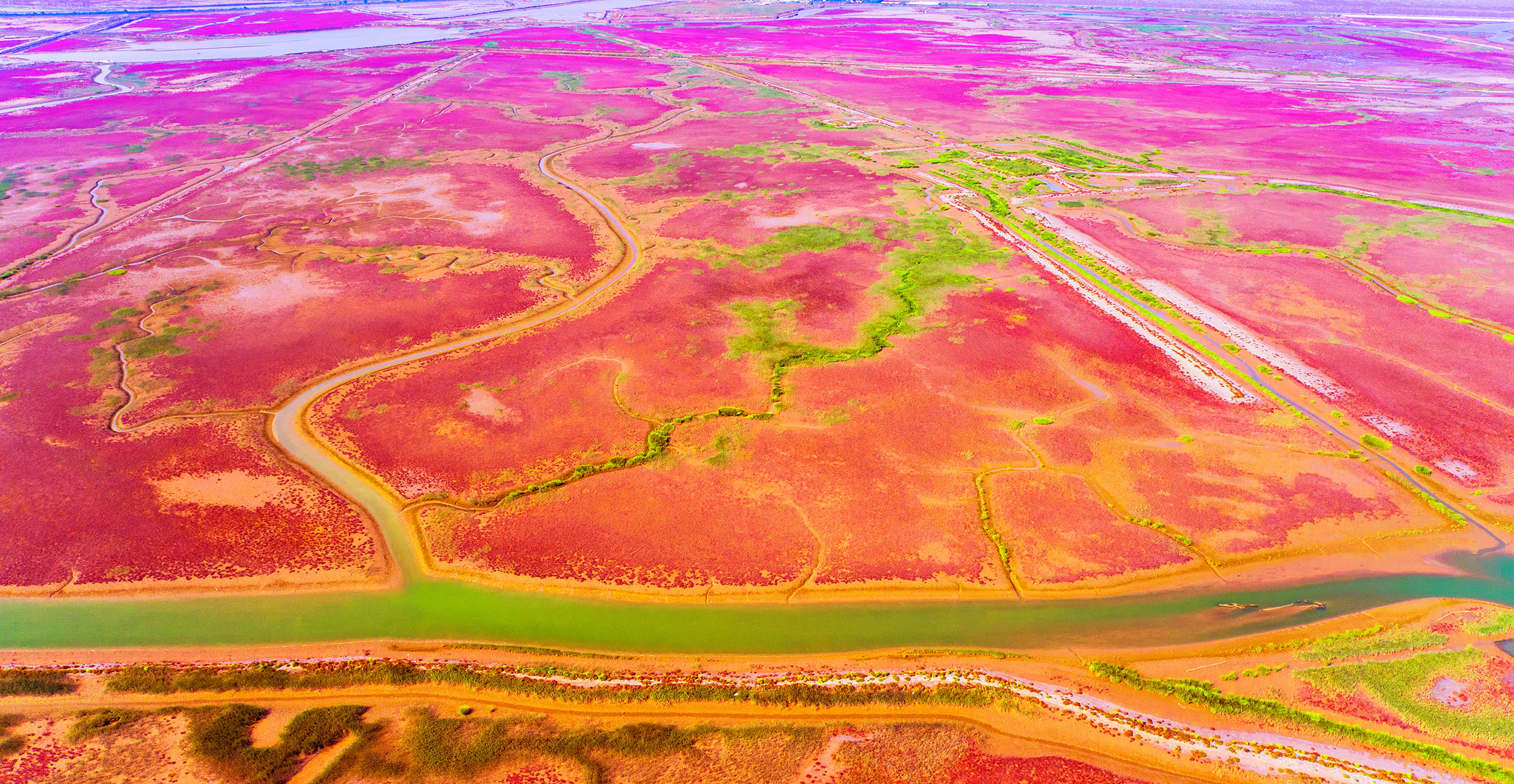
The city where the Yellow River meets the sea, home to the Y...
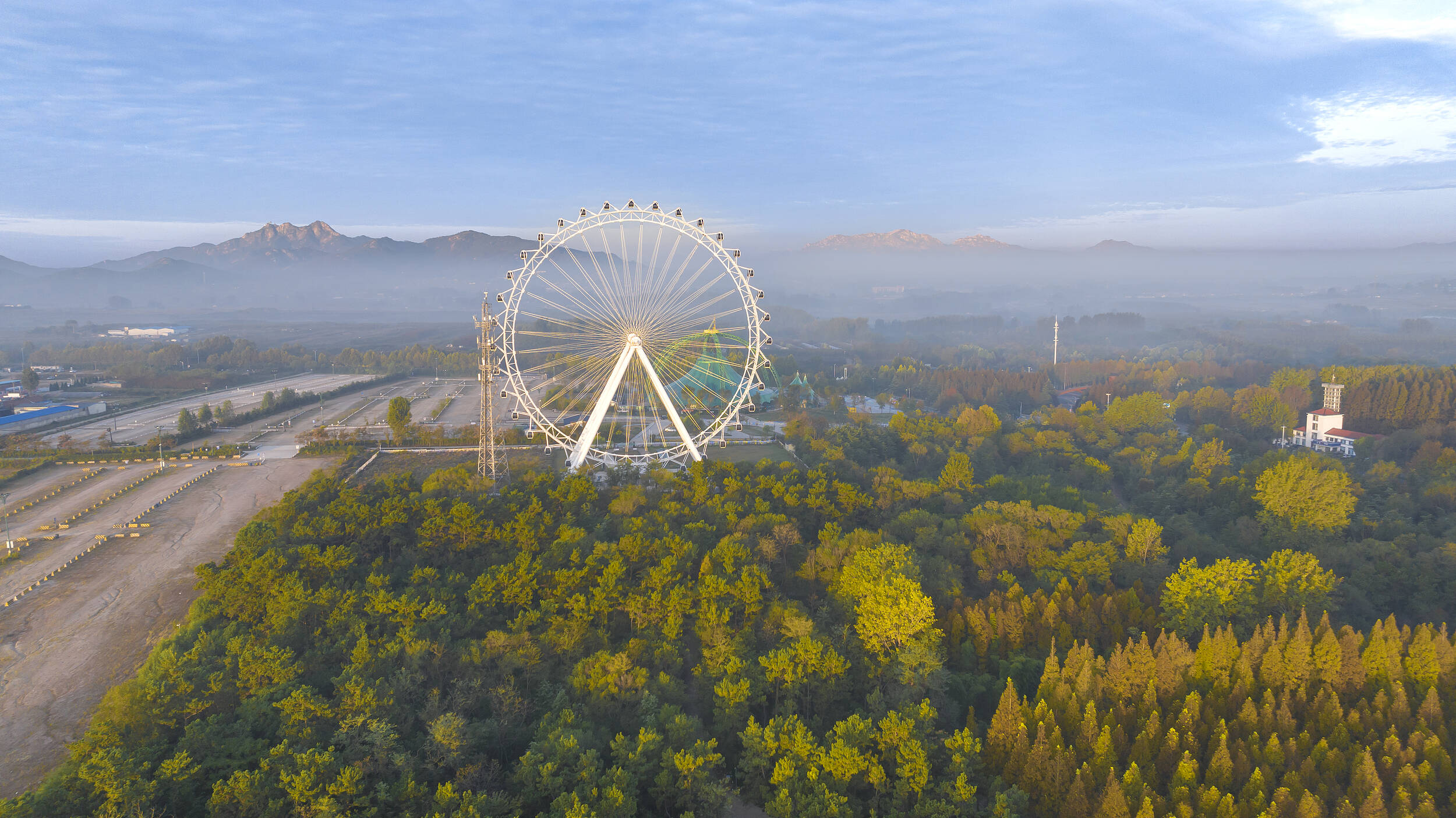
A coastal city in southern Shandong renowned for its golden ...
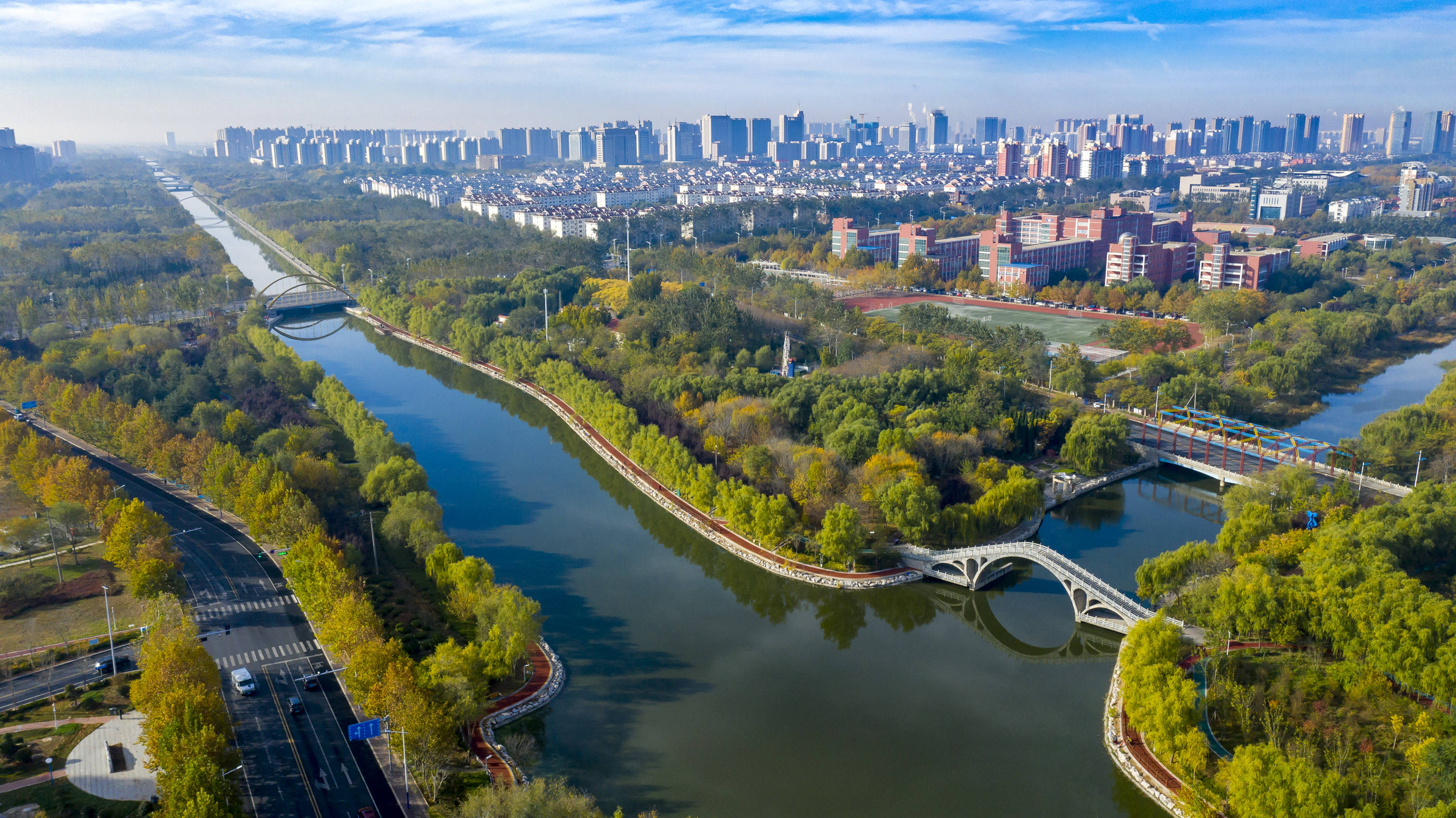
A coastal city in northern Shandong at the mouth of the Yell...
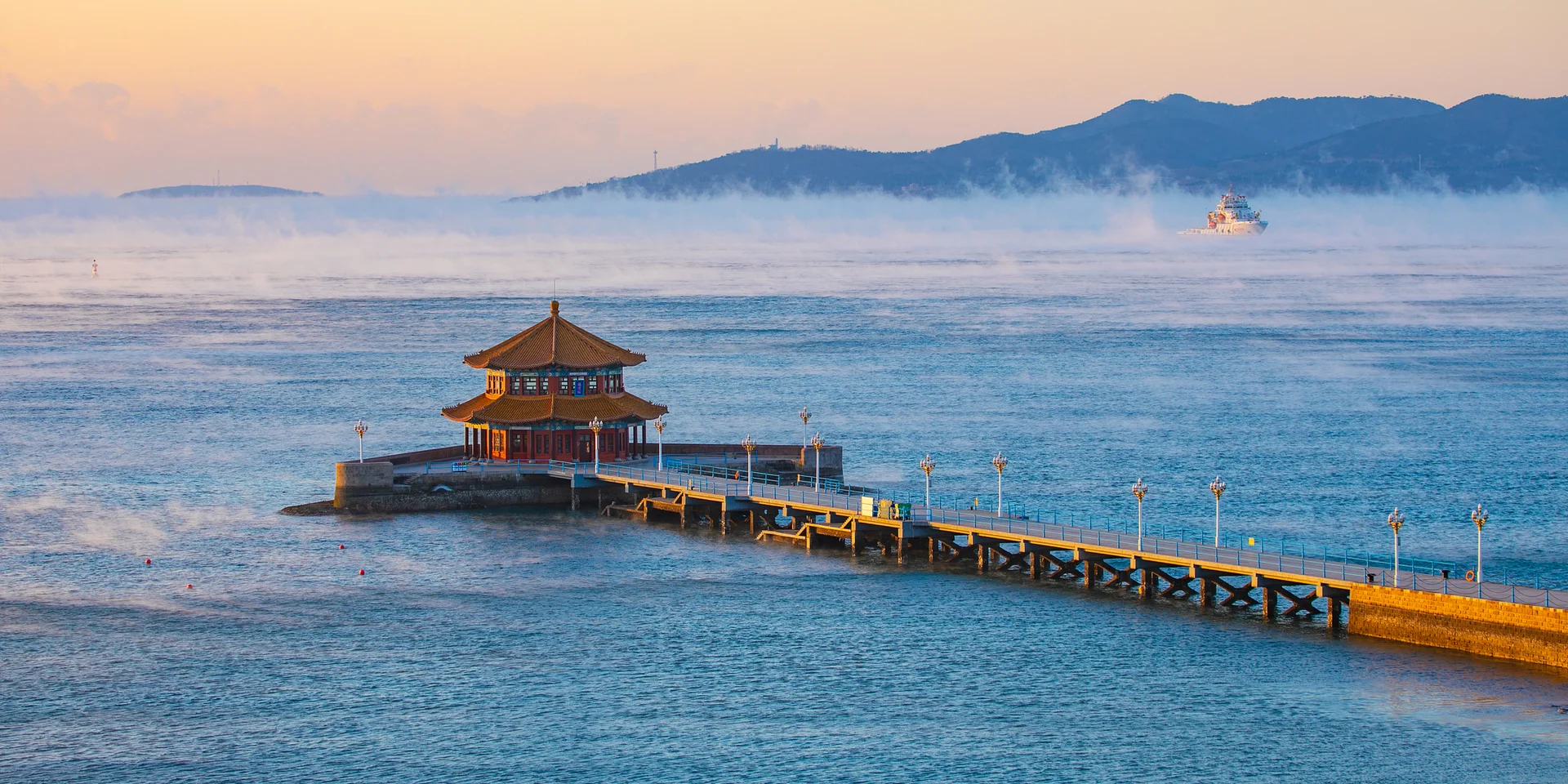
A coastal city where mountains meet the sea, famous for its ...
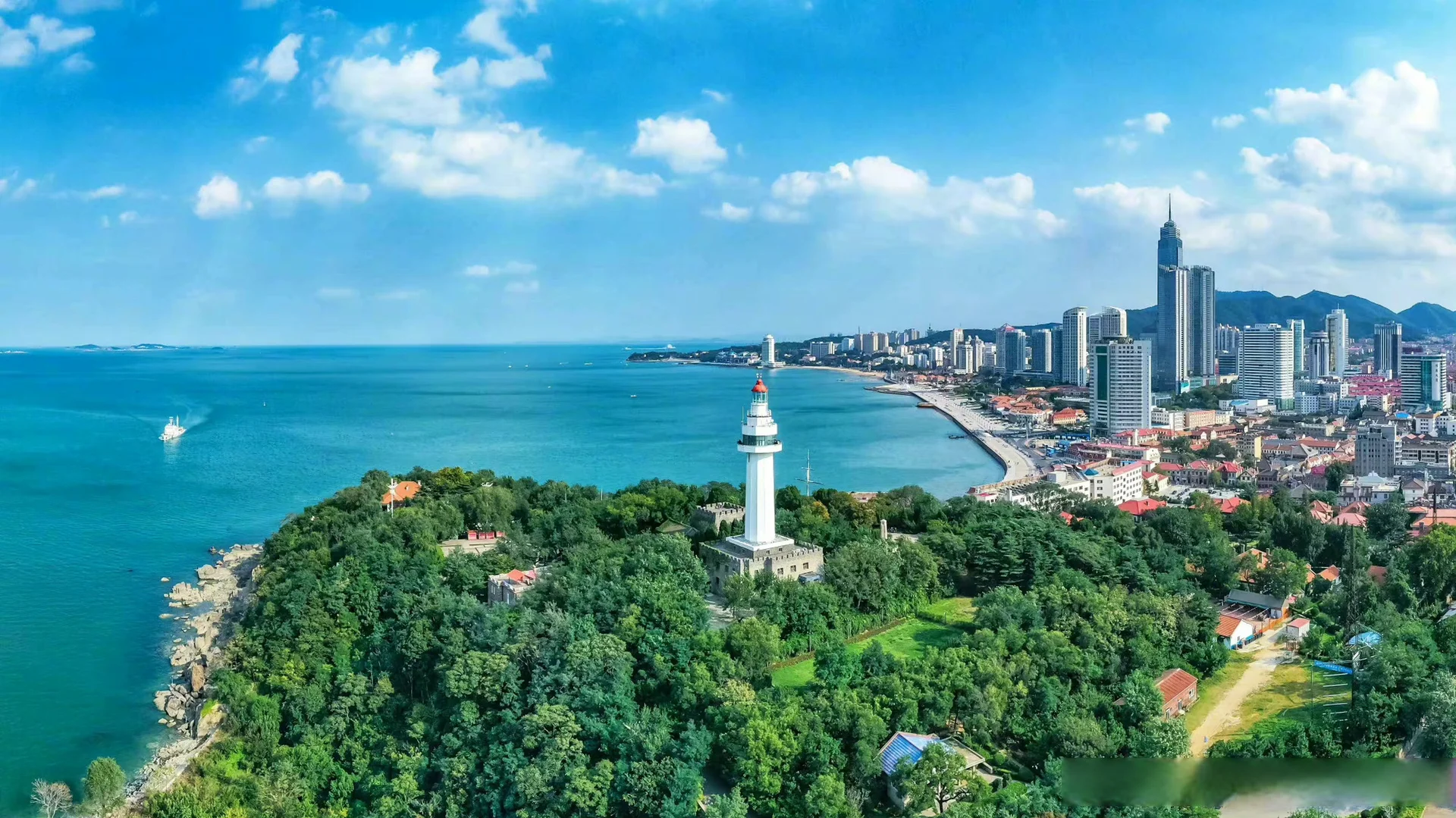
A romantic coastal city known as "Fairyland on Earth," famou...
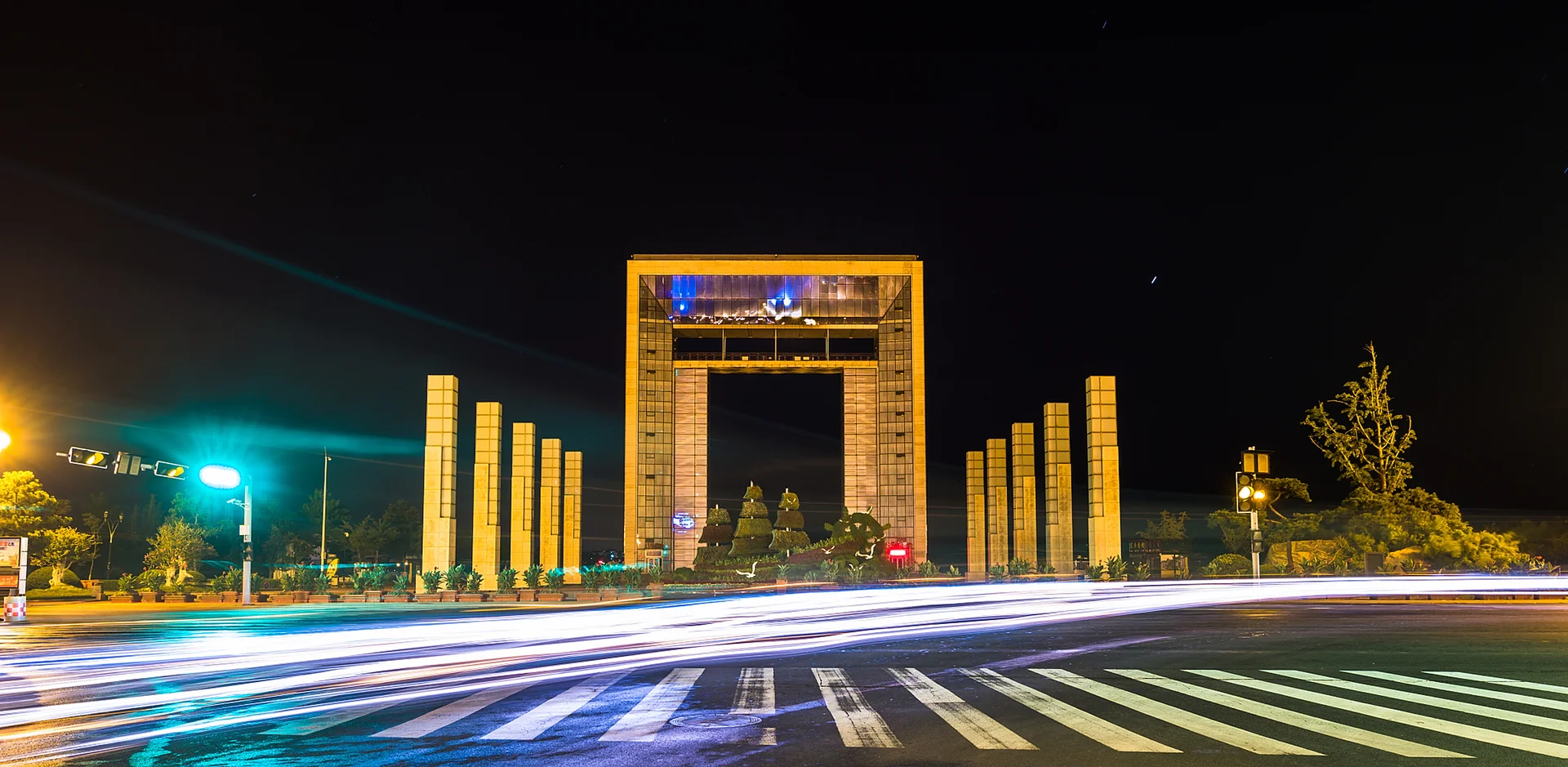
China's cleanest coastal city and nearest port to South Kore...
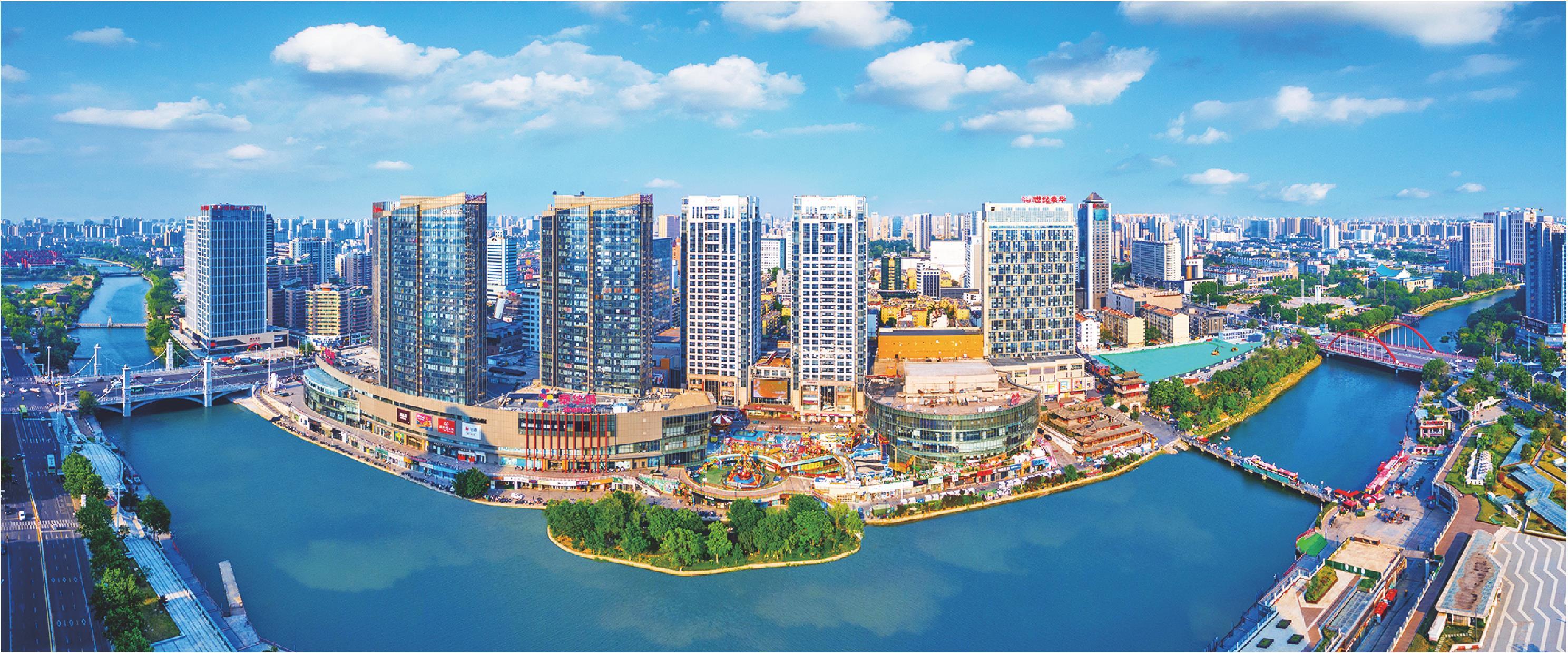
World Kite Capital and home of Weichai Power, the world's la...
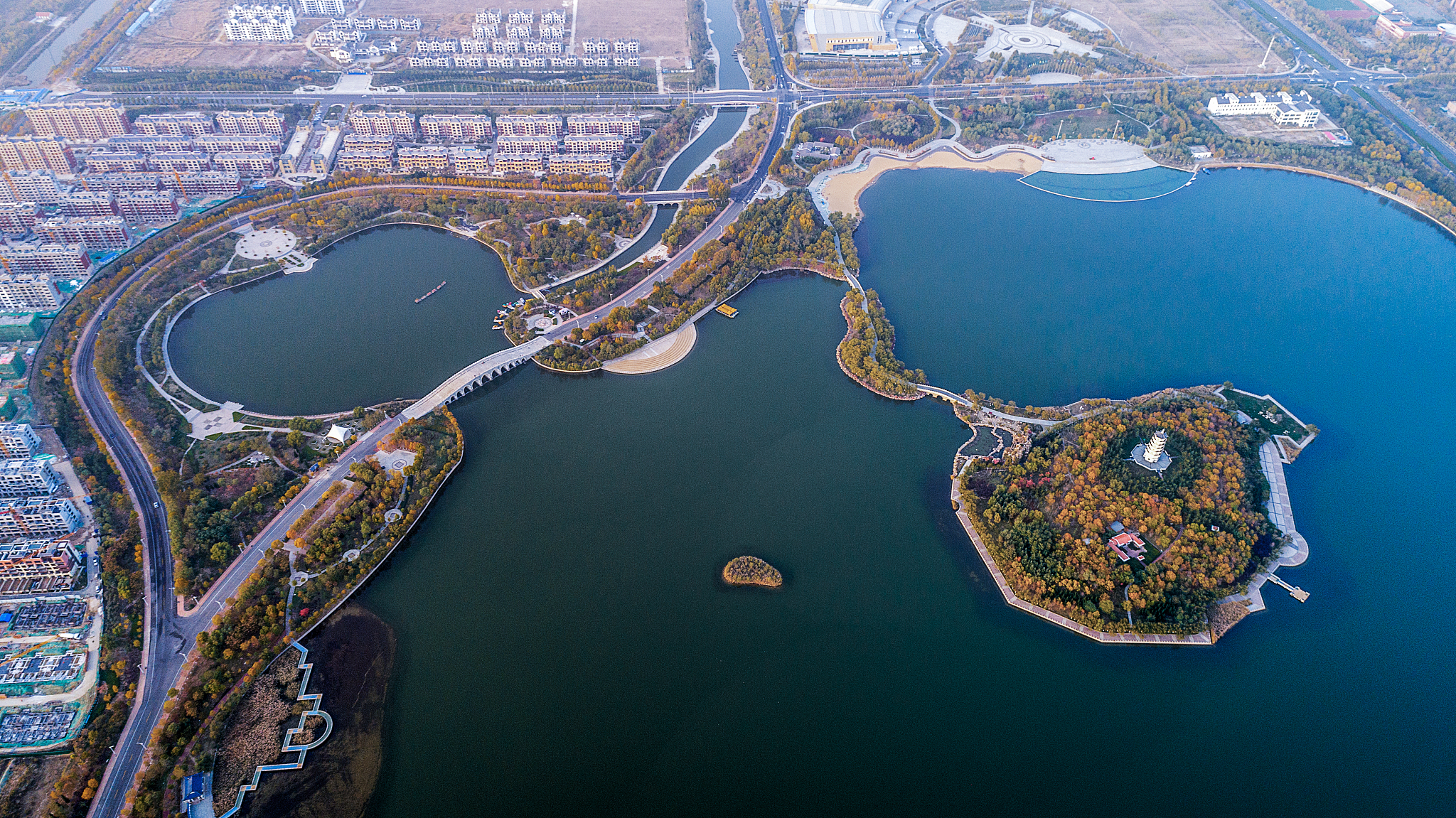
An ancient capital of the Qi Kingdom and modern industrial c...
Discover more cities, food guides, and travel inspiration.