Other
Liugong Island
Historic island and memorial site of the 1894 Sino-Japanese War, featuring Beiyang Naval Museum and former naval headquarters.
7:30 AM - 5:30 PM
138 yuan (including round-trip ferry)
China's cleanest coastal city and nearest port to South Korea, famous for pristine beaches, swan lakes, and the historic Liugong Island.
Weihai is a beautiful coastal city located at the easternmost tip of Shandong Peninsula, surrounded by the Yellow Sea on three sides. With a population of 2.84 million and covering 5,798 square kilometers, it is known as China's cleanest city and the nearest Chinese port to South Korea.
The city boasts a 986-kilometer coastline with pristine beaches, crystal-clear waters, and numerous islands. Weihai International Bathing Beach is ranked among China's best, attracting visitors with its fine sand and clean water during summer months.
Weihai holds significant historical importance as the site of the 1894 Sino-Japanese War. Liugong Island, once the headquarters of the Beiyang Navy, now serves as a memorial and museum dedicated to this pivotal moment in Chinese history. The island features well-preserved naval architecture and exhibitions.
Chengshantou, known as "China's Cape of Good Hope," marks the easternmost point of China where visitors can witness the country's first sunrise. The site also features ancient Qin Dynasty relics from Emperor Qin Shihuang's eastern expedition.
Nature lovers flock to Swan Lake, Asia's largest winter habitat for swans, where over 10,000 swans gather annually from November to March. Hailu Island offers spectacular seagull watching during spring breeding season.
The city's proximity to Korea has made it a hub for Korean investment and trade. Visitors can easily find authentic Korean products, cuisine, and cultural influences throughout the city.
Weihai's history dates back to the establishment of Wendeng County in 568 AD. During the Ming Dynasty (1368-1644), the area was named Weihaiwei, meaning "Guard Weihai," as a defensive port against Japanese pirate raids.
The city's most significant historical event occurred in 1894 during the First Sino-Japanese War. The Beiyang Navy, China's modern naval force, was based at Liugong Island in Weihai. The decisive naval battle ended with the complete destruction of the Beiyang Fleet, marking a turning point in Chinese history and leading to increased foreign influence in China.
From 1898 to 1930, Weihai was under British lease as Weihaiwei, creating a unique period of colonial influence. The British developed the port and left architectural influences that can still be seen today.
After World War II, Weihai developed into an important fishing port and naval base. In 1987, it became a prefecture-level city and began developing its tourism industry.
In recent decades, Weihai has leveraged its proximity to Korea to become a major trading hub. The city has attracted significant Korean investment and has become known for its Korean-influenced culture and commerce. It has also consistently ranked as China's cleanest city, winning numerous environmental awards.
Weihai's economy is built on its port, tourism, manufacturing, and marine industries. In 2024, the city's GDP reached approximately 350 billion yuan. Its strategic location makes it China's nearest port to South Korea.
Port trade is a major economic driver. Weihai Port handles significant cargo and passenger traffic, with regular ferry services to South Korea. The city has become a major hub for China-Korea trade, with Korean companies investing heavily in manufacturing and services.
Manufacturing includes electronics, machinery, textiles, and food processing. Many Korean companies have established factories in Weihai, attracted by the proximity to home markets. The city is also known for shipbuilding and marine equipment.
Tourism contributes significantly to the economy, with visitors attracted by pristine beaches, historical sites like Liugong Island, and natural attractions like Swan Lake. The city's reputation as China's cleanest city enhances its tourism appeal.
Agriculture and fishing remain important. Weihai is known for sea cucumber, scallops, and various seafood products. The city is also famous for its figs and has been designated as China's "Hometown of Figs."
Service industries are growing, particularly retail and hospitality catering to Korean tourists and business travelers.
Discover the culinary treasures of Weihai, from traditional street food to imperial cuisine.
Explore Weihai's history, natural beauty, and pristine beaches.
Escape to nature with bird watching and island exploration.
Weihai Dashuipo Airport (WEH)
Connected to Beijing, Shanghai, Qingdao, Jinan via high-speed rail
No metro system; buses and taxis available
Comprehensive network covering city and suburbs
Available throughout the city
Spring (April-May) and Autumn (September-October) offer the best weather for most destinations in China.
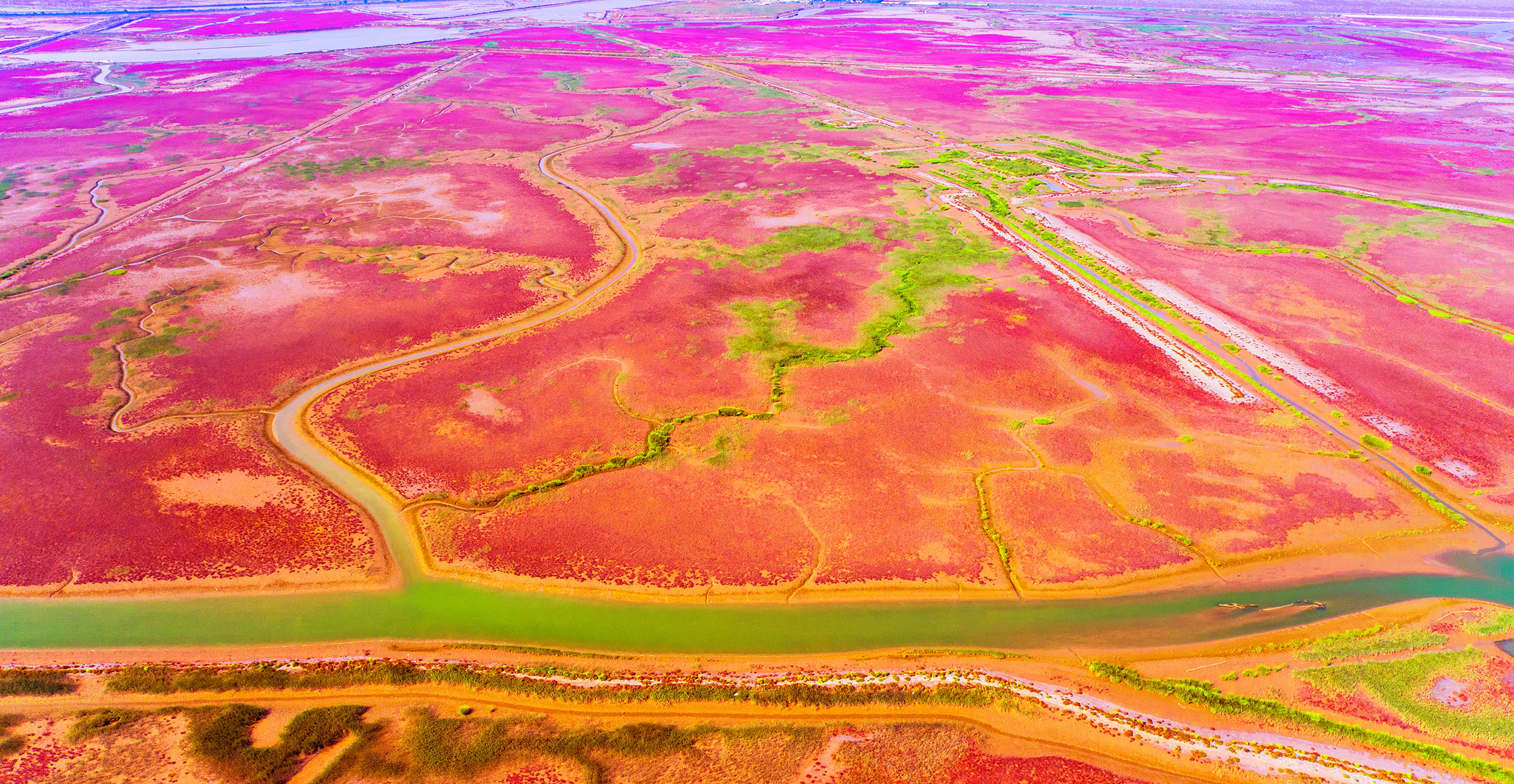
The city where the Yellow River meets the sea, home to the Y...
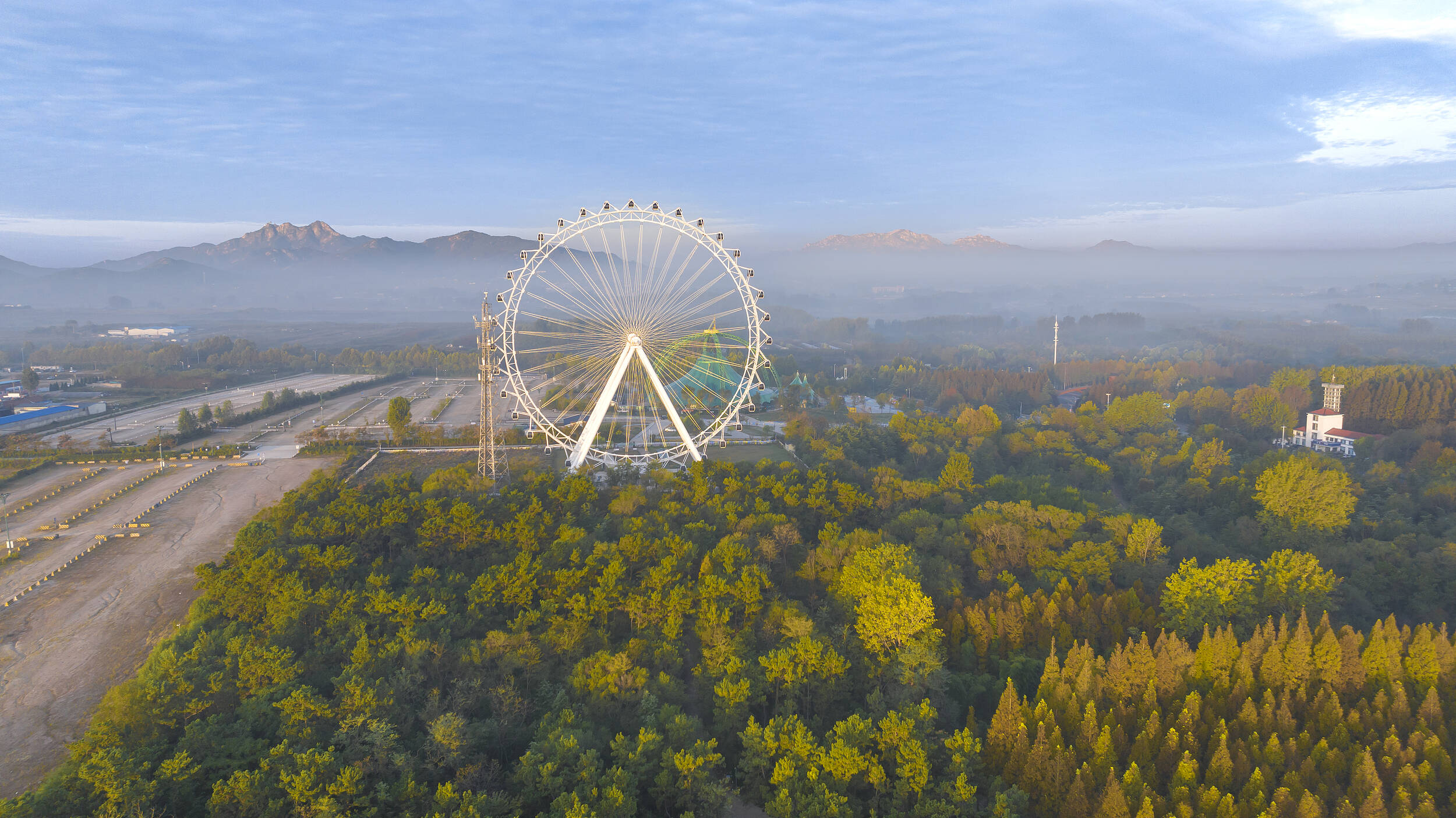
A coastal city in southern Shandong renowned for its golden ...
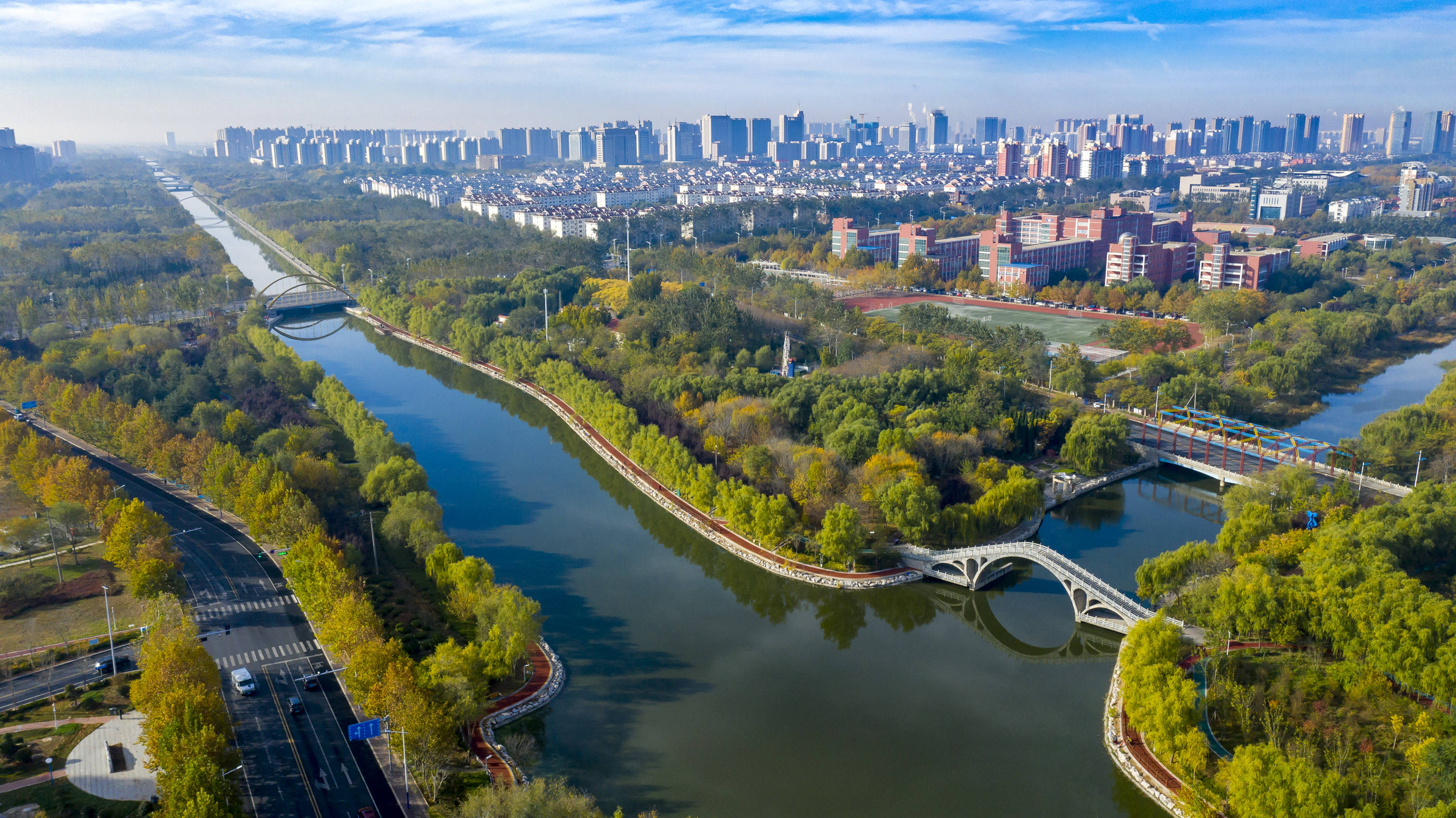
A coastal city in northern Shandong at the mouth of the Yell...
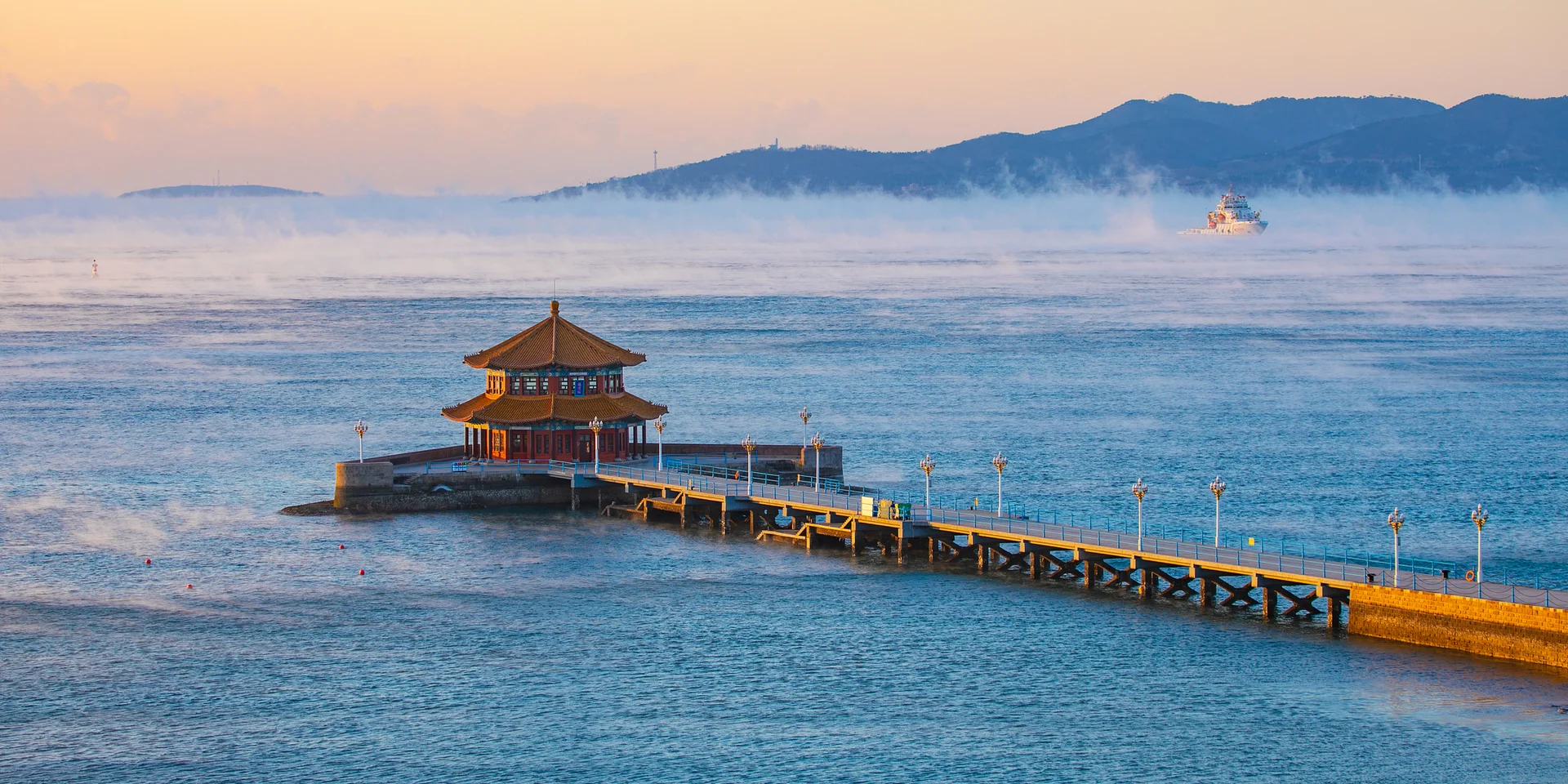
A coastal city where mountains meet the sea, famous for its ...
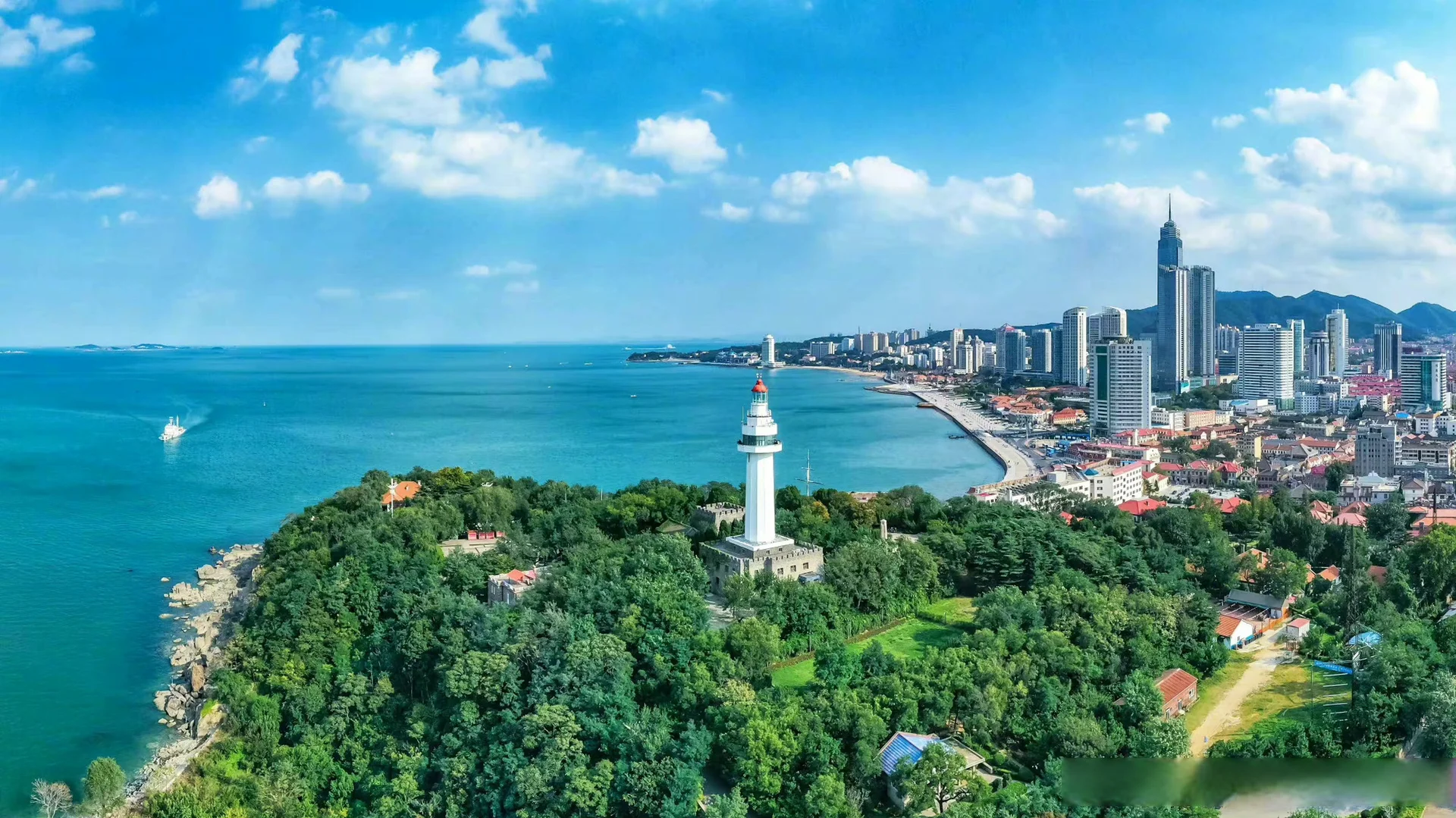
A romantic coastal city known as "Fairyland on Earth," famou...
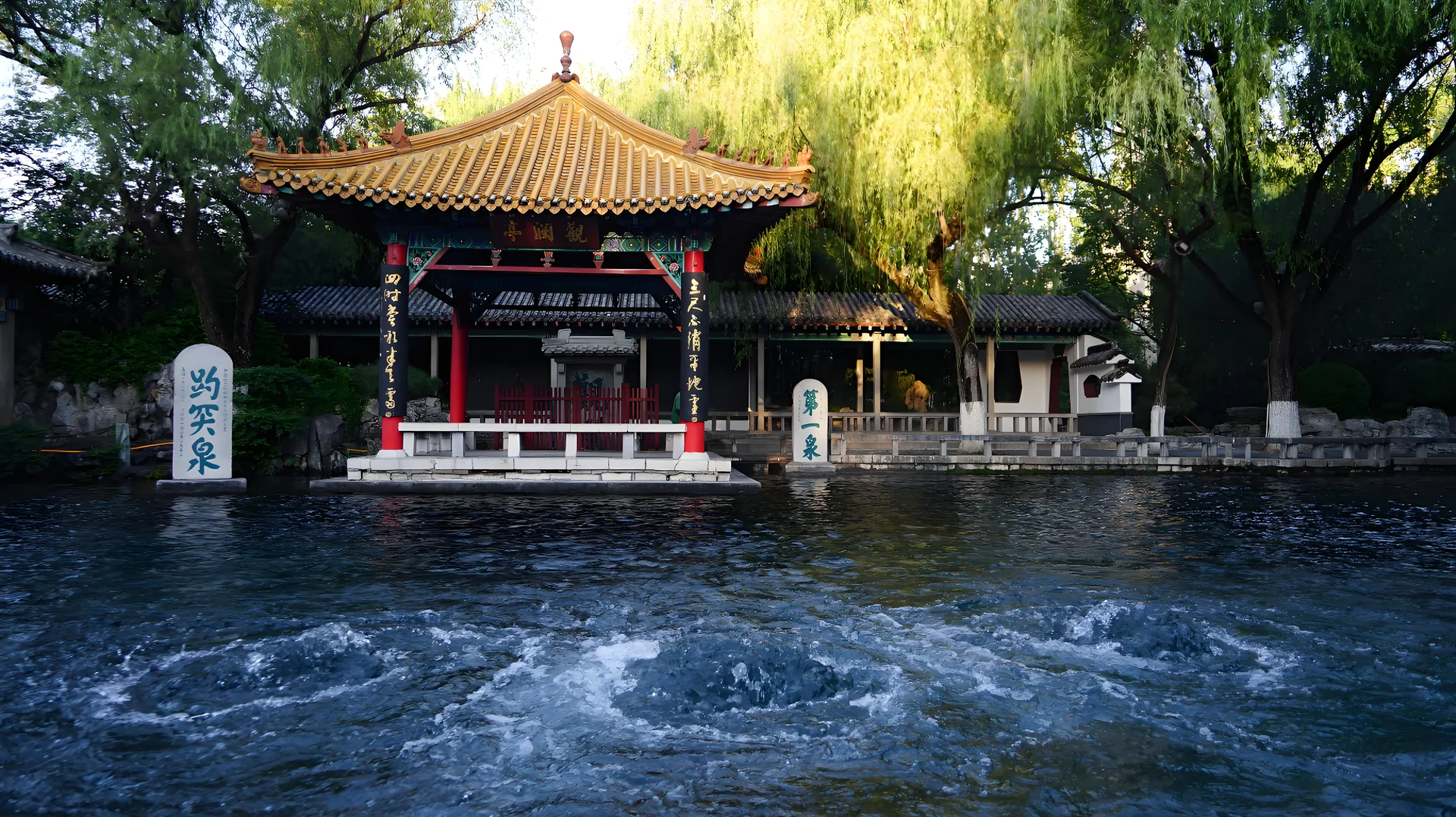
The City of Springs—capital of Shandong province where 72 fa...
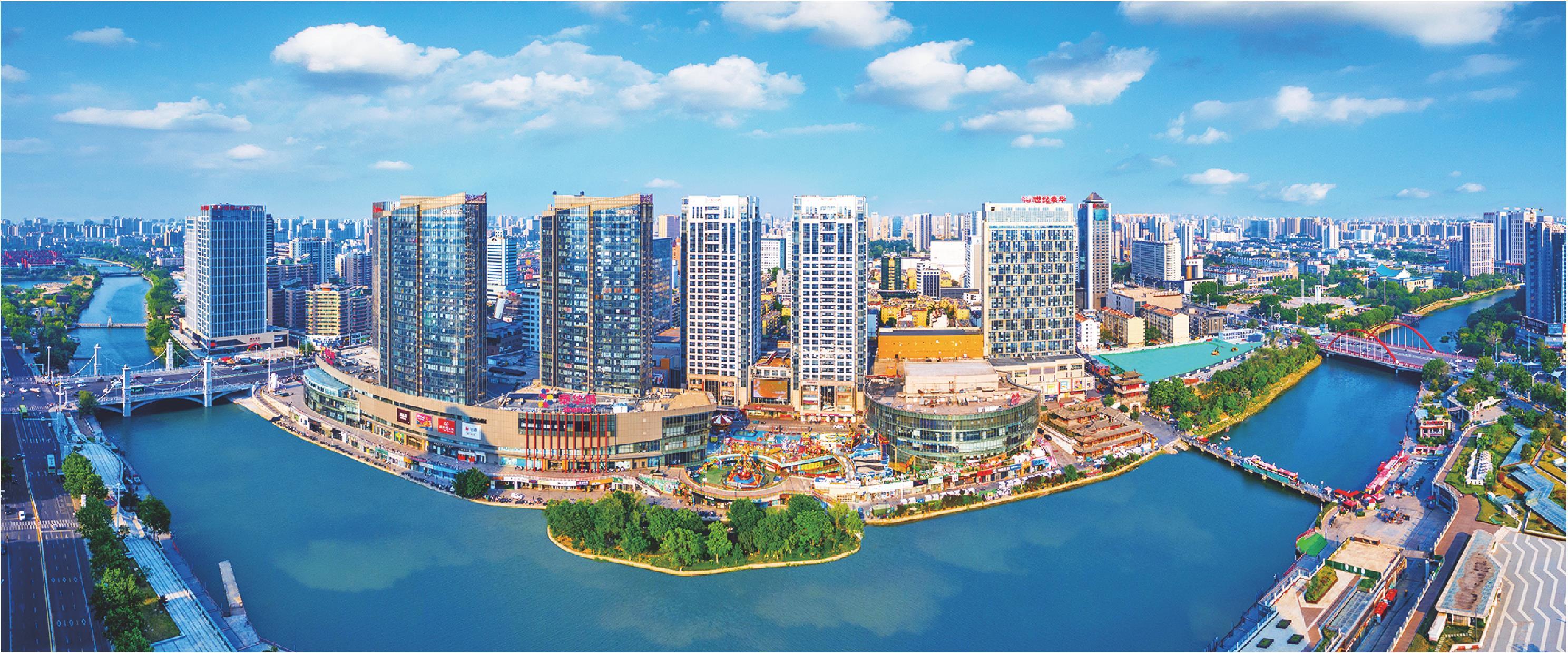
World Kite Capital and home of Weichai Power, the world's la...
An ancient capital of the Qi Kingdom and modern industrial c...
Discover more cities, food guides, and travel inspiration.