Sun Tzu Cultural Park
A large cultural park dedicated to Sun Tzu (Sun Wu), the ancient military strategist and author of "The Art of War". Features statues, exhibition halls, a military museum, and traditional gardens.
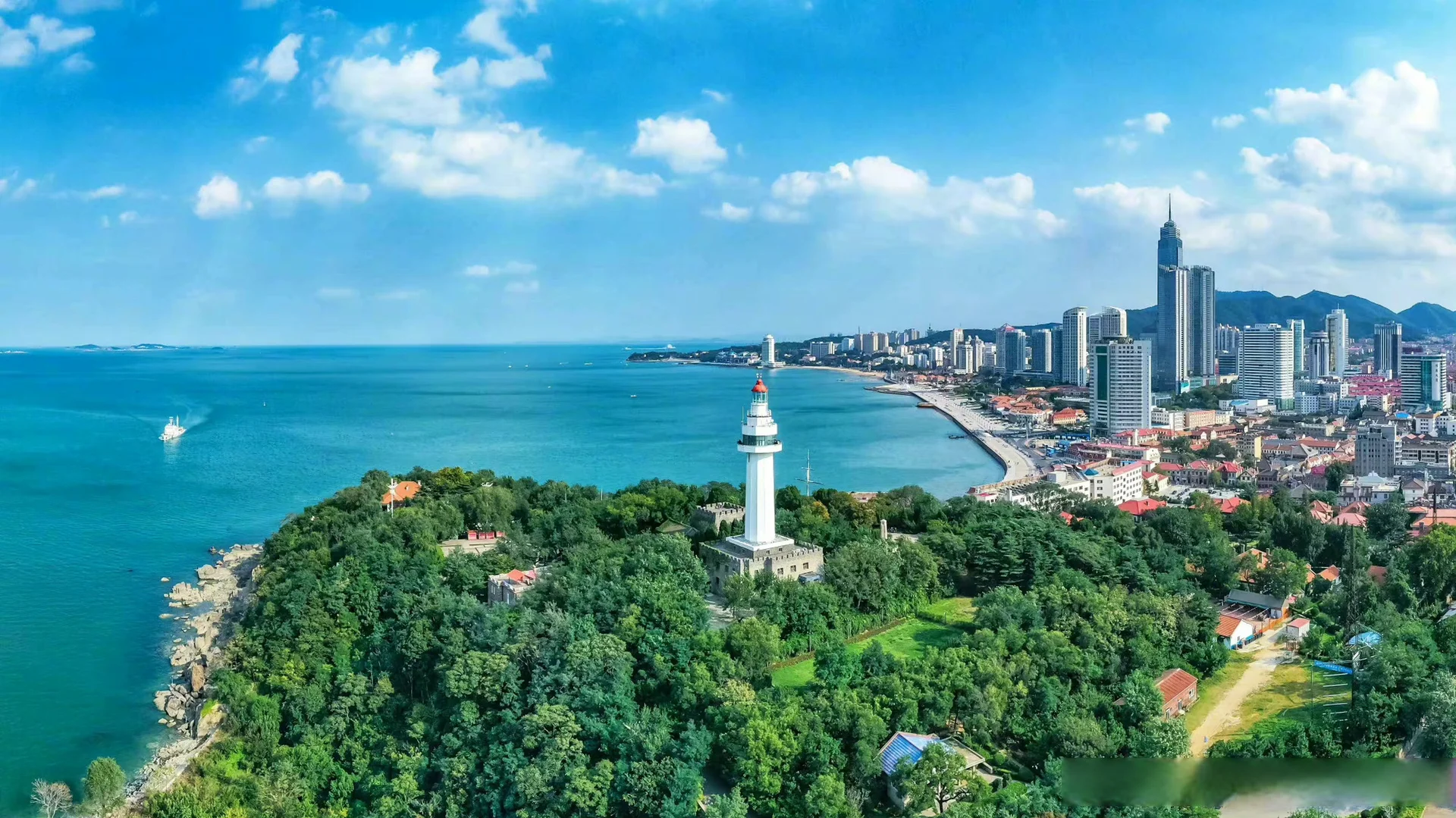
A coastal city in northern Shandong at the mouth of the Yellow River, known for Sun Tzu birthplace, the Wei Bridge, and Bohai Bay coastal industry.
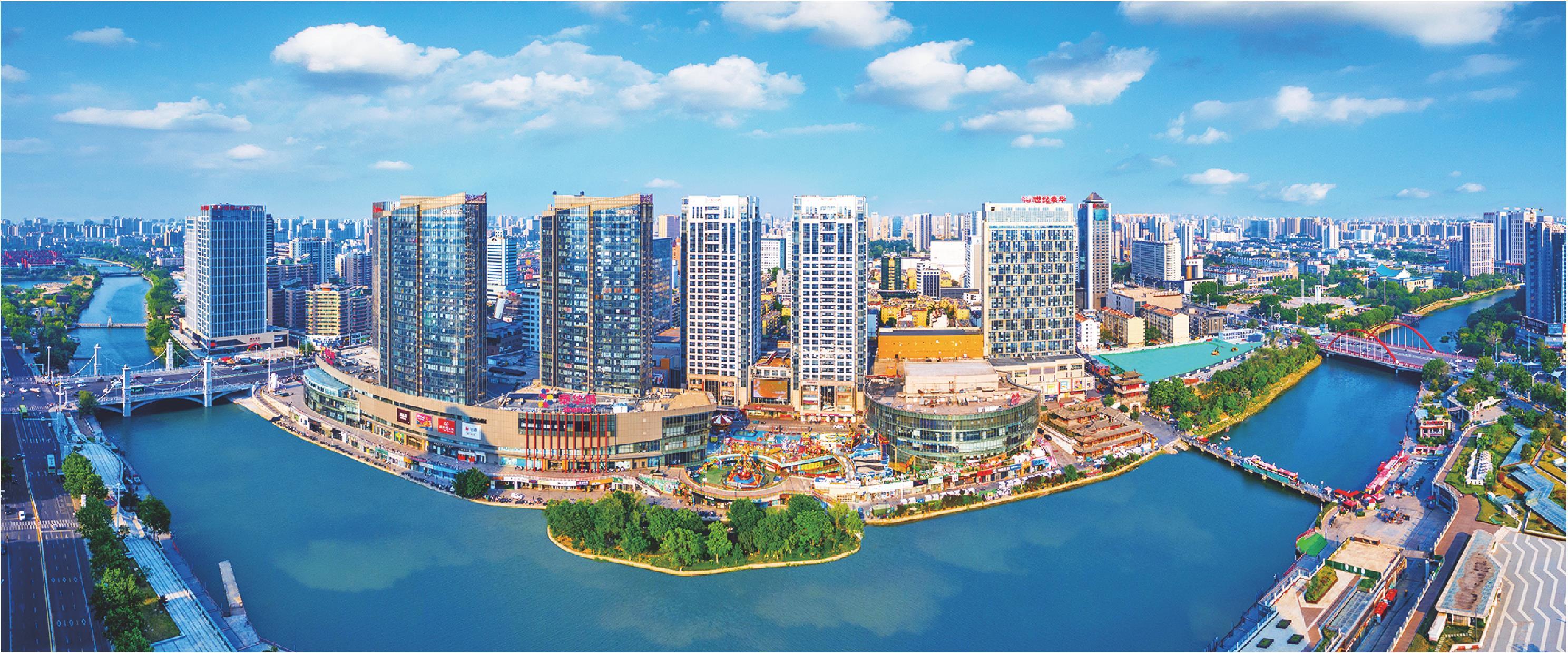
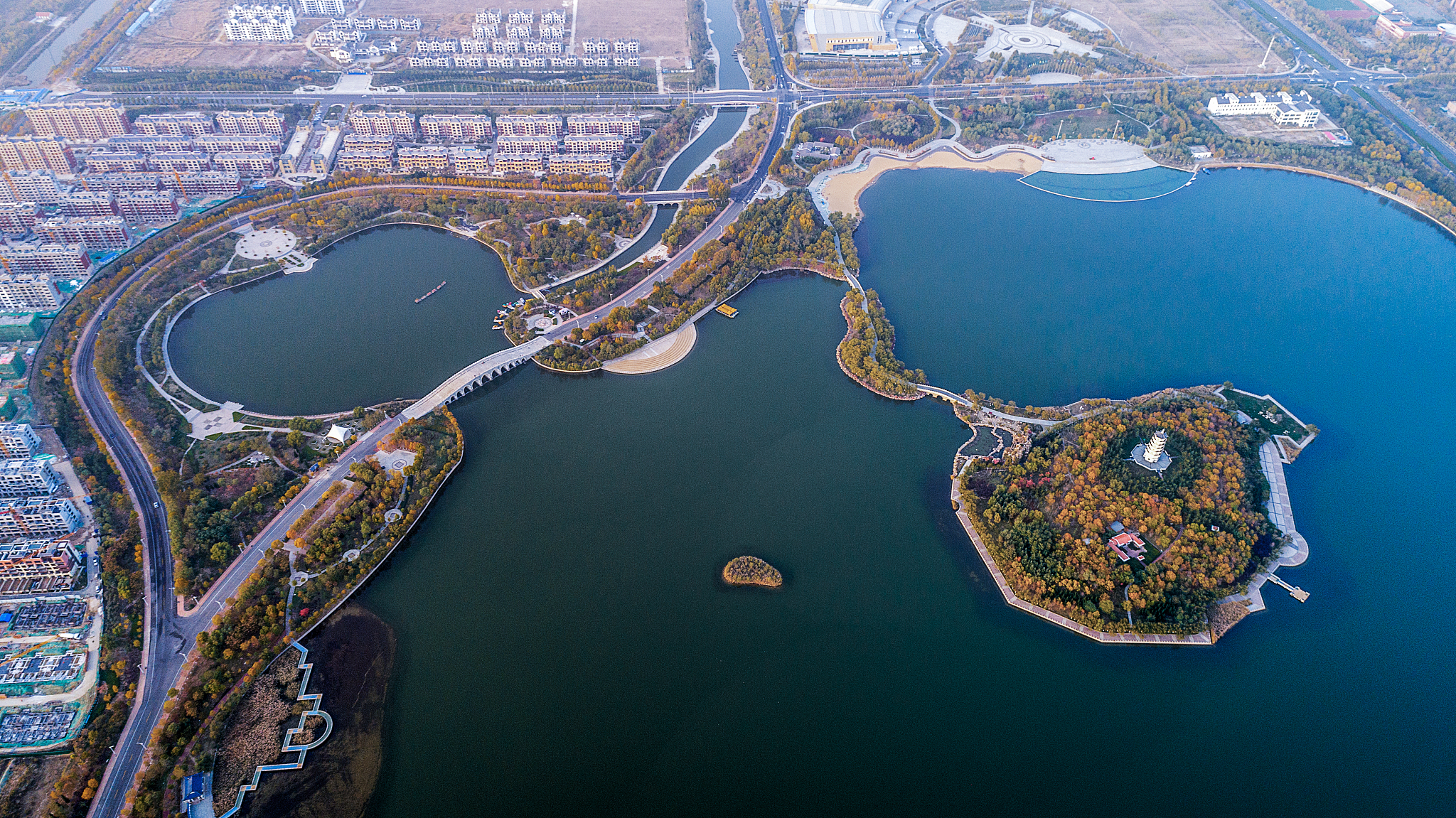
Binzhou is a prefecture-level city in northern Shandong Province, situated on the southern coast of Bohai Bay near the Yellow River delta. It is one of the major industrial and agricultural centers of the Yellow River region in Shandong.
The city is historically significant as the birthplace of Sun Tzu (Sun Wu), the legendary military strategist whose work "The Art of War" has influenced military thinking worldwide for over 2,500 years. The Sun Tzu Cultural Park in Binzhou commemorates this heritage and is the city most famous cultural attraction.
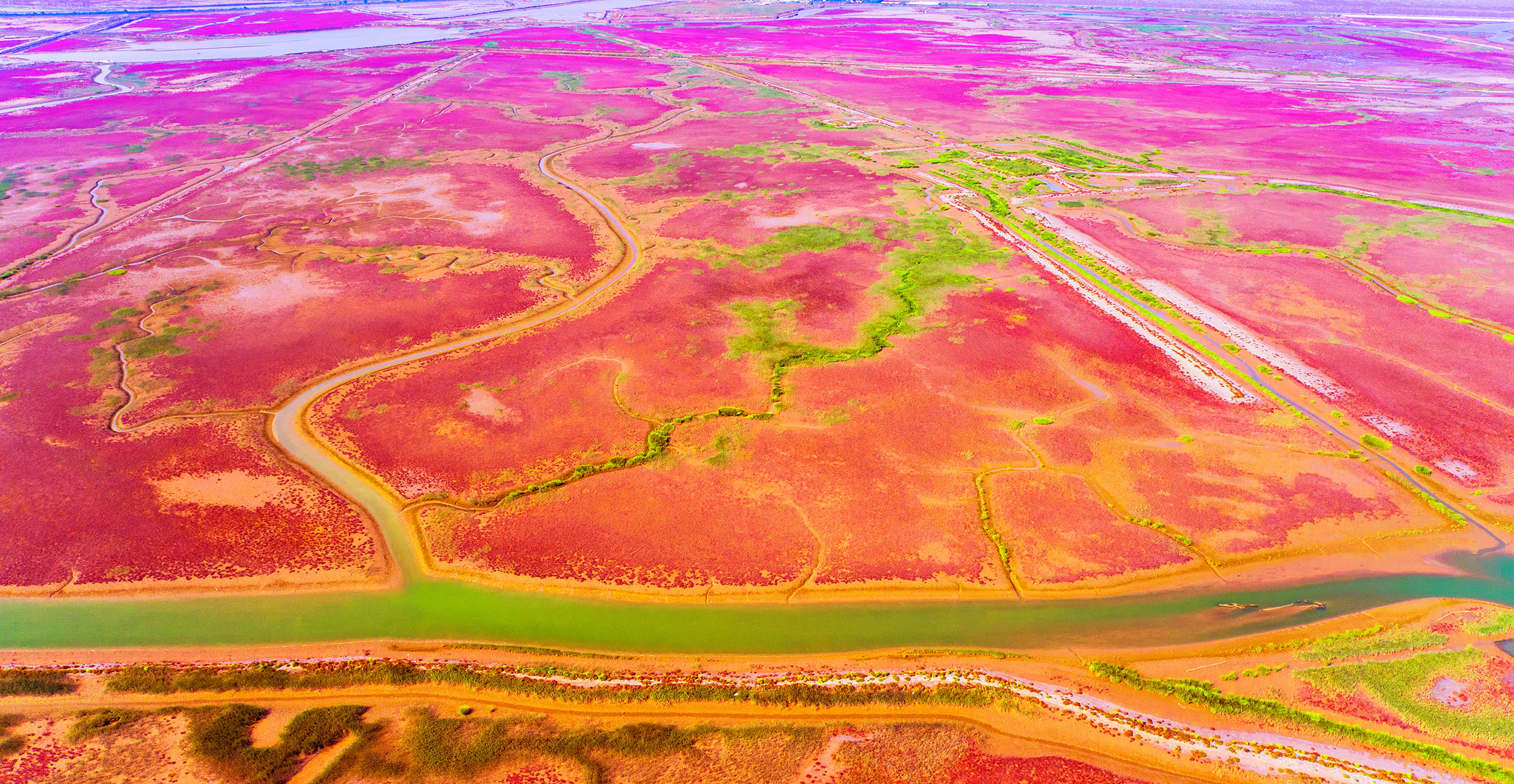
Modern Binzhou is an industrial powerhouse. The Weiqiao Group, headquartered in Binzhou, is one of the world largest textile and aluminum producers. The city also has a major petrochemical sector, supported by its coastal location and port facilities on Bohai Bay. Despite its industrial strength, Binzhou retains agricultural richness, producing high-quality pears, jujubes, and peaches that are famous across China. The coastal area along Bohai Bay features unique landscapes including shell ridges and tidal wetlands.
Binzhou has a history dating back over 2,500 years. The most famous historical figure from the region is Sun Tzu (Sun Wu), born in the ancient State of Qi (modern-day Huimin County, Binzhou) around 544 BC. His work "The Art of War" remains one of the most influential military treatises in world history.
During the Song dynasty, the Wei Bridge area was an important transportation hub. The Wei Family Manor, built in the Qing dynasty, stands as a testament to the region aristocratic heritage. Du Shoutian, a prominent Qing official and imperial tutor, also came from Binzhou.
In the modern era, Binzhou transformed from an agricultural region into an industrial center. The establishment of Weiqiao Group in the 1980s marked a turning point, driving rapid economic growth and urbanization. The city was officially established as a prefecture-level city in 2000, one of the last in Shandong to receive this status.

Binzhou economy is dominated by the Weiqiao Group, one of the world's leading textile and aluminum producers. The company's textile division is the largest cotton textile producer in China, and its aluminum division (China Hongqiao) is one of the world's largest aluminum producers. The group headquarters and main production bases are in Binzhou.
The petrochemical sector is another major industry, with oil refining and chemical processing along the Bohai Bay coast. Port facilities handle bulk cargo including crude oil, coal, and industrial materials.
Agriculture remains important. Yangxin County is famous for its pears, Wudi County for its golden-thread jujubes, and Huimin County for its peaches. The coastal area supports aquaculture and salt production. Bohai Bay provides abundant seafood including crabs, prawns, and various fish species. In 2025, Binzhou GDP reached 310 billion yuan, driven primarily by industrial production.
Discover the culinary treasures of Binzhou, from traditional street food to imperial cuisine.
Binzhou does not have its own commercial airport. The nearest major airports are Jinan Yaoqiang International Airport (TNA, about 150 km south) and Dongying Shengli Airport (DOY, about 80 km north).
Binzhou Railway Station connected to the national rail network. Direct trains to Jinan (about 1.5 hours), Beijing (about 3 hours), Qingdao (about 2.5 hours), and other major cities.
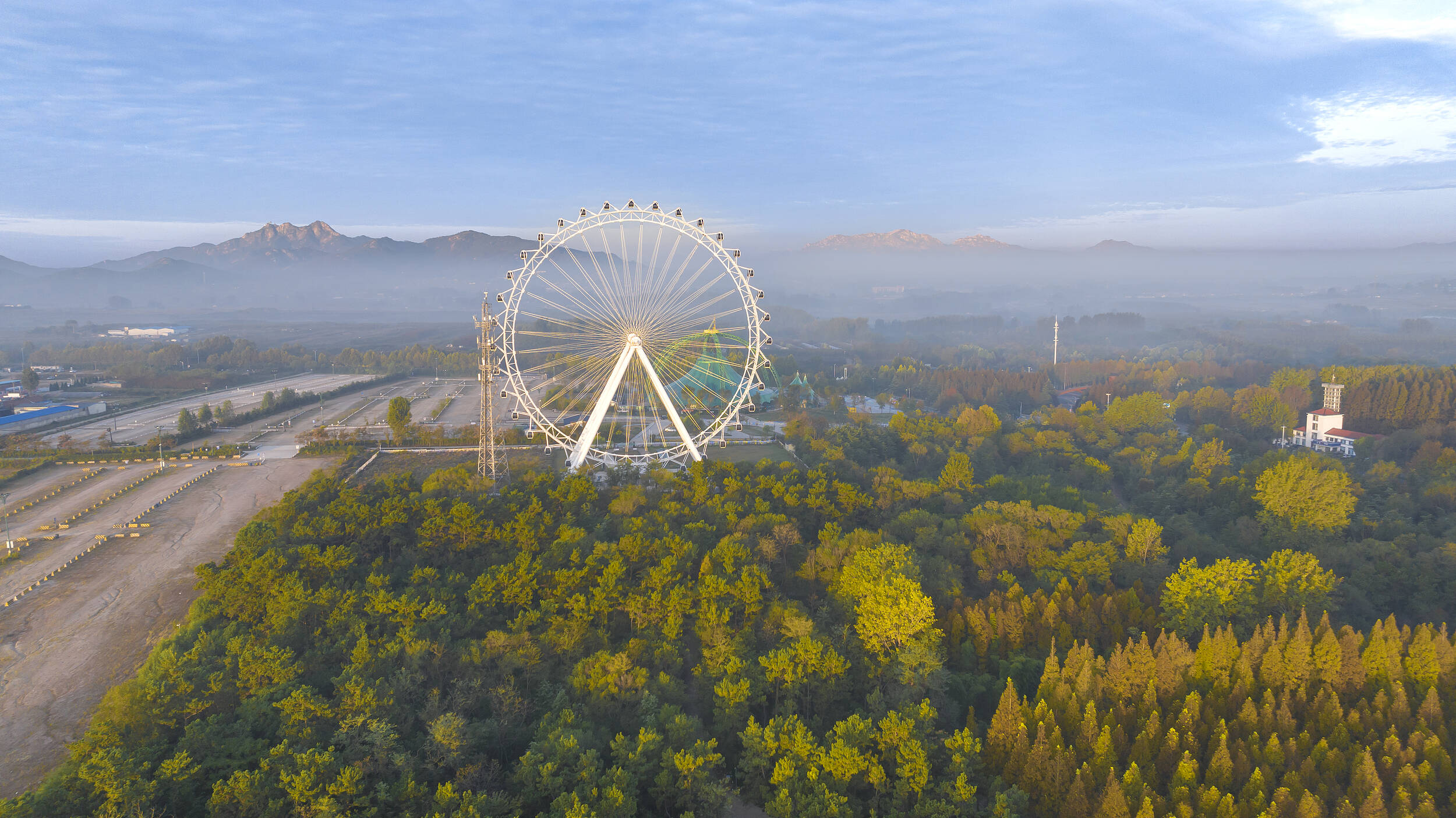
No metro system. Public buses serve the urban area and connect to major attractions. Taxis and ride-hailing services are available. Car rental is recommended for visiting Weiji Manor and Heban Mountain.
Mar - May
Mild and pleasant. Pear and peach blossoms bloom in the orchards. Good for cultural sightseeing and outdoor activities.
Jun - Aug
Hot and humid. Heban Mountain offers a cool retreat from the heat. Local fruits like peaches come into season. The Bohai coast provides some sea breeze.
Sep - Nov
Comfortable temperatures and clear skies. Pear and jujube harvest season. Best time for visiting Sun Tzu Cultural Park and the Bohai Bay coast.
Dec - Feb
Cold and dry. Few tourists. Indoor attractions like museums and cultural sites are better choices. Suitable for exploring Binzhou history and culture.
Discover more cities, food guides, and travel inspiration.