
Museum
Zibo Ceramic Museum
China's largest ceramic museum, tracing 5,000 years of pottery and porcelain history from ancient times to contemporary masterpieces.
9:00 AM - 5:00 PM
Free
An ancient capital of the Qi Kingdom and modern industrial city, Zibo went viral in 2023 for its legendary BBQ — sparking a nationwide food tourism phenomenon.
Zibo is a historic and industrial city in central Shandong Province, with a population of 4.7 million and an area of 5,965 square kilometers. It is famous both as the ancient capital of the Qi Kingdom and as a modern industrial powerhouse.
In 2023, Zibo became an unexpected national sensation when its unique BBQ culture went viral on Chinese social media. Unlike typical Chinese BBQ, Zibo style involves diners grilling skewers at their own table, then wrapping the meat in thin pancakes with scallions and sauce. The trend brought millions of visitors to the city and sparked a nationwide BBQ tourism craze.
Zibo's history as the capital of Qi during the Zhou Dynasty (1046-221 BC) makes it one of China's most significant archaeological sites. The Qi Kingdom was one of the most powerful states of its era, and Linzi, its capital, was once the largest city in the world.
The city has a 5,000-year tradition of ceramics and pottery. Zibo ceramics are renowned across China, and the Zibo Ceramic Museum is the largest museum of its kind in the country. The city is also a major petrochemical and new materials hub, home to Sinopec Qilu Petrochemical and numerous advanced materials companies.
Zibo's history begins with the ancient Kingdom of Qi, one of the most powerful states during the Zhou Dynasty. In 1046 BC, King Wu of Zhou granted the Qi territory to Jiang Ziya, and the kingdom established its capital at Linzi (now Linzi District, Zibo).
Linzi flourished as a political, economic, and cultural center. During the Spring and Autumn and Warring States periods, it became the largest city in the world, with a population exceeding 300,000. The famous Jixia Academy, founded in Linzi, was China's first national academy and a cradle of philosophical thought.
The Qi Kingdom fell to Qin in 221 BC, but its cultural legacy endured. The area remained an important region throughout successive dynasties. Zibo's ceramics industry developed over thousands of years, with Boshan becoming a national center for glass and porcelain production during the Ming and Qing dynasties.
In the 20th century, Zibo emerged as an industrial city. The discovery of coal and bauxite deposits led to mining and heavy industry development. Sinopec Qilu Petrochemical was established in the 1960s, transforming Zibo into a petrochemical powerhouse.
The late 20th and early 21st centuries saw Zibo diversify into new materials, pharmaceuticals, and high-tech manufacturing, while preserving its rich historical and cultural heritage.
Zibo's economy is built on petrochemicals, ceramics, new materials, pharmaceuticals, and the rapidly growing BBQ tourism sector. In 2024, the city's GDP reached approximately 610 billion yuan.
Petrochemicals form the largest industrial sector. Sinopec Qilu Petrochemical is one of China's largest refining and chemical complexes, producing a wide range of petroleum products and chemical feedstocks. The industry supports an extensive supply chain of downstream manufacturers.
Ceramics and building materials are a traditional pillar. Zibo's ceramics industry dates back 5,000 years and now produces everything from fine porcelain and artistic ceramics to industrial ceramics and bathroom fixtures. The city hosts the China (Zibo) Ceramic Expo annually, attracting buyers worldwide.
New materials has emerged as a strategic industry. Zibo has developed clusters for advanced composite materials, specialty chemicals, and electronic materials. The city's R&D capabilities in this sector have attracted investment from leading technology companies.
Pharmaceutical manufacturing is a growing sector, with several major Chinese pharmaceutical companies operating production facilities in Zibo, particularly in the Boshan district.
BBQ tourism became a significant economic force after 2023. The viral trend brought millions of visitors, boosting local restaurants, hotels, and transportation services. The city government has invested in BBQ-themed tourism infrastructure and cultural events to sustain the momentum.
Discover the culinary treasures of Zibo, from traditional street food to imperial cuisine.
Combine Zibo's viral BBQ culture with its rich ancient history for a memorable weekend trip.
Explore Zibo's ceramics heritage, literary history, and natural landscapes.
Zibo shares Jinan Yaoqiang International Airport (TNA) — 1 hour by high-speed rail
Connected to Jinan (1 hour) and Qingdao (1.5 hours) via high-speed rail
No metro system; buses and taxis available
March to May
Mild temperatures 10-22°C. Perfect for outdoor sightseeing at Linzi ruins and Zhoucun Ancient Street.
June to August
Warm evenings perfect for outdoor BBQ. Peak season for Zibo's famous street-side dining culture. Temperatures 25-35°C.
September to November
Cool and crisp, temperatures 8-22°C. Red Leaf Canyon offers spectacular autumn colors. Best hiking season.
December to February
Cold with temperatures -5 to 5°C. Indoor attractions like museums and ceramic workshops are the main draw.

The city where the Yellow River meets the sea, home to the Y...
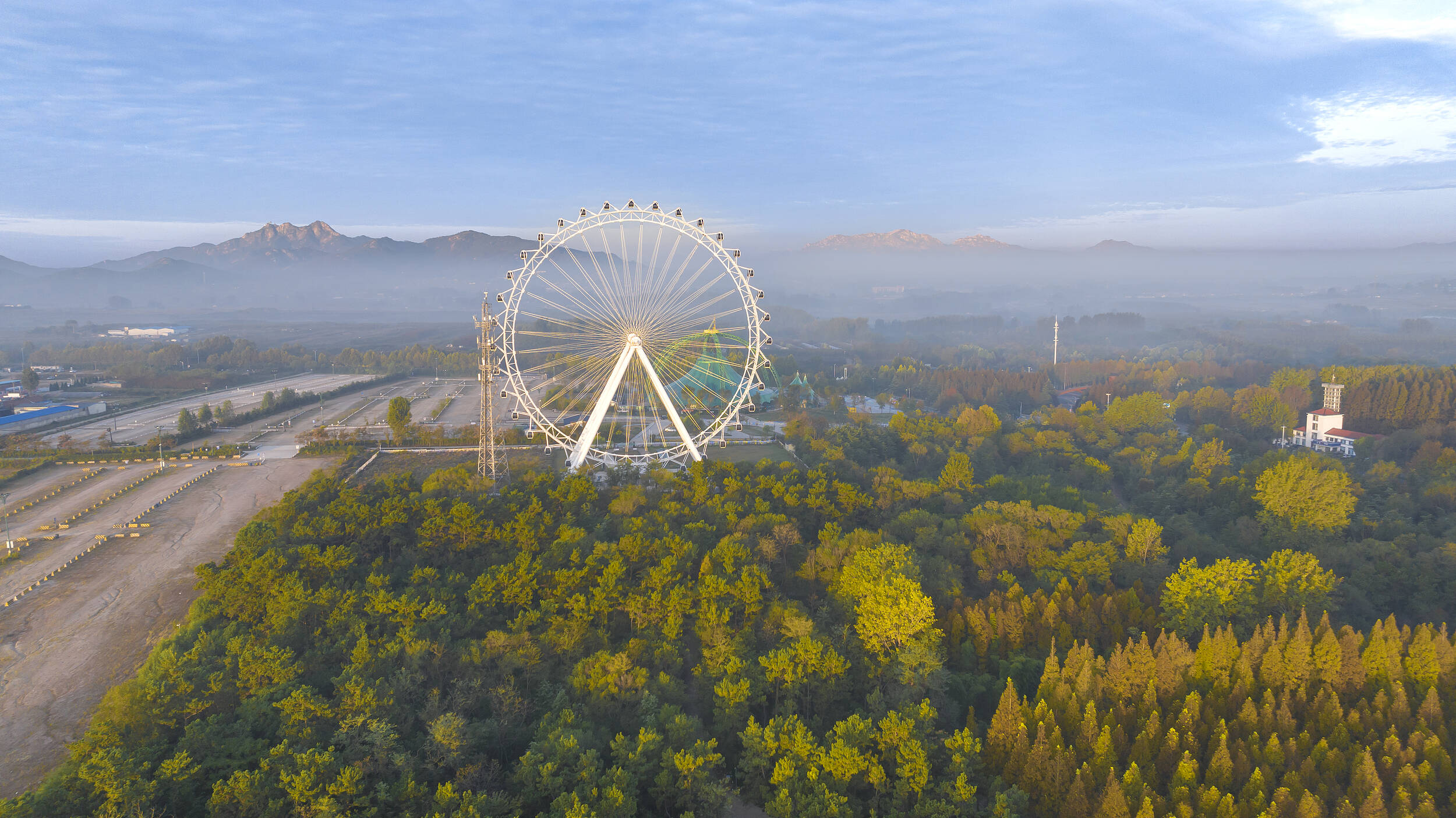
A coastal city in southern Shandong renowned for its golden ...
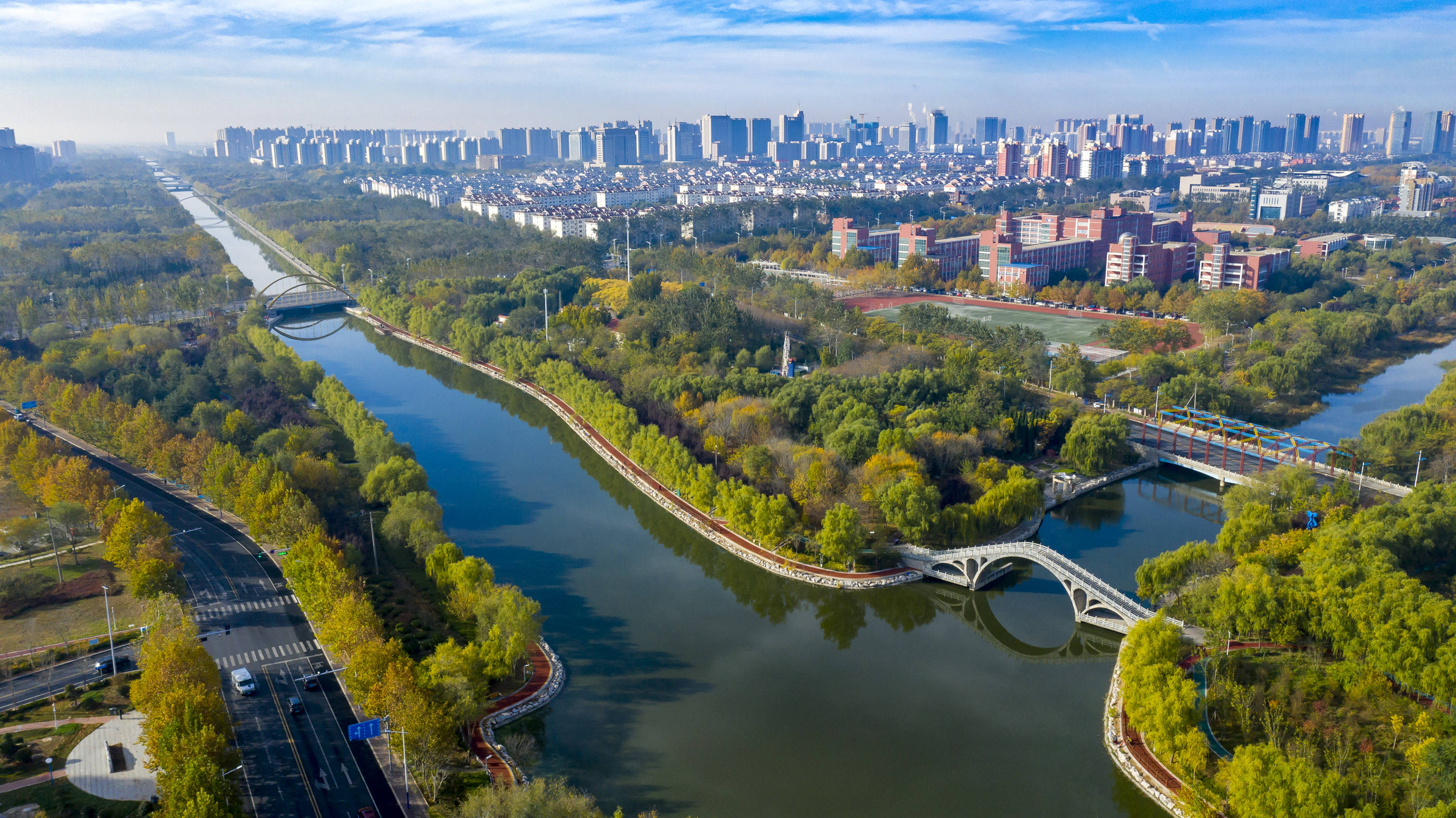
A coastal city in northern Shandong at the mouth of the Yell...

A coastal city where mountains meet the sea, famous for its ...
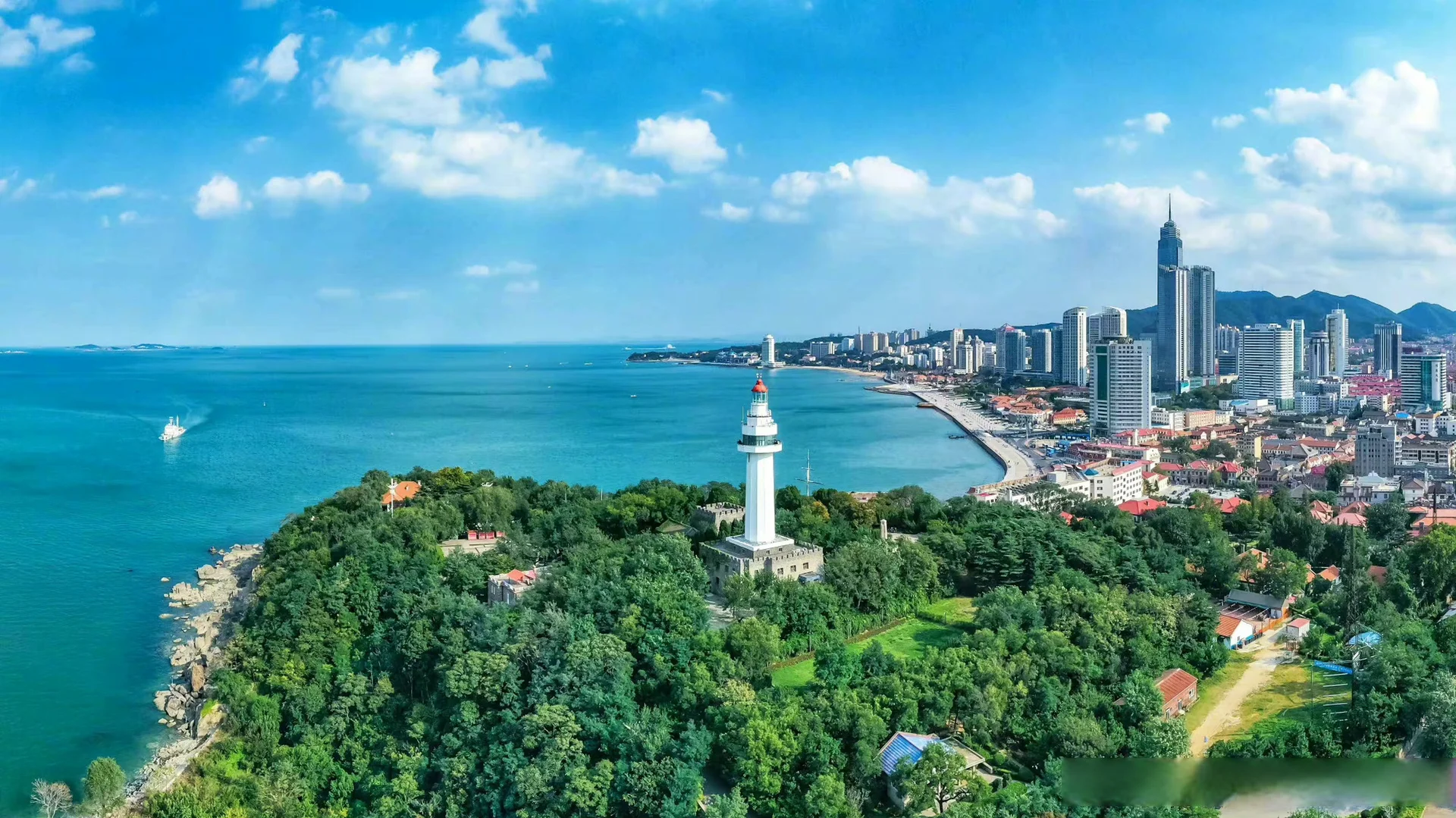
A romantic coastal city known as "Fairyland on Earth," famou...
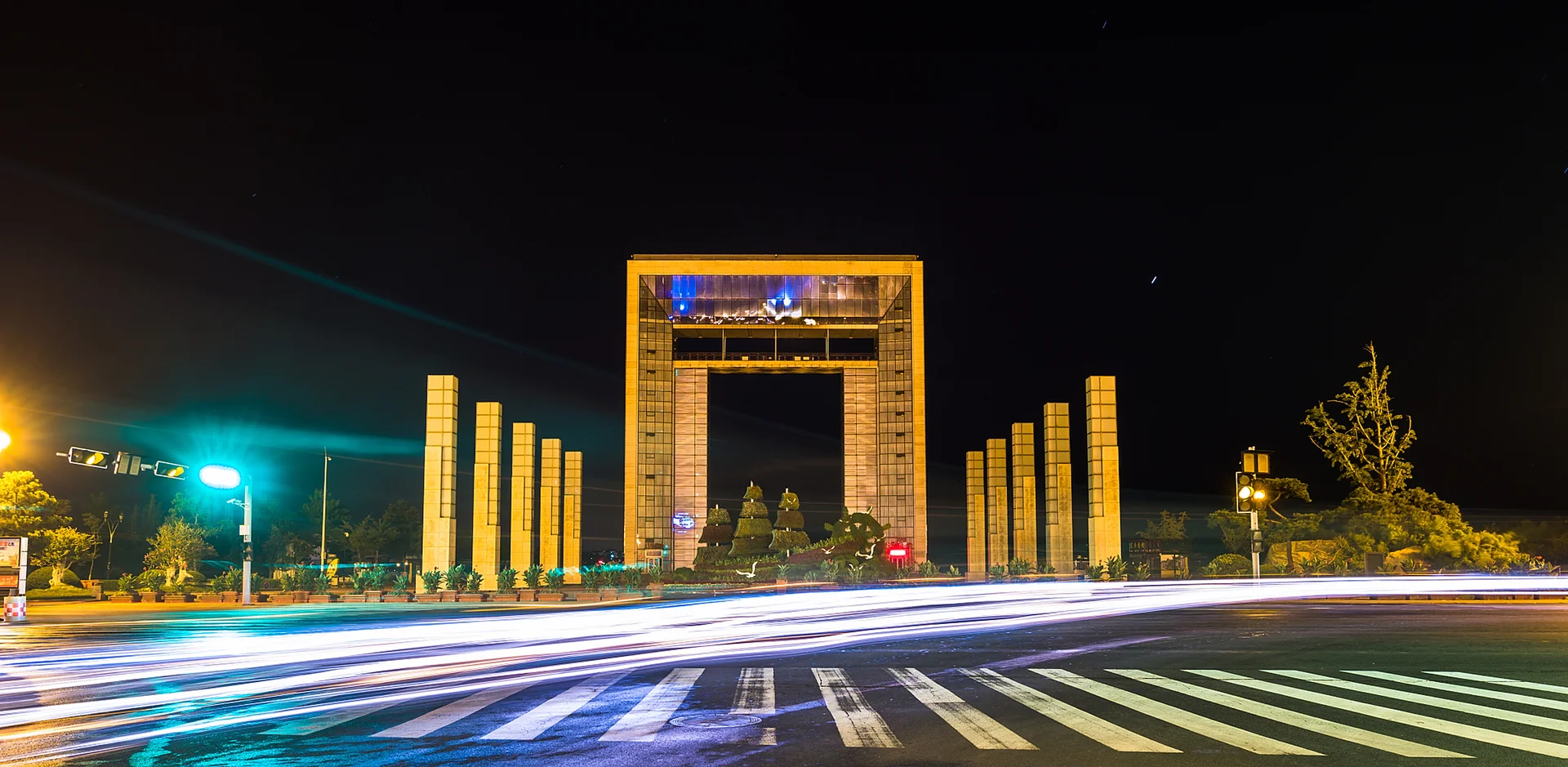
China's cleanest coastal city and nearest port to South Kore...
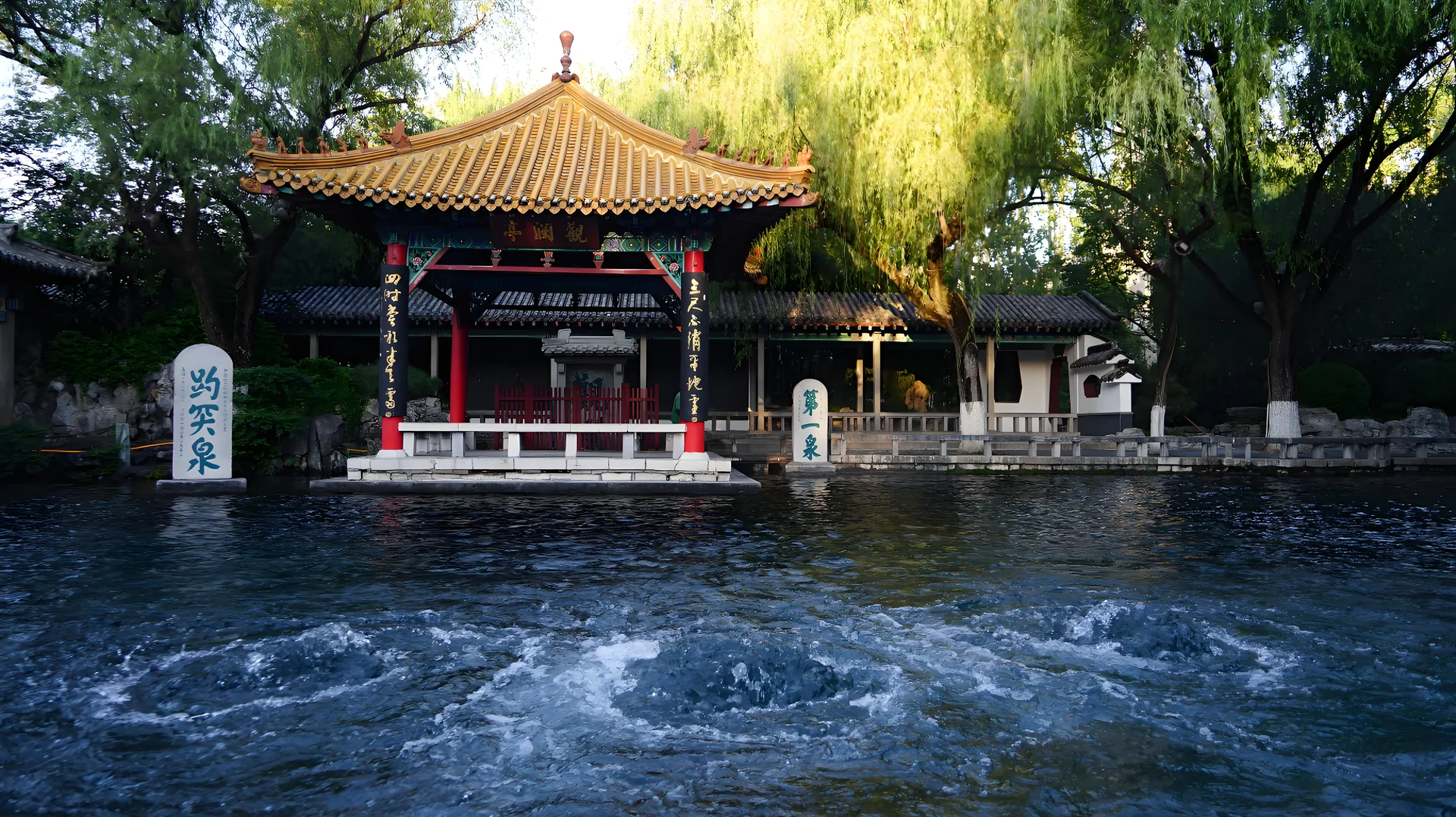
The City of Springs—capital of Shandong province where 72 fa...
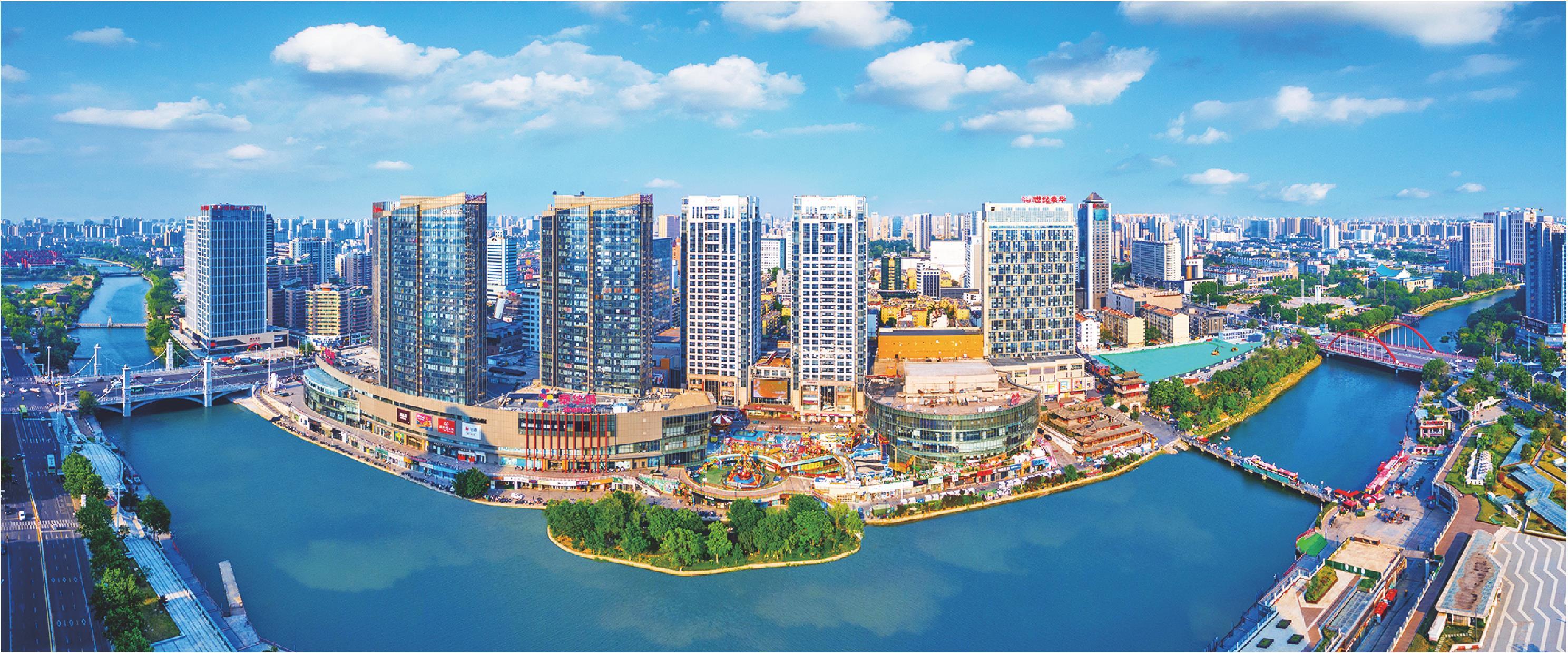
World Kite Capital and home of Weichai Power, the world's la...
Discover more cities, food guides, and travel inspiration.