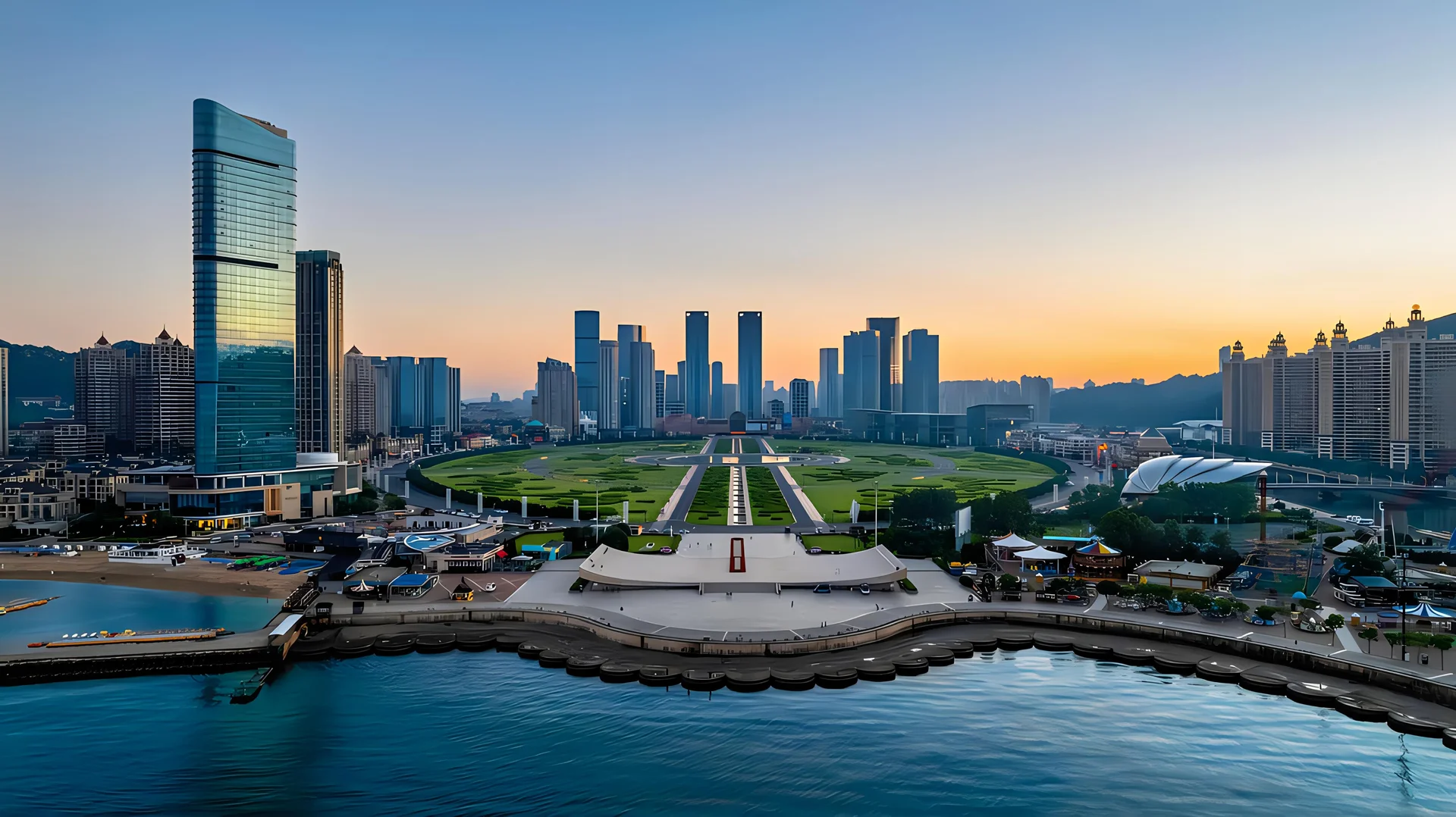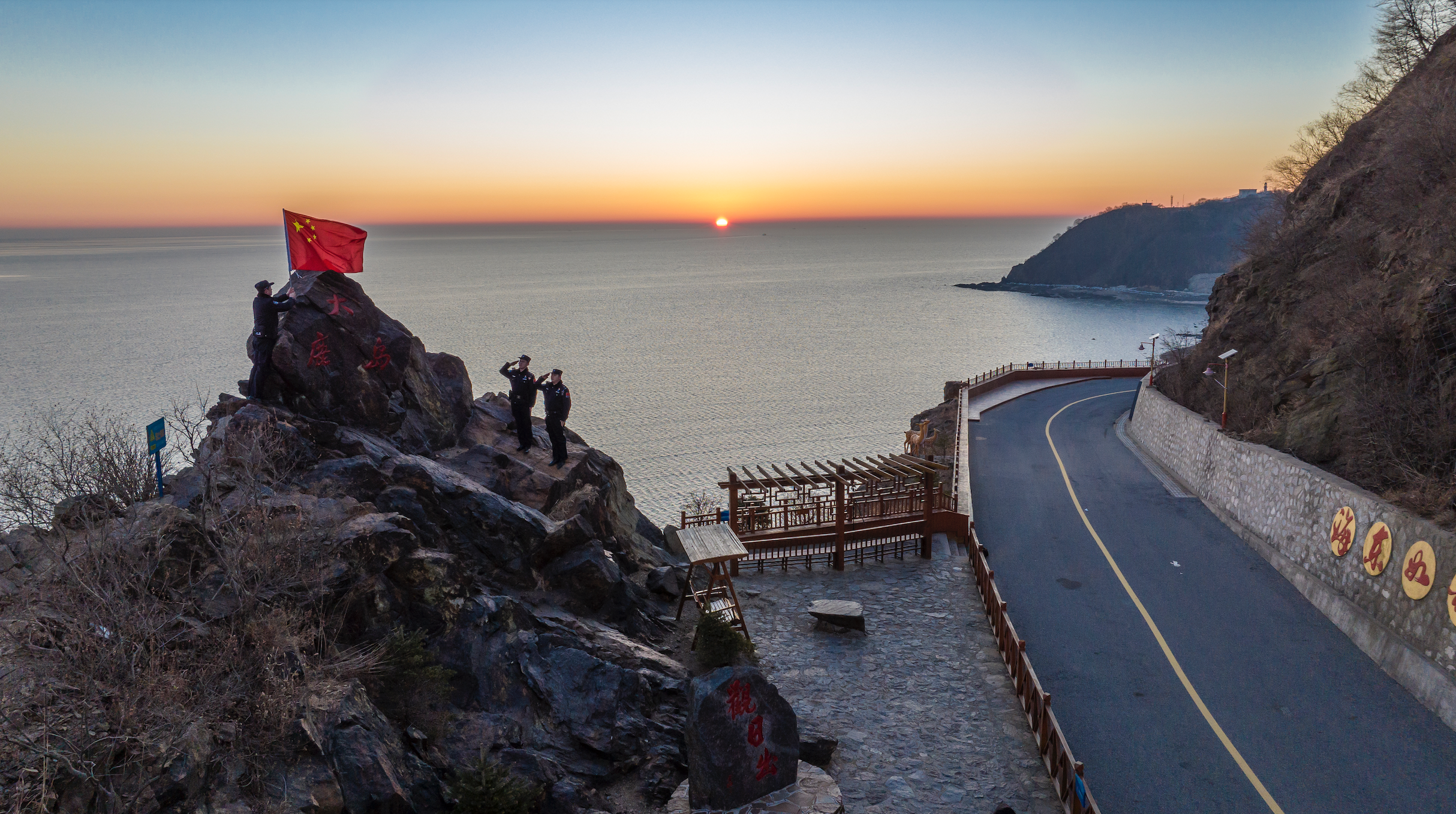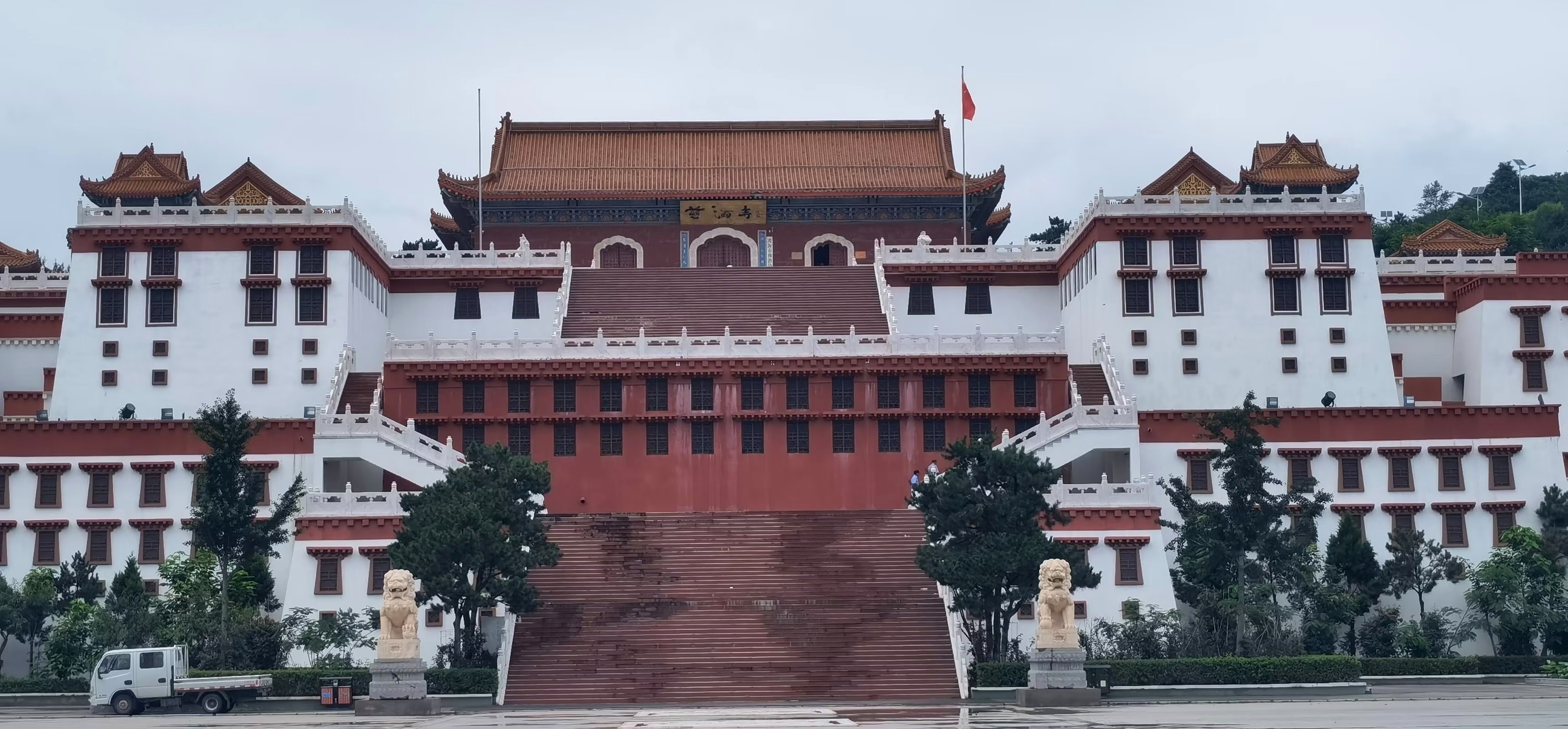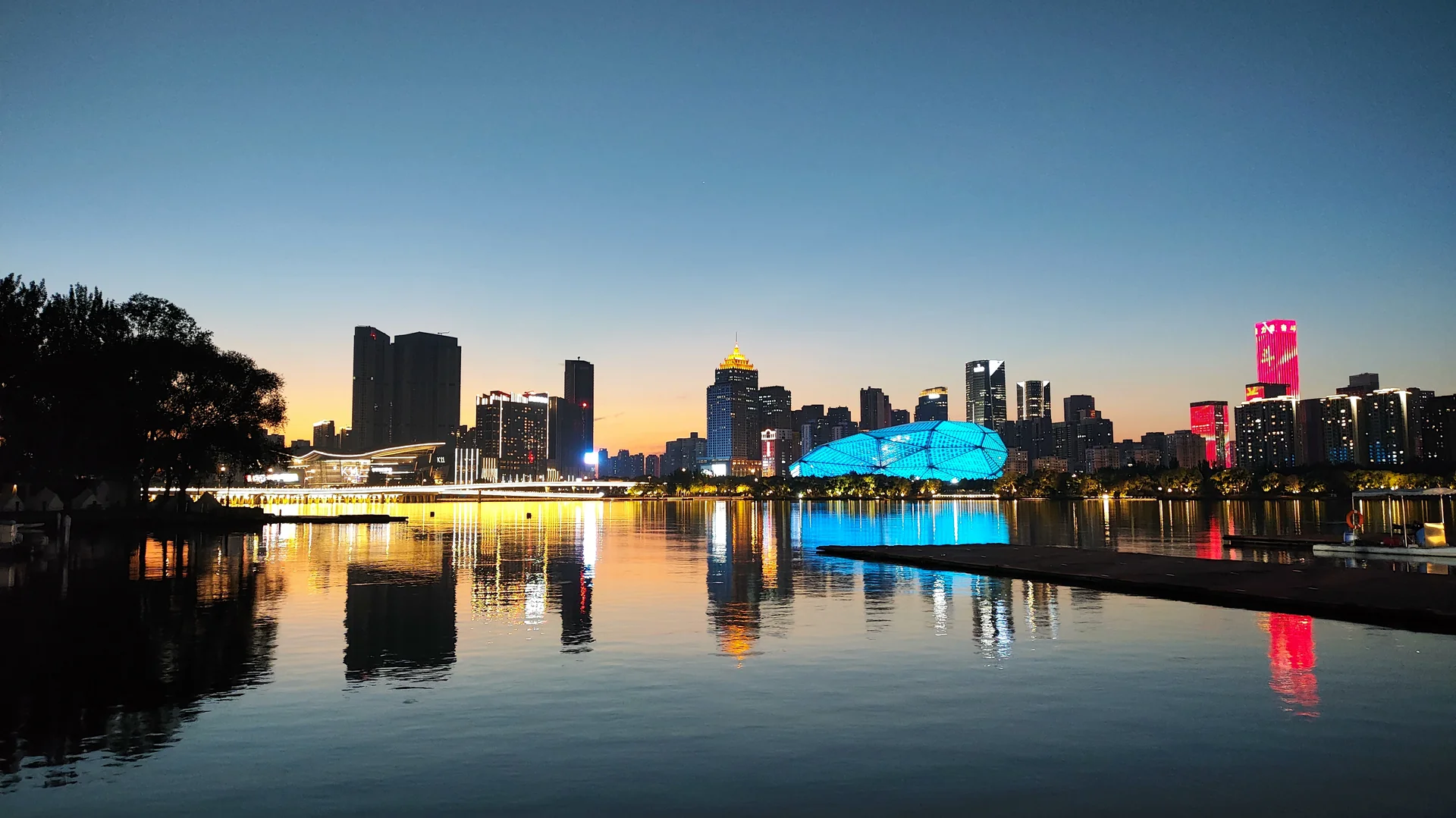
Tieling city skyline and landmarks (铁岭) - Travel China Guide

Tieling Travel Guide

The comedic heart of Northeast China, birthplace of China's most beloved comedy stars, surrounded by rolling hills, wetlands, and steam locomotive heritage.

About

Tieling, a prefecture-level city in northern Liaoning Province, occupies a distinctive place in Chinese culture. While many Chinese cities are known for their economic output or historical monuments, Tieling is famous for something far more unexpected — comedy. As the hometown of Zhao Benshan, the legendary comedian who revolutionized Chinese sketch comedy (xiaopin), Tieling has become synonymous with laughter and humor. Zhao's annual Spring Festival Gala performances were watched by over a billion people, and his influence made Tieling a household name across China. But Tieling is much more than its comedic legacy. The city sits on the northern banks of the Liaohe River, where the vast Northeast China Plain meets the foothills of the Changbai Mountains. This location gives Tieling a diverse landscape — productive farmland, forested hills, wetland ecosystems, and serene reservoirs. Longshou Mountain, shaped like a dragon's head, stands as the city's natural symbol, offering sweeping views of the surrounding countryside. Lianhua Lake Wetland Park, one of China's largest urban wetlands, provides a sanctuary for migratory birds and a recreational haven for residents. The Diaobingshan district preserves China's steam locomotive heritage with one of the country's most impressive collections of vintage trains. Tieling's economy has traditionally been based on agriculture, coal mining, and food processing. The region is a major producer of corn, soybeans, and hazelnuts. In recent years, the city has invested in tourism infrastructure, leveraging its unique cultural assets — the Zhao Benshan legacy, the steam locomotive museum, and its natural attractions — to attract visitors from across China.

History & Development

Tieling's recorded history stretches back over 2,000 years. During the Ming Dynasty (1368–1644), the area was an important military garrison town guarding the northern frontier. The name "Tieling" (literally "Iron Ridge") is thought to derive from the iron-rich soil of the surrounding hills, though local legend says it comes from the unshakeable resolve of the local people. During the Qing Dynasty, Tieling became a significant stop on the imperial highway connecting Beijing with the northeastern homeland of the Manchu rulers. The city grew as a trading center for agricultural products, timber, and iron goods. In the early 20th century, Tieling was connected to the expanding railway network, which fueled its development as a regional transportation hub and agricultural processing center. Coal mining in the area began in earnest during the Japanese occupation of Manchuria (1931–1945). After the founding of the People's Republic in 1949, Tieling developed its industrial base, focusing on mining, machinery manufacturing, and food processing. The city also became a major education center for the region. The modern chapter of Tieling's fame began in the 1990s when Zhao Benshan, a native of Tieling's countryside, rose to national stardom. His rural-themed comedies, performed in the distinctive Northeast dialect, resonated with audiences across China and put Tieling's name on the national stage. The city has embraced this legacy, building cultural venues and promoting comedy tourism.

Economy & Industries

Tieling's economy has traditionally been anchored by agriculture, coal mining, and light manufacturing. The city sits within the fertile Liaohe River plain, one of China's major grain-producing regions. The surrounding countryside produces large quantities of corn, soybeans, rice, and sunflowers. Tieling is particularly famous for its wild hazelnuts, which are harvested from the hills and sold across China as a premium snack. Coal mining has been an important industry for the city, particularly in the Diaobingshan area, which still has significant coal reserves. However, like many resource-dependent cities in Northeast China, Tieling has faced challenges as coal reserves have diminished and environmental regulations have tightened. Food processing is a growing sector, leveraging the region's abundant agricultural output. Corn processing plants, soybean oil refineries, and hazelnut packaging facilities provide significant employment. Tourism has emerged as a priority sector for economic diversification. The Diaobingshan Steam Locomotive Museum attracts railway enthusiasts from around the world, and the cultural legacy of Zhao Benshan draws domestic tourists to Xiangya Mountain and other comedy-related sites. Lianhua Lake Wetland Park and Qinghe Tourist Resort offer eco-tourism opportunities. The local government has been actively promoting economic restructuring, encouraging investment in modern agriculture, clean energy, and tourism infrastructure to transition away from coal dependency.

Top Attractions

🏔️ Nature

Longshou Mountain

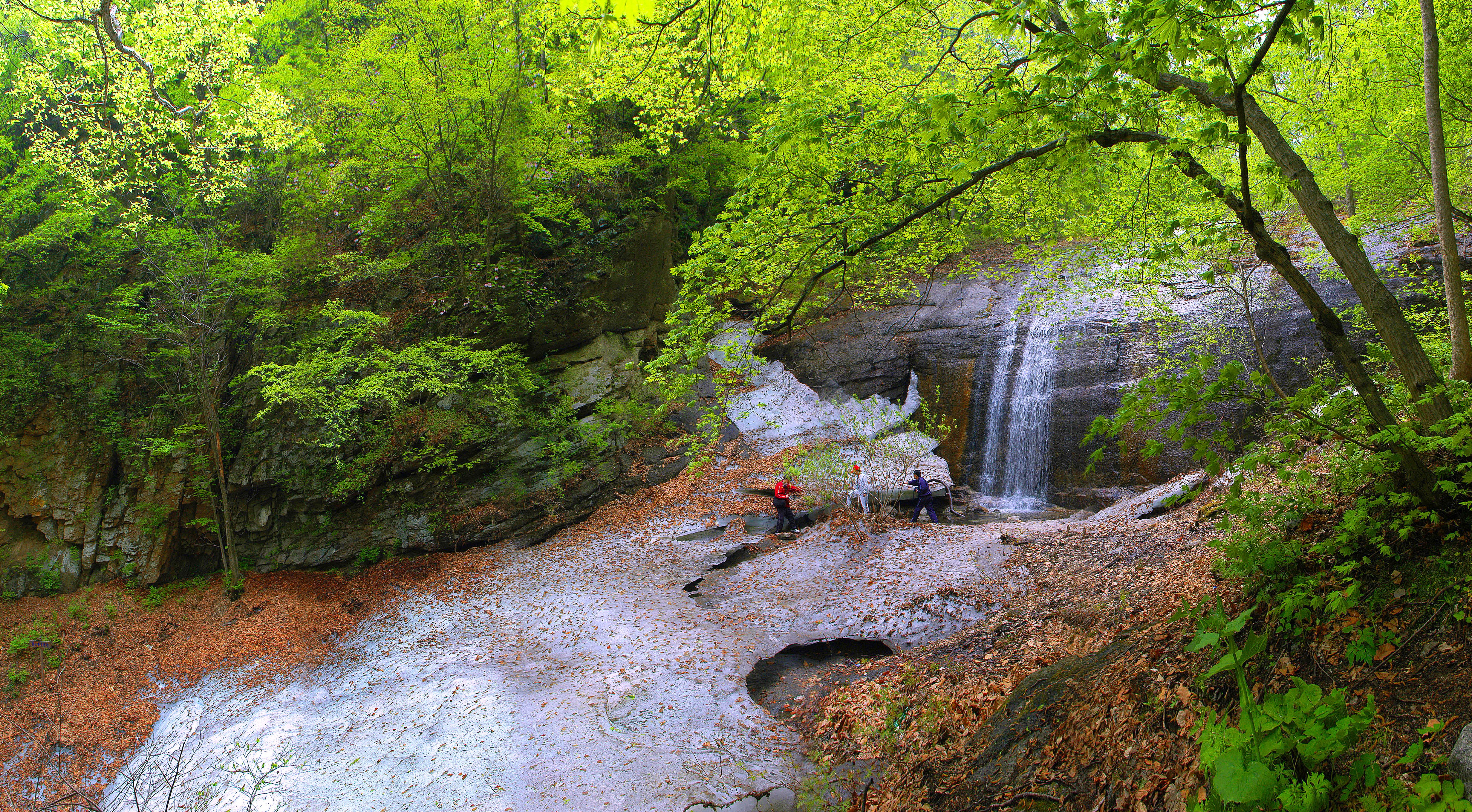
Longshou Mountain, meaning "Dragon Head Mountain," is Tieling's most iconic natural landmark. The mountain features a serpentine ridge shaped like a dragon's head, rising gently above the surrounding plain. The park is covered in dense pine forests with paved walking paths that wind to the summit, where visitors are rewarded with panoramic views of the Liaohe River valley and Tieling city center. Several pavilions and temples dot the hillside, including the Xiushui Pagoda, a modern structure built in traditional style. The mountain is especially beautiful in autumn when the foliage turns brilliant shades of red and gold. Local residents come here daily for morning exercise, and the mountain is the site of Tieling's annual Spring Festival lantern fair.
★★★★ 4.5
🕐 Open all day
🎫 Free
🏔️ Nature

Lianhua Lake Wetland Park

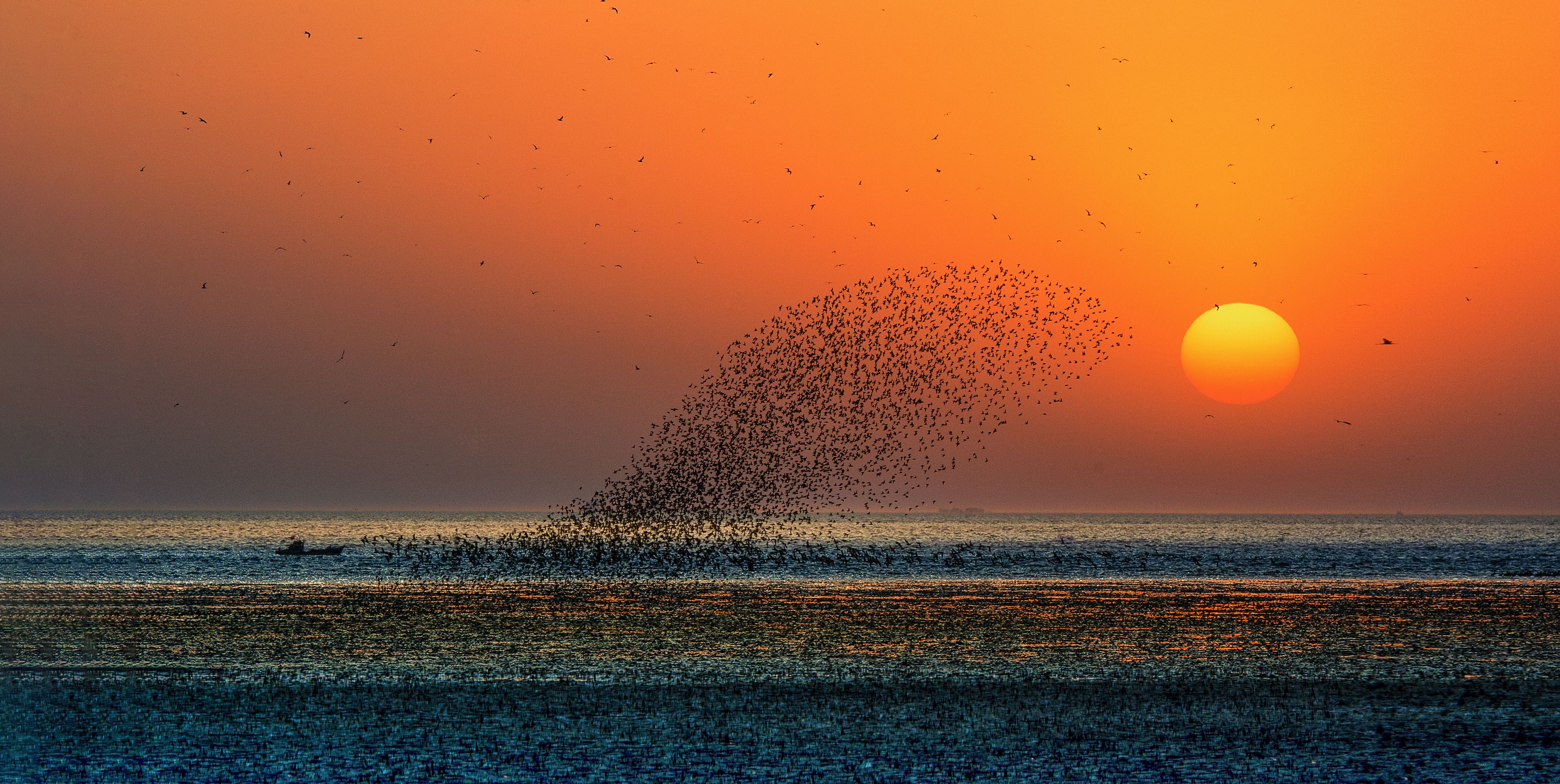
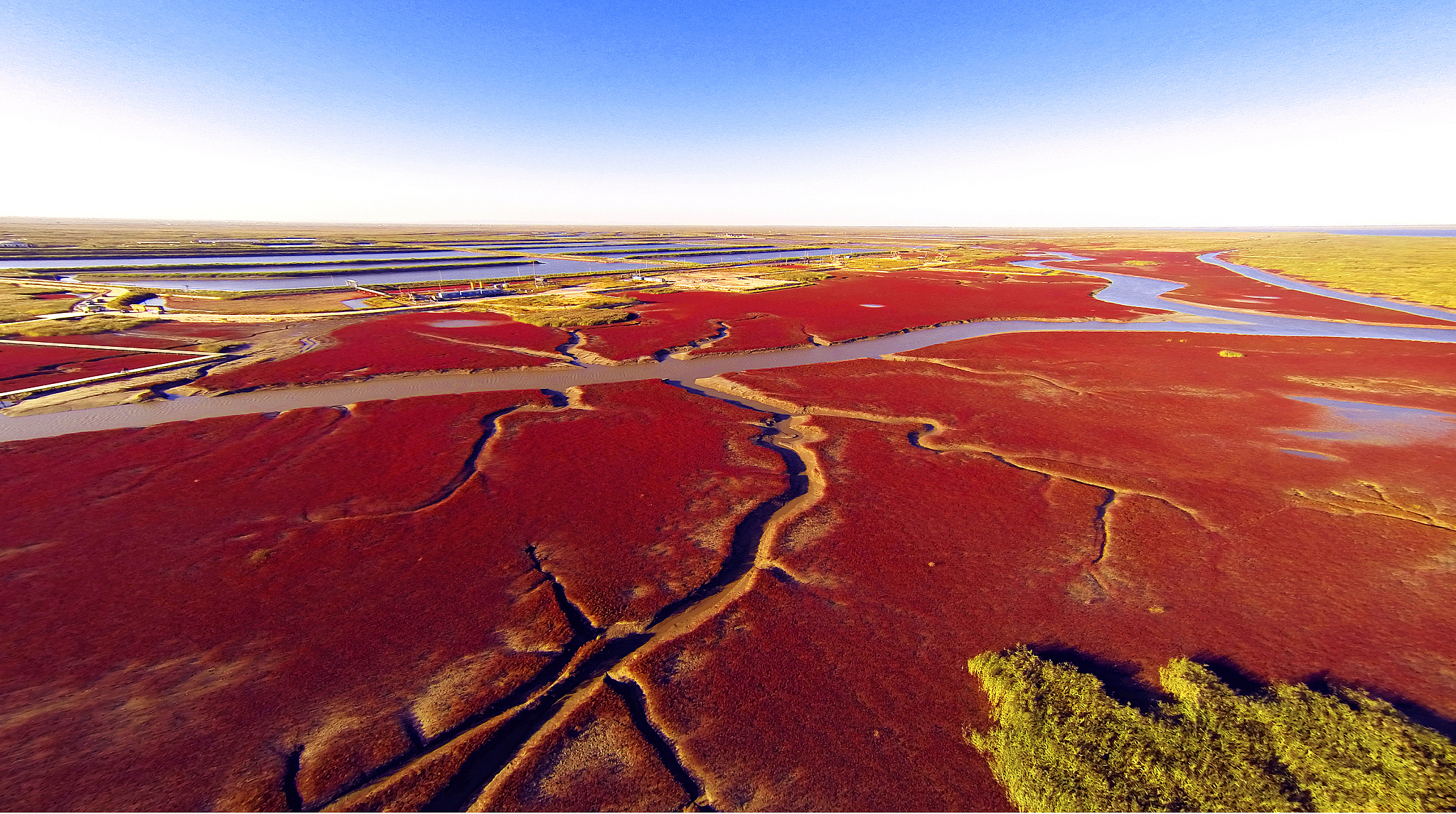
Lianhua Lake Wetland Park is one of the largest urban wetland parks in northern China, covering an area of over 20 square kilometers. The park features a vast lake dotted with lotus flowers in summer, interconnected waterways, reed marshes, and forested islands. Wooden boardwalks allow visitors to walk deep into the wetland, observing egrets, herons, and migratory birds in their natural habitat. The park has become a popular weekend destination for families and nature lovers. There are bicycle rentals, picnic areas, and a small amusement zone for children. The sunset over the lotus lake is a photographer's delight, with the colorful sky reflected in the calm water.

★★★★ 4.6
🕐 06:00-19:00
🎫 Free
⛩️ Temple

Tieling White Pagoda

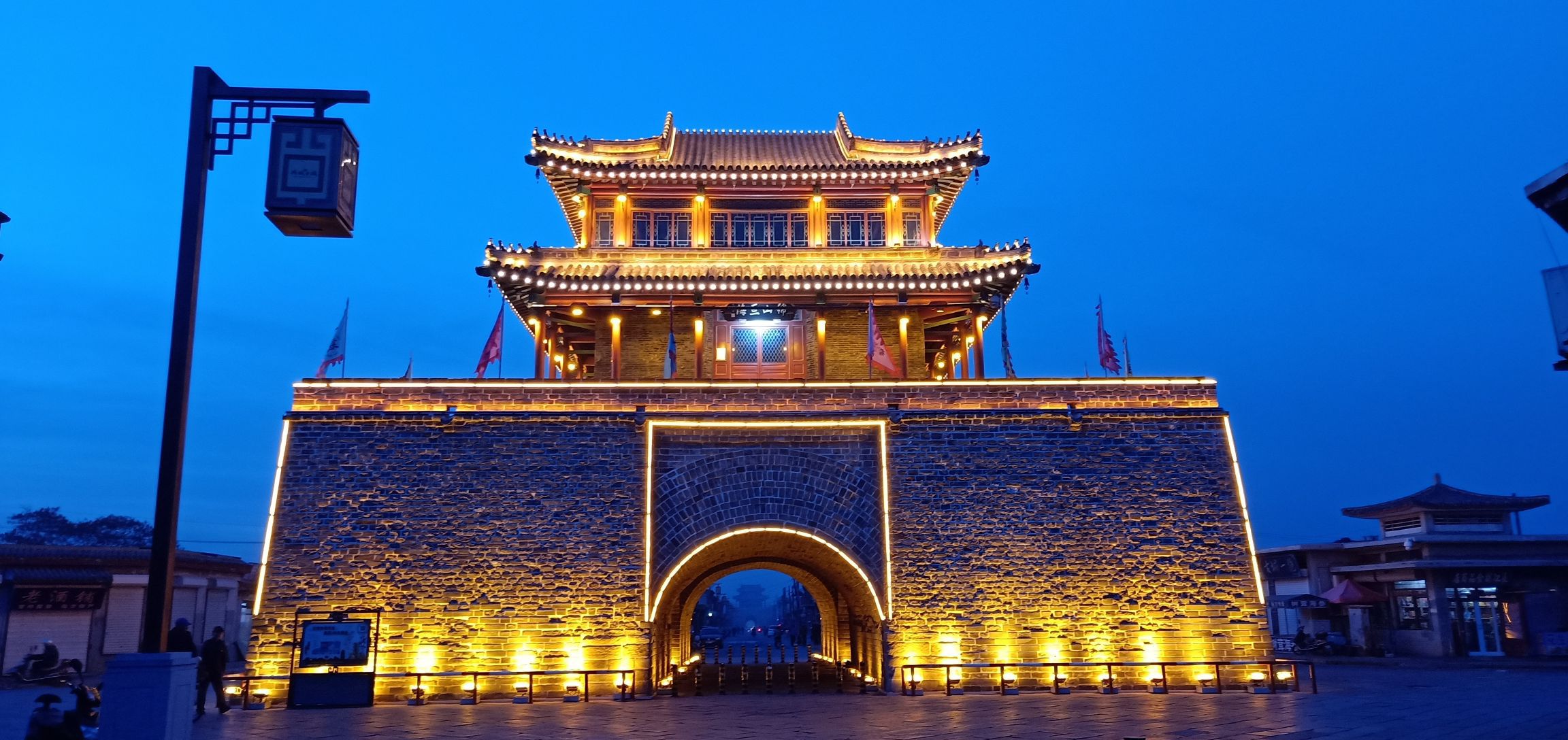
The Tieling White Pagoda is a Ming Dynasty brick pagoda located in the heart of old Tieling. Standing 36 meters tall, the octagonal, 13-story pagoda is covered in white plaster, giving it a distinctive appearance against the sky. Built during the Yongle era (1403-1424), it served as a landmark for the ancient city. The pagoda has survived earthquakes, wars, and the test of time. Intricate brick carvings of Buddha figures and floral motifs decorate the pagoda's base and eaves. In recent years, the surrounding area has been developed into a small cultural square, making it a pleasant spot for an evening stroll.

★★★★ 4.3
🕐 Open all day (exterior viewing)
🎫 Free
🏔️ Nature

Xiangya Mountain Scenic Area

Xiangya Mountain gained nationwide fame as the primary filming location for the hit TV comedy series "Country Love Story" (乡村爱情故事), produced by Zhao Benshan. The mountain itself is a modest peak with unusual rock formations said to resemble elephant tusks, but the real attraction is walking through the streets of the village set used in the show. Fans can visit the characters' homes, the village square, and the famous "big stage." The site offers a unique blend of natural scenery and pop culture, attracting tourists who want to experience the world of China's most beloved rural comedy series.

★★★★ 4.2
🕐 08:00-17:00
🎫 50 yuan
🎭 Museum

Diaobingshan Steam Locomotive Museum

The Diaobingshan Steam Locomotive Museum is one of the largest and most impressive steam locomotive collections in China. Housed in a former railway depot, the museum displays over 20 steam locomotives from different eras and manufacturers, including Chinese-built QJ-class and JS-class locomotives, as well as Soviet and Japanese imports. Many locomotives are still operational, and the museum offers short rides on select days. The highlight is the annual Steam Locomotive Festival held each January, when locomotives parade through snow-covered tracks — a photographer's dream. The museum preserves the golden age of steam rail in China and attracts railway enthusiasts from around the world.

★★★★ 4.7
🕐 08:30-16:30 (Closed Mondays)
🎫 60 yuan
🏔️ Nature

Qinghe Tourist Resort

Qinghe Tourist Resort is centered around the Qinghe Reservoir, a large artificial lake built in the 1950s for flood control and irrigation. The resort area has been developed into a comprehensive tourism destination with boating, fishing, lakeside villas, and hot spring baths. The clear waters of the reservoir are surrounded by rolling forested hills, creating a peaceful retreat from city life. In summer, the resort offers water sports including jet skiing and paddle boating. The nearby Qinghe Hot Spring provides natural geothermal baths with mineral-rich waters. The resort also features a golf course and several hotels of various price ranges, making it suitable for weekend getaways.

★★★★ 4.4
🕐 Open all day
🎫 Free (resort area); activities charged separately

Food & Culture

Discover the culinary treasures of Tieling, from traditional street food to imperial cuisine.

Things to Do

Hike Longshou Mountain

Climb Tieling's iconic mountain for panoramic views of the city and Liaohe River valley, with ancient pavilions and temples along the way.

Explore Lianhua Lake Wetland

Walk the wooden boardwalks through one of China's largest urban wetlands, spotting lotus flowers, birds, and stunning sunsets.

Visit the Steam Locomotive Museum

Marvel at China's largest collection of steam locomotives at Diaobingshan, many still operational.

🏛️

Walk Through a TV Show

Visit Xiangya Mountain to walk the sets of China's most popular rural comedy series "Country Love Story."

Taste Local Street Food

Sample Tieling Huoshao and other local specialties at the city's bustling morning markets and night food stalls.

Relax at Qinghe Resort

Escape to the Qinghe Reservoir for boating, fishing, hot springs, and lakeside relaxation.

Suggested Itineraries

Tieling One-Day Highlights

A full day in Tieling covering its best natural scenery, cultural landmarks, and culinary highlights.

  • Morning: Longshou Mountain hike + panoramic city views (2 hours)
  • Midday: Tieling Huoshao and local BBQ lunch in the city center
  • Afternoon: Lianhua Lake Wetland Park — lotus viewing and boardwalk stroll
  • Evening: White Pagoda cultural square + dinner featuring Guobaorou and sour cabbage stew

Steam & Comedy Explorer (2 Days)

An in-depth exploration of Tieling's unique steam locomotive heritage, comedy culture, and natural beauty.

  • Day 1: Morning Longshou Mountain → Lianhua Lake Wetland in the afternoon → evening food tour
  • Day 2: Diaobingshan Steam Locomotive Museum (half day) → Xiangya Mountain TV set visit (afternoon)
  • Optional: Qinghe Resort hot springs relaxation in the evening

Getting Around

✈️

Airport

Tieling does not have a commercial airport. The nearest major airport is Shenyang Taoxian International Airport (about 100km south), reachable by high-speed rail or expressway in roughly 1 hour. There are also long-distance bus services connecting Tieling to Shenyang Airport.

🚄

High-Speed Rail

Tieling Railway Station and Tieling West Station serve the Harbin-Dalian High-Speed Railway. Trains reach Shenyang in 25 minutes, Changchun in 1 hour, Harbin in 2 hours, and Dalian in 2.5 hours.

🚌

Bus Network

Public buses serve all districts of the city. Long-distance buses connect Tieling to surrounding counties and villages, and there are direct shuttle buses to Diaobingshan, Qinghe, and major attractions.

🚕

Taxi & Rideshare

Available throughout the city

Best Time to Visit

🌸

Spring

Apr - May

★★★★☆

Mild temperatures (8-20°C) with blooming trees and fresh greenery. Good for hiking and outdoor exploration.

  • Spring blossoms
  • Mild weather
  • Fewer tourists
☀️

Summer

Jun - Aug

★★★★☆

Warm (22-30°C) with occasional rain. The best time for Lotus flowers at Lianhua Lake. Green landscapes everywhere.

  • Lotus blooms
  • Green hills
  • Wetland exploration
🍂

Autumn

Sep - Oct

★★★★★

Cool and crisp (8-22°C) with spectacular fall colors on Longshou Mountain. The best season for photography and hiking.

  • Fall foliage
  • Perfect hiking weather
  • Hazelnut harvest
❄️

Winter

Nov - Mar

★★★☆☆

Cold and dry (-15 to 2°C). Snow covers the landscape. Steam Locomotive Festival in January at Diaobingshan. Fewer tourists.

  • Steam Locomotive Festival
  • Snow scenery
  • Hot springs

Continue Exploring China

Discover more cities, food guides, and travel inspiration.