Taian city skyline and landmarks (泰安) - Travel China Guide

Taian Travel Guide

The gateway to Mount Tai (Tai Shan), one of China's Five Sacred Mountains and a UNESCO World Heritage site with over 3,000 years of imperial pilgrimage history.

🌡️ Climate Temperate monsoon

About

Taian, meaning "peaceful and stable," sits at the southern foot of Mount Tai in central Shandong Province. The city's identity is inseparable from the mountain — for over 3,000 years, emperors climbed Tai Shan to perform the sacred fengshan ceremony, offering sacrifices to heaven and earth. This imperial tradition made the mountain one of China's most culturally significant sites, and Taian its eternal gateway.

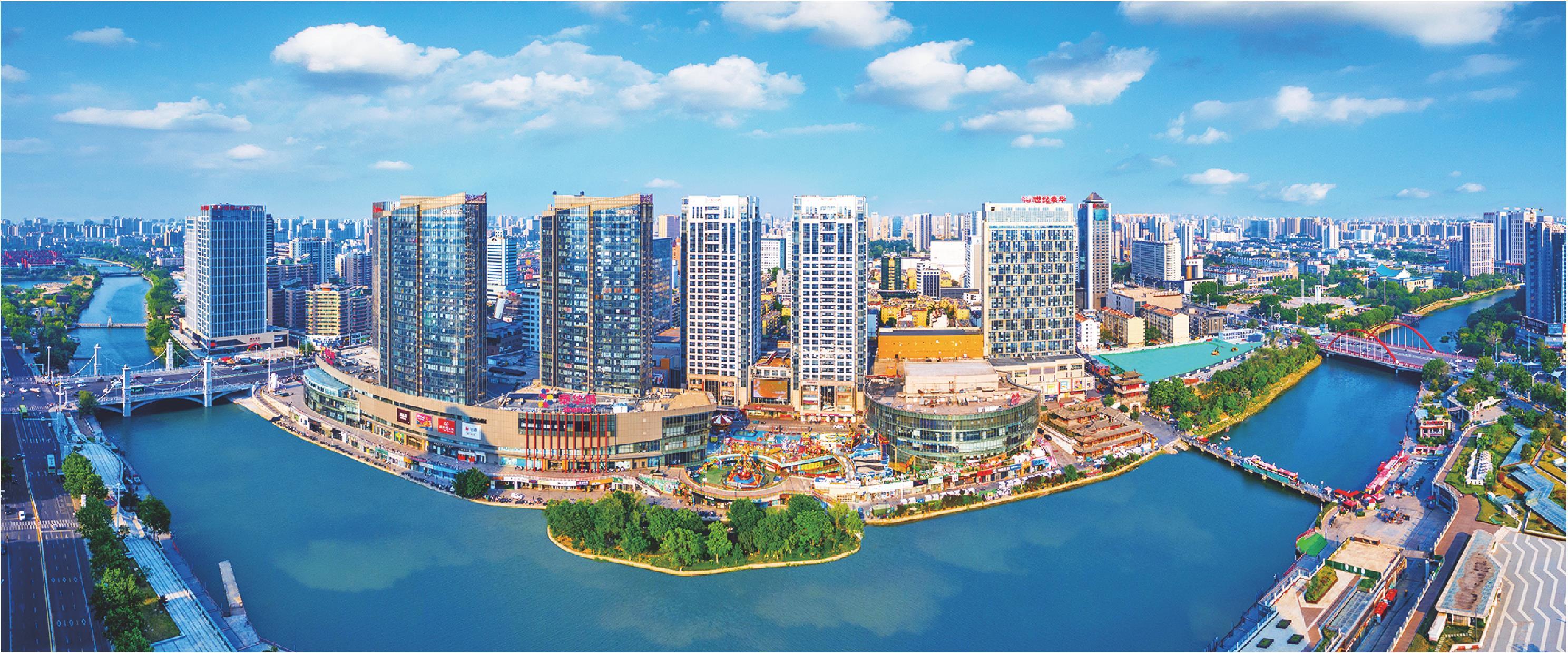
Today, Taian is a modern city that blends its rich cultural heritage with rapid urban development. The mountain attracts millions of pilgrims, hikers, and tourists each year, making tourism the city's economic backbone. Beyond the mountain, Taian is known for its thriving manufacturing sector, including machinery, textiles, and electronics industries.

The city is famous for its tofu-based cuisine, using spring water from Mount Tai to create exceptionally smooth tofu. Visitors come not only for the historic mountain climb but also for the local food, cultural festivals, and the warm hospitality of the Shandong people.

👥
Population 5.5 million
📐
Area 7,762 km²
💬
Language Mandarin

History & Development

Taian's history is intertwined with Mount Tai, which has been a sacred site since prehistoric times. The first recorded imperial sacrifice was performed by Qin Shi Huang in 219 BC, who ascended the mountain to announce his unification of China to heaven. Following his lead, dozens of emperors from subsequent dynasties made the pilgrimage to Tai Shan.

During the Han Dynasty (206 BC-220 AD), the worship of Mount Tai became institutionalized, and the first temples were built at its base. The Tang Dynasty (618-907 AD) saw a surge in pilgrimage activity, with Emperors Gaozong and Xuanzong performing elaborate ceremonies. The Song Dynasty added more temples and the famous iron anchors used to secure temple structures against mountain winds.

The Ming (1368-1644) and Qing (1644-1912) dynasties continued the tradition, with Emperor Kangxi and Qianlong visiting multiple times. During the Qing Dynasty, Taian developed from a small market town into a proper county seat serving pilgrims. The famous stone steps from Red Gate to the summit were renovated and expanded during this period.

After 1949, Taian transformed into an industrial city while preserving its cultural heritage. Mount Tai was designated a UNESCO World Heritage site in 1987. Today, the city balances its roles as a spiritual center, tourist destination, and industrial hub in Shandong Province.

Economy & Industries

Taian's economy is anchored by tourism, with Mount Tai attracting over 8 million visitors annually. The tourism sector drives hotels, restaurants, transportation, and souvenir industries throughout the city.

Beyond tourism, Taian has a diversified industrial base. Key sectors include machinery manufacturing, construction materials, textiles, and food processing. The city is also a major producer of building materials such as cement and decorative stone from local quarries. The Shandong Taishan Sports Equipment Group is a leading manufacturer of gymnastics and sporting equipment in China.

Agriculture plays a significant role in the surrounding countryside, with wheat, corn, peanuts, and chestnuts as major crops. The famous Tai Shan chestnuts are exported throughout China and abroad. In recent years, Taian has been investing in renewable energy and biotechnology sectors as part of Shandong's economic transformation.

Top Attractions

🏛️ Landmark

Mount Tai

Mount Tai is one of China's Five Sacred Mountains and a UNESCO World Heritage site. For over 3,000 years, emperors climbed Tai Shan to perform sacrifices to heaven and earth. The mountain rises 1,545 meters above sea level and features 6,600 stone steps, ancient temples, inscriptions, and breathtaking views. The sunrise from Jade Emperor Peak is considered one of China's most spectacular natural wonders.

★★★★★ 5
🕐 24 hours (night hiking allowed)
🎫 127 yuan (peak season)
⛩️ Temple

Dai Temple

Dai Temple is the largest and best-preserved ancient architectural complex on Mount Tai, originally built during the Qin Dynasty. It served as the site where emperors prepared for their ascension ceremonies. The temple features the magnificent Tiankuang Hall (Heavenly Gift Hall) with giant Song Dynasty frescoes, ancient cypress trees planted by Emperor Wu of Han, and over 200 stone inscriptions.

★★★★ 4.7
🕐 08:00-17:30
🎫 30 yuan
🏛️ Landmark

Heavenly Street

Heavenly Street is a scenic walkway along the ridge of Mount Tai at approximately 1,500 meters elevation. Lined with shops, teahouses, and restaurants, it offers stunning views of the surrounding peaks and clouds. Walking along Heavenly Street feels like strolling through a celestial marketplace, especially during sunrise or when clouds drift below.

★★★★ 4.8
🕐 24 hours
🎫 Included in Mount Tai ticket
🏛️ Landmark

Jade Emperor Peak

The highest point of Mount Tai at 1,545 meters, Jade Emperor Peak is the ultimate destination for sunrise seekers. The summit features a small temple dedicated to the Jade Emperor, the supreme deity in Taoism. On clear mornings, thousands of visitors gather before dawn to witness the sun rising above a sea of clouds — an experience deeply rooted in Chinese culture and poetry.

★★★★ 4.9
🕐 24 hours
🎫 Included in Mount Tai ticket
🏛️ Landmark

Red Gate

Red Gate marks the traditional starting point of the Mount Tai ascent. This ancient archway, painted in imperial red, has welcomed pilgrims for centuries. The area around Red Gate is dotted with temples, markets, and the starting point of the most scenic hiking route up the mountain. It is also where night hikers begin their journey to catch the sunrise.

★★★★ 4.5
🕐 24 hours
🎫 Free
⛩️ Temple

Bixia Temple

Bixia Temple is one of the most important Taoist temples on Mount Tai, dedicated to Bixia Yuanjun (the Goddess of the Dawn). Built during the Song Dynasty, the temple features exquisite bronze tiles and intricate carvings. Pilgrims come from across China to pray for blessings, especially for fertility and family prosperity.

★★★★ 4.6
🕐 06:00-18:00
🎫 Included in Mount Tai ticket
🏔️ Nature

Taishan Forest Park

Surrounding the base of Mount Tai, this forest park offers serene walking trails, ancient pine forests, and hidden waterfalls. A great place to experience the natural beauty of the area without climbing the mountain. Home to diverse wildlife and plant species, including the rare Tai Shan pine.

★★★★ 4.4
🕐 All day
🎫 Free (some trails)

Food & Culture

Discover the culinary treasures of Taian, from traditional street food to imperial cuisine.

Things to Do

Mount Tai Sunrise Hike

Start climbing from Red Gate around midnight to reach the summit by dawn. The 4-5 hour hike is challenging but rewarding with the most spectacular sunrise of your life.

🏛️

Explore Dai Temple

Spend a morning exploring this magnificent ancient complex. Don't miss the Tiankuang Hall frescoes and the Han Dynasty cypress trees.

Take the Cable Car

For an easier ascent, take the Mount Tai Cable Car from Zhongtianmen to the summit. Enjoy panoramic views of the mountain without the strenuous climb.

🍴

Taste Local Cuisine

Explore Tai'an's food scene with a tofu feast dinner and street food tour around the mountain base. Don't forget to try Tai Shan pancakes fresh off the griddle.

Suggested Itineraries

Mount Tai Classic (2 Days)

  • Day 1: Arrive in Tai'an → Dai Temple → Red Gate area → start night hike
  • Day 2: Sunrise at Jade Emperor Peak → Heavenly Street → cable car down → departure

Culture and Nature (3 Days)

  • Day 1: Dai Temple → local food tour
  • Day 2: Mount Tai full day hike (Red Gate → Mid-Heaven Gate → South Heaven Gate → Summit)
  • Day 3: Taishan Forest Park → Bixia Temple → departure

Getting Around

✈️

Airport

Tai'an does not have its own airport. The nearest major airports are Jinan Yaoqiang International Airport (80km, 1.5 hours by car) and Qufu Airport.

Best Time to Visit

🌸

Spring

Apr - May

★★★★★

Mild temperatures (15-25°C), blooming peach and apricot blossoms on the mountain slopes. Moderate crowds before the summer peak. Great time for hiking with clear skies.

  • Blooming flowers
  • Mild weather
  • Clear skies
☀️

Summer

Jun - Aug

★★★★☆

Hot at the base (up to 35°C) but cool on the mountain summit (18-25°C). The mountain provides a natural escape from the heat. Higher chance of rain and cloud cover affecting sunrise views.

  • Cool mountain air
  • Lush greenery
  • Summer vibrancy
🍂

Autumn

Sep - Oct

★★★★★

Crisp, clear weather with stunning autumn foliage covering the mountain. The best season for photography. September is ideal before the National Day crowds arrive in early October.

  • Autumn foliage
  • Clear views
  • Golden season
❄️

Winter

Nov - Mar

★★☆☆☆

Cold and icy, with temperatures dropping to -10°C at the summit. Snow-covered Mount Tai is breathtakingly beautiful but hiking is treacherous. Cable car may close during heavy snow. Fewer tourists.

  • Snow scenery
  • Fewer crowds
  • Winter photography

Travel Reminders

💡

💡

💡

💡

Continue Exploring China

Discover more cities, food guides, and travel inspiration.