Museum
Guangde Temple
One of China's most important Guanyin temples, established in the Tang Dynasty. The temple complex features ancient architecture, sacred relics, and beautiful gardens.
08:00-18:00
40 yuan
The "Hometown of Guanyin" in China, famous for its Buddhist culture, the China Dead Sea salt lake, and ancient temples.
Suining is a prefecture-level city in central Sichuan Province, known as the "Hometown of Guanyin" in China. The city's name means "peace and tranquility," reflecting its reputation as a center of Buddhist culture and spiritual harmony.
The city's most famous cultural heritage centers on Guanyin (Avalokitesvara) worship. Guangde Temple and Lingquan Temple are two of China's most important Guanyin sites, attracting pilgrims and tourists for over 1,000 years. The temples feature ancient architecture, sacred relics, and beautiful hillside settings.
Suining is also home to the "China Dead Sea," a unique salt lake recreation area where visitors can float effortlessly on the dense saltwater, similar to the famous Dead Sea in the Middle East. The resort offers spa treatments, mud baths, and water activities.
The city's location on the Fu River provides scenic waterfront areas. Guanyin Lake in the city center offers pleasant walking paths and boat rentals. Longfeng Ancient Town preserves Ming and Qing dynasty architecture with traditional shops and tea houses.
Suining's history stretches back over 1,600 years. The area was established as a county during the Eastern Jin Dynasty in the 4th century AD.
The city's Buddhist heritage began in the Tang Dynasty when Guangde Temple was founded. Legend says a statue of Guanyin miraculously appeared here, establishing Suining as a sacred site.
During the Song Dynasty, Lingquan Temple was built, cementing Suining's status as a Buddhist center. Pilgrims traveled from across China to worship.
The Ming and Qing dynasties saw the development of Longfeng Ancient Town as a commercial hub. The town's architecture from this period survives today.
The salt industry has been important to Suining for centuries. Traditional salt production methods continued until modern times, when the China Dead Sea resort was developed as a tourist attraction.
In recent decades, Suining has developed its tourism industry around Buddhist culture and the unique salt lake experience.
Suining's economy is driven by agriculture, light manufacturing, tourism, and salt-related industries. The city's Buddhist cultural heritage and unique attractions support a growing tourism sector.
Agriculture produces rice, wheat, oil crops, and vegetables. The Fu River valley provides fertile land for farming.
Manufacturing includes food processing, textiles, and electronics. The city is developing its industrial zones to attract investment.
Tourism centers on Guangde Temple, Lingquan Temple, and the China Dead Sea resort. The city promotes itself as a spiritual tourism destination.
Salt production and related industries continue, though modernized. Salt lake products include spa treatments and health products.
Discover the culinary treasures of Suining, from traditional street food to imperial cuisine.
Explore Suining's Buddhist heritage.
The nearest airport is Chengdu Shuangliu International Airport, about 150km away. Suining can be reached by high-speed train.
Suining Railway Station connects to Chengdu (about 1 hour) and Chongqing (about 1.5 hours).
Buses connect the city center to major temples and China Dead Sea resort.
Available throughout the city
Mar - May
Mild temperatures (15-25°C), temple visits comfortable.
Jun - Aug
Hot and humid (25-35°C). Best time for Dead Sea floating.
Sep - Nov
Cool and clear (15-25°C). Ideal for hiking and sightseeing.
Dec - Feb
Cool and damp (5-15°C). Fewer tourists, peaceful temples.
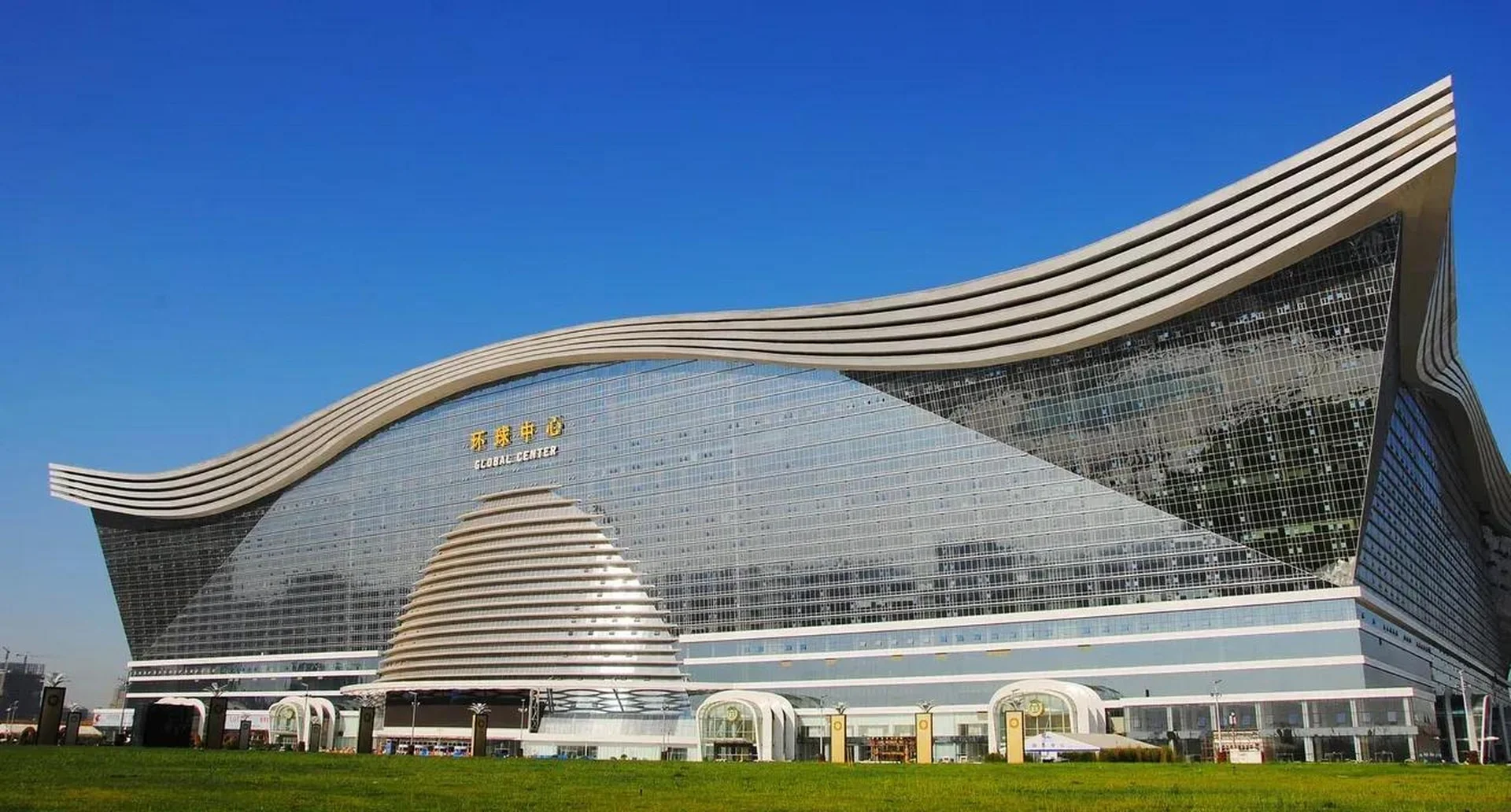
China's relaxed capital of Sichuan, famous for giant pandas,...
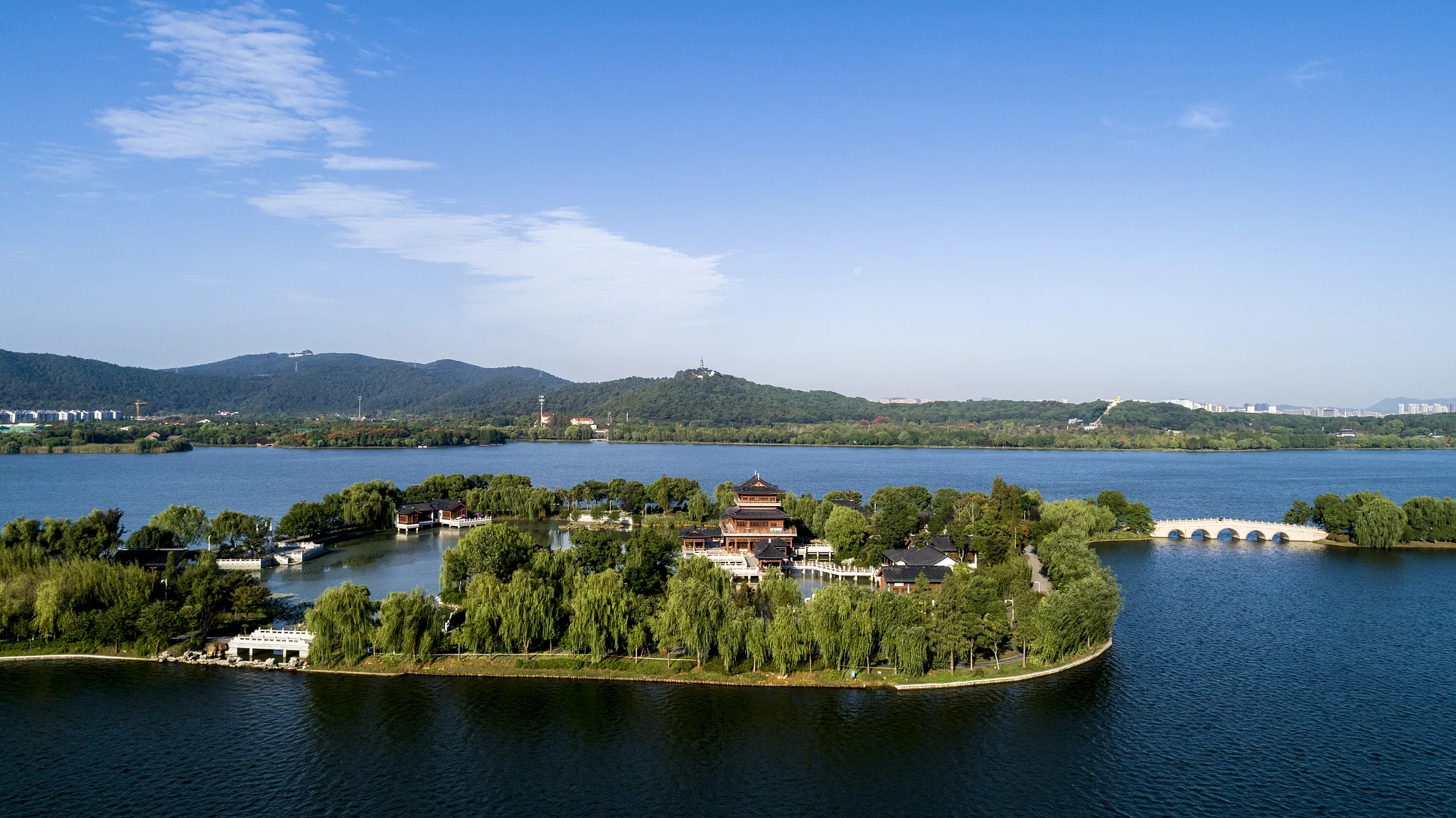
Gateway to Jiuzhaigou and birthplace of poet Li Bai—China's ...
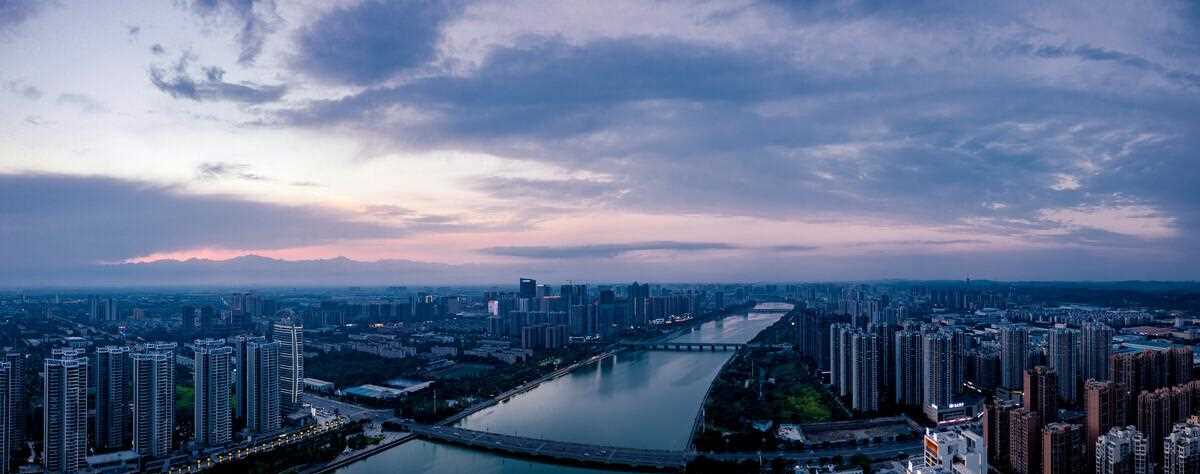
Home of the Sanxingdui archaeological site, one of the most ...
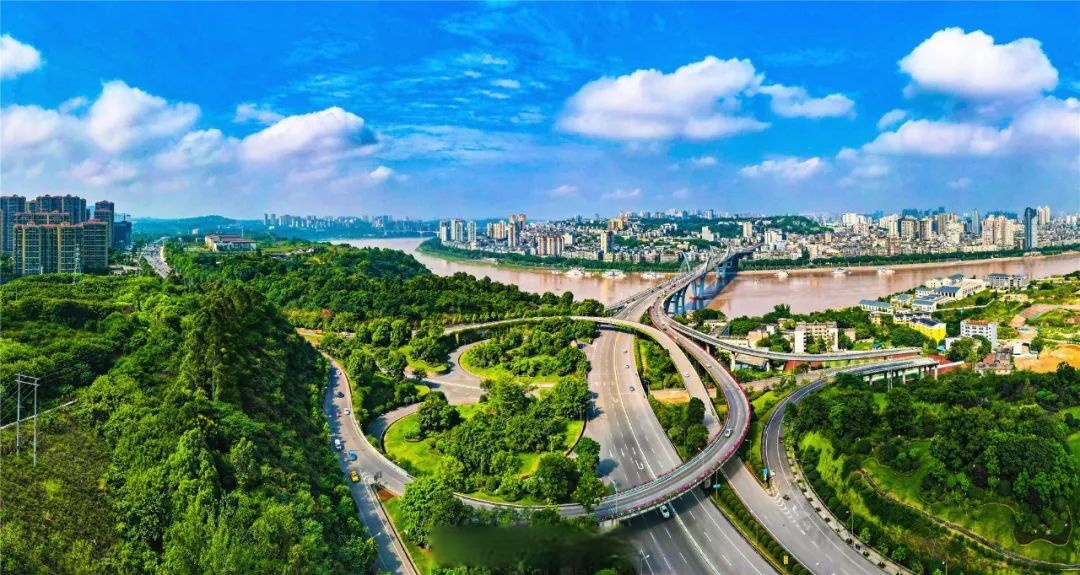
The City of Strong Liquor, home to Luzhou Laojiao - one of C...
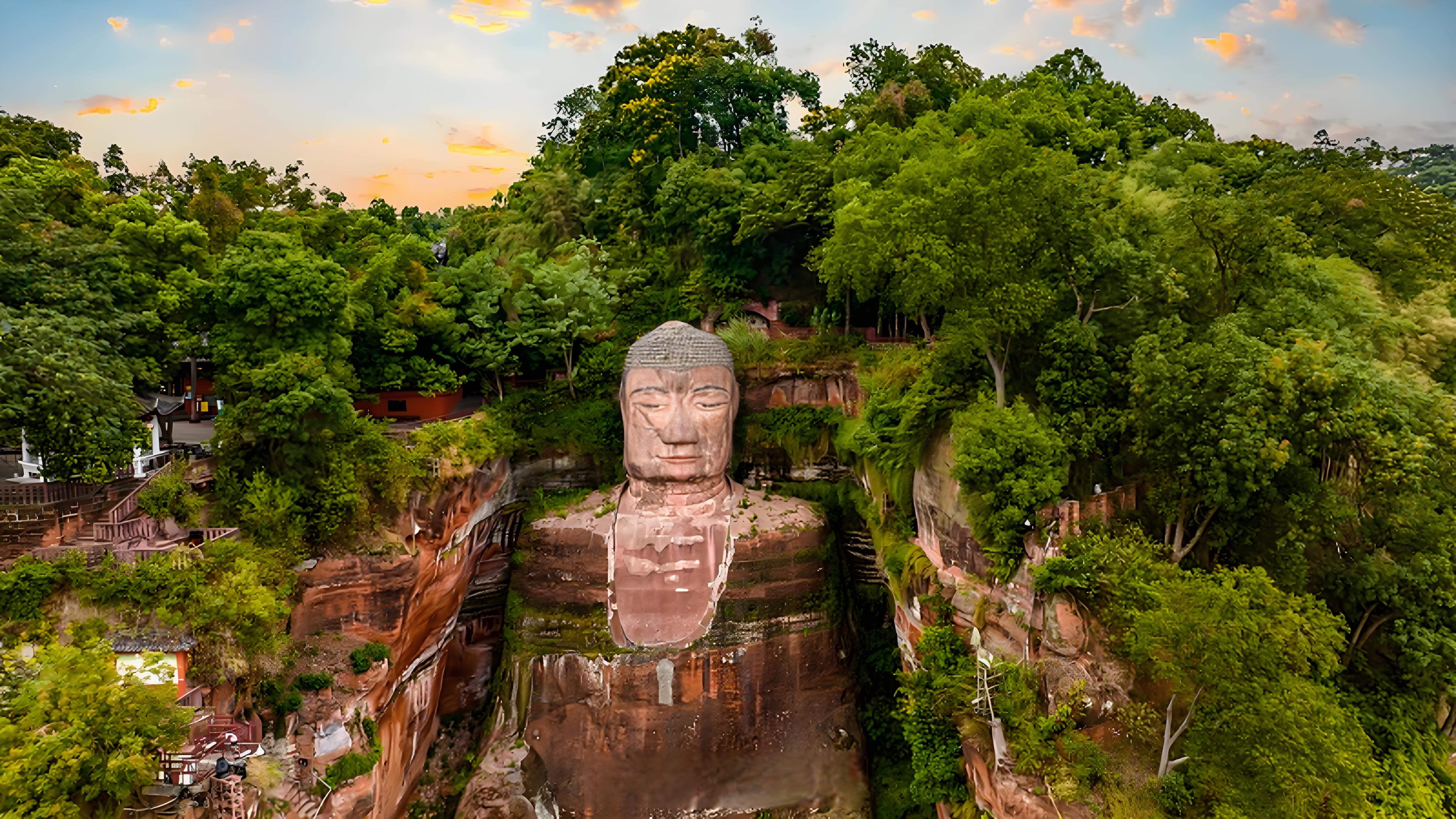
Home to the world-famous Leshan Giant Buddha, a 71-meter-tal...
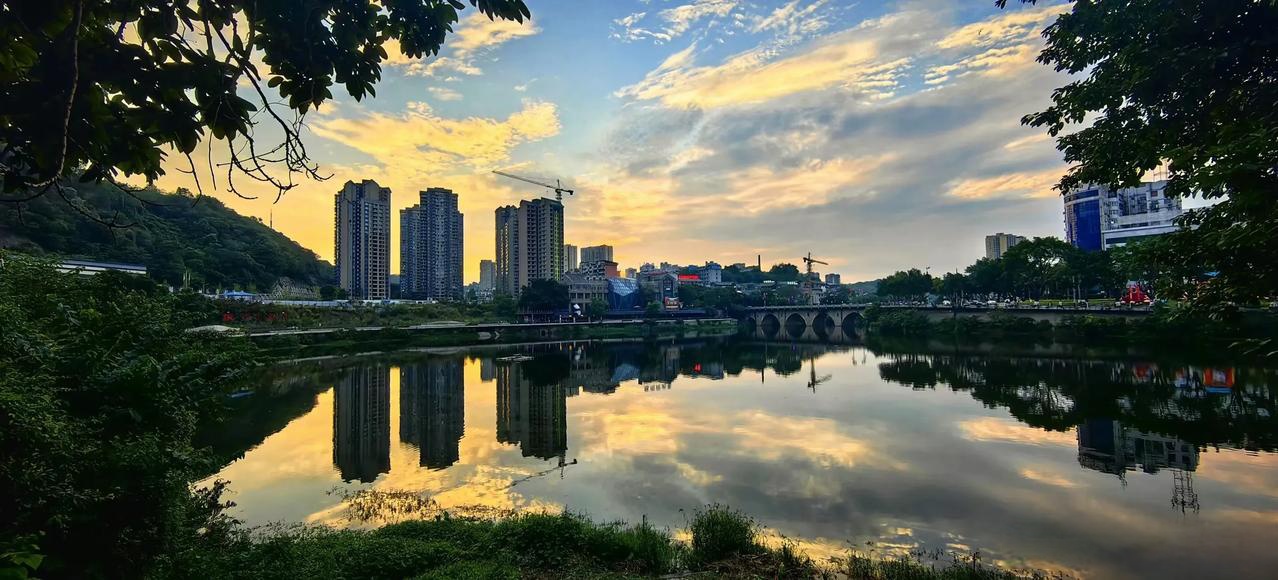
The Dinosaur Capital of China, home to one of the world's la...
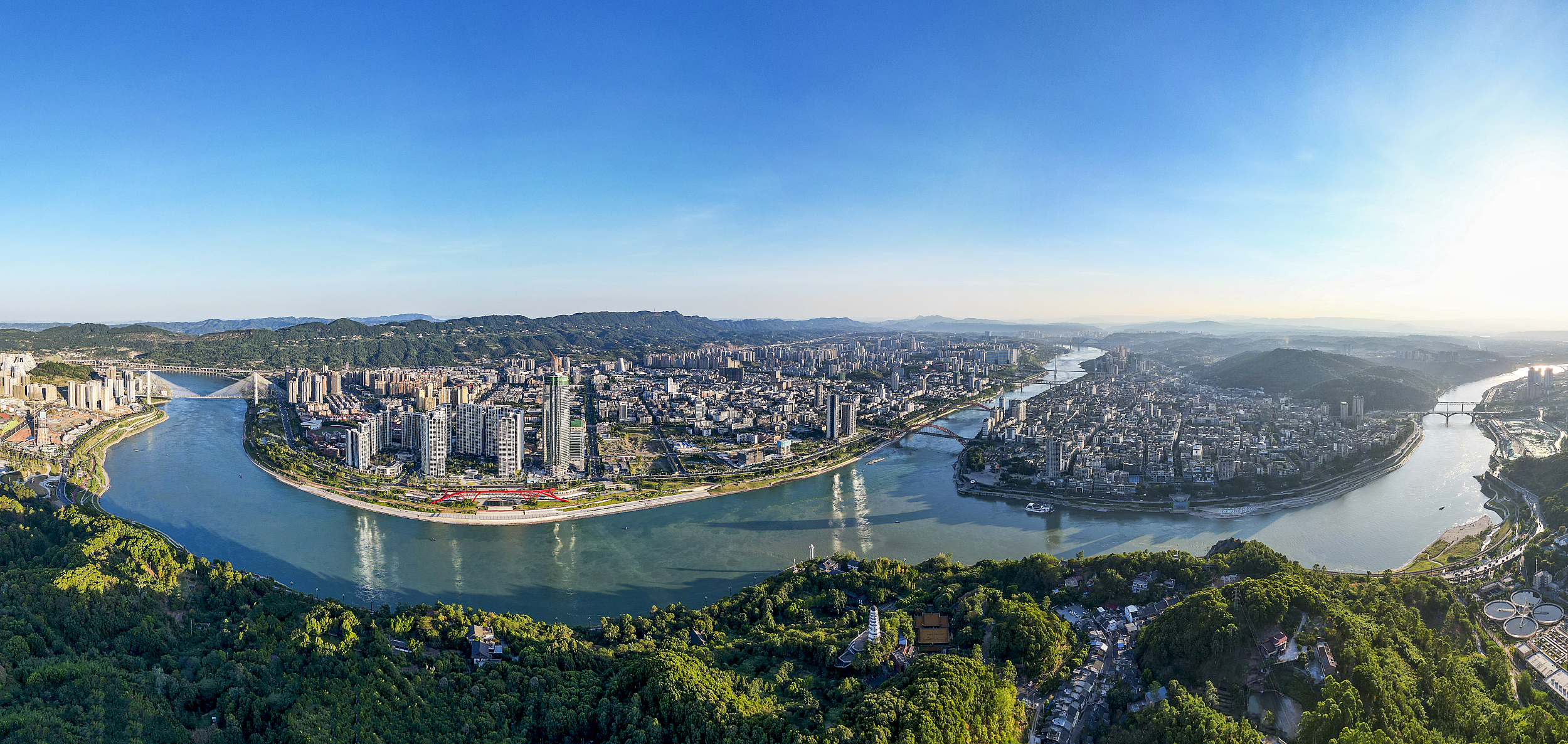
The City of Fine Wine, home of Wuliangye — China's most famo...
The panda capital of the world—home to the Bifengxia Panda B...
Discover more cities, food guides, and travel inspiration.