Nature
Ertan Dam & Hydroelectric Station
One of China's largest hydroelectric dams, creating a massive reservoir surrounded by dramatic canyon walls. The visitor center explains the engineering marvel.
08:30-17:00
50 yuan
China's "Sunshine City" at the confluence of the Jinsha and Yalong Rivers, famous for mangos, steel, and ethnic culture.
Panzhihua is a unique city in southern Sichuan Province, built at the confluence of the Jinsha and Yalong Rivers. It is the only Chinese city named after a flower — the kapok (red cotton flower). The city enjoys over 2,700 hours of sunshine annually, making it one of China's sunniest cities.
Panzhihua's modern history began in the 1960s when it was developed as a strategic industrial base during China's Third Front Construction movement. The city became the country's vanadium and titanium capital, producing strategic materials for aerospace and defense industries.
The tropical climate makes Panzhihua a fruit paradise. The city is China's largest mango production base, with varieties prized for their sweetness and size. Other tropical fruits including dragon fruit, papaya, and passion fruit thrive here.
The surrounding geography is spectacular — the Jinsha River carves through deep canyons, Ertan Dam creates a vast mountain reservoir, and the Gesala plateau offers pristine grasslands and Yi ethnic culture.
Panzhihua's recorded history dates back to the Han Dynasty, when the area was part of the ancient Southern Silk Road. The ethnic Yi people have inhabited the surrounding mountains for centuries.
The city's modern history began in 1965 when, as part of China's Third Front Construction movement, the central government selected this remote area for a strategic steel and mining complex. The city was formally established in 1965.
The Panzhihua Iron and Steel Group was built to utilize the region's rich vanadium-titanium magnetite deposits. The construction involved hundreds of thousands of workers from across China.
The Ertan Hydropower Station, completed in 1999, became one of China's largest hydroelectric projects, providing clean energy to the region.
In recent decades, Panzhihua has transformed from a single-industry steel city to a diversified economy including tourism, fruit agriculture, and clean energy. The city's sunny climate is now promoted as a tourism asset.
Panzhihua's economy was built on the steel industry but has diversified significantly. The city remains China's largest producer of vanadium and titanium products.
The Panzhihua Iron and Steel Group (Pangang) remains the economic backbone, producing specialized steel alloys for aerospace, defense, and infrastructure.
Fruit agriculture, especially mango production, has grown into a major industry. Panzhihua mangoes are exported across China and internationally.
Tourism is expanding based on the city's sunshine, Ertan Dam, Gesala eco-tourism, and ethnic culture.
Hydropower from Ertan Dam provides clean energy to Chengdu and Chongqing.
Discover the culinary treasures of Panzhihua, from traditional street food to imperial cuisine.
Enjoy Panzhihua's sunny climate and natural beauty.
Panzhihua Bao'anying Airport connects to Chengdu, Beijing, Shanghai, and Shenzhen.
Panzhihua Railway Station connects to Chengdu (about 5 hours) and Kunming.
Buses connect the city to Gesala eco-area and scenic spots.
Available throughout the city
Mar - May
Warm and sunny (20-30°C). Fruit trees blooming.
Jun - Aug
Hot and humid (28-35°C). Mango harvest peak.
Sep - Nov
Mild and pleasant (20-28°C). Best season for outdoor exploration.
Dec - Feb
Warm and sunny (18-25°C). Perfect winter escape destination.
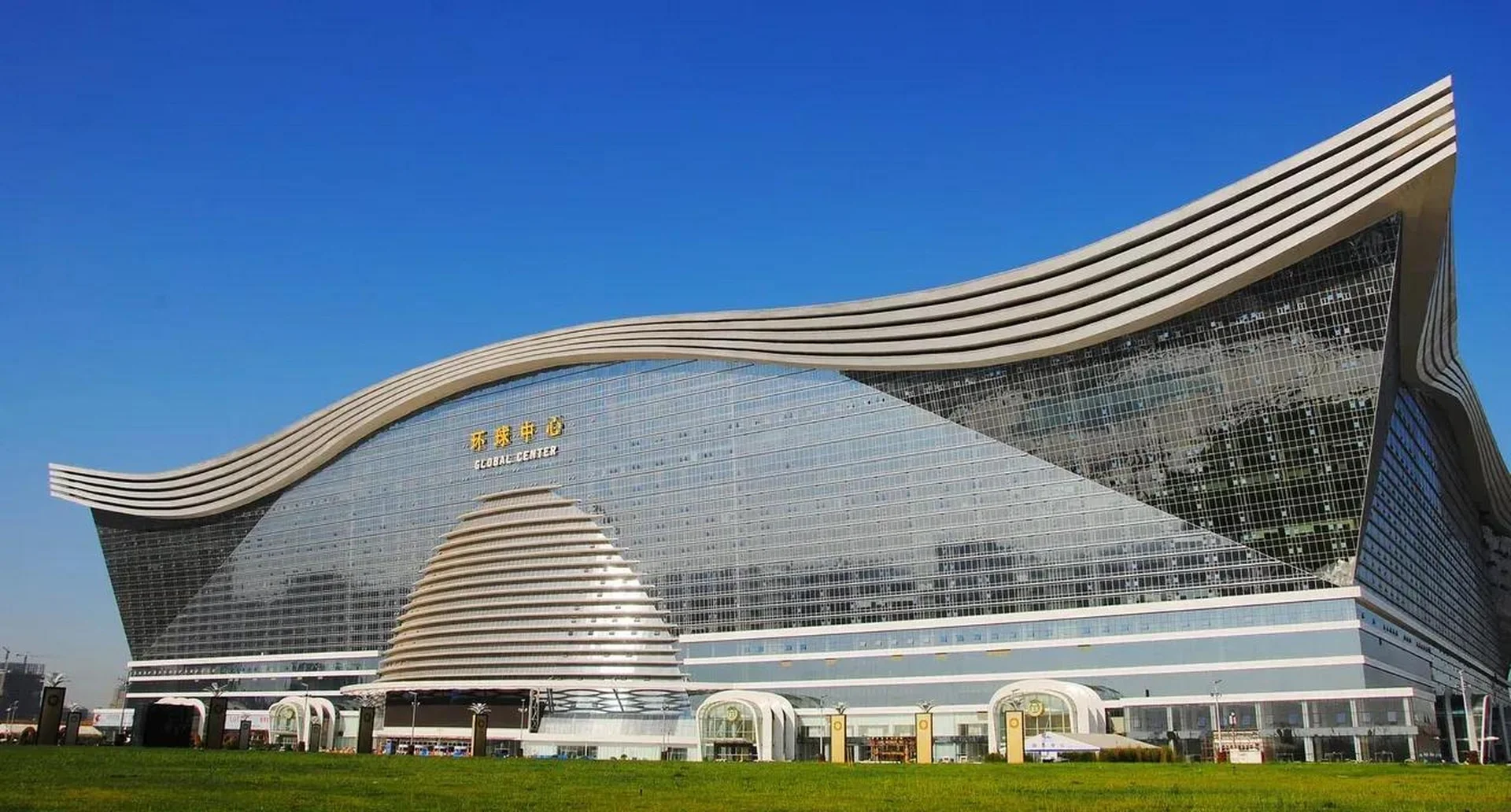
China's relaxed capital of Sichuan, famous for giant pandas,...
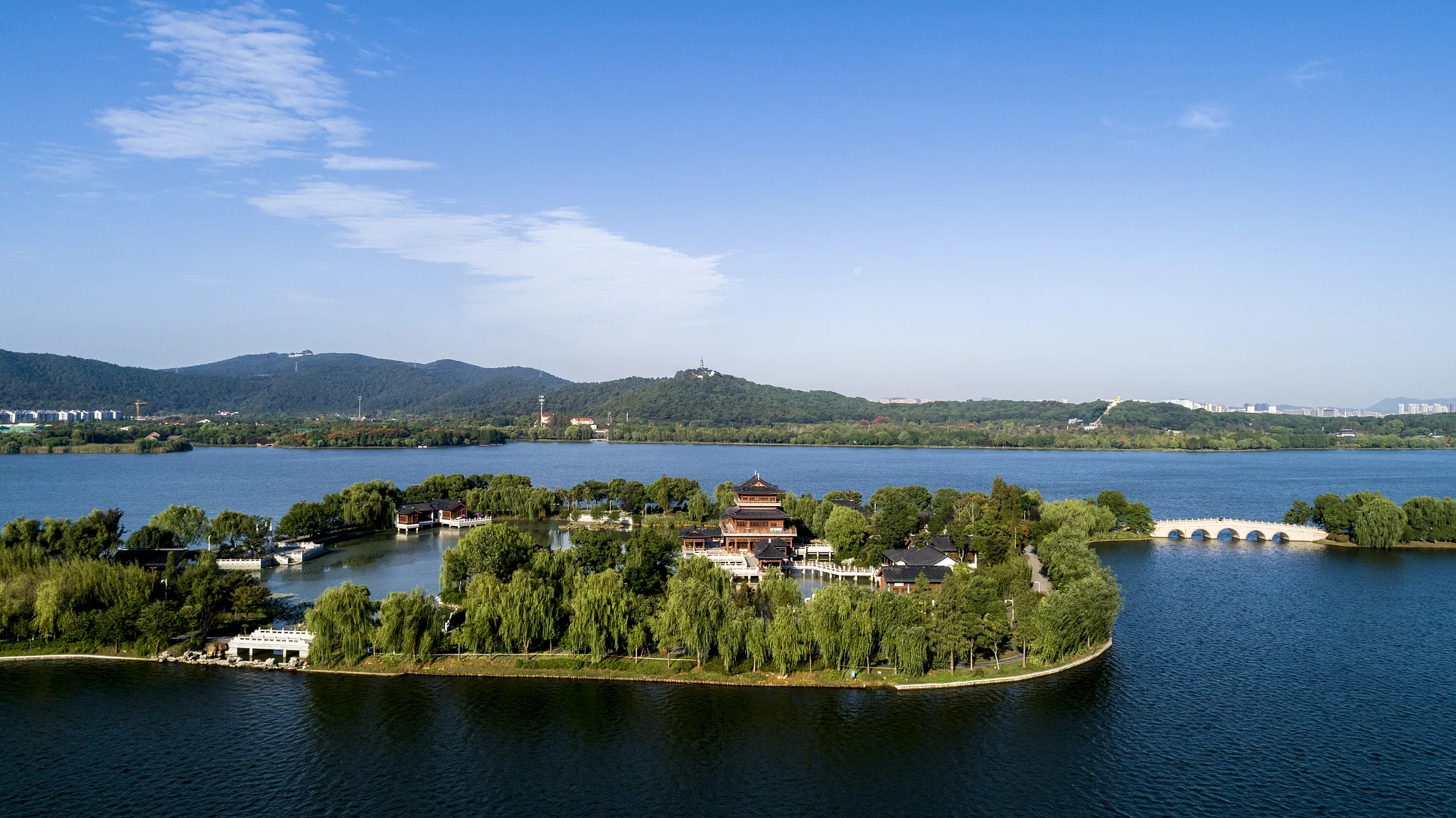
Gateway to Jiuzhaigou and birthplace of poet Li Bai—China's ...
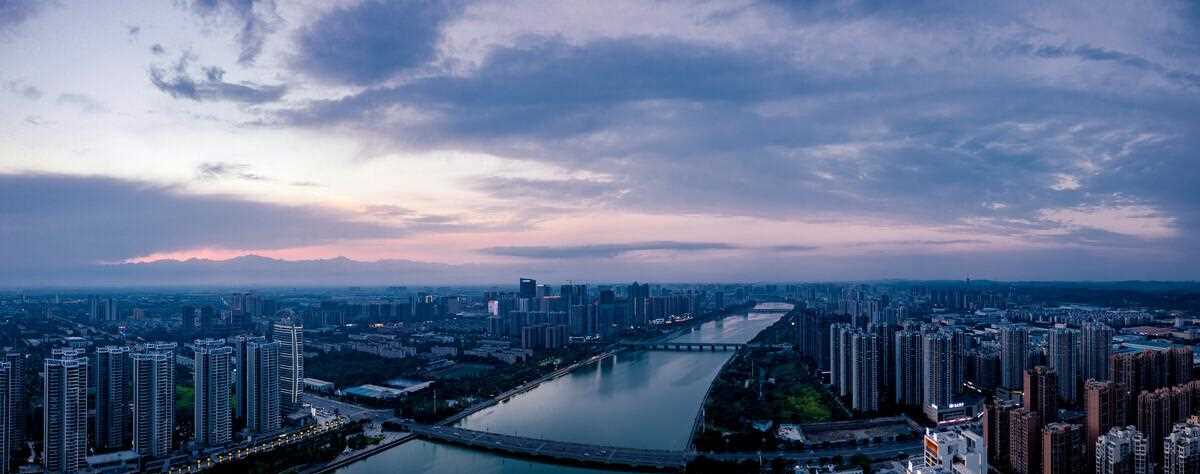
Home of the Sanxingdui archaeological site, one of the most ...
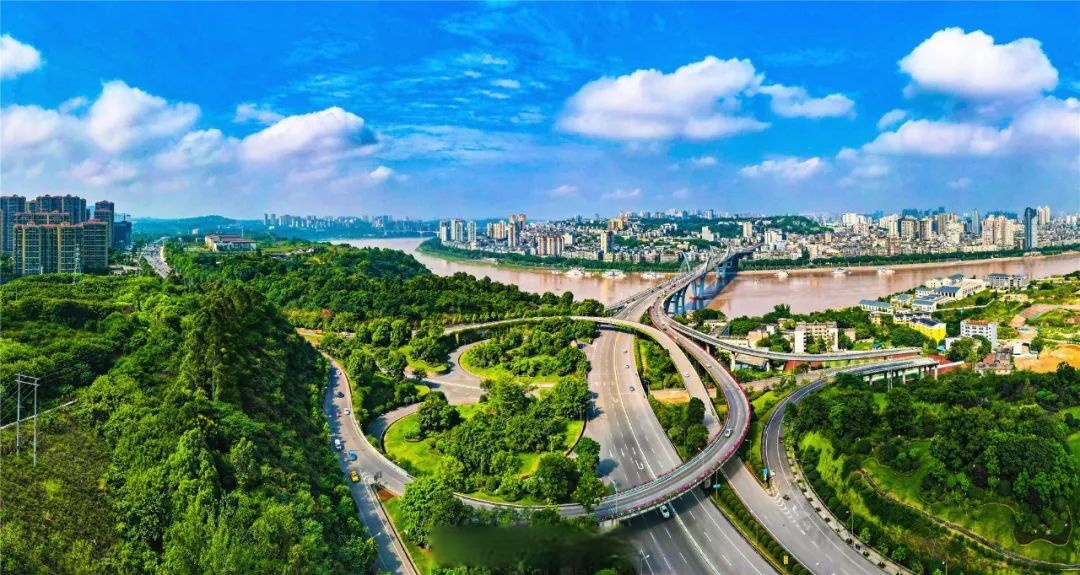
The City of Strong Liquor, home to Luzhou Laojiao - one of C...
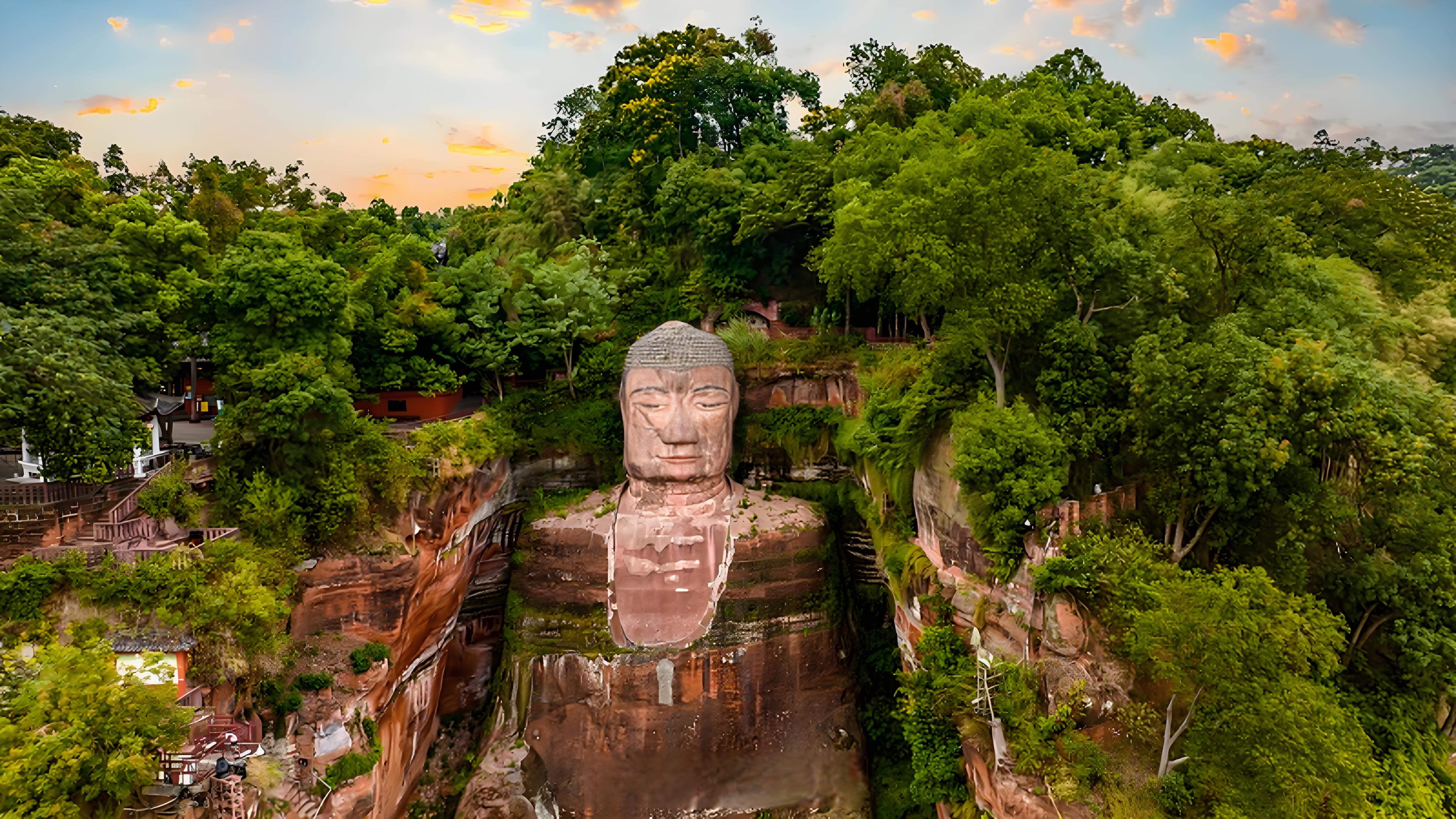
Home to the world-famous Leshan Giant Buddha, a 71-meter-tal...
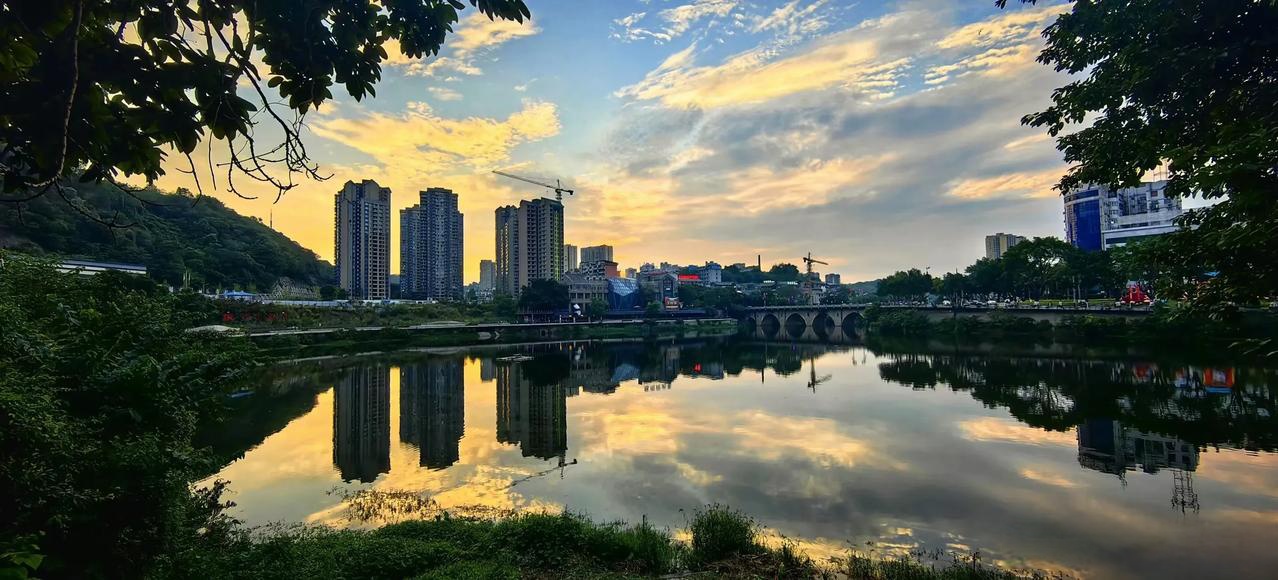
The Dinosaur Capital of China, home to one of the world's la...
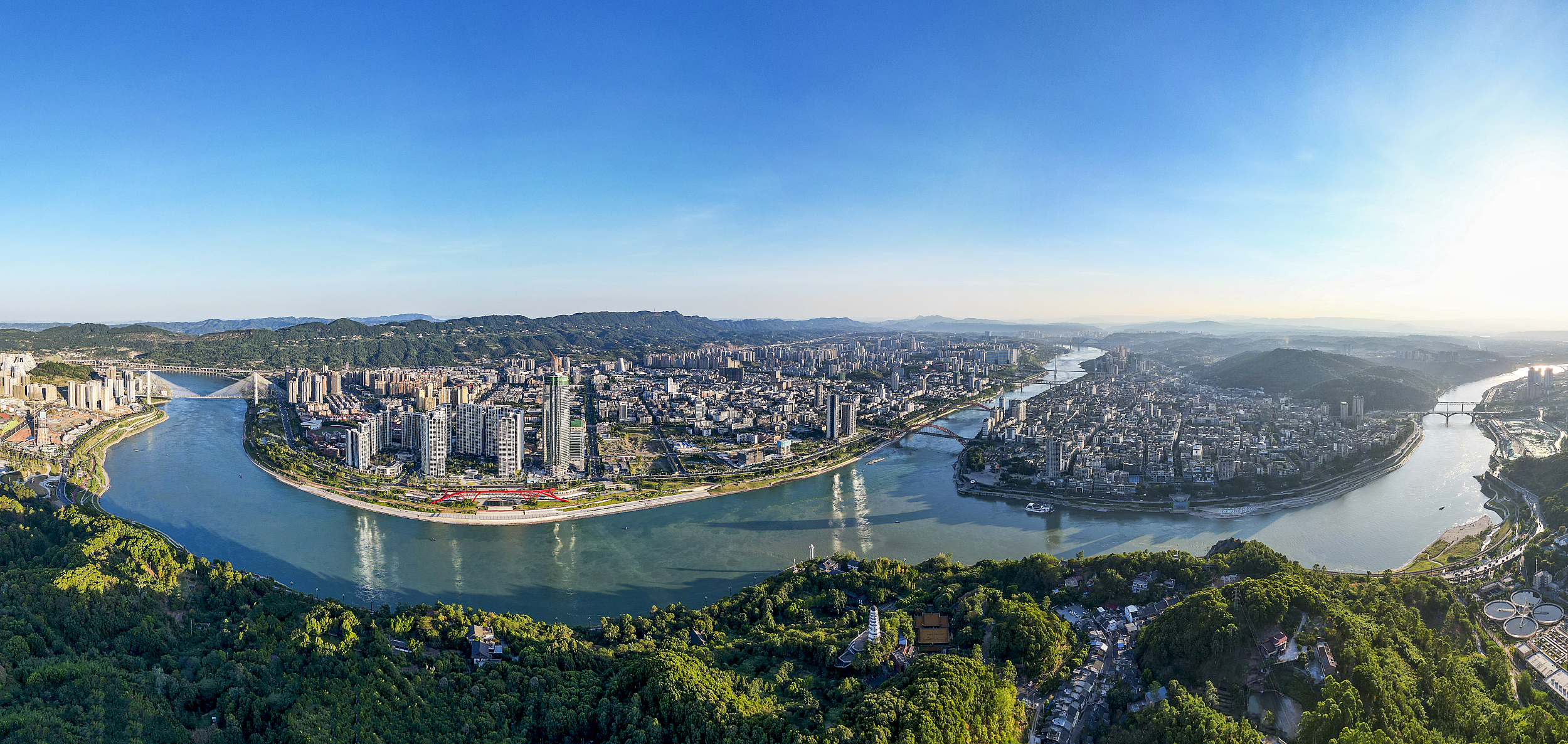
The City of Fine Wine, home of Wuliangye — China's most famo...
The panda capital of the world—home to the Bifengxia Panda B...
Discover more cities, food guides, and travel inspiration.