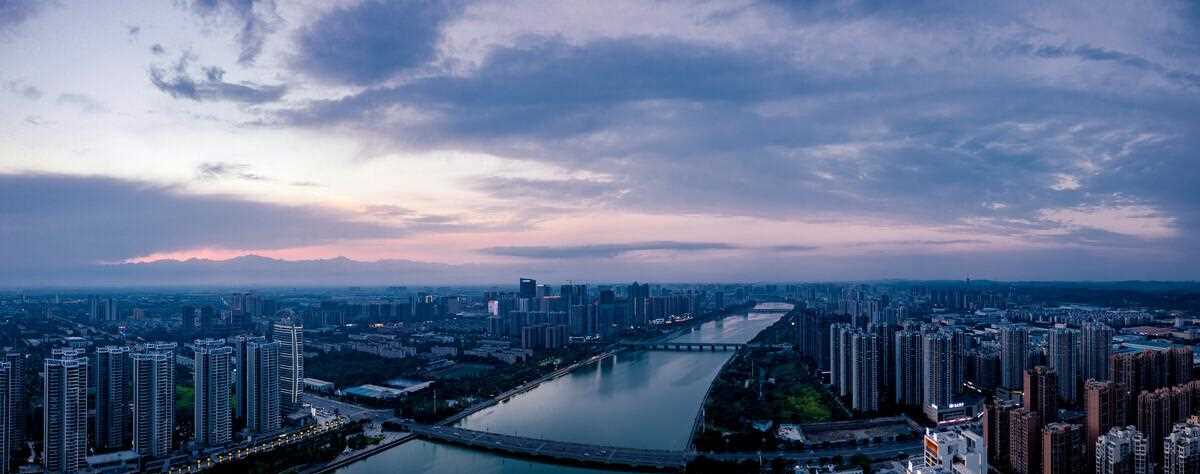
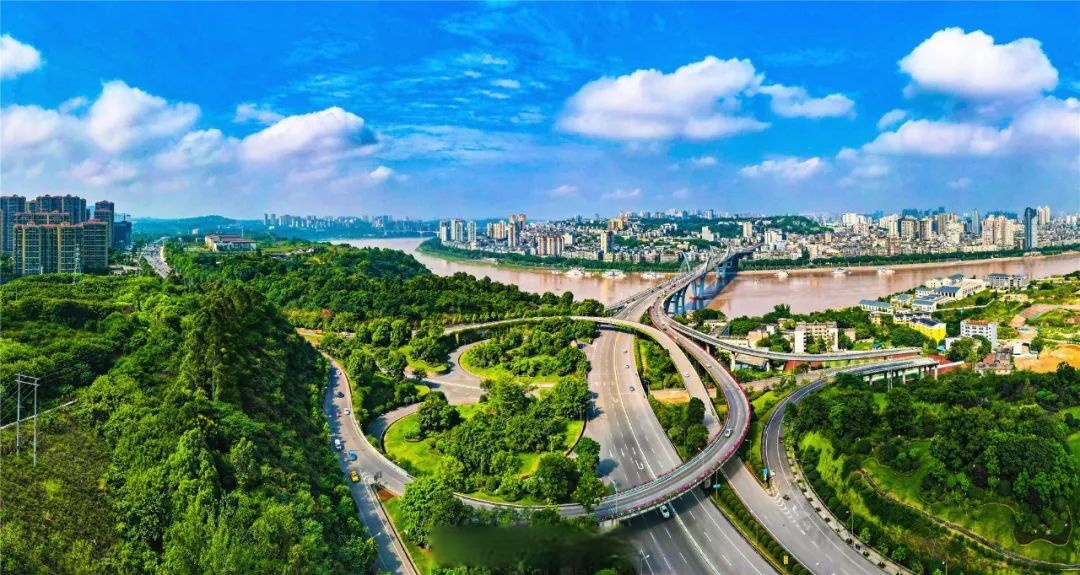
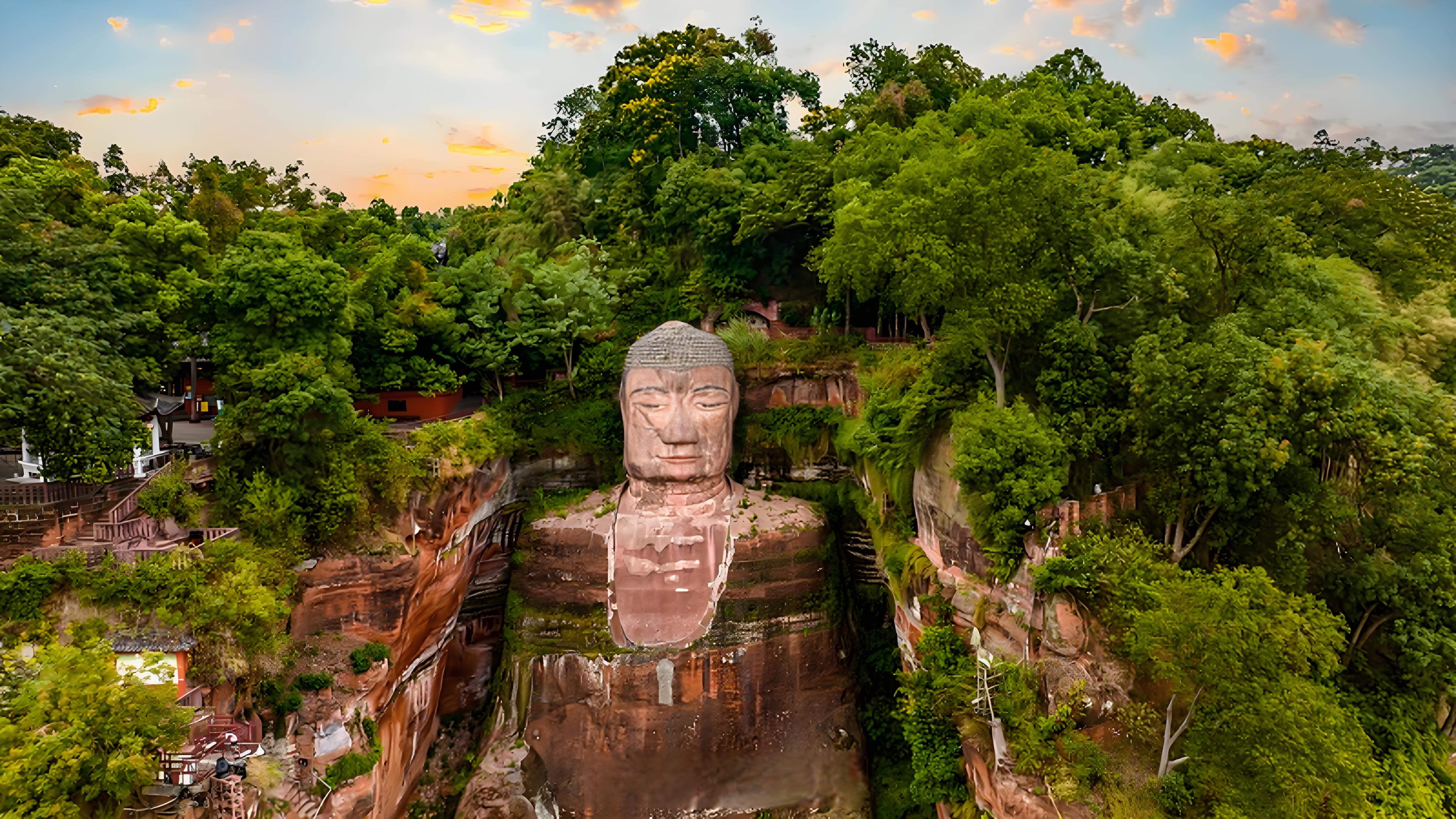
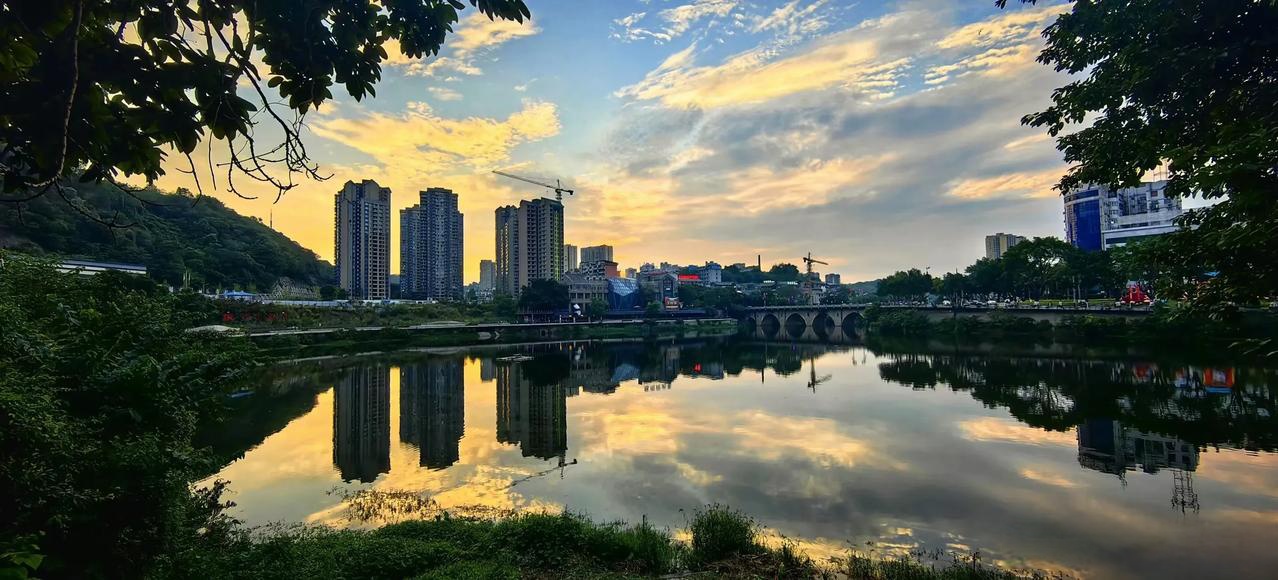
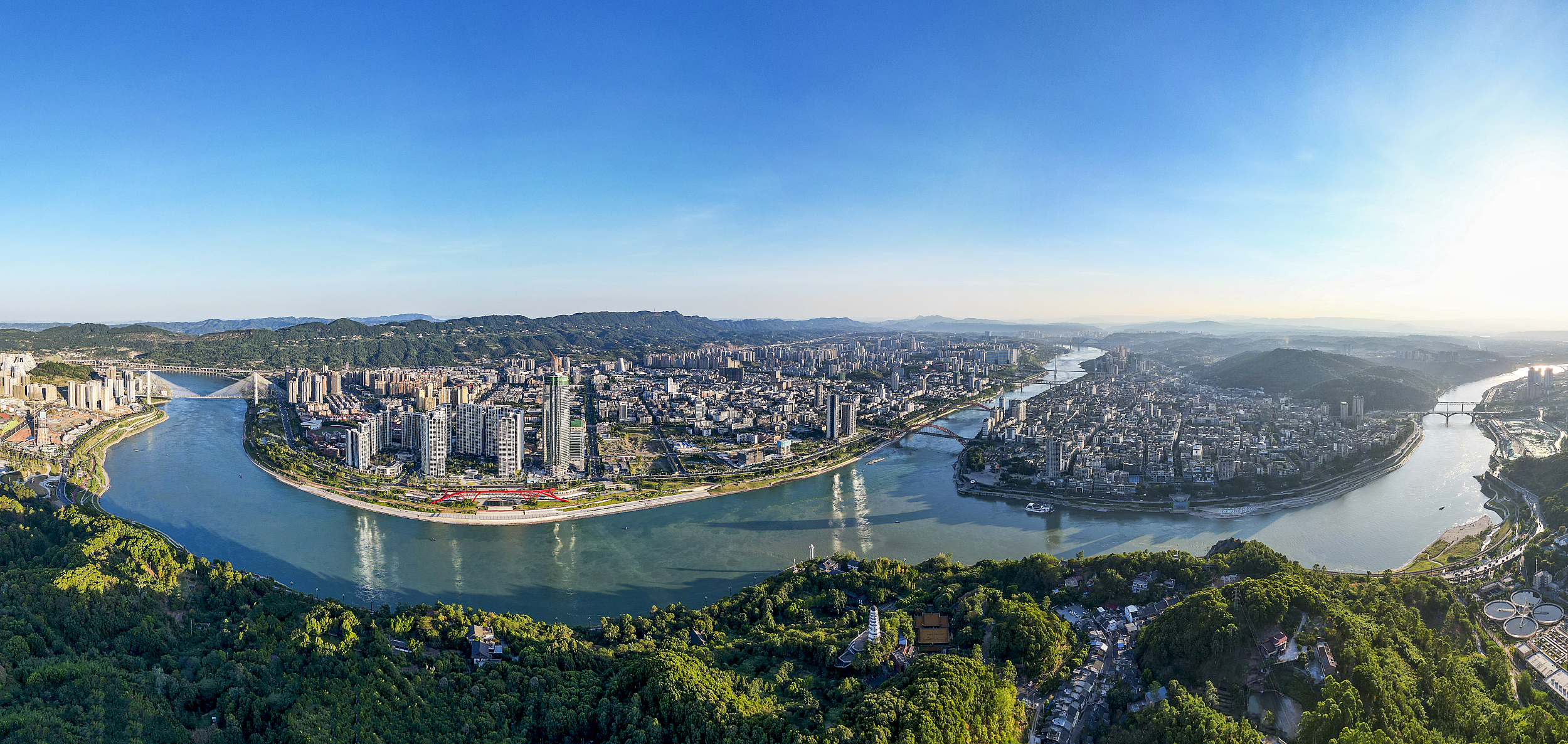
Neijiang's history stretches back over two millennia. During the Eastern Han Dynasty (25-220 AD), the area was established as a county-level administration, taking advantage of its fertile land along the Tuo River.
The city's sugar heritage began during the Tang Dynasty (618-907 AD) when sugarcane cultivation was introduced. By the Ming and Qing Dynasties, Neijiang had become the largest sugar production center in Southwest China, with sugar mills dotting the Tuo River valley. The sugar trade brought prosperity and shaped local culture, cuisine, and architecture.
In modern times, Neijiang gained fame as the birthplace of Zhang Daqian in 1899. Born into a scholarly family, Zhang showed artistic talent from childhood. He studied traditional painting in Shanghai and later traveled to Japan, Europe, and the Americas, absorbing diverse artistic influences. His work blended traditional Chinese techniques with modern innovations, making him one of the most expensive Chinese artists at auction today.
During the War of Resistance Against Japan (1937-1945), Neijiang served as a rear base, and its sugar industry supported the war effort. After 1949, the city continued developing its industrial base beyond sugar, expanding into machinery, chemicals, and building materials.
Today, Neijiang balances industrial development with cultural preservation, honoring its sugar heritage and artistic legacy while embracing modernization.