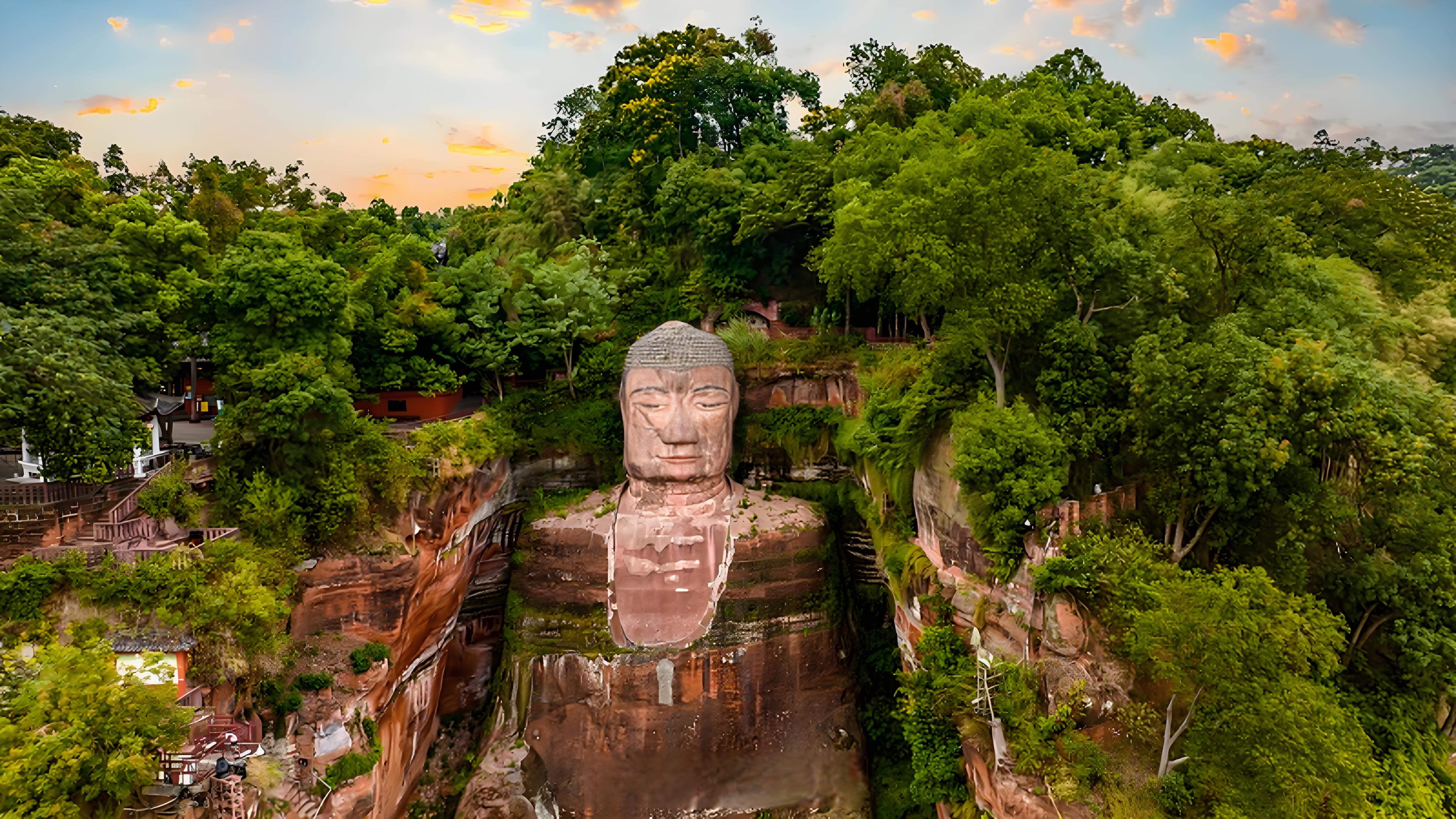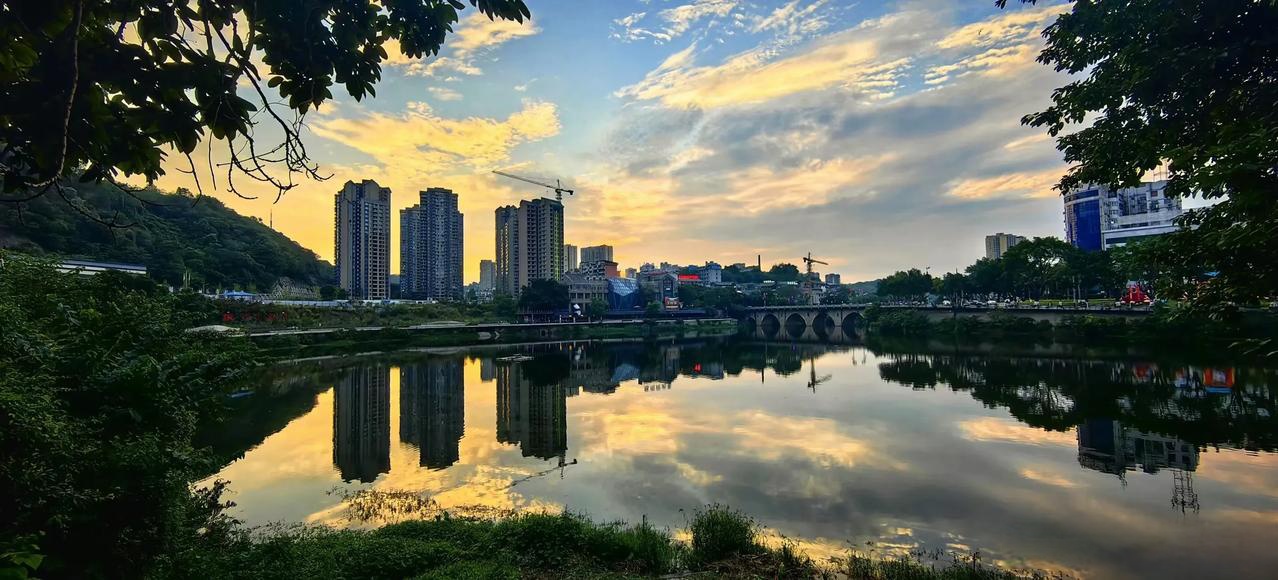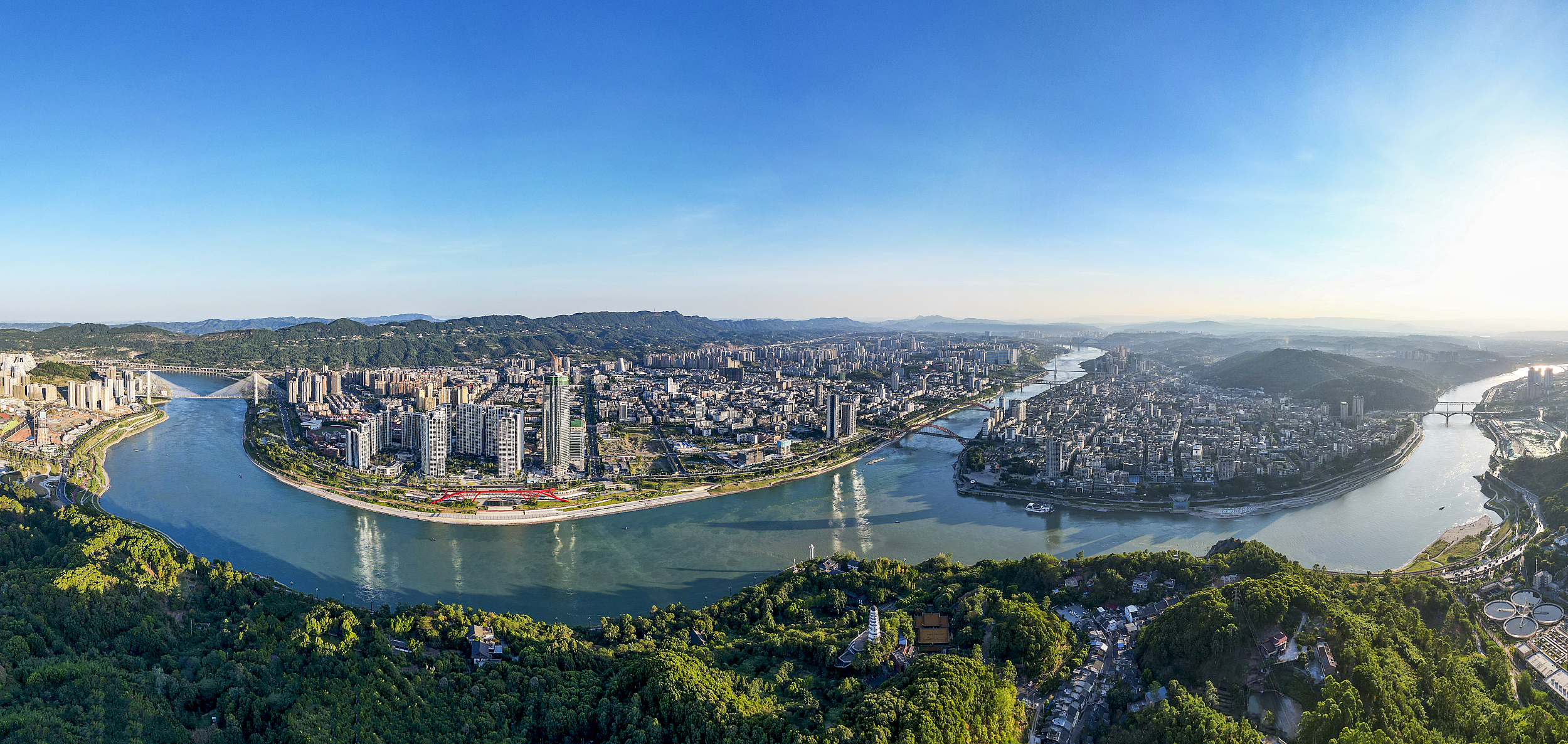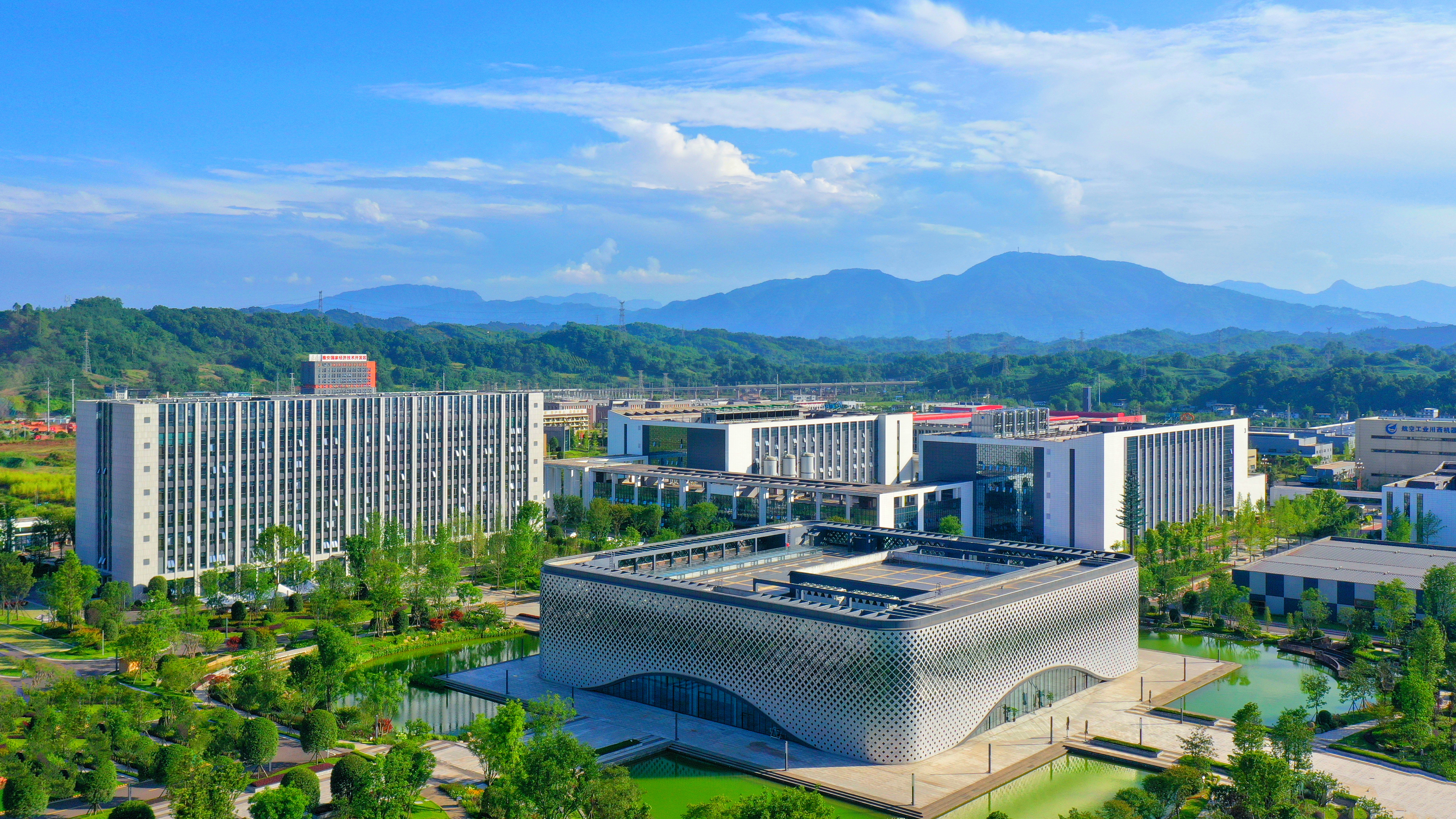
Meishan city skyline and landmarks (眉山) - Travel China Guide

Meishan Travel Guide

Birthplace of the legendary Su family — home to the Three Su literary masters and sacred ground of Dongpo culture.

About

Meishan, located in central Sichuan Province near Chengdu, is one of China's most significant cultural cities. Its claim to fame is extraordinary — as the hometown of the Three Su (father Su Xun and sons Su Shi and Su Zhe), three of the Eight Great Prose Masters of the Tang and Song Dynasties.

Su Shi (1037-1101), better known as Su Dongpo, stands as one of China's greatest cultural figures. A poet, calligrapher, painter, and gastronome, his influence extends far beyond literature. He created Dongpo Pork, still one of China's most beloved dishes. His poetry and prose are memorized by every educated Chinese person, and his optimistic philosophy in adversity inspires millions.

The Three Su Temple (Sansu Temple) stands on the site of the Su family home, serving as China's premier literary pilgrimage site. Ancient cypress trees, traditional architecture, and original artifacts create an atmosphere of reverence.

Beyond literature, Meishan offers natural beauty at Wawu Mountain, one of China's most spectacular table mountains with pristine forests and diverse wildlife. Liujiang Ancient Town preserves traditional Sichuan riverside architecture, while Pengzu Mountain connects visitors to ancient Chinese longevity traditions.

Located just 50 kilometers from Chengdu, Meishan makes an ideal cultural day trip or weekend escape from the provincial capital.

History & Development

Meishan's history is inseparable from the Su family. During the Northern Song Dynasty (960-1127), this small Sichuan city produced three literary giants whose works shaped Chinese literature for a millennium.

Su Xun (1009-1066), the father, was known for his forceful prose and political essays. His two sons, Su Shi (Su Dongpo) and Su Zhe, surpassed even his fame. Su Shi passed the imperial examination in 1057 at age 20, launching a career that spanned poetry, calligraphy, painting, and government service.

Su Shi's life alternated between high office and bitter exile. During exiles to Huangzhou, Huizhou, and Danzhou, he produced his greatest literary works. His optimism and creativity in adversity became legendary. He invented dishes, designed architecture, and wrote poetry wherever he went — embodying the ideal of finding beauty in hardship.

After Su Shi's death in 1101, his fame only grew. The Three Su Temple was built on his family home in the 14th century and expanded through subsequent dynasties.

In modern times, Meishan was established as a prefecture-level city in 1997, carved out of Leshan. The city has embraced its literary heritage while developing modern industries and tourism.

Economy & Industries

Meishan's economy balances agriculture, industry, and cultural tourism. The fertile Chengdu Plain supports rice, wheat, and vegetable cultivation, while fruit orchards produce quality citrus and loquats.

Manufacturing has developed in sectors including machinery, electronics, building materials, and food processing. Meishan is known for its dairy industry and traditional Chinese medicine production.

Tourism is a growing economic pillar. The Three Su Temple attracts literary pilgrims, while Wawu Mountain and Liujiang Ancient Town draw nature lovers and culture enthusiasts. Dongpo-themed culinary tourism is gaining popularity.

The city's proximity to Chengdu (about 50 kilometers) positions it well for integration into the regional economy. High-speed rail and highway connections make commuting and logistics efficient.

GDP exceeded 175 billion yuan, with steady growth driven by industrial upgrading and tourism development.

Top Attractions

⛩️ Temple

Three Su Temple (Sansu Temple)

The most sacred site for Chinese literary pilgrimage, this temple honors the Three Su — father Su Xun and his two sons Su Shi (Su Dongpo) and Su Zhe, three of the Eight Great Prose Masters of Tang and Song. Built on their former residence, the temple complex features Ming-Qing Dynasty architecture, ancient cypress trees, and exhibits displaying original manuscripts, calligraphy, and artifacts. Su Dongpo (1037-1101), the most famous of the three, was a poet, calligrapher, painter, and gastronome whose influence permeates Chinese culture.

★★★★ 4.9
🕐 08:30-18:00
🎫 45 yuan
🏔️ Nature

Wawu Mountain

One of China's most spectacular table mountains, rising 2,830 meters with a flat summit spanning over 10 square kilometers. Known as "China's Most Beautiful Table Mountain," Wawu Mountain features pristine forests, cascading waterfalls, and unique alpine wetlands. The mountain is home to diverse wildlife including giant pandas and golden snub-nosed monkeys. Ancient Taoist temples dot the slopes, and the summit offers panoramic views of clouds, peaks, and distant mountains.

★★★★ 4.8
🕐 08:00-17:00
🎫 180 yuan (including cable car)
🏛️ Landmark

Liujiang Ancient Town

A picturesque riverside town dating back over 800 years, known for its well-preserved Ming-Qing architecture and tranquil atmosphere. Traditional wooden houses line cobblestone streets, with ancient banyan trees providing shade. The town sits at the confluence of two rivers, creating scenic water views. Historic buildings include the Zeng Family Compound and traditional inns that have welcomed travelers for centuries.

★★★★ 4.6
🕐 Open 24 hours
🎫 Free
🏔️ Nature

Pengzu Mountain

A sacred mountain associated with Peng Zu, the legendary Chinese figure credited with living over 800 years through health and longevity practices. The mountain features temples, hiking trails, and natural springs believed to have health-giving properties. Peng Zu is considered the founder of Chinese wellness culture, and his teachings on diet, exercise, and lifestyle continue to influence Chinese health philosophy.

★★★★ 4.4
🕐 08:00-17:30
🎫 40 yuan
🏔️ Nature

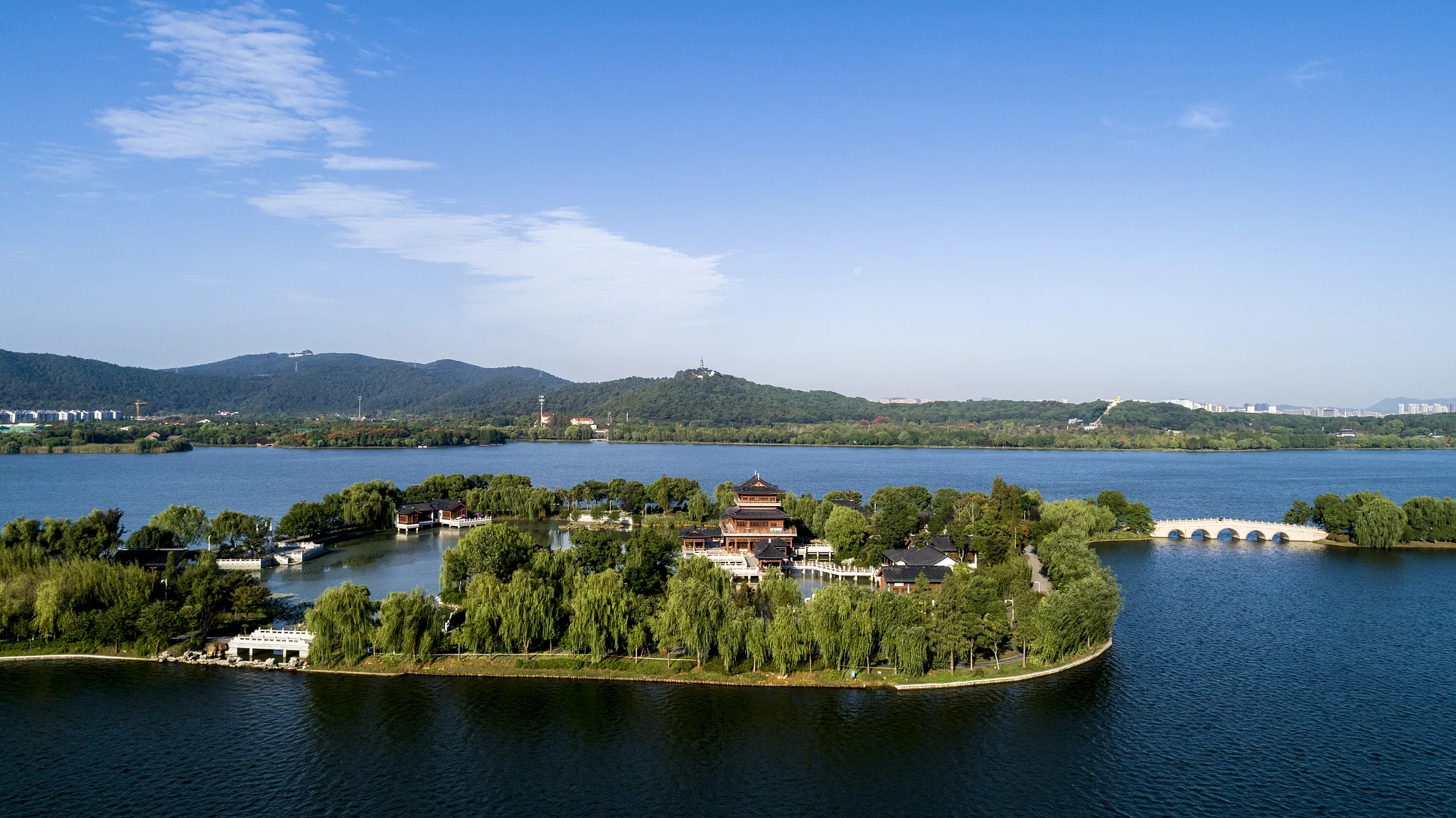
Meishan Dongpo Lake

A scenic urban lake named after the great poet Su Dongpo, featuring waterfront parks, walking paths, and recreational facilities. The lake area serves as a popular gathering place for locals and offers pleasant views, especially at sunset. Traditional-style pavilions and bridges add cultural atmosphere to the natural landscape.

★★★★ 4.3
🕐 Open 24 hours
🎫 Free
🏛️ Landmark

Hejiang Tower

A historic tower overlooking the confluence of the Min River and its tributaries. The tower has been rebuilt several times throughout history and offers panoramic views of the river and surrounding landscape. It is associated with poems by Su Dongpo and other literary figures who visited this scenic spot.

★★★★ 4.2
🕐 09:00-17:00
🎫 20 yuan

Food & Culture

Discover the culinary treasures of Meishan, from traditional street food to imperial cuisine.

Things to Do

⛩️

Pilgrimage to Three Su Temple

Pay respects to China's most celebrated literary family at their ancestral shrine.

Hike Wawu Mountain

Explore pristine forests and summit one of China's most beautiful table mountains.

Wander Liujiang Ancient Town

Stroll through cobblestone streets and experience traditional riverside life.

🍴

Taste Authentic Dongpo Pork

Try the legendary dish created by Su Dongpo in his hometown.

Learn Longevity Culture at Pengzu Mountain

Discover ancient Chinese wellness traditions at Peng Zu's legendary home.

Suggested Itineraries

Meishan Cultural One-Day Tour

A focused exploration of Meishan's literary heritage and city highlights.

  • Morning: Three Su Temple
  • Lunch: Authentic Dongpo pork
  • Afternoon: Dongpo Lake + Hejiang Tower
  • Evening: Local food street

Nature and Heritage Journey (2 Days)

Combine cultural pilgrimage with mountain adventure in this two-day itinerary.

  • Day 1: Three Su Temple + Meishan city + Dongpo Pork dinner
  • Day 2: Wawu Mountain (full day) or Liujiang Ancient Town + Pengzu Mountain

Getting Around

✈️

Airport

Meishan does not have its own airport. The nearest major airport is Chengdu Tianfu International Airport (about 60km).

🚄

High-Speed Rail

Meishan East Station on the Chengdu-Mianyang-Leshan Intercity Railway reaches Chengdu in about 30 minutes.

🚌

Bus Network

City buses connect major attractions and neighborhoods. Taxis and ride-hailing apps are widely available.

🚕

Taxi & Rideshare

Available throughout the city

Best Time to Visit

🌸

Spring

Mar - May

★★★★★

Mild and pleasant (15-25°C) with blooming flowers. Ideal for cultural tours and hiking.

  • Comfortable weather
  • Spring blooms
  • Festival season
☀️

Summer

Jun - Aug

★★★☆☆

Warm and humid (25-35°C). Wawu Mountain offers cool retreat from summer heat.

  • Mountain retreat
  • Lush forests
  • Water activities
🍂

Autumn

Sep - Nov

★★★★★

Cool and comfortable (15-25°C) with beautiful autumn colors. Perfect for all activities.

  • Pleasant temperatures
  • Autumn foliage
  • Clear skies
❄️

Winter

Dec - Feb

★★★☆☆

Mild winter (5-15°C), rarely freezing. Good for indoor cultural attractions.

  • Fewer crowds
  • Tea house culture
  • Temple visits

Continue Exploring China

Discover more cities, food guides, and travel inspiration.