Temple
Nanshan Grand Buddha
A towering 38.66-meter bronze seated Buddha statue, one of the largest in China, set within the serene Nanshan Temple complex overlooking the Bohai Sea.
7:30 AM - 5:30 PM
120 yuan
A coastal city on the Bohai Bay, Longkou is famous for its vermicelli production, Nanshan Group's industrial prowess, and relaxing seaside scenery.
Longkou is a county-level city under the administration of Yantai, located on the northern coast of Shandong's Jiaodong Peninsula along the Bohai Sea. With a population of approximately 730,000 and an area of 901 square kilometers, it is one of Shandong's most economically dynamic county-level cities.
Longkou is globally famous for Longkou vermicelli (cellophane noodles), a delicate mung bean starch noodle that has been produced in the region for over 300 years. Despite its name, the vermicelli actually originates from nearby Zhaoyuan but was historically shipped through Longkou Port, giving it the Longkou brand name recognized worldwide.
The city is dominated by Nanshan Group, a massive conglomerate with interests in aluminum smelting, textiles, tourism, and real estate. Nanshan is one of China's largest privately-held industrial groups and has transformed the local economy. Its tourism arm developed the Nanshan Scenic Area, which includes the Nanshan Grand Buddha, luxury hotels, and a golf course.
Longkou Port is a key maritime gateway for the Bohai Rim region, handling bulk commodities, containers, and roll-on/roll-off cargo. The city's coastal location also supports a fishing industry that supplies fresh seafood to markets across Shandong.
Despite its industrial strength, Longkou maintains attractive coastal scenery. Sang Island, a short ferry ride from the mainland, offers a peaceful retreat with volcanic rock formations, clear waters, and seaside dining.
Longkou's history as a settlement dates back over 2,000 years. During the Han Dynasty (206 BC - 220 AD), the area was part of the Huang County administration. The name "Longkou" literally means "Dragon Mouth," derived from the shape of the coastline.
The Ming and Qing dynasties saw the development of Longkou as a fishing port and small trading post. The production of vermicelli began during this period, with local farmers processing mung beans into starch noodles during the agricultural off-season.
Longkou's modern transformation began in the late 20th century. The Song family of Nanshan Village started a small textile workshop in 1978, which grew into the Nanshan Group — a Fortune Global 500 company by the 2010s. The group's success catalyzed Longkou's industrialization and urbanization.
In 1986, Longkou was upgraded from a town to a county-level city. The subsequent decades saw rapid economic growth driven by Nanshan's expansion into aluminum smelting, tourism, and real estate. The Nanshan Scenic Area, opened in the 2000s, became one of Shandong's premier tourist attractions.
Today, Longkou is recognized as one of China's top 100 county-level economies, balancing industrial development with coastal tourism and traditional vermicelli production.
Longkou's economy is defined by Nanshan Group, one of China's largest private conglomerates. Nanshan's businesses include aluminum smelting (Nanshan Aluminum is one of China's top producers), textiles, apparel, tourism, real estate, and finance. The group contributes a significant share of Longkou's tax revenue and employment.
The aluminum industry is the cornerstone. Nanshan Aluminum operates a fully integrated production chain from alumina refining to deep processing of aluminum sheets, foils, and profiles used in construction, electronics, and automotive manufacturing. In 2024, the city's gross domestic product reached approximately 140 billion yuan.
Longkou Vermicelli remains an important traditional industry. Over 100 vermicelli producers operate in the Longkou-Zhaoyuan area, exporting to over 50 countries. The industry has modernized with automated production lines while maintaining traditional quality standards.
The port economy is another pillar. Longkou Port handles over 100 million tons of cargo annually, serving as a key logistics hub for the Bohai Rim region. It supports bulk exports of aluminum products, machinery, and agricultural goods.
Coastal tourism is growing, centered on the Nanshan Scenic Area's hotels, golf courses, and cultural attractions, supplemented by Sang Island's eco-tourism and beach resorts along the Bohai coast.
Discover the culinary treasures of Longkou, from traditional street food to imperial cuisine.
Experience Longkou's highlights from its grand Buddha statue to its seaside charm in one day.
A relaxing coastal getaway combining island exploration, history, and Longkou's famous cuisine.
Accessible via Yantai Penglai International Airport (YNT), about 60 km away
Connected to Yantai (40 minutes) and Qingdao (2 hours) via high-speed rail
No metro system; buses and taxis available within Longkou
March to May
Mild and refreshing, 8-20°C. Cherry blossoms bloom in coastal parks. Pleasant for temple visits and exploring Ding's Manor.
June to August
Warm and sunny, 22-30°C. Peak season for beach activities at Moon Bay and Sang Island. Great for swimming and seafood feasts.
September to November
Cool and pleasant, 12-24°C. Clear skies and calm seas. Best season for photography and outdoor dining.
December to February
Cold and windy, -2 to 6°C. Coastal winds make it feel colder. Indoor attractions and hot pot restaurants are the main draws.
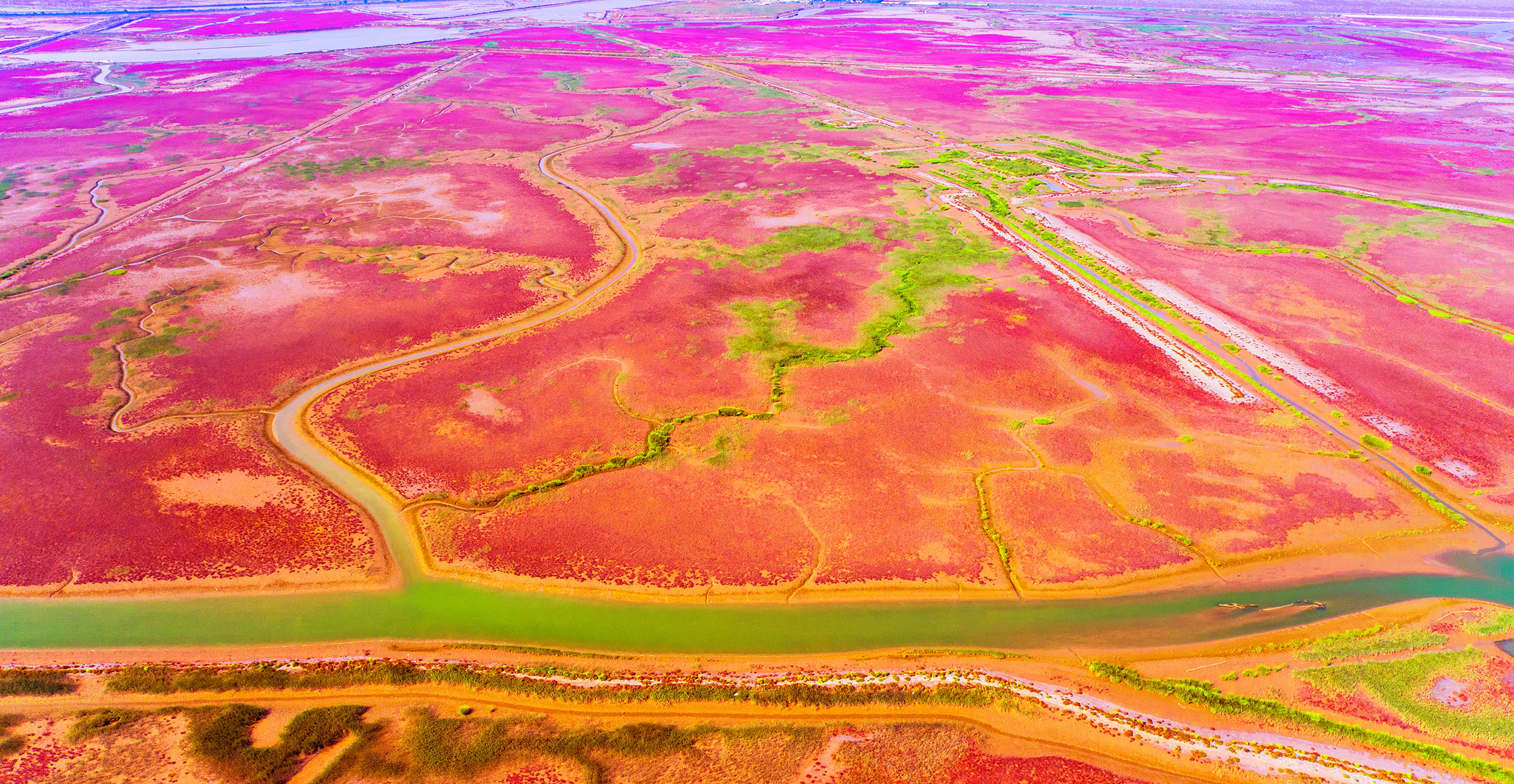
The city where the Yellow River meets the sea, home to the Y...
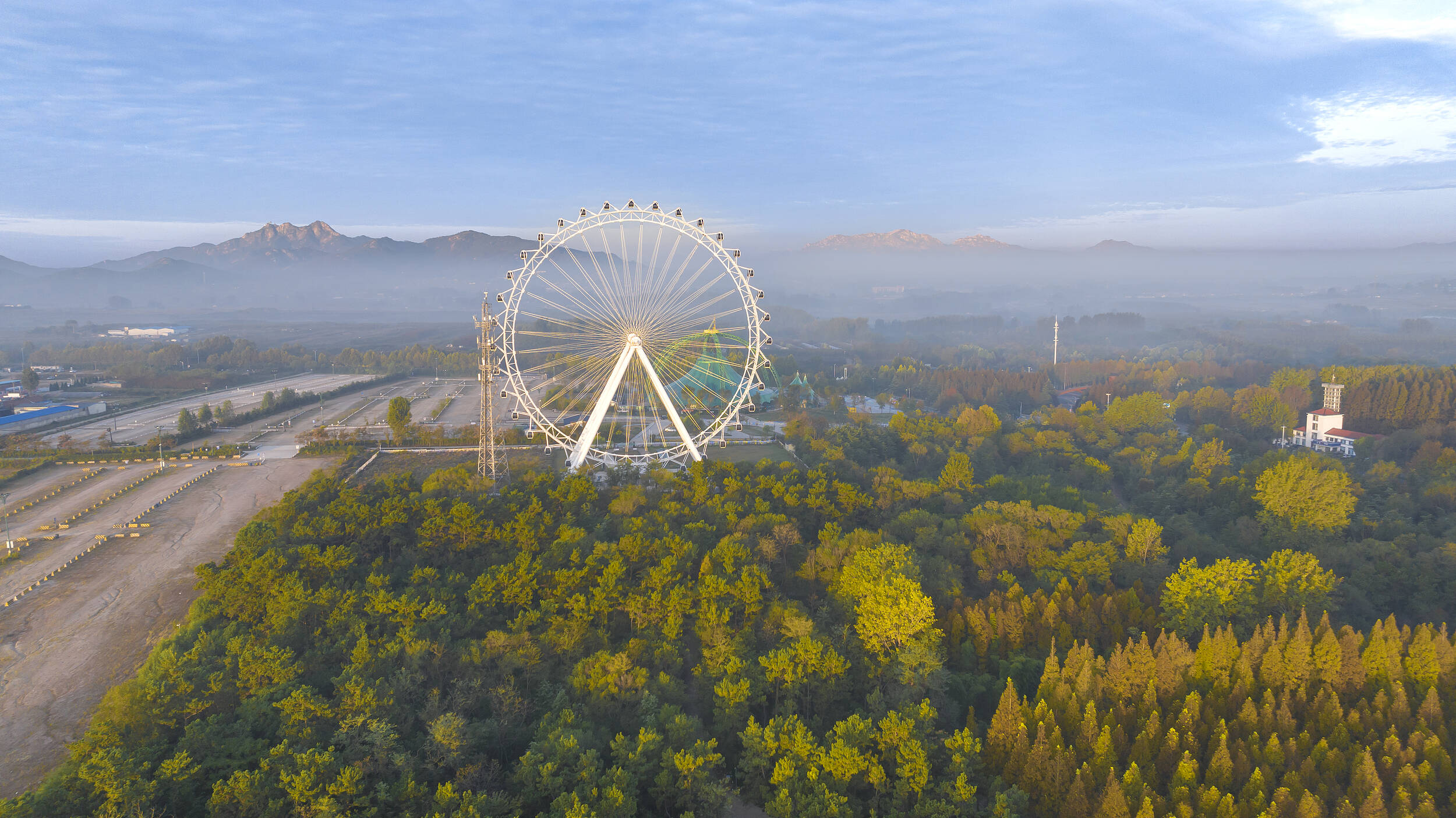
A coastal city in southern Shandong renowned for its golden ...
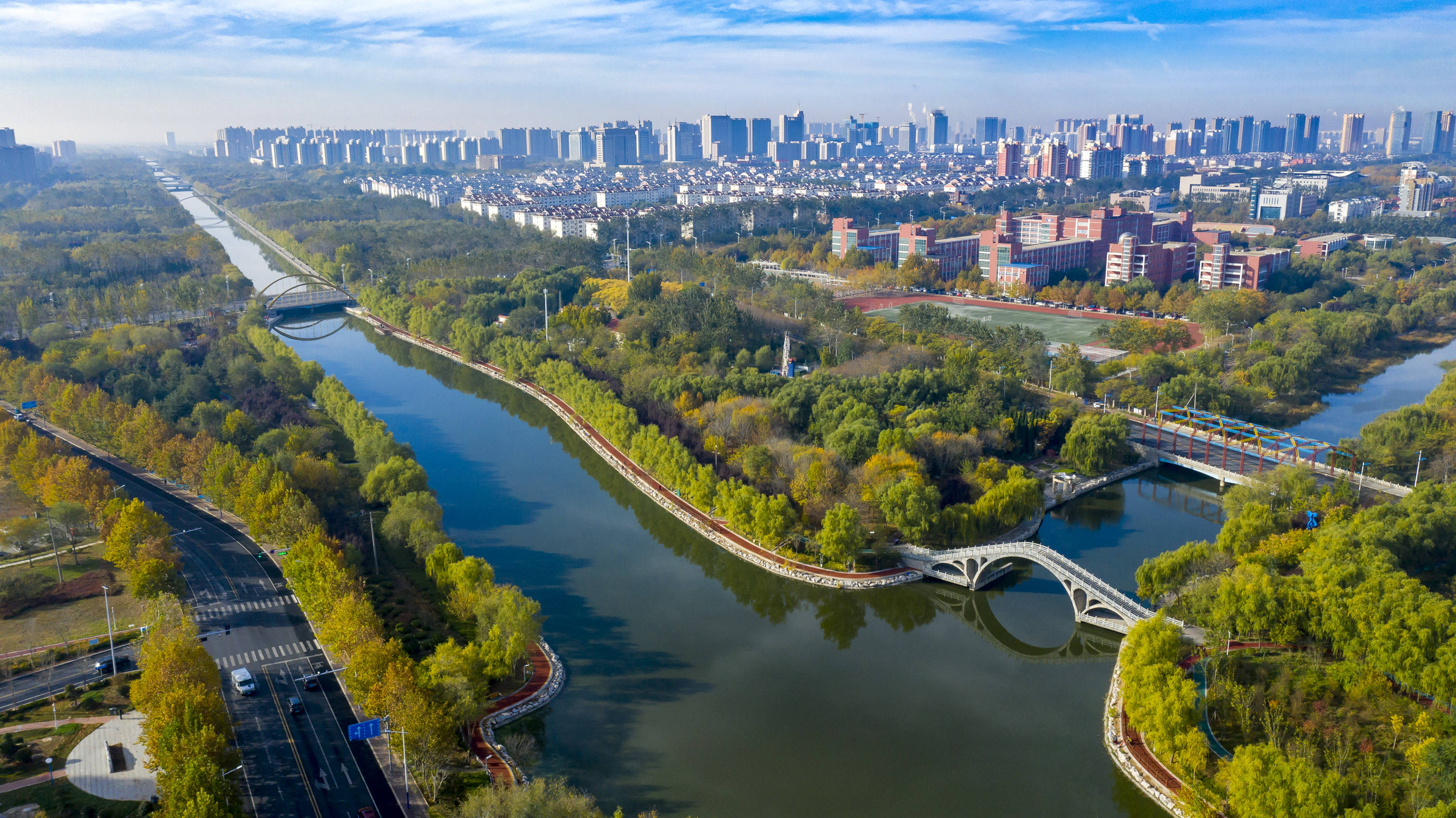
A coastal city in northern Shandong at the mouth of the Yell...
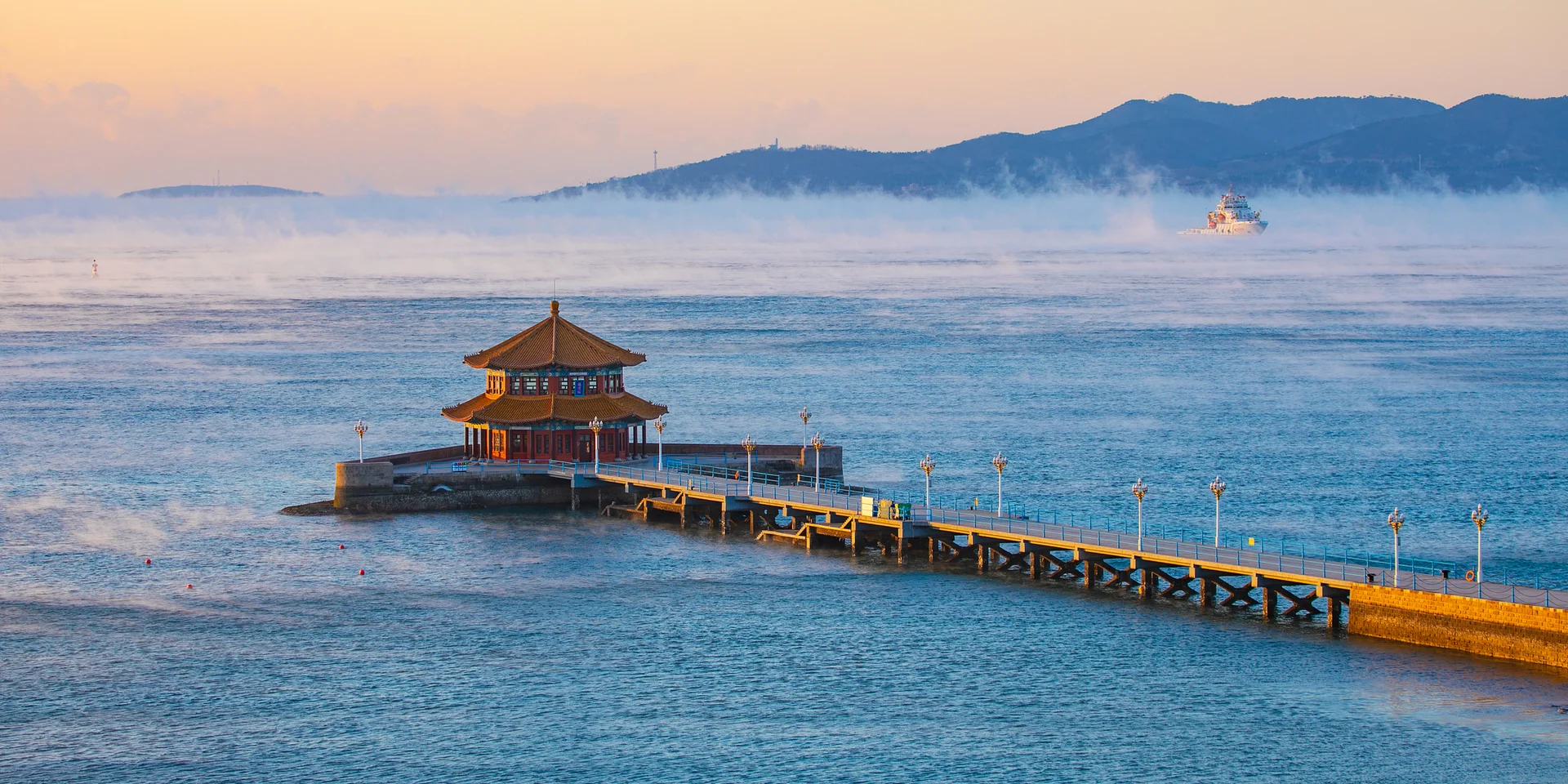
A coastal city where mountains meet the sea, famous for its ...
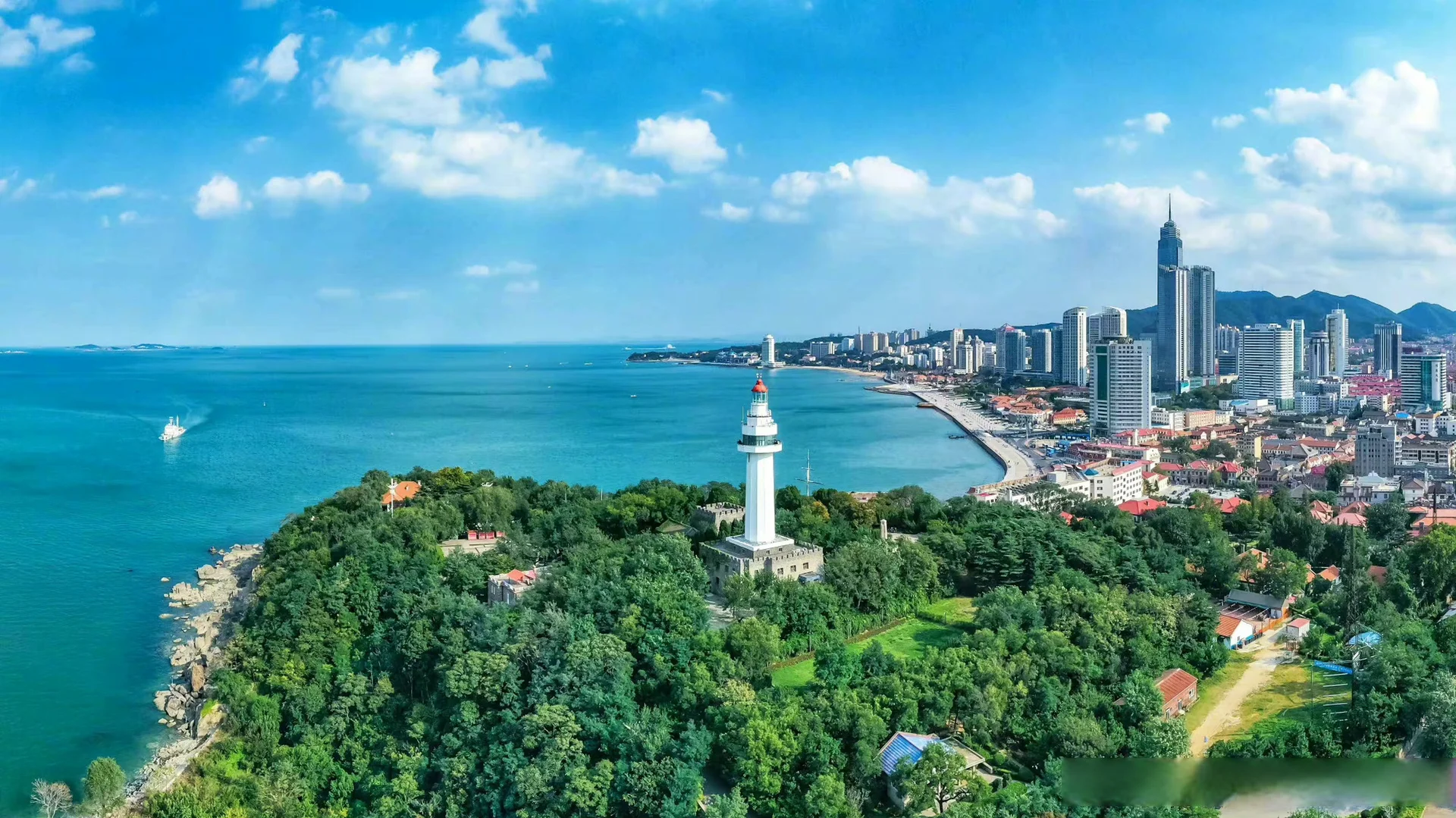
A romantic coastal city known as "Fairyland on Earth," famou...
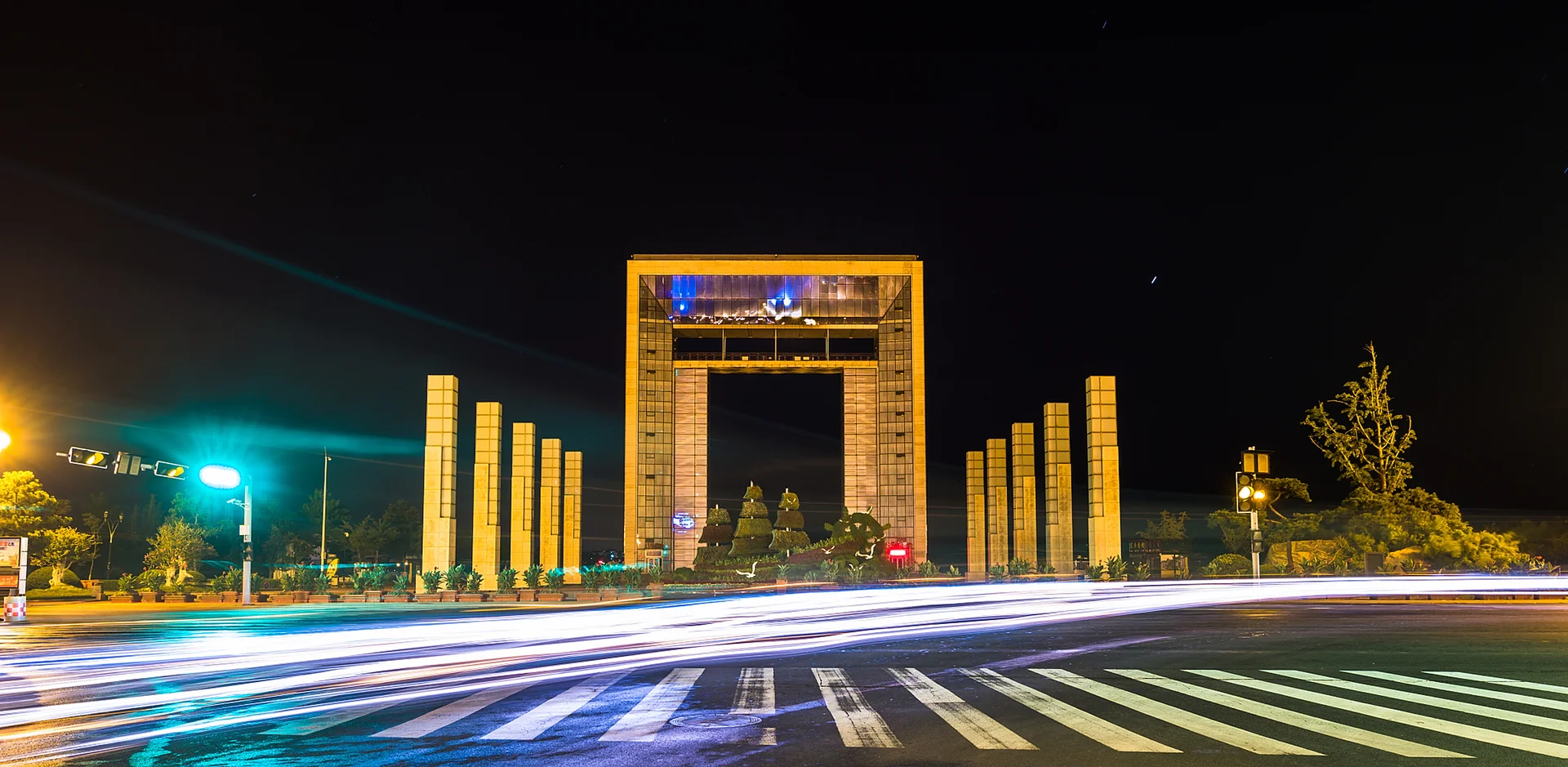
China's cleanest coastal city and nearest port to South Kore...
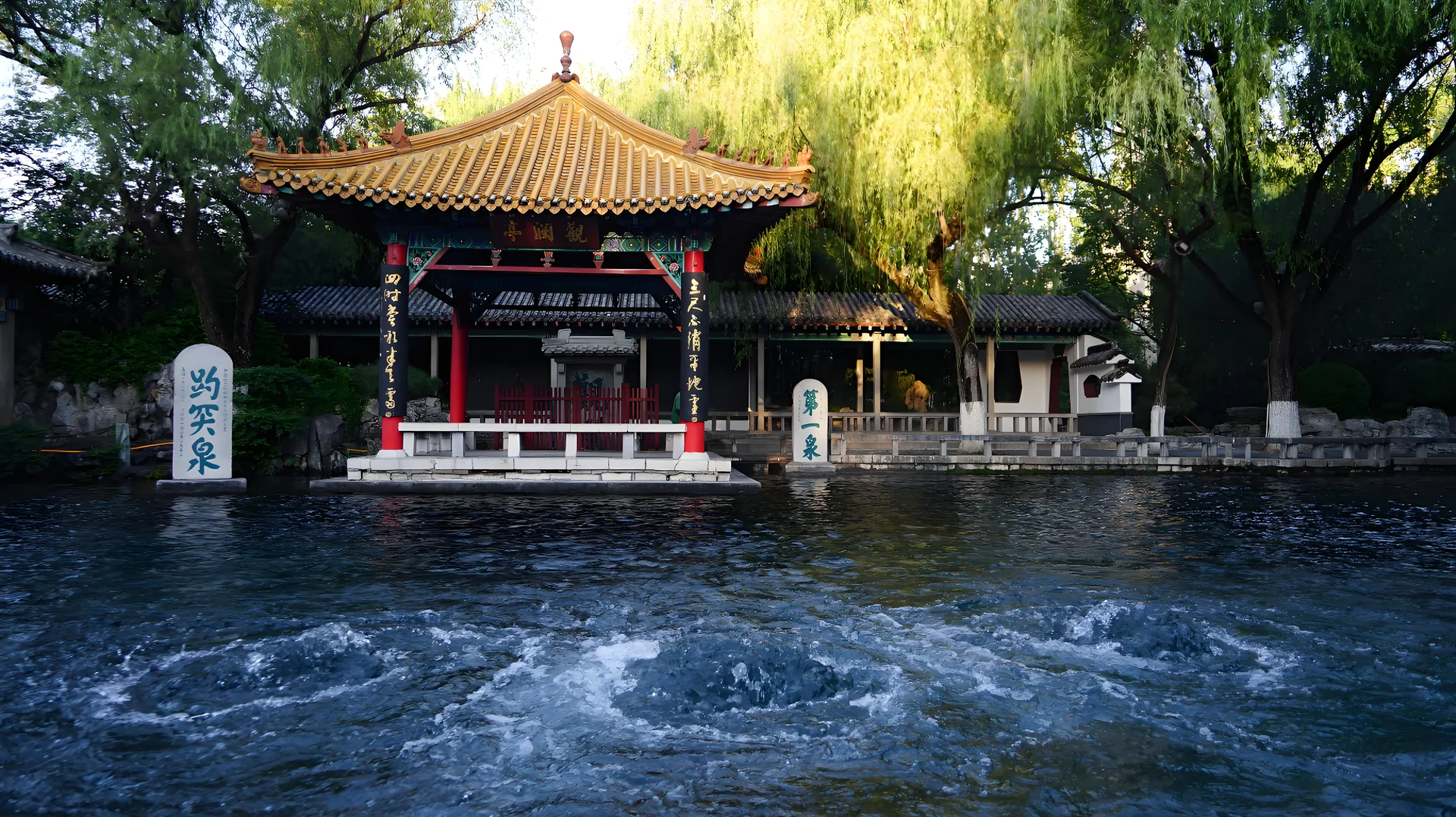
The City of Springs—capital of Shandong province where 72 fa...
World Kite Capital and home of Weichai Power, the world's la...
Discover more cities, food guides, and travel inspiration.