Liaoyang city skyline and landmarks (辽阳) - Travel China Guide

Liaoyang Travel Guide

One of the oldest cities in Northeast China with over 2,300 years of history, home to the iconic White Tower, grand Guangyou Temple, and soothing Gongchangling hot springs.

🌡️ Climate Temperate continental monsoon
📅 Best Time Spring (April-May) and Autumn (September-October)

About

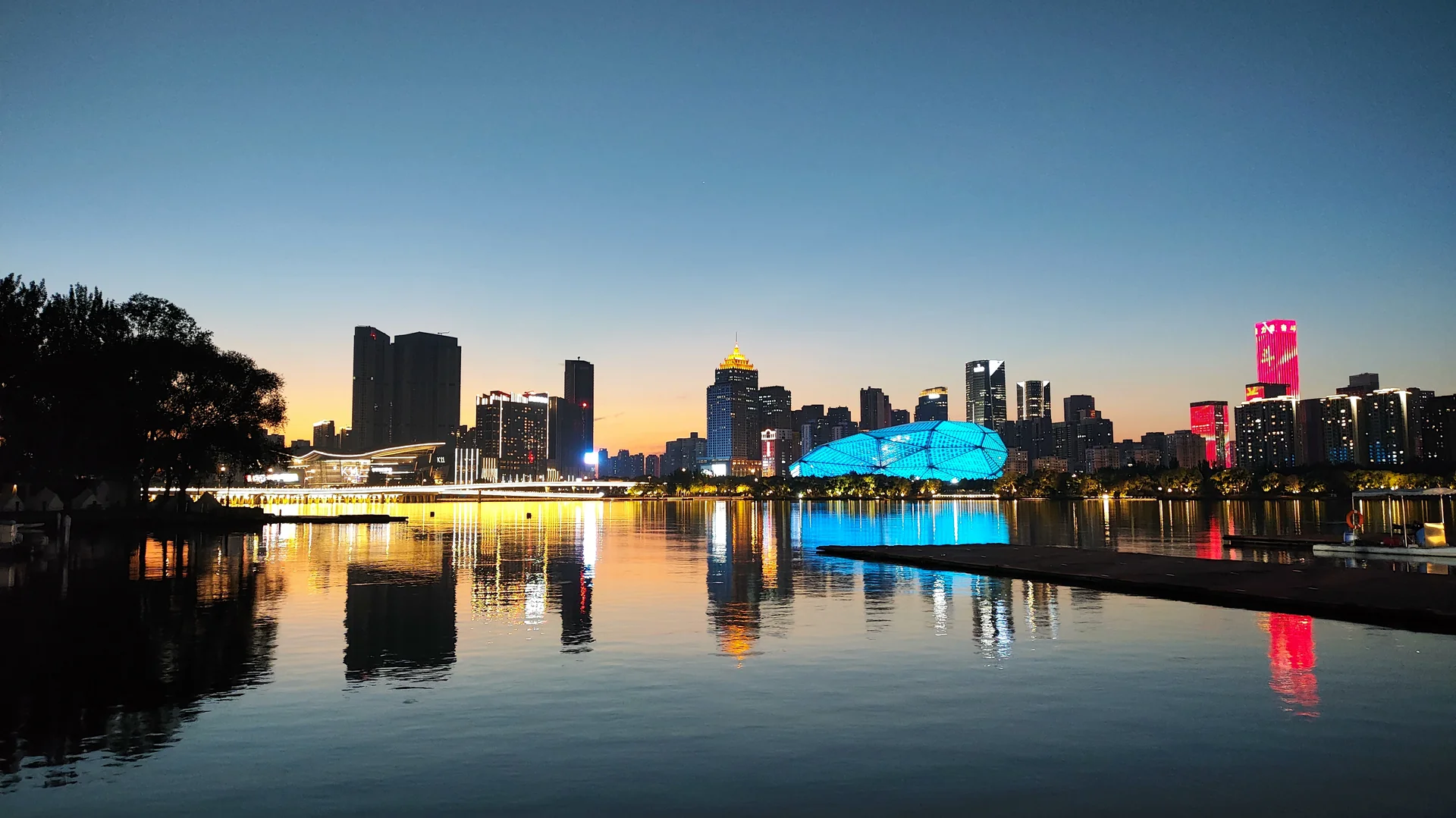
Liaoyang is one of the oldest continuously inhabited cities in Northeast China, with a recorded history spanning over 2,300 years. Located in central Liaoning Province, approximately 60 kilometers south of Shenyang, Liaoyang served as the political and cultural center of the region for centuries before Shenyang's rise to prominence.

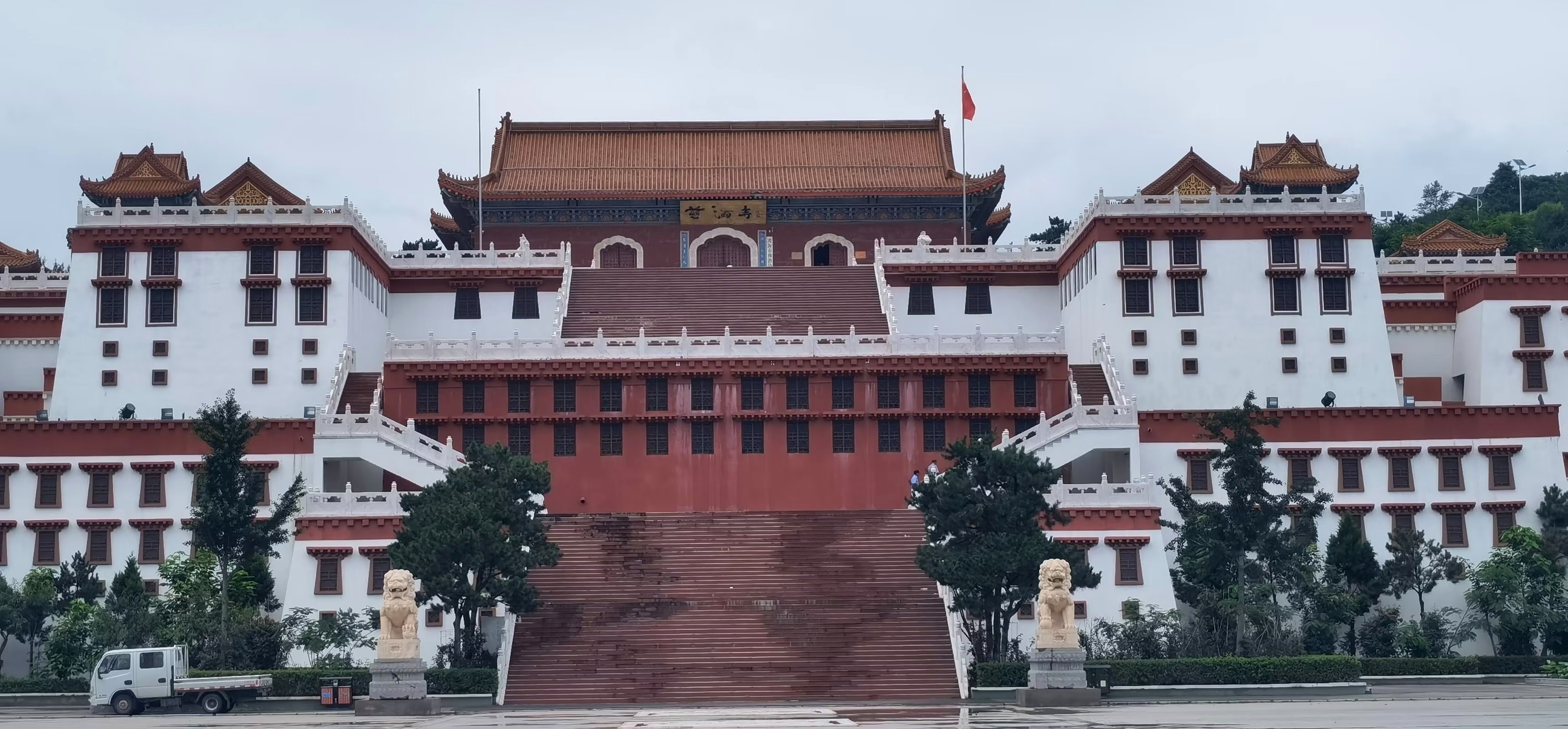
The city's most iconic landmark is the White Tower, a 71-meter Liao Dynasty pagoda that has stood for over a millennium. Built during the 11th century, the tower's intricate brick carvings and elegant proportions make it one of the finest surviving examples of Liao Dynasty architecture in China. Adjacent to the tower, Guangyou Temple houses the largest wooden Buddhist hall in Northeast China, with a breathtaking 17-meter gilded Buddha statue.

Liaoyang's historical significance extends to the founding of the Qing Dynasty. In 1621, Nurhaci, the founder of the Later Jin dynasty, established his capital here — the Dongjing City (Eastern Capital) — before moving to Shenyang seven years later. The ruins of this capital remain an important historical site, offering visitors a tangible connection to the origins of China's last imperial dynasty.

Beyond its historical treasures, Liaoyang is known for the Gongchangling Hot Springs, a geothermal resort area nestled in the hills southeast of the city. The mineral-rich waters have been used for therapeutic purposes for centuries and remain a popular destination for relaxation. The city's cuisine reflects the hearty, bold flavors of Northeast China, with specialties like guobaorou (sweet and sour pork), mutton soup, and the unique Tower Candy that has been produced locally for over 200 years.

👥
Population ~1.6 million
📐
Area 4,731 sq km
🏛️
Founded Warring States period (over 2,300 years ago)
💬
Language Mandarin Chinese (Northeast dialect)

History & Development

Liaoyang's history stretches back to the Warring States period (475-221 BC), when it was first established as a military settlement by the Yan state. During the Han Dynasty (206 BC-220 AD), it became an important administrative center for the Liaodong region. The city's strategic location on the northeastern frontier made it a crucial military and trading post throughout Chinese history.

The city reached its first golden age during the Liao Dynasty (907-1125 AD), when the Khitan rulers made it a regional capital. The White Tower was constructed during this period, and Buddhism flourished in the city. Several temples and monasteries were built, establishing Liaoyang as an important religious center.

During the Jin Dynasty (1115-1234 AD), the Jurchen people conquered the region, and Liaoyang continued to serve as an administrative hub. The Mongol Yuan Dynasty (1271-1368) maintained the city's importance, and it remained a key node on the trade routes connecting China proper with Manchuria and Korea.

The most pivotal moment in Liaoyang's history came in 1621, when Nurhaci, the Jurchen leader who would become the founder of the Qing Dynasty, captured the city and established it as his capital — the Dongjing City (Eastern Capital). He ruled from here for seven years before moving the capital to Shenyang in 1625. The ruins of Nurhaci's palace and city walls remain visible today.

During the Qing Dynasty (1644-1912), Liaoyang's political importance diminished as Shenyang and Beijing became the regional and national capitals, respectively. However, the city remained an important cultural and commercial center. In the modern era, Liaoyang has developed light industry and agriculture while preserving its remarkable historical heritage.

Economy & Industries

Liaoyang's economy has traditionally been based on agriculture, light industry, and petrochemicals. The city is located in one of Liaoning's most fertile agricultural regions, producing rice, corn, soybeans, and fruits. The surrounding countryside is dotted with orchards and greenhouses that supply fresh produce to markets across Northeast China.

The petrochemical industry is a significant economic driver. Liaoyang Petrochemical Company, a subsidiary of PetroChina, operates one of the largest petrochemical complexes in the region, producing polyester, nylon, and other chemical products. The company employs thousands of workers and supports a network of smaller downstream enterprises.

In recent years, Liaoyang has been developing its tourism sector, leveraging its rich historical heritage and natural attractions. The White Tower, Guangyou Temple, and Gongchangling Hot Springs draw visitors from across Liaoning and beyond. The local government has invested in improving tourism infrastructure, including hotels, restaurants, and transportation links.

The city is also known for its aluminum processing industry, with several manufacturers producing aluminum profiles and components for construction and automotive applications. Small and medium enterprises in food processing, textiles, and machinery contribute to the city's diversified economic base.

Top Attractions

🏛️ Landmark

White Tower Park

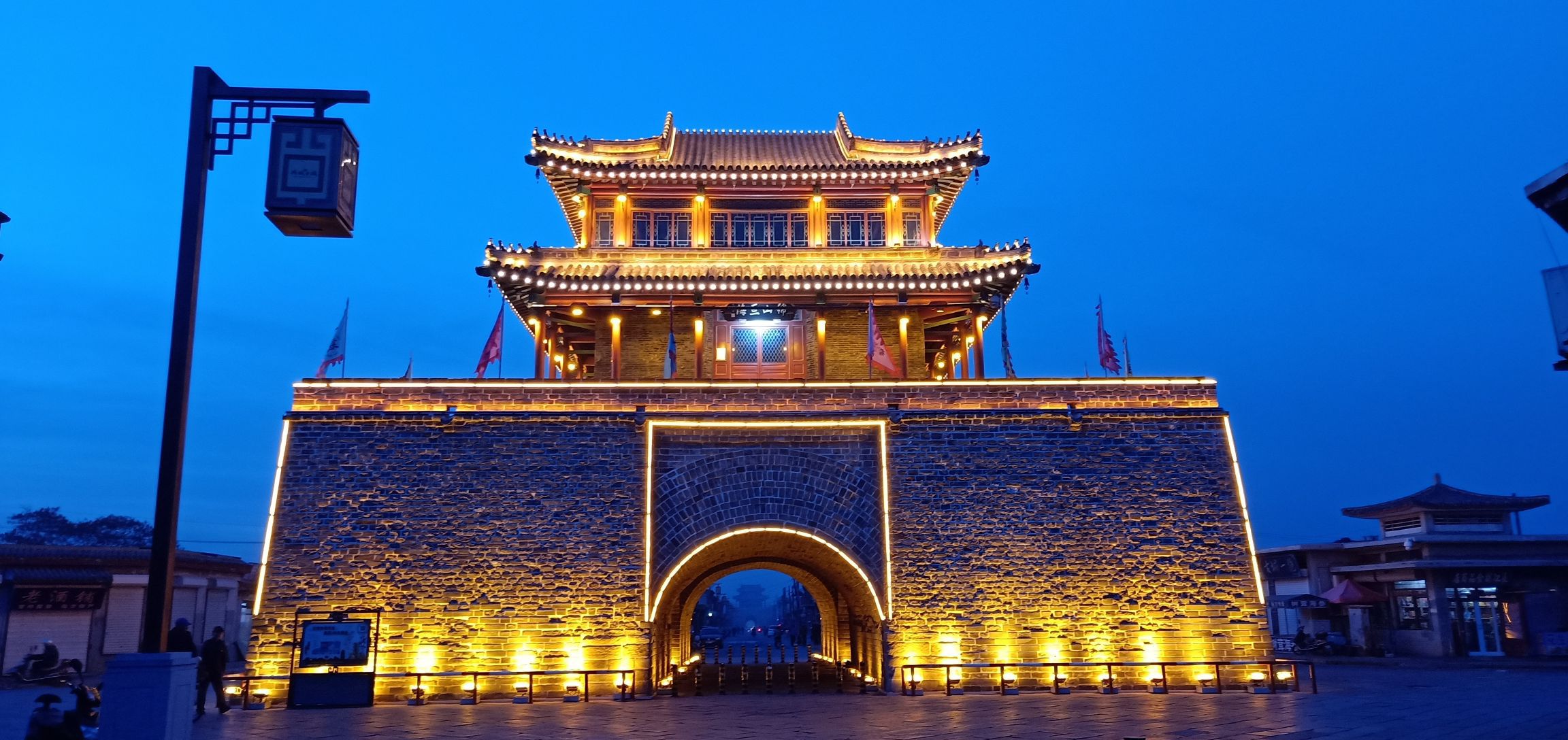
The White Tower (Baita) is Liaoyang's most iconic landmark and one of the best-preserved Liao Dynasty pagodas in Northeast China. Standing at 71 meters tall, this octagonal brick pagoda was built during the Liao Dynasty (907-1125 AD) and has survived over 1,000 years of earthquakes, wars, and weathering. The tower features intricate brick carvings of Buddhist deities, heavenly guardians, and lotus motifs on each of its thirteen stories. The surrounding park offers peaceful walking paths, traditional pavilions, and a small museum explaining the tower's construction and history. At night, the pagoda is beautifully illuminated, creating a stunning silhouette against the sky.

★★★★ 4.7
🕐 06:00-21:00
🎫 Free
⛩️ Temple

Guangyou Temple

Guangyou Temple is the largest wooden Buddhist temple complex in Northeast China. Originally built during the Liao Dynasty and reconstructed in modern times, the temple's main hall spans over 5,000 square meters and houses a magnificent 17-meter-tall gilded wooden Buddha statue — one of the largest indoor seated Buddhas in China. The temple complex follows traditional Chinese architectural principles with symmetrical courtyards, ornate roof ridges, and carved wooden brackets. The surrounding grounds include meditation halls, a scripture library, and bell and drum towers. During major Buddhist festivals, the temple attracts thousands of pilgrims from across the region.

★★★★ 4.6
🕐 08:00-17:00
🎫 50 yuan
🎭 Museum

Liaoyang Museum

The Liaoyang Museum offers a comprehensive journey through the city's remarkable 2,300-year history. Housed in a modern building with traditional architectural elements, the museum's permanent exhibition spans from the Warring States period through the Qing Dynasty. Key exhibits include Han Dynasty tomb artifacts, Liao Dynasty ceramics, Ming Dynasty military relics, and Qing Dynasty imperial documents related to the region. The museum also features a dedicated section on Liaoyang's role as the capital of the Later Jin dynasty under Nurhaci, the founder of the Qing Dynasty. Interactive displays and multimedia presentations bring the city's rich past to life.

★★★★ 4.4
🕐 09:00-16:30 (Closed Mondays)
🎫 Free (ID required)
🏛️ Landmark

Dongjing City Ruins

The Dongjing City (Eastern Capital) Ruins mark the site where Nurhaci, the founder of the Later Jin dynasty and progenitor of the Qing Dynasty, established his capital in 1621. Though much of the original city walls and structures have been lost to time, the remaining earthworks and reconstructed gates offer a tangible connection to this pivotal moment in Chinese history. The site includes informational plaques explaining Nurhaci's rise to power, his military campaigns against the Ming Dynasty, and the eventual move of the capital to Shenyang. The surrounding area has been developed into a historical park with walking trails and viewing platforms.

★★★★ 4.2
🕐 Open 24 hours
🎫 Free
🏔️ Nature

Gongchangling Hot Springs

Gongchangling Hot Springs is one of Liaoning's premier geothermal resort destinations, located in the mountainous Gongchangling District about 40 kilometers southeast of Liaoyang city center. The natural hot springs emerge at temperatures between 50-70°C and are rich in minerals including sulfur, radon, calcium, and magnesium. The area features numerous resort hotels and spa facilities offering both indoor and outdoor soaking pools. In winter, the contrast between the steaming hot springs and the snow-covered mountains creates a uniquely relaxing experience. The surrounding hills also offer hiking trails and scenic viewpoints.

★★★★ 4.5
🕐 08:00-22:00
🎫 80-150 yuan depending on resort
🏔️ Nature

Longding Mountain

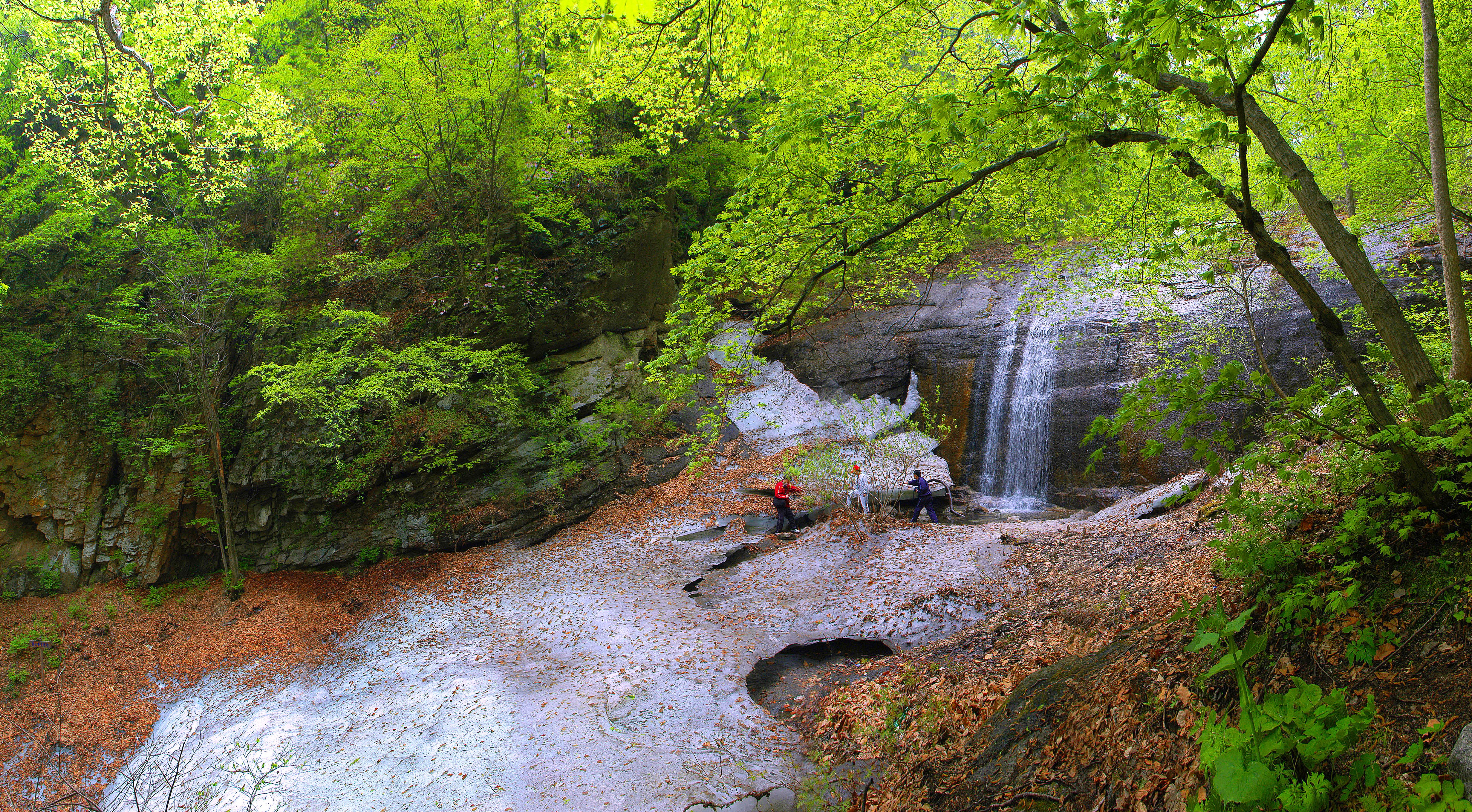
Longding Mountain is a scenic nature park on the outskirts of Liaoyang, offering a refreshing escape into the hills and forests of Liaoning. The mountain features well-maintained hiking trails that wind through pine forests, past small temples and shrines, and up to several lookout points with panoramic views of the city and surrounding countryside. The highest peak rises to approximately 400 meters, making it accessible to hikers of all fitness levels. In spring, the mountain is carpeted with wildflowers, while autumn brings vibrant red and gold foliage. A small reservoir at the base of the mountain adds to the scenic beauty.

★★★★ 4.3
🕐 06:00-18:00
🎫 Free

Food & Culture

Discover the culinary treasures of Liaoyang, from traditional street food to imperial cuisine.

Things to Do

🏛️

Visit the White Tower

Explore the iconic 1,000-year-old Liao Dynasty pagoda, Liaoyang's most famous landmark.

⛩️

Pray at Guangyou Temple

Marvel at the largest wooden Buddhist hall in Northeast China and its 17-meter gilded Buddha.

Explore Dongjing City Ruins

Walk through the ruins of Nurhaci's capital and learn about the birth of the Qing Dynasty.

Soak in Gongchangling Hot Springs

Relax in natural mineral hot springs surrounded by mountain scenery.

Hike Longding Mountain

Enjoy forest trails and panoramic views of Liaoyang from the hilltop.

Taste Liaoyang Tower Candy

Sample the 200-year-old traditional sweet unique to Liaoyang.

Suggested Itineraries

Liaoyang One-Day Heritage Tour

A full day exploring Liaoyang's 2,300-year history through its most iconic landmarks and local cuisine.

  • Morning: White Tower Park + Guangyou Temple (3 hours)
  • Midday: Liaoyang shaomai and guobaorou lunch in the city center
  • Afternoon: Liaoyang Museum + Dongjing City Ruins (2.5 hours)
  • Evening: Stroll through the old town and try local tower candy

History & Hot Springs (2 Days)

Combine Liaoyang's rich historical heritage with the relaxation of natural hot springs.

  • Day 1: White Tower + Guangyou Temple + Liaoyang Museum + old town food tour
  • Day 2: Morning at Dongjing City Ruins + afternoon at Gongchangling Hot Springs
  • Evening: Mutton soup dinner and cold noodles

Complete Liaoyang Explorer (3 Days)

A comprehensive three-day experience covering Liaoyang's history, nature, cuisine, and culture.

  • Day 1: City heritage — White Tower, Guangyou Temple, Museum, Dongjing City Ruins
  • Day 2: Nature day — Longding Mountain morning hike + Gongchangling Hot Springs afternoon
  • Day 3: Cultural immersion — local markets, traditional food tour, temple visits, souvenir shopping for tower candy

Getting Around

✈️

Airport

Liaoyang does not have its own commercial airport. The nearest major airport is Shenyang Taoxian International Airport (about 80km north), which offers domestic and international flights. Travelers can reach Liaoyang from Shenyang airport by high-speed rail or taxi.

🚄

High-Speed Rail

Liaoyang Station serves the Harbin-Dalian Railway, with regular train service to Shenyang (about 40 minutes), Dalian (about 3 hours), and other major cities in Northeast China.

🚌

Bus Network

City buses cover the urban area extensively. Direct bus routes connect to major attractions including White Tower Park, Guangyou Temple, and Gongchangling Hot Springs.

🚕

Taxi & Rideshare

Available throughout the city

Best Time to Visit

🌸

Spring

Apr - May

★★★★☆

Mild temperatures (10-20°C) with blooming flowers in White Tower Park and Longding Mountain. Pleasant weather for sightseeing and outdoor activities.

  • Spring blossoms
  • Mild weather
  • Fewer tourists
☀️

Summer

Jun - Aug

★★★☆☆

Warm to hot (22-30°C) with occasional rain. Green landscapes and full access to all attractions. Good season for hot springs in the evening.

  • Lush greenery
  • All attractions open
  • Evening hot springs
🍂

Autumn

Sep - Oct

★★★★★

Cool and crisp (10-22°C) with beautiful autumn foliage. The best season for hiking Longding Mountain and exploring historical sites.

  • Fall foliage
  • Perfect hiking weather
  • Clear skies
❄️

Winter

Nov - Mar

★★★☆☆

Cold and dry (-15 to 0°C). Snow occasionally covers the White Tower, creating a stunning scene. Hot springs are especially enjoyable. Fewer tourists.

  • Hot spring season
  • Snow scenery
  • No crowds

Travel Reminders

🚇

Liaoyang is easily accessible from Shenyang by high-speed rail (40 minutes). Consider basing yourself in Shenyang and taking day trips to Liaoyang.

💡

Spring and autumn offer the most pleasant weather. Winter can be very cold (-15°C), but the hot springs are especially enjoyable in the snow.

💡

Don't miss the local Tower Candy — it's unique to Liaoyang and makes an excellent souvenir. Try it fresh from traditional confectioners near the White Tower.

💡

Gongchangling Hot Springs is about 40km from the city center. Plan to spend at least half a day there. Many resorts offer day passes with access to multiple pools.

Continue Exploring China

Discover more cities, food guides, and travel inspiration.