Dongchang Lake
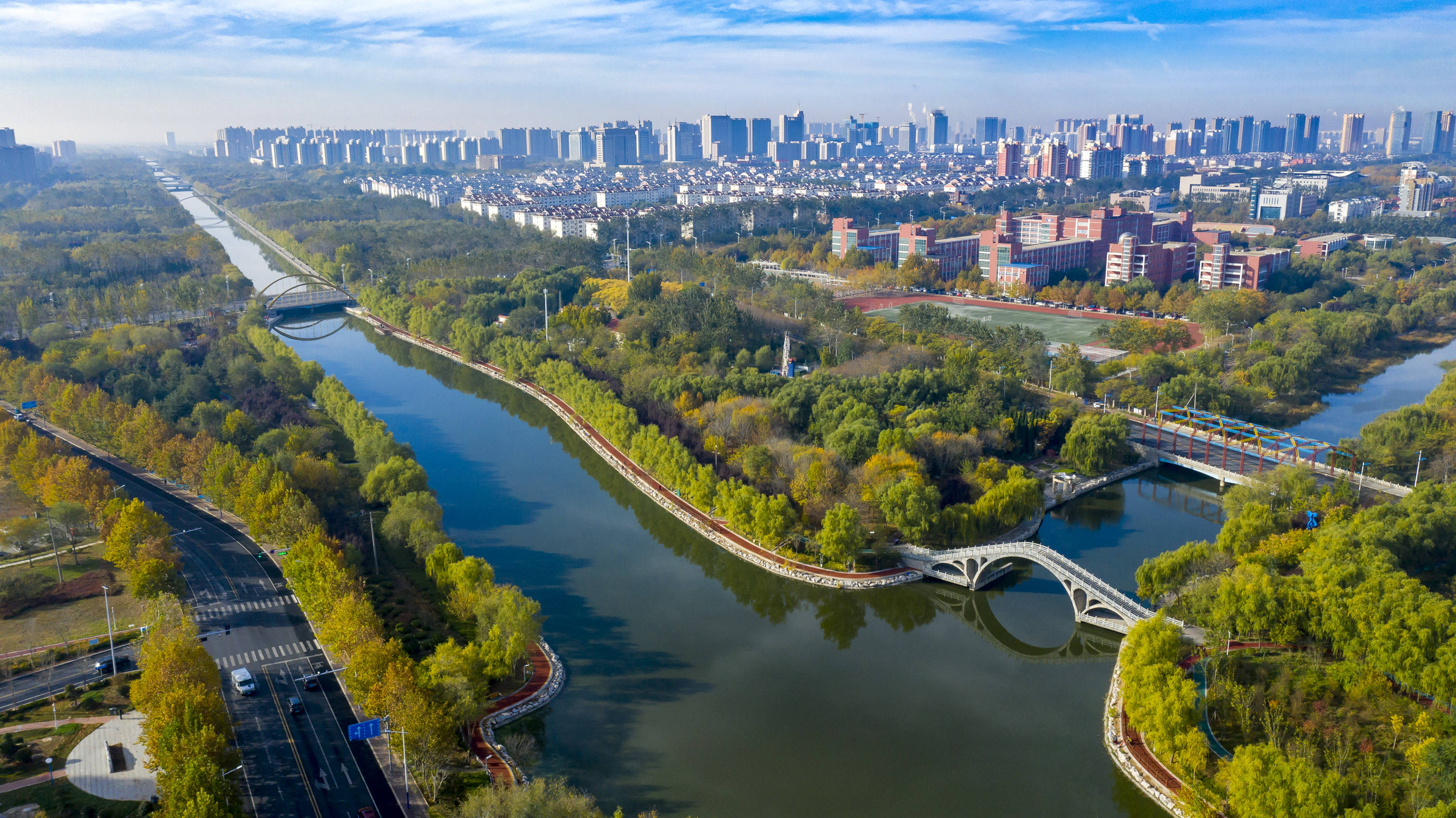
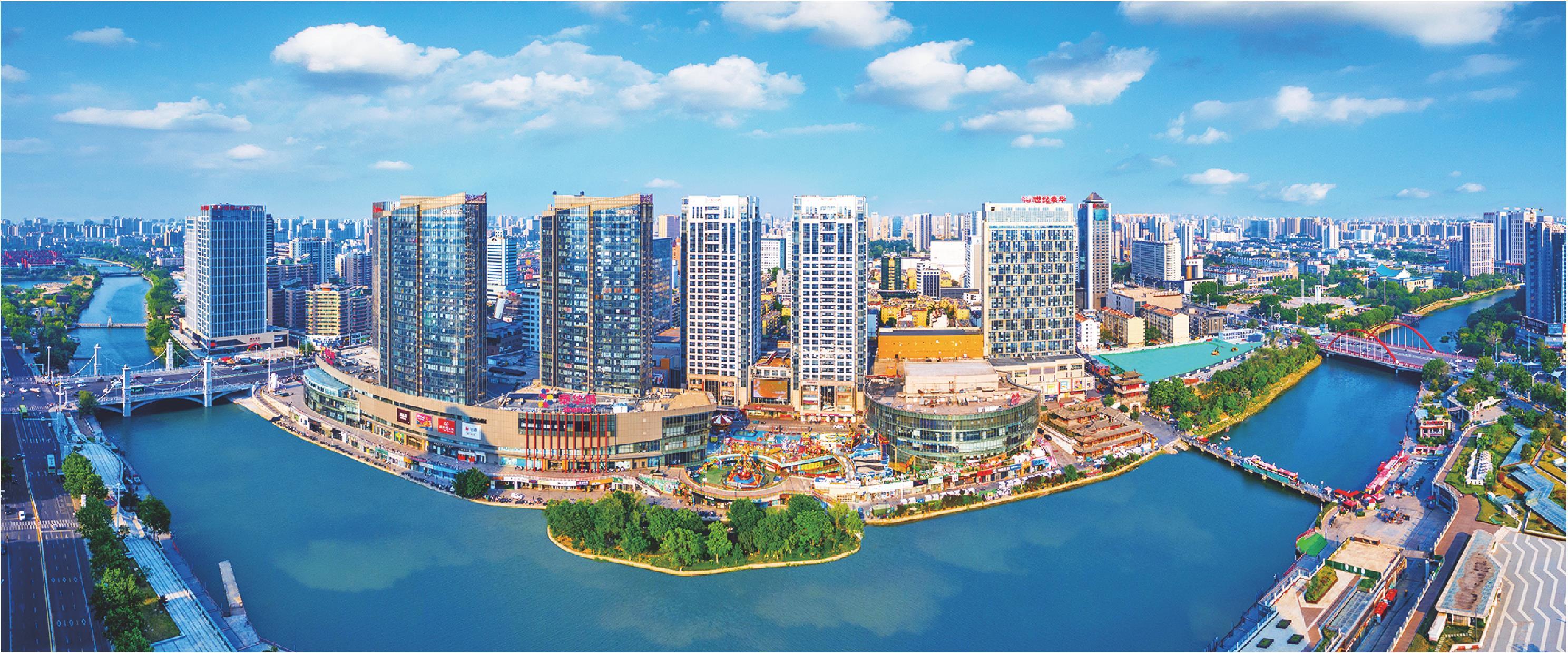
A vast urban lake enclosing Liaocheng's ancient city center, with a circumference of over 16 kilometers. Visitors can take boat tours, stroll scenic walkways, and enjoy waterfront dining.
A historic canal city known as the "Water City of Shandong," Liaocheng boasts a stunning lake cityscape, ancient towers, and the legacy of the Grand Canal.
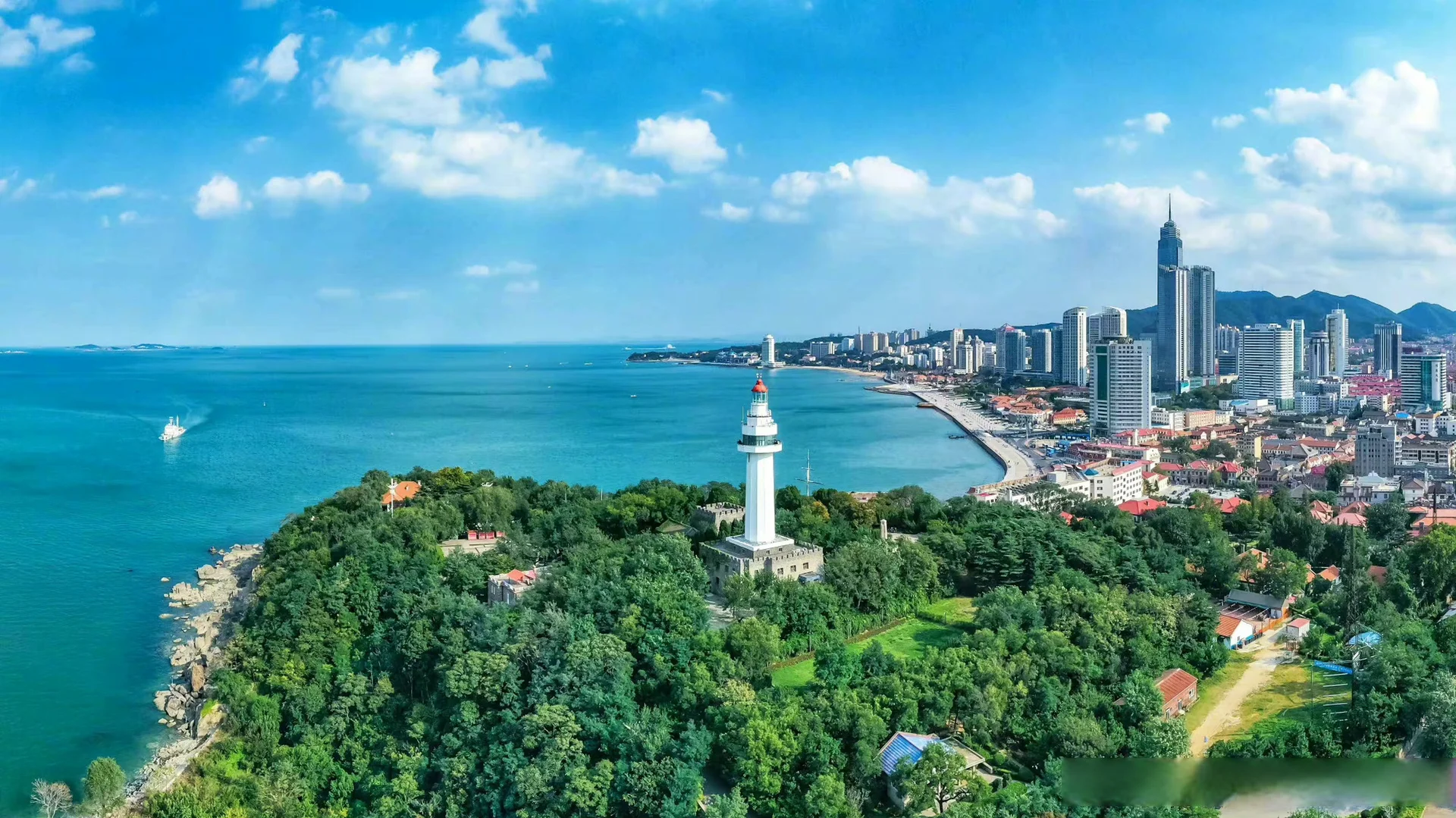
Liaocheng is a historic prefecture-level city in western Shandong Province, with a population of 5.95 million and an area of 8,715 square kilometers. It is famously known as the "Water City of the North" for its unique urban layout where Dongchang Lake encloses the ancient city center.
The city's identity is inseparable from the Beijing-Hangzhou Grand Canal. During the Ming and Qing dynasties, Liaocheng was one of the canal's most important inland ports, serving as a vital hub for grain transport and commercial trade between north and south China. The Shan-Shaan Guild Hall, built by merchants from Shanxi and Shaanxi, stands as testimony to the wealth and cultural exchange that the canal brought.
Dongchang Lake, with a surface area of 6.3 square kilometers, is the centerpiece of modern Liaocheng. The lake surrounds the original Ming Dynasty walled city, creating a distinctive "city in a lake, lake in a city" landscape. Guangyue Tower, built in 1374, rises from the city center and offers sweeping views of this unique layout.
Liaocheng administers Linqing, a historic canal town that preserves Ming and Qing dynasty architecture, and Dong'a County, the birthplace of Ejiao (donkey-hide gelatin), a treasured ingredient in traditional Chinese medicine for over 2,000 years. The county produces the world's finest Ejiao, recognized as a national geographic indication product.
The city also has strong connections to Chinese literary heritage. Jingyanggang, located in Yanggu County, is the legendary setting of the famed "Wu Song Fights the Tiger" episode from the classic novel "Water Margin."
Liaocheng's recorded history spans over 2,500 years. During the Spring and Autumn period (770-476 BC), the area was part of the Qi Kingdom. The city was formally established during the Qin Dynasty (221-206 BC).
The most transformative period in Liaocheng's history began with the construction of the Grand Canal during the Sui Dynasty (581-618 AD). However, it was during the Ming Dynasty that the city reached its peak prosperity. The canal was deepened and widened, and Liaocheng became a designated grain transport hub, managing the shipment of tax grain from southern China to Beijing.
During the Qing Dynasty, Liaocheng continued to thrive as a commercial center. Merchants from Shanxi, Shaanxi, and Anhui built grand guild halls and temples in the city. The population swelled with traders, boatmen, and artisans drawn by the canal economy.
The late 19th and early 20th centuries brought decline as the Grand Canal fell into disrepair and modern railways replaced water transport. The city's importance diminished, preserving much of its ancient character.
In the post-1949 era, Liaocheng gradually industrialized, developing textile, food processing, and machinery industries. The Grand Canal Cultural Belt initiative in the 2010s brought renewed attention to the city's canal heritage, sparking tourism and restoration projects.
Liaocheng's economy is driven by textiles, food processing, machinery manufacturing, and traditional medicine. In 2024, the city's gross domestic product reached approximately 300 billion yuan.
Textile and garment manufacturing is a pillar industry, with Liaocheng being one of Shandong's major cotton and fabric production bases. The city has a complete supply chain from cotton ginning to garment export.
Food processing leverages the rich agricultural output of the western Shandong plain. Wheat, corn, cotton, and vegetables are major crops. Linqing and Gaotang are known for livestock products, particularly donkey meat processing.
The Ejiao industry in Dong'a County is a unique and high-value sector. Dong'a Ejiao Co., Ltd. is the world's largest producer of donkey-hide gelatin, with products sold throughout China and exported to Southeast Asia, Japan, and beyond.
Machinery manufacturing, particularly agricultural machinery and auto parts, is a growing sector. The city is also developing a logistics industry leveraging its position on the Beijing-Kowloon Railway corridor.
Discover the culinary treasures of Liaocheng, from traditional street food to imperial cuisine.
Explore the highlights of Liaocheng's lake-centered ancient city in a single day.
Delve into Liaocheng's Grand Canal heritage and cultural traditions over two days.
Accessible via Jinan Yaoqiang International Airport (TNA), about 130 km away
Connected to Jinan (1 hour) and Beijing (2 hours) via high-speed rail
No metro system; buses and taxis serve the city well
March to May
Mild temperatures 10-22°C. Dongchang Lake is at its most beautiful with blooming flowers along the shore. Perfect for walking and boating.
June to August
Warm and humid, 25-35°C. Enjoy evening lakeside walks and night markets. Early mornings are pleasant for photography.
September to November
Cool and clear, 10-24°C. Golden sunlight on the lake makes for spectacular views. Harvest season brings fresh local produce.
December to February
Cold and dry, -2 to 6°C. Fewer tourists. Indoor attractions like museums and guild halls are the main draws.
Discover more cities, food guides, and travel inspiration.