
Nature
Mount Shu Scenic Area
Known as the "Little Mount Tai" of Shandong, Mount Shu offers rugged granite peaks, ancient pine forests, and panoramic views of the Laiwu basin.
8:00 AM - 5:30 PM
50 yuan
Known as the "Steel City" of Shandong, Laiwu blends a storied industrial heritage with the scenic beauty of Mount Shu and ancient Qi Kingdom landmarks.
Laiwu is a district-level city in central Shandong Province, formerly a prefecture-level city until its merger into Jinan in January 2019. With a population of approximately 1.37 million and an area of 2,246 square kilometers, it is known as the "Steel City" of Shandong.
Laiwu's identity has been shaped by its iron and steel industry. Laiwu Steel Group, now part of Shandong Iron and Steel Group, has been the backbone of the local economy for decades. The city's transformation from a steel-centric industrial town to a more diversified regional economy reflects the broader changes taking place across Shandong's industrial landscape.
Beyond industry, Laiwu offers surprising natural beauty. Xueye Lake is a popular weekend getaway for residents of Jinan and surrounding cities. Mount Shu, with its dramatic granite peaks, offers hiking trails suitable for all skill levels and is often called the "Little Mount Tai."
The Qi Great Wall remnants weave through Laiwu's western hills, offering a tangible connection to the Warring States period. Despite its industrial reputation, Laiwu maintains green spaces and a relaxed pace of life that contrasts with the busy energy of nearby Jinan.
Laiwu's recorded history dates back over 2,500 years. During the Spring and Autumn and Warring States periods (771-221 BC), the area was part of the Qi Kingdom, which built a great wall across the region as a defensive line. Remnants of this Qi Great Wall remain one of Laiwu's most significant historical sites.
The area was officially established as Laiwu County during the Han Dynasty (206 BC - 220 AD). For centuries, it remained a modest agricultural county, known for its mountainous terrain and relatively isolated position in the Shandong interior.
Laiwu's modern history changed dramatically in the 1960s and 1970s with the discovery of large iron ore deposits. Laiwu Steel was established in 1970, and the city rapidly industrialized. For decades, Laiwu was synonymous with steel production in Shandong.
In January 2019, in a major administrative adjustment, the prefecture-level city of Laiwu was dissolved and merged into the provincial capital Jinan, becoming Laiwu District and Gangcheng District. The merger was part of broader efforts to expand Jinan's economic influence and optimize resource allocation in central Shandong.
Laiwu's economy has traditionally been dominated by the iron and steel industry. Laiwu Steel Group, established in 1970, is one of Shandong's largest steel producers, with an annual crude steel capacity exceeding 10 million tons. The steel industry has historically contributed over half of the city's industrial output.
The merger with Jinan in 2019 opened new economic opportunities. Laiwu has been positioned as a key component of Jinan's "East Expansion" strategy, attracting investment in advanced manufacturing, logistics, and services. The Jinan-Laiwu high-speed rail connection has significantly shortened commuting times.
Agriculture remains important in Laiwu's mountain villages, with specialty products including Xueye Lake fish, Laiwu dried tofu, and mountain herbs. Tourism is a growing sector, centered on Xueye Lake's leisure facilities and Mount Shu's hiking trails.
Discover the culinary treasures of Laiwu, from traditional street food to imperial cuisine.
Experience the best of Laiwu's natural scenery and ancient history in a compact day trip.
Delve into Laiwu's industrial heritage and mountain landscapes in a comprehensive two-day itinerary.
Accessible via Jinan Yaoqiang International Airport (TNA), about 80 km away
Connected to Jinan (20 minutes) and Qingdao (1.5 hours) via high-speed rail
No metro system; buses and taxis available within Laiwu
March to May
Mild temperatures 10-22°C. Wildflowers bloom across the mountains. Best time for hiking Mount Shu.
June to August
Warm and humid, 25-35°C. Xueye Lake is popular for water activities. Mountain areas offer cooler retreats.
September to November
Cool and crisp, 10-24°C. Autumn foliage transforms the hills. Excellent hiking conditions.
December to February
Cold and dry, -3 to 6°C. Quieter tourist season. Indoor museums and hot pot restaurants are the main draws.
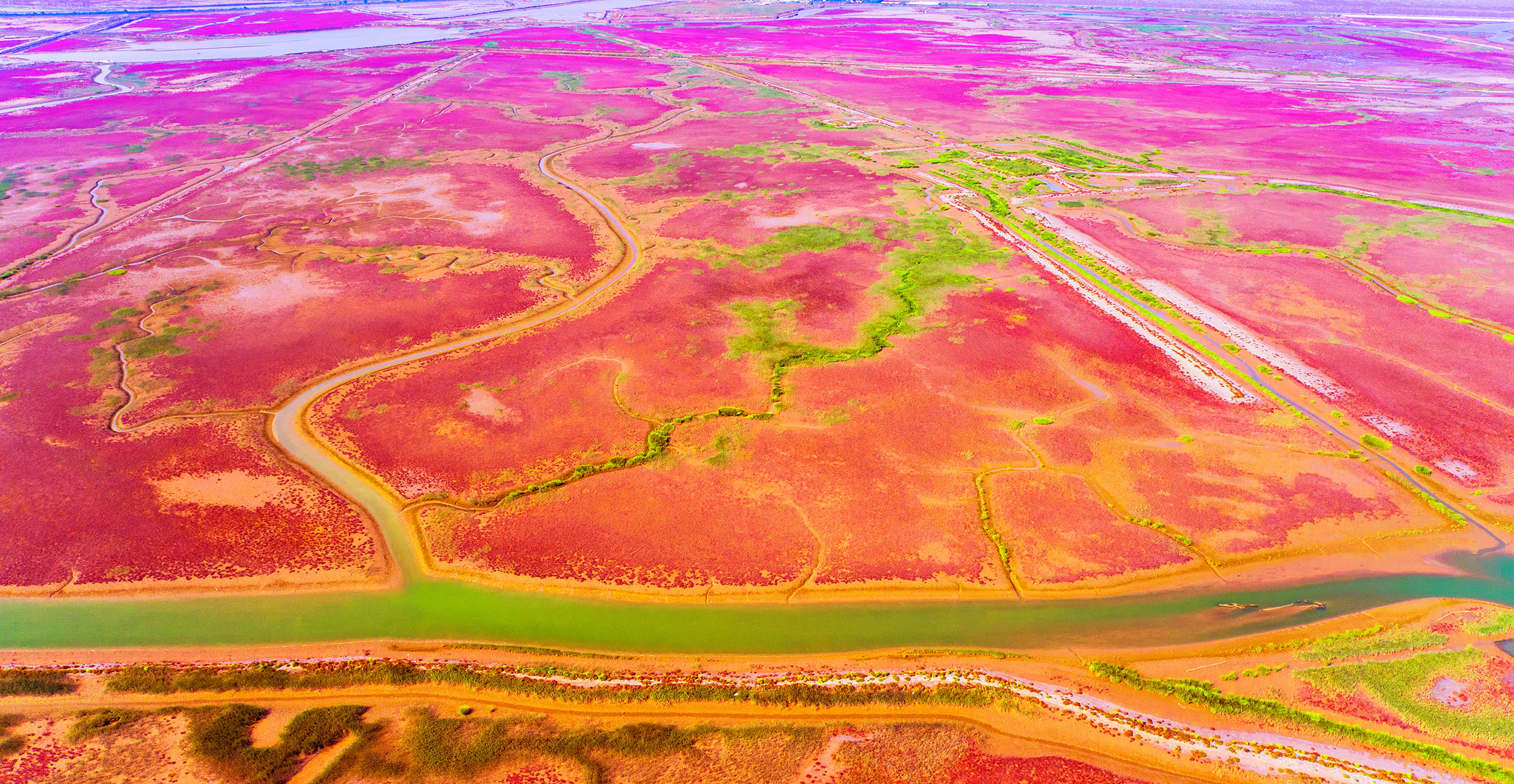
The city where the Yellow River meets the sea, home to the Y...
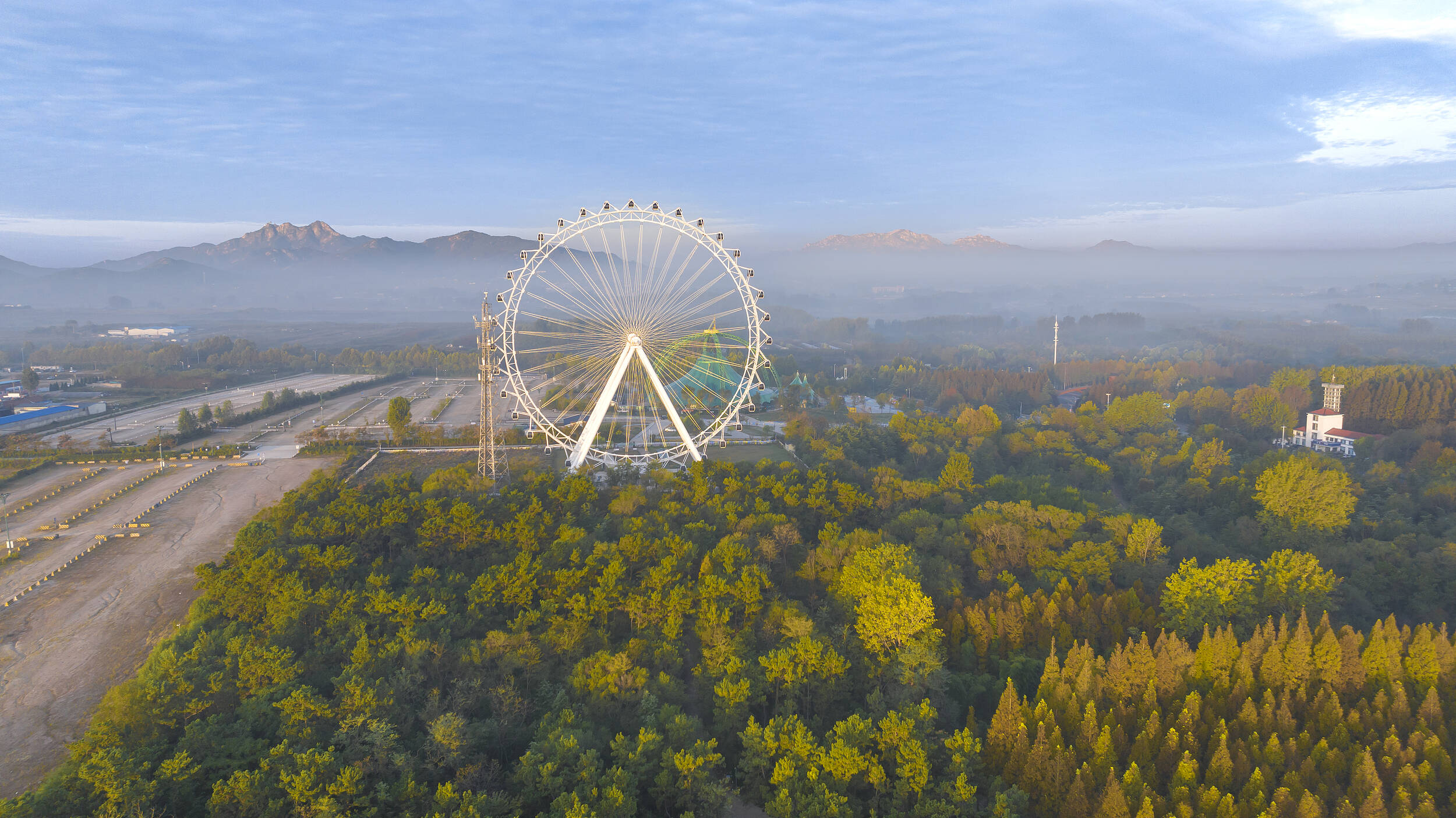
A coastal city in southern Shandong renowned for its golden ...
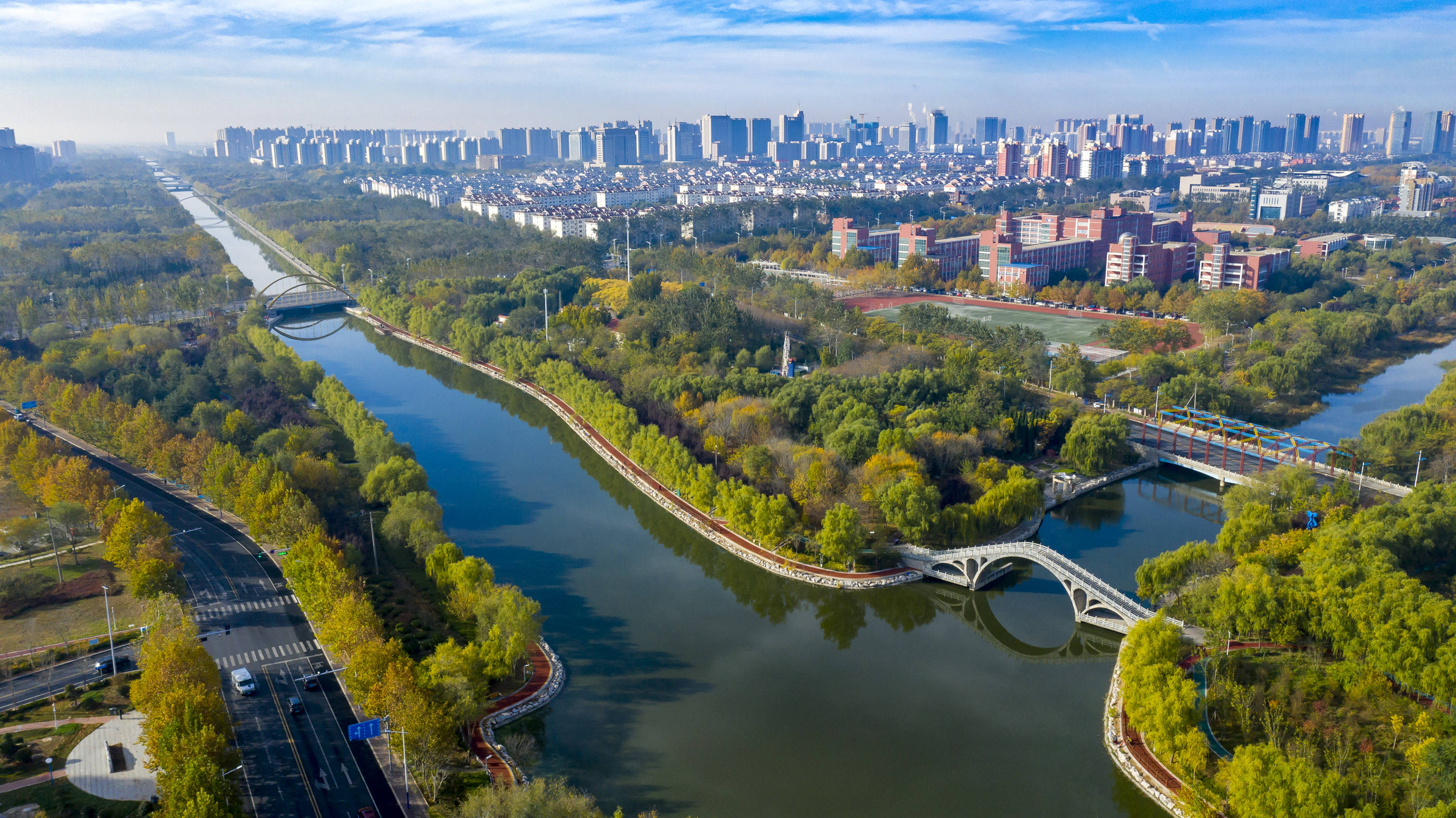
A coastal city in northern Shandong at the mouth of the Yell...

A coastal city where mountains meet the sea, famous for its ...
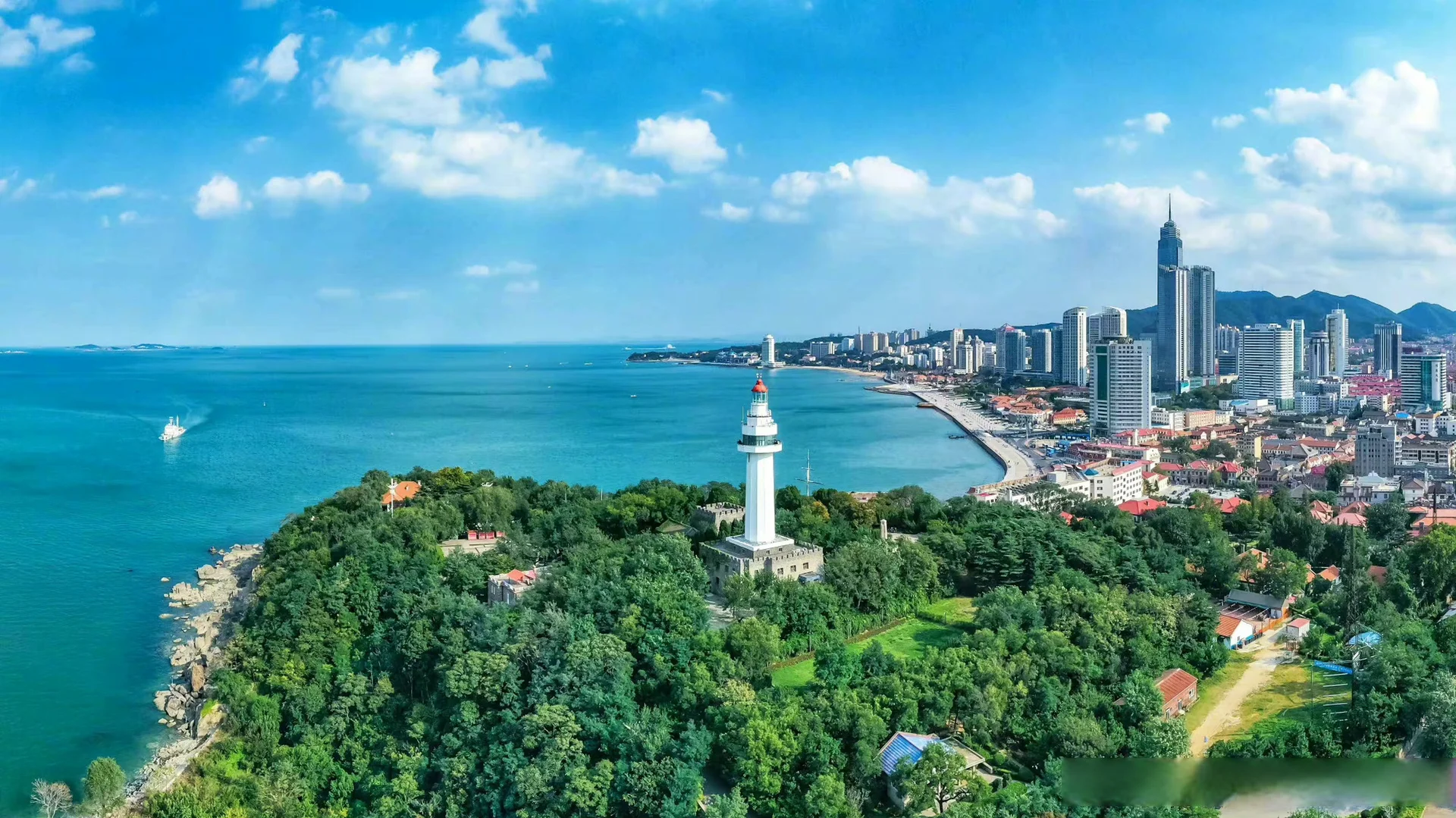
A romantic coastal city known as "Fairyland on Earth," famou...
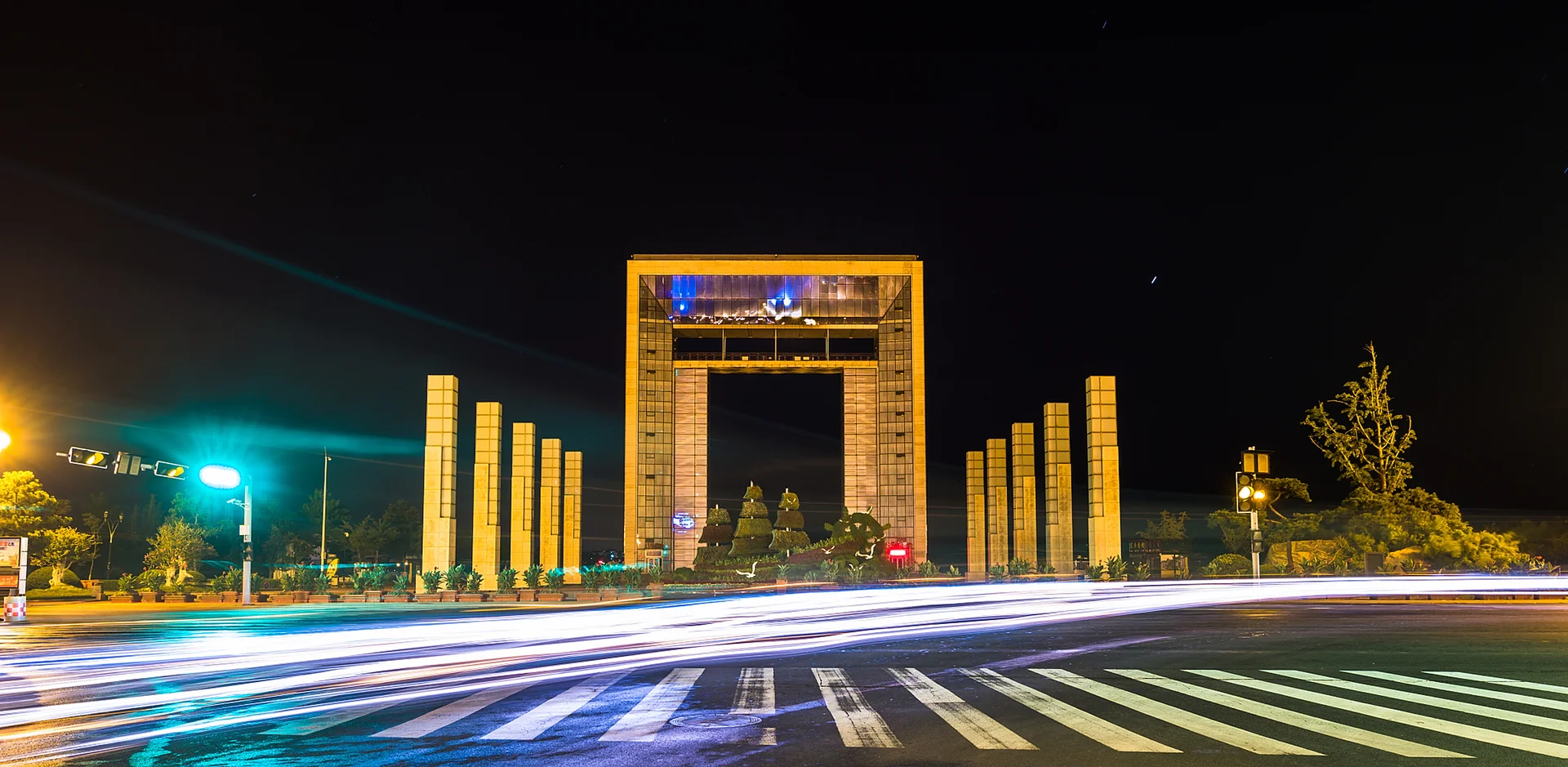
China's cleanest coastal city and nearest port to South Kore...
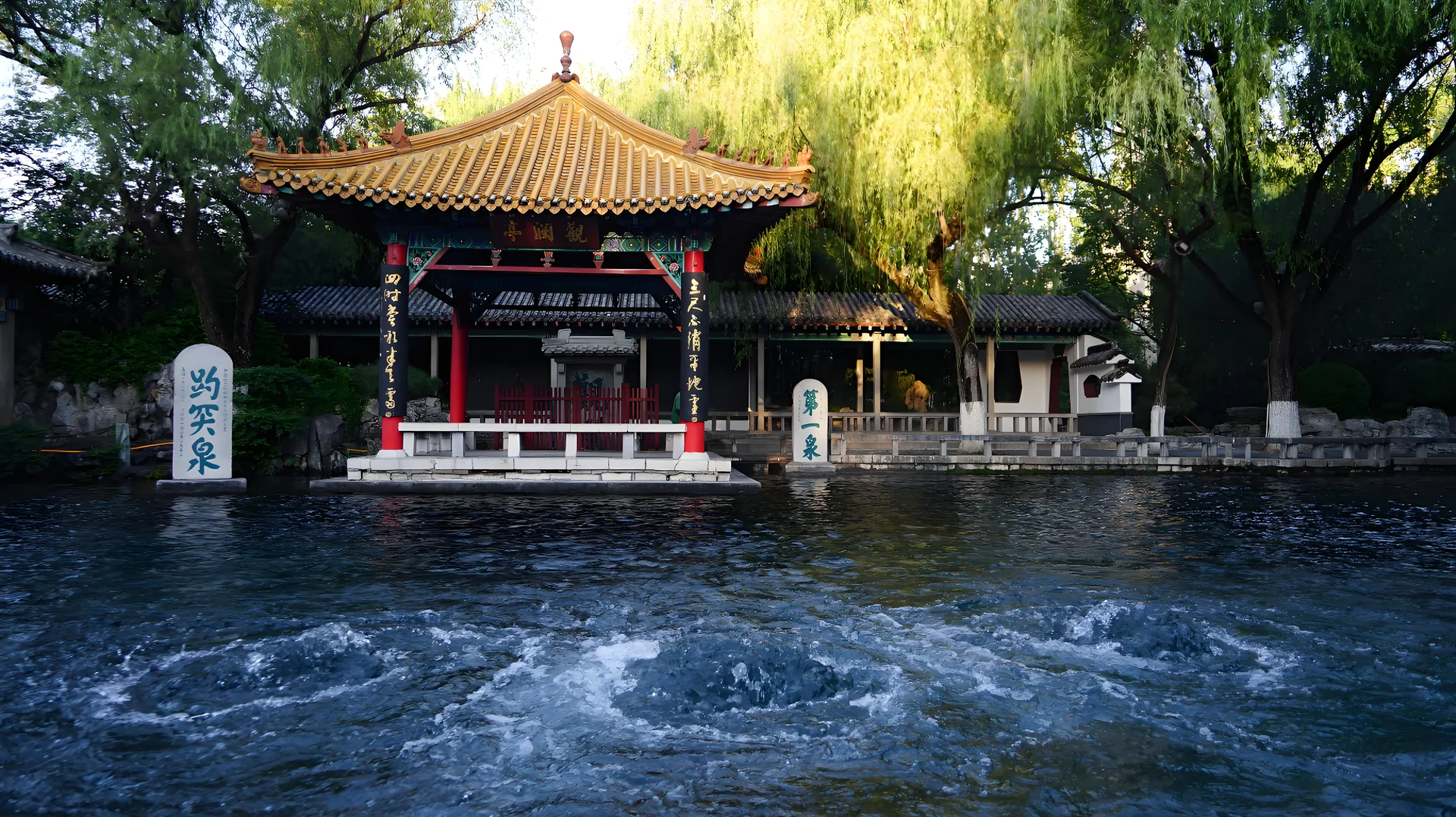
The City of Springs—capital of Shandong province where 72 fa...
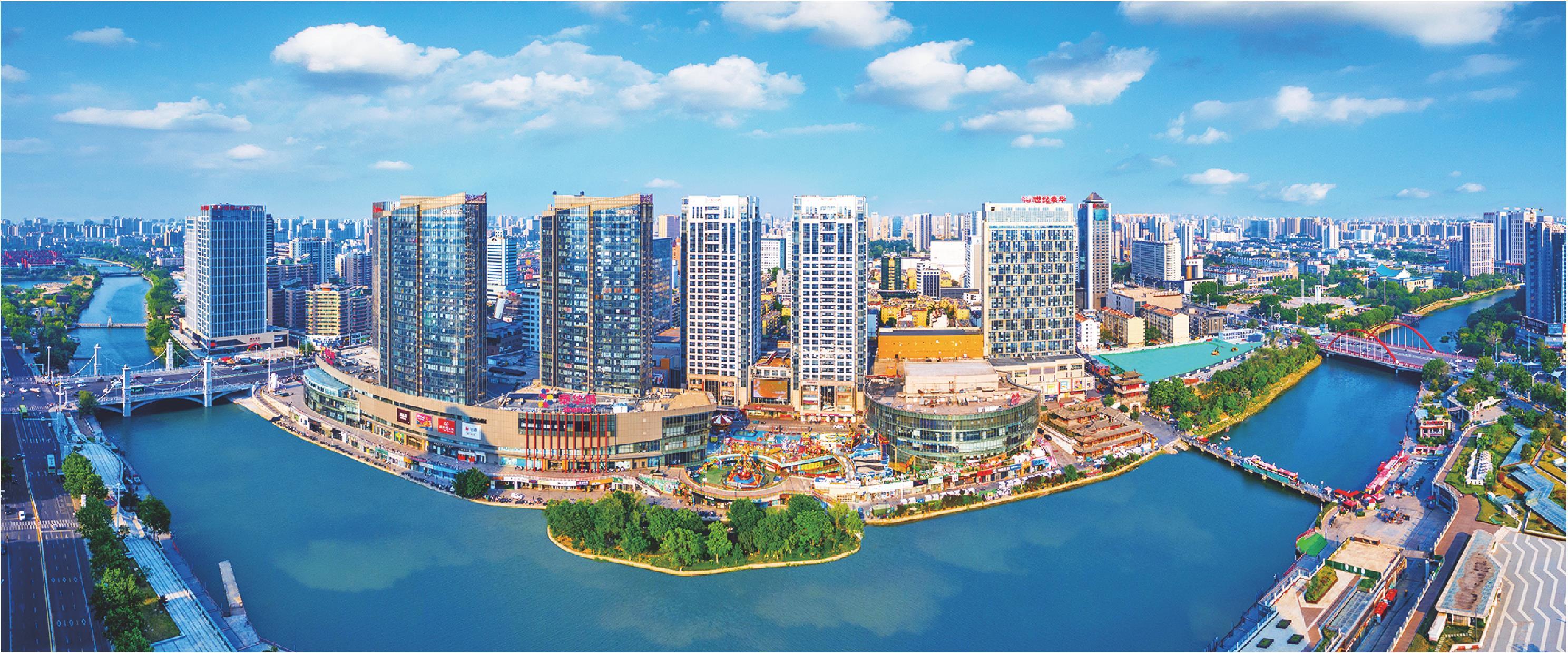
World Kite Capital and home of Weichai Power, the world's la...
Discover more cities, food guides, and travel inspiration.