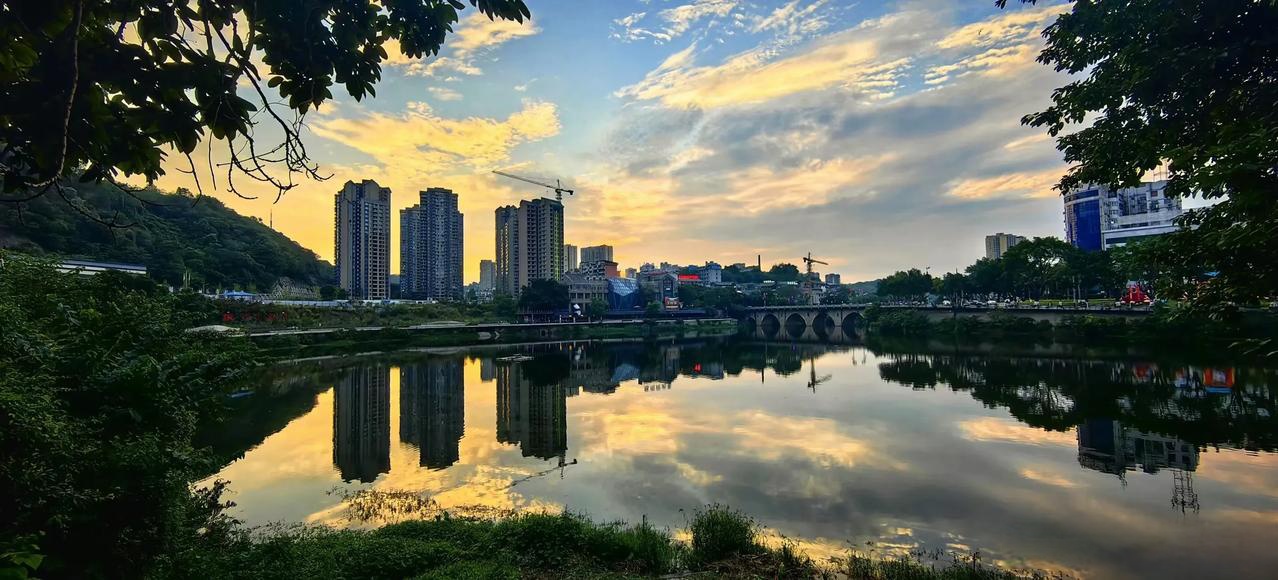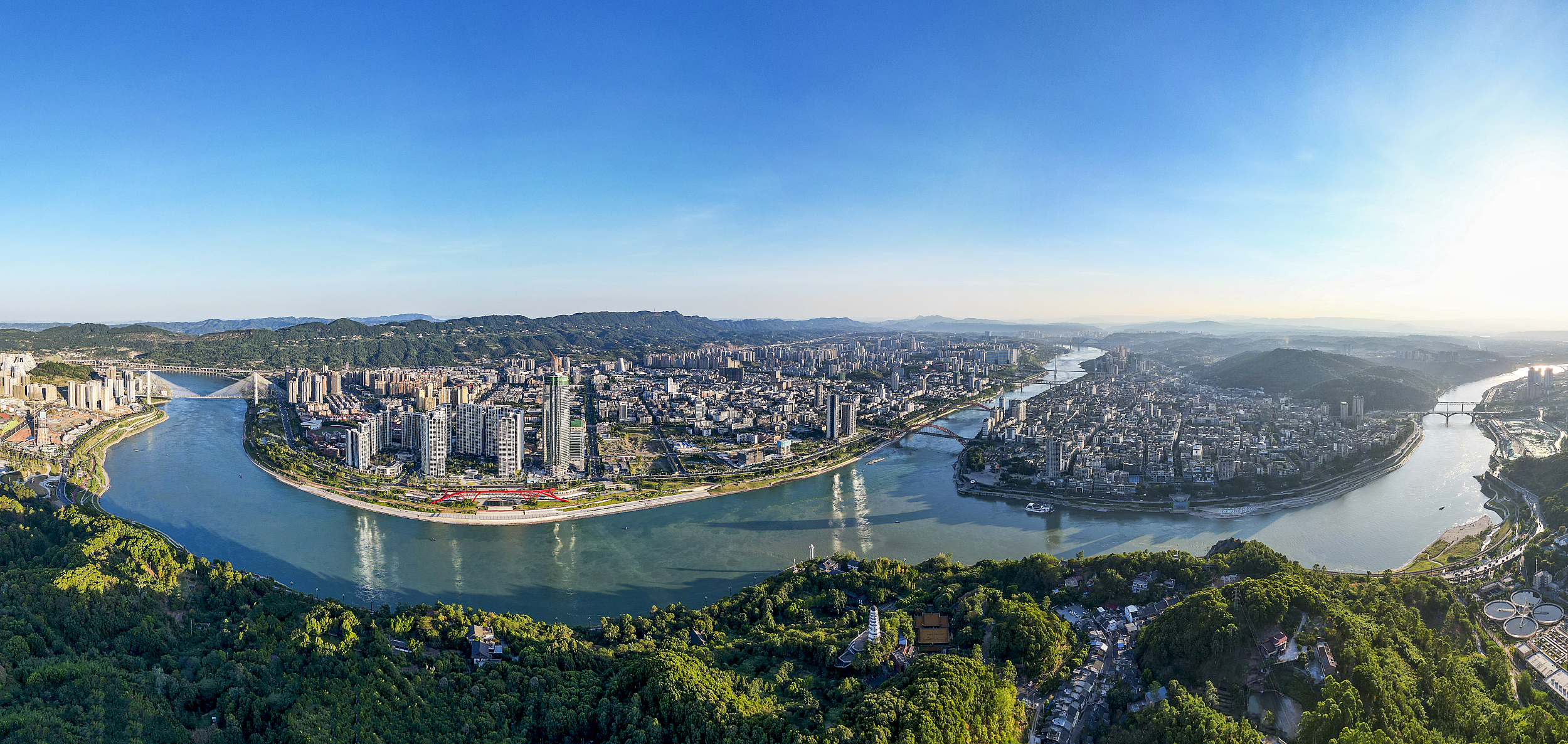
Guangyuan city skyline and landmarks (广元) - Travel China Guide

Guangyuan Travel Guide

Gateway to the treacherous Shu Road, birthplace of China's only empress Wu Zetian, and home to the legendary Jianmen Pass — one of the most impregnable fortresses in Chinese history.

About

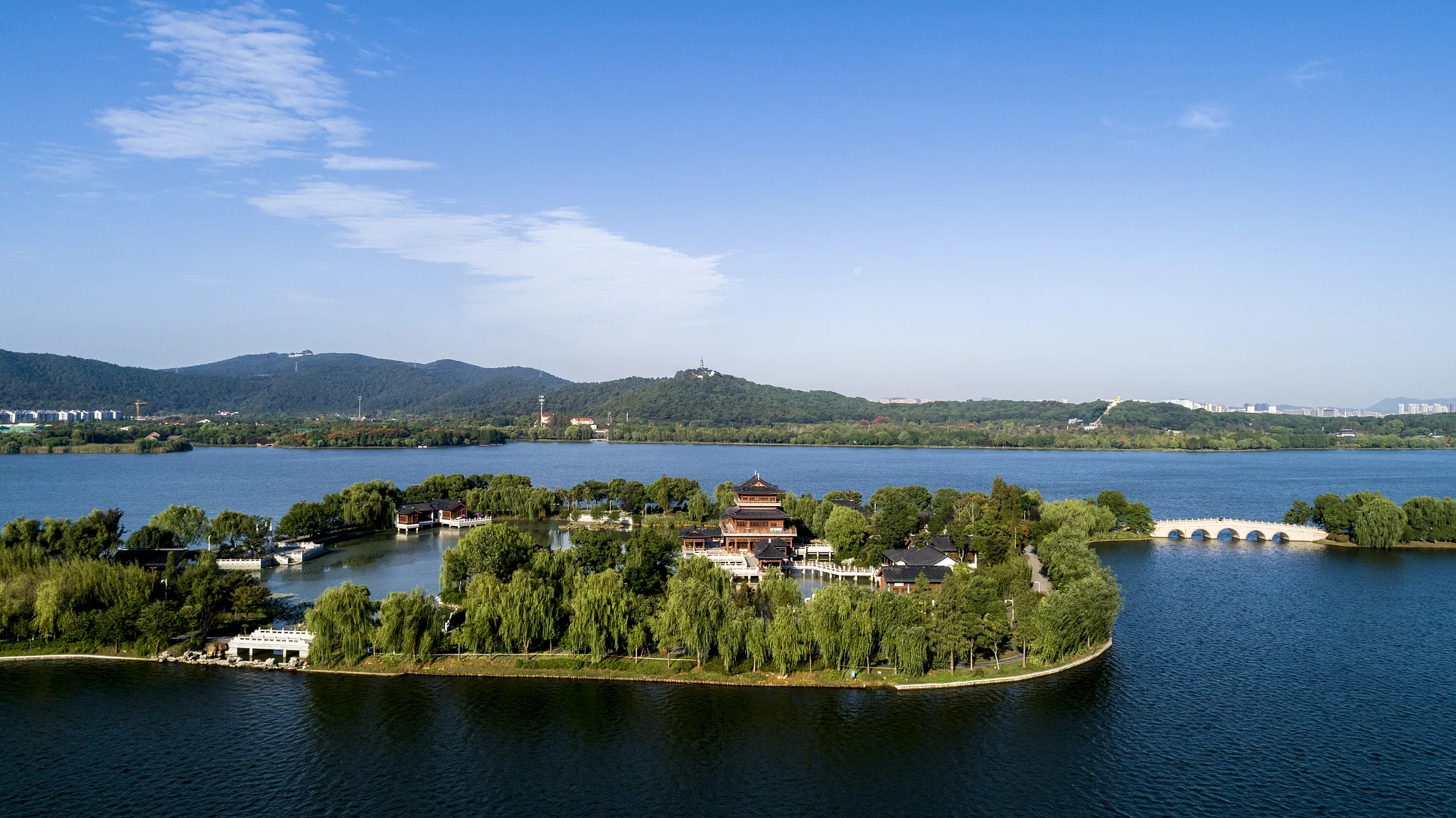
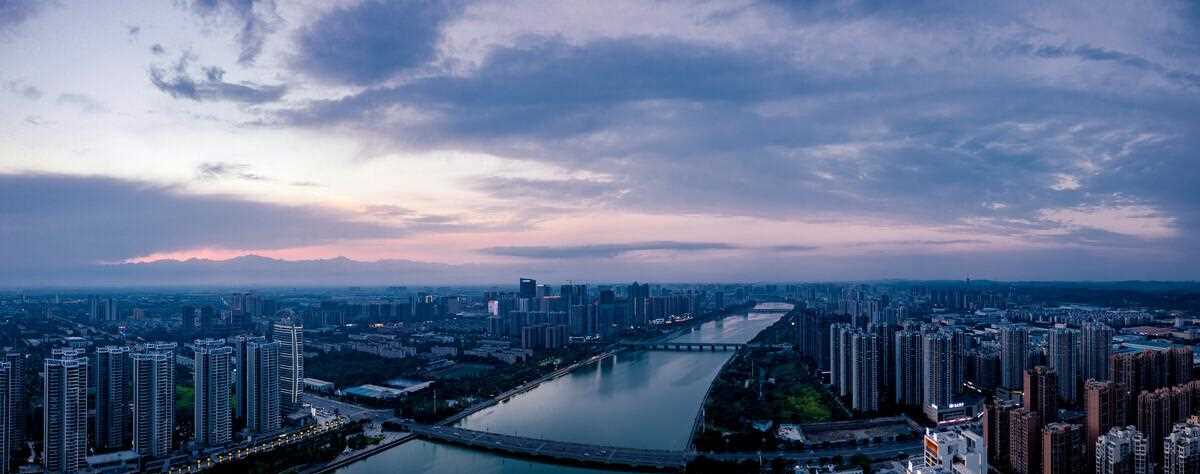
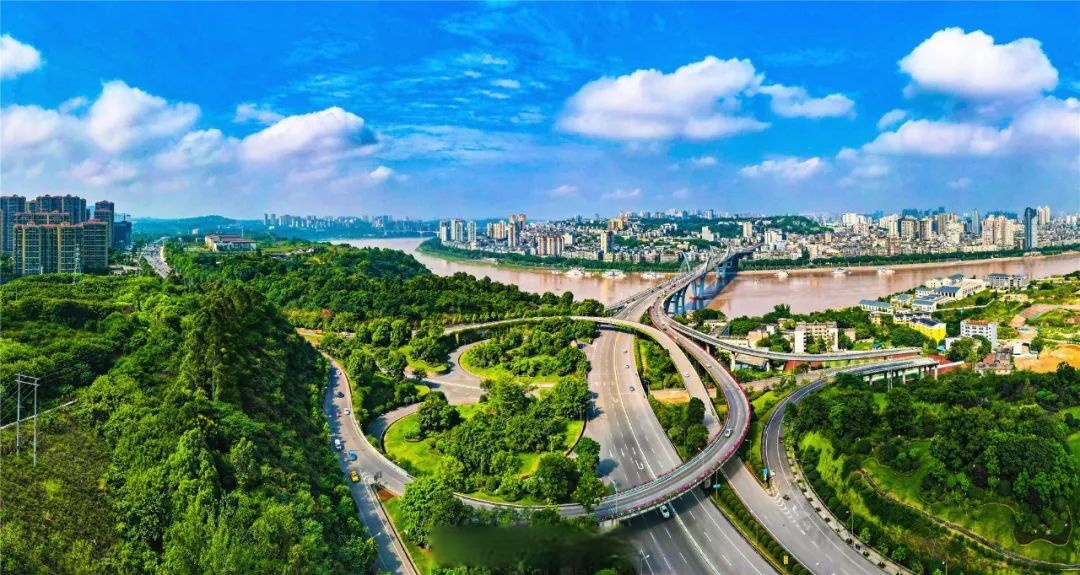
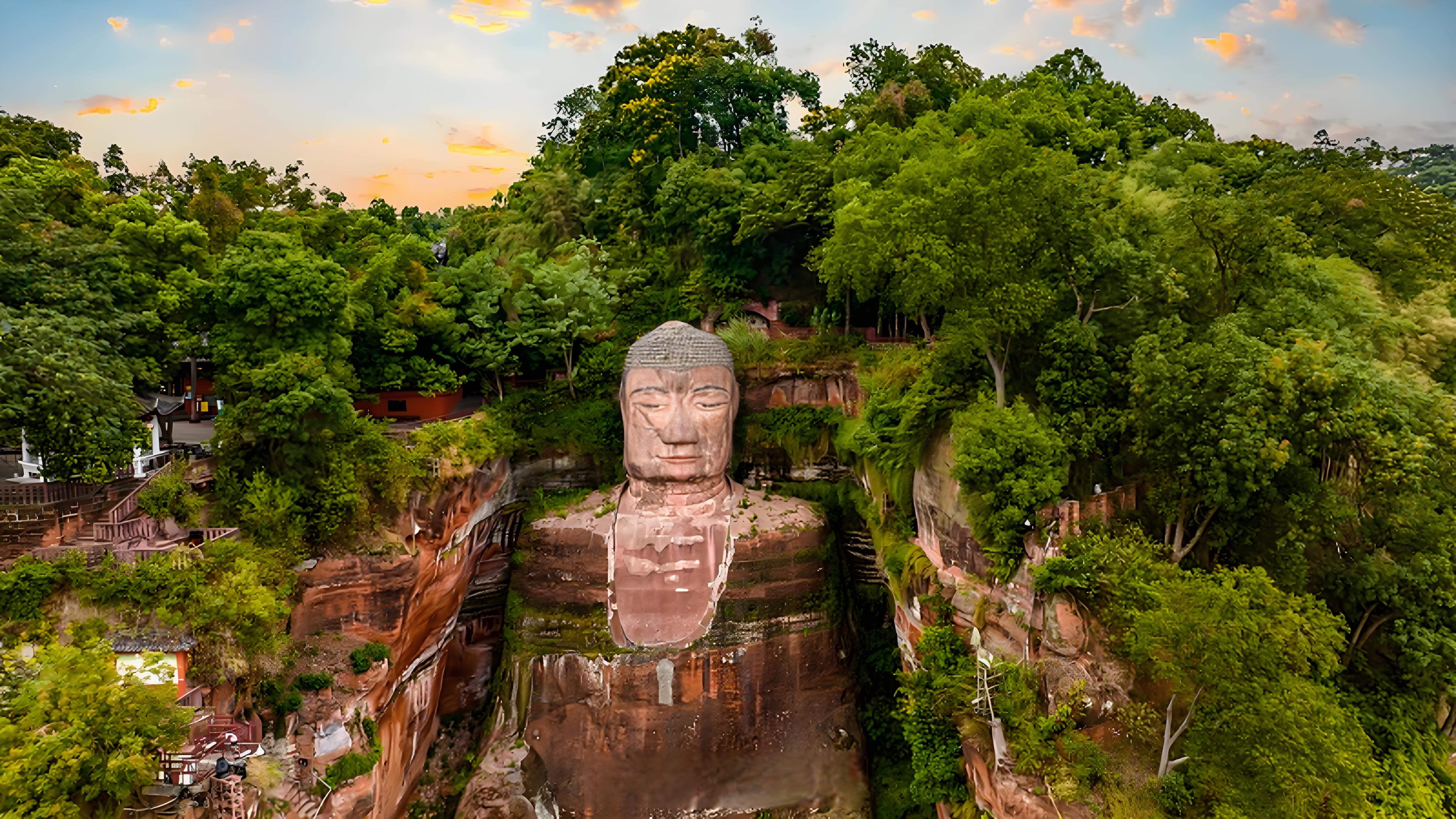
Guangyuan, located at the northern edge of the Sichuan Basin, is a city of dramatic landscapes and profound historical significance. Known as the "Gateway to Shu," it controls the mountain passages connecting Sichuan to the northern plains — passages so treacherous that they inspired the famous Chinese saying: "The road to Shu is harder than climbing to heaven."

The city's most famous attraction is Jianmen Pass, one of China's most impregnable mountain fortresses. Two sheer cliffs face each other like a giant sword gate, creating a narrow passage that was nearly impossible to breach. This strategic position made Guangyuan a crucial military stronghold throughout Chinese history.

Guangyuan holds special distinction as the birthplace of Wu Zetian — China's only female emperor. The Huangze Temple, built on her birthplace, is the only temple in China dedicated to this remarkable historical figure. Her story adds a unique dimension to the city's cultural identity.

The Thousand Buddha Cliff and Mingyue Gorge preserve the ancient Shu Road heritage. The plank roads built into cliff faces demonstrate the incredible engineering challenges ancient travelers faced.

Beyond history, Guangyuan offers stunning natural scenery. Mountains, rivers, and the ancient cypress-lined Cuiyun Corridor create landscapes that have inspired Chinese poets for millennia.

History & Development

Guangyuan's history is defined by its strategic position on the Shu Road — the mountain passage connecting Sichuan to the Central Plains. The city was known as "Lizhou" in ancient times.

The area has been inhabited since the Neolithic period, but its importance grew during the Three Kingdoms period (220-280 AD). The legendary strategist Zhuge Liang launched multiple northern expeditions through this region, and his successor Jiang Wei defended Jianmen Pass against Wei armies.

In 624 AD, Wu Zetian was born in what is now Guangyuan. She would go on to become China's only female emperor, ruling the Tang Dynasty in her own right from 690-705 AD. Her birthplace became a site of imperial significance.

The Thousand Buddha Cliff carvings began in the Northern Wei Dynasty (386-534 AD) and continued through subsequent dynasties, creating one of Sichuan's largest Buddhist grotto sites.

During the Ming and Qing dynasties, Guangyuan remained an important military post guarding the Shu Road. The ancient plank roads were maintained and expanded.

The 1930s saw the construction of modern roads through the mountains, finally making the Shu Road accessible to vehicles. The ancient pathways were preserved as historical monuments.

Economy & Industries

Guangyuan's economy combines traditional agriculture with developing industry and tourism. The fertile valleys produce rice, wheat, corn, and various fruits, with tea and walnuts being important specialty products.

Industry includes mining, metallurgy, building materials, and food processing. The city has been developing its industrial zones to attract investment.

Tourism is a growing sector, driven by Jianmen Pass's fame and the city's unique historical significance. The Wu Zetian connection and Shu Road heritage attract cultural tourists.

Transportation improvements have boosted economic development. The high-speed rail connection to Chengdu has integrated Guangyuan more closely with Sichuan's economic core.

The GDP exceeded 120 billion yuan in recent years, with tourism and agriculture being key pillars.

Top Attractions

🏛️ Landmark

Jianmen Pass

Jianmen Pass is one of China's most famous mountain fortresses, known as "the most impregnable pass under heaven." Located on the ancient Shu Road connecting Sichuan to the Central Plains, the pass was formed by two sheer cliffs facing each other like a sword gate (jianmen). The narrow passage was nearly impossible to breach, making it a crucial defensive position throughout Chinese history. The famous Three Kingdoms general Jiang Wei defended here against Wei armies. Today, visitors can hike through the pass, climb to viewing platforms, and experience the dramatic landscapes that inspired countless poems.

★★★★ 4.9
🕐 08:00-18:00
🎫 100 yuan
⛩️ Temple

Huangze Temple

Huangze Temple is the only temple in China dedicated to Empress Wu Zetian, the country's only female emperor. Built during the Tang Dynasty on her birthplace, the temple complex includes ancient halls, stone inscriptions, and a museum dedicated to Wu Zetian's life and reign. The temple houses precious Tang Dynasty artifacts and offers insight into this remarkable historical figure. The annual Wu Zetian Cultural Festival draws scholars and tourists to celebrate her legacy.

★★★★ 4.6
🕐 08:30-17:30
🎫 50 yuan
🏛️ Landmark

Thousand Buddha Cliff

The Thousand Buddha Cliff is a spectacular Buddhist grotto site carved into a 200-meter-long cliff face along the Jialing River. Dating from the Northern Wei to Qing dynasties, the site contains over 7,000 Buddhist carvings in various sizes, from miniature figures less than 10 centimeters to large statues over 5 meters tall. The artistic styles span several centuries, showing the evolution of Buddhist art in China. The cliff is particularly stunning when viewed from boats on the river.

★★★★ 4.5
🕐 08:30-17:00
🎫 40 yuan
🏛️ Landmark

Mingyue Gorge Ancient Plank Road

Mingyue Gorge preserves one of the best examples of ancient Chinese plank roads — wooden walkways built into sheer cliff faces. This section of the Shu Road was crucial for connecting Sichuan to the outside world. The gorge features four parallel transportation routes from different eras: an ancient plank road, a Qin Dynasty path, a modern highway, and a railway. Visitors can walk on reconstructed plank roads and imagine the treacherous journey ancient travelers faced.

★★★★ 4.4
🕐 08:00-17:30
🎫 60 yuan
🏛️ Landmark

Zhaohua Ancient Town

Zhaohua Ancient Town is a well-preserved military fortress town with over 2,000 years of history. Located at the confluence of the Jialing and Bailong rivers, the town was a strategic point on the Shu Road. The ancient walls, gates, and streets remain largely intact. The town has strong Three Kingdoms connections — Liu Bei and his generals passed through here multiple times. Traditional architecture, local snacks, and peaceful river views make it a pleasant stop.

★★★★ 4.3
🕐 08:30-17:30
🎫 45 yuan
🏔️ Nature

Cuiyun Corridor

The Cuiyun Corridor is a historic pathway lined with ancient cypress trees, some over 2,000 years old. This green tunnel was part of the ancient Shu Road, providing shade for travelers and marking the route through the mountains. The corridor stretches for dozens of kilometers, with the most accessible section near Jianmen Pass. Walking among these ancient trees offers a unique connection to history.

★★★★ 4.2
🕐 08:00-17:30
🎫 30 yuan

Food & Culture

Discover the culinary treasures of Guangyuan, from traditional street food to imperial cuisine.

Things to Do

Hike Jianmen Pass

Challenge yourself on the ancient Shu Road's most treacherous passage.

Visit Wu Zetian Temple

Pay tribute to China's only female emperor at her birthplace.

🥾

Walk Ancient Plank Roads

Experience the perilous paths ancient travelers once faced.

Explore Zhaohua Town

Wander through a 2,000-year-old military fortress town.

🏛️

View Thousand Buddha Cliff

Marvel at thousands of Buddhist carvings from the river.

Walk Cuiyun Corridor

Stroll beneath ancient cypress trees thousands of years old.

Suggested Itineraries

Guangyuan One-Day Shu Road

A day exploring the legendary Shu Road fortresses and ancient pathways.

  • Morning: Jianmen Pass (allow 3-4 hours)
  • Lunch: Local tofu dishes
  • Afternoon: Cuiyun Corridor + Mingyue Gorge
  • Evening: Zhaohua Ancient Town

Empress Trail (2 Days)

Follow in the footsteps of China's only female emperor through her birthplace.

  • Day 1: Huangze Temple + Thousand Buddha Cliff + Wu Zetian Museum
  • Day 2: Jianmen Pass + Mingyue Gorge + Cuiyun Corridor
  • Optional: Zhaohua Ancient Town evening visit

Getting Around

✈️

Airport

Guangyuan Panlong Airport has flights to Beijing, Shanghai, Guangzhou, and Chengdu.

🚄

High-Speed Rail

Guangyuan Station on the Xi'an-Chengdu HSR line reaches Chengdu in 1.5 hours and Xi'an in 2 hours.

🚌

Bus Network

Buses connect major attractions. Tourist shuttles operate to Jianmen Pass.

🚕

Taxi & Rideshare

Available throughout the city

Best Time to Visit

🌸

Spring

Apr - May

★★★★★

Mild weather (15-25°C) with blooming mountain flowers. Ideal for hiking Jianmen Pass.

  • Mild temperatures
  • Mountain flowers
  • Clear views
☀️

Summer

Jun - Aug

★★★☆☆

Warm and humid (22-32°C) with frequent rain. Mountain areas offer cooler retreats.

  • Lush greenery
  • Mountain retreats
  • River activities
🍂

Autumn

Sep - Nov

★★★★★

Cool and crisp (12-25°C) with autumn foliage. Best photography season.

  • Autumn colors
  • Clear skies
  • Photography
❄️

Winter

Dec - Feb

★★☆☆☆

Cold and damp (2-12°C) with occasional snow on mountain peaks. Few tourists.

  • Snow scenery
  • Hot springs
  • Fewer crowds

Continue Exploring China

Discover more cities, food guides, and travel inspiration.