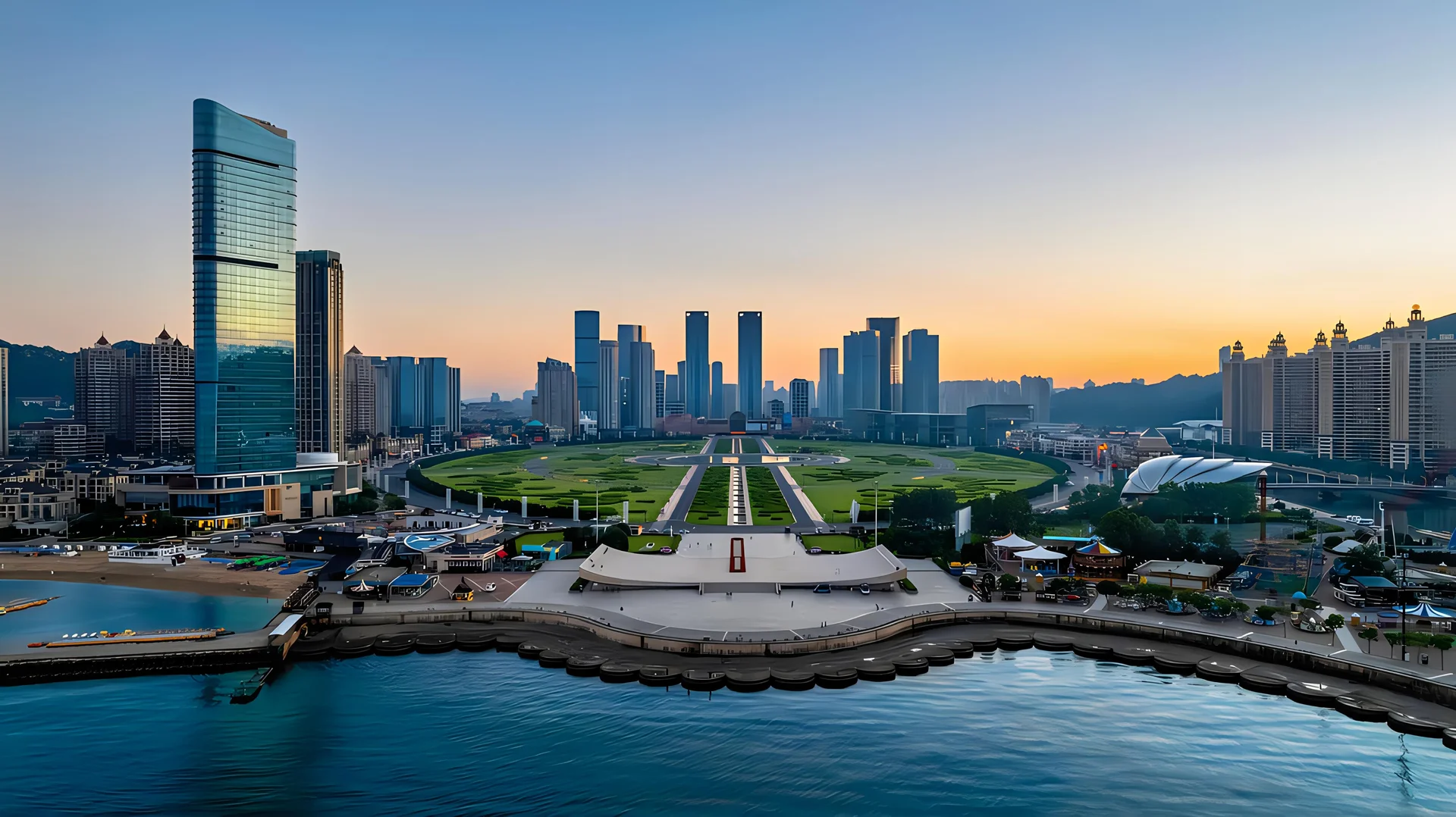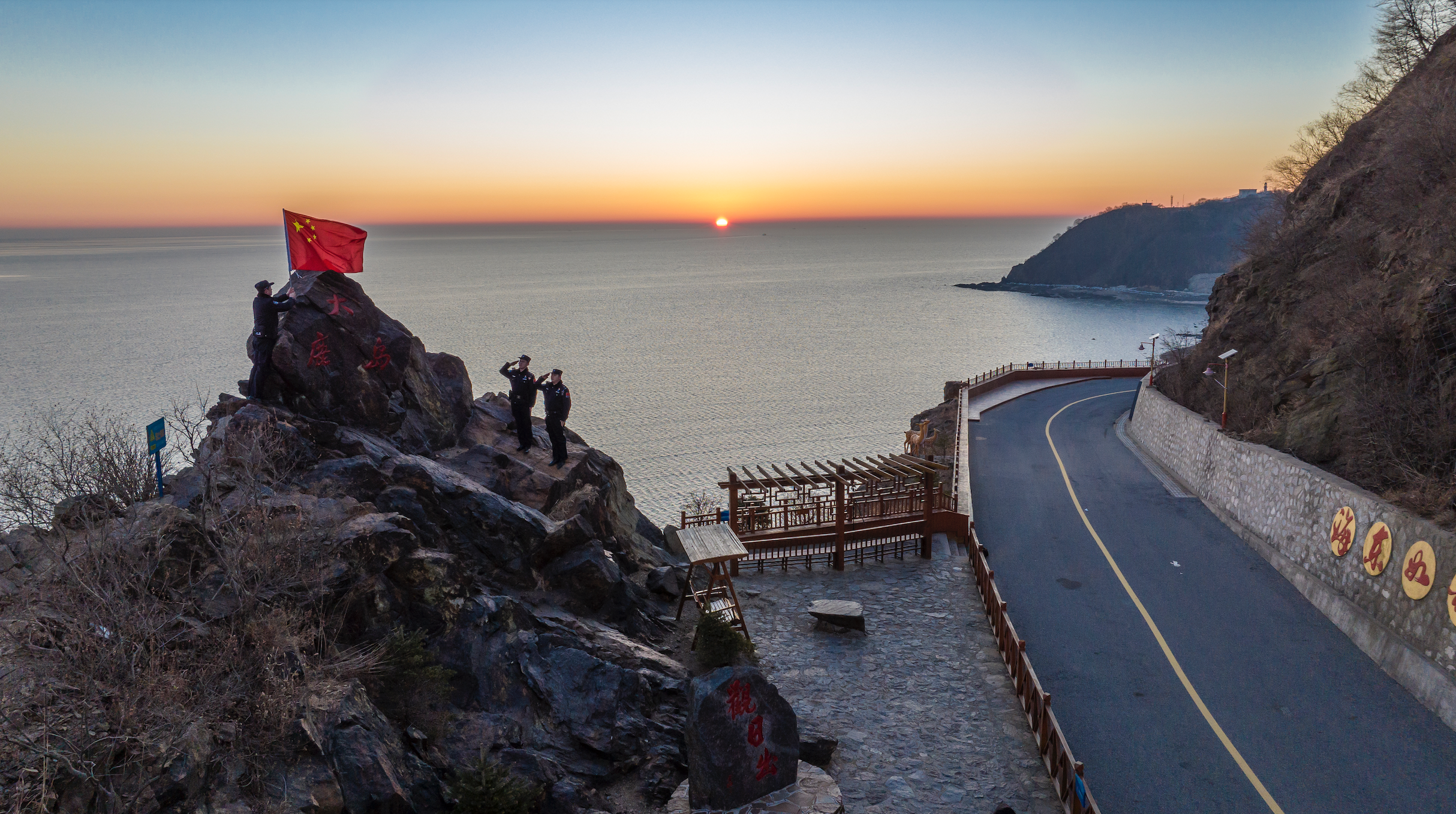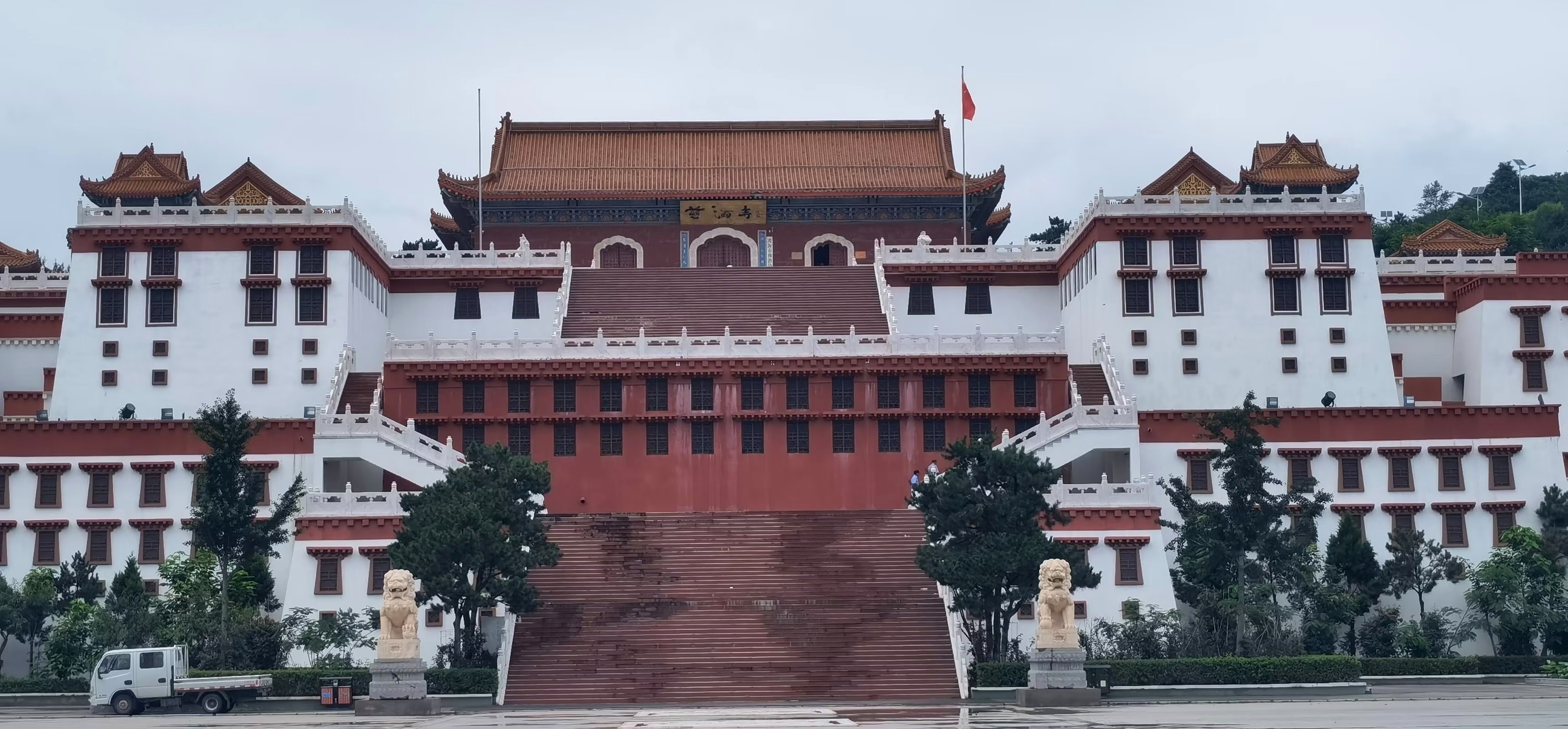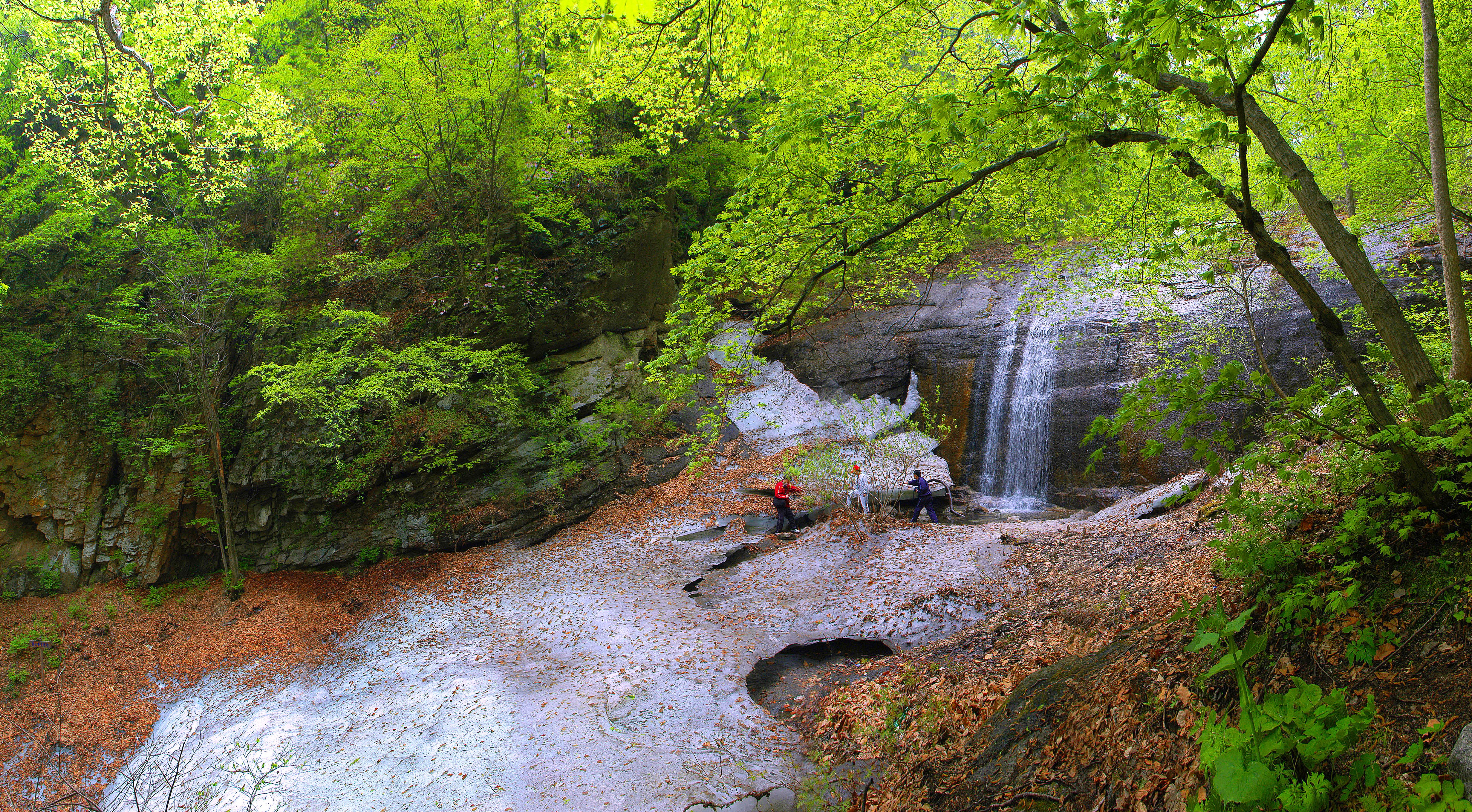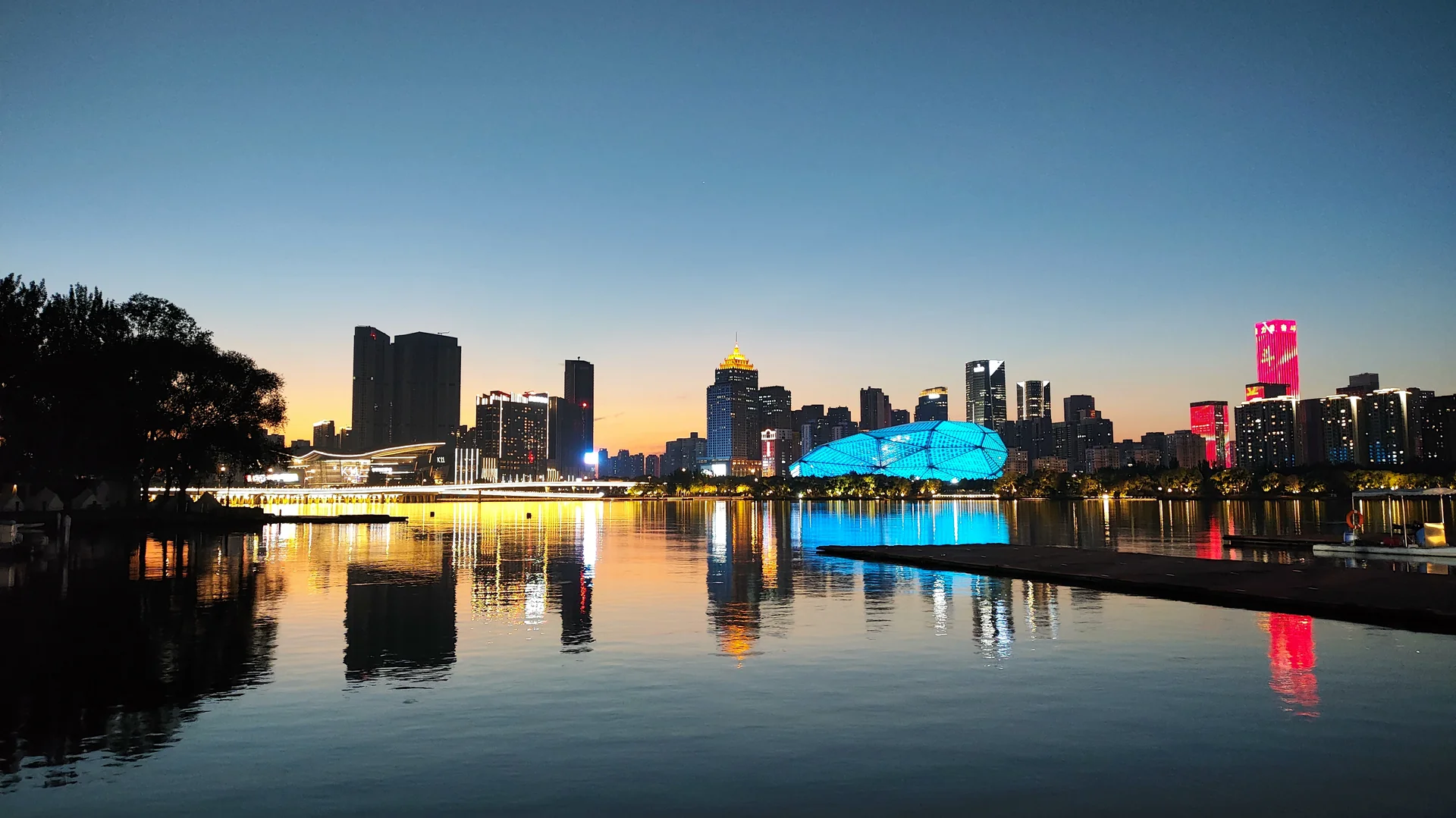
Fushun city skyline and landmarks (抚顺) - Travel China Guide

Fushun Travel Guide

China's "City of Coal" and birthplace of the Lei Feng spirit, surrounded by the scenic reservoirs and forests of eastern Liaoning.

About

Fushun, known as China's "City of Coal," is a prefecture-level city in eastern Liaoning Province, located approximately 45 kilometers east of the provincial capital Shenyang. The city's modern identity has been profoundly shaped by its coal mining industry, which made it one of the most important industrial centers in Northeast China throughout the 20th century.

Fushun's coal mining history dates back to 1901, and the Fushun West Open-Pit Mine was once the largest open-pit coal mine in Asia, reaching an astonishing depth of nearly 400 meters. The city's coal powered the industrialization of both the Japanese colonial economy and later the People's Republic. Today, the mining industry has declined, but the massive pit remains as a powerful monument to the city's industrial past.

Beyond coal, Fushun is famous as the birthplace of the "Lei Feng spirit." Lei Feng, a young soldier who died in 1962, was elevated by the Chinese government as a national role model of selflessness and dedication. The Lei Feng Memorial Hall in Fushun attracts hundreds of thousands of visitors each year and remains one of the most visited sites in Liaoning.

In recent decades, Fushun has been reinventing itself. The Dahuofang Reservoir (Sa'erhu) provides drinking water to millions and has become a major tourism draw. Honghe Valley offers some of the best whitewater rafting in Northeast China. The city's location on the Hunhe River, surrounded by forested mountains, gives it a natural beauty that contrasts with its heavy industrial heritage. Fushun Royal Ocean Park and the Coal Mine Museum represent two very different facets of the city's tourism strategy — one looking toward the future, the other preserving the past.

History & Development

Fushun's recorded history stretches back over 2,000 years. During the Han Dynasty (206 BC-220 AD), the area was part of the frontier commanderies established to control the Korean Peninsula trade routes. The name "Fushun" was first used during the Ming Dynasty (1368-1644), when the court established a "pacification post" (fushun) to manage relations with Jurchen tribes in the region.

The Battle of Sarhu (1619), fought near present-day Fushun, was a decisive turning point in Chinese history. The Jurchen leader Nurhaci defeated a massive Ming army at Sa'erhu, paving the way for the establishment of the Qing Dynasty. This battle is still studied by military historians worldwide.

Fushun's modern era began in 1901 when coal mining operations started. Under Japanese occupation (1931-1945), the mines were massively expanded to fuel Japan's wartime industries. After 1949, Fushun became a key industrial base under the Five-Year Plans. The West Open-Pit Mine reached its peak production in the 1960s.

In the reform era after 1978, Fushun began diversifying its economy. The coal reserves gradually depleted, and the city invested in petrochemicals, machinery, and tourism. The Coal Mine Museum, opened in the 2000s on the site of the West Open-Pit Mine, symbolizes the city's transition from an industrial monolith to a multi-faceted economy.

Economy & Industries

Fushun's economy was historically dominated by coal mining, but significant economic restructuring has taken place since the 1990s as coal reserves have been depleted. Today, the city's economy is more diversified.

The petrochemical industry is now the largest economic sector. Fushun Petrochemical Company, a subsidiary of PetroChina, operates one of the largest oil refineries in Northeast China, with a processing capacity of over 10 million tons of crude oil per year. The refinery produces gasoline, diesel, jet fuel, lubricants, and petrochemical feedstocks.

Metallurgy and machinery manufacturing remain significant. Fushun Special Steel Group produces high-quality specialty steels used in aerospace, automotive, and heavy machinery. The city also has industries in aluminum processing, construction materials, and chemical fertilizers.

Tourism has grown as an economic driver. The Lei Feng Memorial Hall, Sa'erhu Scenic Area, Honghe Valley Rafting, and Fushun Royal Ocean Park attract several million visitors annually. The city has invested in tourism infrastructure including hotels, restaurants, and transportation connections.

Agriculture in the surrounding counties focuses on corn, soybeans, fruits (particularly apples and pears), and livestock farming. The forested areas produce timber, ginseng, and wild mushrooms.

Top Attractions

🎭 Museum

Lei Feng Memorial Hall

The Lei Feng Memorial Hall is Fushun's most significant cultural landmark and a nationally important site in modern Chinese history. Lei Feng, a soldier in the People's Liberation Army, became a household name across China after his death in 1962 for his altruism, dedication, and frugality. The memorial hall, located at the Lei Feng Cemetery in Wanghua District, covers an area of 90,000 square meters and features extensive exhibits chronicling Lei Feng's life through photographs, diaries, personal belongings, and multimedia displays. The site includes the original tomb, a statue plaza, and a monumental stele inscribed with a famous call to learn from Lei Feng. It attracts hundreds of thousands of visitors annually, including school groups, party officials, and international tourists interested in understanding this unique aspect of Chinese socialist culture.
★★★★ 4.5
🕐 08:30-16:30 (Closed Mondays)
🎫 Free
🏔️ Nature

Sa'erhu Scenic Area

Sa'erhu Scenic Area is a stunning natural reserve centered around the massive Dahuofang Reservoir, one of the largest artificial lakes in Northeast China. The name "Sa'erhu" derives from the Manchu language, meaning "wooden cabinet" — a reference to the shape of the surrounding mountains. The reservoir, built in the 1950s, supplies drinking water to several major cities including Shenyang and Fushun. Surrounded by lush forested hills, the area offers boat cruises, fishing, hiking trails, and picnic spots. In autumn, the hillsides burst into vibrant shades of red, orange, and gold. Historical sites from the Ming-Qing transition period are scattered throughout the area, including the site of the Battle of Sarhu (1619), a pivotal conflict in the rise of the Qing Dynasty.

★★★★ 4.6
🕐 08:00-17:00
🎫 30 yuan
🌳 Park

Fushun Royal Ocean Park

Fushun Royal Ocean Park is one of the largest indoor marine theme parks in Northeast China, offering a full day of family entertainment. The park features multiple zones including an ocean theater with dolphin and sea lion shows, a tropical rainforest exhibit with exotic fish, a polar region with penguins and seals, and an indoor water park with wave pools and water slides. The highlight is the underwater tunnel, where visitors walk through a transparent acrylic tunnel surrounded by sharks, rays, and thousands of colorful fish. The park also includes amusement rides, a 4D cinema, and seasonal outdoor water attractions. It is particularly popular with families during weekends and school holidays.

★★★★ 4.4
🕐 09:00-17:00
🎫 180 yuan
🏔️ Nature

Honghe Valley Rafting

Honghe Valley is one of the premier whitewater rafting destinations in Northeast China, drawing adventure seekers from across the region during the summer months. The canyon stretches 12.5 kilometers through a dramatic granite gorge carved by the Honghe River. The rafting route features a total drop of nearly 50 meters with multiple rapids of varying intensity, from gentle swirling pools to exhilarating Class III rapids. The granite canyon walls rise steeply on both sides, creating a spectacular natural corridor. The rafting season runs from June to September, with peak conditions in July and August. The scenic area also offers camping, barbecue facilities, and hiking trails along the canyon rim.

★★★★ 4.7
🕐 08:00-16:00 (June-September only)
🎫 120-160 yuan depending on season
🎭 Museum

Fushun Coal Mine Museum

The Fushun Coal Mine Museum is built on the site of the historic Fushun West Open-Pit Mine, once the largest open-pit coal mine in Asia. The museum documents the city's century-long coal mining history, which began in 1901 and played a crucial role in China's industrialization. Visitors can view the massive open-pit mine from an observation deck — a staggering hole 6.6 kilometers long, 2 kilometers wide, and nearly 400 meters deep. Indoor exhibits showcase mining equipment, geological specimens, historical photographs, and a recreated underground mine tunnel. The museum provides a powerful perspective on the industrial heritage that built Fushun and fueled Northeast China's economic development for generations.

★★★★ 4.5
🕐 08:30-16:30
🎫 50 yuan
🌳 Park

Gao'er Mountain Park

Gao'er Mountain Park is the largest urban park in Fushun, situated on Gao'er Mountain in the northern part of the city. The park features the historic Gao'er Mountain Pagoda, a seven-story Liao Dynasty brick pagoda dating back over 900 years, which stands as the city's most ancient architectural treasure. The mountain offers panoramic views of the entire Fushun urban area, particularly stunning at sunset. The park is crisscrossed with walking trails through pine forests, dotted with pavilions and rest areas. In spring, cherry and apricot blossoms cover the hillsides. The park is a favorite destination for morning exercises, weekend hiking, and family outings, providing a peaceful escape from the industrial city below.

★★★★ 4.3
🕐 06:00-20:00
🎫 Free

Food & Culture

Discover the culinary treasures of Fushun, from traditional street food to imperial cuisine.

Things to Do

🏛️

Visit Lei Feng Memorial Hall

Explore the national shrine dedicated to Lei Feng, China's most famous role model, with extensive exhibits and the original tomb.

Boat Cruise at Sa'erhu Reservoir

Take a scenic boat cruise on the vast Dahuofang Reservoir surrounded by forested hills, especially beautiful in autumn.

Whitewater Rafting in Honghe Valley

Experience thrilling whitewater rafting through a dramatic 12.5-kilometer granite canyon with Class III rapids.

See the Open-Pit Coal Mine

Stand at the edge of the massive West Open-Pit Mine — one of the largest human-made holes in Asia — at the Coal Mine Museum.

Taste Fushun Spicy Mix

Sample Fushun's legendary spicy mix street food, a dry-tossed medley of ingredients in a secret numbing-spicy sauce.

Climb Gao'er Mountain

Hike up Gao'er Mountain to see the 900-year-old Liao Dynasty pagoda and enjoy panoramic city views.

Suggested Itineraries

Fushun One-Day Highlights

A full day exploring Fushun's unique industrial heritage, local history, and natural beauty.

  • Morning: Lei Feng Memorial Hall (1.5-2 hours) + Fushun Coal Mine Museum (1.5 hours)
  • Midday: Fushun Spicy Mix lunch at a local restaurant
  • Afternoon: Sa'erhu Scenic Area — boat cruise and forest walk (3 hours)
  • Evening: Fushun BBQ dinner in the city center

Nature & Adventure Explorer (2 Days)

An in-depth Fushun experience combining cultural sites with outdoor adventure.

  • Day 1: Lei Feng Memorial Hall + Coal Mine Museum + Sa'erhu Scenic Area
  • Day 2: Full day at Honghe Valley Rafting (June-September) or Fushun Royal Ocean Park
  • Evening: Taste Fushun Spicy Mix and Cold Noodles

Getting Around

✈️

Airport

Fushun does not have a commercial passenger airport. Shenyang Taoxian International Airport (about 60km west) serves the region with flights to most major Chinese cities and international destinations. Direct shuttle buses connect Fushun city center to the airport.

🚄

High-Speed Rail

Fushun North Station serves the Harbin-Dalian High-Speed Railway, reaching Shenyang in 15 minutes, Dalian in 1.5 hours, and Harbin in 2.5 hours. Fushun Station also serves conventional rail lines.

🚌

Bus Network

Public buses and BRT lines cover the urban area extensively. Long-distance buses connect Fushun to Shenyang, Tieling, Benxi, and other nearby cities at frequent intervals.

🚕

Taxi & Rideshare

Available throughout the city

Best Time to Visit

🌸

Spring

Apr - May

★★★★☆

Mild temperatures (10-20°C) with blooming flowers at Gao'er Mountain. Pleasant weather for city sightseeing.

  • Cherry blossoms
  • Mild weather
  • Fewer tourists
☀️

Summer

Jun - Aug

★★★★☆

Warm to hot (25-30°C) with occasional rain. Peak season for Honghe Valley rafting and the ocean park. Green landscapes at Sa'erhu.

  • Whitewater rafting
  • Ocean park activities
  • Lush greenery
🍂

Autumn

Sep - Oct

★★★★★

Cool and crisp (10-22°C) with spectacular autumn foliage at Sa'erhu. The best season for outdoor photography and hiking.

  • Autumn foliage at Sa'erhu
  • Perfect hiking weather
  • Clear skies
❄️

Winter

Nov - Mar

★★☆☆☆

Cold and dry (-15 to 0°C). Snow covers the landscape. Fewer tourists. Indoor attractions like the museum and ocean park remain open.

  • Snow scenery
  • Indoor attractions
  • No crowds

Continue Exploring China

Discover more cities, food guides, and travel inspiration.