Dazhou's history is intertwined with the ancient Ba Kingdom, which dominated eastern Sichuan and western Chongqing from approximately the 11th century BC until its conquest by the Qin state in 316 BC.
The Cong people were a subgroup of the Ba civilization, known for their unique cultural practices and fierce warriors. Archaeological evidence suggests they had advanced bronze-working skills and distinct artistic traditions.
The Luojiaba site, discovered in the 1990s, revealed tombs containing bronze weapons, musical instruments, and ceremonial items. These finds have helped scholars understand the sophistication of Ba civilization.
During the Han Dynasty, the region was incorporated into the Chinese empire, though Ba cultural influences persisted for centuries. The area remained a frontier zone between Sichuan and the central plains.
Throughout imperial history, Dazhou served as a transportation hub connecting Sichuan to the eastern provinces. Mountain passes through the Daba Mountains were crucial trade routes.
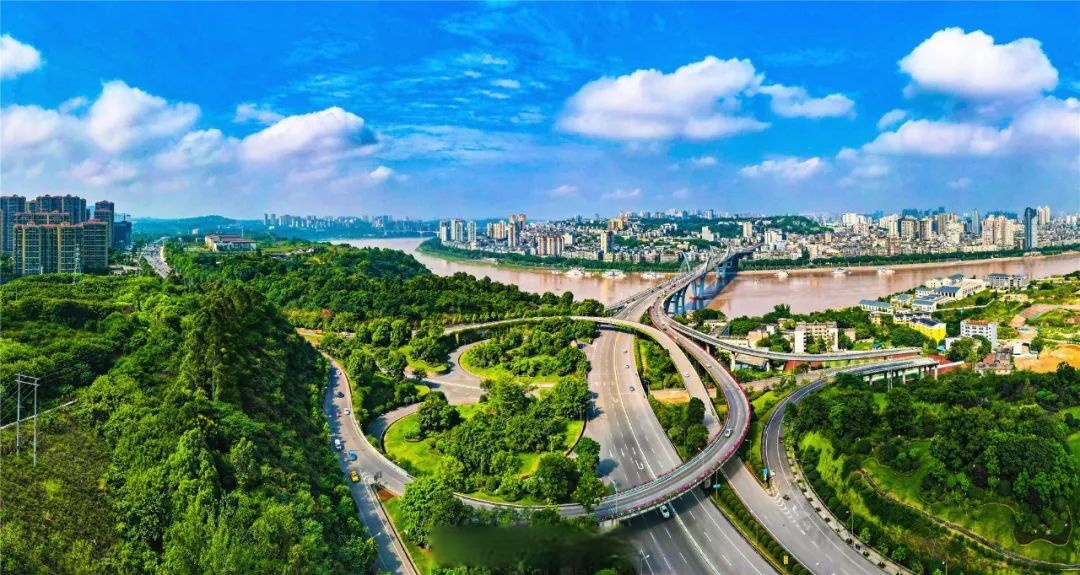
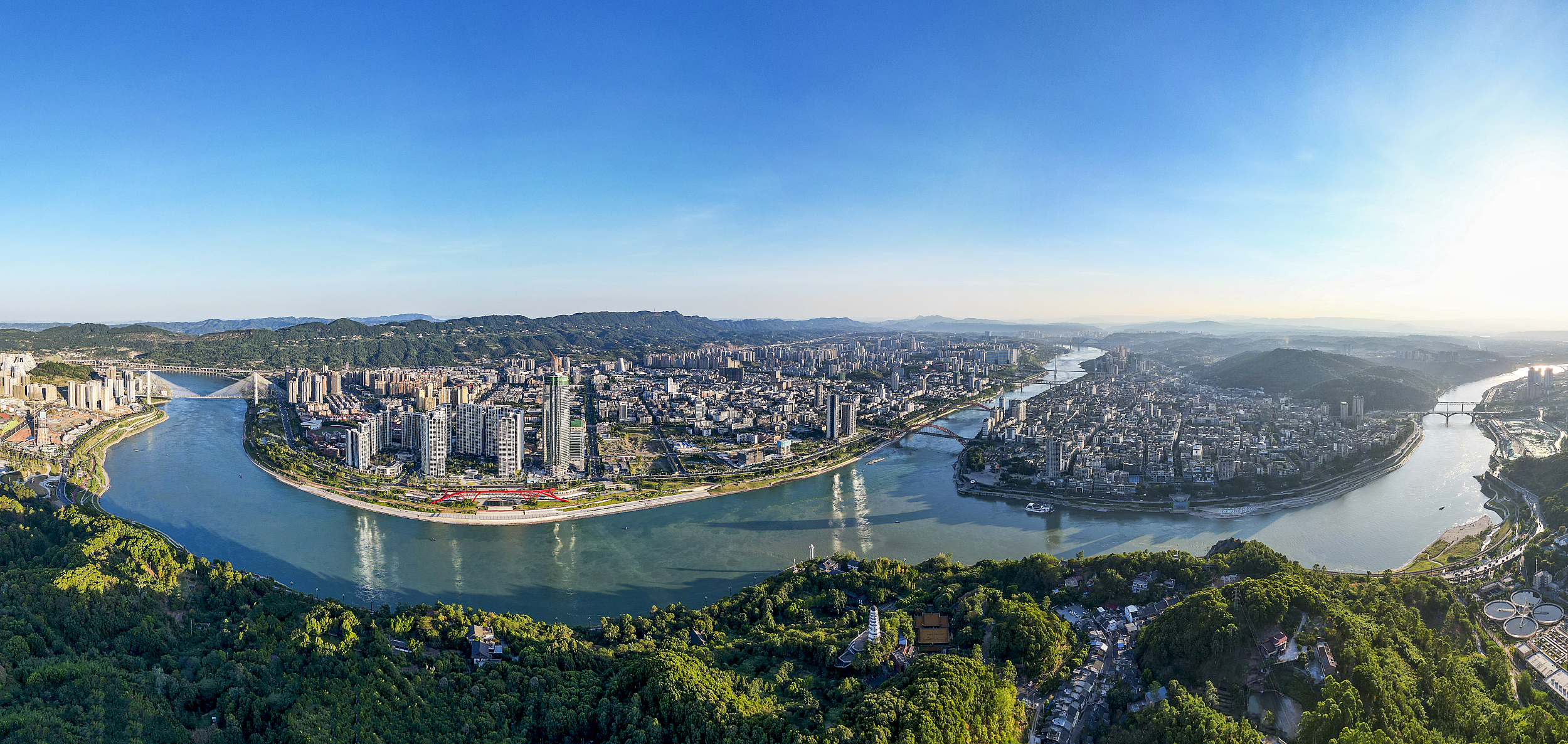
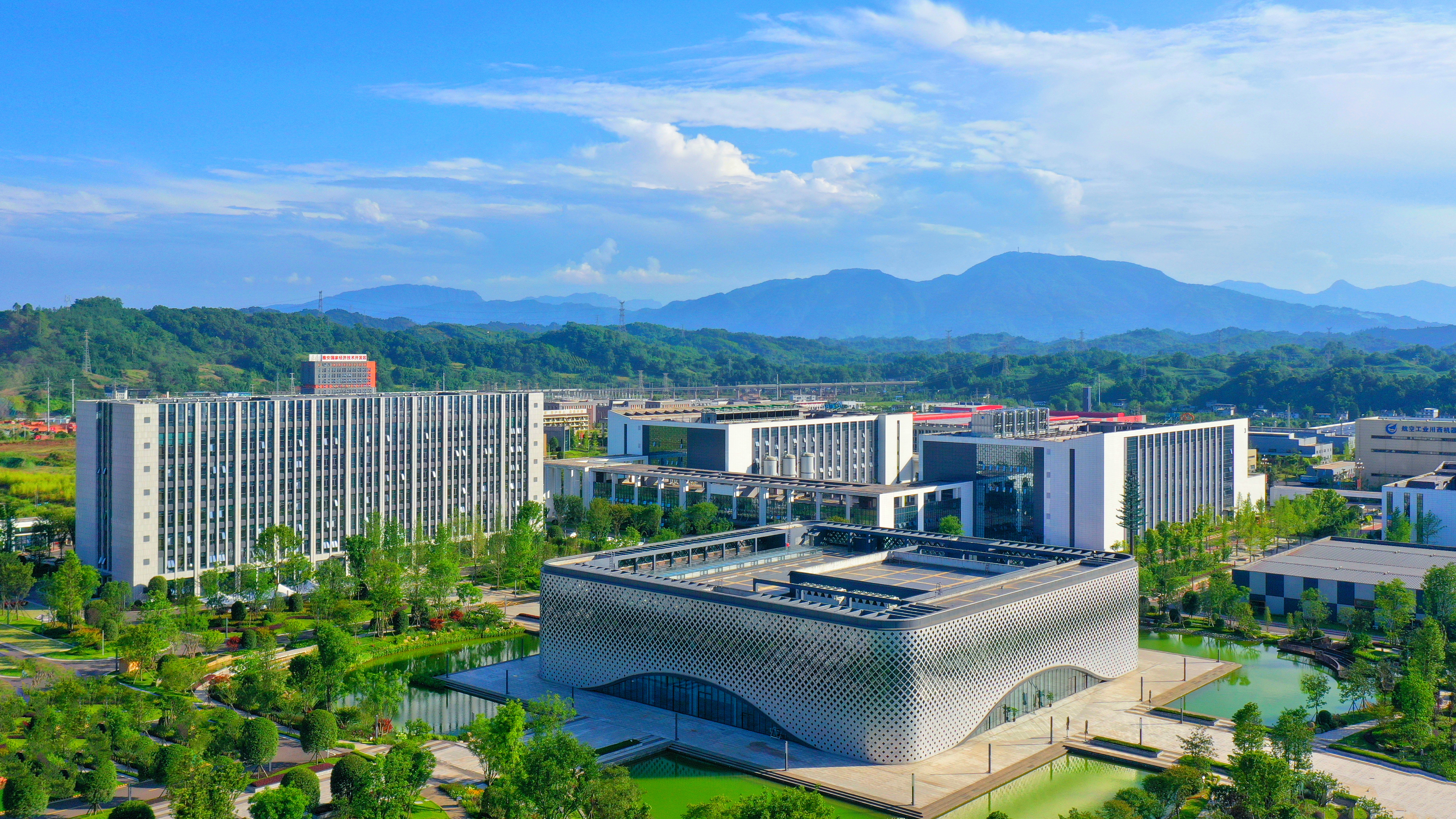
In modern times, Dazhou developed as an industrial and agricultural center. The city's population grew rapidly, and it became an important railway junction. Today, Dazhou balances modernization with preservation of its Ba cultural heritage.