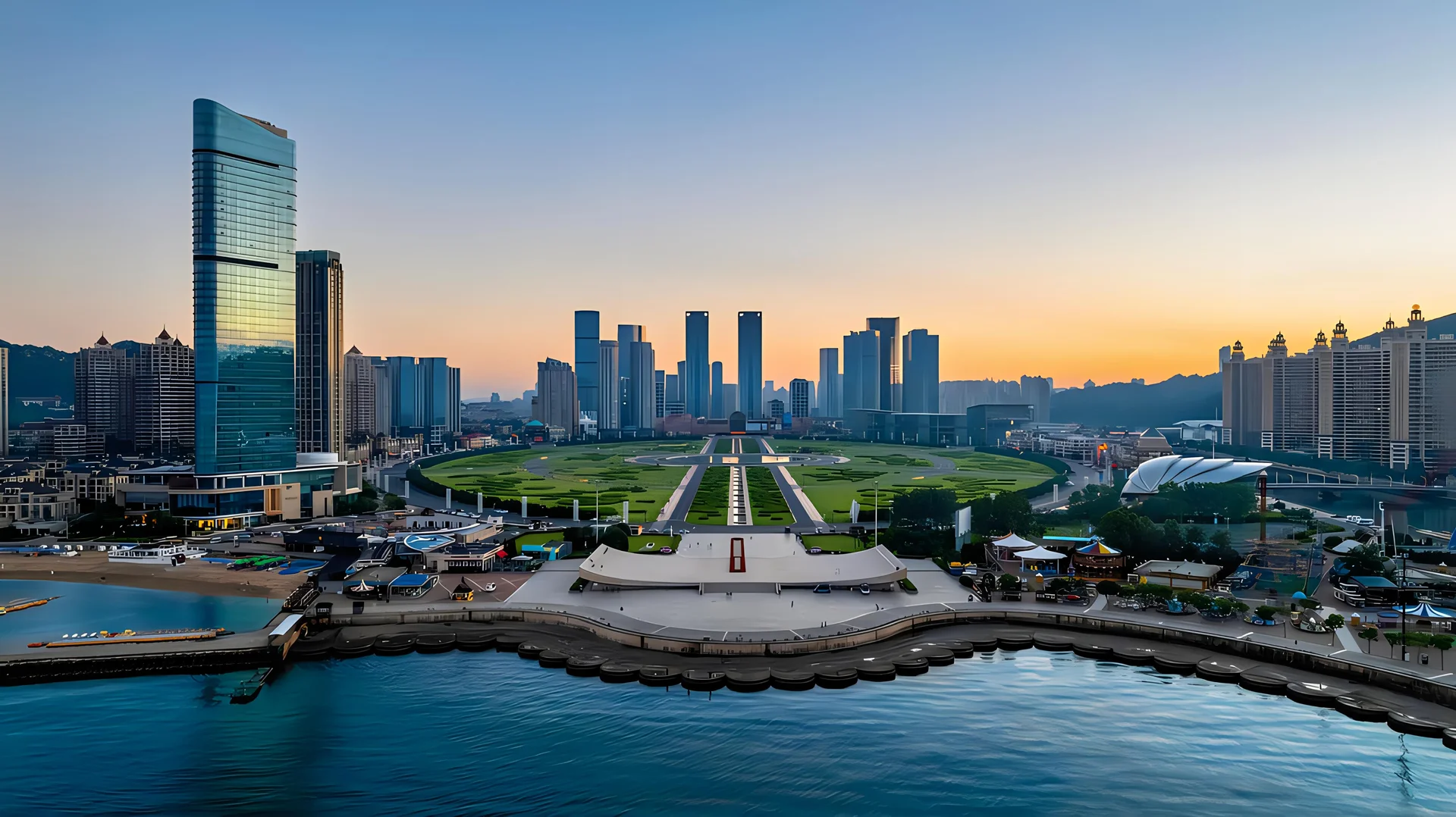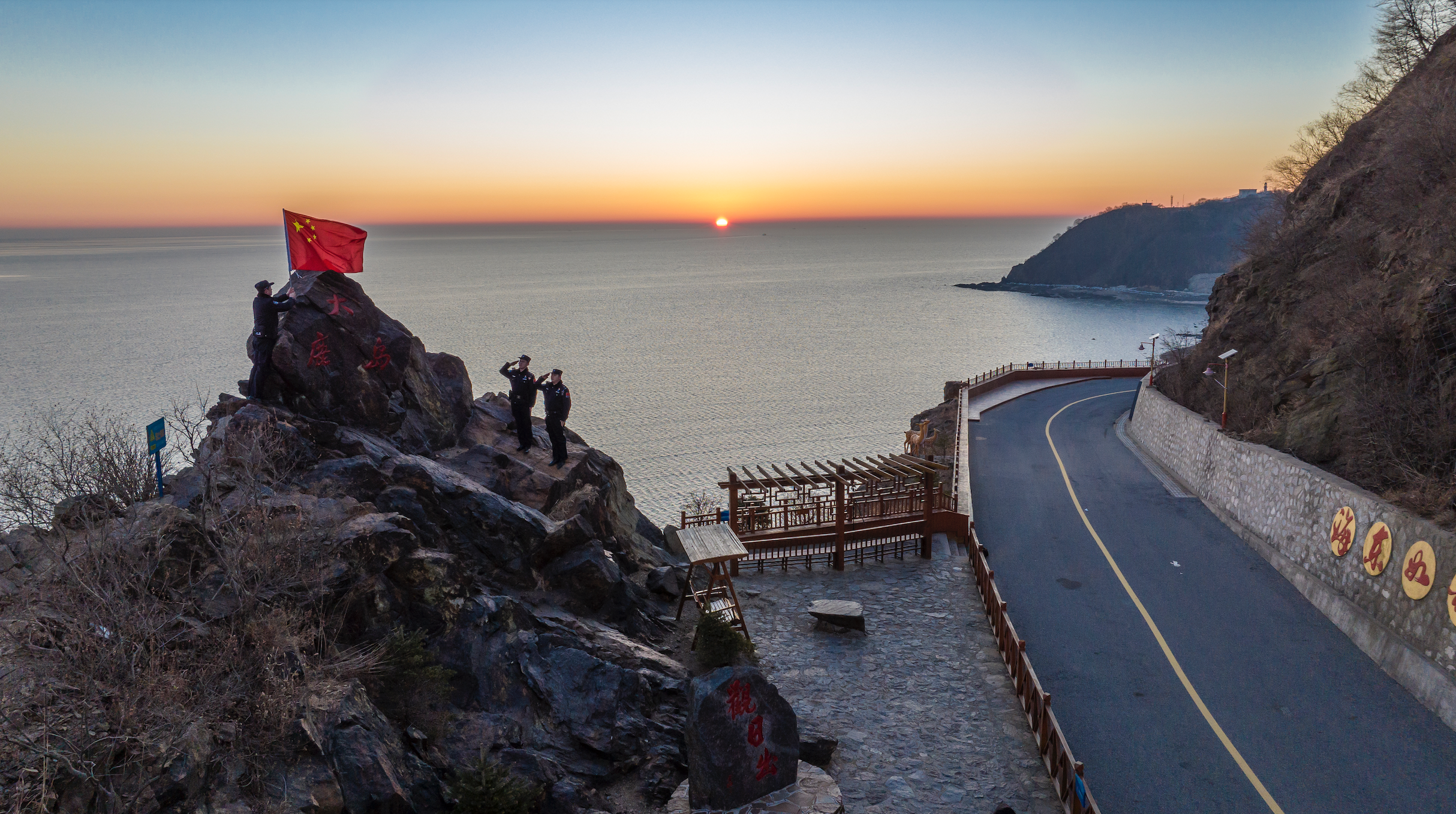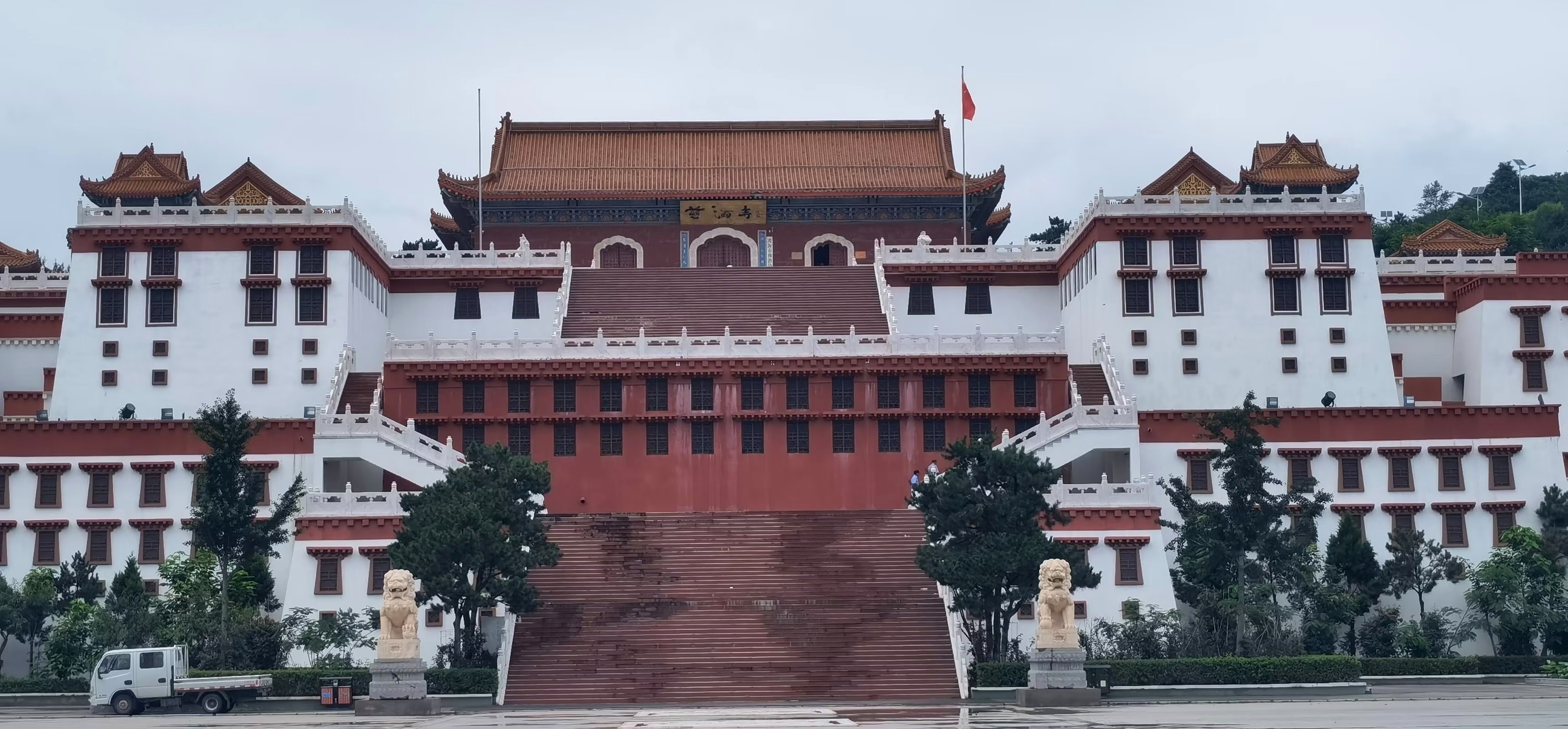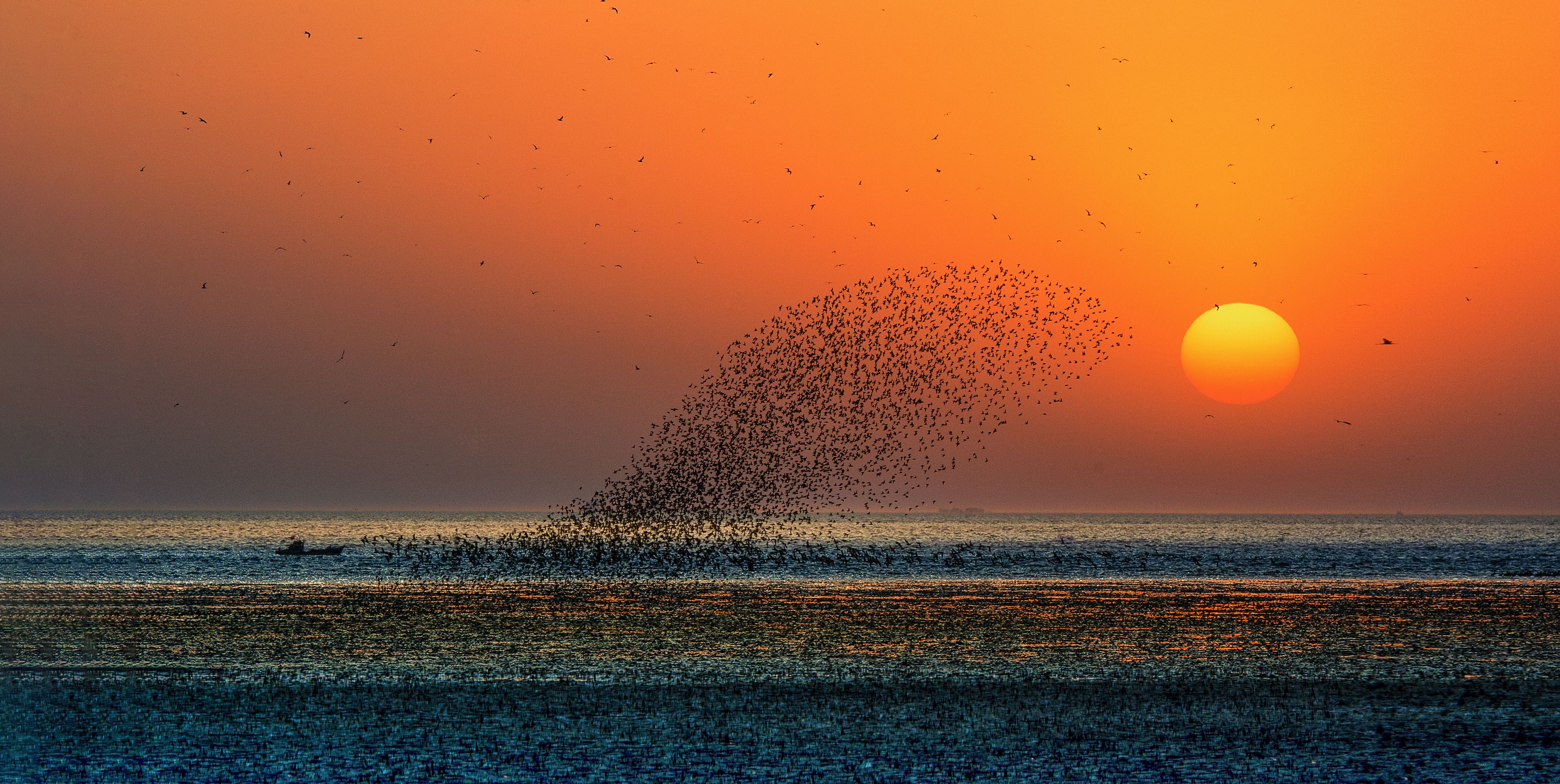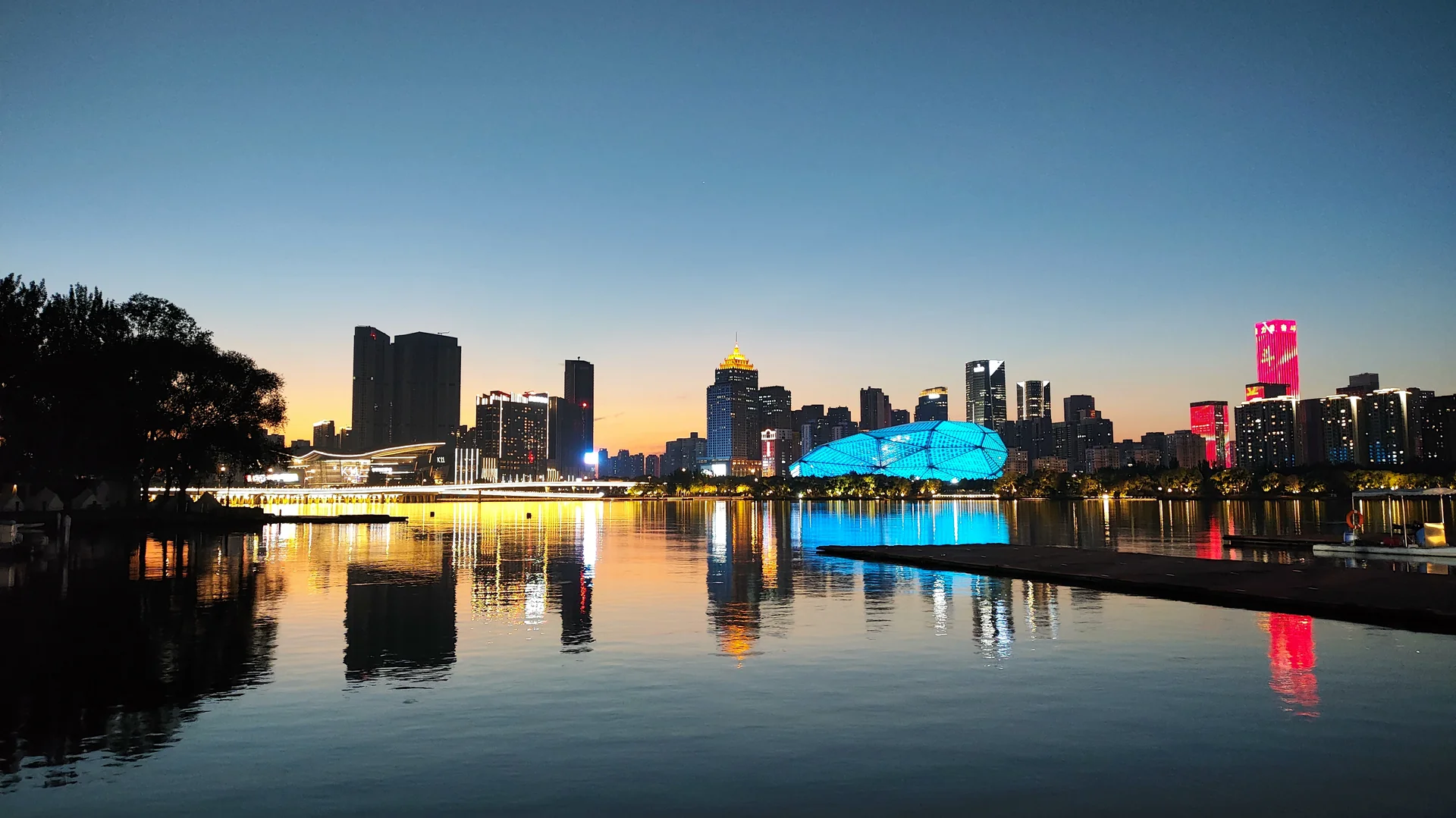
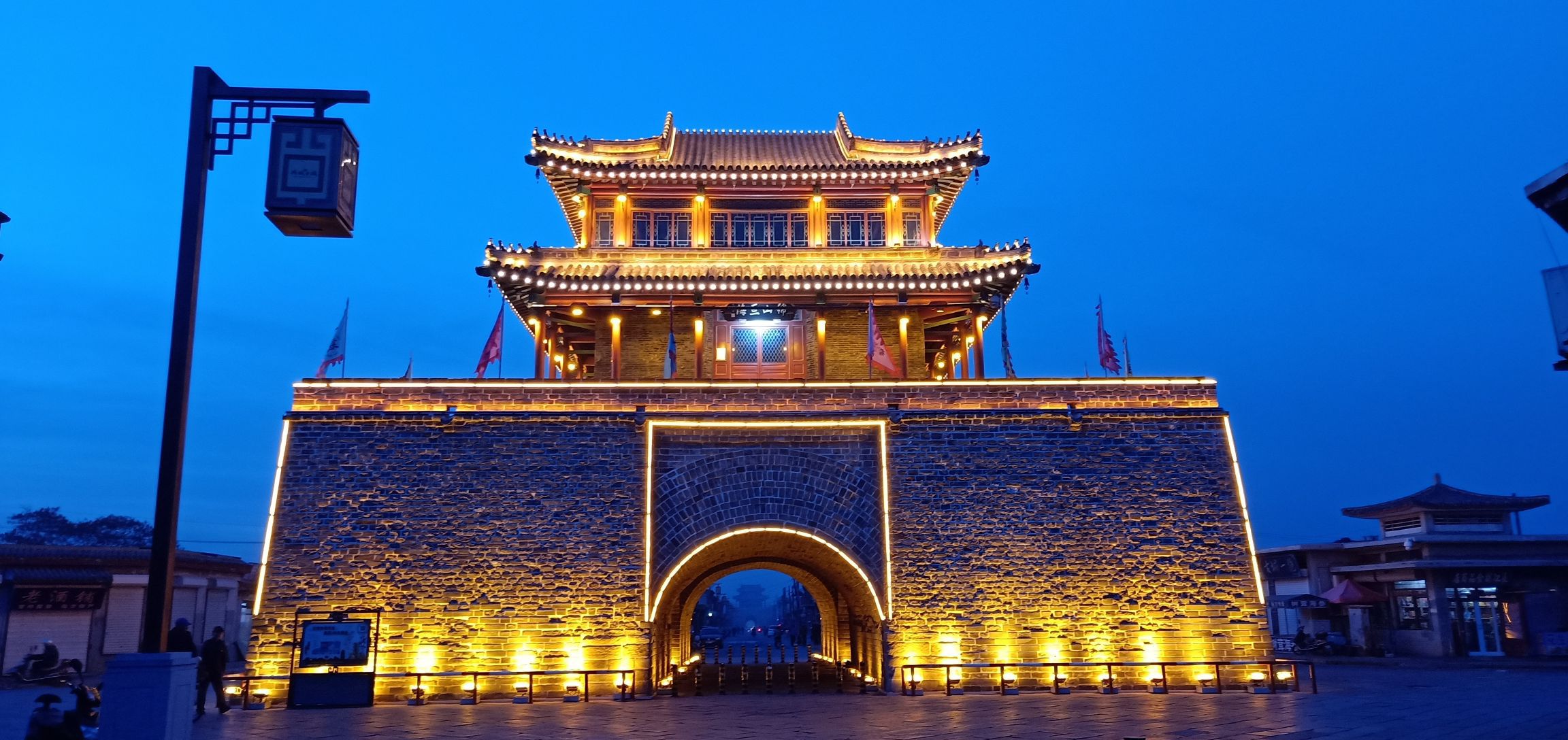
Chaoyang city skyline and landmarks (朝阳) - Travel China Guide

Chaoyang Travel Guide

Known as the "Hometown of the First Bird" and "Birthplace of Flowers," Chaoyang is a city of extraordinary paleontological treasures and 5,000-year-old Hongshan civilization.

🌡️ Climate Temperate continental monsoon climate
📅 Best Time April-May and September-October

About

Chaoyang is a prefecture-level city in western Liaoning Province, China, and one of the most remarkable cities on Earth for anyone interested in the deep history of life and civilization. The city sits on the banks of the Daling River and has been inhabited for over 5,000 years, but its true global significance lies in two extraordinary discoveries that have rewritten scientific textbooks.

The first is the Chaoyang fossil beds, which contain the world's most important collection of Early Cretaceous fossils dating back 120-130 million years. Here, paleontologists have discovered the earliest known flowering plants, the first feathered dinosaurs, and some of the most complete early bird fossils ever found. The discovery of Confuciusornis and other early birds in Chaoyang provided crucial evidence for the dinosaur-bird evolutionary link, fundamentally changing our understanding of how modern birds evolved from their dinosaur ancestors. The Bird Fossil National Geopark preserves these sites and houses a world-class museum.

The second is the Niuheliang archaeological site, which revealed the existence of a sophisticated Hongshan civilization 5,000-5,500 years ago — predating the traditionally recognized beginning of Chinese civilization by over a millennium. The site includes a goddess temple, ceremonial altar, and burial mounds, along with exquisite jade artifacts including the iconic jade pig-dragon. These discoveries proved that complex social organization, ritual practices, and artistic achievement existed in Northeast China long before the Xia Dynasty.

Beyond its scientific and archaeological significance, Chaoyang is a city of natural beauty. Fenghuang Mountain has been a center of Buddhist worship since the Northern Wei Dynasty, and the ancient Chaoyang North Pagoda stands as one of the oldest surviving pagodas in Northeast China. The surrounding landscape of volcanic mountains, river valleys, and agricultural plains offers excellent hiking and outdoor recreation.

👥
Population ~2.8 million
📐
Area 19,700 sq km
🏛️
Founded Over 5,000 years of recorded history (Hongshan civilization)
💬
Language Mandarin Chinese (Northeast dialect)

History & Development

Chaoyang's history stretches back over 5,000 years to the Hongshan civilization, one of the earliest complex societies in East Asia. The Niuheliang archaeological site provides evidence of a sophisticated culture with organized religious practices, jade craftsmanship, and social hierarchy. The goddess temple and ceremonial structures suggest that the Hongshan people had developed complex ritual systems and possibly a theocratic form of governance.

During the Spring and Autumn period (770-476 BC), the area was part of the state of Yan. The city's strategic location on the Daling River made it an important military and trading center. The name "Chaoyang" (朝阳) literally means "facing the sun" or "sunlit," referring to the city's position on the north bank of the Daling River — in traditional Chinese geomancy, the north bank of a river is considered the sunny side.

The city flourished during the Northern Wei Dynasty (386-534 AD) when Buddhism spread throughout the region. Fenghuang Mountain became a major center of Buddhist practice, and the North Pagoda was first constructed during this period. The Liao Dynasty (907-1125 AD) saw further development, with the pagoda being rebuilt in its current form and numerous temples established throughout the region.

During the Qing Dynasty, Chaoyang was an important administrative center for the Mongol banners in eastern Inner Mongolia and western Liaoning. The city's position on the border between agricultural and pastoral lands made it a cultural crossroads.

In the modern era, Chaoyang gained global scientific attention starting in the 1990s when paleontologists began uncovering the extraordinary fossil beds that would transform our understanding of bird evolution and the origin of flowering plants. Today, Chaoyang is recognized as one of the world's most important paleontological sites.

Economy & Industries

Chaoyang's economy has traditionally been based on agriculture and mining. The city is one of Liaoning's major grain-producing regions, with corn, sorghum, and millet as the primary crops. The fertile plains along the Daling River support extensive farming, and the surrounding hills are suitable for fruit orchards, particularly apples and peaches.

Mining is another significant sector. Chaoyang has rich deposits of iron ore, manganese, gold, and limestone. The city's mining industry has supported steel production and construction materials manufacturing for decades. In recent years, the local government has worked to modernize mining operations and reduce environmental impact.

Tourism has emerged as a rapidly growing economic driver. The Bird Fossil National Geopark attracts scientists and tourists from around the world, while the Niuheliang Hongshan Culture Site draws archaeology enthusiasts and history buffs. Fenghuang Mountain and the North Pagoda add cultural and religious tourism to the mix. The local government has invested in tourism infrastructure, including hotels, restaurants, and transportation links.

The city is also known for its specialty food products, particularly Kazuo aged vinegar, which is exported throughout Northeast China. Light manufacturing, including food processing and textile production, provides additional employment. Chaoyang is working to develop its renewable energy sector, with wind and solar projects taking advantage of the region's abundant sunshine and open landscapes.

Top Attractions

🎭 Museum

Bird Fossil National Geopark

The Chaoyang Bird Fossil National Geopark is one of the most important paleontological sites in the world. The park preserves fossils from the Early Cretaceous period, approximately 120-130 million years ago, when the area was covered by a vast lake system. Here, scientists discovered the world's earliest known flowering plant fossils, the first feathered dinosaur specimens, and some of the most complete early bird fossils ever found, including Confuciusornis and Eoconfuciusornis. The park's museum houses an extraordinary collection of fossils, including beautifully preserved specimens showing feather impressions, stomach contents, and even color patterns. The geopark spans over 60 square kilometers and includes multiple excavation sites that visitors can observe. The discovery of these fossils fundamentally changed our understanding of the evolutionary link between dinosaurs and birds, making Chaoyang a pilgrimage site for paleontologists worldwide.
★★★★ 4.9
🕐 08:30-17:00
🎫 100 yuan
🎭 Museum

Niuheliang Hongshan Culture Site

Niuheliang is one of the most significant archaeological discoveries in China, revealing a sophisticated Neolithic civilization that flourished 5,000-5,500 years ago. The site encompasses a vast ceremonial complex including a goddess temple, an altar, and an accumulation mound — evidence of an organized religious and social system predating the Xia Dynasty. The most famous artifact found here is the jade pig-dragon (yuzhulong), a coiled jade creature that has become an iconic symbol of Chinese civilization. The site also yielded exquisite jade bi discs, burial masks, and painted pottery. The goddess temple contained life-sized clay figures with jade-inlaid eyes, suggesting a highly developed artistic tradition. Niuheliang pushed back the timeline of Chinese civilization by over a thousand years and demonstrated that the Hongshan culture had complex social hierarchies, ritual practices, and craft specialization. The on-site museum provides detailed explanations of the excavation process and the cultural significance of the finds.

★★★★ 4.8
🕐 08:00-17:00
🎫 80 yuan
⛩️ Temple

Fenghuang Mountain

Fenghuang Mountain (Phoenix Mountain) is a sacred Buddhist mountain located just south of Chaoyang city center, rising to 668 meters above sea level. The mountain has been a center of Buddhist worship since the Northern Wei Dynasty (386-534 AD), and its slopes are dotted with ancient temples, pagodas, and meditation caves. The most notable structures include the Tianqing Temple, dating back over 1,500 years, and the Lingxiao Pagoda, a 13-story brick pagoda from the Liao Dynasty. The mountain offers excellent hiking trails through pine forests and rocky outcrops, with panoramic views of the Daling River valley below. In spring, the mountain is covered in wildflowers, particularly azaleas and wild peonies. The annual temple fair on the 15th day of the fourth lunar month attracts thousands of pilgrims. The summit provides a sweeping vista of Chaoyang city and the surrounding agricultural plains.

★★★★ 4.6
🕐 06:00-18:00
🎫 50 yuan
🏛️ Landmark

Chaoyang North Pagoda

The Chaoyang North Pagoda is one of the oldest surviving pagodas in Northeast China, with origins dating back to the Northern Wei Dynasty (420-534 AD) and major reconstruction during the Liao Dynasty (907-1125 AD). Standing 43.5 meters tall, this 13-story square brick pagoda is a masterpiece of Liao Dynasty architectural engineering. In 1988, during restoration work, a remarkable underground palace was discovered containing two sarira reliquaries, gold and silver Buddhist artifacts, silk textiles, and thousands of small Buddha statues. The relics are now housed in the Chaoyang Museum. The pagoda sits in the heart of the old city and is surrounded by a peaceful park where locals practice tai chi and play chess. The structure demonstrates the sophisticated brickwork and decorative techniques of Liao artisans, with intricate carvings of Buddhist deities, celestial musicians, and lotus motifs adorning each face.

★★★★ 4.5
🕐 Open 24 hours (exterior viewing)
🎫 Free
🏔️ Nature

Dahei Mountain

Dahei Mountain (Big Black Mountain) is a striking volcanic mountain located in the northern part of Chaoyang, reaching an elevation of 1,074 meters. The mountain's dark basalt rock formations create a dramatic contrast with the surrounding green valleys and agricultural plains. The area is known for its unique geological features, including columnar jointing, volcanic cones, and ancient lava flows that date back millions of years. Hiking trails wind through the mountain's forests of pine, oak, and birch, leading to viewpoints that offer spectacular panoramas of the entire Chaoyang region. The mountain is particularly beautiful in autumn when the foliage turns brilliant shades of red, orange, and gold. Local legends say the mountain was once home to a dragon, and several temples and shrines are built into the rock faces. The area is also rich in wild herbs and medicinal plants, and local guides can identify dozens of species used in traditional Chinese medicine.

★★★★ 4.4
🕐 07:00-17:30
🎫 40 yuan
🏔️ Nature

Qingfeng Ridge

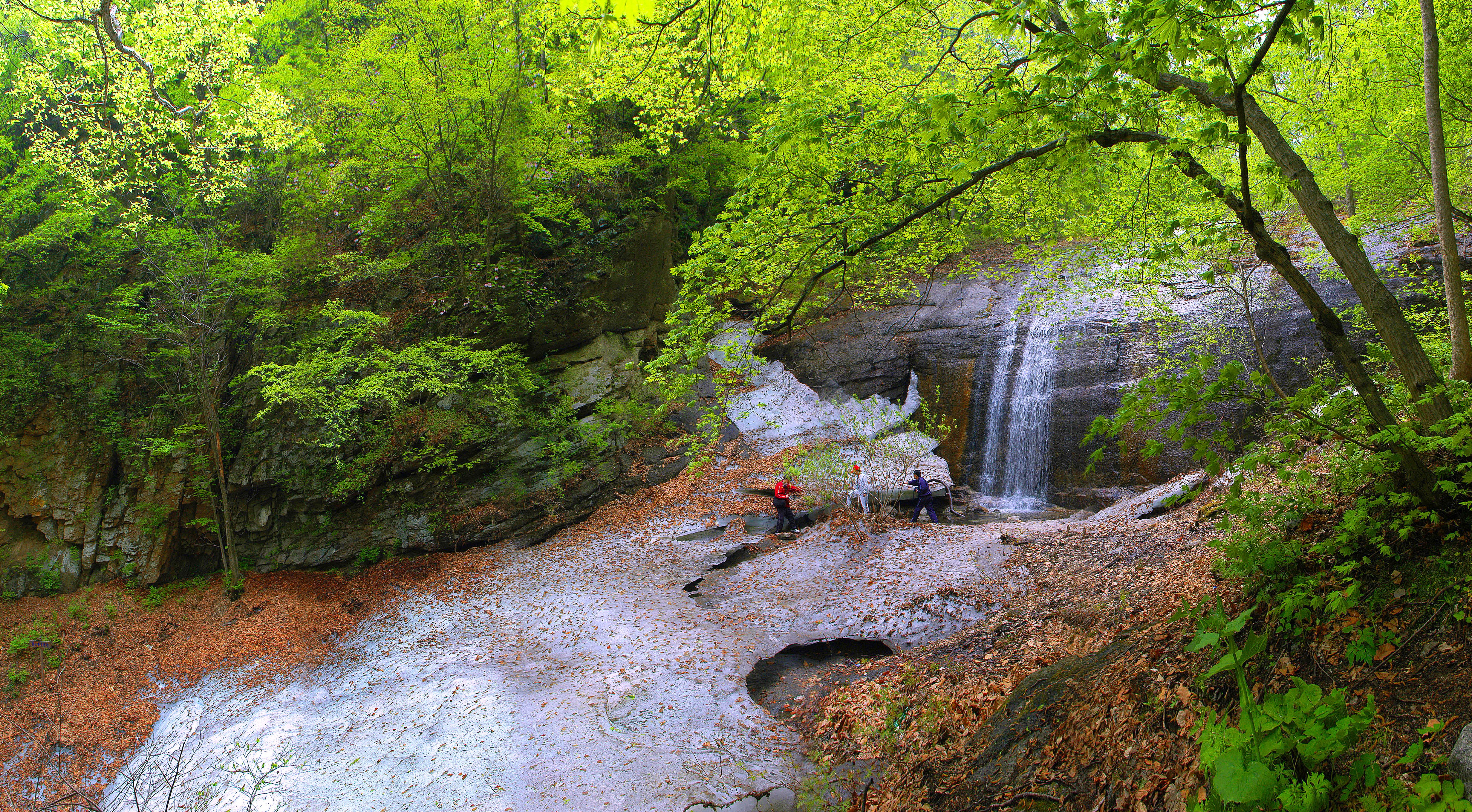
Qingfeng Ridge is a scenic mountain area in the western part of Chaoyang, known for its pristine natural environment, clear mountain streams, and dense forests. The ridge gets its name from the refreshing breezes that sweep through the valleys year-round. The area features a network of well-maintained hiking trails that pass through ancient pine forests, bamboo groves, and wildflower meadows. Several waterfalls cascade down the rocky cliffs, creating natural pools perfect for swimming in summer. The ridge is home to a diverse range of wildlife, including wild boar, pheasants, and various species of songbirds. In autumn, the ridge transforms into a spectacular display of fall colors, with maple, ginkgo, and smoke trees creating a palette of reds, yellows, and purples. The area also has historical significance — during the Anti-Japanese War, local resistance fighters used the mountain's caves and ravines as hideouts. Several memorial sites commemorate their struggle.

★★★★ 4.3
🕐 07:00-17:00
🎫 30 yuan

Food & Culture

Discover the culinary treasures of Chaoyang, from traditional street food to imperial cuisine.

Things to Do

Explore the Bird Fossil Geopark

Walk through 120-million-year-old fossil beds and see the world's earliest bird and flowering plant specimens up close.

🏛️

Visit Niuheliang Hongshan Site

Discover the 5,000-year-old ceremonial center of the Hongshan civilization and see the iconic jade pig-dragon.

Hike Fenghuang Mountain

Climb the sacred Buddhist mountain, visit ancient temples, and enjoy panoramic views of the Daling River valley.

🏛️

Admire the North Pagoda

See one of Northeast China's oldest pagodas, a 13-story Liao Dynasty masterpiece in the heart of the old city.

Taste Chaoyang Street Food

Try wantuo, shaomai, bomian noodles, and mutton soup at the city's morning markets and local eateries.

Hike Dahei Mountain

Explore dramatic volcanic rock formations, ancient lava flows, and enjoy autumn foliage at its finest.

Suggested Itineraries

Chaoyang One-Day Fossil & Culture Tour

A full day in Chaoyang combining its world-class paleontological treasures, ancient Buddhist heritage, and distinctive local cuisine.

  • Morning: Bird Fossil National Geopark — explore the museum and excavation sites (3 hours)
  • Midday: Chaoyang wantuo and bomian noodles for lunch at a local restaurant
  • Afternoon: Chaoyang North Pagoda + Chaoyang Museum (2 hours)
  • Late afternoon: Fenghuang Mountain hike and temple visit (2 hours)
  • Evening: Mutton soup dinner in the old city

Ancient Civilizations Explorer (2 Days)

An in-depth exploration of Chaoyang's two most extraordinary claims to fame — the birthplace of Chinese civilization and the cradle of early bird evolution.

  • Day 1: Morning at Niuheliang Hongshan Culture Site (half day) + afternoon at Bird Fossil Geopark (half day)
  • Day 2: Morning at Fenghuang Mountain + afternoon at Chaoyang North Pagoda and old city walk
  • Evening: Try chaoyang shaomai and Kazuo aged vinegar at a local restaurant

Complete Chaoyang Experience (3 Days)

The complete Chaoyang experience — paleontology, archaeology, sacred mountains, volcanic landscapes, and the full spectrum of local cuisine.

  • Day 1: Bird Fossil Geopark (morning) + Niuheliang Hongshan Site (afternoon)
  • Day 2: Fenghuang Mountain full day hike + North Pagoda at sunset
  • Day 3: Dahei Mountain morning hike + Qingfeng Ridge afternoon + local food tour

Getting Around

✈️

Airport

Chaoyang Airport (CHG) is a small regional airport with limited flights to major cities like Beijing and Shanghai. For more flight options, Shenyang Taoxian International Airport (about 300km east) offers extensive domestic and international connections.

🚄

High-Speed Rail

Chaoyang is served by the Beijing-Shenyang High-Speed Railway, with Chaoyang Station connecting to Beijing in approximately 2 hours and Shenyang in about 1.5 hours. This has dramatically improved the city's accessibility.

🚌

Bus Network

City buses cover the urban area and connect to major attractions. Long-distance buses link Chaoyang to other cities in Liaoning and neighboring provinces.

🚕

Taxi & Rideshare

Available throughout the city

Best Time to Visit

🌸

Spring

Apr - May

★★★★☆

Mild temperatures (10-22°C) with wildflowers blooming on Fenghuang Mountain. Pleasant weather for fossil park visits and outdoor exploration.

  • Wildflower blooms
  • Mild weather
  • Fewer tourists
☀️

Summer

Jun - Aug

★★★☆☆

Warm to hot (22-32°C) with occasional rain. Green and lush landscapes. Good for Qingfeng Ridge waterfall visits. Peak season for school groups at the fossil park.

  • Lush greenery
  • Waterfall season
  • All attractions open
🍂

Autumn

Sep - Oct

★★★★★

Cool and crisp (8-22°C) with spectacular autumn colors on Dahei Mountain and Qingfeng Ridge. The best season for hiking, photography, and fossil park visits.

  • Fall foliage
  • Perfect hiking weather
  • Clear skies
❄️

Winter

Nov - Mar

★★☆☆☆

Cold and dry (-15 to 5°C). Snow occasionally covers the landscape. Mutton soup is at its best. Fewer tourists, but some outdoor trails may be icy.

  • Mutton soup season
  • Snow scenery
  • No crowds

Travel Reminders

💡

The Bird Fossil Geopark is best visited in the morning when the light is ideal for photography and the museum is less crowded. Allow at least 3 hours for a thorough visit.

💡

Niuheliang is about 50km from the city center. Hire a local guide or join a tour group for the best experience. The on-site museum provides excellent context for understanding the Hongshan civilization.

💡

Fenghuang Mountain requires moderate fitness. Wear comfortable hiking shoes and bring water. The temple at the summit offers a peaceful place to rest and enjoy the views.

💡

Try the morning markets for the best wantuo and bomian noodles. The freshest shaomai is available before 10 AM at local tea houses. Don't miss the Kazuo aged vinegar as a souvenir.

🚇

The high-speed rail connection to Beijing (2 hours) makes Chaoyang easily accessible for a weekend trip. Local buses and taxis are affordable and reliable for getting around the city.

💡

Autumn (September-October) is the best season to visit — clear skies, comfortable temperatures, and spectacular fall colors on Dahei Mountain and Qingfeng Ridge.

Continue Exploring China

Discover more cities, food guides, and travel inspiration.