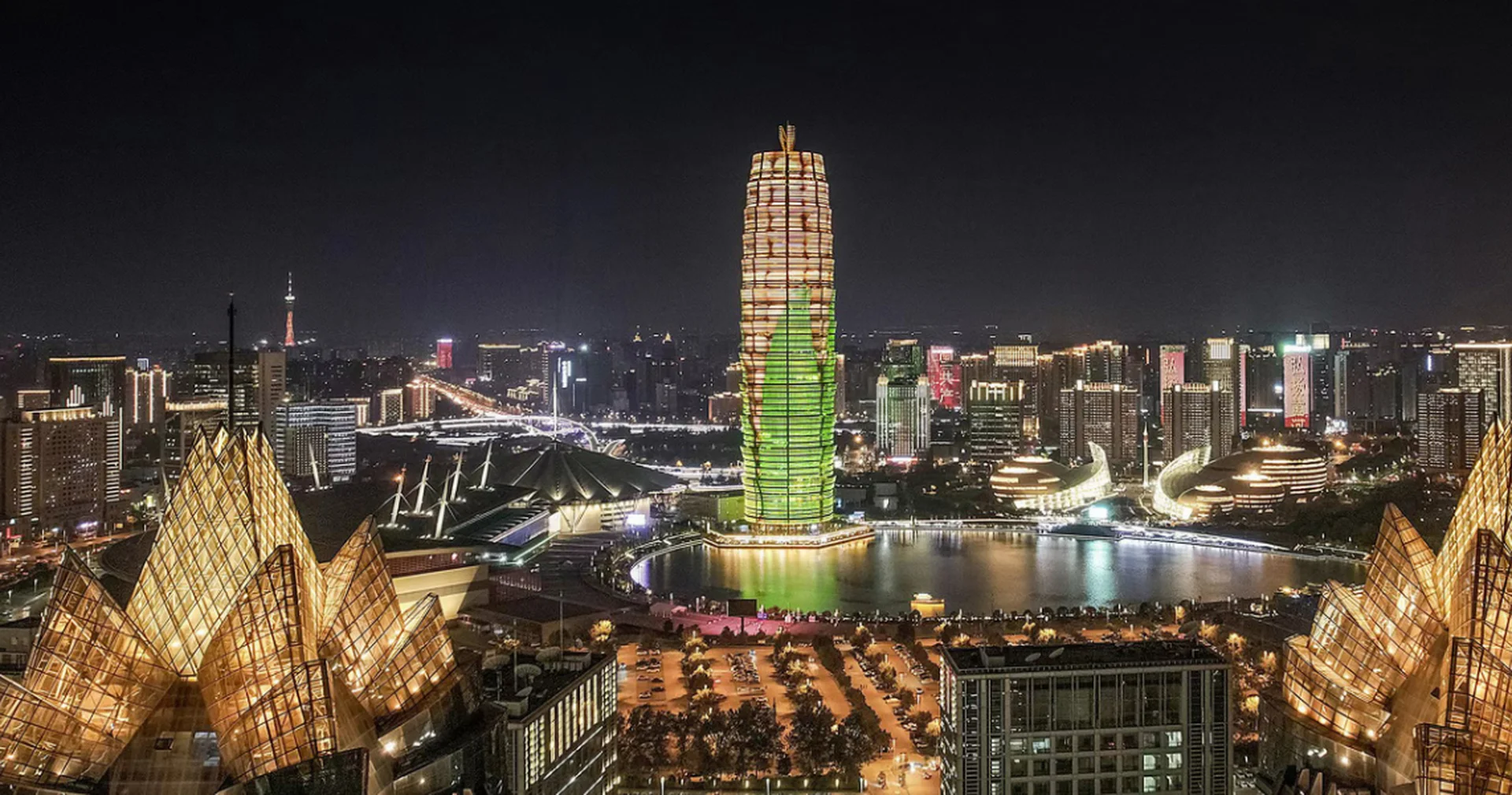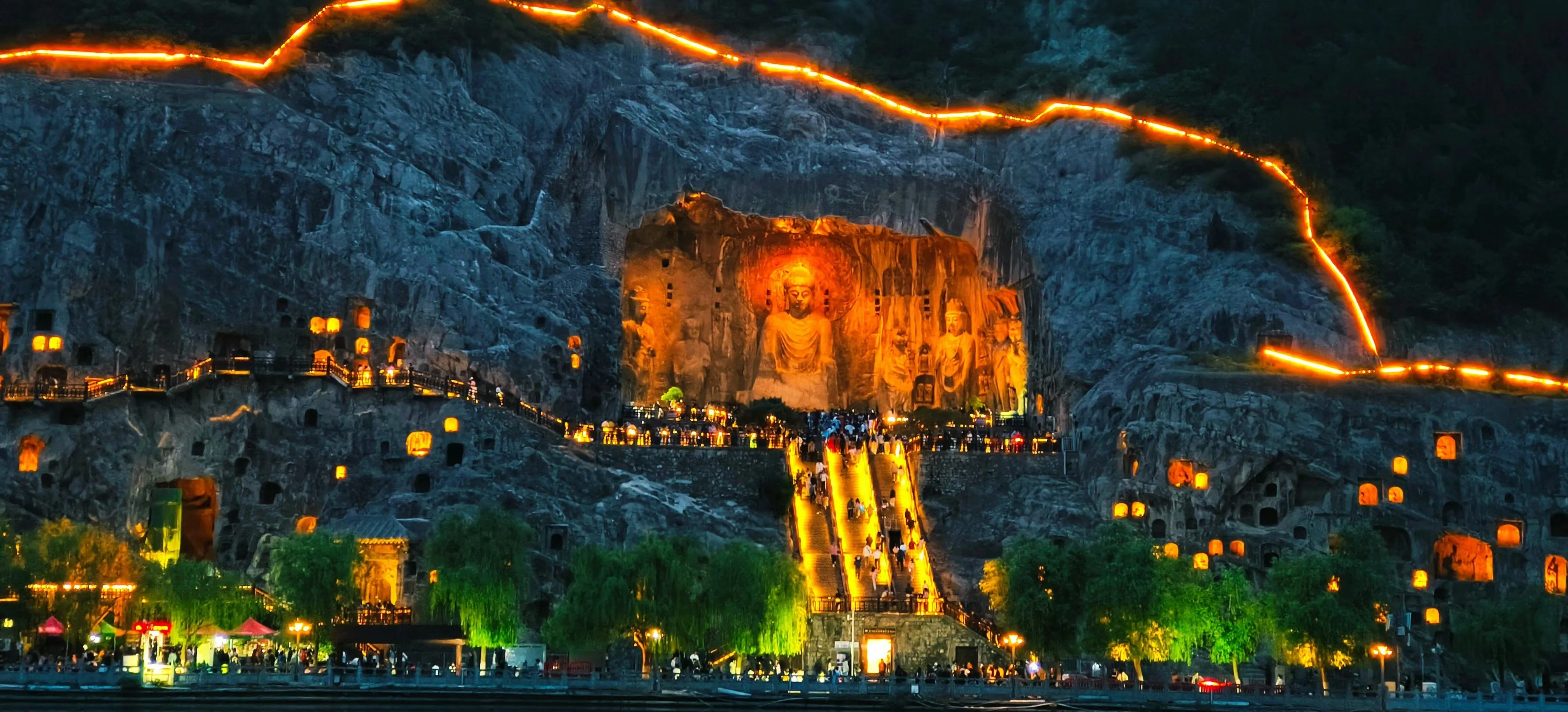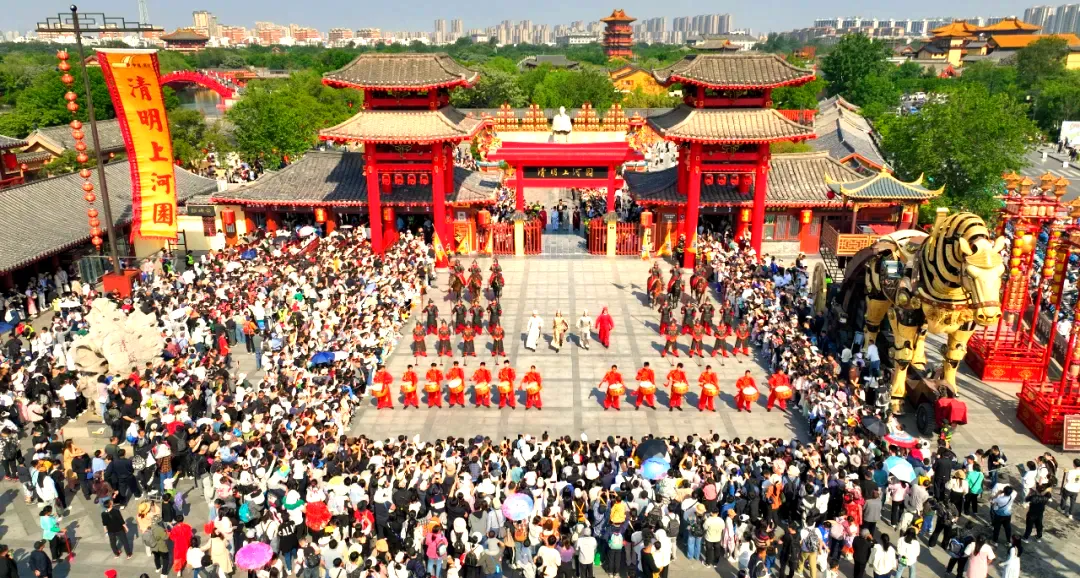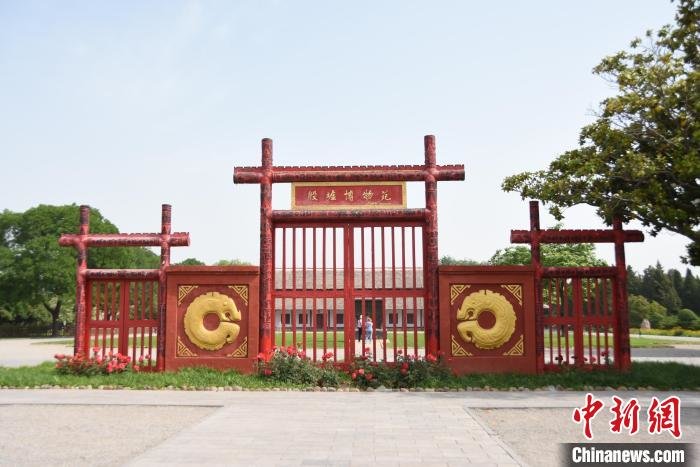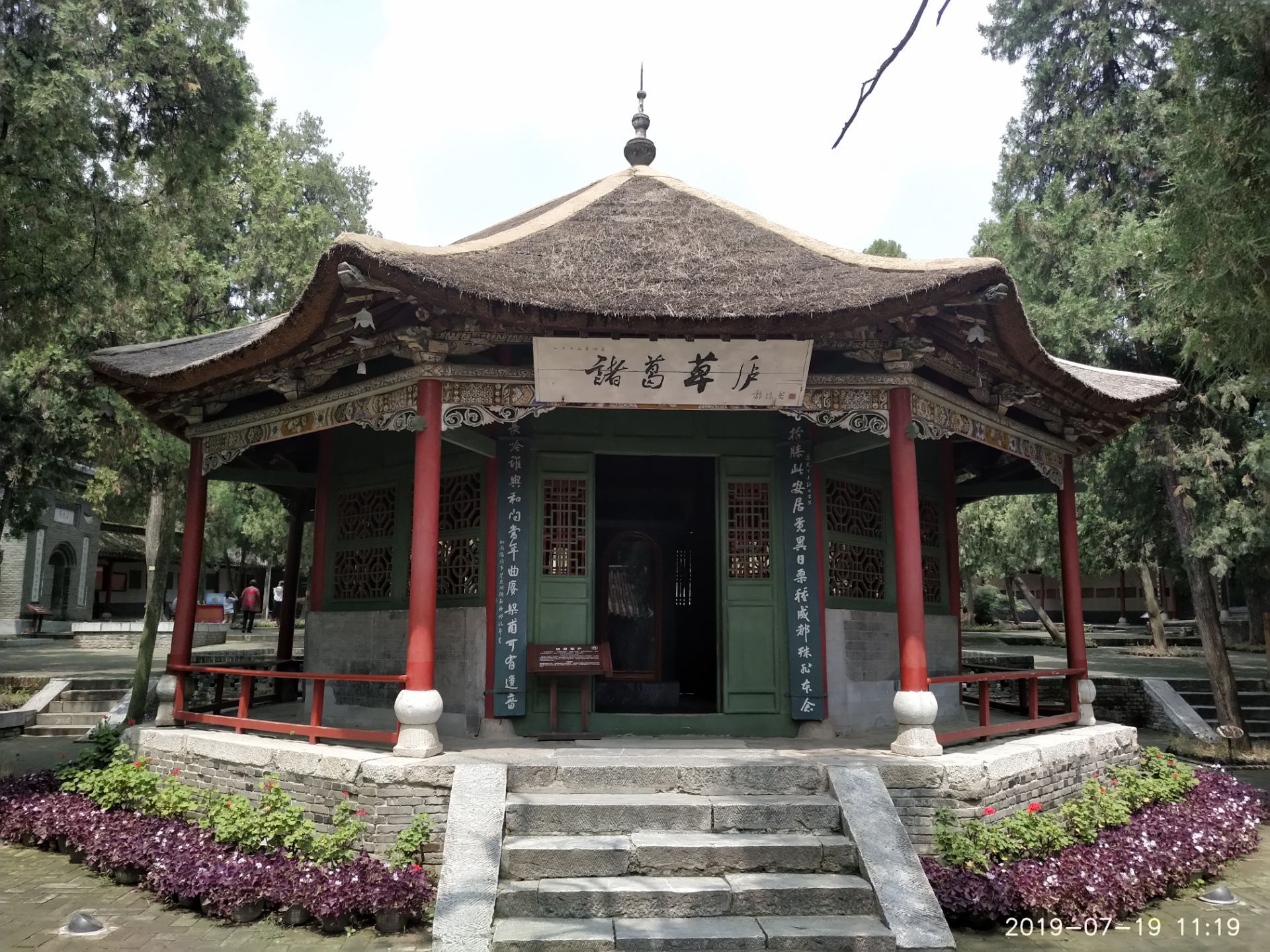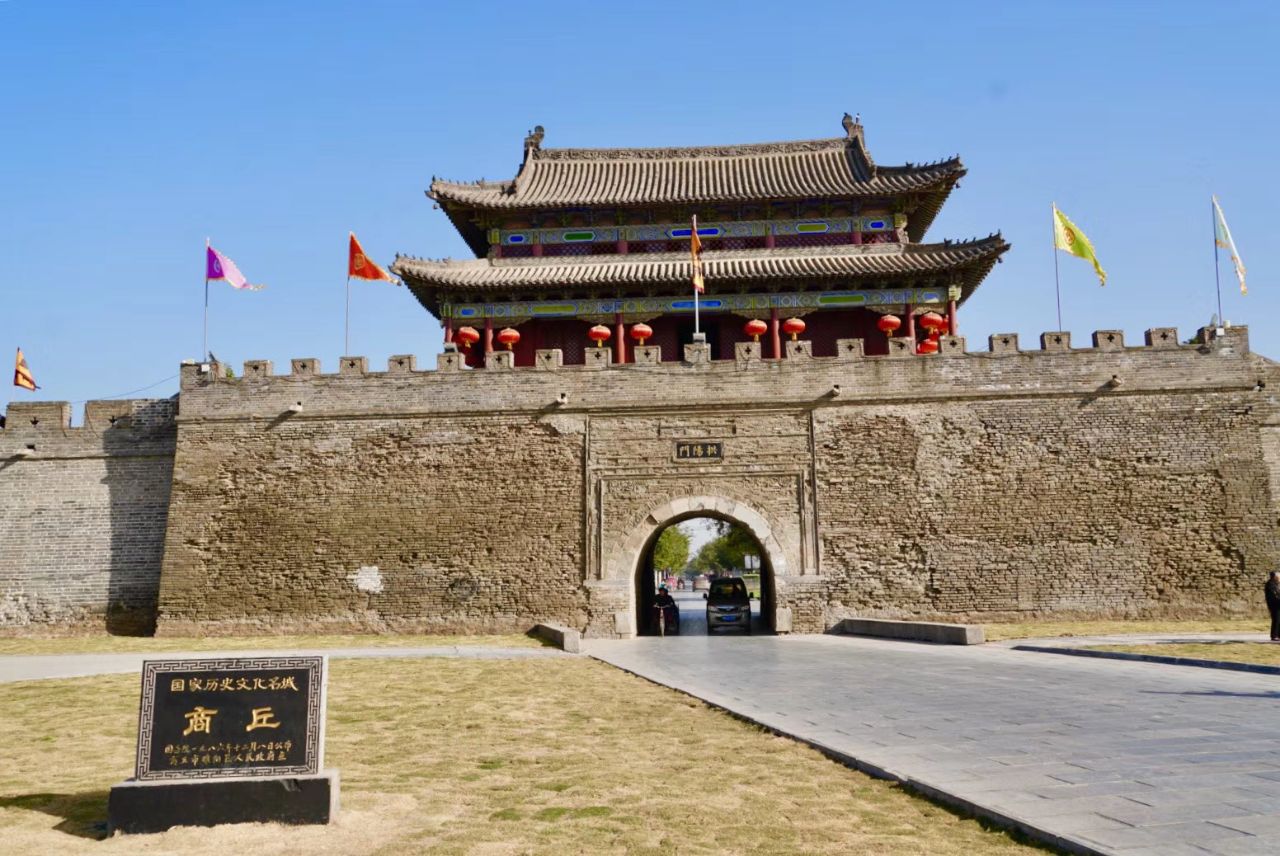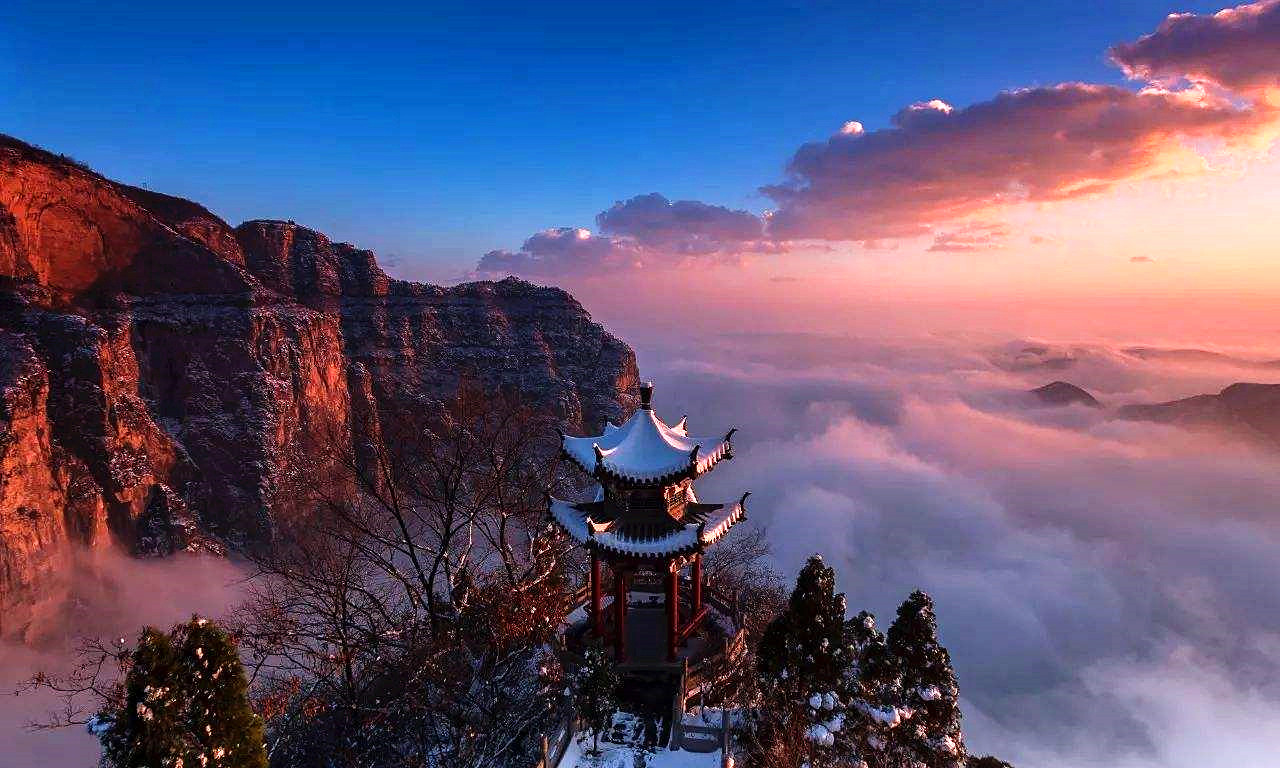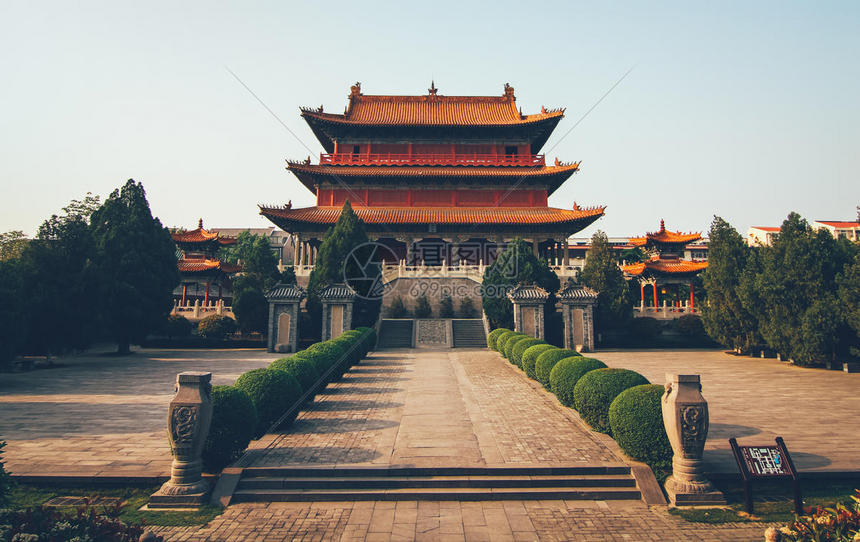
Zhumadian city skyline and landmarks (驻马店) - Travel China Guide

Zhumadian Travel Guide

Home of the spectacular Chaya Mountain and a historic post station on the ancient Southern Silk Road.

About

Zhumadian, meaning "Post Station," takes its name from the ancient imperial relay system that maintained a network of horse-changing stations along China's major roads. Located at a strategic point on the route connecting the Central Plains with the Yangtze River region, Zhumadian was a vital rest stop for travelers, officials, and merchants for over two millennia.

Today, Zhumadian is best known for the breathtaking Chaya Mountain, a surreal landscape of stacked granite boulders that creates one of the most unusual mountainscapes in China. The mountain's peculiar rock formations — massive blocks balanced on impossibly small bases, narrow crevices leading to hidden chambers, and panoramic viewpoints accessed through natural rock bridges — make it a paradise for hikers and photographers. It gained nationwide fame as a filming location for the classic 1986 TV adaptation of Journey to the West.

The city is also home to Nanhai Temple, one of the largest Buddhist temple complexes in China. With over 400 halls spread across a vast area, its scale is breathtaking. The temple's Grand Mahavira Hall ranks among Asia's largest Buddhist worship halls.

Zhumadian is China's premier sesame production region, and the local cuisine prominently features sesame oil and sesame seeds. The city's numerous lakes and reservoirs, particularly Suya Lake, provide excellent fishing and bird-watching opportunities.

The region's long history is preserved in the Zhumadian Museum, which traces habitation from Neolithic cultures through the rise and fall of dynasties. The nearby Tianzhong Mountain was historically considered the "Center of Heaven" in ancient Chinese geographical thought, adding another layer of cultural significance.

For travelers seeking unusual natural landscapes, grand religious architecture, and authentic regional food, Zhumadian offers a compelling and off-the-beaten-path destination.

History & Development

Zhumadian's name derives from its role as a post station on the imperial relay system established as early as the Zhou Dynasty. The city's location at the intersection of north-south and east-west trade routes made it a natural stopping point.

During the Han Dynasty, the area flourished as part of the fertile Runan Commandery. The renowned Han scholar Ying Shao (c. 140-206 AD) was born here and authored the Fengsu Tongyi, a comprehensive work on Han Dynasty customs and folklore.

The Three Kingdoms period saw the region as a contested area between the kingdoms of Wei and Wu. The area continued to serve as an important transportation hub through the Tang, Song, and Ming dynasties.

The Ming Dynasty saw the construction of Nanhai Temple, which grew over subsequent centuries to become one of China's largest Buddhist complexes.

In modern times, Zhumadian was established as a prefecture-level city in 2000. The development of Chaya Mountain as a national scenic area has transformed the local tourism industry.

Economy & Industries

Zhumadian is one of China's most important agricultural regions. It is the country's largest producer of sesame, with the sesame oil from Pingyu County being particularly famous nationwide. The city also produces significant quantities of wheat, corn, peanuts, and cotton.

Food processing is the leading industry, with numerous enterprises processing sesame products, grain, oil, and animal feed. Sesame oil production alone supports a substantial portion of the local economy.

Manufacturing has been growing, with industries including machinery, chemicals, textiles, and building materials. The city's industrial parks have attracted investment in recent years.

Tourism has emerged as an important economic sector, with Chaya Mountain, Nanhai Temple, and other attractions drawing increasing numbers of domestic tourists.

GDP stands at approximately 310 billion yuan.

Top Attractions

🏔️ Nature

Chaya Mountain

A spectacular scenic area featuring unique granite peak forest landscapes, known as the "Western Henan Wonder." The mountain is composed of countless granite boulders stacked in seemingly impossible formations, creating a surreal, otherworldly landscape. Narrow paths wind between massive rocks, through caves, and up to panoramic viewpoints. The mountain has been featured in numerous Chinese films and TV shows, most famously as a filming location for the 1986 TV series Journey to the West.

★★★★ 4.8
🕐 8:00 AM-6:00 PM
🎫 70 yuan
⛩️ Temple

Nanhai Temple

One of the largest Buddhist temple complexes in China, featuring over 400 halls and rooms spread across a vast area. Originally built during the Ming Dynasty, the temple has been extensively restored and expanded. The magnificent Mahavira Hall is one of the largest Buddhist halls in Asia. The temple features beautiful traditional architecture with curved roofs, intricate carvings, and serene courtyards. It is an important center for Buddhist practice and pilgrimage.

★★★★ 4.7
🕐 8:00 AM-5:30 PM
🎫 50 yuan
🏔️ Nature

Suya Lake

A vast man-made reservoir and one of the largest artificial lakes in Henan Province, covering an area of approximately 200 square kilometers. Surrounded by rolling green hills, the lake offers boat tours, fishing, and lakeside walking paths. It is an important wetland habitat for migratory birds. The sunset over the lake, with flocks of birds returning to their roosts, is a breathtaking sight.

★★★★ 4.5
🕐 Open 24 hours
🎫 Free
🏔️ Nature

Que Mountain Scenic Area

Another spectacular granite landscape in Biyang County, similar to Chaya Mountain but less developed and more natural. The mountain features massive granite boulders in fantastic shapes, clear mountain streams, and dense forest. The area is excellent for hiking and rock climbing, with trails that lead through dramatic rock formations to panoramic summits. The quieter atmosphere appeals to those seeking a more rugged, natural experience.

★★★★ 4.6
🕐 8:00 AM-5:30 PM
🎫 50 yuan
🏛️ Landmark

Tianzhong Mountain

A historically significant hill that was once believed to be the geographical center of the world in ancient Chinese cosmology. The name "Tianzhong" literally means "Center of Heaven." During the Tang Dynasty, the famous astronomer Yi Xing conducted astronomical observations here. The hill features ancient inscriptions, pavilions, and excellent views of the surrounding countryside.

★★★★ 4.3
🕐 8:00 AM-5:30 PM
🎫 15 yuan
🎭 Museum

Zhumadian Museum

A comprehensive museum showcasing the region's 8,000-year history from Neolithic settlements to the modern era. Key exhibits include artifacts from the Yangshao and Longshan cultures found in the region, bronze vessels from the Shang and Zhou dynasties, and exhibits on the ancient postal relay system that gave Zhumadian its name ("Post Station"). The museum provides excellent context for understanding the region's historical significance.

★★★★ 4.4
🕐 9:00 AM-5:00 PM (Closed Mondays)
🎫 Free

Food & Culture

Discover the culinary treasures of Zhumadian, from traditional street food to imperial cuisine.

Things to Do

Chaya Mountain Adventure

Explore the surreal granite peak forest and find the Journey to the West film locations.

🏛️

Grand Temple Visit

Tour the vast Nanhai Temple complex and admire its magnificent halls.

Lake Cruise

Take a boat ride on Suya Lake and enjoy the surrounding hills.

Food Tasting Tour

Sample sesame products, wild mushrooms, and other local specialties.

Suggested Itineraries

Chaya Mountain Day Trip

A full day exploring the unique granite landscapes of Chaya Mountain.

  • Chaya Mountain
  • Bamboo Forest
  • Film Location Spots

Zhumadian Nature & Culture

Combine Zhumadian's natural wonders with its cultural and religious heritage.

  • Chaya Mountain
  • Nanhai Temple
  • Suya Lake
  • Museum

Getting Around

✈️

Airport

Zhengzhou Xinzheng International Airport (CGO) — about 200 km north. Xinyang Minggang Airport — about 100 km south

🚄

High-Speed Rail

Zhumadian West Station on the Beijing-Guangzhou HSR line: 45 minutes to Zhengzhou, 4 hours to Beijing

🚇

Metro

No metro

Best Time to Visit

Spring (April-May) and Autumn (September-October) offer the best weather for most destinations in China.

Continue Exploring China

Discover more cities, food guides, and travel inspiration.