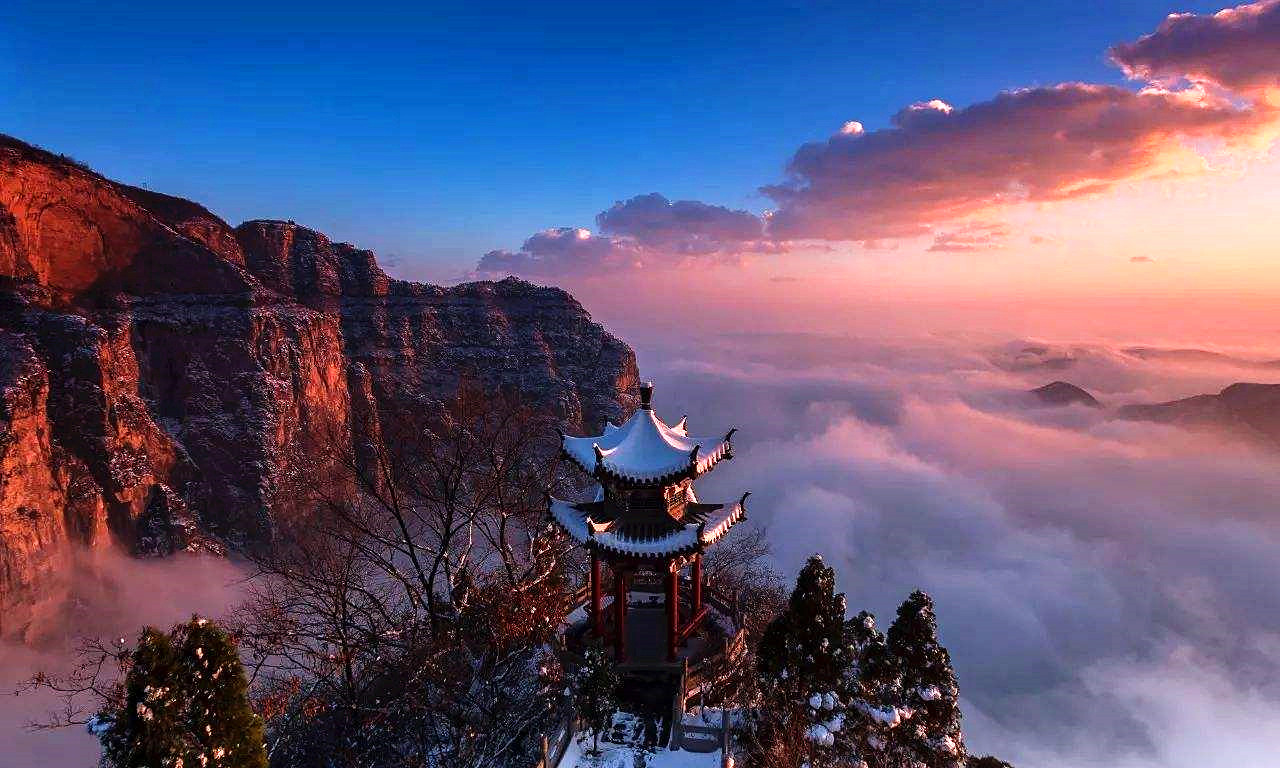
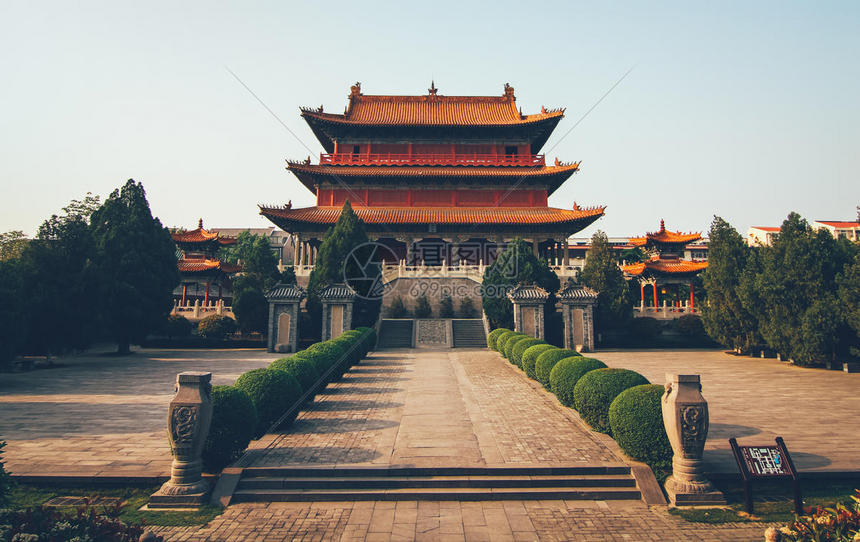
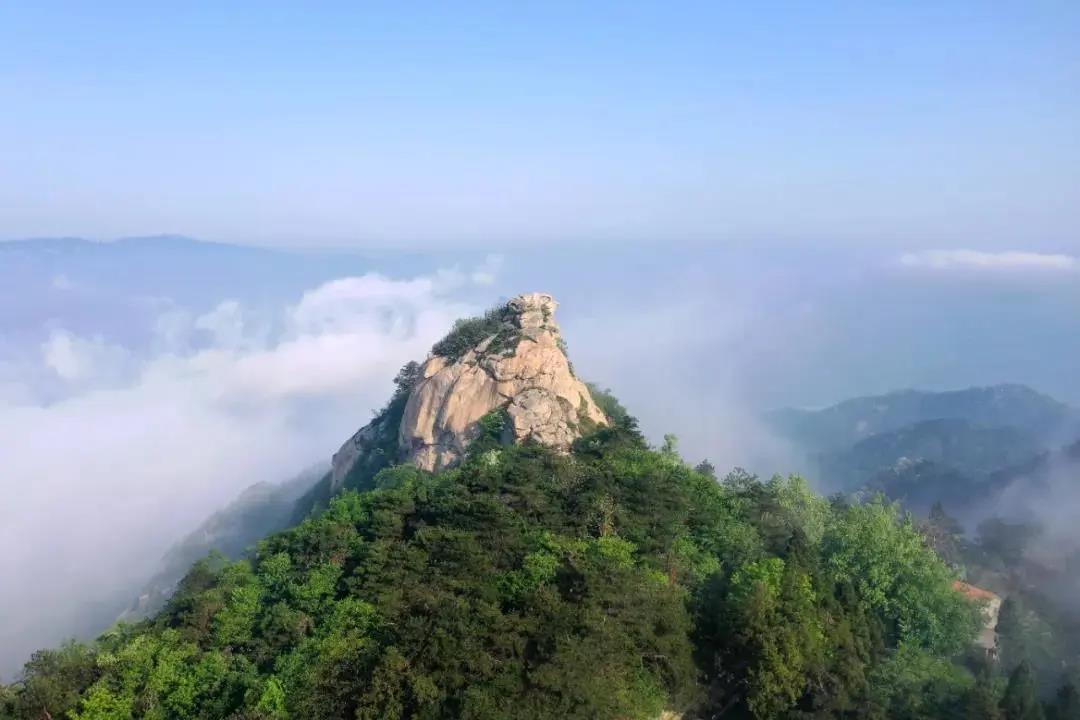
City hero image

Kaifeng

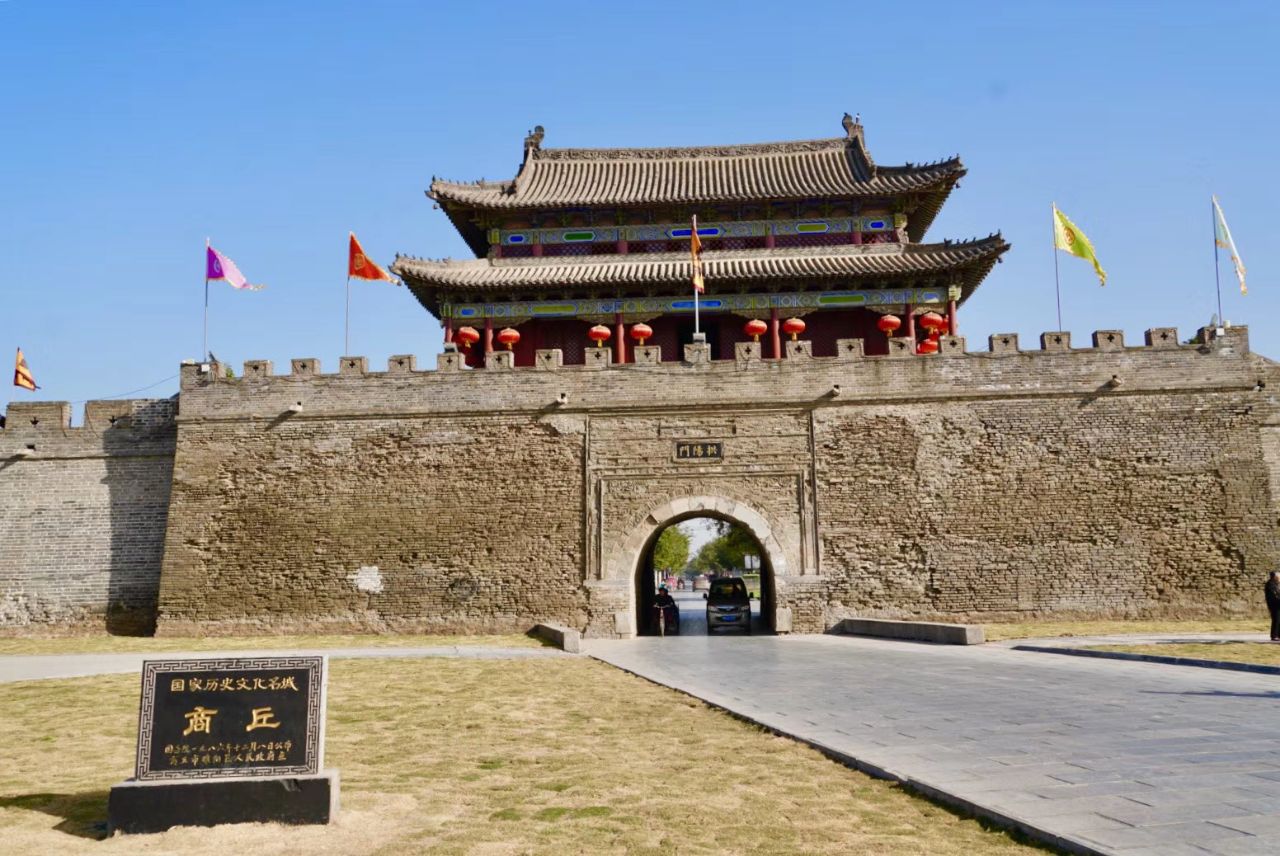
One of China's Eight Ancient Capitals—once the world's largest city during the Northern Song Dynasty, where the famous painting "Along the River During the Qingming Festival" immortalized its golden age.

About

Kaifeng stands as one of China's most historically significant cities, a place where the glory of the Northern Song Dynasty still echoes through ancient streets and legendary stories. Known as one of the Eight Ancient Capitals of China, Kaifeng served as the capital for eight dynasties spanning over 2,700 years of recorded history.

The city reached its zenith during the Northern Song Dynasty (960-1127 AD), when it was known as Dongjing—the Eastern Capital. With a population exceeding one million, it ranked among the world's largest and most prosperous cities of its era. The famous painting "Along the River During the Qingming Festival" by Zhang Zeduan immortalized this golden age, depicting a bustling metropolis with vibrant markets, busy waterways, and cosmopolitan culture that attracted merchants from across the Silk Road.

Today, the Qingming Riverside Landscape Garden brings this masterpiece to life. As the world's largest Song Dynasty theme park, it recreates the painting's scenes with over 400 actors in period costume, authentic ancient architecture, traditional craftspeople, and spectacular evening performances. Visitors can walk through reconstructed streets, watch artisans at work, sail on the Bian River, and experience the grandeur of a thousand years ago.

The legendary Kaifeng Fu—where Judge Bao Zheng dispensed justice with unwavering integrity—stands as a testament to Chinese ideals of fairness. Daily reenactments bring to life the famous cases that made Bao a household name, his black face and crescent moon symbol recognizable across China.

Kaifeng's culinary heritage is equally distinguished. The city invented the soup-filled bun (Guan Tang Bao), a delicate dumpling that holds precious broth inside its paper-thin wrapper. Barrel chicken and carp with fried noodles showcase the refined techniques of Henan cuisine, while street foods like fried bean jelly and mutton flatbread offer authentic local flavors.

Beyond its attractions, Kaifeng offers a more intimate glimpse into China's past than larger tourist cities. The pace is slower, the atmosphere more authentic, and the sense of history palpable in every narrow lane and ancient pagoda. From the iron-colored bricks of the Iron Pagoda to the golden chrysanthemums that blanket the city each autumn, Kaifeng invites travelers to step back in time and savor a gentler era.

👥
Population 4.57 million
📐
Area 6,247 km²
💬
Language Mandarin Chinese, Henan dialect. English spoken in hotels and major tourist sites.

History & Development

Kaifeng's history spans over 4,000 years, with documented civilization dating to the Xia Dynasty around 2000 BC. The city served as the capital for eight major dynasties—Xia, Wei, Later Liang, Later Jin, Later Han, Later Zhou, Northern Song, and Jin—making it one of China's most politically significant ancient cities.

During the Northern Song Dynasty (960-1127 AD), Kaifeng—then called Dongjing—reached unprecedented prosperity. With a population exceeding one million, it ranked among the world's largest and most cosmopolitan cities. The imperial examination system flourished here, producing generations of scholar-officials who shaped Chinese civilization for centuries.

The city's fame spread through Silk Road and Grand Canal trade routes. Persian, Arab, and Jewish merchants established communities, creating an international atmosphere rare in medieval times. The Iron Pagoda, built in 1049 AD, stands as a testament to the era's architectural and artistic achievements—the finest glazed brick pagoda in China.

Kaifeng's fortunes changed dramatically when the Yellow River flooded the city multiple times. Each disaster buried the old city, and each reconstruction built atop the ruins. Archaeologists have discovered multiple layers of ancient cities stacked beneath modern Kaifeng, creating a unique underground heritage.

After the Northern Song fell, Kaifeng remained an important regional center through Yuan, Ming, and Qing dynasties. The city preserved its cultural traditions, including the famous chrysanthemum cultivation that began during the Song Dynasty.

Modern Kaifeng developed as an agricultural and industrial center while protecting its rich heritage. Tourism emerged as a major industry, with millions visiting annually to experience Song Dynasty culture and authentic Northern Chinese cuisine.
Economy & Industries

Kaifeng's economy combines agricultural abundance with growing industrial and tourism sectors. Located in the heart of Henan Province on the fertile North China Plain, the city serves as an important agricultural production base.

Agriculture remains a foundation of the local economy, with wheat, corn, peanuts, and watermelon as primary products. The region is particularly famous for its peanuts, used in the city's signature peanut cakes and exported nationwide as snacks and confectionery ingredients.

Manufacturing has developed significantly, with machinery, chemicals, and food processing as major industries. Several industrial parks have attracted domestic investment, creating employment opportunities. Traditional crafts like embroidery and painting contribute to cultural preservation and economic diversification.

Tourism has emerged as a vital economic driver. The Qingming Riverside Landscape Garden, Kaifeng Fu, Iron Pagoda, and other heritage sites attract millions of visitors annually. The city's reputation for authentic Song Dynasty culture and cuisine draws domestic and international tourists, generating substantial revenue for hotels, restaurants, and retail.

The service sector continues expanding, with logistics benefiting from Kaifeng's position near Zhengzhou, a major transportation hub. E-commerce has opened new markets for local specialties like peanut products and traditional snacks.

Kaifeng's GDP reached approximately 265 billion yuan in 2023. The city's development strategy focuses on cultural tourism, agricultural modernization, and integration into the Central Plains Economic Zone regional network.

Top Attractions

📍 Other

Qingming Riverside Landscape Garden

The world's largest Song Dynasty theme park, recreating the famous painting "Along the River During the Qingming Festival" at 1:1 scale. Features 400+ actors, ancient architecture, traditional crafts, and spectacular evening performances.

★★★★ 4.8
🕐 8:30 AM-10:00 PM
🎫 ¥120
📍 Other

Kaifeng Fu

The Northern Song Dynasty's government office, famous for Judge Bao Zheng who served here. Known as "the First Government Office Under Heaven," features daily reenactments of Bao's legendary judgments.

★★★★ 4.6
🕐 7:00 AM-7:00 PM
🎫 ¥65
📍 Other

Iron Pagoda

A 55-meter Song Dynasty glazed brick pagoda built in 1049 AD. Called "Iron Pagoda" for its iron-colored bricks, it's China's finest and tallest surviving glazed brick pagoda, known as "the First Pagoda Under Heaven."

★★★★ 4.5
🕐 7:00 AM-7:00 PM
🎫 ¥40
⛩️ Temple

Daxiangguo Temple

One of China's most famous Buddhist temples, established in 555 AD and reaching peak prosperity during the Northern Song Dynasty. The legendary story of Lu Zhishen pulling up a willow tree occurred here.

★★★★ 4.4
🕐 8:00 AM-6:00 PM
🎫 ¥40
🌳 Park

Longting Park

Built on the site of the Northern Song imperial palace, featuring the magnificent Longting Hall. Two lakes surround the pavilion, and it serves as the main venue for the annual Chrysanthemum Culture Festival.

★★★★ 4.3
🕐 7:00 AM-7:00 PM
🎫 ¥50
📍 Other

Fan Tower

Built in 974 AD, Kaifeng's oldest surviving structure. The pagoda is covered with Buddha statues carved in brick, with a unique truncated form—originally nine stories, now three remain.

★★★★ 4.2
🕐 8:00 AM-5:30 PM
🎫 ¥15
🎭 Museum

China Hanyuan Stele Forest

China's largest private stele forest, collecting over 3,800 historical stone inscriptions. Combines calligraphy art with garden landscapes, a pilgrimage site for calligraphy enthusiasts.

★★★★ 4.3
🕐 8:00 AM-6:00 PM
🎫 ¥40

Food & Culture

Discover the culinary treasures of Kaifeng, from traditional street food to imperial cuisine.

Things to Do

🏛️

Song Dynasty Time Travel

Experience the Northern Song golden age at Qingming Riverside Landscape Garden.

Judge Bao's Court

Watch legendary Judge Bao reenactments at Kaifeng Fu.

🍴

Night Market Food Tour

Sample authentic snacks at Gulou and Xisi night markets.

Chrysanthemum Festival

Visit in October-November for the citywide chrysanthemum displays.

Getting Around

✈️

Airport

Zhengzhou Xinzheng International Airport (CGO) - 70 km, about 1 hour by car

🚄

High-Speed Rail

Connected to major cities

🚌

Bus Network

Comprehensive network throughout the city

🚕

Taxi & Rideshare

Available throughout the city

Best Time to Visit

🌸

Spring

Mar - May

★★★★☆

Pleasant weather with mild temperatures. Flowers bloom throughout the city parks.

  • Comfortable weather
  • Spring flowers
  • Fewer crowds
☀️

Summer

Jun - Aug

★★★☆☆

Hot and humid with occasional rain. Evening activities and indoor attractions recommended.

  • Evening shows
  • Night markets
  • Lush greenery
🍂

Autumn

Sep - Nov

★★★★★

The best season—cool and crisp with the spectacular Chrysanthemum Festival in October-November.

  • Chrysanthemum Festival
  • Perfect weather
  • Peak beauty
❄️

Winter

Dec - Feb

★★★☆☆

Cold but often sunny. Fewer tourists and cozy hot pot experiences.

  • Fewer crowds
  • Hot food season
  • Clear days

🎉 Festivals & Events

October 18 - November 18
Kaifeng Chrysanthemum Culture Festival

The city's premier event featuring millions of chrysanthemums, cultural performances, and exhibitions.

April 4-6
Qingming Festival Cultural Fair

Traditional Song Dynasty cultural activities at Qingming Riverside Landscape Garden.

💡 Weather Tips

October-November is peak season—book early. Bring layers for temple visits.

Travel Reminders

💡

sightseeing

Enter in late afternoon to enjoy daytime scenery and stay for the spectacular evening performance "Dream of Dongjing." Book evening tickets separately.

💡

sightseeing

Visit mid-October to mid-November for the citywide chrysanthemum festival. Longting Park is the main venue with spectacular displays.

💡

food

Gulou Night Market and Xisi Night Market are the best places for authentic local snacks. Evening is when they come alive.

💡

transportation

From Zhengzhou Airport, take high-speed rail from Zhengzhou East to Kaifeng North (20 minutes) or direct bus to Kaifeng.

Continue Exploring China

Discover more cities, food guides, and travel inspiration.